New Energy Online Taxis: A Smooth Ride, Except for the Non-Stop Vomiting
 05/27 2026
 475
475
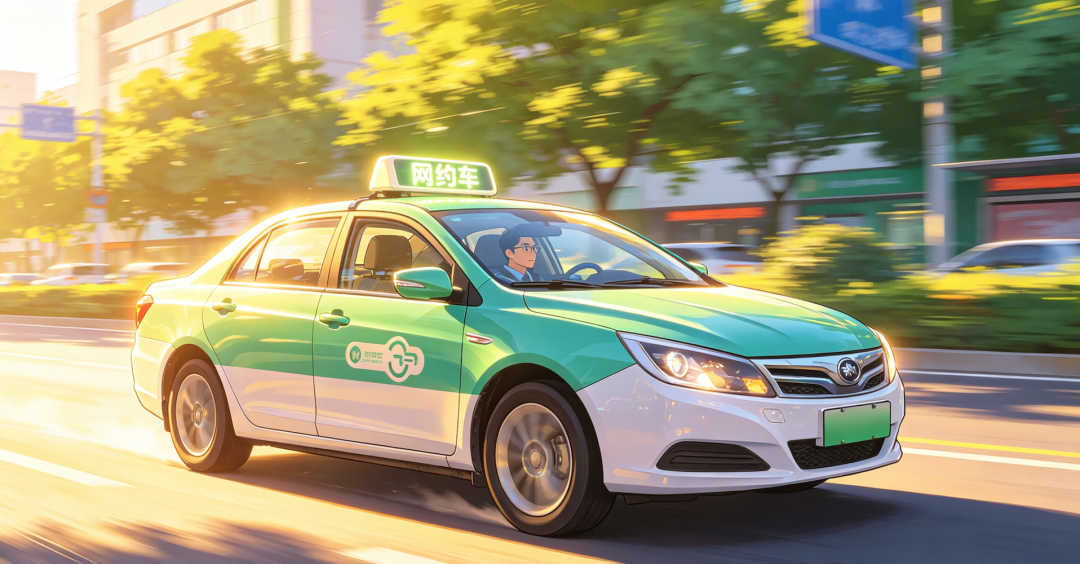
Online Taxi Platforms: Please Respect the Basic Rights of Those Prone to Carsickness
Editor: Wen Ruyan
At some point, taking a taxi every day has transformed into a gamble akin to opening a blind box.
When we access an online taxi platform, we're presented with an array of choices: select the car model, pick a driver, schedule a ride, filter for high-quality vehicles, and even opt for a quiet ride, no phone calls, or prefer experienced drivers. The platform's interface is brimming with details of 'humanized services,' seemingly catering to user experience at every juncture.
Yet, there's one crucial feature that millions of users desperately need, yet it's collectively overlooked by all mainstream platforms: the absence of an option to choose between fuel-powered and new energy electric vehicles on the standard booking page for regular users.
Currently, nearly all major online taxi platforms, such as Didi, Gaode, T3, and Cao Cao Mobility, do not offer 'fuel vs. electric vehicle filtering' as a prominent, visible, or universal basic feature. (Gaode allows users to exclusively select new energy vehicles.)
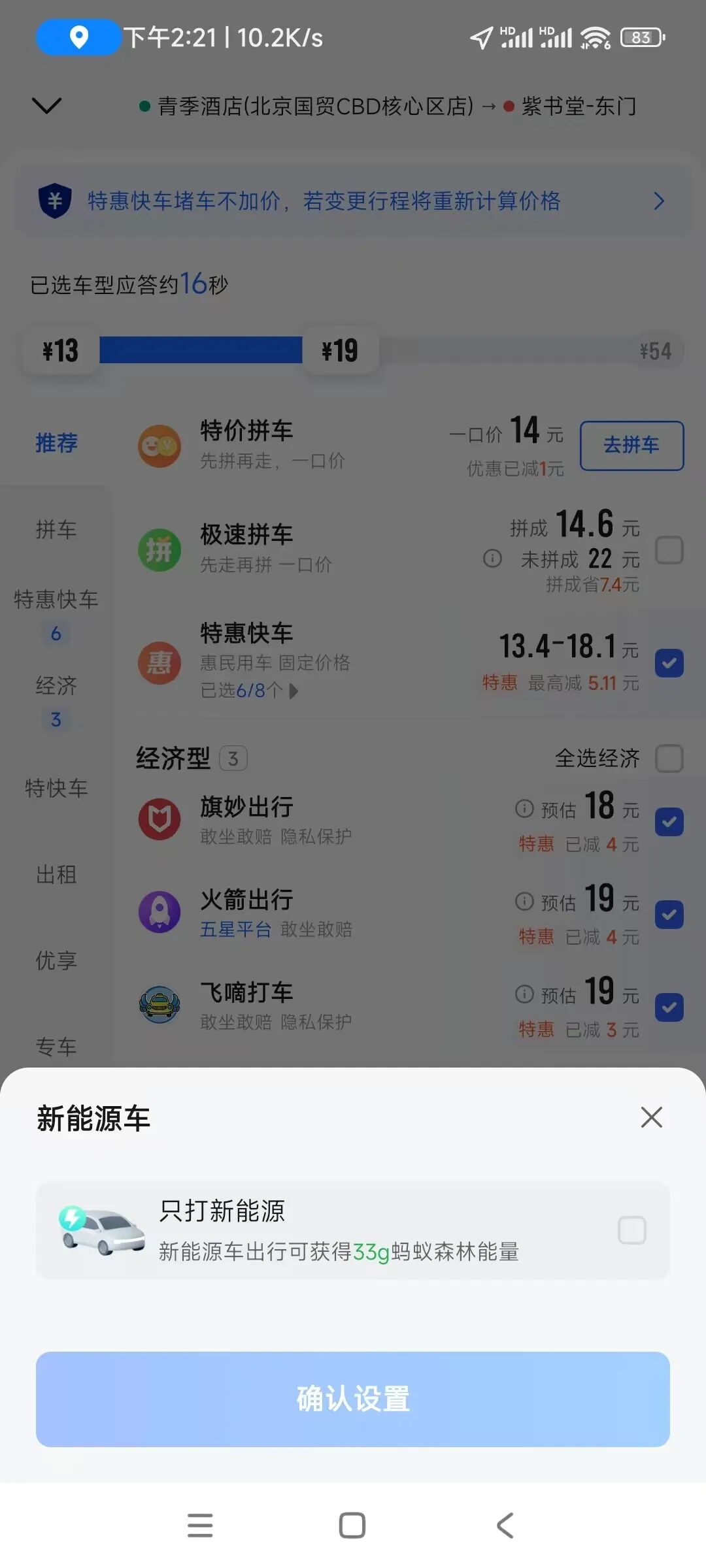
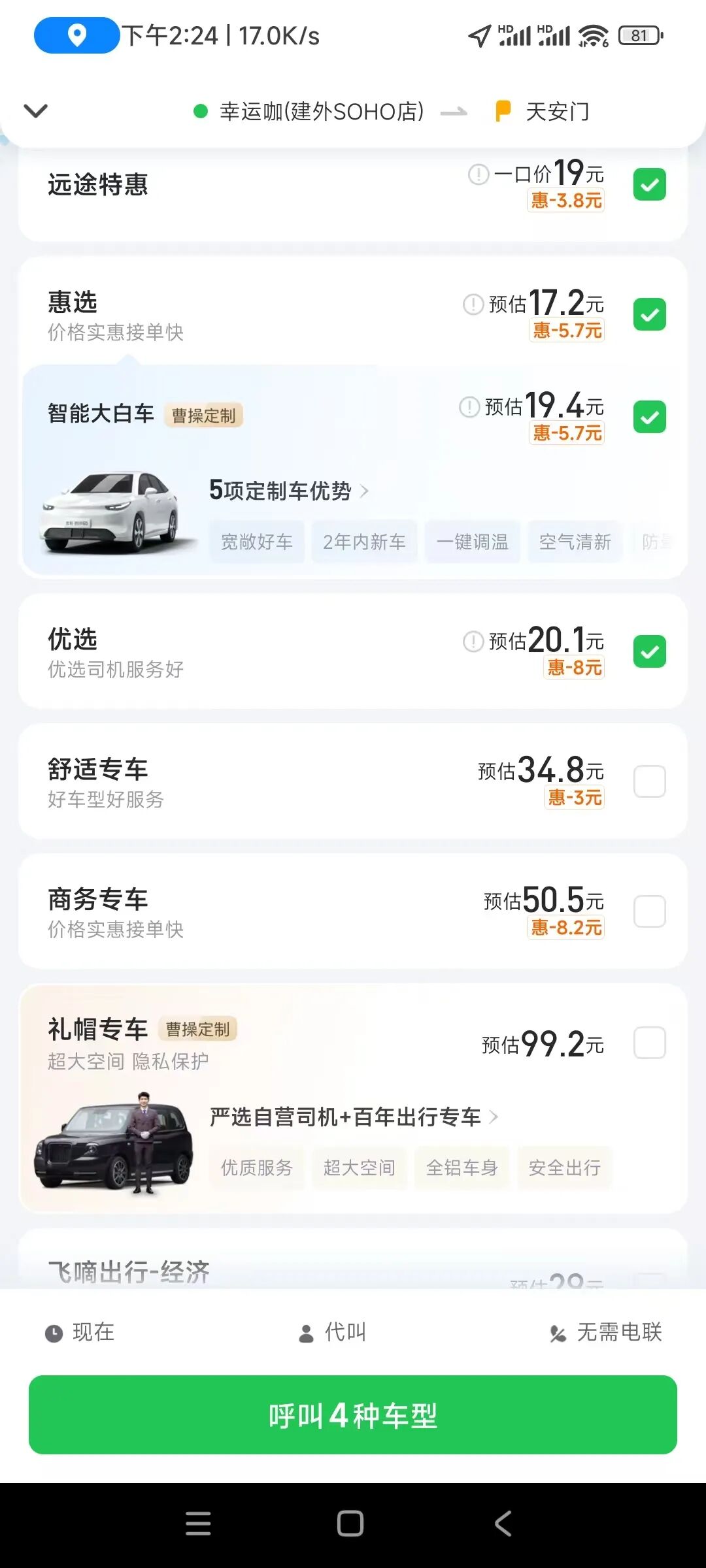
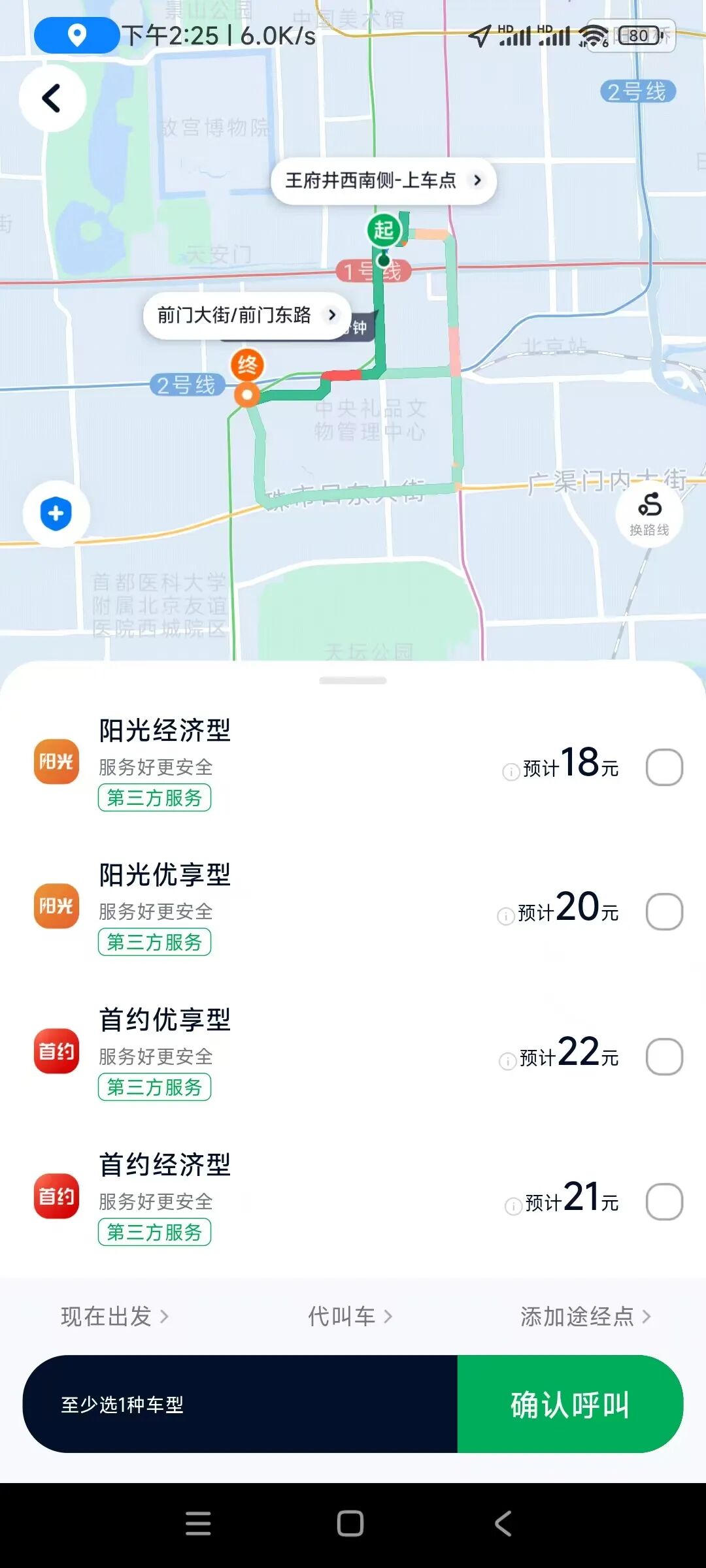

This means that even if you inherently cannot tolerate electric vehicles, feeling nauseous or dizzy every time you ride in one, or if you strongly dislike the jerky feel and abrupt acceleration of electric cars, you're left with no choice but to passively accept whatever vehicle the system assigns you when booking a ride. Whether the arriving car is fuel-powered or electric is entirely a matter of luck—users have no say in the matter.
Today, we won't delve into industry competition or price differences. Instead, let's focus on a core issue that platforms deliberately overlook, yet it's crucial to countless people's travel experience: On the road to full electrification in the online taxi era, can ordinary users at least retain a basic right to choose?
01
It's Not Picky—It's Genuinely 'Not Being Able to Ride in Electric Cars'
Many people who don't experience carsickness may wonder: Isn't it just about riding in a car? What's the difference between fuel-powered and electric vehicles? Why be so particular?
Only those deeply affected understand that after the widespread adoption of electric taxis, daily rides have become a form of torture.
Why does riding in a car cause nausea? The answer lies in the driving logic of new energy electric vehicles versus traditional fuel-powered cars. Fuel-powered cars deliver linear power output with minimal jerkiness, and their throttle and brake responses align closely with human perception, ensuring a smooth and steady ride. In contrast, new energy electric vehicles have extremely strong torque output, delivering full power instantly upon acceleration, resulting in rapid and abrupt speed changes (e.g., a domestic model achieving 0-100 km/h in 1.98 seconds). Additionally, the regenerative braking feature standard in electric cars causes automatic deceleration when the throttle is released, creating a strong jerking sensation.
This frequent 'lurching—dragging' rhythm is the primary cause of carsickness.
For ordinary passengers, it might just feel like a slightly uncomfortable ride with some bumps. However, for those with sensitive vestibular systems, prone to carsickness, or with weaker constitutions, this sensation can be debilitating. At best, it causes dizziness and nausea; at worst, it leads to relentless vomiting throughout the journey, ruining their entire day. As someone who suffers severely from carsickness, the author needs a full day of rest to recover after any ride longer than 30 minutes.
More critically, most young people today are accustomed to using their phones during rides—working, browsing short videos, or scrolling through social media. Test data shows that the likelihood of carsickness when looking down at a phone in an electric car is more than three times higher than in a fuel-powered car.
We must clarify one point: The desire to choose a fuel-powered car is not about being picky—it's a genuine physiological need. Just as some people have allergies, acrophobia, or sensitivity to odors, this is a bodily reaction that cannot be overcome through mere endurance.
Yet, the current online taxi industry assumes 'everyone can tolerate electric cars,' effectively turning a normal demand from some users into a niche request with nowhere to be heard.
02
Why Do Platforms Firmly Refuse to Add a 'Fuel vs. Electric' Option?
As of May 2026, most online taxi platforms (including Didi’s standard booking, Gaode, T3, Cao Cao, etc.) lack a visible 'powertrain type' filtering option.
However, these same platforms offer a wide range of personalized services to enhance user experience: quiet mode, contactless rides, preference for experienced drivers, large luggage, child transportation, elderly travel, pets allowed, and even niche options like 'no air conditioning' or 'open windows for ventilation.'
Their refined service covers every aspect, demonstrating strong functional development and segmentation capabilities. Yet, puzzlingly, when it comes to the carsickness needs of millions, all platforms collectively remain silent and absent.
Adding a simple filtering button is technically effortless and low-cost. Why, then, do all online taxi platforms unanimously refuse to implement it?
The answer has never been about technical challenges—it's about balancing commercial interests and user experience.
Let's break down the issues today.
First, platforms prioritize metrics like order acceptance efficiency, matching speed, complaint rates, and fleet turnover.
For online taxi platforms, shorter user wait times, faster order matching, and higher driver acceptance rates improve operational data, boosting user retention and reputation. Adding a fuel vs. electric filtering option would directly shrink the order-matching pool. If users select fuel-powered cars, the system can only match a limited number of fuel-powered drivers, leading to slower matching, longer wait times, increased empty orders, and even user complaints about delays or timeouts.
In short, adding a filter reduces the vehicle-matching pool, increases user wait times, and raises complaint volumes—costs and risks platforms are unwilling to bear.
Second, under the industry’s push for new energy electrification, fuel-powered taxis are rapidly phasing out.
Today, major cities nationwide enforce policies promoting electrification for online taxis, with 100% of new online taxis being electric. Existing fuel-powered taxis are decreasing yearly, with no new additions. For platforms and drivers, electric vehicles offer lower operating costs, better range for order scenarios, and higher profit margins—an inevitable industry trend.
All platform rules, algorithms, and dispatch logic now favor electric vehicle drivers, fully aligning with the electrification transition. Against this backdrop, user preference for fuel-powered cars becomes an 'unnecessary demand' that hinders platform efficiency and contradicts industry trends, prompting direct disregard.
AI tech self-media outlet Houchangcun argues that carsickness discomfort for most users is mild and non-fatal, with few abandoning online taxis entirely due to occasional nausea. Without mass complaints, public opinion pressure, or significant losses to platforms, there’s little incentive for platforms to invest resources in optimizing this 'thankless' feature.
03
We Don’t Oppose Electrification—We Just Want a Basic Right to Choose
Here, we must clarify a core viewpoint: As users, we never oppose the electrification of online taxis. We fully support green travel and the industry’s low-carbon, environmentally friendly development trend.
As a severe carsickness sufferer, the author does not ask platforms to abandon electrification or ensure an unlimited supply of fuel-powered cars. We merely seek a basic right to choose.
We hope for a public, dominant, and perpetually available powertrain filtering option on the standard booking page: 'Prioritize fuel-powered,' 'Prioritize electric,' or 'No preference,' with three freely switchable options.
If a match is possible, prioritize it; if not, clearly prompt 'No fuel-powered cars available. Continue waiting? / Switch to electric?' without any hidden operations.
04
Conclusion
The essence of travel has never been merely about 'getting someone to their destination'—it's about arriving safely, comfortably, and with dignity. If a convenient ride comes at the cost of physiological discomfort and mental torture for some, then such intelligent and electrified upgrades represent a flawed form of progress.
A small fuel vs. electric filtering button upholds the travel dignity of millions of users. It doesn't disrupt most people's rides or hinder industry electrification—yet it resolves daily struggles for countless individuals.
Stop turning taxi rides into a luck-based blind box. Stop forcing users with physiological discomfort to endure and suffer passively with every trip.
-
![]()
"My Parents Have Been Driving Their Gasoline Car for Over a Decade, Yet My Electric Vehicle Needs Replacing After Just 4 Years"
-
![]()
Qwen: A Driving Force Behind Alibaba Cloud’s Evolution
-
![]()
SAIC’s Milestone of 100 Million Vehicles: A Testament to SAIC Volkswagen’s Contribution!
-
![]()
New Energy Online Taxis: A Smooth Ride, Except for the Non-Stop Vomiting
-
![]()
Alipay Unveils the Globe’s Pioneering Token-Based Payment Service: Will the AI Era Revolutionize How We Pay?
-
![]()
Suzhou AI Unicorn Reinitiates IPO, While Alibaba Continues to Trim Holdings Over Three Years
-
![]()
Navigating the Token Era: How to Lead with Full-Stack Solutions? H3C Unveils Its 'Six-Pulse Swordplay' Strategy
-
![]()
Final Ruling: The Internet is No Wild West - Auto Social Media Must Operate Within Legal Boundaries