SAIC’s Milestone of 100 Million Vehicles: A Testament to SAIC Volkswagen’s Contribution!
 05/27 2026
 517
517
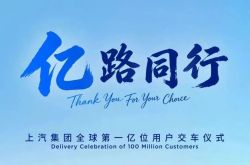
On May 27, SAIC Group proudly announced the delivery of its 100 millionth vehicle to a global customer! The two keywords that resonate most with this monumental achievement of 100 million vehicles are speed and timing! As the first automotive group in China’s automotive industry history to surpass 100 million cumulative production and sales, SAIC Group reached this milestone in close tandem with the establishment of its joint venture in China.
The automotive industry is a cornerstone of the national economy, and its industrial scale's value transcends mere numbers. What truly matters after achieving such scale is the industry's advancement it fosters.
SAIC Volkswagen stands as the largest contributor to the 100 million production and sales scale, emerging as the group's foremost hero. Since its inception in 1984, accounting for nearly one-third of total sales, and with the earliest start, the most precise positioning, and the most comprehensive product lineup, its sustained growth over 42 years has been pivotal in SAIC Group's attainment of the 100 million vehicle milestone. From initially localizing Santana production, which spurred the growth of over 400 parts companies, to becoming the first automaker in China to achieve ISO quality system certification, and then laying the groundwork for the entire dealer network service system, SAIC Volkswagen established three foundational pillars for SAIC and the development of China's automotive industry: 1. Elevated the quality benchmark for China's automotive industry; 2. Paved the way for electrification transformation; 3. Set service standards for China's automotive distribution industry.
If SAIC Group is viewed as a towering skyscraper in the automotive market, then independent innovation determines its height, while Volkswagen defines the depth of its foundation.
Therefore, to truly grasp the significance of SAIC Group's 100 million vehicle achievement, our narrative must commence with SAIC Volkswagen's 42-year odyssey.
Editor | Li Jiaqi
Image Source | Internet
1 The "Quality Evolution" of SAIC's 100 Million Vehicles!
In 1983, the first Santana was assembled in Anting using CKD methods, with a mere 2.7% localization rate—relying almost entirely on imported parts, save for tires, horns, antennas, and logos. To overcome the challenges of local supply shortages, SAIC Volkswagen spearheaded the formation of the "Santana Consortium," involving 105 parts companies, 6 universities, and 7 research institutes. Adhering strictly to German "six-gate" standards, it demanded 100% qualified parts.
At that time, a visionary system was introduced—the "Localization Fund." For every Santana sold, 28,000 yuan was allocated from profits to form a cumulative fund totaling billions of yuan, specifically aimed at supporting parts manufacturers. Utilizing market profits to nurture industrial foundations marked a rare institutional innovation in China's manufacturing industry at the time.
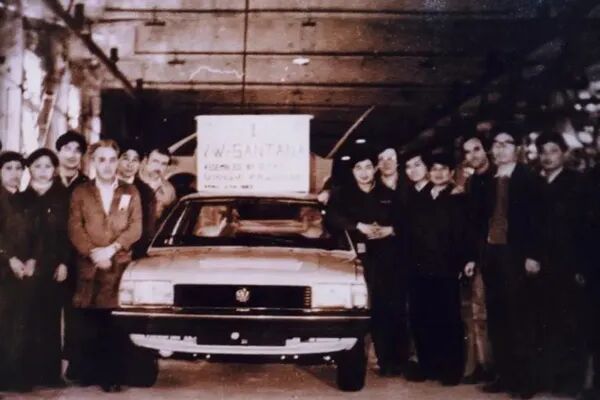
Through meticulous accumulation, SAIC Volkswagen laid the groundwork for the evolution of China's automotive industry. From 0 to 10,000 vehicles, then to 10 million, 20 million, and 30 million, SAIC Volkswagen demonstrated the success of China's joint venture model and mirrored the 40-year transformation of SAIC and China's automotive industry.
The system supports sales, which in turn reinforce the system. SAIC Volkswagen's demands on the system extend far beyond mere vehicle manufacturing. Especially in today's emotionally driven market, where domestic new forces rapidly iterate on functional products, the most fundamental yet enduring dimension—the quality system—often remains relatively underexplored. These accumulations are precisely what SAIC Volkswagen has built and solidified over decades.
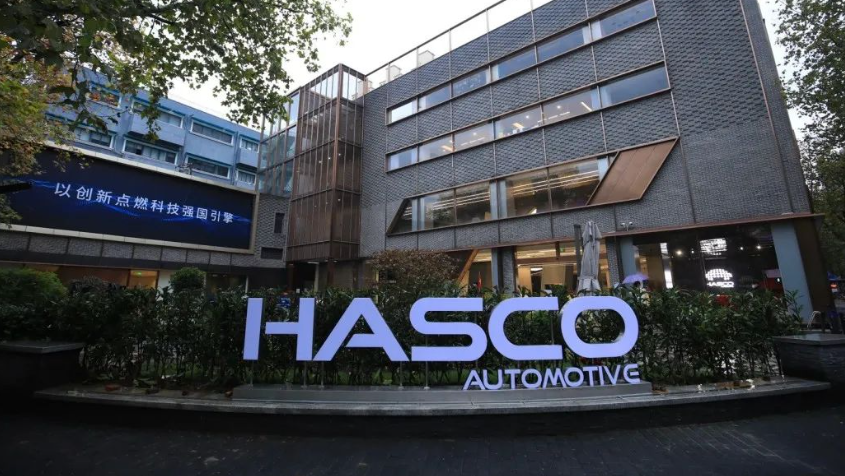
The most direct manifestation of this capability chain is the collaboration between SAIC Volkswagen and Huayu Automotive. Huayu Automotive, nearly 58% owned by SAIC Group, is China's largest automotive parts supplier. From SAIC Volkswagen's early stringent requirements for Huayu, a unique co-creation relationship emerged—jointly defining technical paths in R&D, sharing quality systems in manufacturing, and achieving scale through the SAIC brand in the market.
In this process, SAIC Volkswagen not only exported its rigorous "Formel Q" quality standards, demanding zero-defect strategies from all employees, but also directly dispatched professional teams to assist in production. For instance, through on-site coaching by SAIC Volkswagen experts, Huayu Pierburg Pump Technology reduced its average monthly scrap cost by 50%, with key component scrap rates dropping from 0.3% to 0.08%.
Under such stringent standards, China's first batch of modern automotive parts companies began to transform. Yanfeng International's story is most illustrative. Initially, to meet Volkswagen's stringent standards for steering wheel airbags, Yanfeng borrowed $280,000 to invest in German foaming technology and advanced equipment. After a series of technical breakthroughs, it ultimately achieved localized supply of steering wheels.
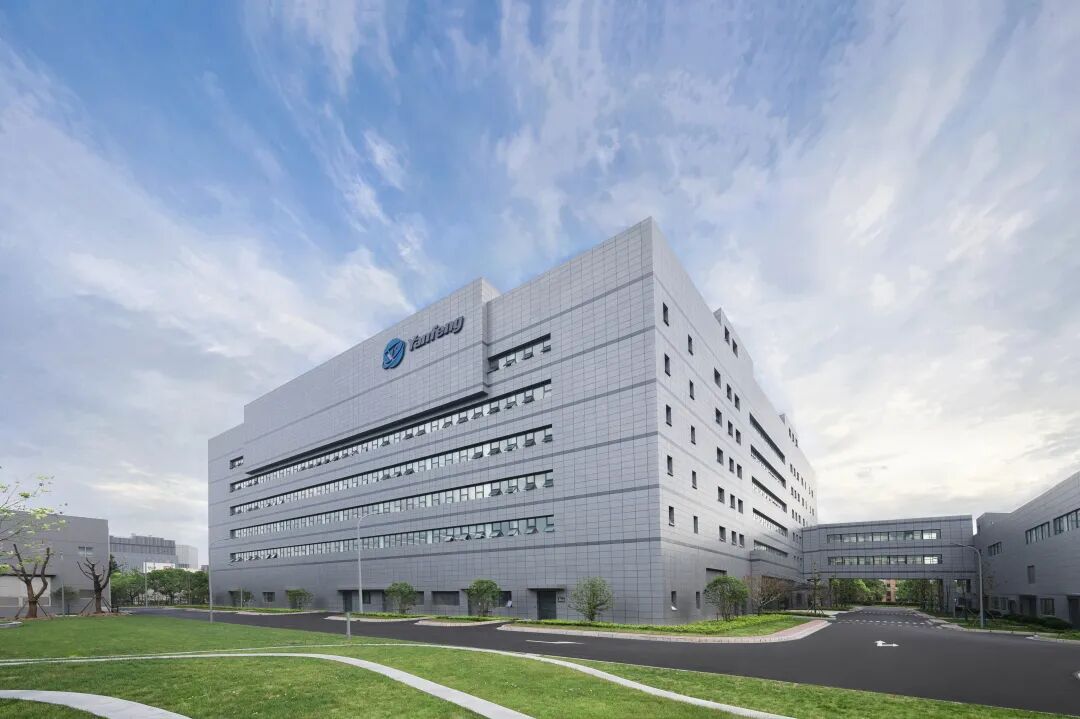
By 1996, Santana's localization rate reached 90%, with over 400 high-quality parts companies flourishing in the process, including Fuyao Glass, Desay SV, and Ningbo Huaxiang—now key players in China's automotive supply chain. Together, they form the genetic pool of SAIC Group's quality evolution and underpin its systemic competitiveness in today's electrification and intelligence era. From traditional fuel vehicles to new energy vehicles, from mechanical parts to intelligent sensors, SAIC Volkswagen determines the quality foundation of SAIC's entire parts system.
2 Pioneers Are Not Always the Biggest Beneficiaries
The automotive industry's evolution follows an intriguing pattern: pioneers are often remembered, but latecomers frequently reap the rewards. Mercedes invented the automobile, but 140 years later, new forces challenge it with intelligent experiences; Tesla pioneered one-piece casting, but today in China, XPENG is the earliest to scale one-piece casting models; Zeekr boasts the most models; Seres has the highest single-vehicle value.
The iteration of technological systems is always closely tied to efficiency and the speed of information diffusion, with the pioneers' advantage window visibly narrowing.
As early as October 2018, when most domestic automakers were still hesitant about electrification, SAIC Volkswagen's MEB new energy factory commenced construction in Anting. This marked Volkswagen Group's first global factory designed and built exclusively for MEB pure electric vehicles, as well as China's first MEB platform factory, with a total investment of 17 billion yuan and a planned annual capacity of 300,000 vehicles.
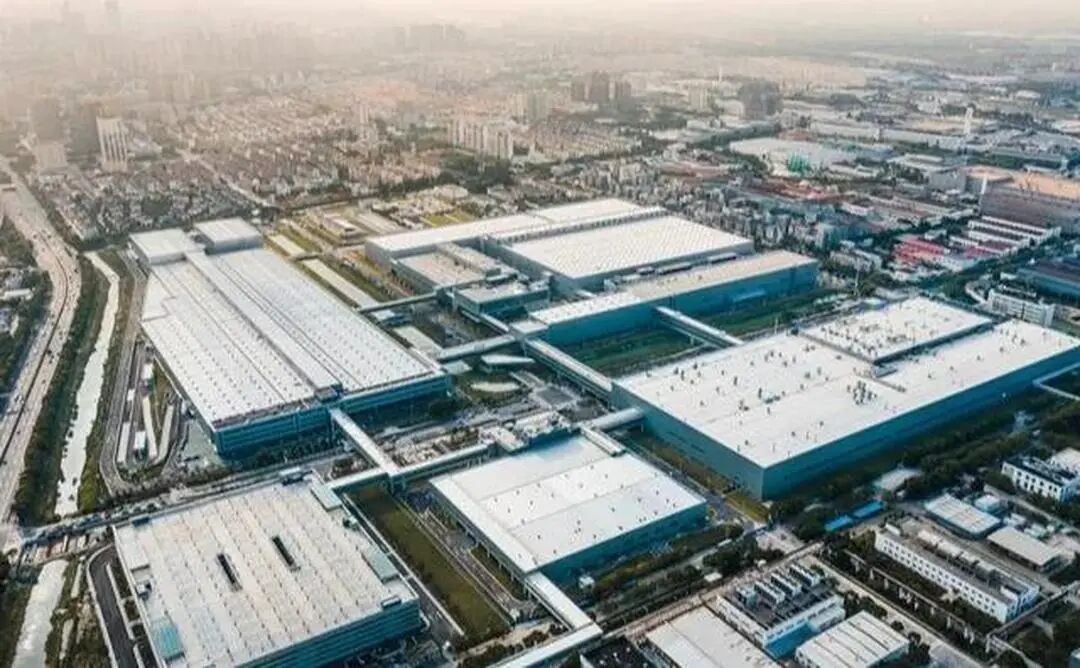
In contrast, Toyota's dedicated pure electric factory did not commence until after 2020. In other words, SAIC Volkswagen's early布局 (strategic planning) in electrification infrastructure led global multinational automakers by at least three to four years. Combining German Industry 4.0 concepts, this factory encompasses all process workshops—stamping, body, painting, final assembly, and battery assembly—establishing standards in intelligent manufacturing and supply chain collaboration that remain the pinnacle of SAIC's new energy manufacturing capabilities.
In terms of multi-energy routes, SAIC Volkswagen also expanded the breadth of SAIC's new energy system. Instead of abruptly switching to pure electric like some aggressive automakers, it adhered to a strategy of "co-existing fuel and electric, with extended-range as a supplement." By 2025, SAIC Volkswagen's cumulative terminal sales reached 1.06 million vehicles, remaining in the million-club despite a market shift where new energy penetration exceeded 50%. The logic is clear: in China's automotive market exceeding 30 million vehicles, fuel and new energy vehicles will coexist long-term.
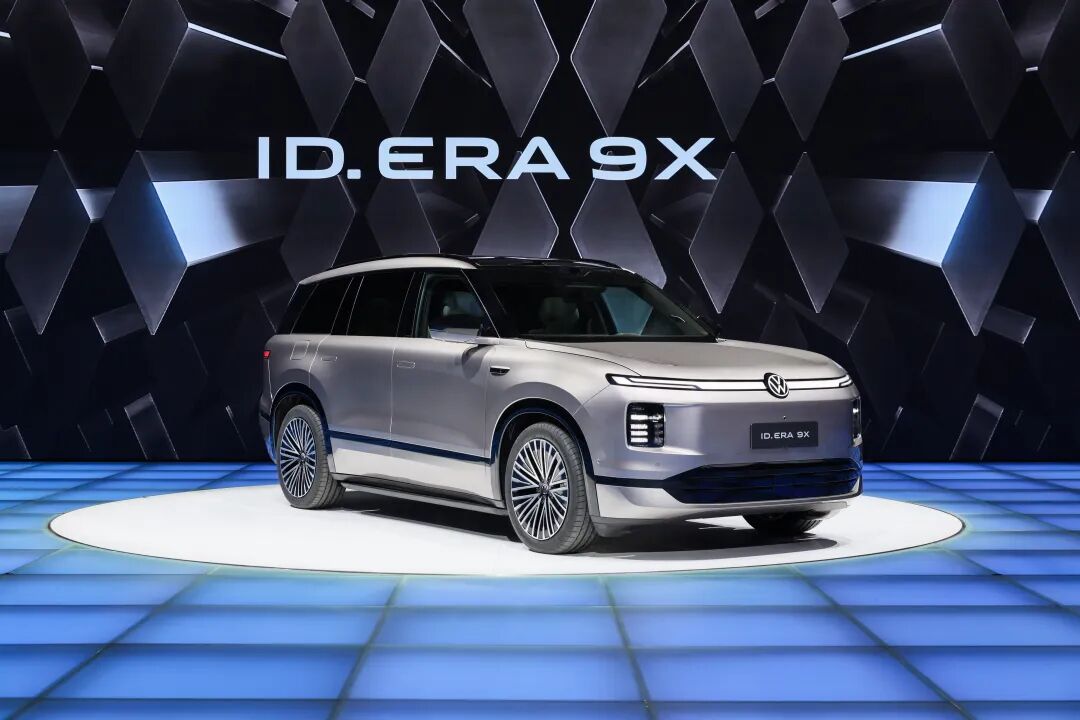
Notably at this year's Beijing Auto Show, SAIC Volkswagen launched the full-size extended-range SUV ID.ERA 9X, equipped with an EA211 engine as an extended-range unit, meaning Volkswagen's electrification footprint in China now covers all technical routes—fuel, electric, and extended-range—expanding the strategic breadth of SAIC Group's multi-energy system.
Within SAIC's ecosystem, Volkswagen may not always be the centerpiece for milestones like the 10 millionth vehicle or the biggest beneficiary in the new energy track (arena). However, its early investments in electrification infrastructure and multi-energy routes have been institutionalized into SAIC's DNA. This capability will be repeatedly utilized and amplified as the brand and system evolve.
3 43 Years of Service Accumulation: Chinese Buyers Now Prioritize Value Over Price!
A vehicle's value extends beyond the purchase moment to its entire lifecycle. In this sense, SAIC Volkswagen's influence on the industry goes far beyond manufacturing.
A lesser-known fact is that today's service system for China's automotive dealer network was first established by SAIC Volkswagen. In 1990, SAIC Volkswagen pioneered "integrating sales and after-sales," enabling dealers to handle both sales and maintenance. Shenxiang became the first partner in this pilot, giving birth to China's first automotive brand 4S store. This model, combining sales and service in one space, was later adopted by GAC Honda and SAIC-GM, eventually becoming the infrastructure standard for China's automotive distribution industry.
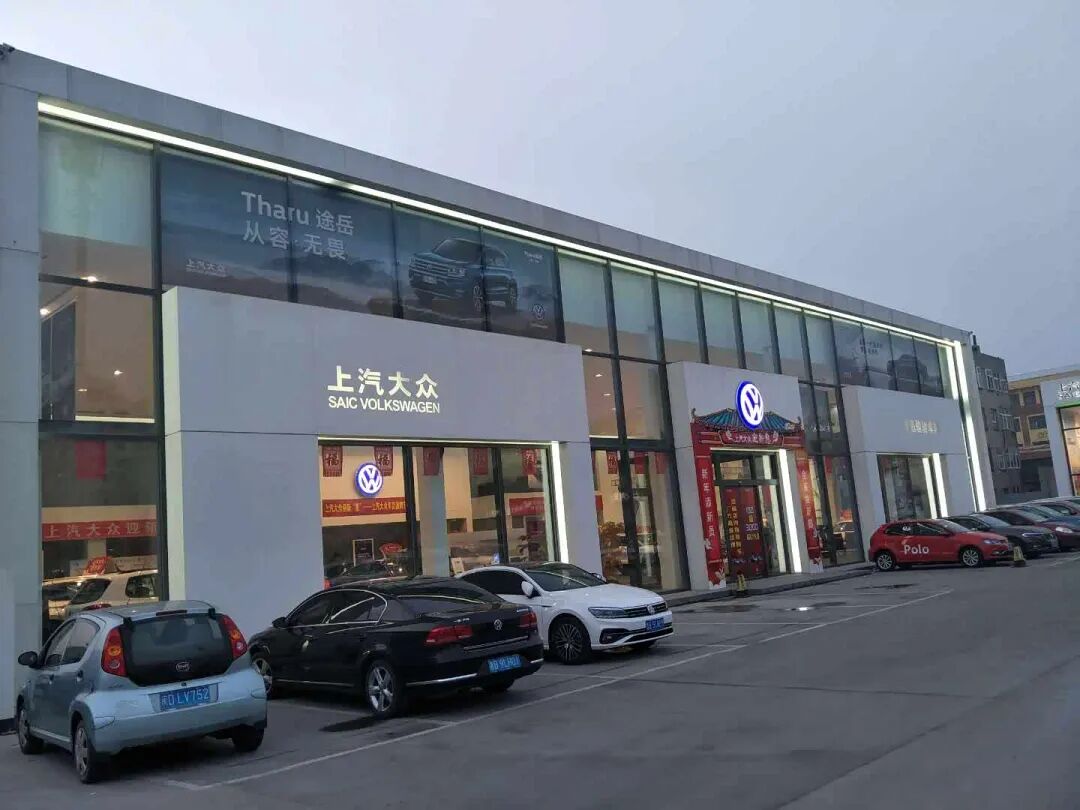
Over nearly 40 years, SAIC Volkswagen has built a network of nearly 1,000 dealerships, a scale no other company has truly surpassed. Whether measured by channel density, service standardization, or dealer health, SAIC Volkswagen remains the industry benchmark. However, network construction is just the first step. With recent full-link upgrades focused on quality and channels, this system continues to generate value.
In the past, car buyers faced information asymmetry—different 4S stores offered varying discounts and promotions at different times, leaving consumers unaware of a vehicle's "bottom line" or future ownership costs.
SAIC Volkswagen broke this information barrier first with its 2024 "Fixed Price" strategy, shifting automotive consumption from a one-time transaction to a "full-lifecycle value assessment." By 2025, this model covered all models, with dealer evaluation mechanisms transitioning from "wholesale volume" to "retail volume + service quality." As a result, SAIC Volkswagen's inventory coefficient rapidly dropped to 1.1, significantly lower than the industry average of 1.5, alleviating dealer financial pressure.
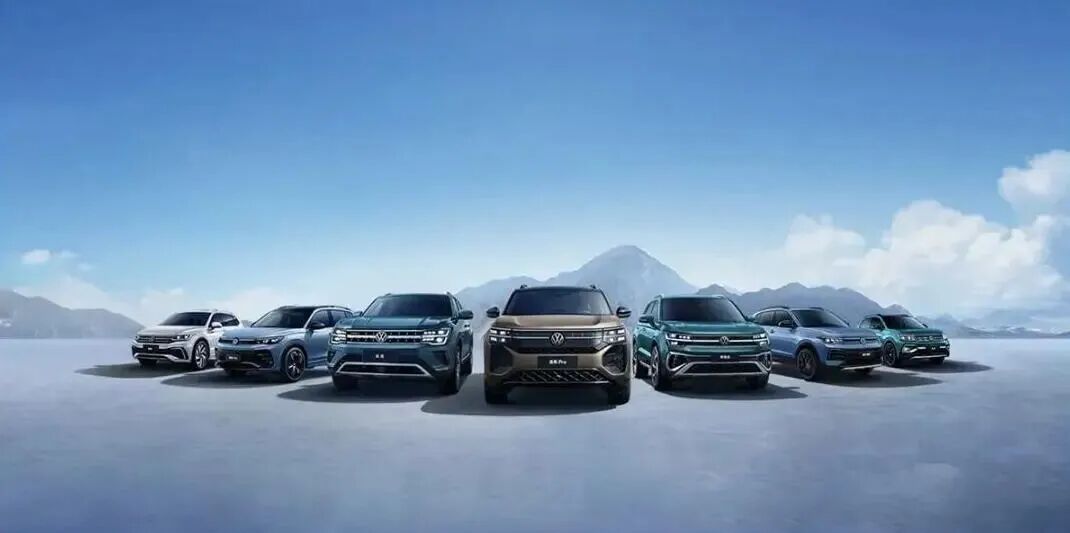
Coupled with the introduction of lifetime complete vehicle warranty, digital "one-customer-one-group" services, and a channel strategy of not pressuring dealers with inventory, these actions collectively signal that a vehicle's purchase price is just part of the cost. Resale value, maintenance costs, and fuel expenses years later truly reflect a vehicle's value.
Take the EA211 engine series as an example: by 2025, global cumulative installations exceeded 20 million units. The 1.6L naturally aspirated version achieves 6.5-7.5 liters per 100 km in combined fuel consumption. Models equipped with this engine have a 3-5 percentage point higher resale value than peers, a 100,000-km fault rate of only 3.2%, and major repair costs under 5,000 yuan. Its open structure, universal parts, and controllable maintenance costs enable ordinary consumers to clearly estimate a vehicle's ownership costs over five to ten years.
From the dealer network established in the 1990s to today's "Fixed Price" and lifetime warranty, SAIC Volkswagen has consistently pursued one goal: returning automotive consumption to its intrinsic value. For SAIC Volkswagen, service is not a one-time transaction but a relationship spanning years or even decades. This relationship is the most precious and irreplaceable asset in China's automotive consumption journey from "affordability" to "worthiness."
End
-
![]()
Is the Ultra-Luxury Electric Vehicle a Misguided Concept?
-
![]()
European Cars, Made in China
-
![]()
"My Parents Have Been Driving Their Gasoline Car for Over a Decade, Yet My Electric Vehicle Needs Replacing After Just 4 Years"
-
![]()
Qwen: A Driving Force Behind Alibaba Cloud’s Evolution
-
![]()
SAIC’s Milestone of 100 Million Vehicles: A Testament to SAIC Volkswagen’s Contribution!
-
![]()
New Energy Online Taxis: A Smooth Ride, Except for the Non-Stop Vomiting
-
![]()
Alipay Unveils the Globe’s Pioneering Token-Based Payment Service: Will the AI Era Revolutionize How We Pay?
-
![]()
Suzhou AI Unicorn Reinitiates IPO, While Alibaba Continues to Trim Holdings Over Three Years