"My Parents Have Been Driving Their Gasoline Car for Over a Decade, Yet My Electric Vehicle Needs Replacing After Just 4 Years"
 05/27 2026
 497
497


Lead
Introduction
New Energy Vehicles 'Iterate Three Times a Year'—Who is Being Disrupted?
It's no longer challenging to recognize the advancements in the new energy vehicle market.
Particularly after the new energy penetration rate surpassed 60% in April this year, the domestic new energy vehicle market has entered a new phase. With accelerated technological advancements, a diverse array of new vehicle models, and consistently rising market sales, the pace of development of China's new energy vehicles continues to shape a new consumption pattern in the domestic automotive industry.
However, as the development of new energy vehicles accelerates, numerous phenomena have emerged, attracting widespread attention. Of particular note are the anxieties users face during the transition from fuel-powered to new energy vehicles.
Frankly speaking, such anxieties have persisted, ranging from concerns about driving range to safety issues, motion sickness to charging difficulties. Now, a new issue has surfaced—many electric vehicle owners report that while their parents' fuel-powered cars can easily last over a decade, their own electric vehicles become 'outdated models' in the market after just three or four years, forcing them to confront obsolescence.
Building on this topic, recent media interviews with electric vehicle owners reveal their experiences as a true microcosm of countless electric vehicle users. Indeed, their parents' Haval H6, Highlander, and Santana models often endure over a decade, maintaining both condition and practicality. In contrast, many electric vehicles, while their hardware and powertrain systems remain robust, suffer from insufficient computing power in vehicle chips, unable to keep up with the latest intelligent system updates, leading to outdated intelligent experiences and necessitating vehicle replacement.
Even more frustratingly, electric vehicles just three or four years old are already deemed outdated models, with their resale values plummeting. Even those driven for less than a year see their prices halved. In contrast, the starkly different ownership and replacement experiences between two generations underscore the differing automotive logic of the fuel-powered and new energy vehicle eras.
It is widely recognized that the average replacement cycle for traditional fuel-powered vehicle users is 6 to 8 years, treating them as durable fixed assets for families. In contrast, electric vehicles have a replacement cycle of just 3 to 5 years, significantly diminishing their durability. Frankly, this is not because electric vehicles are of inferior quality compared to early fuel-powered vehicles but rather due to the new automotive rules of the intelligent electric era, which, by shortening vehicle lifecycles, have left consumers anxious.
01 Automotive Logic Is Converging with Consumer Electronics
Looking back at the fuel-powered vehicle era, the industry's product iteration pace was steady, aligning with the needs of ordinary families. At that time, the industry generally followed a rhythm of 'minor facelifts every three years and major redesigns every 5-7 years,' allowing a fuel-powered vehicle's full product lifecycle to reach seven or eight years, with some classic models even remaining in the market for a decade.
A longer iteration cycle provided automakers with ample time to refine their products, continuously optimizing core hardware such as powertrains, chassis tuning, and overall vehicle quality control, ensuring each product's performance and stability matured over time.
Simultaneously, a long-term product strategy allowed automakers to fully amortize core costs such as R&D, production line setup, and supply chain matching, maintaining a stable and controllable operational rhythm. For consumers, automobiles, as high-value purchases costing tens or even hundreds of thousands of yuan, represent significant family assets. A replacement cycle of six or seven years adequately amortizes the purchase cost, aligning with the public's consumption capacity and long-term ownership needs. Thus, the automotive market maintained a balanced and healthy supply-demand relationship at that time.
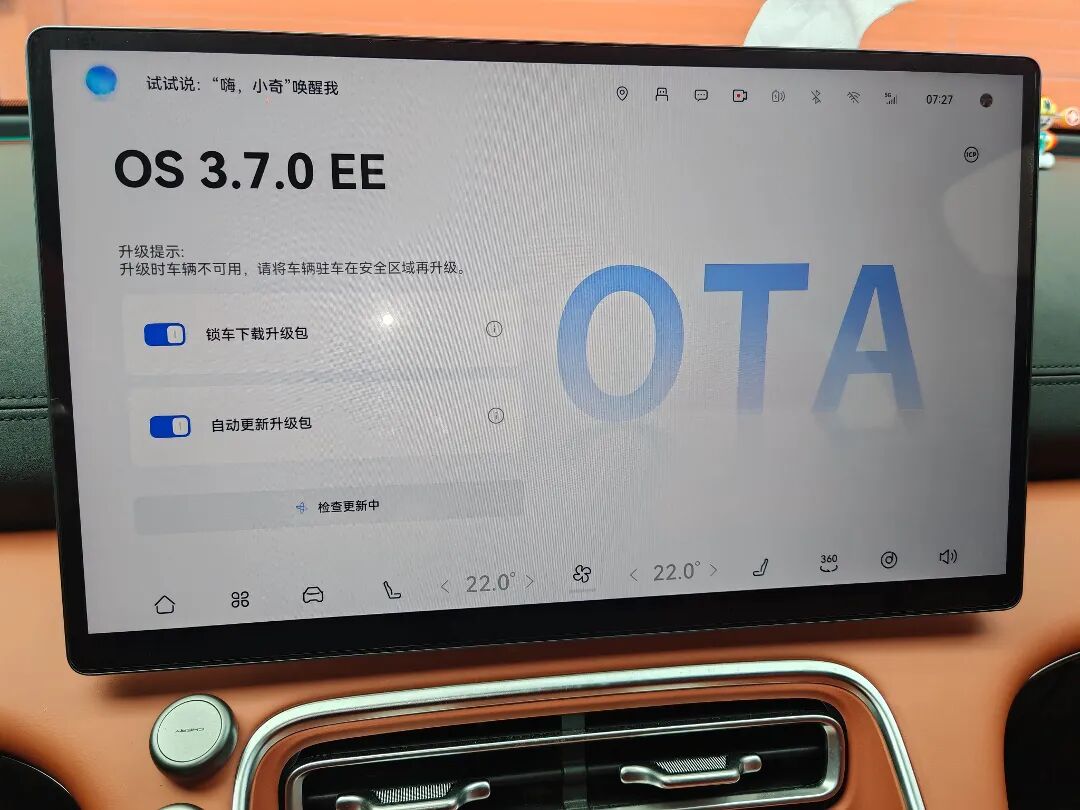
Entering the electric era, the domestic new energy sector has gradually become embroiled in intense internal competition, overturning traditional industry iteration speeds and logic. Under the new iteration rhythm, automakers seem to have adopted the rapid update model of the smartphone and digital device industry, compressing the previous multi-year iteration cycle into 'one update per year, one major redesign every two years.'
Against this backdrop, new models, annual facelifts, and custom editions flood the market, with configurations such as driving range, chip computing power, intelligent cockpits, and advanced driving assistance systems continuously being refreshed. To capture attention, gain market share, and generate buzz, automakers relentlessly compress product iteration cycles, initiating a frenzied race to launch new models.
However, many overlook a fundamental difference: automobiles and digital products like smartphones have entirely different consumption attributes. Digital products, with their low unit prices, low replacement costs, and compact size, do not impose a heavy financial burden on consumers even when updated annually, inherently belonging to the category of rapidly iterating fast-moving consumer goods.
In contrast, automobiles are significant family assets, fulfilling daily commuting, family travel, and long-distance transportation needs, with higher purchase, maintenance, and replacement costs. Ordinary family users typically keep their vehicles for over five or six years, unable to continuously chase after automakers' high-frequency iteration rhythms and frequently replace their cars.
This iteration speed, detached from users' actual ownership scenarios, has triggered a chain reaction across the industry, market, and consumer end, leaving users anxious and distrustful, while the used car market provides intuitive evidence.
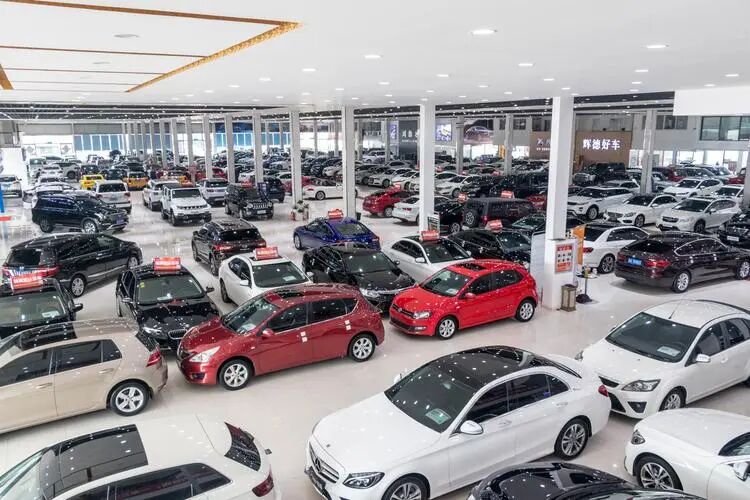
In December 2025, nearly 30% of used car transactions involved vehicles less than three years old, while those aged 3 to 6 years accounted for nearly 50%. Together, these two categories made up over 70% of used car transactions, dominating the market. Behind these figures lies a massive influx of nearly new new energy vehicles into the second-hand market, confirming the industry's perception of electric vehicles as 'short-lived.' Netizens' jokes about 'annual disposable pure electric vehicles' are not exaggerated internet memes but a true reflection of the current new energy consumption market.
Unlike fuel-powered vehicles, which are replaced due to hardware aging and increased faults, electric vehicles are discarded after four years not because of hardware wear but due to software iteration lag. Often, the electric motors, chassis, and other hardware of electric vehicles remain in good condition, but insufficient computing power in vehicle chips, halted intelligent system updates, and incompatible new features directly result in a complete disconnect between the vehicle's intelligent experience and current market standards. This typical characteristic of 'hardware not yet old, software already decayed' destroys the durability attribute of automobiles, reducing electric vehicles to rapidly iterating electronic fast-moving consumer goods.
02 The Iteration Race Has No Winners
While this iteration race drives industry technological innovation and product upgrades, it has also created a lose-lose-lose dilemma for consumers, automakers, and even the entire industry, with no true beneficiaries.
Not only are consumers facing new concerns, but automakers, forced to accelerate iterations amid fierce market competition, are under unprecedented operational pressure. NIO Chairman Li Bin once stated that in the fuel-powered vehicle era, iterations occurred every 5 to 7 years, allowing ample time to amortize R&D, production line, and supply chain costs, keeping operational pressures manageable.
However, in the intelligent electric era, iteration speeds have exploded exponentially, significantly shortening product lifecycles. The high costs associated with each model, from early R&D investment to production line tooling, supply chain adaptation, and quality control setup, must be recovered within an extremely short iteration cycle. Once product updates lag and configurations fail to keep pace with market rhythms, new models quickly overshadow and eliminate older ones.
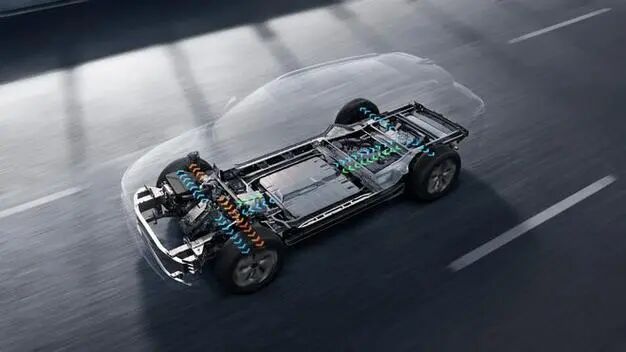
Behind the high-frequency launches and forced iterations lie soaring R&D costs for automakers, frequently switched production lines, and significant idle capacity resources. The resource waste caused by ineffective internal competition can reach hundreds of millions of yuan, leaving many automakers trapped in a dilemma where new launches struggle to be profitable and iterations immediately impose pressure. The industry is gradually falling into a vicious cycle of short-lived new model excitement and diminishing iteration returns.
Of course, the ultimate cost of automakers' internal competition is largely passed on to consumers, triggering a crisis of trust that poses a significant hidden risk to industry development.
Changan Automobile Chairman Zhu Huarong has publicly stated that behind the rapid development of China's new energy vehicle industry lie numerous issues that urgently need addressing. Some brands frequently update their products but abandon continuous optimization and upgrades for older models, severely damaging users' ownership experiences and legitimate rights.
This chaos is also vividly reflected in consumer complaint data. In the first 11 months of 2025, complaints related to new and old model iterations in the automotive industry reached 39,300, soaring nearly 82-fold compared to the same period in 2024, reflecting consumer dissatisfaction and resistance.
To date, several typical market cases have sparked widespread online discussion. The Zeekr 001 introduced a new model just five months after its launch; the Seres M7 completed an iteration and facelift within eight months. Under rapid iterations, owners of older models find their newly purchased vehicles quickly become outdated, with resale values plummeting. Many owners feel 'betrayed' by the brands, significantly damaging brand reputation and user loyalty.
For existing owners, automakers' overly rapid iterations quickly depreciate their vehicles in good condition and render their configurations outdated, forcing them to bear significant financial losses and psychological gaps despite no quality issues. For potential buyers, the chaotic iteration rhythms and frequent new model updates leave them hesitant and indifferent, afraid to purchase new vehicles lest they become outdated and depreciate immediately.
From an industry-wide perspective, this ineffective internal competition, detached from user needs, may seem to drive rapid technological updates but actually erodes industry reputation, drags down automaker profitability, and undermines consumer confidence. After all, the core competitiveness of the new energy vehicle industry has never been iteration speed or new model frequency but product quality, stable experiences, reliable user reputation, and comprehensive after-sales support.
In other words, automakers need to abandon blind and ineffective internal competition, return to the fundamentals of automotive manufacturing, base themselves on the real and long-term ownership needs of ordinary families, stabilize product iteration rhythms, and balance the rights and interests of new and existing users. Only then can they end the industry's lose-lose-lose dilemma and promote high-quality development of the new energy vehicle industry.
At that point, we can once again acknowledge another step forward in the new energy vehicle market.
Editor-in-Chief: Yang Jing Editor: He Zengrong

THE END
-
![]()
Is the Ultra-Luxury Electric Vehicle a Misguided Concept?
-
![]()
European Cars, Made in China
-
![]()
"My Parents Have Been Driving Their Gasoline Car for Over a Decade, Yet My Electric Vehicle Needs Replacing After Just 4 Years"
-
![]()
Qwen: A Driving Force Behind Alibaba Cloud’s Evolution
-
![]()
SAIC’s Milestone of 100 Million Vehicles: A Testament to SAIC Volkswagen’s Contribution!
-
![]()
New Energy Online Taxis: A Smooth Ride, Except for the Non-Stop Vomiting
-
![]()
Alipay Unveils the Globe’s Pioneering Token-Based Payment Service: Will the AI Era Revolutionize How We Pay?
-
![]()
Suzhou AI Unicorn Reinitiates IPO, While Alibaba Continues to Trim Holdings Over Three Years