Entering the Japanese Market Requires Learning 'Magic'
 06/01 2026
 391
391
Lead
Introduction
EMTA's 'Daily Magic' represents Chery's 'magic' for entering the Japanese market.
It is widely known that the two most challenging markets for Chinese automotive brands to enter are the United States and Japan. For the Japanese market, it is particularly difficult for foreign brands to make a breakthrough. For instance, despite BYD's 20 years of efforts, the results have been underwhelming.
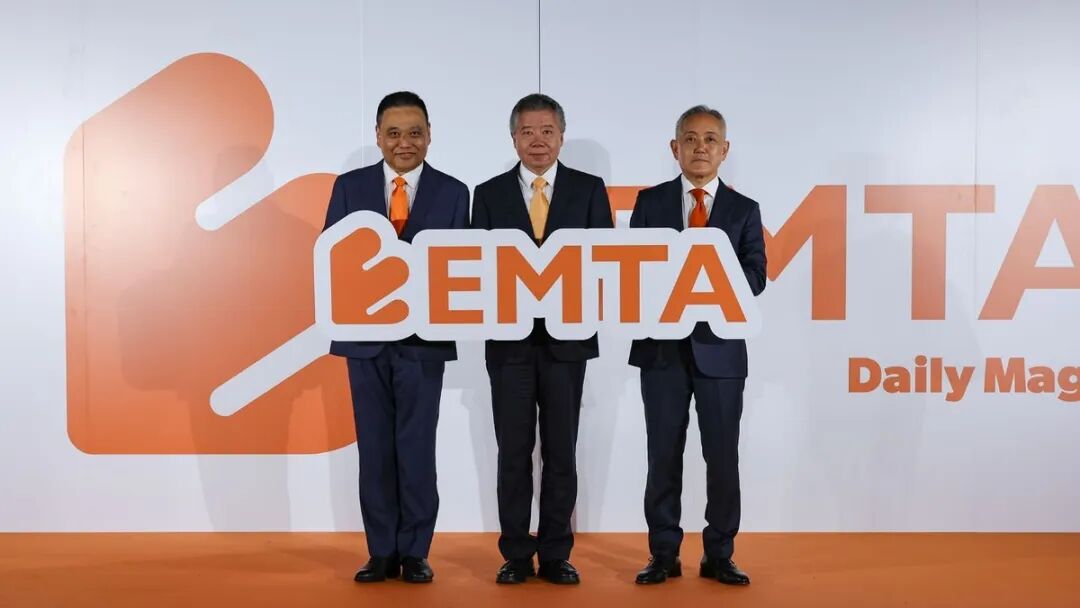
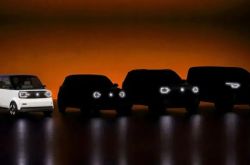
However, a new model and approach have emerged. On May 27, a new brand, EMTA, was unveiled. EMTA, an acronym for 'Easy, Made To All,' has a core mission of 'bringing happiness to everyone's daily mobility.' The brand promise announced at the press conference is 'Daily Magic.'
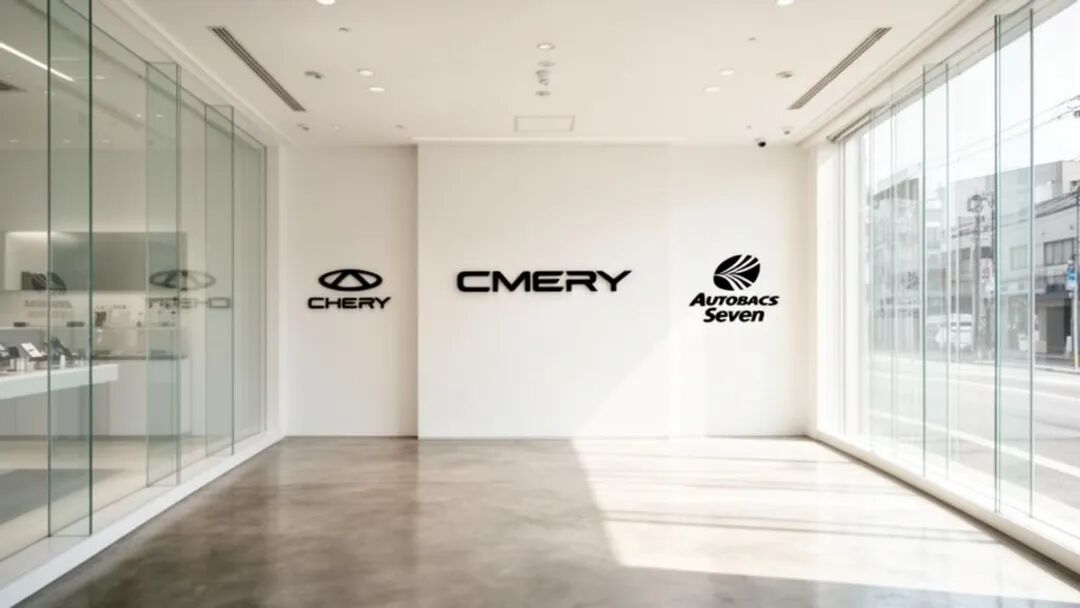
This brand is a new venture launched by Chery in collaboration with Japanese automotive supplies giant Autobacs SEVEN through a joint venture. Branding, research, and design are handled in Japan, while technology and manufacturing are based in China.
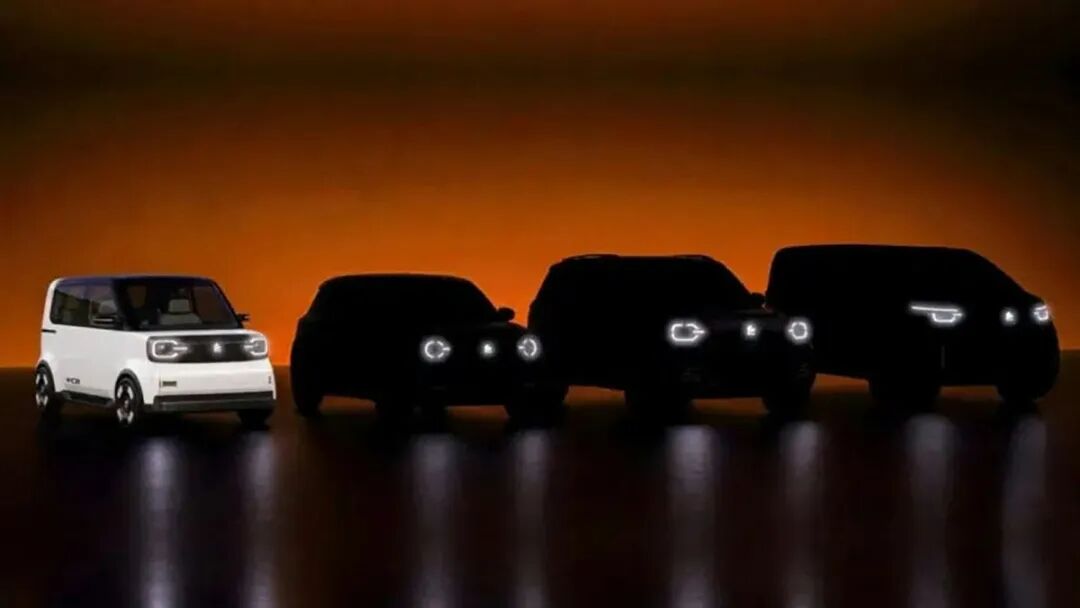
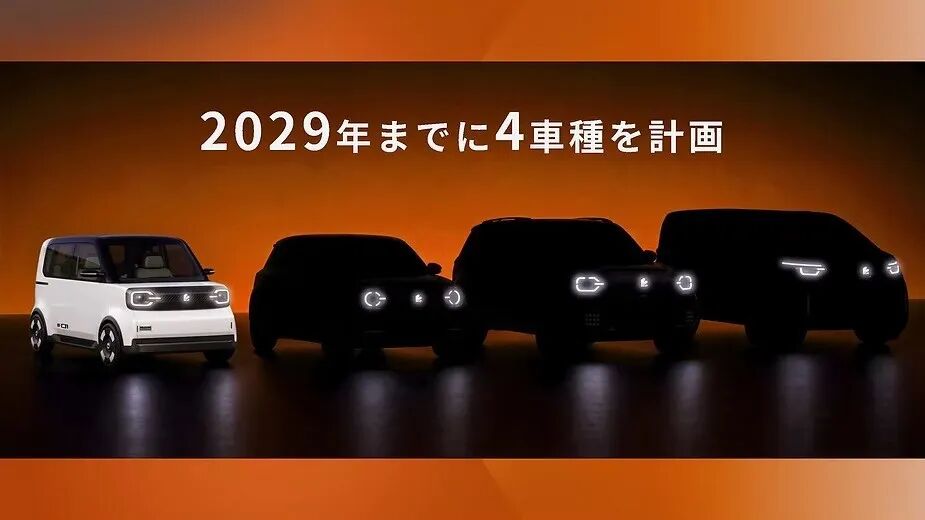
At its core, the model focuses on the Japanese K-Car (light vehicle) market using a 'Japanese shell, Chinese core, global supply chain' approach. The first vehicle is set to launch in spring 2027, with four models planned by 2029. This marks a crucial step for Chinese automakers to enter Japan indirectly, exchange technology for market access, and expand their industrial chain.
Of course, Chery's choice to adopt a different model from BYD is likely related to its approach in Spain. Chery has had considerable success with its rebranded EBRO vehicles in Spain. After all, the acceptance of a local brand is significantly higher than that of a foreign brand.
The question now is whether Chery can successfully open up the Japanese market this time.
01 It's Not Easy to Enter
Earlier, on May 11, Nihon Keizai Shimbun reported that Chery Automobile had established a joint venture with Autobacs and three other parties to sell Chinese-made pure electric vehicles in Japan. The announcement of the EMTA brand on the 27th indicates that the preliminary preparations were well in place.
At that time, Chery responded to inquiries about 'entering the Japanese market' by stating that the company was merely one of several shareholders investing in the EMT project and would not be involved in its operational management. This reflects Chery's strategic acumen: 'not operating, but controlling the core.'
The joint venture, EMT, was registered in Singapore in August last year. It involves partnerships with Jiangsu Yueda Automobile Group, Gotion High-Tech, and Japanese coating equipment company Anest Iwata, along with technical personnel from automakers such as Honda and Mazda working on vehicle development for Japan. However, high-value technologies like platforms, three-electric systems, and intelligent driving remain in Chery's hands, with manufacturing and batteries secured by Chinese partners.
Furthermore, considering that the CEO of EMT (Electric Mobility Technologies, based in Yokohama, Japan) is He Xiaoqing, a long-time Chery international executive, Chery's influence within the joint venture is substantial. After all, Chery holds a 27.27% stake, tied for first place with Jiangsu Yueda. Chery's recent activities in Yancheng undoubtedly support this interpretation.
The third-largest shareholder, Autobacs, holds an 18.18% stake and is responsible for distribution and localization. As Japan's largest automotive aftermarket chain, Autobacs has 1,200 stores covering all of Japan. EMTA plans to launch 100 exclusive sales and service outlets (dedicated sections within Autobacs stores) in 2027, expanding to 300-500 by the end of 2027, covering major Japanese cities.
In terms of model strategy, EMTA will adopt a one-stop approach combining 'new car sales, after-sales service, charging, and used cars,' aligning with Japanese consumer habits. Behind this lies Chery's 'Japanese strategy': indirectly breaking through Japan's 'barrier market' at the market level, validating and iterating technology through the Japanese market, and exporting the entire industrial chain including 'complete vehicles, batteries, and technology.'
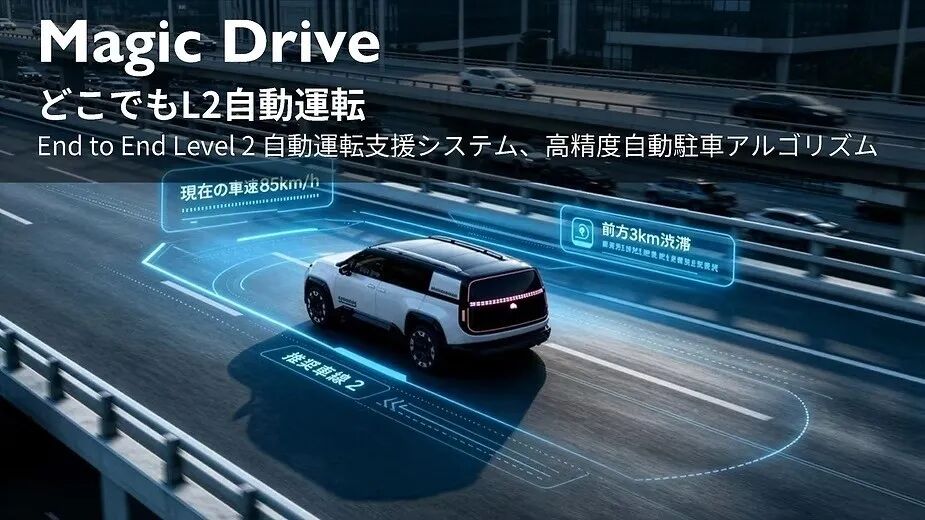
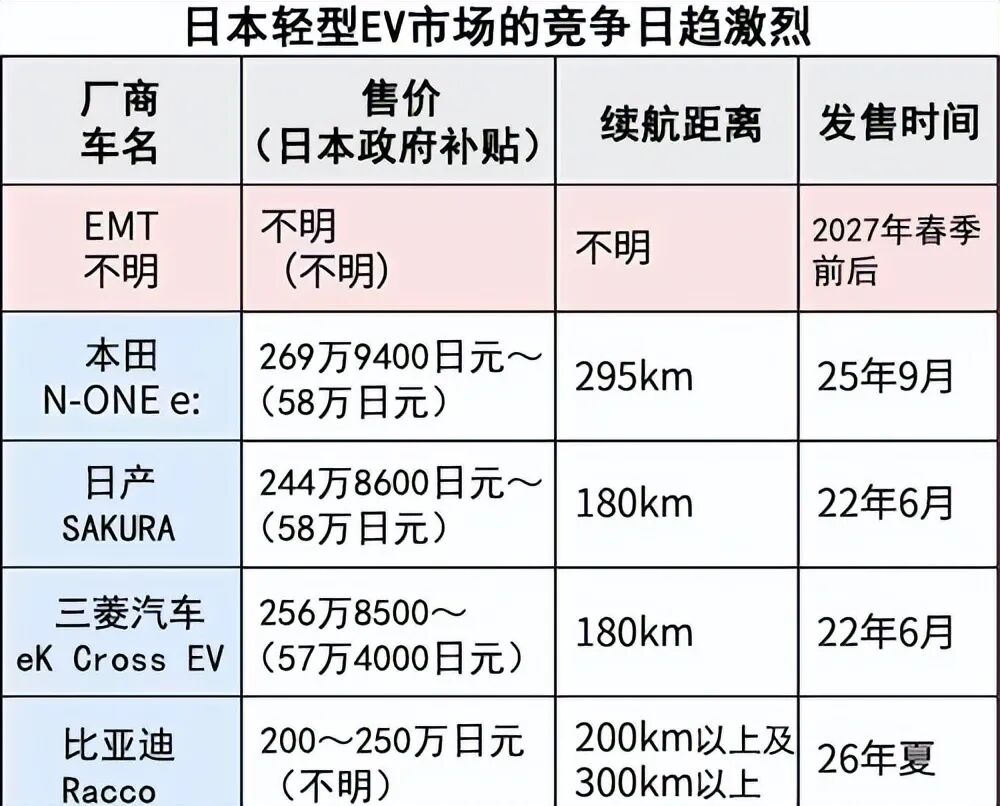
Of course, this approach carries risks. For instance, it will inevitably face resistance from local brands, with Toyota, Honda, and Suzuki likely to retaliate. For example, Honda's N-BOX might launch a pure electric version in 2027, directly competing on price. Additionally, Japanese consumers still hold biases against 'Made in China,' posing a challenge for building quality trust.
Moreover, profitability pressures and policy uncertainties are unknown factors that come with entering the Japanese market.
Ultimately, the Japanese automotive market is relatively mature and closed, with low acceptance of foreign brands. Furthermore, Japan's new energy vehicle penetration rate has not exceeded 3%, and the pure electric market penetration rate has not surpassed 2%, with relatively low charging infrastructure coverage. These are inevitable barriers to expanding in the Japanese market. However, this cannot deter Chinese automakers like Chery and BYD from going global.
Of course, Chery is just at the beginning, while BYD has been deep cultivation (deeply cultivated) in Japan for 20 years, facing significant challenges.
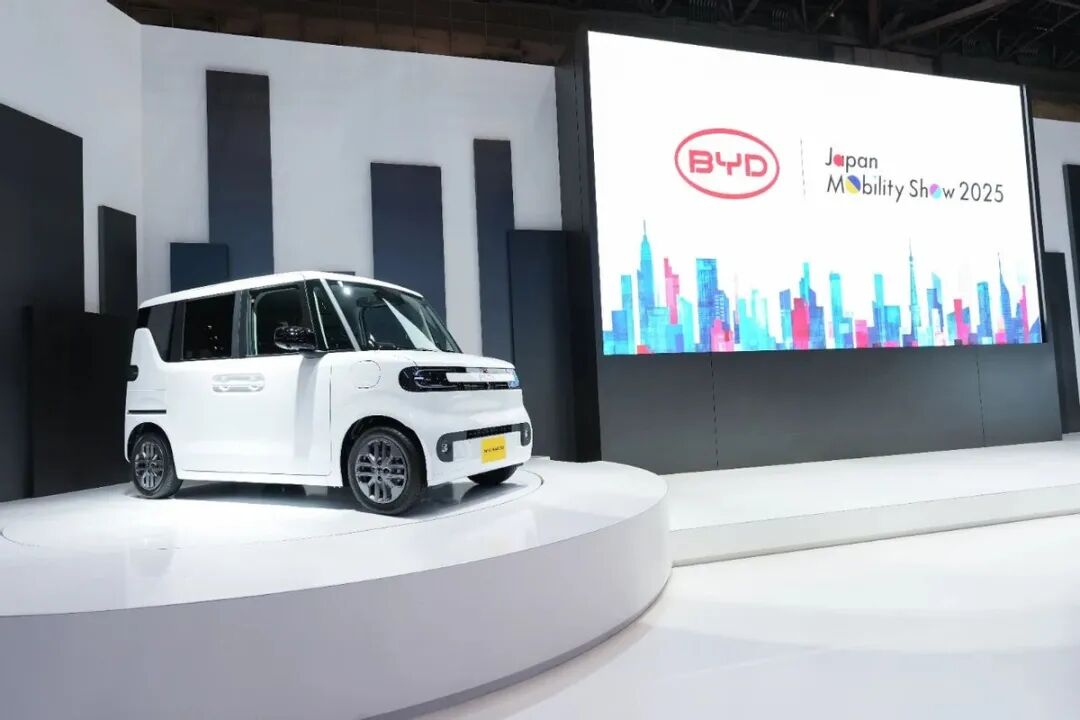
2025 marks the 20th anniversary of BYD's entry into the Japanese market. BYD first entered Japan in 1999 through rechargeable battery products and established its Japanese subsidiary in Yokohama in 2005, entering Japan's battery supply chain.
However, since BYD officially announced its entry into the Japanese market in July 2022, its cumulative passenger vehicle sales have likely not exceeded 10,000 units. Channel expansion has also been challenging. After opening its first store in Yokohama in January 2023, BYD had established 66 sales outlets in Japan by the end of October 2025, but the subsequent expansion pace has slowed significantly, indicating the difficulty of the market.
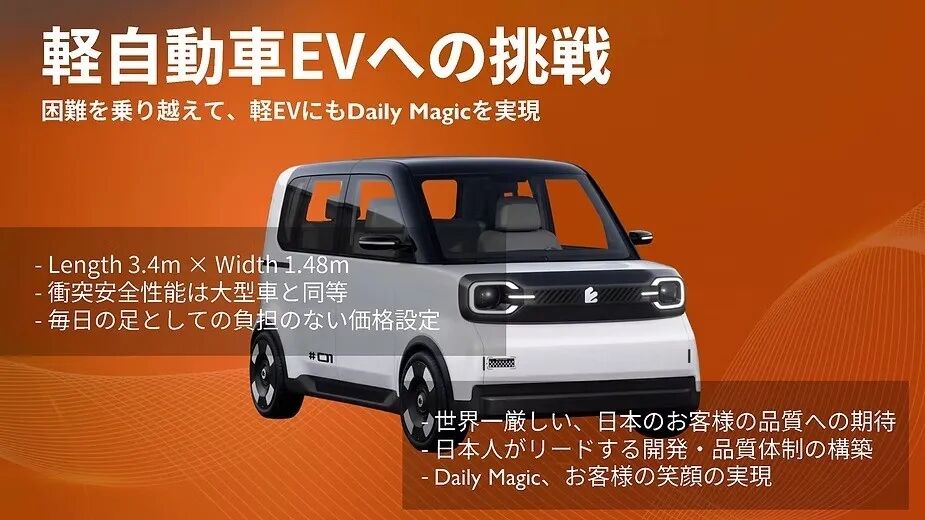
Last year, BYD shifted its strategy, globally premiering its electric K-Car model tailored for the Japanese market—the BYD RACCO—and its first plug-in hybrid model, the Haishi 06 DM-i (marketed as SEALION 6 in Japan) at the Tokyo Motor Show (2025 Japan Mobility Show). Six months on, the results remain unsatisfactory.
BYD's 20-year experience shows that directly impact ( impact , meaning 'charging head-on') the Japanese market faces significant barriers. So, is Chery's alternative approach better now?
02 Let Go of Vanity, Pursue Practicality
The Japanese automotive market is not small. In 2025, total passenger vehicle sales in Japan reached 3.8364 million units, indicating a substantial market size, albeit with high entry barriers.
In 2025, the top three brands in the Japanese market by sales were Toyota with 1,241,036 units, Suzuki with 614,713 units, and Honda with 589,146 units. They were followed by Daihatsu, Nissan, Mazda, Mitsubishi, Subaru, and Lexus.
Clearly, local brands dominate the Japanese automotive market. Moreover, Japanese market demands, such as K-Cars, compact vehicles, hybrids, family commuting, extreme reliability, and low usage costs, have been deeply satisfied by local brands.
Therefore, for Chinese automakers to make an impact in the Japanese market, the challenge lies in establishing a new system of high consumer trust.
Fortunately, Chinese pioneers in another sector have blazed a trail for later entrants. This is the over-20-year journey and experience of Chinese home appliance brands entering the Japanese market.
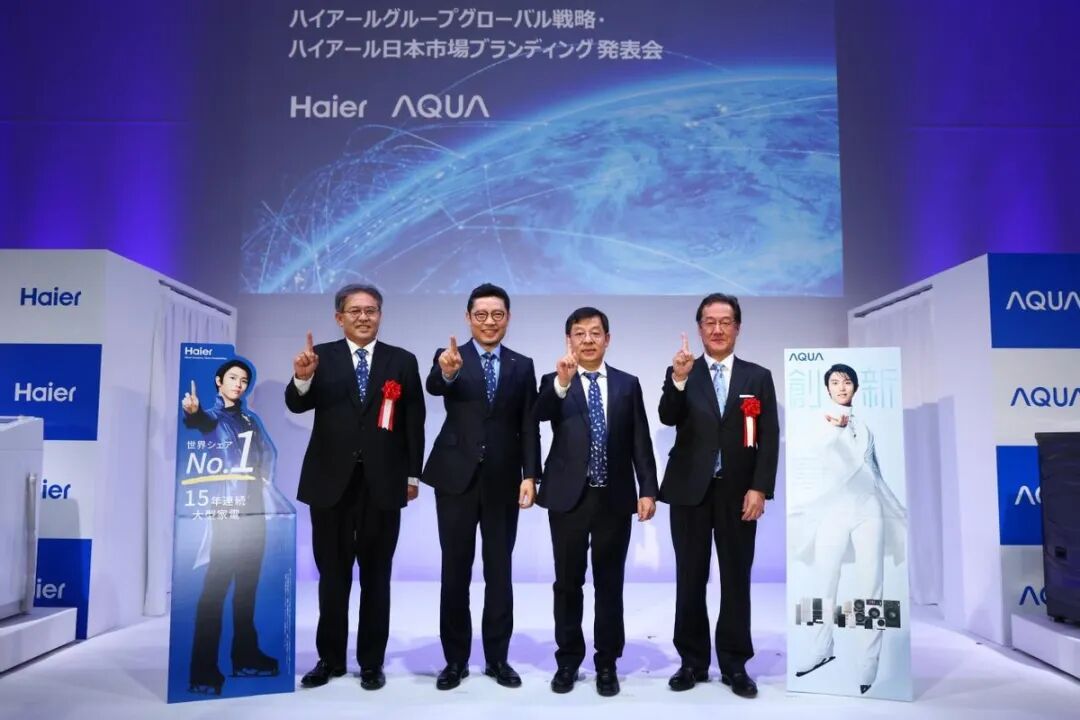
From 2002 to 2007, during the initial exploration phase, Chinese home appliance brands began entering the Japanese market. After the 2008 global financial crisis, Japanese home appliance giants like Toshiba and Sharp faced operational difficulties. Seizing this opportunity, Haier acquired Sanyo Electric's white goods business in 2011, establishing the 'Haier + AQUA' dual-brand strategy and gradually increasing market share.
Subsequently, from 2013 to 2018, brands like Hisense and Midea entered the Japanese market by acquiring businesses such as Toshiba Television and Toshiba White Goods. Leveraging the recognition of local Japanese brands to expand channels while focusing on localized innovation, their market shares continued to grow.
Finally, starting in 2019, Chinese home appliance brands increased investment in technological R&D, launching innovative products such as Hisense's RGB MiniLED TVs and Haier's programmable smart refrigerators. Using technological advantages, they captured market share, becoming significant players in the Japanese home appliance market.
Particularly noteworthy is the acquisition of Toshiba's home appliance business, entering the market through a local Japanese brand. This operation bears a striking resemblance to Chery's current approach. Thus, while Chery's method is not new, it is expected to be highly effective.
Under the onslaught of Chinese brands, even Sony, which chose to remain in the home appliance sector, had to make strategic adjustments, transferring its TV business to a new joint venture with China's TCL. TCL handles production, while Sony retains control over design and marketing, synergizing with its entertainment business to enhance value.
In other words, Chinese companies' manufacturing prowess and globally dominant industrial chain capabilities are now unshakable. Even Professor Atsushi Osanai from Waseda University's Graduate School helplessly (helplessly) analyzes that Japan's established electronics companies find it difficult to independently complete a full industrial chain layout. Retaining core R&D in Japan while opening up manufacturing and even allowing cross-industry players to enter the sector has become a direction for Japan's manufacturing industry to explore transformation.
This is precisely the path Chery and subsequent entrants are taking and will take. By forming joint ventures with Japanese automotive supplies giants rather than the 'Big Three' automakers (Toyota, Honda, Nissan), they are 'indirectly' entering this formerly highly barriered market.
As is widely known, automobiles are no longer just consumer goods. Chinese automakers going global essentially represent the repositioning of Chinese manufacturing, China's new energy industrial chain, and Chinese technology brands on the global stage. This also involves the strength of batteries, chips, software, energy supply, supply chains, port logistics, financial installments, insurance residual values, and after-sales networks behind the automobiles.
Japan itself is an automotive powerhouse, with brands like Toyota, Honda, Nissan, Suzuki, Mazda, and Mitsubishi representing not just companies but parts of Japan's manufacturing system. Therefore, Chinese automakers entering Japan represent a direct encounter and collision between industrial systems.
From an overseas expansion perspective, the question is whether China's manufacturing narrative can upgrade from 'cost-effectiveness' to 'trustworthiness,' thereby entering the minds of Japanese local consumers. Can Chinese brands establish a closed-loop system of pre-sales, after-sales, residual values, financing, and services in a highly mature market?
The key to Chery's success lies in whether its quality can withstand the Japanese market's scrutiny, whether costs can be controlled effectively, and whether local marketing can be precise. If successful, EMTA will become a new 'magic' for Chinese automakers going global and subsequently entering the Japanese and American markets.",
-
![]()
Why Did the Former Chairman of Ferrari Get 'Angry' About Its First All-Electric Model, Luce?
-
Exclusive! Gas Leak at SK Hynix’s Cheongju Facility in South Korea Leaves 6 Injured—Could DDR5 Prices Surge Once More?
-
![]()
Leading the Charge in Ensuring Intelligent Driving Safety: Can BYD Outshine Huawei?
-
![]()
Li Auto (1Q26 Highlights): Maintains 20%+ Sales Growth Target for 2026
-
![]()
Ideal: Wanting Too Much Leaves Only 'Daydreams'?
-
![]()
Entering the Japanese Market Requires Learning 'Magic'
-
FTTH installation and maintenance engineer, how many instruments do you carry when you go out?
-
![]()
Is Waymo's Self-Driving Car 'Made in China'? When U.S. Robotaxi Leader Teams Up with Zeekr's 'Baby Bus', a Multi-Billion-Dollar Cross-Border Alliance Emerges