Sales Plummet by 90%! Why Is Dongfeng Peugeot Citroën Automobile Struggling to Maintain Its Foothold in the French Car Market?
 06/01 2026
 459
459
DPCA, a company that built its reputation in the Chinese auto market with Dongfeng Peugeot and Dongfeng Citroën, has been unable to weather the storm of change.
Amid the growing impact of new energy vehicles (NEVs) on traditional fuel-powered vehicles, DPCA, which boasted annual sales of 711,000 units in 2015, has seen a steady decline, with sales plummeting to just 51,500 units by 2025 and its market share dwindling to a mere 0.2%.
Faced with these challenges, the beleaguered DPCA urgently required a fresh infusion of funding and technical support.
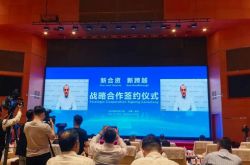
On May 15, 2026, DPCA, along with the Stellantis Group, Dongfeng Motor Group Co., Ltd., Changjiang Industry Investment Group Co., Ltd., Wuhan Financial Holdings (Group) Co., Ltd., and Wuhan Economic Development Industrial Investment Group Co., Ltd., jointly inked a strategic cooperation agreement.
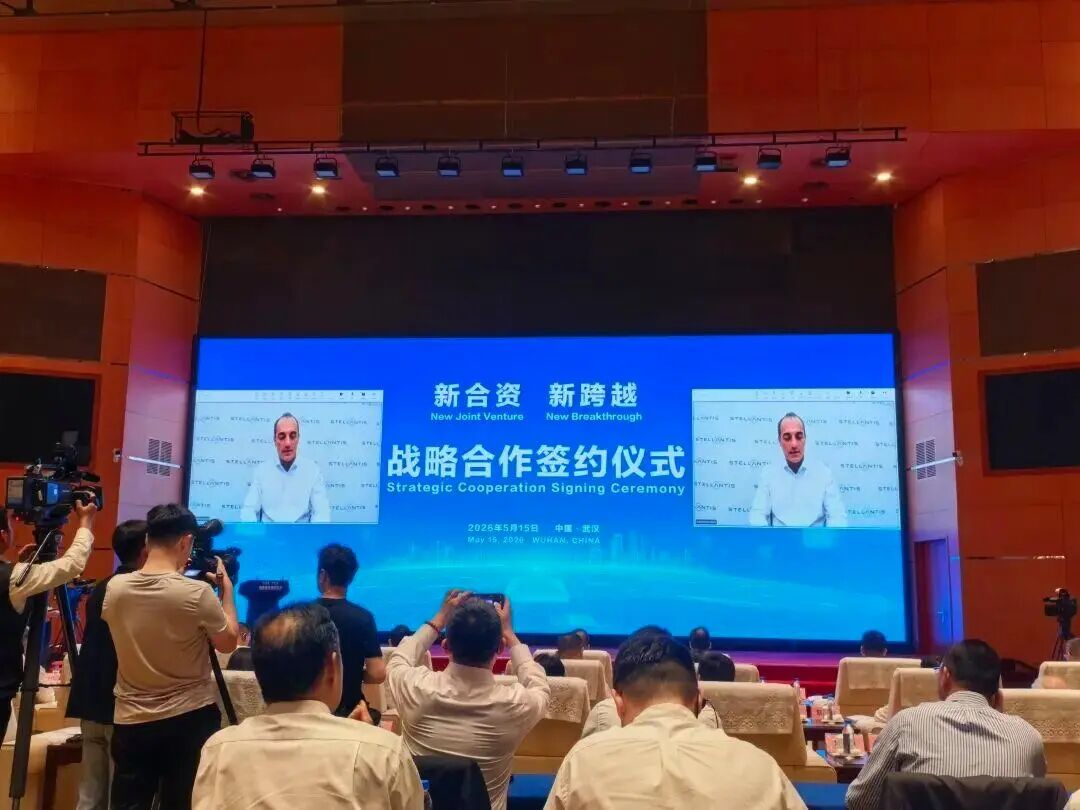
Image Source/DPCA
Under the terms of this agreement, DPCA secured RMB 8 billion in funding and introduced the production of the Jeep brand, charting a development path that leverages China's local innovation to support the global market.
However, amidst the multifaceted pressures of shareholder collaboration, technology export, brand reshaping, global compliance, and market competition, this revival plan, dubbed "China's Smart Manufacturing Empowering the Global Market," still confronts formidable real-world challenges.
1. Imbalance in Sino-Foreign Collaboration Leads to Missed Opportunities for Transformation
In 1992, Dongfeng Motor Group Co., Ltd. and Stellantis Group each contributed 50% to establish DPCA, which produced the two joint-venture brands, Dongfeng Peugeot and Dongfeng Citroën.
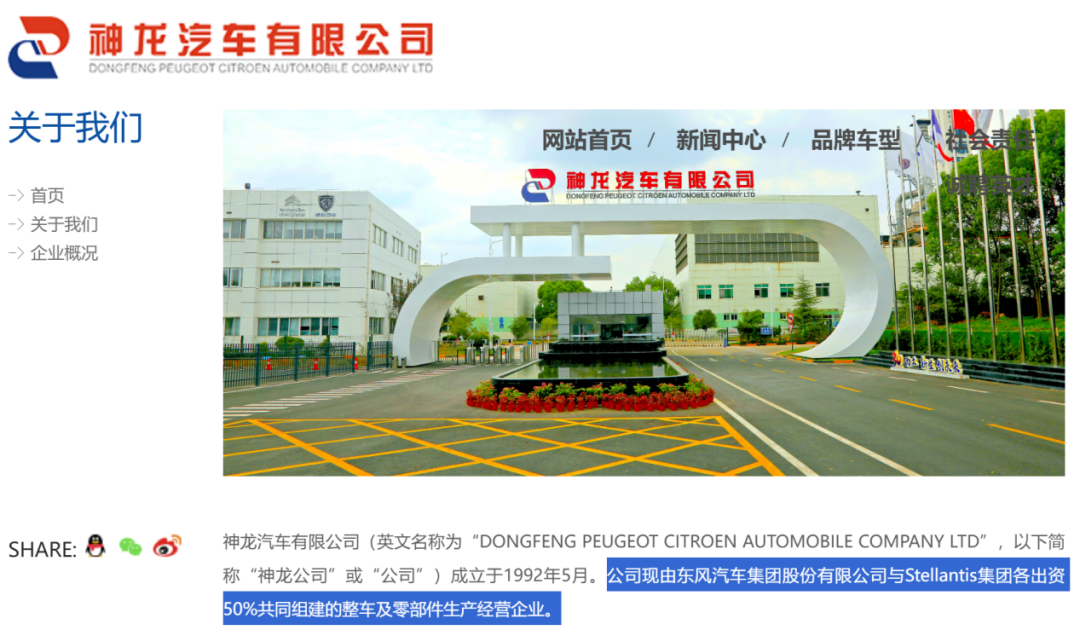
Image Source/DPCA Official Website
With the backing of French automotive technology, DPCA achieved several milestones, including the "First Crash in China, First Decal in China, and First Drift in China," establishing a product and brand image synonymous with "safety, reliability, comfort, environmental protection, and innovative technology." Its Fukang sedan became a symbol of national pride for a generation.
However, as the Chinese auto market evolved, DPCA's sales peaked at 711,000 units in 2015 before entering a decade-long downward spiral.
By 2025, DPCA's annual sales had dwindled to just 51,500 units, with its market share shrinking to 0.2%.
During this period, DPCA attempted to reverse its fortunes by tailoring products to Chinese consumer needs, such as launching the "Yuan" plan in 2019.
According to this plan, DPCA aimed to complete the layout and establishment of the NEV sector over six years and achieve sales of 400,000 units between 2022 and 2025.
However, poor collaboration between Chinese and foreign shareholders emerged as a persistent obstacle, severely hampering DPCA's progress.
According to the Economic Information Daily, at that time, the foreign side unilaterally exported technology, leaving the Chinese side with little say. In addition to dividends from the joint venture, the foreign side also charged DPCA hefty technology licensing fees.
Yet, the foreign side's technology and product concepts had long become disconnected from the Chinese market.
Cui Dongshu, Secretary-General of the National Passenger Car Market Information Linkage Association, once remarked to the media, "The biggest issue facing DPCA is the insufficient localization of its products. The Chinese side understands the Chinese market well but lacks technological dominance; the foreign side possesses advanced technology but fails to meet the actual needs of the Chinese market."
This resulted in products like the all-new generation Dongfeng Peugeot 2008 (available in both fuel and pure electric versions), launched under the "Yuan" plan, failing to make a significant impact in the market.
Moreover, foreign shareholders were also slow to introduce NEV technology.
As the "Yuan" plan and the NEV strategy commitments announced in 2023 failed to materialize, DPCA missed the golden period for transformation from 2021 to 2023.
It was not until the past two years that technological empowerment from Dongfeng Group was implemented, albeit with difficulty, through model cooperation agreements.
In March 2025, DPCA launched its new independent NEV brand, HEDMOS Shijie. In May of the same year, its first model, the Shijie 06, was introduced.
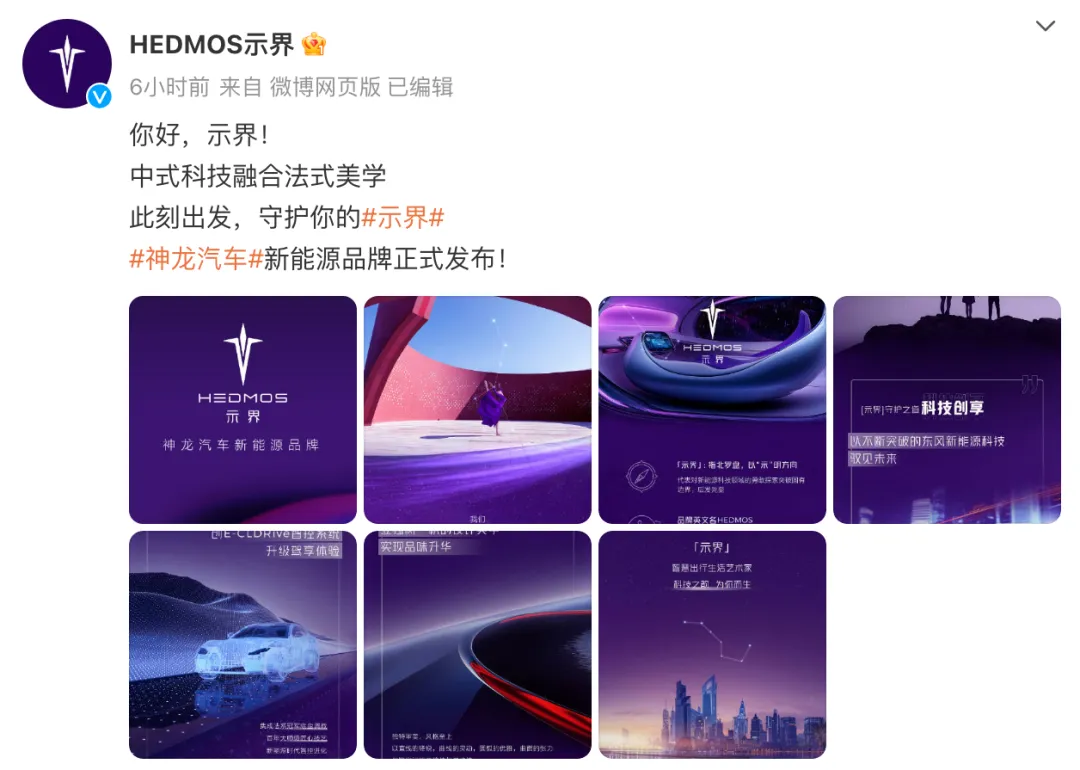
Image Source/Weibo
According to Yicai, in terms of annual trends, since its launch, the Shijie 06 has only achieved three-digit sales figures in four months. It reached a temporary peak of 732 units in November 2025 before dropping to 494 units in December.
DPCA's market share continued to shrink, reaching just 0.2% in 2025.
2. Relying on the Jeep Brand and RMB 8 Billion Capital Injection for Support
After the failure of the "Yuan" plan, at the end of 2025, DPCA internally released the "Three-Year DPCA Revival Plan," proposing a strategic guideline of "China for the Globe" and advancing across four dimensions: "brand renewal, product renewal, network renewal, and mechanism renewal," with the aim of achieving annual sales of over 200,000 units in the medium term.
To achieve this goal, DPCA overhauled its entire core leadership team and brought in more shareholders to provide financial and technical support.
In October 2025, DPCA held a cadre meeting to announce adjustments to its leadership team, comprehensively refreshing its management framework.
While retaining a large number of "veterans" familiar with the brand's DNA and possessing rich industry experience, fresh blood from new energy vehicle (NEV) startups such as XPeng and Neta was introduced.
Public information shows that Lü Haitao, a "veteran," succeeded Song Hanming as General Manager; Cheng Jun was appointed Party Secretary and Deputy General Manager of DPCA; Shi Jianxing was appointed Deputy Party Secretary of DPCA; and Ye Yongqing was appointed Assistant General Manager of DPCA.
In addition, DPCA's Integrated Marketing Center was placed under the responsibility of Zhang Honghan, who returned after leaving Neta, while the Marketing Digital Intelligence Center was placed under the responsibility of Wang Weidong from XPeng.
After staffing was completed, in May 2026, DPCA secured an RMB 8 billion capital injection from six parties, including Stellantis Group, Dongfeng Motor, and local state-owned enterprises.
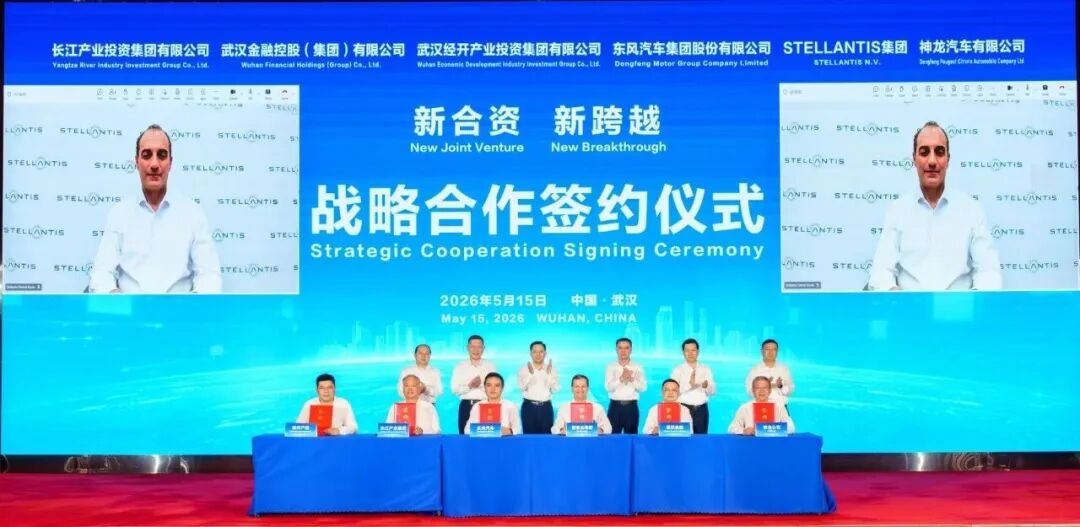
Image Source/Dongfeng Motor Official Weibo
According to the strategic cooperation agreement signed by the six parties, Dongfeng Motor and Stellantis Group will fully leverage their respective strategic resources in brands, technology, and global markets, integrating the guidance of industrial capital and the advantages of industrial support to jointly promote DPCA's electrification, intelligence, and international transformation.
In addition to the original Dongfeng Peugeot and Dongfeng Citroën brands, according to the strategic cooperation agreement, starting from 2027, DPCA's Wuhan plant will produce two NEV off-road models for the Jeep brand.
Previously, Jeep's domestic production was handled by GAC-Fiat Chrysler, and the brand once became a benchmark during the golden age of SUVs, driving GAC-Fiat Chrysler to reach an annual sales peak of 220,000 units in 2017.
However, in 2018, Jeep faced widespread "oil burning" issues and was named on the 315 Gala, triggering a crisis of consumer trust in its product quality and leading to a sharp decline in its reputation and sales.
According to Economic Observer, by 2022, Jeep's sales had fallen below 2,000 units. GAC-Fiat Chrysler officially declared bankruptcy in July 2025, and Jeep's brand in China only retained sales of purely imported models.
Even so, compared to creating a new brand, it was more feasible to break into the NEV market through Jeep, which already had some brand value.
The report cited information from a DPCA executive stating that all future Jeep brand models to be introduced would be NEVs.
The agreement also indicated that starting from 2027, DPCA would produce two NEV off-road models at its Wuhan plant during the initial phase of the project and sell them in the global market.
The production and manufacturing of new and existing brands would no longer follow past models.
DPCA emphasized on its official website that the most crucial aspect of this signing and cooperation was to not follow the old path or copy overseas models but to leverage China's local innovation to support the global market. It mentioned that it would integrate the hardcore technologies mastered by Dongfeng Motor, such as NEV platforms, intelligent driving, and electronic electrical architecture, with Stellantis Group's global brand influence and chassis tuning technology.
According to the plan, starting from 2027, multiple NEV models from DPCA will be launched sequentially, covering pure electric and plug-in hybrid technology routes and diverse scenarios such as off-road, urban commuting, and family travel. The first all-new NEV will be officially launched next year.
3. Shijie Faces a Lukewarm Reception, Jeep Declines
Can the new funding and cooperation model enable DPCA to return to a growth trajectory? Currently, this remains a challenging question to answer.
From the strengths of DPCA's shareholders, both sides have obvious advantages: Dongfeng Motor possesses an NEV technology platform that can provide technical support for NEVs; Stellantis Group has extensive experience in chassis tuning, ensuring vehicles have excellent handling performance.
However, the Shijie 06, launched in May 2025, failed to boost DPCA's sales.
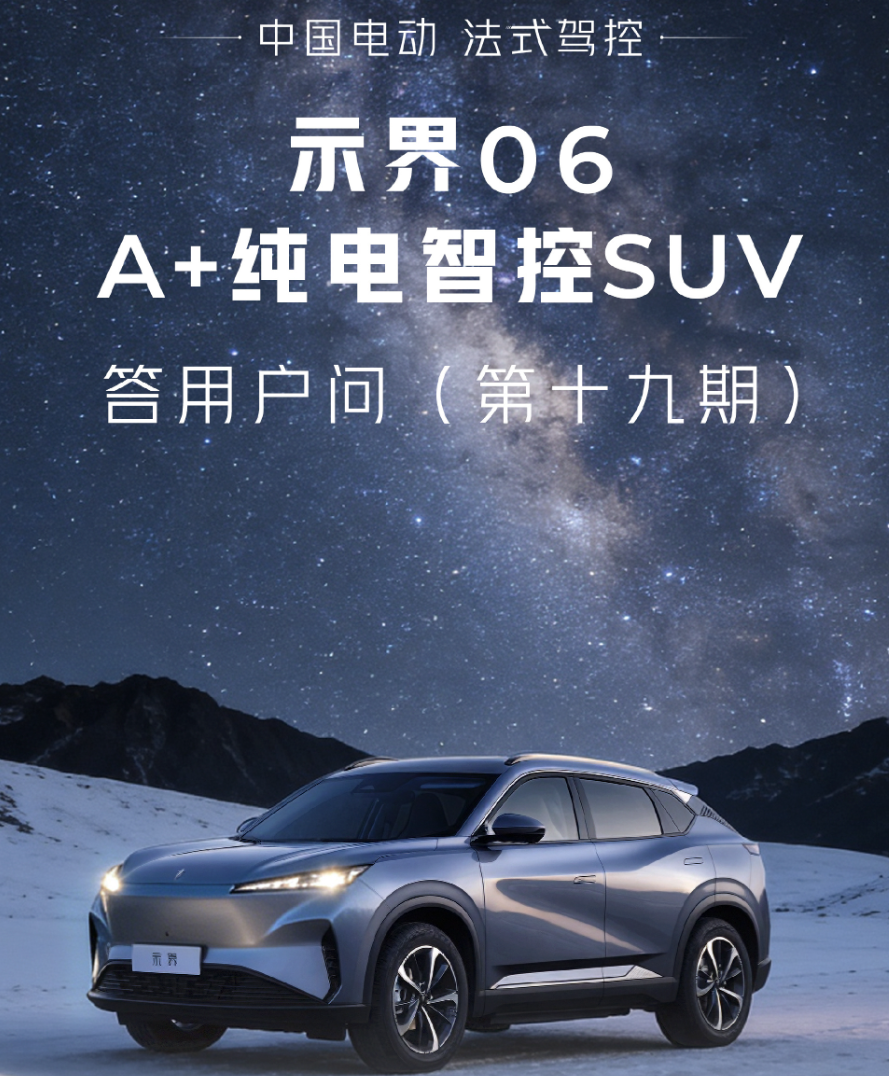
Image Source/Weibo
Although DPCA only proposed technological integration in its recent strategic agreement, the Shijie 06 it produced already adopted this model.
Developed based on Dongfeng Passenger Vehicle's technology platform, the model is equipped with a high-performance motor from Aimotion Technology and a battery from CALB, while retaining the iconic chassis handling performance of external shareholders, ensuring power, range, and driving experience.
However, according to the latest data disclosed by Dongchedi, the entire Shijie brand sold only 26 units in April 2026, ranking 107th. This marked the third consecutive month that the brand's monthly sales fell below 40 units.
Although the newly introduced Jeep brand still has some brand foundation, its once-famous slogan, "Not all Jeeps are Jeep," has lost much of its presence in China.
Since GAC-Fiat Chrysler's bankruptcy and liquidation, Jeep's main imported models, the Wrangler and Grand Cherokee 4xe series, have become niche imported off-road categories.
Struggling domestically, establishing a foothold in overseas markets is also no easy feat.
Stellantis Group's full-year financial results for 2025 showed a net loss of €22.3 billion due to factors such as deep strategic adjustments to meet customer preferences and changes in the regulatory environment and framework.
This is also an issue that DPCA, which is embarking on a globalization path, must face, especially when Stellantis Group has failed to address it effectively.
From joint venture glory to sales collapse, DPCA's rise and fall is a microcosm of the struggles and breakthroughs of Chinese joint venture automakers amid the electrification wave.
Imbalance in Sino-foreign collaboration, lagging localization, and slow NEV transformation caused DPCA to miss the golden window. However, the RMB 8 billion capital injection, Jeep's entry, and mechanism renewal have pressed the restart button.
Whether Dongfeng's NEV technology and Stellantis's global heritage can truly integrate, whether "China for the Globe" can translate from a slogan into tangible results, and whether new and classic brands can stand firm in a fiercely competitive market remain to be seen over time.
DPCA's revival path is not only a self-rescue effort for an automaker but also a crucial lesson for the joint venture model's transformation in China.
Source: Consumer Daily - Jinzhao News
Images: DPCA
-
![]()
Sales Plummet by 90%! Why Is Dongfeng Peugeot Citroën Automobile Struggling to Maintain Its Foothold in the French Car Market?
-
![]()
How Far Are We from AI Payments When Agents Want to 'Take Over' Our Wallets?
-
![]()
The First Cold Shower for All-in AI: Cost Reduction Hasn't Arrived, But the Token Bill Has
-
![]()
Automotive Market News: BYD Releases China's First 4nm Intelligent Driving Chip
-
![]()
Changan Qiyuan Intelligent Driving Accident: A Wake-Up Call for the Entire Intelligent Driving Sector
-
![]()
Toyota Changes CEOs Twice in Three Years Amid Challenges
-
![]()
Why Did the Former Chairman of Ferrari Get 'Angry' About Its First All-Electric Model, Luce?
-
Exclusive! Gas Leak at SK Hynix’s Cheongju Facility in South Korea Leaves 6 Injured—Could DDR5 Prices Surge Once More?