The More the US Attempts to 'Suppress' China, the More Innovative Chinese Automakers Grow?
 06/05 2026
 543
543
Even former President Trump probably didn't foresee that the various suppression policies would instead unleash the most robust 'Made in China' potential.
A few days ago, Tesla announced on its overseas social media platforms that its supervised version of Full Self-Driving (FSD) would be rolled out in 10 countries, including China. This news immediately boosted A-share stocks related to autonomous driving. However, before the supervised FSD could even officially launch, BYD's 'Dare to Innovate' intelligent strategy announcement seemed to have preemptively taken the wind out of Tesla's sails.
Playing the 'Safety Guarantee' Card Where Tesla Falls Short
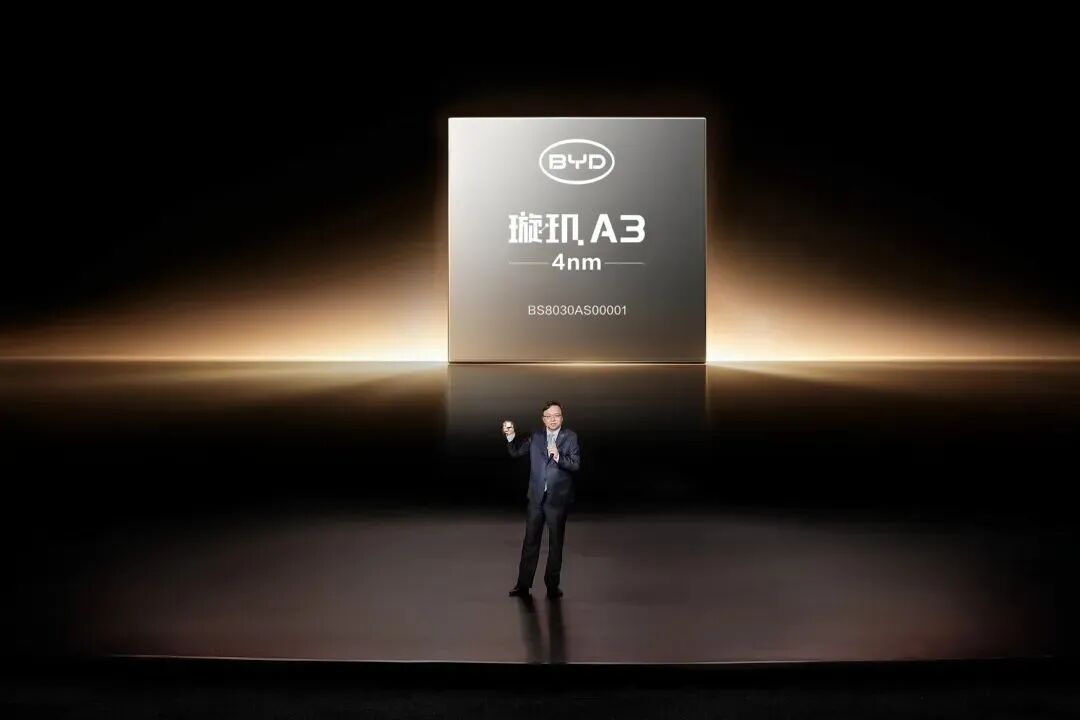
The crux of this announcement centers around two key points: Firstly, BYD declared a one-year safety guarantee for urban navigation. Secondly, it unveiled China's first self-developed 4nm intelligent driving chip, the Xuanji A3.
Let's begin with the safety guarantee. Urban navigation is not a novelty in the industry; many brands' advanced intelligent driving systems already encompass urban scenarios. However, a common pain point persists: consumers who opt for advanced intelligent driving features are often hesitant to use them on the road. The reason is straightforward: urban road conditions are exceedingly complex. Who assumes responsibility if something goes awry?
BYD's solution is to extend the scope of its safety guarantee from intelligent parking to urban navigation. If a liable traffic accident occurs while compliantly using urban navigation, BYD will fully cover direct economic losses, including vehicle repairs, third-party property damage, and personal injuries.
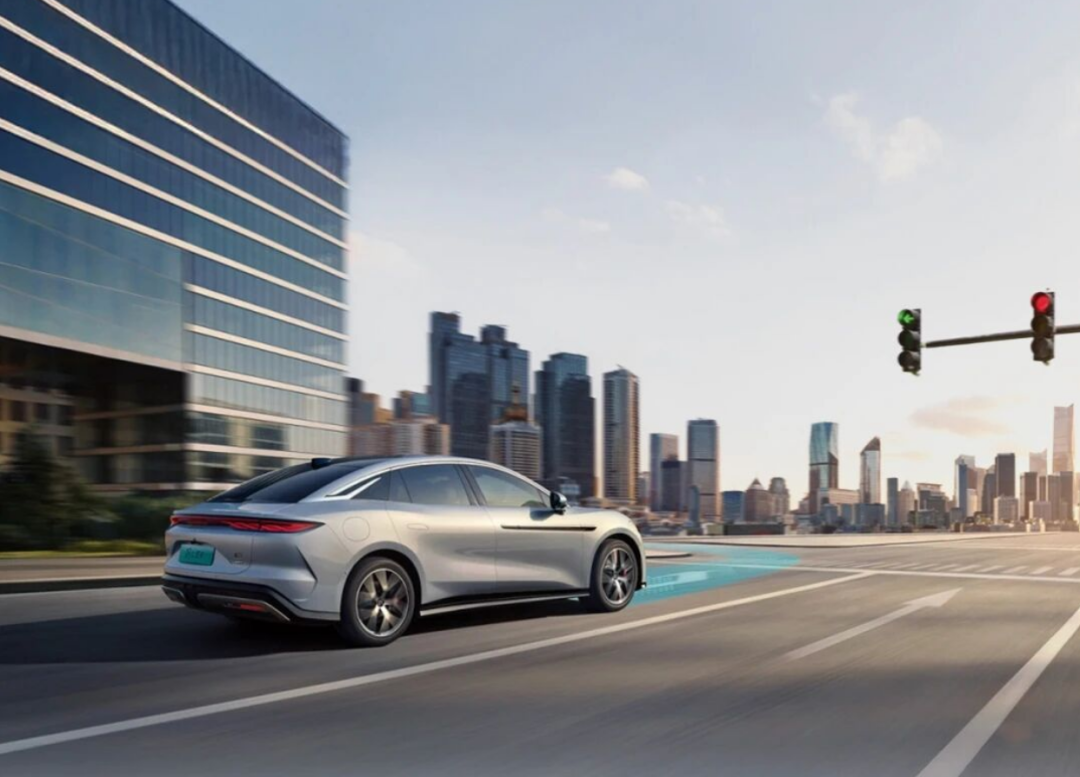
The confidence to offer such a guarantee stems from technological self-assurance. But there's another crucial factor: the effectiveness of the safety guarantee policy has already been validated. After introducing the intelligent parking guarantee, the usage rate of BYD's 'Divine Eye' intelligent parking feature skyrocketed from 21% to 93%. Meanwhile, BYD has over 3.15 million vehicles equipped with assisted driving, with the 'Divine Eye' system generating over 200 million kilometers of real-world road data daily. Its assisted driving R&D team comprises over 5,000 engineers—ranking among the top in Chinese automakers.
The safety guarantee encourages users to embrace the technology. The more users, the more data is collected, and the smarter the algorithms become. This creates a virtuous cycle.
Meanwhile, BYD announced that all its models could optionally be equipped with the 'Divine Eye B' assisted driving laser version for 12,000 yuan. This means urban navigation, previously only available in models priced at 200,000 yuan or more, is now an option for entry-level models starting at 70,000 yuan. By lowering the price barrier for advanced intelligent driving and coupling it with a safety guarantee, BYD's strategy addresses the two most practical challenges in popularizing intelligent driving: affordability and trust.
BYD is just one representative among many in China's new energy vehicle industry. Tesla's FSD faces opponents trained on vast amounts of data. At least from the Beta version's performance, FSD's capabilities on Chinese roads have been underwhelming.
BYD's 4nm Chip and Wafer Fab: Its Real Semiconductor Strategy
If the safety guarantee policy is a card to reassure users, the launch of the Xuanji A3 chip is a card to redefine BYD's technological prowess in the industry.
The Xuanji A3 is China's first mass-produced automotive-grade 4nm intelligent driving chip, featuring a 16-core CPU architecture, 273GB/s bandwidth, and the highest functional safety rating of ASIL-D. A single chip delivers approximately 700TOPS of computing power, with three chips working in tandem providing over 2100TOPS for the entire vehicle. Compared to peers, the Xuanji A3 reduces power consumption per unit of computing power by 20%, and with BYD's self-developed algorithm optimizations, computing power utilization has doubled.
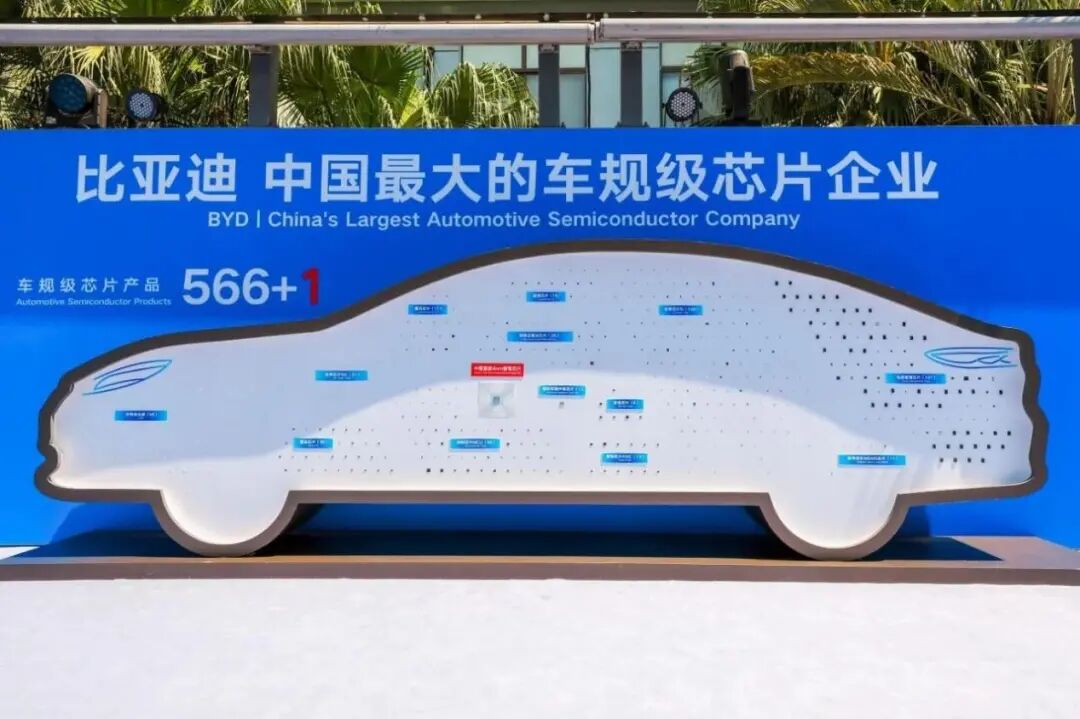
But the most surprising aspect of the Xuanji A3 isn't its specifications. Few know that BYD's chip strategy predates its automotive endeavors. In 2002, it established an IC design department, the precursor to BYD Semiconductor, and has since deeply cultivated the chip sector for 24 years. Currently, BYD's chip R&D team exceeds 7,000 people, with cumulative investments surpassing 100 billion yuan. It operates four chip R&D bases and five wafer fabrication plants across China, including Chengdu's 12-inch wafer fab—the largest in China dedicated to automotive-grade products. Leveraging this strategy, BYD has become the world's only automaker capable of self-developing and self-producing chips throughout the entire process, from product definition and architecture design to wafer manufacturing, packaging, and testing.
For BYD, self-developed chips aren't just about catching up to or surpassing competitors—they're about controlling the entire technological chain. From foundational chips to mid-level algorithms and upper-layer applications, full-stack self-development enables faster iteration cycles and tighter hardware-software integration. After all, only chips designed in-house can deeply align their underlying architecture with upper-layer algorithms, maximizing the potential of every unit of computing power.
Reverse Push Under External Restrictions: New Opportunities for China's Chips and Intelligent Driving
Two other events coincide with BYD's 4nm chip launch that deserve attention. One is Huawei's announcement of 'Tao's Law,' and the other is NVIDIA's H200, which, despite relaxed export restrictions to China, seems to be in no hurry to be purchased by Chinese companies.
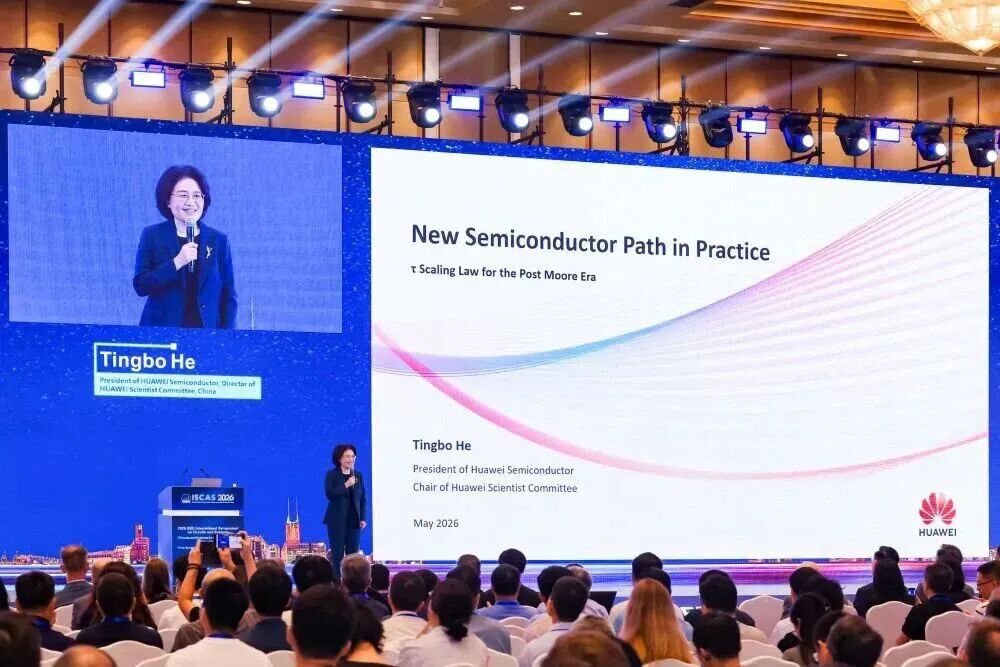
Let's start with Tao's Law. On May 25, Huawei formally proposed 'Tao's Law' at the 2026 International Conference on Circuits and Systems. The core idea is to break through traditional chip manufacturing's physical limits through 'logical folding.' Instead of solely pursuing smaller process nodes, it uses system-level innovations like 3D stacking, hybrid bonding, and TSV to achieve equivalent performance of advanced chips on mature processes. Over the past six years, Huawei has designed and mass-produced 381 chips based on this approach. The upcoming Kirin 2026, expected this fall, will be the first chip fully adopting Tao's Law, with a clock speed of 3.1GHz and performance comparable to TSMC's 3nm process. Huawei projects that by 2031, high-end chips based on Tao's Law will reach a transistor density equivalent to a 1.4nm process.
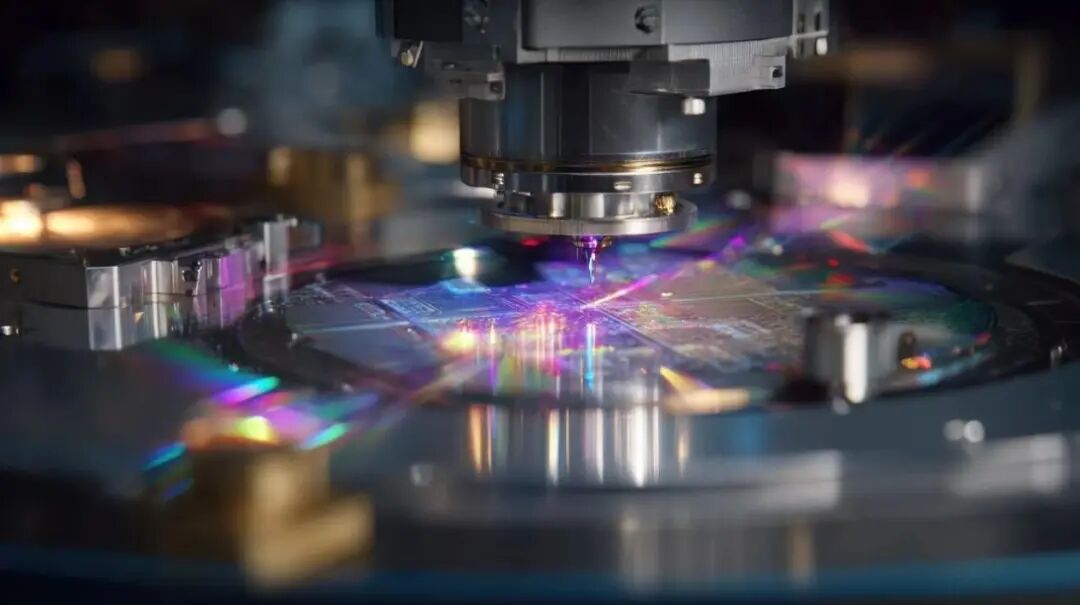
The significance of Tao's Law lies in providing China's semiconductor industry with an alternative path that doesn't rely entirely on extreme ultraviolet (EUV) lithography machines. Given the prolonged external technological blockades, this exploration direction is particularly vital.
Armed with such technology, Chinese companies seem to have 'demystified' NVIDIA. In January, the U.S. Department of Commerce relaxed H200 export restrictions to China but imposed stringent conditions: chips must undergo third-party testing labs to review AI performance, exports to China cannot exceed 50% of U.S. exports, and buyers must prove the chips are for civilian use with 'sufficient safety measures.' Later, reports emerged that the U.S. was discussing a 75,000-chip purchase cap per Chinese company. Interestingly, despite the U.S. government easing restrictions, Chinese companies showed little interest. In May, Trump confirmed aboard Air Force One after his China visit that China had no plans to purchase U.S. H200 chips, opting instead to fully develop its domestic chip industry.
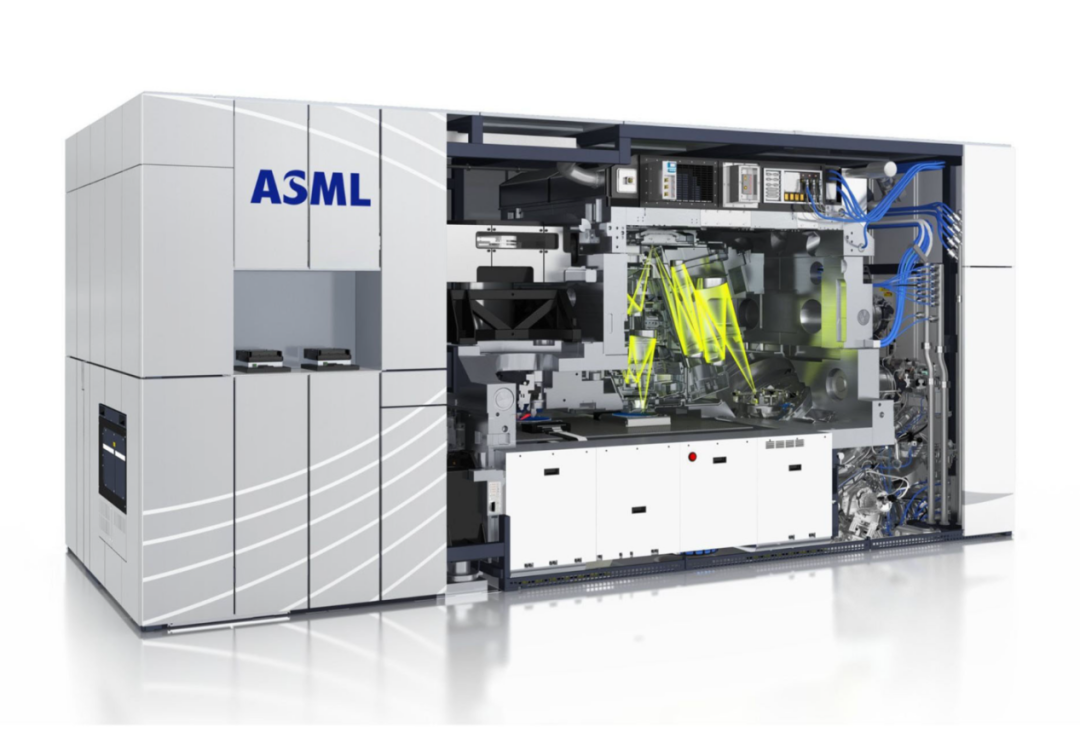
Amid tightening external restrictions, the localization substitution in China's semiconductor industry has shifted from a passive response to an active choice. Data shows that by 2025, China's self-sufficiency rate for 12-inch wafers reached about 50%, with the figure continuing to rise in 2026. Chinese companies' global capacity share grew from 3% in 2020 to 28% in 2025 and is expected to reach 32% this year. According to Bernstein Research, China's 12-inch wafer capacity will grow to 3.21 million wafers per month by 2026, accounting for roughly one-third of global capacity.
Progress in intelligent driving isn't limited to BYD. After the Xuanji A3's launch, coupled with Huawei's ADS system, NIO's Shenji, XPeng's Turing, and Li Auto's Mach chips, 2026 is shaping up to be the breakthrough year for domestic automotive chips. These chips vary in focus and strategy, but their common trait is that Chinese companies are gradually reducing reliance on overseas chipmakers and securing core computing power for intelligent driving.
Conclusion
The U.S. has steadily tightened technological blockades against China in recent years, from chip export restrictions to expanding entity lists, with clear intentions. Yet, the outcome has, in a way, done China's manufacturing a 'reverse favor.' Without external pressure, many companies might have remained content with 'buying their way in.' Now, unable to procure or facing excessive hassles, they're forced to build their own solutions. From Huawei's alternative path with Tao's Law to BYD's full-stack self-development, from collective chip-building efforts among automakers to rapid capacity expansion in domestic wafer fabs, China's chip industry and intelligent driving sector are accelerating down this forced path. In the coming years, whether in semiconductors or intelligent driving, 'Made in China'—forced to innovate—will likely surprise many.
-
![]()
MiniMax Faces an Uphill Battle to Reclaim Its Initial Vision
-
![]()
Is XPENG Lagging Behind the Industry Leaders?
-
![]()
The Various Aspects of Life in the Era of Involution: Six New Forces Strive to Find Profit Points
-
![]()
AI Reshapes Globalization: New Opportunities for Chinese Enterprises Going Global
-
![]()
Across-the-Board Decline: Joint Venture Brands Feel the 'Boomerang' Effect
-
![]()
The More the US Attempts to 'Suppress' China, the More Innovative Chinese Automakers Grow?
-
![]()
CCTV, People’s Daily, and Other Media Outlets Weigh In: Is a Weight-Based Tax for Electric Vehicles on the Cards?
-
Lenovo Aims to Continue Spinning Its AI Narrative