The Various Aspects of Life in the Era of Involution: Six New Forces Strive to Find Profit Points
 06/05 2026
 354
354
Lead | Introduction
Among the six new force brands—Leapmotor, AITO, NIO, Li Auto, Xiaomi, and XPENG—only AITO delivered a profitable performance in the first quarter of this year. Behind this, it reflects the harsh reality that automakers in the era of deep involution face significant challenges in merely surviving, let alone achieving profitability.
Produced by | This article is produced : Heyan Yueche Studio
Written by | Writing an article : Zhang Dachuan
Edited by | edit : He Zi
Full text: 3,766 characters
Reading time: 5 minutes
New forces, encroaching on the turf of traditional automakers, have intensified competition in the automotive industry with internet thinking and intelligent electric vehicle (IEV) technologies, but they also face challenges in terms of profitability.
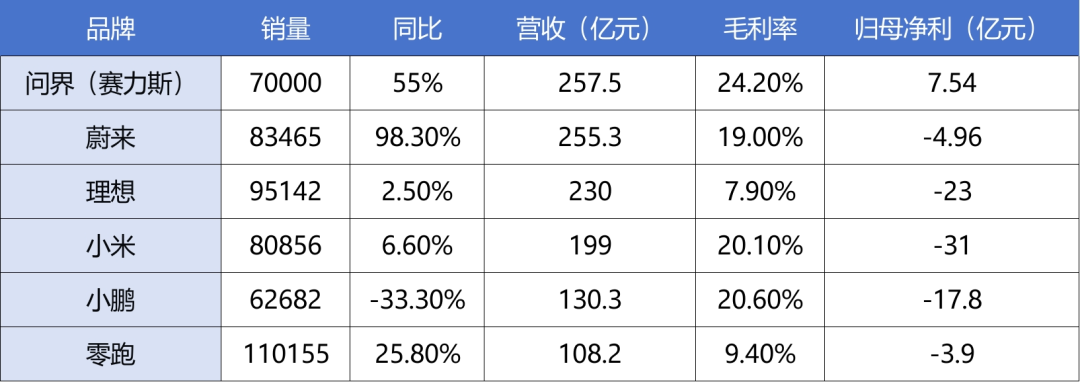
Recently, the disclosed first-quarter reports outline the latest survival status of six new force automakers, revealing a clear divergence: In terms of sales volume, Leapmotor firmly holds the top position among the six automakers; regarding profitability, AITO, backed by Huawei's full-stack technology and brand empowerment, stands out as an industry benchmark for profitability; NIO, with its strong product iteration and matrix expansion, demonstrates a high-growth momentum leading the industry; Xiaomi Auto, relying on precise product positioning and stable delivery rhythm, shows a solid and steady overall performance. In contrast, Li Auto and XPENG faced significant pressure in the first quarter. Li Auto shifted from profit to loss, undergoing a phased adjustment in its operational fundamentals; XPENG struggled with sluggish sales growth, and its performance will hinge on the market uptake of its new model GX, introducing considerable uncertainty into its future trajectory.
Leapmotor Explores Pathways to Scale
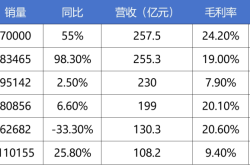
In the first quarter of 2026, Leapmotor continued to lead domestic new force automakers in sales, delivering 110,155 vehicles, a year-on-year increase of 25.8%. Among them, overseas markets contributed 40,900 units, becoming a significant source of incremental sales for Leapmotor. In the domestic market, Leapmotor further solidified its strong dominance in the entry-level segment by continuously launching affordably priced models. For instance, the A10, launched in March this year, surpassed 20,000 units in May sales; the D19, launched in mid-April, exceeded 10,000 units in May sales. Although these figures are not reflected in the first-quarter sales results, they undoubtedly lay an important foundation for sustained sales growth in the second quarter.
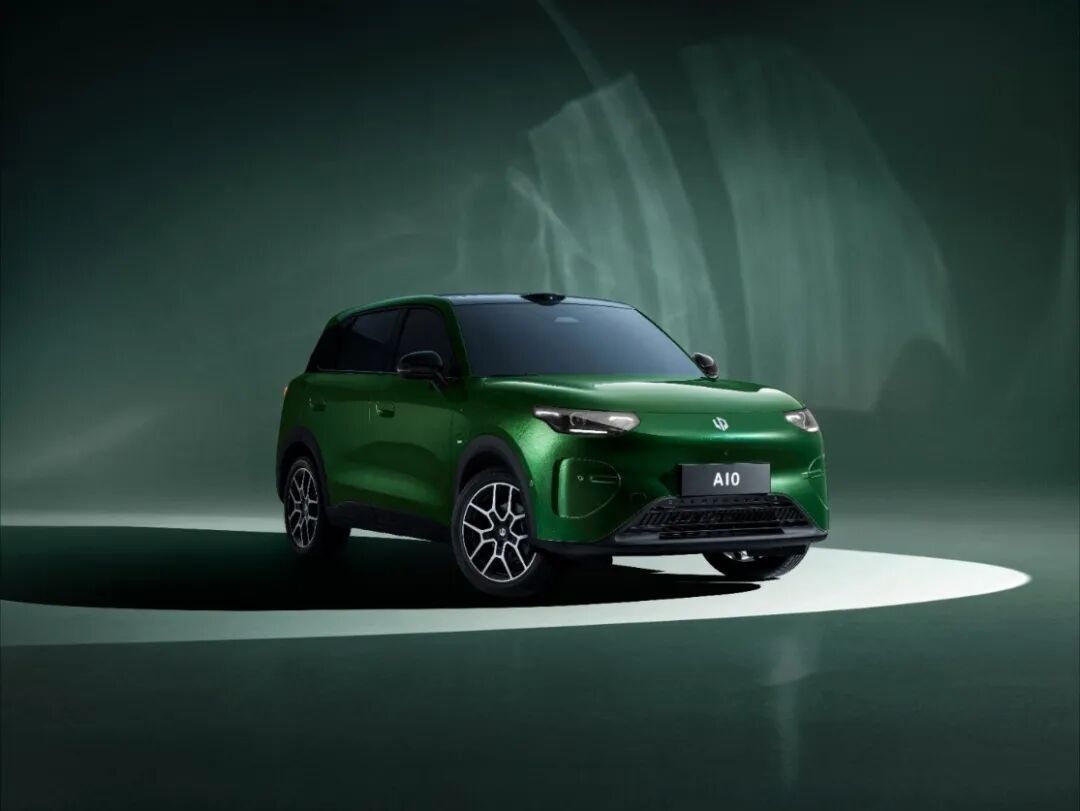
△ Leapmotor continues to consolidate its advantages in the entry-level market
However, it is important to note that Leapmotor incurred a loss of 390 million yuan in the first quarter of this year. For Leapmotor, a quarterly loss serves as a warning sign. Behind this loss lies a first-quarter gross margin per vehicle of only 9.4%. Coupled with Leapmotor's generally low vehicle prices, its profit prospects appear unfavorable. Additionally, Leapmotor is set to launch a second brand to target the mid-to-high-end market, while its overseas operations are still in the early stages of investment, both of which will further divert profits. Considering Leapmotor's cash reserves of only 30.63 billion yuan, the lowest among these six automakers, securing continuous financing to ensure sufficient resources for business development will pose a significant challenge for Leapmotor.
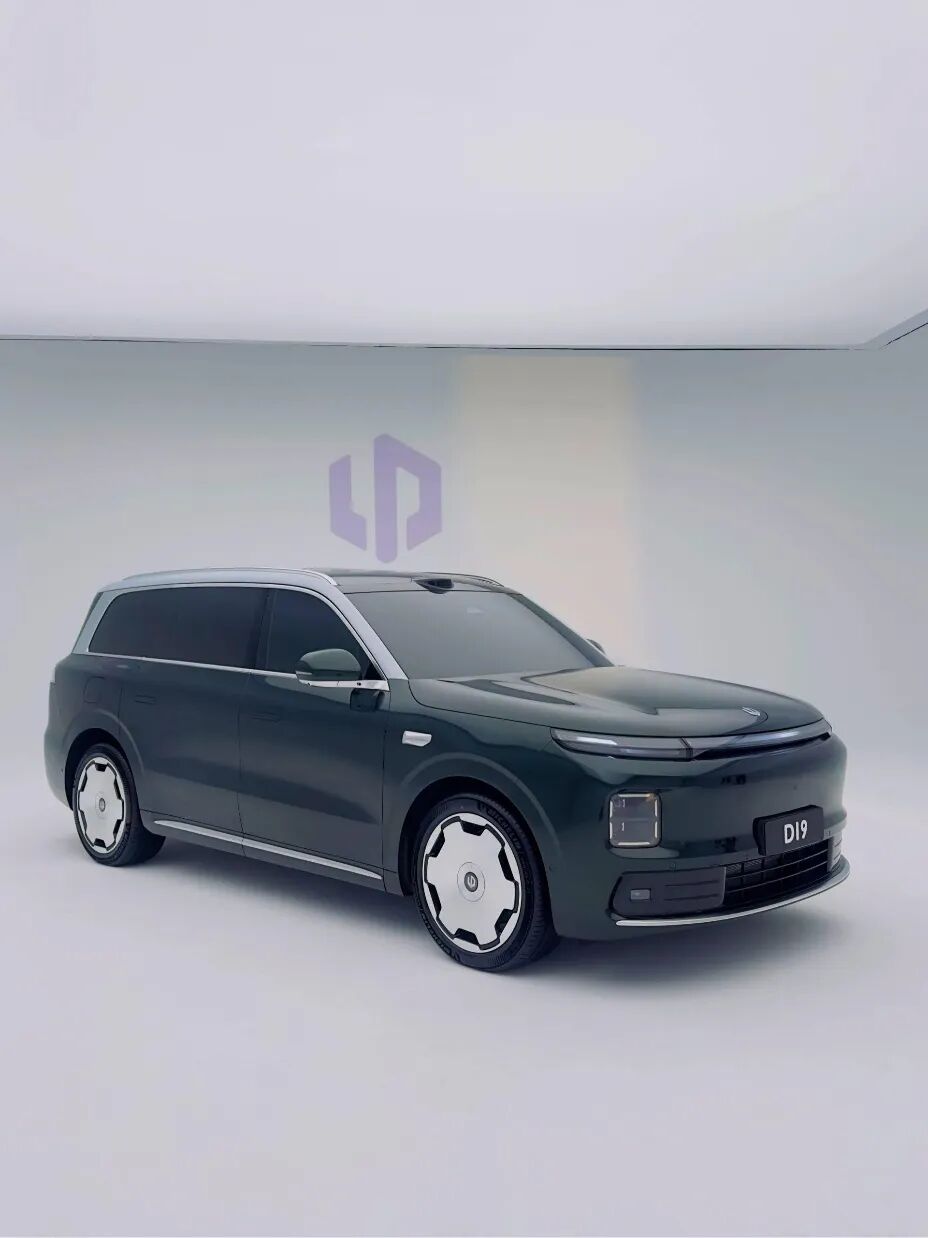
△ The newly launched D19 becomes key to improving Leapmotor's gross margin
In 2026, Leapmotor has set a full-year sales target of 1 million vehicles, with plans to launch five new models within the year: three from the D series and two from the A series, covering the market segment from 50,000 to 200,000 yuan. While maintaining its position in the entry-level market, Leapmotor is also gradually attempting to upgrade its product lineup to improve its gross margin. This year is also crucial for Leapmotor to expand its overseas sales. Leveraging the factory and channel resources laid out by Stellantis, Leapmotor's low-cost products hold promise in overseas markets. However, for Leapmotor, the biggest question mark in 2026 will be whether it can achieve profitability while ensuring its leading sales position.
AITO Takes the Lead in Profitability with Huawei's Support
Among the six leading new force automakers, AITO (Seres) stands out as the only brand to achieve profitability in the first quarter of this year. Seres sold 70,000 vehicles in the first quarter, a year-on-year increase of 55%, with revenue reaching 25.75 billion yuan, topping the revenue scale among the six new forces. More notably, the company reported a net profit attributable to shareholders of 754 million yuan and a gross margin of 24.2%, significantly outperforming its industry peers in profitability.
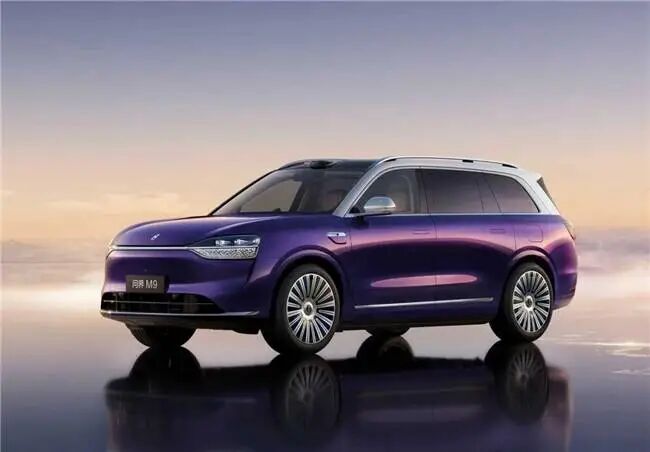
△ The AITO M9/M8 models emerge as the biggest contributors to the company's sales and profits
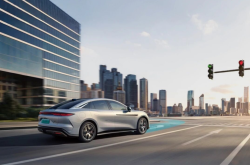
Historically, AITO's sales and profitability have largely relied on the M9 and M8 models; the newly launched M6 achieved over 20,000 deliveries in its first month, opening up a new growth trajectory for AITO and Harmony Intelligent Mobility. Huawei's brand empowerment and full-stack technology implementation serve as the core drivers behind AITO's steady sales climb. However, risks also loom large: with the continuous expansion of mass-produced models equipped with Huawei's technology and the growing presence of other Harmony Intelligent Mobility series, AITO's potential customer base may face dilution in the future.
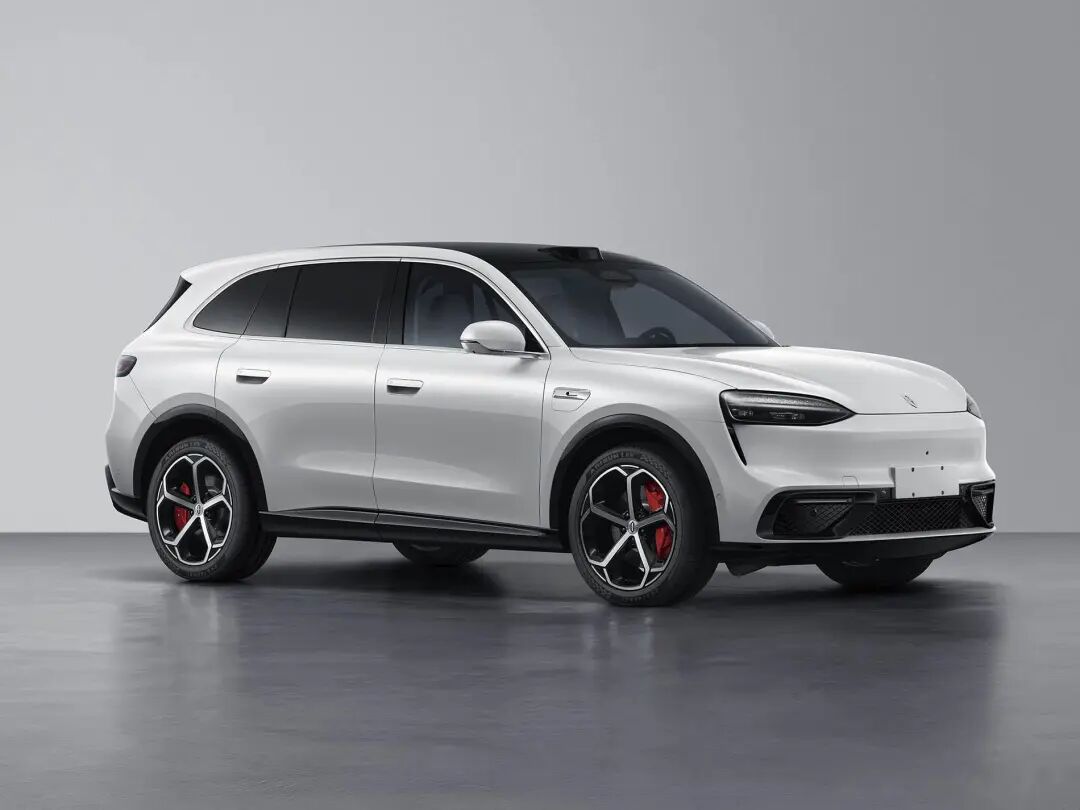
△ The newly launched AITO M6 becomes a major sales growth driver
Facing market dilution pressures, Seres has taken clear countermeasures. After spinning off the Blue Electric brand, the company can concentrate its resources on building the AITO brand. Among all models equipped with Huawei's technology, AITO products remain the most recognized in the market. As long as AITO maintains a regular rhythm of new product launches, its position as an industry benchmark is unlikely to be overturned in the short term.
NIO Seeks Profitability Amidst an Asset-Heavy Model
Among the new force automakers, NIO led the industry in performance growth in the first quarter. It delivered 83,465 vehicles during the period, a year-on-year surge of 98.3%; revenue reached 25.53 billion yuan, up 112.2% year-on-year. Buoyed by the strong sales of the new ES8, NIO's sales volume and profitability fundamentals steadily improved, with the gross margin for complete vehicles rising to 19.0% in the first quarter. In terms of specific products, the EL6 consistently surpassed 5,000 monthly deliveries; the Firefly model topped the high-end A00-class vehicle sales chart for 12 consecutive months, also maintaining monthly sales of around 5,000 units.
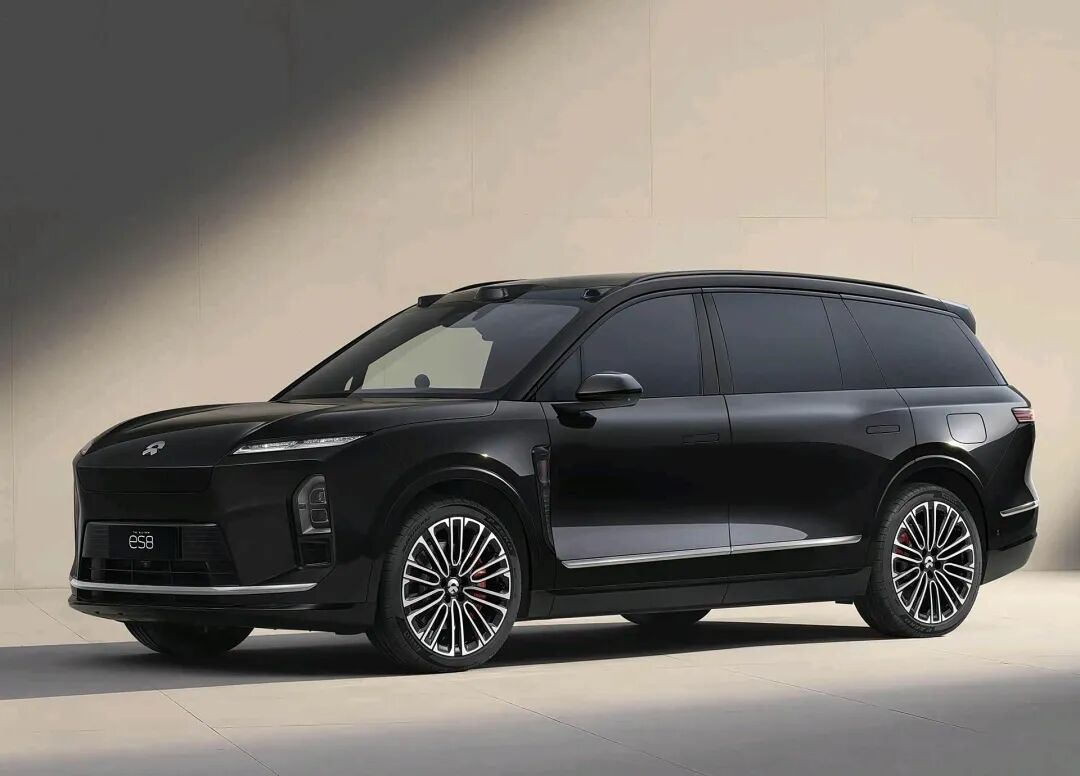
△ The new ES8 spearheads NIO's sales turnaround
However, NIO's asset-heavy model remains a drag on its profitability. The company's continuous investment in battery swap infrastructure and full-link service system layout (layout) keeps fixed costs persistently high, resulting in a loss of 496 million yuan in the first quarter, failing to sustain its previous phased profitability. Concerns also linger on the product side: several existing models have overlapping price ranges, and the upcoming flagship ES9 may divert customers from the new ES8.
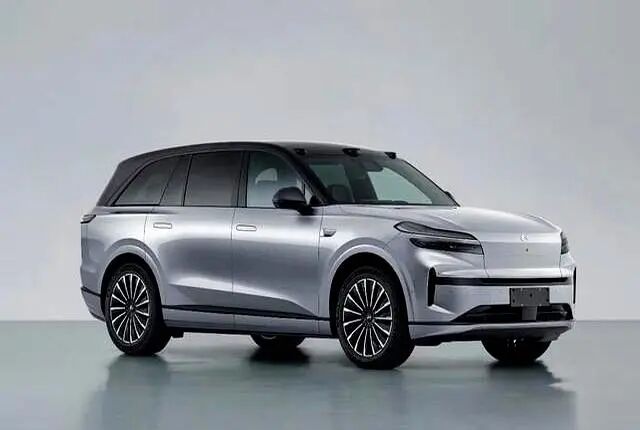
△ NIO must minimize internal cannibalization among its models to prevent sales dilution
To reverse its loss-making trend, NIO will accelerate new product launches starting from the second quarter, introducing the ES9, EL80, and a refreshed ES7 to continuously refine its product matrix across the 100,000–600,000 yuan price range, aiming to achieve profitability on a Non-GAAP basis. Additionally, the company will optimize its national battery swap network layout while deepening its presence in European and Middle Eastern overseas markets, laying a solid foundation for global-scale deliveries from 2027 to 2028.
Li Auto's Profitability Hinges on New Models
In the first quarter of this year, Li Auto reversed its sales decline trend. Compared to an 18.8% year-on-year drop in full-year deliveries in 2025, the company delivered 95,142 vehicles in the first quarter, a slight year-on-year increase of 3.3%. However, revenue faced significant pressure, standing at 23 billion yuan, down 11.4% year-on-year, with a net loss attributable to shareholders of 2.3 billion yuan, lagging behind its sales recovery pace in terms of profitability.
Currently, Li Auto finds itself in a competitive quandary: its extended-range electric vehicle (EREV) lineup, which previously built an edge with comfortable configurations like refrigerators, TVs, and large sofas, now faces all-around competition. Besides new forces like AITO and Leapmotor doubling down on EREVs, joint ventures such as SAIC Volkswagen, Volvo, and SAIC-GM have also entered the EREV track (sector), diverting market share. The pure electric vehicle (BEV) segment is equally fragmented, with only the i6 shouldering the sales volume burden, while the flagship BEV MPV MEGA and mid-to-large BEV SUV i8 underperformed in the market.
Abundant cash reserves remain Li Auto's core strength, with 94.3 billion yuan in cash on hand, sufficient to sustain its investment in cutting-edge technologies such as autonomous driving and embodied artificial intelligence. In the second quarter, the all-new L9 officially begins deliveries, with the top-spec L9 Livis priced at 509,800 yuan becoming Li Auto's key lever to boost vehicle gross margins and restore profitability. The subsequent performance of this new model will shape the company's full-year fundamentals: if the refreshed L9 can return to monthly sales of around 10,000 units, Li Auto's operating conditions are expected to stabilize; however, if monthly sales linger below 5,000 units, achieving its 2026 profitability target will become significantly more challenging.
Xiaomi Auto Aims to Turn Losses Around with Product Launches
In the first quarter of this year, Xiaomi Auto delivered 80,856 vehicles, generating revenue of 19.9 billion yuan. With the launch of the new SU7, Xiaomi maintained strong competitiveness in China's domestic BEV passenger vehicle market, becoming a key driver of group revenue growth.
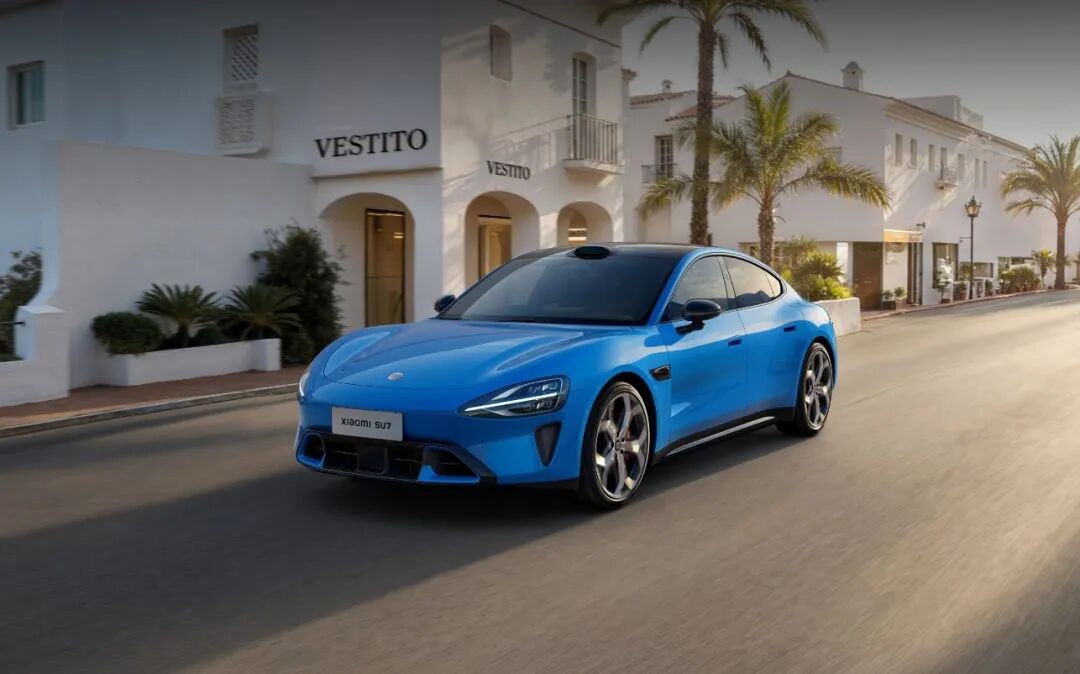
△ Xiaomi Auto delivered a steady performance in the first quarter
Currently, Xiaomi Auto remains in an industry investment phase, requiring substantial capital expenditures for capacity building, offline channel expansion, and R&D in complete vehicles and in-house technologies. As a result, the automotive business incurred a loss of 3.1 billion yuan in the first quarter. Leveraging its parent company's strong financial position, the group holds approximately 80 billion yuan in cash reserves. As long as monthly sales remain stable at 30,000–40,000 units and continue to rise, short-term losses will not pose a material threat to the automaker's operations.
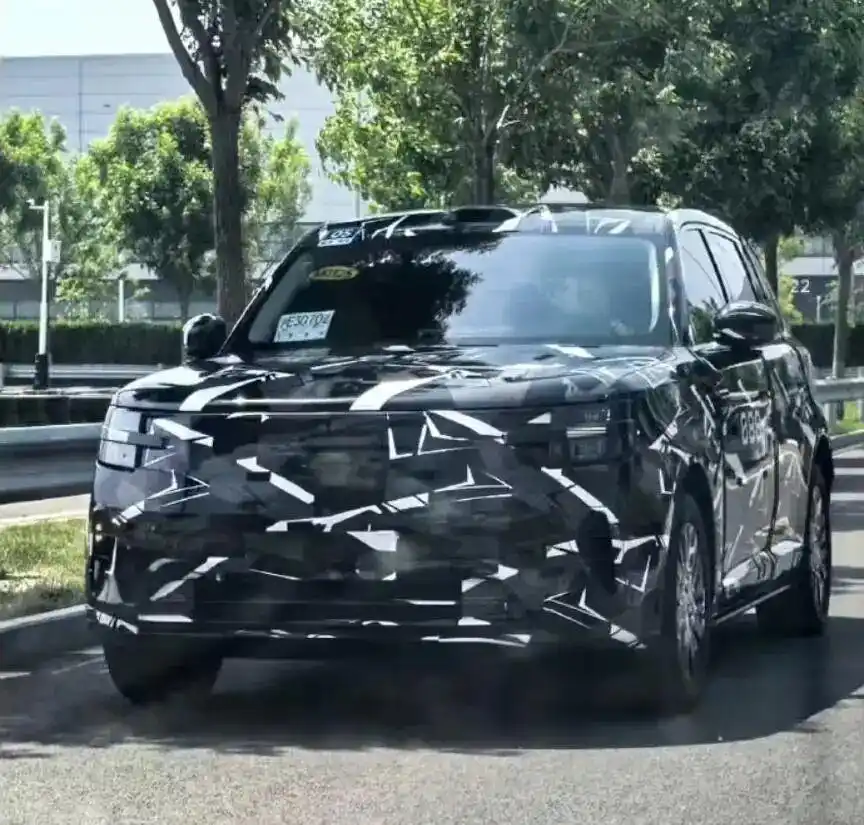
△ Xiaomi's foray into the EREV sector further solidifies its sales
2026 marks a major year for Xiaomi Auto's product launches. The all-new SU7 and YU7 GT have already hit the market in the first half of the year, with the SU7L executive extended sedan set to launch in the second half. Simultaneously, the brand officially enters the EREV sector with the launch of two EREV SUVs, the Kunlun N3 and N2, forming a dual-track product lineup of BEVs and EREVs. If these new models meet sales expectations, Xiaomi Auto will solidify its position in the domestic passenger vehicle market. Leveraging a full-stack in-house development approach, Xiaomi is also deepening its expertise in three electric powertrains, advanced intelligent driving, and in-vehicle intelligent ecosystems, establishing a cross-terminal collaboration system spanning automobiles, smartphones, and whole-house intelligence. With its native intelligence advantage, Xiaomi aims to continuously expand its growth space in both domestic and overseas markets.
XPENG's Technological Leap: A Double-Edged Sword
XPENG Motors faced performance pressure in the first quarter, delivering only 62,682 vehicles, a sharp year-on-year decline of 33.3%, ranking last in sales growth among the six major new forces. Sluggish sales, compounded by high R&D investment (XPENG's R&D expenditure reached 2.91 billion yuan in the first quarter), ultimately resulted in a quarterly loss of 1.78 billion yuan. The core reason for the automaker's sales decline lies in the fading popularity of its mainstay models in the first quarter, coupled with the absence of new blockbuster models to drive incremental sales.
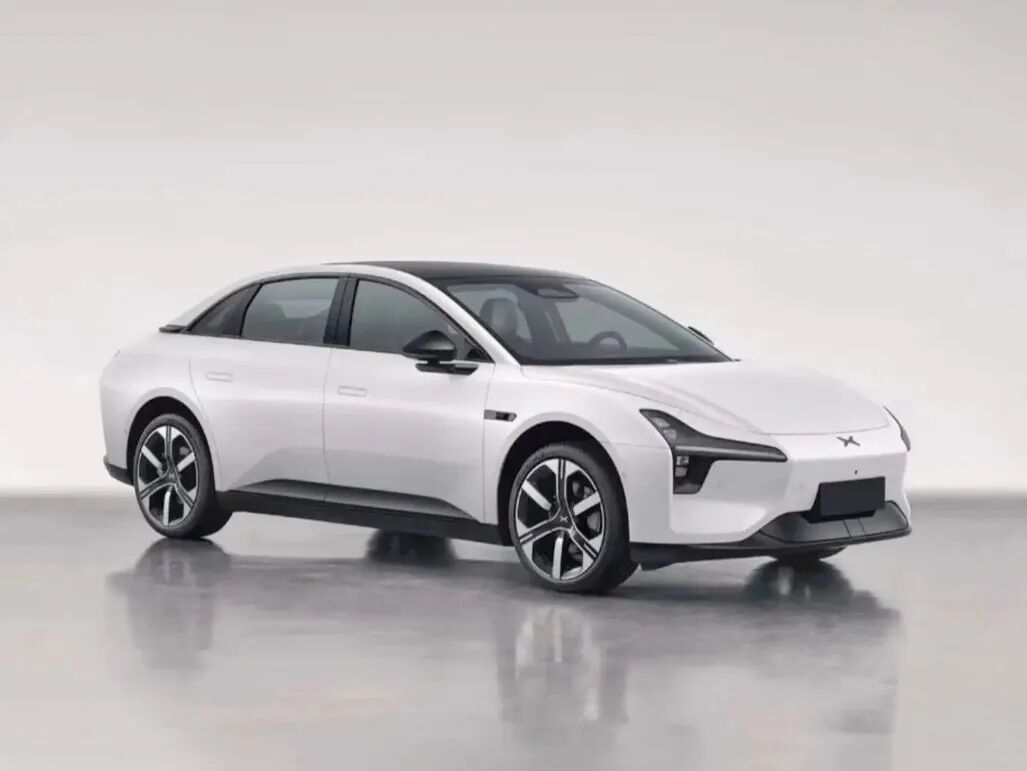
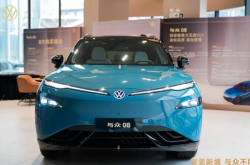
△ Due to fading popularity of its mainstay models, XPENG faced sales pressure in the first quarter",
Although facing short-term performance pressure, XPENG still possesses two core competitive barriers that support its long-term development: First is its in-depth strategic cooperation with Volkswagen Group, which not only brings XPENG substantial revenue from technology transfer but also achieves a deep binding between the two parties, providing a reliable cooperation foundation for XPENG's subsequent overseas market expansion. Second is its first-mover advantage in autonomous driving technology. In the second half of the year, XPENG will roll out its second-generation VLA intelligent driving system on a large scale, while the Turing chip will be officially integrated into vehicles, continuously solidifying its position in the first tier of advanced autonomous driving and strengthening its core competitiveness in intelligence.
Commentary
In the fiercely competitive domestic new energy vehicle market in China, even leading new force automakers struggle to remain unscathed, with profitability becoming increasingly challenging. Among the six mainstream new force brands, only SERES has achieved profitability with the support of Huawei, and only XIAOMI AUTO can leverage the group's ecosystem and capital advantages to buffer market pressures, while the remaining brands largely rely on their own capabilities. For automakers, establishing a sustainable system for incubating hit models, refining stable product iteration and cost control capabilities, and building core differentiated competitiveness are fundamental to navigating industry price competition and achieving long-term, robust (Note: translated as 'stable' to maintain context) operation—far more strategically valuable than relying on low prices to temporarily boost sales volume.
(This article is original to Heyan Yueche and may not be reproduced without authorization.)
-
![]()
MiniMax Faces an Uphill Battle to Reclaim Its Initial Vision
-
![]()
Is XPENG Lagging Behind the Industry Leaders?
-
![]()
The Various Aspects of Life in the Era of Involution: Six New Forces Strive to Find Profit Points
-
![]()
AI Reshapes Globalization: New Opportunities for Chinese Enterprises Going Global
-
![]()
Across-the-Board Decline: Joint Venture Brands Feel the 'Boomerang' Effect
-
![]()
The More the US Attempts to 'Suppress' China, the More Innovative Chinese Automakers Grow?
-
![]()
CCTV, People’s Daily, and Other Media Outlets Weigh In: Is a Weight-Based Tax for Electric Vehicles on the Cards?
-
Lenovo Aims to Continue Spinning Its AI Narrative