When Technology No Longer “Favors Only One”, Who is Diluting the Market Appeal of Aito Intelligent EV?
 06/11 2026
 511
511
Streamlining the collaboration rules between the Consumer Business Group (BG) and the Automotive Business Unit (BU), and enabling strategic complementarity between Aito Intelligent EV's "Jie" series and Ark's "Jing" series through internal competition, will directly determine Huawei's long-term position in the automotive business.
Author | Zhang Xiansen
Editor | Liu Shanshan
The new energy vehicle market in May presented a picture of contrasts, with both booming sales and sluggish performance.
Leapmotor broke through the 80,000-unit sales mark for the first time, leading the pack among new forces with 81,569 units; NIO surpassed Li Auto with 37,705 units, marking a year-on-year increase of over 60%; Zeekr, XPeng, and Xiaomi firmly held their positions in the 30,000+ unit sales tier. VOYAH, IM Motors, and Avatr showed signs of slight recovery, but their positions had not yet stabilized.
Source: EO Auto
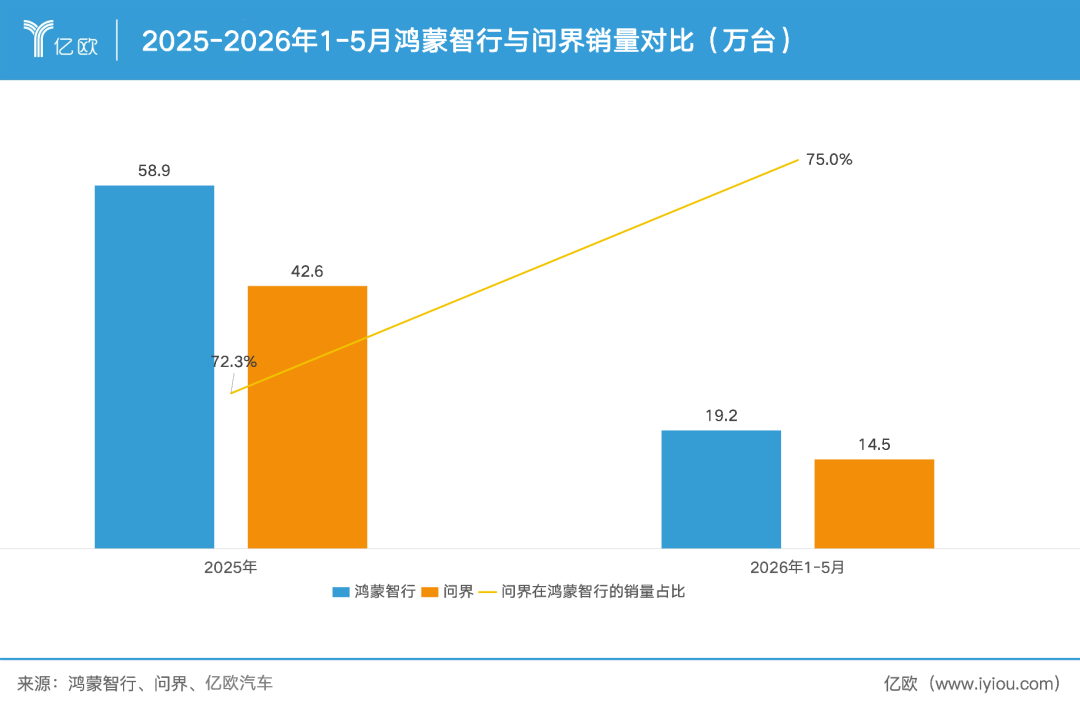
Amidst this mixed performance, Aito Intelligent EV remained the most closely watched player. With 46,122 units delivered in May, representing a 41% month-on-month increase, the data seemed to indicate a warming trend. However, a closer look revealed significant differentiation: Aito contributed 34,320 units, accounting for over 70% of total sales; the remaining four brands—Luxeed, Enjoyland, MAEXRTRO, and Shangjie—combined for less than 12,000 units, contributing less than 30%.
The five-brand matrix has been fully rolled out for some time, yet sales remain highly dependent on a single product line. When will Huawei's brand appeal illuminate all "Jie" brands?
Sales figures are just the tip of the iceberg; what deserves deeper analysis is Huawei's "dual-track" strategy. As Huawei advances with both Aito Intelligent EV (deeply led by Richard Yu) and the Ark Ecosystem (tech-enabled by Jin Yuzhi), internal resource allocation, the pace of technology decentralization, and brand-building authority have entered a delicate balancing phase.
Meanwhile, external price wars, competition over technology routes, and ecosystem confrontations are also heating up. On June 9, Seres, the biggest beneficiary of Aito Intelligent EV, partnered with Volcano Engine to launch a new auto brand—AIVA—targeting the market for vehicles priced over 200,000 yuan. Some media headlines pointedly read: "Seres shifts allegiance, joins ByteDance."
The broader the market territories of the "Jing" and "Jie" series expand, the stronger internal competition and external pressures become, making it impossible to halt progress yet difficult to move forward lightly.
1. High-End Intelligent Driving No Longer Exclusive to Aito Intelligent EV
In the first half of the year, Huawei concentrated its most powerful resources on the Shangjie Z7. The goal was clear: to create another blockbuster model like the Aito M9.
Endorsed by Xiao Zhan and officially announced by Richard Yu at a precise moment, the Z7 secured 12,000 orders in just 27 minutes. Since deliveries began on May 30, over 2,000 units have been delivered in two days. Priced starting at 219,800 yuan and equipped with a standard 896-line LiDAR across all trims—a specification that was exclusive to 500,000-yuan models just a year ago—Huawei's technology allocation logic has fundamentally shifted.
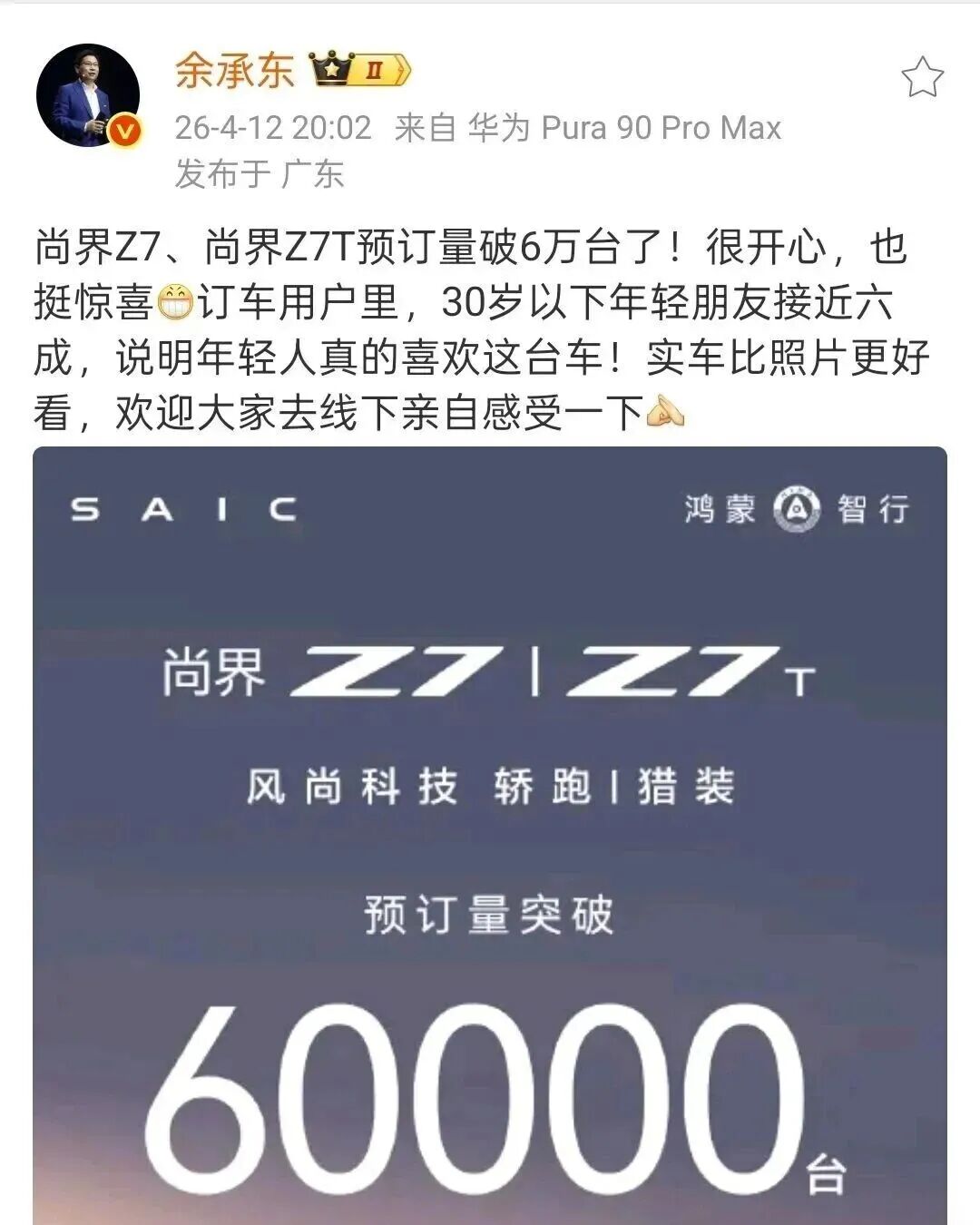
Subtly, at the Shangjie Z7 launch, Richard Yu took the stage personally; for the Qijing and Yijing launches, Huawei Automotive BU CEO Jin Yuzhi stood on the platform; for the Huajing S launch, only the head of Automotive BU's product marketing attended. The three brands, with three different platform specifications, reflected Huawei's internal power restructuring externally.
As Chairman of Huawei Consumer BG and Vice Chairman of Huawei Ultimate, Richard Yu remains the most central face of Aito Intelligent EV externally. But behind him, Huawei's automotive business management structure has undergone profound changes.
Initially, Yu simultaneously served as CEO of both Consumer BG and Automotive BU, with the two business units highly synergized—resource allocation, tech distribution, and channel layout all managed by him alone. That was the era of true exclusive favor.
As the business expanded, Huawei made a series of adjustments: Jin Yuzhi became Automotive BU CEO, and Yu shifted to Chairman of Automotive BU; later, Yu moved from Chairman to Vice Chairman; Consumer BG introduced a Chairman position, also filled by Yu. Automotive BU further spun off into Shenzhen Yinwang Intelligent Technology Co., Ltd., with Xu Zhijun taking over as Chairman.
These moves sent a clear signal: Huawei's automotive business management structure evolved from "unified command" to "dual-track parallel"—Consumer BG-led Aito Intelligent EV and Automotive BU-led Ark Ecosystem now have their own KPIs, paces, and even tech release permissions.
The most direct market manifestation of this power restructuring is a fundamental shift in technology allocation logic. Huawei's high-end configurations once had a clear "exclusive period": the 896-line dual-optical-path LiDAR and the latest ADS intelligent driving system were prioritized for flagship models like the Aito M9 and MAEXRTRO to maintain technological scarcity in high-end vehicles. But after Automotive BU's independent operation, this logic is being broken.
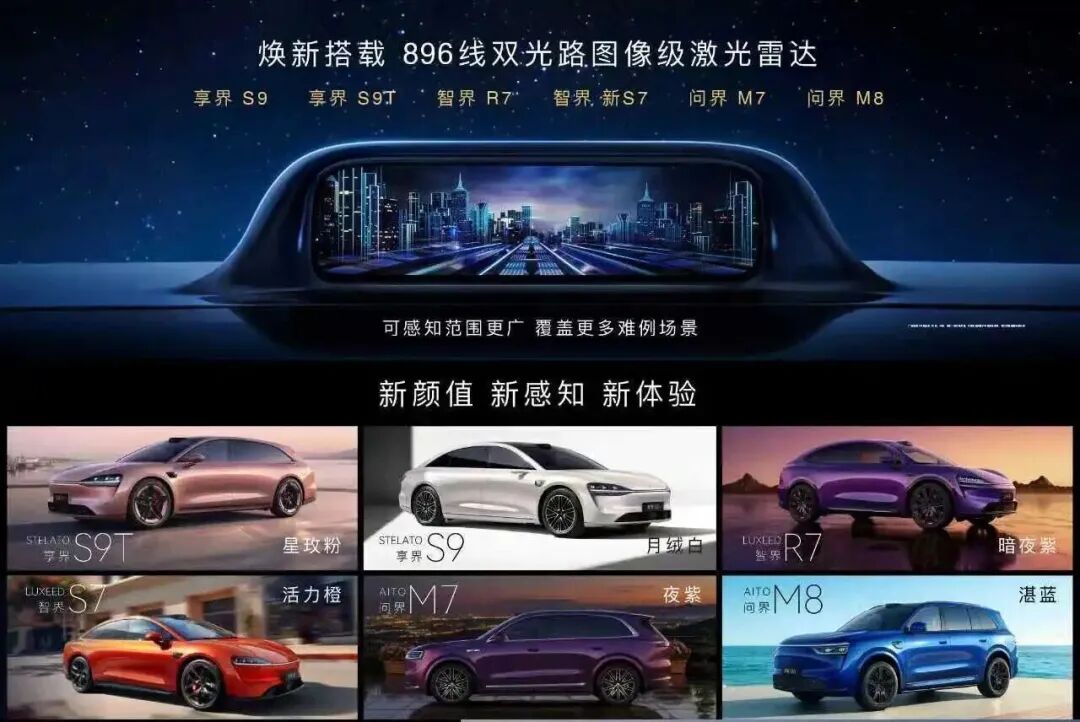
Take the 896-line dual-optical-path LiDAR as an example—originally a core competitive edge for flagship models like MAEXRTRO and Aito M9. Yet, within months of Automotive BU's independent operation, this radar was deployed in the 200,000-250,000 yuan mainstream market. The Shangjie Z7, Avatr 06T, Hyper HT, and other models nearly simultaneously adopted and announced the radar alongside Aito and Luxeed models.
This means that when consumers see the 219,800-yuan Shangjie Z7 sharing the same 896-line LiDAR as the 500,000+ yuan Aito M9, the traditional pricing logic of "you get what you pay for" must be re-examined. The Aito M9 certainly has more tech advantages, but when the core intelligent driving hardware experience is "shared equally," consumers will ask: What do I get for spending an extra 300,000 yuan?
From this perspective, the "tech moat" Richard Yu once built for Aito Intelligent EV is quietly being filled in by his own system.
Another intriguing detail is the use of brand logos. Aito Intelligent EV's offline stores, emphasizing deep cooperation, deliberately downplay the "Huawei" logo; meanwhile, Ark Ecosystem partners like Avatr and VOYAH prominently display Huawei logos and "Ark Intelligent Driving" promotional materials.
Industry insiders attribute this to changes in brand asset allocation mechanisms: After the spin-off, Yinwang Company prioritizes tech shipments as its core metric, and the Huawei logo is no longer an exclusive asset of Aito Intelligent EV but a general bargaining chip for Ark Ecosystem to woo automakers and capture market share.
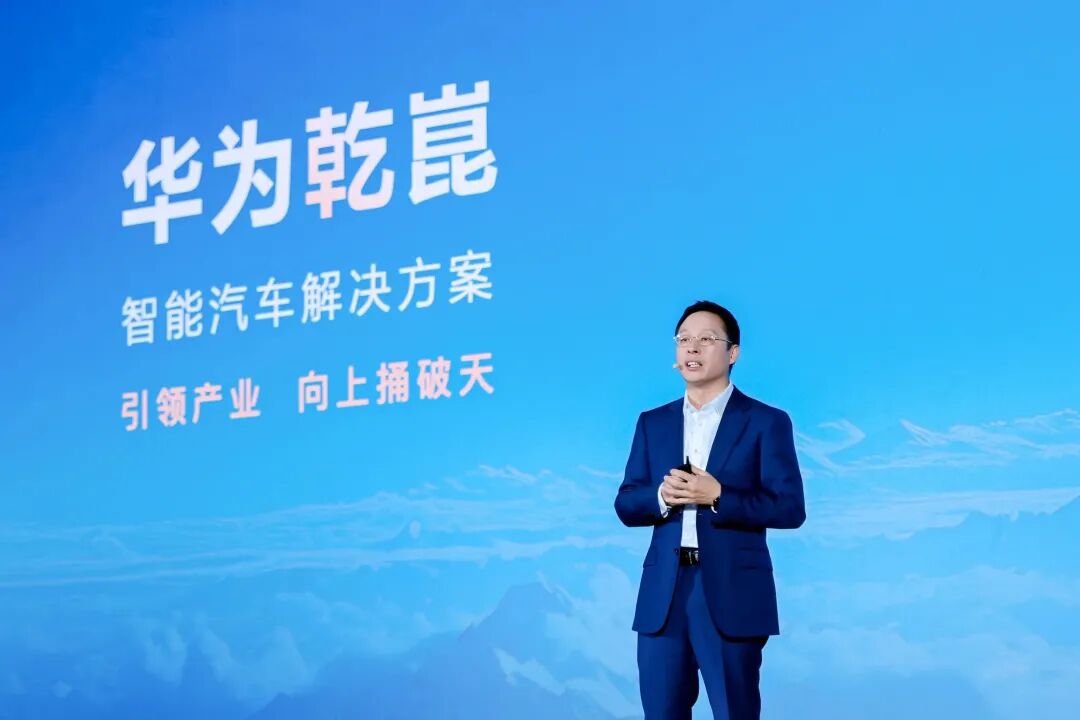
Previously, Yu allocated all resources as needed to various Aito Intelligent EV models; now, Consumer BG and Yinwang Company have their own business targets, with Huawei's brand and core tech systems being reused simultaneously, blurring the boundaries of internal competition among same-price-tier models.
This internal competition stems from Huawei's traditional "Red and Blue Army" wolf culture, where the company hopes to drive product iteration through intense internal competition. But when two systems target the same consumer group and price market, the losses from internal friction will be shared by the entire Huawei automotive ecosystem.
2. When Huawei is No Longer a "Must-Choose" Option
Internal competition is Huawei's proactive strategic choice; external industry-wide pressure is an unavoidable reality.
At a late-April event, Yu bluntly stated that the new-generation Aito M9 would continue to widen its lead over competitors, but Aito Intelligent EV's overall sales faced a noticeable "late spring chill." Previously, the brand peaked at 70,000-80,000 units monthly; from March to May this year, cumulative sales barely exceeded 100,000 units, averaging less than 35,000 deliveries per month. Of May's 46,000 total deliveries, Aito contributed 70%, while sales of the other four models remained sluggish.
The growth slowdown has two core layers: First, Huawei's intelligent driving tech continues to open up externally, gradually fading Aito Intelligent EV's unique smart label and eroding consumer perception of the Huawei brand; second, the rise of domestic brands has diverted customer traffic—Leapmotor consistently sells over 70,000 units monthly, while NIO, XPeng, Zeekr, and Seres Blue maintain a solid 30,000-unit tier, and Fangchengbao hit 30,000 units as a blockbuster.
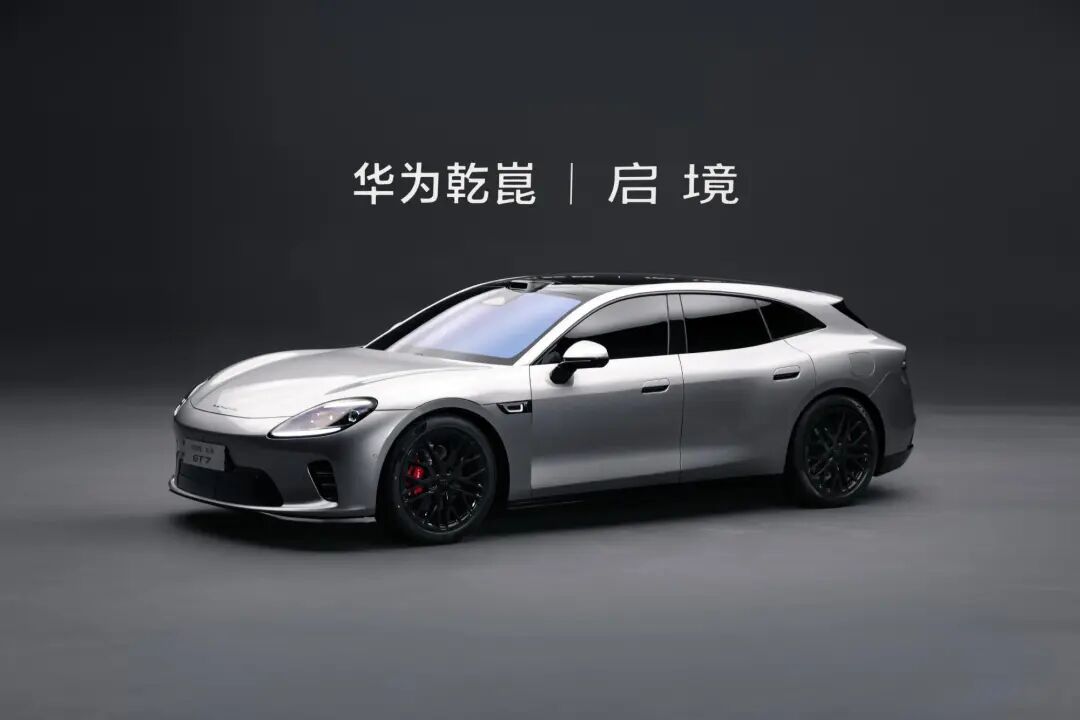
For consumers prioritizing intelligence, Huawei's tech remains a key reference. But after the Ark Ecosystem's rollout, dozens of models now carry Huawei ADS, spread across brands like Qijing, Yijing, Avatr, and VOYAH. With so many "consorts" in the harem, consumers no longer need to buy a "Jie" model to experience Huawei's high-end intelligent driving—diluting Aito Intelligent EV's uniqueness.
Rapid tech decentralization is also reshaping market pricing logic. As high-end intelligent driving shifts from optional to standard, the tech scarcity premium is rapidly disappearing. According to Zozo Auto Research, tech decentralization helped Huawei ADS capture 73.4% of the 200,000-400,000 yuan market and 77% of the 400,000+ yuan market. This also means Huawei's own tech premium is weakening, with Aito Intelligent EV's high-end positioning bearing the brunt.
Last month's launch of the 150,000-yuan-tier Huajing S, standard with Ark Intelligent Driving and HarmonyOS Cockpit, signaled Huawei's full democratization of intelligent driving. The car even appeared at Huawei's Ark Tech Conference alongside Qijing and Yijing series.
Yet Huawei remains ambiguous about this low-priced model's positioning. Last year, executives stated Huajing was merely a supplier partnership, unrelated to the "Jing" product line; Wuling repeatedly emphasized deep integration, while Huawei officially neither confirmed nor denied a clear separation. However, the car lacked high-level support like Jin Yuzhi's endorsement, with resource allocation far below other Ark models.
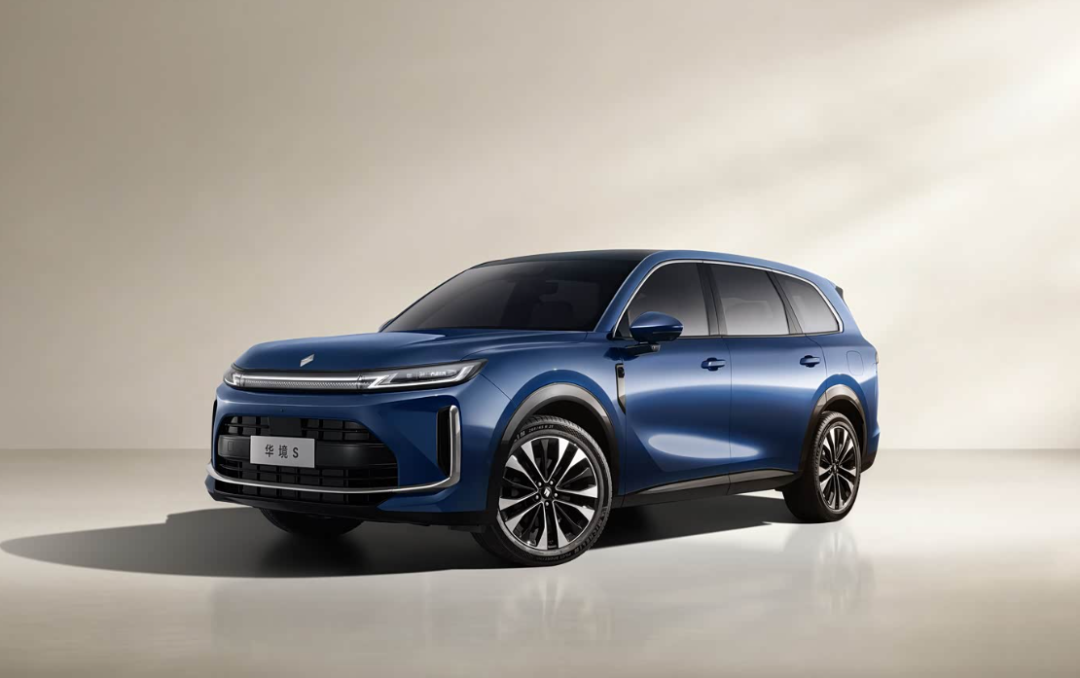
The core concern behind this ambiguity remains the risk of brand dilution. Priced at 150,000 yuan, the Huajing S is even lower-tier than the Shangjie Z7. If 150,000-yuan cars can openly fly the "Huawei" flag, it directly undermines the value foundation of Aito Intelligent EV and Ark's high-end series. Tech can decentralize, but the brand cannot depreciate. Huawei is still searching for a balance between tech inclusion and brand exclusivity.
3. How to Streamline Collaboration Determines Long-Term Positioning
Three years ago, SAIC's Chen Hong proposed the auto industry's famous "Soul Theory": SAIC could not accept cooperation with Huawei because then Huawei would become the soul, and SAIC the body.
The resounding success of Aito made all partners eager to collaborate, including SAIC—now, the Shangjie Z7's rapid 10,000-unit orders see all traffic, smart core, and brand recognition belong to Huawei, while partner automakers provide only manufacturing plants, production qualifications, and body logos.
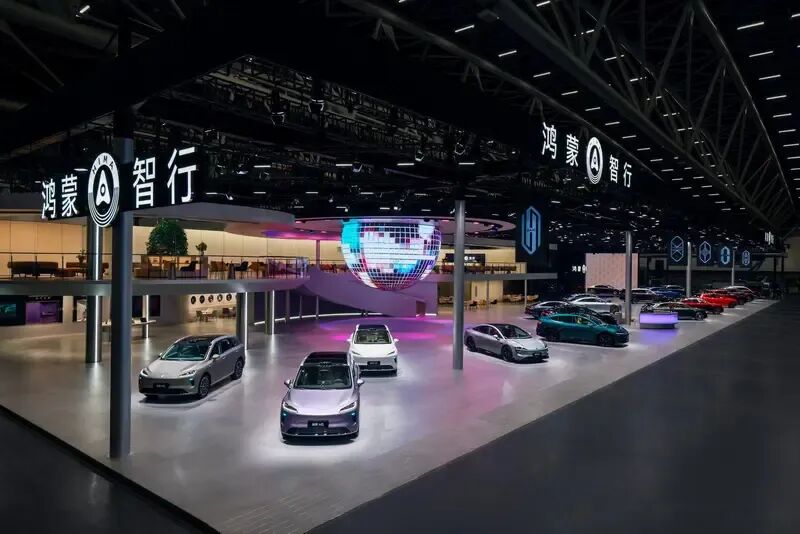
For automakers, pain points certainly exist. Under deep integration, tech partners capture most product value-added revenue. Financial data shows that in 2025, Seres paid Yinwang Company 22.335 billion yuan in procurement fees, securing core technologies including HarmonyOS Cockpit and Ark Intelligent Driving. EO Auto roughly calculated that this equates to 140,000 yuan per Aito sold going to Huawei.
Ark Ecosystem's "Jing" series automakers face similar value-allocation dilemmas: they retain their own brands and offline channels but rely entirely on Huawei for core intelligent tech. When "Huawei Ark" becomes the primary driver for consumer purchases, where should the bulk of vehicle profits flow?
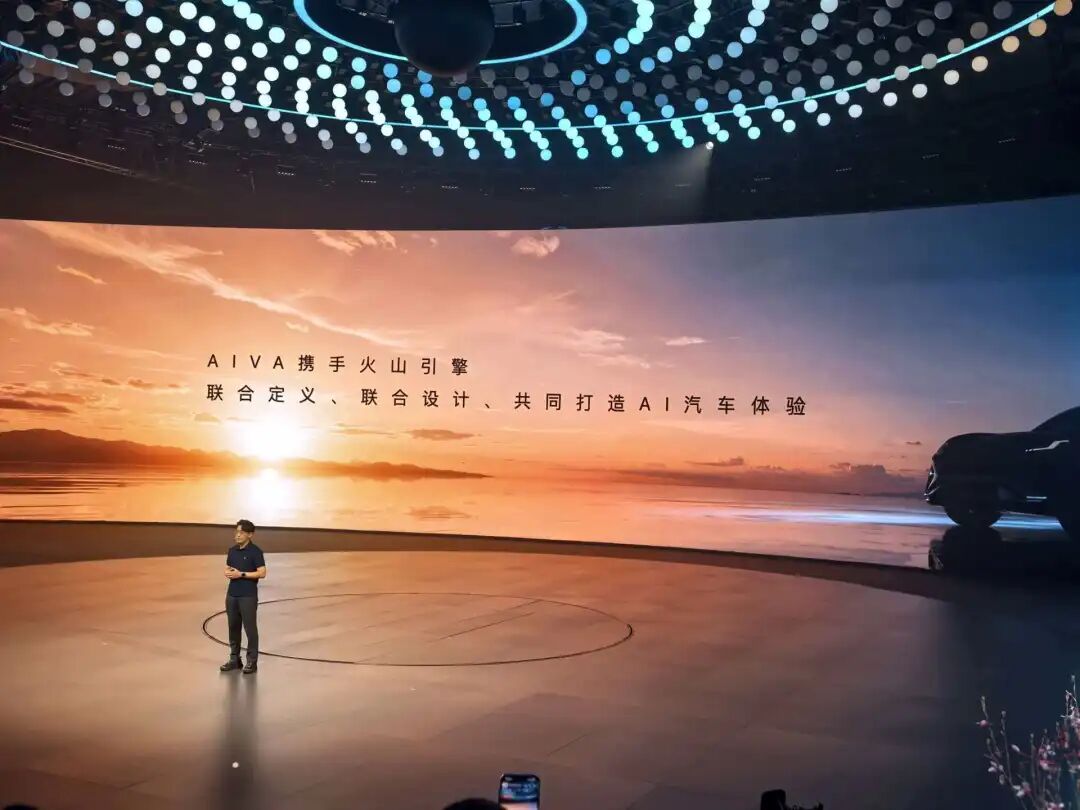
Automakers cannot ignore this "high-input, low-profit" equation. On June 9, Seres announced a new brand "Saidou Tech" (AIVA) in partnership with ByteDance's Volcano Engine, covering the 200,000+ yuan mainstream market with a smart cockpit powered by Doubao LLM, abandoning Huawei's intelligent driving solution for Yuanrong Qixing's tech instead.
It's safe to assume Seres won't truly "shift allegiance" to offend Huawei. Yet its ByteDance partnership serves its own purposes—unwilling to remain a mere contract manufacturer, Seres hopes to replicate Aito's success with Doubao, becoming a player rather than a pawn.
Beyond automaker gamesmanship, channel-side pressures are equally daunting. Over the past few months, Aito Intelligent EV's marketing resources have clearly favored Shangjie, with Xiao Zhan endorsements and Yu's personal appearances creating immense buzz. But for dealers investing real money, this feels like a gamble: if Shangjie sales don't sustain, marketing expenses go down the drain. The Shangjie H5 serves as a cautionary tale—initial orders exceeded 150,000 units, but deliveries fizzled out.
For Huawei itself, the
The solution does not involve making an either-or decision; rather, it entails streamlining the collaboration rules between the Consumer Business Group (BG) and the Automotive Business Unit (BU). This will foster strategic complementarity—rather than mere competition—between the "Jie" series of Aito Intelligent EV and the "Jing" series of Ark. This newly established ecosystem balance will directly shape Huawei's long-term standing in the new energy vehicle sector.
END
Presented by: Huang Qiangqiang
-
![]()
Honda CEO Faces Vote of No Confidence Due to Alleged Neglect of China Market
-
![]()
The Flip Side of 618: New Arrivals Steal the Spotlight as Major Sales Event Hits Midpoint
-
![]()
Wang Chuanfu's Goal of Becoming the World's No.1 Relies on a 'Production Schedule'
-
![]()
Jensen Huang: The Embodiment of a Bull Market
-
![]()
Joint Interview with Five Major E-commerce Platforms: Ending Involution for a Healthier 618 Shopping Environment
-
![]()
Does It Become More User-Friendly Over Time? The Rising Product Prowess of Hunyuan Hy3 and Tencent Yuanbao's Quiet Resurgence
-
![]()
Gross Profit Margin, Supplier Payments, and Dividends Undergo 'Abrupt Shifts': Indicators of Tianbo Intelligence's IPO Performance Manipulation", "Tianbo Intelligence, gross profit margin, financial i
-
Top Ten in May Sales Rankings Feature No Fuel Vehicles: Has China’s Auto Market Undergone a Complete Transformation?