After ‘Cutting Through the Noise’ on 100,000 Orders, How Impressive Is BYD’s Tang?
 06/16 2026
 557
557
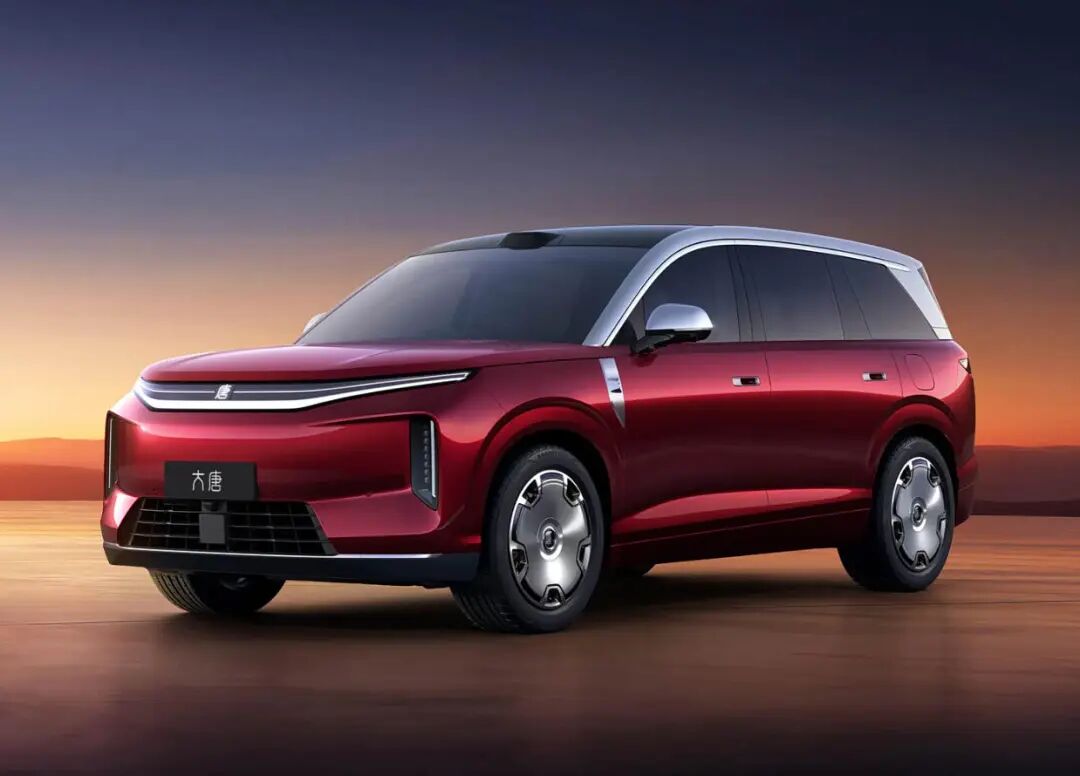
With just one day remaining until its official launch in Xi’an on June 17, anticipation continues to build around BYD’s first D-segment flagship SUV, the Tang.

Since pre-sales commenced at the Beijing Auto Show, official orders have soared past 100,000 units in under two months. Priced between 250,000-320,000 yuan and boasting a full-size seven-seat configuration, second-generation Blade Batteries, Yunzhan-A air suspension, and rear-wheel steering, the Tang has been hailed by some as a ‘game-changer in pricing,’ while others raise concerns about inflated order numbers and whether the technology is more about marketing buzz than real-world utility. However, by looking past the hype and focusing on the core aspects—the actual technological experience, genuine competitiveness within its price bracket, and the true significance of the 100,000 orders—we can better understand the market dynamics at play.
Is It a Technological Breakthrough or Just Hype on Paper?
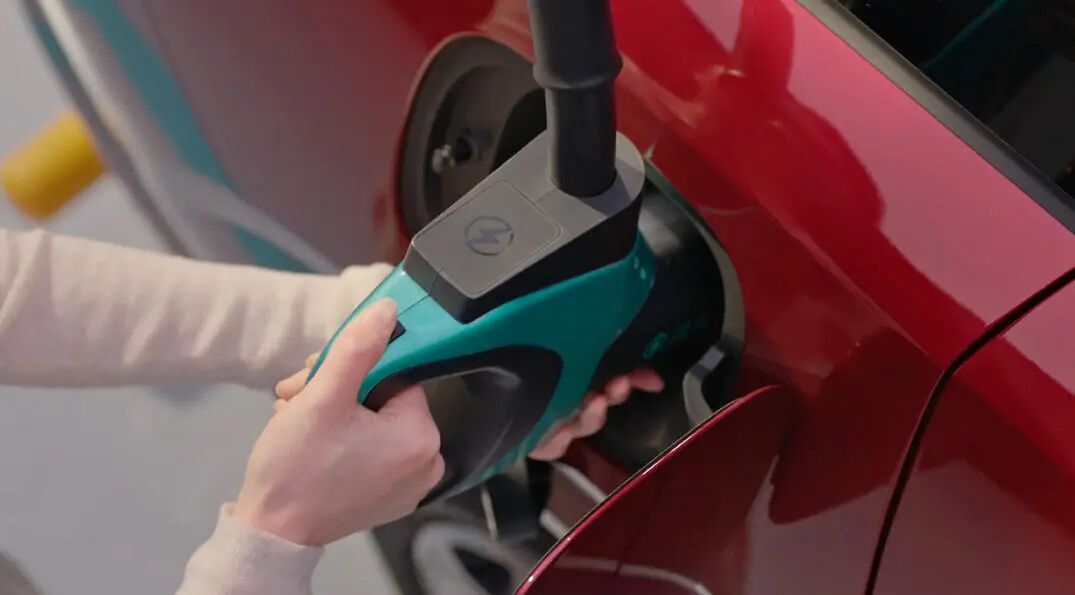
Much of the discussion surrounding the Tang’s technology centers on its impressive specifications, but let’s delve into what users will truly experience. Firstly, the integration of the second-generation Blade Battery with full-domain 1000V high-voltage fast charging enables a 10%-97% charge in just 9 minutes under normal conditions, with a CLTC range extending up to 950 kilometers. This places the Tang among the elite in the full-size pure electric SUV segment. In practical terms, a brief coffee stop at a highway service station can replenish hundreds of kilometers of range, nearing the refueling speed of gasoline vehicles.
However, it’s important to note that achieving this peak charging speed necessitates BYD’s megawatt-level fast-charging stations. As of March 2026, there are 4,239 such stations across the nation, with a goal of reaching 20,000 by the end of the year. Currently, third- and fourth-tier cities and remote regions do not have access to full-speed fast charging, and the home slow-charging experience does not significantly differ from other pure electric models in the same category.
Next, the inclusion of Yunzhan-A dual-chamber air suspension and rear-wheel steering—features typically reserved for luxury cars costing upwards of a million yuan—on a model priced at 250,000 yuan represents a significant advantage. With a maximum rear-wheel steering angle of 14 degrees and a large front-wheel turning angle, the 5.2-meter turning radius is smaller than that of many B-segment sedans. This translates to effortless U-turns on narrow old neighborhood streets or parallel parking in mall underground garages, allowing a 5.2-meter seven-seater to maneuver as nimbly as a compact car.
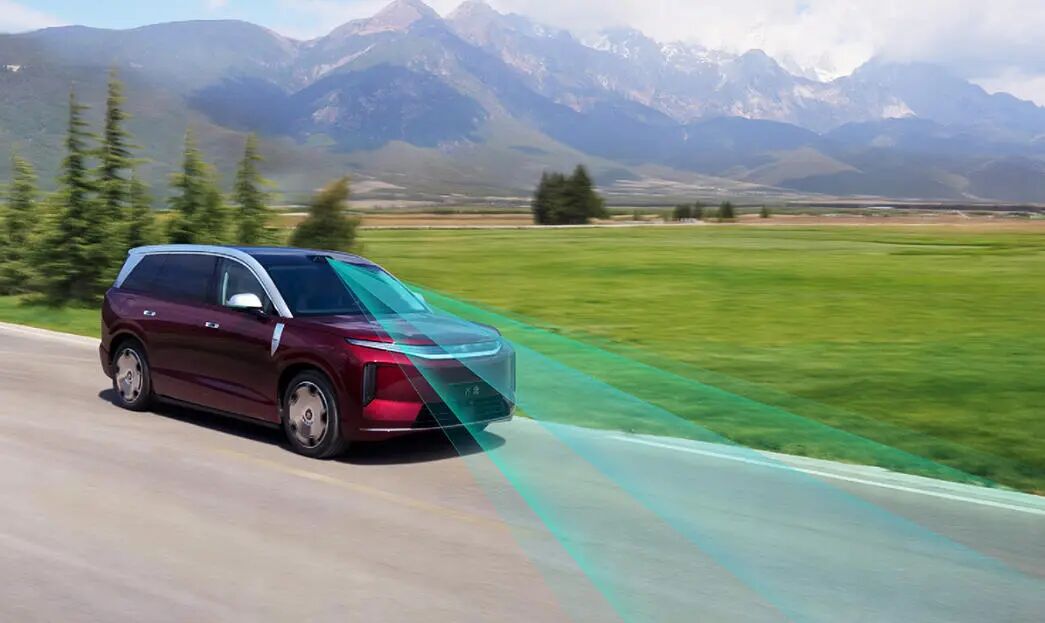
The Yunzhan-A system also features road preview functionality, scanning the road ahead to adjust suspension stiffness, thereby reducing body bounce over speed bumps and potholes. This makes it less likely for rear-seat passengers, such as the elderly or children, to experience motion sickness. However, it’s important to acknowledge that the long-term maintenance and replacement costs of air suspensions are higher than those of traditional suspensions, and their durability over time remains to be validated by the market. The base model comes equipped with Yunzhan-C damping control, which lacks the height adjustment capability of air suspension, so budget-conscious users should adjust their expectations accordingly.
Whose Market Share Will Be Most Affected?
The Tang is often compared to the Li Auto L8, Aito M9, and Denza N9. Let’s objectively analyze these models across the same dimensions. Firstly, in terms of price and positioning, the Tang’s pre-sale price range of 250,000-320,000 yuan is the lowest among the four, offering a full-size, pure electric seven-seater. The Li Auto L8 2025 base Pro model is priced at 321,800 yuan and is an extended-range mid-to-large SUV that prioritizes family comfort and eliminates range anxiety. The Aito M9 2026 base Max+ model starts at 479,800 yuan and positions itself as a high-end model with Huawei’s intelligent driving technology and HarmonyOS cockpit. The Denza N9 flash charging version starts at 409,800 yuan and is a plug-in hybrid flagship from the same group, emphasizing luxury and the Easy Three-Way control system.
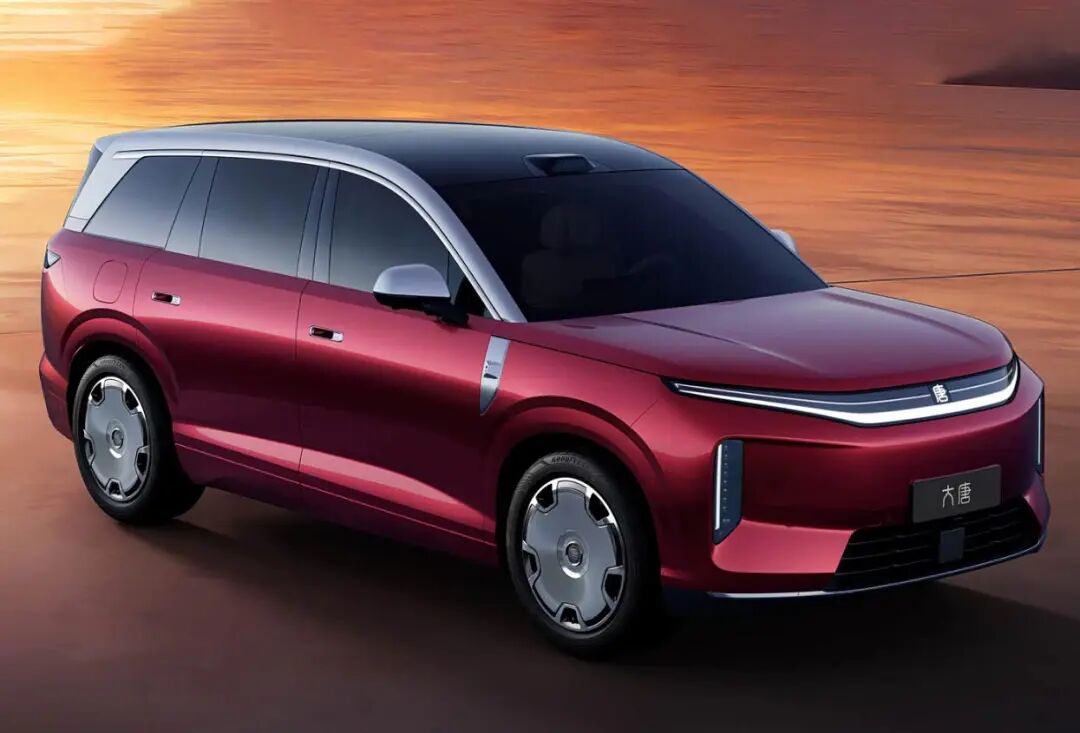
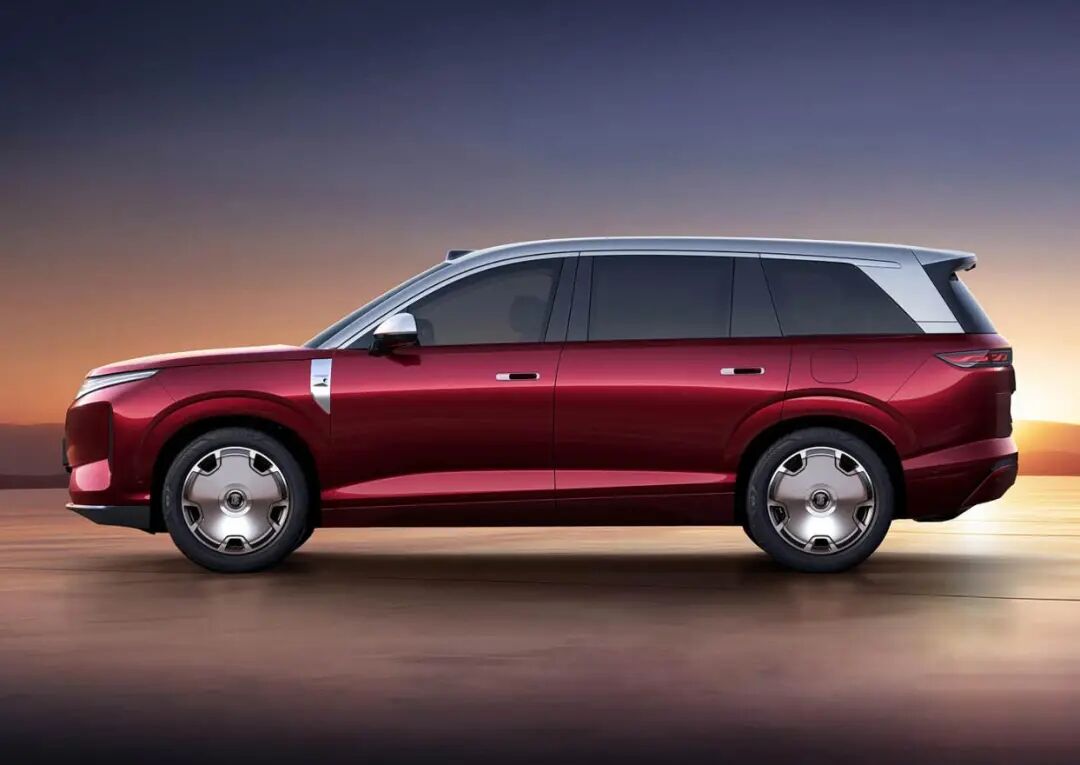
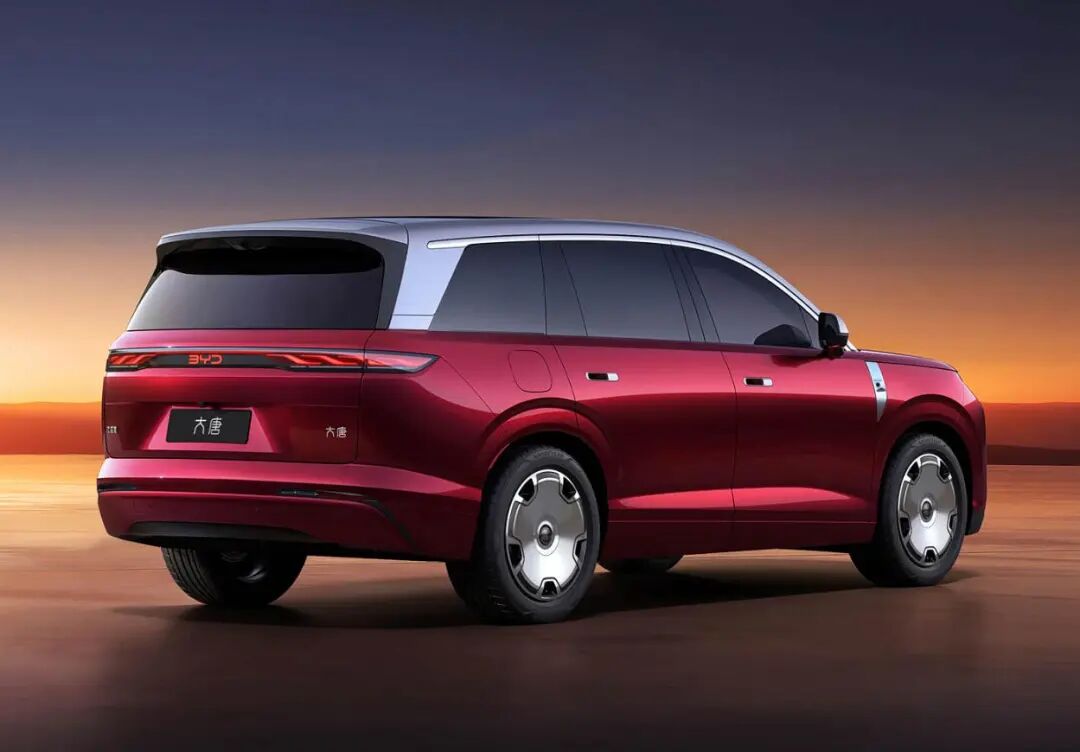
In terms of space, the Tang measures 5,263mm in length with a 3,130mm wheelbase and features a 2+2+3 seven-seat layout. Its third-row legroom and headroom are above average for its class, making it suitable for frequent use by multi-person households. The Li Auto L8, after its redesign, focuses on spacious five-seat layouts with exceptional rear-seat comfort but lacks a seven-seat option. The Aito M9 and Denza N9 are similar in size to the Tang but primarily offer six-seat layouts, emphasizing a more business-oriented attribute.
Regarding power and charging, the Tang’s pure electric setup and fast-charging capabilities are its strengths, but it lacks an extended-range option, relying on the charging network for long-distance travel. The Li Auto L8’s extended-range system eliminates range anxiety, making it suitable for families who frequently travel long distances without compromising on charging convenience. The Aito M9’s pure electric version has a CLTC range of 750 kilometers and is equipped with an 800V platform, offering fast charging speeds, but at a significantly higher price point. The Denza N9, a plug-in hybrid, has a CLTC pure electric range of 420 kilometers and a combined range exceeding 1,500 kilometers, balancing urban electric use and long-distance fuel use, with a more premium brand positioning.
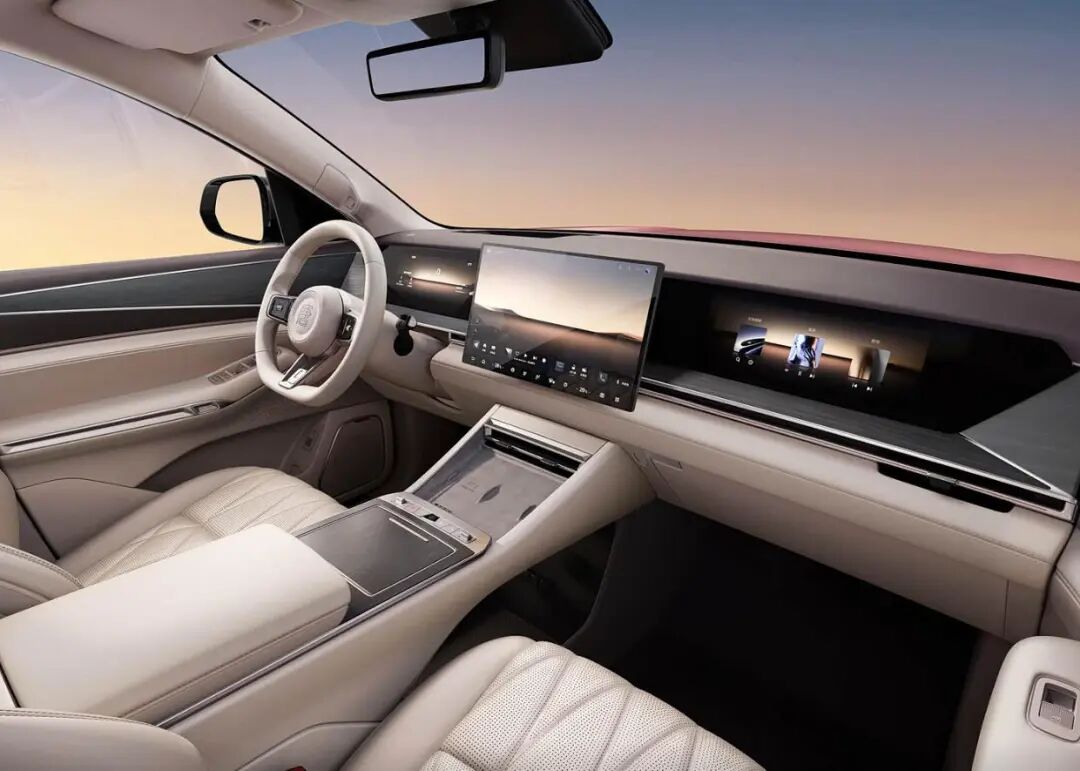
In terms of chassis and intelligent driving, the Tang comes standard with rear-wheel steering across all trims, with mid-to-high trims featuring Yunzhan-A air suspension, offering superior handling flexibility. The Li Auto L8 uses air springs + CDC damping, with chassis comfort tuned for family use. The Aito M9 and Denza N9 also come with air suspensions and rear-wheel steering, with Aito’s Huawei Qiankun ADS 5.0 intelligent driving system ranking among the top in the industry. The Tang’s Divine Eyes 5.0 hardware specifications are high, but its actual intelligent driving experience still lags behind Huawei’s.
In summary, the Tang’s core advantages lie in its price and pure electric charging efficiency, making it an attractive option for families with a budget around 300,000 yuan who primarily require a vehicle for urban commuting with occasional long-distance travel and a need for seven seats. If eliminating range anxiety and prioritizing cockpit experience are more important, the Li Auto L8 is a better fit. For those with sufficient budgets who are pursuing top-tier intelligent driving and luxury, the Aito M9 and Denza N9 are more reliable choices.
Is the Reshuffling of the 300,000-Yuan Market Inevitable or Just Hype?
Surpassing 100,000 pre-sale orders in two months is indeed an impressive feat for a full-size SUV, but we must objectively assess the true value of these orders.
Firstly, BYD’s pre-sale orders include quotas for dealership show cars and test drive vehicles, along with some blind orders from users. The final conversion rate to firm orders is unlikely to reach 100%. Based on past pre-sale conversion rates for BYD models, the actual valid orders will see some reduction, but even so, tens of thousands of genuine intention orders are sufficient to dominate competitors in the same class.
Analyzing the user base, these orders likely consist of three main groups. The first group comprises family users who were originally planning to buy fuel-powered seven-seater SUVs like the Highlander or Teramont but are now attracted by the lower operating costs and high configurations of new energy vehicles. The second group consists of users who were originally interested in medium-sized pure electric SUVs like the Tang EV or Frigate 07 and are now willing to upgrade to a full-size model with a small budget increase. The third group includes users who were considering the Li Auto L8 or Aito M7 but have been swayed by the Tang’s price and configurations. The first group, family users, is expected to make up the largest proportion and represents the Tang’s core target audience.
Regarding the official pricing, based on BYD’s usual launch strategy, industry speculation suggests a price drop of 5,000-10,000 yuan from the pre-sale price, along with additional benefits for early adopters, such as free fast-charging hours, paint selection discounts, and complimentary maintenance. In terms of delivery timeline, BYD’s Xi’an factory has a mature production capacity, likely enabling deliveries to commence shortly after launch, with monthly sales expected to surpass 20,000 units within two to three months, avoiding prolonged waiting times.
Meanwhile, the Tang’s launch will undoubtedly impact the 300,000-yuan SUV market, but it won’t ‘disrupt everything.’ Its most direct effect will be diverting some users from the Li Auto L8, along with attracting users who cannot afford the Aito M9 or Denza N9. It will also exert pressure on joint-venture brands’ mid-to-large SUVs to lower their prices, accelerating the transition to new energy vehicles in the 300,000-yuan market. However, the user overlap between Li Auto’s extended-range and pure electric models is not high, and Aito and Denza’s premium users are less price-sensitive, making it difficult for the Tang to capture their core customer base.
The Tang also faces its own challenges, such as the limited market capacity for seven-seater pure electric vehicles, potential user experience issues due to slow fast-charging station coverage, and the need to monitor quality control during large-scale deliveries.
Overall, the BYD Tang is not a flawless ‘god-level’ car, but it has indeed lowered the barrier for full-size pure electric SUVs to an unprecedented price point, making configurations previously exclusive to high-end models accessible to ordinary families. The official pricing and delivery policies announced on June 17 will directly determine how far this model can go in the market.
-
![]()
Xingyuan Intelligence Unveils World Model ω-EVA, Elevating Embodied Intelligence to New Heights
-
![]()
Xinliu Exclusive: Nubia Fully Commits to Second-Gen Doubao AI Smartphone
-
![]()
No grace period for beginners! Saido Tech goes straight into battle from the start
-
![]()
Mercedes-Benz Slashes Price for Its Iconic Three-Pointed Star Emblem: All-Electric GLC Starts at 349,000 RMB
-
![]()
Ideal Livis Day: Ideal Declares 'Smart Cars' Dead
-
![]()
Zhuiguang S Captures Attention: A Review of the Latest High-Design New Cars from the MIIT
-
![]()
Xinliu Exclusive: Nubia Goes All-In on Its Second-Gen Doubao AI Smartphone
-
![]()
After ‘Cutting Through the Noise’ on 100,000 Orders, How Impressive Is BYD’s Tang?