Final Verdict: Over 540 New Car Models Launched in First Five Months? Fake News!
 06/22 2026
 359
359
Recently, an online influencer claimed that over 540 new car models were launched domestically from January to May, averaging over 100 models per month, sparking widespread discussion in the industry. Many self-media outlets used this to hype up the idea of a “surge in new car models” and “industry prosperity.” This news is purely misleading, creating confusion. The reason is that some media outlets did not fully disclose the statistical methods behind the data. The so-called 540+ models include a broad range of annual minor changes, configuration derivatives, and limited-edition special models. In contrast, only about 107 models feature significant innovations, such as entirely new platforms, vertical replacements, or entirely new model lines, accounting for less than 20% of the total.

Indiscriminately touting “over 540 new car models” can easily mislead ordinary consumers, creating a false illusion of a “new car boom.” In reality, the “flood of models” strategy employed by automakers has long lost its effectiveness. The marginal effect of new models on stimulating sales continues to decline, and the disordered, intense competition caused by excessive models with severe homogenization is harming consumers, dealers, and the entire automotive industry.
The Statistical Criteria for Over 540 New Car Models Are Seriously Misleading
Two sets of statistical standards, representing two fundamentally different evaluation logics, are often confused and spread, causing significant cognitive biases among consumers.
The 540+ new car models mentioned by some self-media outlets follow a “broad” statistical standard, which is extremely loose and the primary reason for inflated data. As long as an automaker officially announces a model's launch, regardless of the extent of changes, it is included in the count. This includes annual minor updates with no changes to the chassis, body, or electric powertrain systems, such as new paint colors, improved infotainment systems, or added comfort features. It also includes various configuration derivatives of the same model, such as high/low trim levels, extended-range versions, championship editions, or glory editions, as well as derivative models like converting from five to seven seats, switching from fuel to hybrid powertrains, adding sport packages, or region-specific variants.
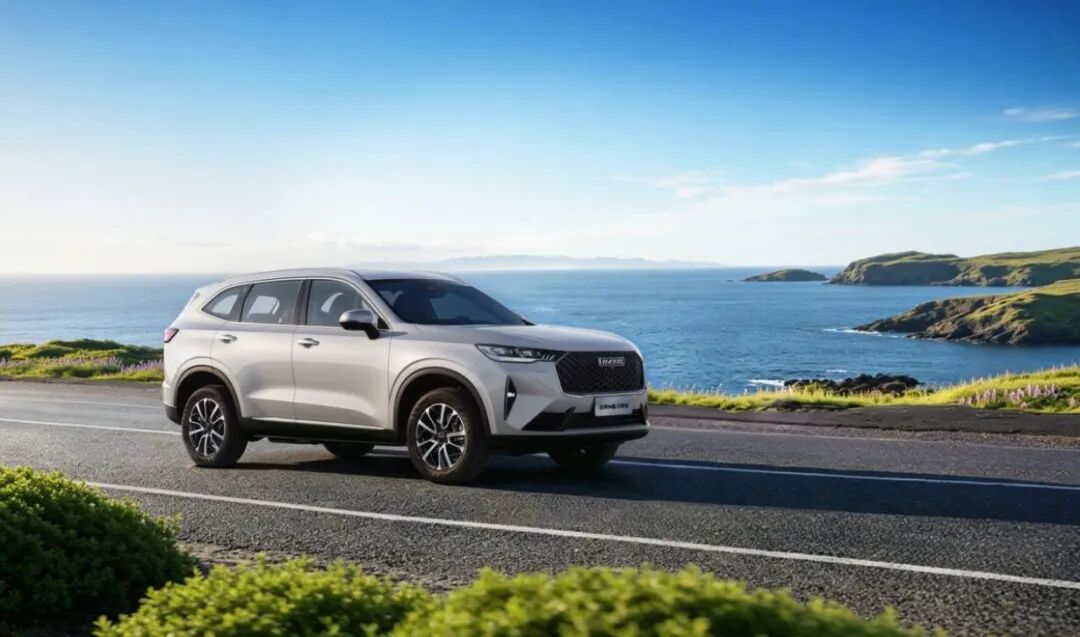
Take a popular SUV as an example: several segmentation (segmented) versions of the same model are counted separately under this statistical method, even though the core architecture remains unchanged. Over 80% of the so-called 540+ new car models from January to May 2026 fall into this category of minor tweaks and derivatives, mostly tactical new products introduced by automakers.
In contrast, in-depth industry analysis uses a narrow statistical standard, counting only around 100 models. This is the most rigorous and valuable professional standard. It strictly excludes all minor updates, added configurations, and derivative versions, only including three types of truly new models: first, vertical replacement models that abandon old platforms and feature entirely new development of the body, chassis, electric powertrain, and propulsion systems; second, entirely new model lines that the brand has never offered before, opening up new market segments; third, pure electric models built on exclusive new electric platforms, rather than modified from fuel-powered chassis.
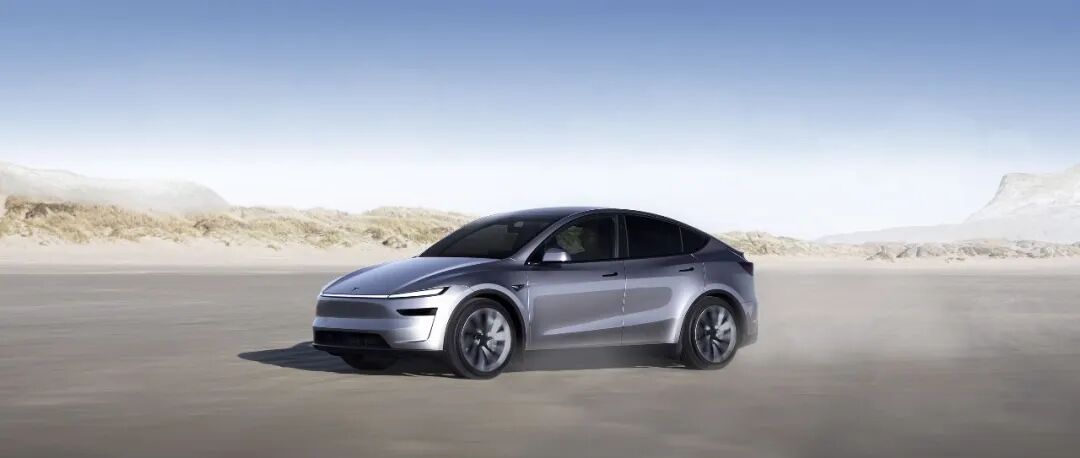
Looking at the detailed data, the difference in value between the two standards is clear: among the 100+ significant new models, 97 are new energy vehicles, while only 10 are entirely new fuel-powered replacement models. The remaining 437 models in the broad statistical count are all minor adjustments to existing models, lacking disruptive technological innovations or product upgrades.
When ordinary car buyers see “540 new car models in less than six months,” they may instinctively think that the market is overflowing with new technologies and choices. However, the reality is that most “new models” on the market are merely minor configuration adjustments. Consumers can easily fall into two major misconceptions:
First, they may mistakenly believe that not buying a car immediately means missing out on entirely new technologies, leading to blindly waiting for new models and becoming trapped in an endless cycle of “wait-and-see.”
Second, faced with hundreds of models with similar parameters and indistinguishable appearances, the cost of screening becomes significantly higher, making it difficult to identify truly competitive models and leading to extreme decision-making fatigue.
Automakers' Frenzied Push for New Models Is Not a Technological Explosion but Passive Intense Competition in the Existing Market
Since most new products offer very little value, why do major brands remain obsessed with frequently launching various updated and derivative models?
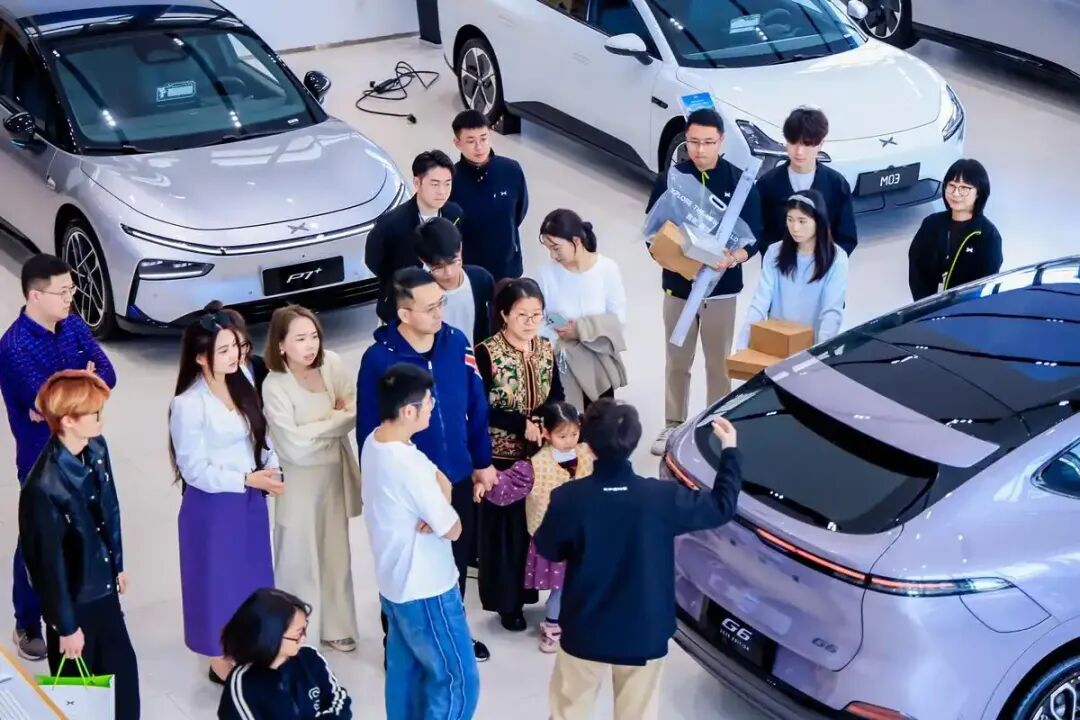
First, it is to meet the demand for online attention. In the new media environment, launching new models is the only way to maintain brand visibility. Short-video platforms and automotive news sites rely heavily on new model topics to generate traffic. Without new product announcements, a brand can easily disappear from the public eye. Automakers need to create marketing content through monthly updates and new versions to support promotional activities such as auto shows, dealership tastings, and online launches, preventing their brand voice from being completely drowned out by competitors. For 4S dealerships, new models are also a core attraction for driving foot traffic; without new models, test drive visits would significantly decline.

Second, it is a measure to compete for the existing market, as automakers need to fill price segments with segmented models to capture consumer attention. In the first five months of 2026, passenger vehicle sales totaled 6.791 million units, down 23.8% year-on-year, with the overall market continuing to shrink. With limited consumer demand being divided among a flood of models, automakers have adopted a consensus strategy of “having more children to grab market share”: from 50,000 yuan commuter cars to 500,000 yuan flagship models, every price range and usage scenario must have a model, even if it only involves minor configuration adjustments, to fill product gaps and prevent customers from being poached by competitors.
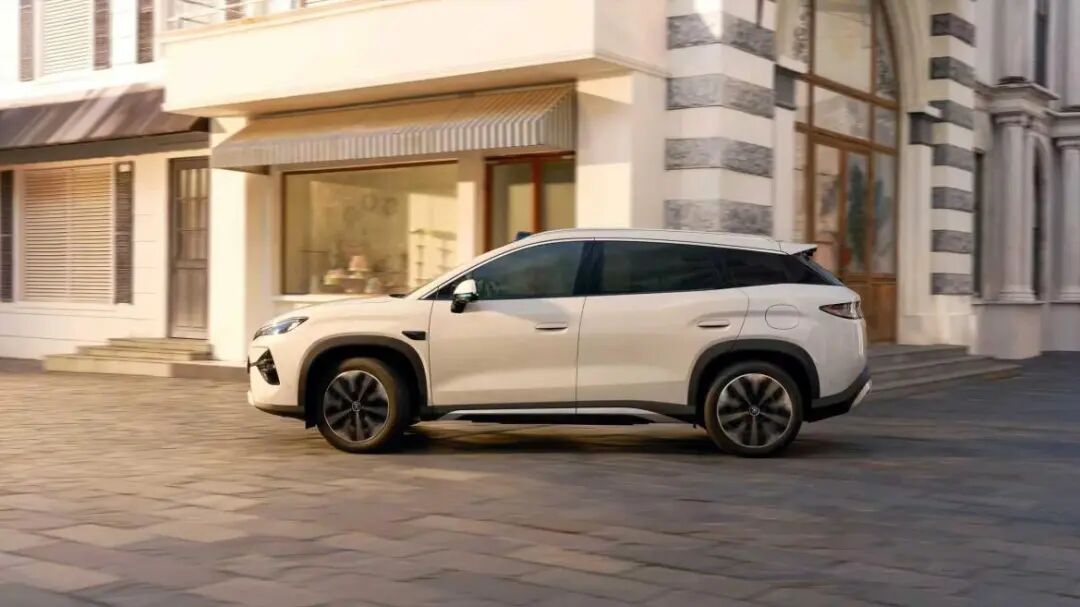
Third, it is driven by the rapid iteration of intelligent automotive technologies, which necessitate quick implementation of scattered hardware upgrades through minor updates. In the era of fuel-powered vehicles, a platform could remain stable in sales for 5-7 years. Today, intelligent driving chips are replaced every 12-18 months, battery technology iterates every 2-3 years, and cabin algorithms are updated monthly. Automakers cannot wait for a complete replacement cycle and must quickly add new hardware through annual minor updates and added configurations to temporarily widen the feature gap with competitors and delay product obsolescence.
Additionally, some automakers hope to temporarily boost orders with the heat (popularity) of new models to alleviate inventory pressure. Even if the updates are minimal, they can create short-term buying frenzies through marketing phrases like “new model upgrades,” achieving phased (phased) sales targets as a typical short-term solution.
More New Models Are Not Necessarily Better; High-Quality Iteration Far Outweighs Low-Quality Flood
The core issue in the current automotive market is not a lack of new model supply but an excessive proliferation of low-quality new products. The “flood of models” strategy, reliant on frequent new model launches, no longer yields benefits. Disordered model iterations only drain the industry's development potential. The industry urgently needs to abandon the mistaken belief that “quantity equals prosperity” and the extensive (extensive) competitive model of relying on frequent updates to generate short-term heat (popularity) and sales through price wars. Instead, it should focus on technological differentiation and long-term reputation to capture the market, driving the industry back to the essence of product competition.
Moreover, judging by sales data from the first half of the year, the dense (intensive) launch of a massive number of new models has not driven overall market growth. Instead, the sales-boosting effect of new models continues to decline, and the proliferation of models has become a negative asset for the industry, with multiple negative issues fully emerging.

Compared to the stable 3-5 year hit sales cycle in the era of fuel-powered vehicles, the lifespan of new models has significantly shortened today. Relevant data shows that among the 169 new energy models launched after 2023 with sales exceeding 10,000 units, over 40% reached their sales peak in the launch month and then continuously declined, with the mainstream hit sales cycle lasting less than three months. Eight months after launch, the popularity of new models generally drops sharply, with average sales falling by over 60% within six months. The MPV market performance in April 2026 is particularly typical: despite hundreds of models competing in the segment, the top-selling model only sold 7,017 units per month, with past blockbuster models selling over 50,000 units per month completely disappearing and few models consistently selling over 20,000 units per month. The flood of new models has diverted market demand, leaving no model able to maintain a stable market presence long-term.

Additionally, these minor tweak models are highly homogenized, sharing supply chain systems with largely uniform batteries, cabin chips, and intelligent driving solutions. Their Appearance design (exterior designs) follow trends, resulting in extremely low model distinctiveness. Automakers waste significant resources on superficial optimizations like exterior tweaks and configuration adjustments, dispersing R&D efforts and neglecting core technologies such as chassis development and autonomous driving, leading to stagnation in overall industry innovation and intensified intense competition.

For dealers, the abundance of models significantly increases inventory pressure at dealerships. To clear old inventory, terminal price reductions and promotions have become the norm, with continuous price wars steadily compressing per-unit profits. Most dealerships barely operate on manufacturer subsidies, and the number of terminal dealerships closing down increases yearly.
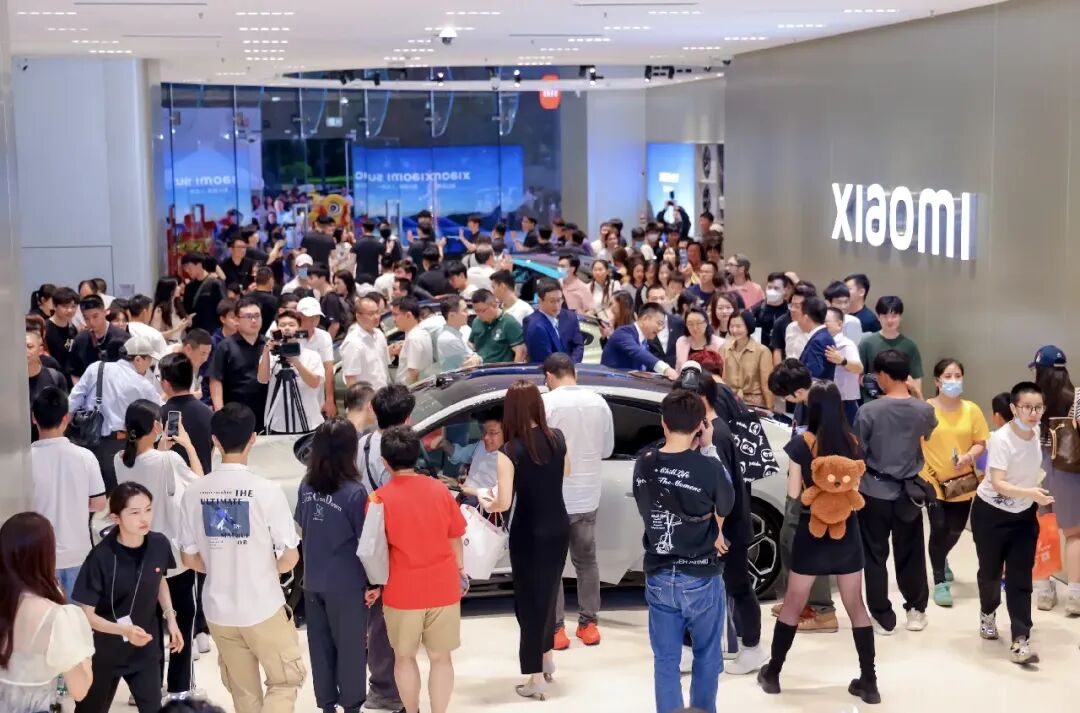
Over 100 new models per month may seem prosperous, but once the foam (bubble) of statistical criteria is stripped away, it reveals collective anxiety driven by intense competition in the existing market. Consumers should not be swayed by the flood of “pseudo-new models” into making blind (blind) purchases. The industry should also sober (soberly) recognize that short-term traffic and orders gained through a flood of models will eventually dissipate. Only by focusing on creating truly innovative, technologically advanced, and consistently reliable blockbuster products can automakers, dealers, and consumers achieve a win-win scenario for healthy development. (End)
-
![]()
Technology Sector's Meteoric Rise | Historic Transformation of A-Share Market Capitalization
-
Automotive Market News: New Energy Vehicles Set to Expand into Rural Areas by 2026!
-
![]()
Exorbitantly Bold! Liang Wenfeng Invests 20 Billion Yuan of His Own Funds and Imposes 'Dictatorial Terms'
-
![]()
FAW-Audi and SAIC-Audi Restructuring: One Maintains Profit from Gasoline Cars, the Other Stakes Future on Electric Vehicles
-
![]()
When Smart Grows Up, Will It Still Be Appealing?
-
![]()
Global Strategy Forum on Automotive Supply Chain Empowerment via Hong Kong's Global Reach Concludes Successfully
-
![]()
In-depth Report on the 2026 Hong Kong Auto Expo | China's Auto Industry Upgrading Systemic Competition in Global Expansion: How Can Hong Kong Empower It?
-
![]()
The decline of fuel vehicles is irreversible, and extended-range and plug-in hybrids may fare even worse