Gasoline Vehicles Wait for Electric Vehicles to 'Stumble', Electric Vehicles Anticipate Gasoline Vehicles to 'Decline'
 06/22 2026
 400
400
Lead
Introduction
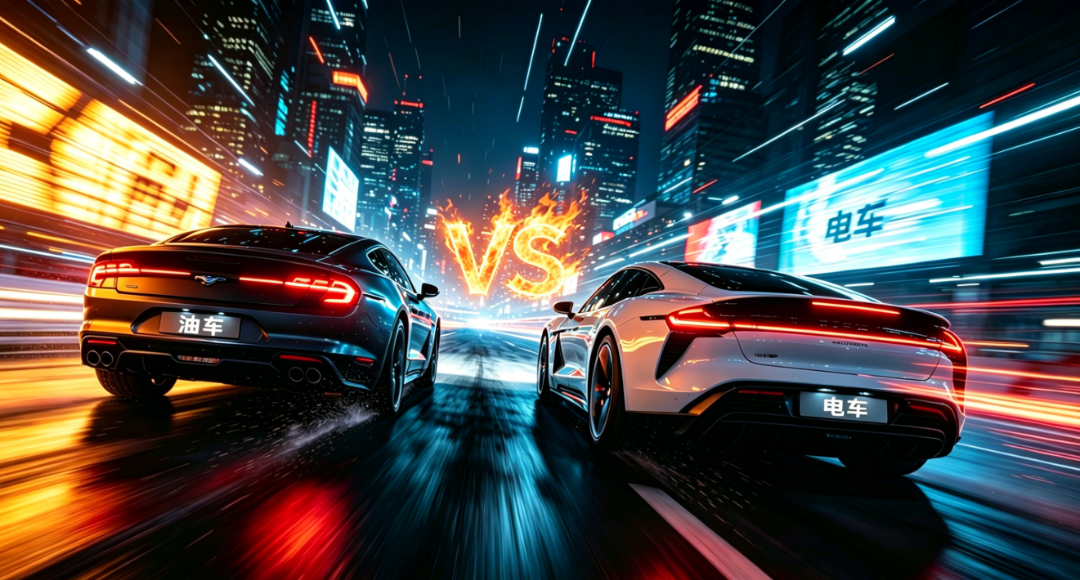
Why the rush to harm each other when we are born of the same root?
The atmosphere in the domestic auto market has never been as intriguing as it is now! Recently, news surfaced that the Land Rover Range Rover Evoque L, priced at over 400,000 yuan, ultimately succumbed to market pressure and began selling at less than half its original price, for under 200,000 yuan, directly causing a price inversion. Second-hand car dealers are in despair, as their used cars are now more expensive than new ones.
This is not an isolated case in the market; in recent months, there have been numerous similar reports of price reductions for traditional fuel vehicles. While some reports may be exaggerated, they are certainly not unfounded:
Reports claim that the Audi A6L, originally priced at 450,000 yuan, is now available for 260,000 yuan, marking a nearly 30% reduction. The Mercedes-Benz C-Class/GLC has seen official price cuts of 69,000 yuan, with GLC prices dropping below 350,000 yuan in some regions. The BMW 3 Series, once priced at over 300,000 yuan, now starts at just over 200,000 yuan for the base model. The Volvo S60 offers discounts of up to 147,000 yuan.
Price reductions by luxury brands like BBA further squeeze the living space for affordable models. Coupled with shrinking market demand, even once-beloved "unbreakable" Japanese and German models have joined the price-cutting fray.
Rumors abound that the Nissan Sylphy Classic starts at just 50,200 yuan, a 37% reduction. The Toyota Corolla 1.5L is now priced from 74,000 yuan. The Honda Civic 1.5L has seen its starting price drop to 97,900 yuan. The Volkswagen Sagitar has been reduced by 30,000 yuan, while the Lavida New Sharp Edition starts at just 72,000 yuan.
What's the reason?
I believe the most direct cause is the impact of new energy vehicles, particularly the formidable product strength of domestic new energy vehicles, which has thoroughly penetrated consumer consciousness. While fierce competition has squeezed out most profits, it has also cornered fuel vehicles, forcing them to reduce prices in an attempt to regain consumer attention.
But is this really effective?
01 Fuel Vehicles' Obsession: Electric Vehicles Will Stumble
Clearly, the survival dilemma of the current fuel vehicle market is prominent. Joint ventures, luxury, and domestic fuel vehicle models are all experiencing widespread price reductions, with terminal dealers even clearing inventory at a loss. However, the effects of price promotions have not materialized, and market demand remains sluggish.
Meanwhile, industry sales data also clearly demonstrate the market's transformation: Since 2026, new energy vehicle penetration has surpassed 60%, with mainstream mass markets such as urban home use and daily commuting essentially dominated by electrified vehicles. Fuel vehicles' market share and consumer attention continue to shrink.
It's no exaggeration to say that the century-long rivalry between fuel and electric vehicles is entering its "final" stage.
As William Li of NIO has repeatedly emphasized in public: The automotive market is entering a phase of accelerated ascent at the pure electric inflection point. In May of this year, new energy penetration reached 62.9%, with pure electric penetration within new energy at 67.1%. Pure electric penetration across the entire automotive market reached 42.2%, and this trend will only accelerate further, becoming irreversible.

Of course, the market landscape is still evolving, and electric vehicles are not immune to missteps. The arguments of fuel vehicle advocates are not without merit—
The rapid growth of new energy vehicles relies on policy support and low-price competition, while core pain points such as range anxiety, charging shortcomings, battery safety, and profitability pressures persist. The industry is likely to experience periodic fluctuations.
Firstly, it's hard to deny the fact of "intense competition" among new energy vehicle manufacturers.
After all, according to incomplete statistics, as of the end of May this year, a total of 107 new passenger vehicle models have been officially launched in the national market, of which 97 are new energy (pure electric + plug-in hybrid + extended-range) models, while only 10 are fuel models. New energy vehicles account for a staggering 90.7%. Major automakers are constantly launching new models.
At the same time, it's also difficult to deny shortcomings such as profitability pressures. In the first quarter of this year, leading new energy vehicle manufacturers like NIO, XPeng, Li Auto, and Leapmotor all reported varying degrees of losses, once again raising questions about their self-sustaining capabilities.
However, it's worth noting that with the popularization of supercharging networks, iterative advancements in battery technology, and improvements in vehicle thermal management systems, traditional pain points of electric vehicles are being continuously addressed, significantly enhancing product stability and practicality. The "systemic failure" that fuel vehicles hope for is becoming increasingly difficult to achieve.
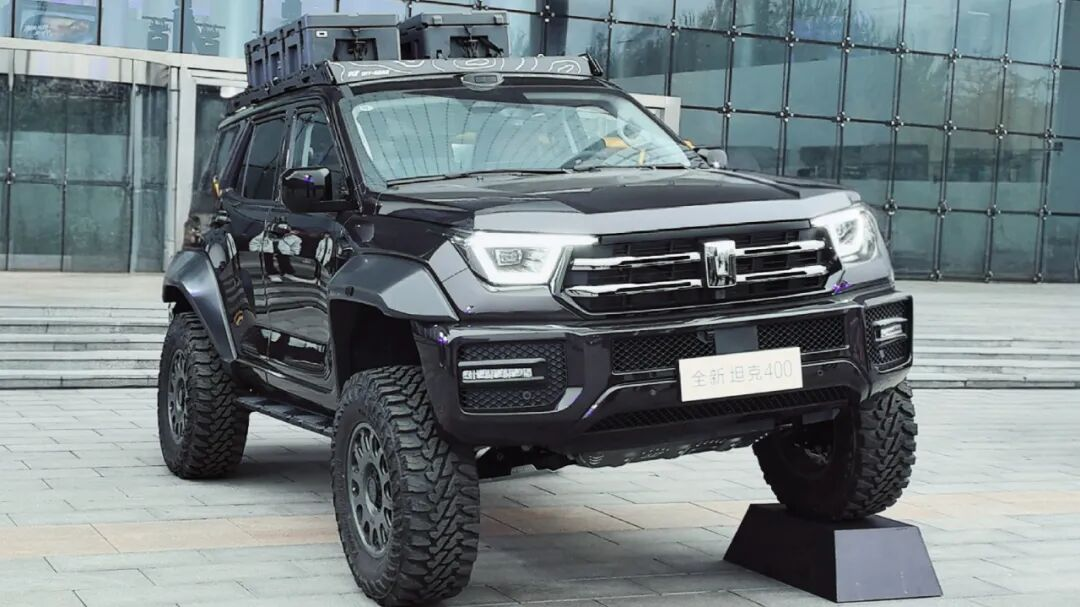
Therefore, rather than pinning hopes on "electric vehicles stumbling," I believe fuel vehicles should explore alternative paths. During the transition period of equal rights for fuel and electric vehicles, they should find what they excel at and what consumers have always recognized. For example: supercars, F1, off-road capabilities, driving pleasure...
02 Electric Vehicles' Illusion: Fuel Vehicles Will Decline
The automotive industry is a marathon on a muddy road, with no miracles, no quick victories, and certainly no "collapse." Here's a bold prediction:
Electric vehicles becoming the mainstream of the automotive industry is an irreversible long-term trend. However, fuel vehicles will not collapse and disappear; instead, they will shed their mass-market labels and evolve into niche, high-end forms characterized by refinement and individuality.
Clearly, with the rise of new energy vehicles, the core value of fuel vehicles no longer lies in urban daily commuting. However, in extreme scenarios such as extremely cold plateaus, long-distance crossings, and high-intensity commercial travel, the advantages of fuel vehicles—efficient refueling, stable operating conditions, and no range anxiety—remain unparalleled.
Moreover, it's undeniable that fuel vehicles embody a mechanical texture, driving pleasure, engine sound experience, and modification culture, which have cultivated a stable fan base. For core car enthusiasts, off-road lovers, and performance car players, electric vehicles are merely convenient transportation tools, while fuel vehicles represent an irreplaceable passion and love.
Perhaps recognizing this, automotive brands such as Mercedes-Benz, Audi, Ferrari, Porsche, Bentley, Lamborghini, Aston Martin, and Rolls-Royce have successively postponed their plans to halt fuel vehicle production and slowed down their pace of full electrification.
So, the question arises: Is this a good thing for electric vehicles?
My answer is: Rather than fixating on the "crumbs" left by fuel vehicles, electric vehicles should focus on resolving their own issues. As mentioned earlier, intense competition and profitability pressures are "obstacles" that electric vehicles must confront and overcome within the next two years; otherwise, their survival remains uncertain.
Recently, the Ministry of Industry and Information Technology and the State Administration for Market Regulation jointly summoned two automotive manufacturers suspected of engaging in irrational competition, demanding an end to vicious price wars below cost. At the recent Chongqing Forum, leaders from various automakers also called for abandoning disorderly price competition and collectively returning to value creation and brand building.
Wang Hui, Chairman of Avatr, bluntly denied the effectiveness of price wars: Competing on price is a dead end. Short-term price reductions will only lead to a sense of betrayal among users and destroy brand trust, with premium brands suffering more severely.
Xu Jun, Senior Vice President and COO of Leapmotor, also bluntly stated that low-price competition is unsustainable. Companies must reconstruct their cost models across the entire chain of R&D, supply chain, and manufacturing, achieving profitability through refined operations.
Even online commenters, known for their heated debates, have upgraded their vocabulary. Instead of engaging in broad attacks centered around the "fuel vs. electric" debate, they now pose a new question: When will the intense competition in the Chinese auto market finally end?
Finally, in response to this question, I would say that the development of the Chinese automotive industry is still ongoing, with various competitions persisting. While it's uncertain whether this intense competition will end within two years under the dual intervention of "visible" and "invisible" hands, the industry phase of opposition between fuel and electric vehicles is indeed coming to an end—
The bidirectional coexistence of mainstream electrification and niche fuel vehicle preservation will be the most rational and stable outcome for the auto market in 2026 and beyond.
Editor-in-Chief: Shi Jie Editor: He Zengrong

THE END
-
![]()
Technology Sector's Meteoric Rise | Historic Transformation of A-Share Market Capitalization
-
Automotive Market News: New Energy Vehicles Set to Expand into Rural Areas by 2026!
-
![]()
Exorbitantly Bold! Liang Wenfeng Invests 20 Billion Yuan of His Own Funds and Imposes 'Dictatorial Terms'
-
![]()
FAW-Audi and SAIC-Audi Restructuring: One Maintains Profit from Gasoline Cars, the Other Stakes Future on Electric Vehicles
-
![]()
When Smart Grows Up, Will It Still Be Appealing?
-
![]()
Global Strategy Forum on Automotive Supply Chain Empowerment via Hong Kong's Global Reach Concludes Successfully
-
![]()
In-depth Report on the 2026 Hong Kong Auto Expo | China's Auto Industry Upgrading Systemic Competition in Global Expansion: How Can Hong Kong Empower It?
-
![]()
The decline of fuel vehicles is irreversible, and extended-range and plug-in hybrids may fare even worse