Struggling to Sell? Cut It Out! Toyota, Volkswagen, and Changan Lead the Charge in Streamlining, Eliminating Non-Core Products in the Blockbuster Model Era
 06/25 2026
 445
445
The age of the 'flood-the-market' strategy has finally drawn to a close.
Streamlining product lines transcends mere business optimization; it's a critical survival tactic for automakers.
Recently, Toyota and Volkswagen, the world's top two automotive giants by sales volume, have announced plans to reduce their model, variant, and platform counts, redirecting resources towards their best-sellers.
Similarly, domestic and international automakers like Changan, Great Wall, Honda, Stellantis, and Nissan have also announced intentions to streamline their product portfolios. It appears the 'flood-the-market' approach is on its way out.
Cutting the Dead Weight
Tackling inefficiency is the primary objective of Toyota's new CEO, Kenta Kon, in his product line streamlining efforts. In his first two months on the job, he visited Toyota's production plants, R&D centers, and sales outlets, uncovering a wealth of inefficient practices that necessitate a comprehensive business chain overhaul.
The unchecked proliferation of model specifications and derivative versions is Toyota's primary target for pruning. The Lexus LF-ZC, initially slated for mass production in 2026, is among the first casualties, with its production plans scrapped.
Like Toyota, Volkswagen has prioritized streamlining its product lineup as the first of its eight key transformation strategies. Models such as the Touran, Audi A1/Q2, and T-Roc convertible have fallen prey to Volkswagen CEO Oliver Blume's cost-cutting axe.
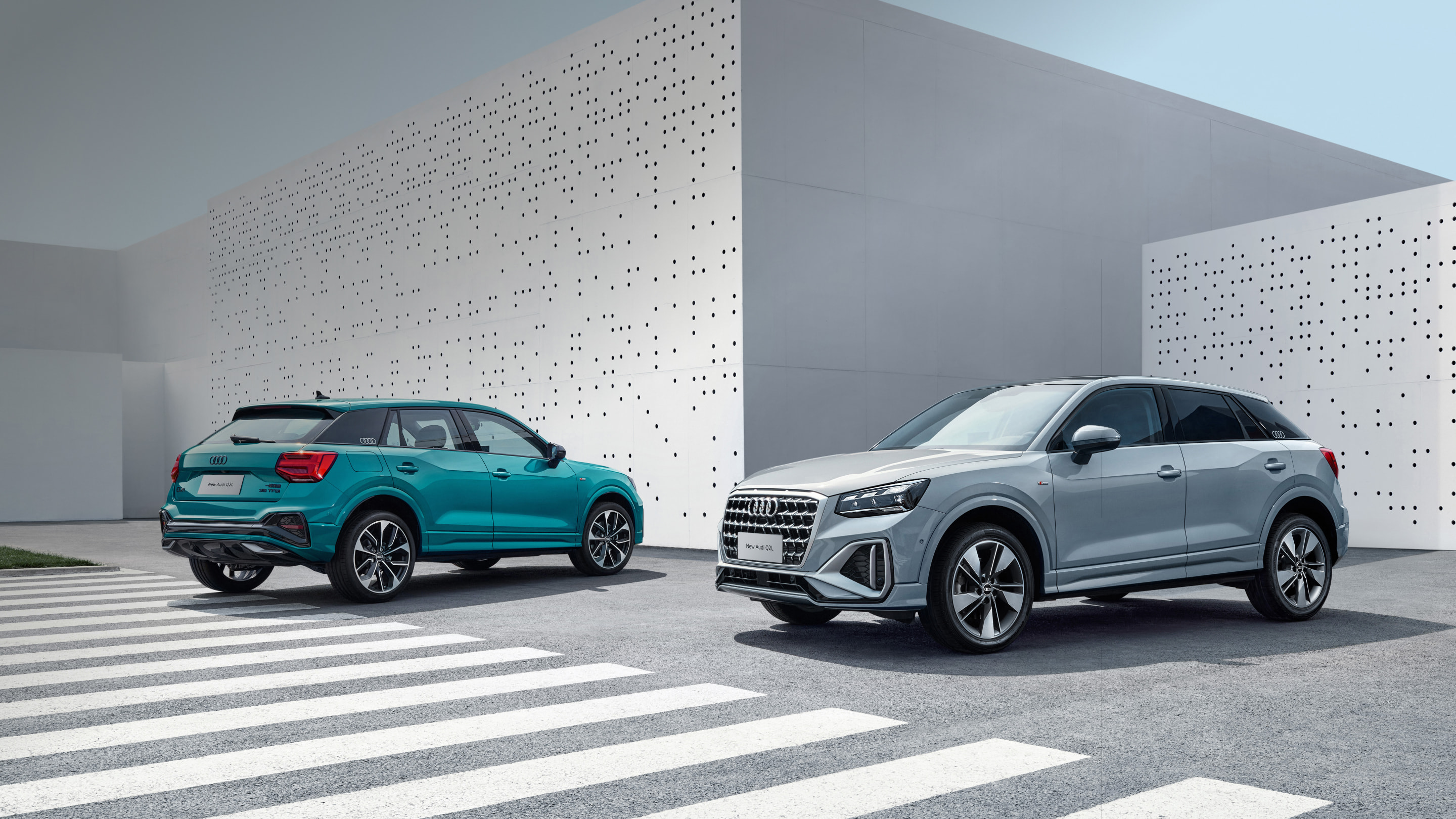
(Image Source: FAW-Audi)
With global operations and sprawling model lineups, Toyota and Volkswagen have many more models slated for streamlining. However, both automakers are still conducting in-depth research to pinpoint which specific products and how many models will be impacted.
Domestic automaker Changan Automobile has already laid out its plans. CEO Zhu Huarong announced at the China Changan Automobile Group Global Strategy Conference and Partner Conference on April 21 this year that Changan would reduce its existing lineup of 63 models to just 36. Japanese automaker Nissan Motor stated it would trim its model lineup from 61 to 45, eliminating low-sales models and niche market businesses.
Products that underperform and those overly segmented for niche markets have become the first casualties in automakers' cost-cutting drives.
However, beyond cost-cutting, automakers are also introducing products that better align with consumer demand through strategic additions to sustain sales growth.
While streamlining its existing models, Toyota is intensifying its focus on hybrid models and boosting the proportion of locally sourced components to further reduce vehicle costs.
Changan Automobile has decided to concentrate its resources on developing one model with annual sales of 500,000 units and five models with annual sales of 300,000 units. Its sub-brand Avatr will target the high-end market, while Shenlan will focus on the mid-to-low-end market, aiming for cumulative annual sales of 1.5 million units for the two sub-brands.
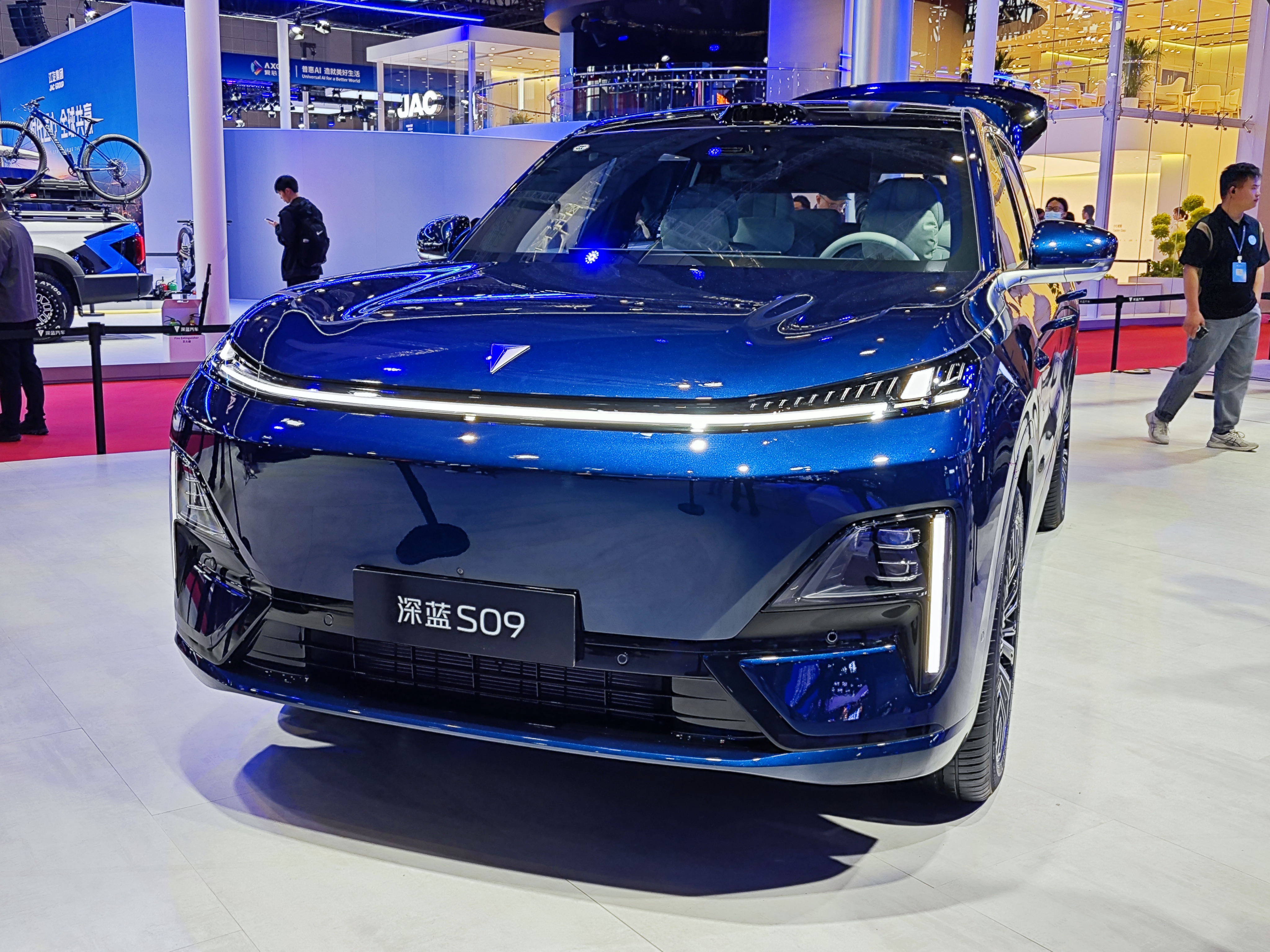
(Image Source: Dianchetong)
Stellantis, one of the world's four largest automakers, has adopted a 'shock therapy' approach, deciding to abandon electric models that fail to interest consumers and are unprofitable. The electric versions of Alfa Romeo and the Ram 1500 Revolution all-electric pickup have been delayed, while low-sales product lines from Fiat and Peugeot have been axed.
However, Stellantis's investment direction is puzzling, as it's not focusing on the booming new energy sector but rather on large-displacement fuel vehicles. The discontinued Hemi V8 engine is expected to resume production, and the classic model Jeep Cherokee will also be revived.
In the view of Dianchetong (ID: dianchetong233), despite differences in approach, automakers' strategies are highly aligned: on one hand, they're cutting niche models that continue to lose money, reducing R&D and production redundancy costs; on the other hand, they're concentrating resources on advantageous segments to create blockbuster models. Toyota is deepening its focus on hybrids, Volkswagen is concentrating on pure electric platforms, and Changan is quantitatively creating mainstay models with annual sales in the hundreds of thousands.
Behind automakers' cost-cutting measures lies a transformation in industry trends. The extensive 'flood-the-market' strategy is now obsolete. Streamlining product lines and enhancing the scale effect of individual models have become essential paths for automakers to balance profitability and transformation.
From Flood-the-Market to High-Quality Offerings: Profit is the Sole Motive
The reason automakers are abandoning the 'flood-the-market' strategy is straightforward: profit.
Maintaining a vast model lineup demands substantial funds. Each model requires R&D personnel for development, and each variant necessitates a production line for manufacturing. The more complex the product line, the higher the R&D and production costs incurred by automakers.
Some models, after development, can only sell a few dozen to a few hundred units per month. For instance, for every Audi e-tron GT, Volkswagen ID.3, or Nissan Ariya sold, tens of thousands of yuan are lost. Failing to recover R&D costs is a minor issue; the key point is that to maintain production, automakers must reserve production lines for unprofitable models.
Before mass production scales sufficiently to amortize R&D and production costs, higher sales volumes may even lead to increased losses.
In the era of fuel vehicles, domestic cars were suppressed by joint ventures and imported cars. The Fit sold for over a hundred thousand yuan and required an additional fee for delivery. The import price of Peugeot Citroën once exceeded 600,000 yuan, and the domestic version's price was also as high as around 270,000 yuan. However, by June 2023, the price had dropped to around 120,000 yuan.
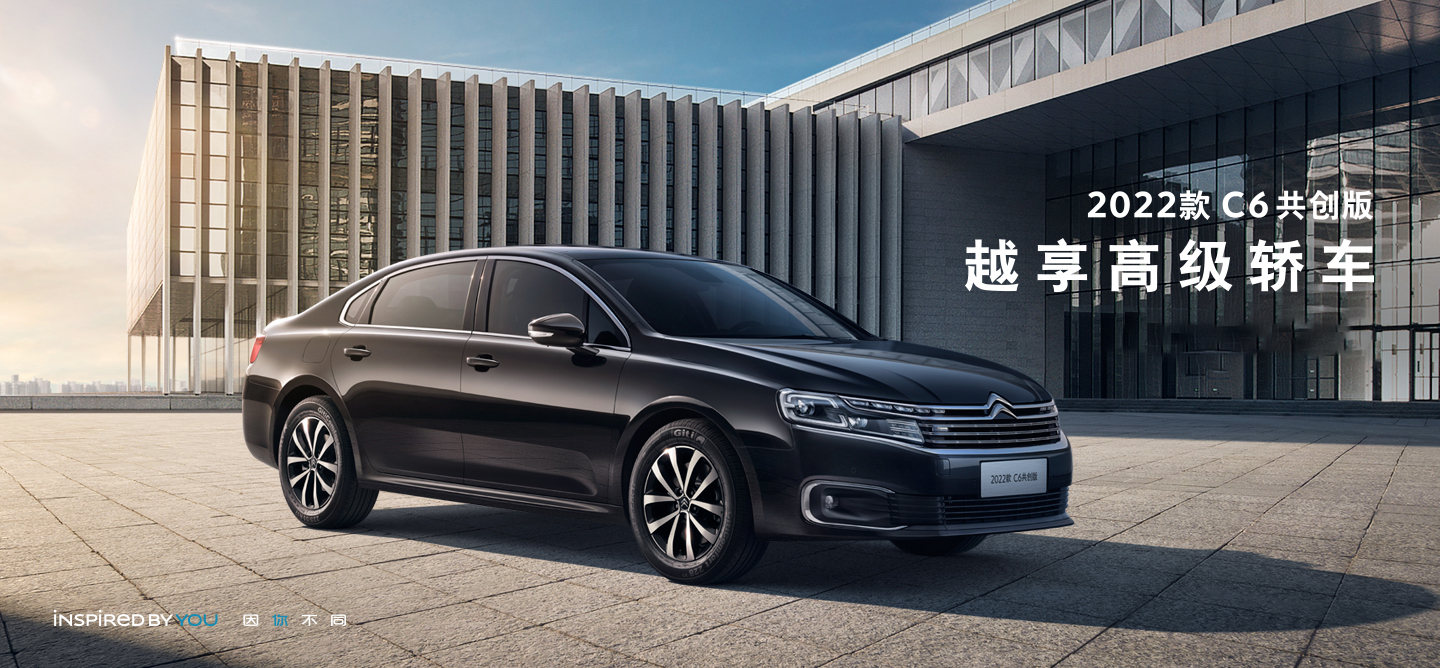
(Image Source: Dongfeng Citroën)
Dianchetong (ID: dianchetong233) believes that the significant profit margins of individual models in the past allowed overseas automakers to overlook the substantial useless cost expenditures caused by bloated product lines. However, the advent of the new energy era has disrupted the environment where joint ventures and imported cars could make easy money.
Even the Chinese themselves did not anticipate that the concept of 'overtaking through curves with the help of new energy,' which was ridiculed by countless netizens, would actually be achieved by Chinese companies. Today, BYD has entered the top five global automotive sales rankings relying on new energy vehicles. Among the top ten power battery companies, Chinese manufacturers occupy six seats, including the top two, maintaining a leading technical edge in the new energy sector.
Automakers that can no longer make easy money need to 'reduce expenses' by streamlining their model lineups.
Volkswagen has revealed that implementing various technologies could save 6 billion euros (approximately 46.364 billion yuan at current exchange rates) annually from 2030 onwards.
As for domestic automakers such as Changan, Geely, and Great Wall adjusting their product lines, on one hand, it's to reduce internal friction; on the other hand, it's to reduce fuel vehicle product lines and concentrate more energy and resources on the new energy vehicle sector.
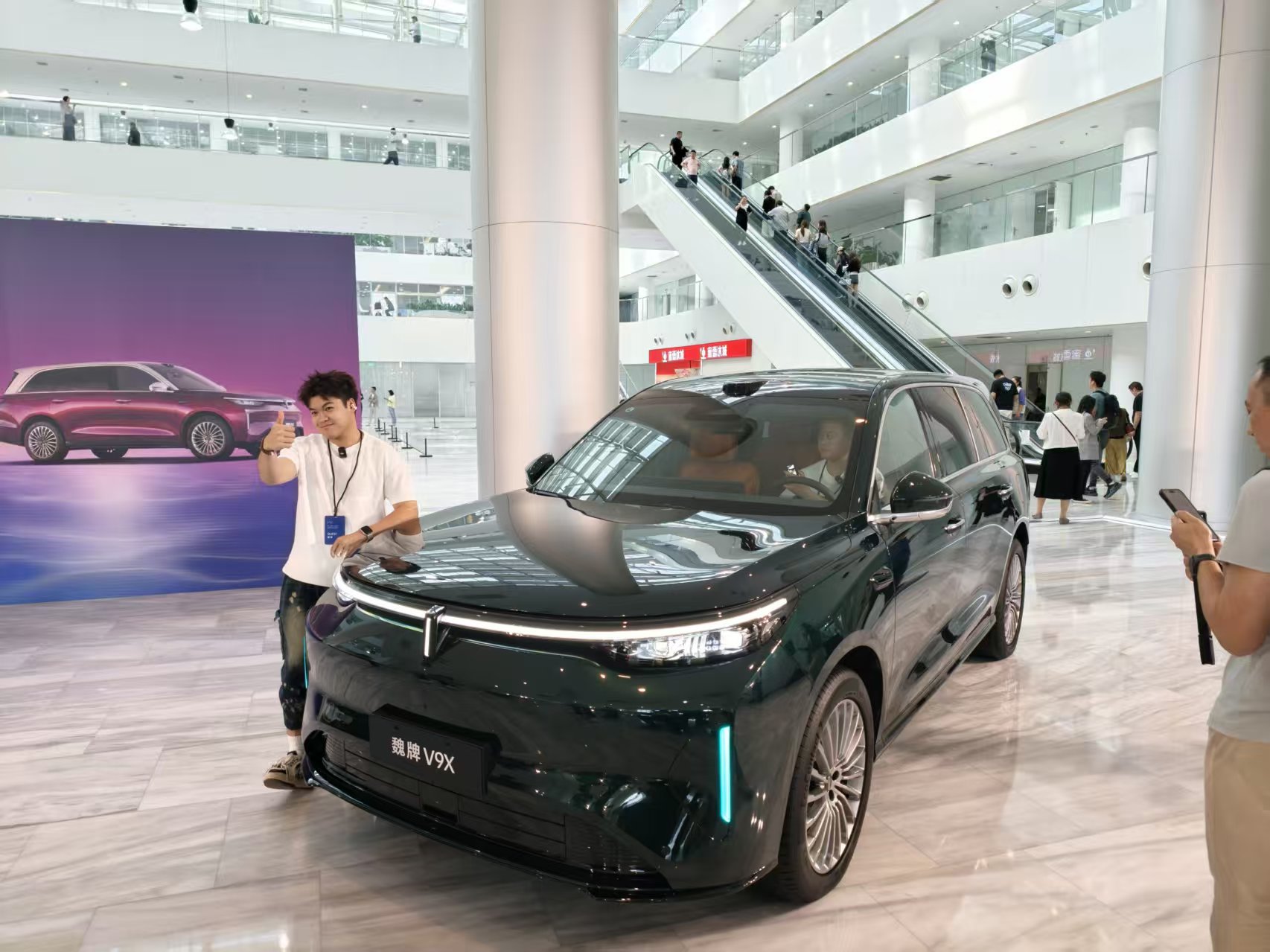
The essence of automakers streamlining their product lines is to reduce product line complexity, thereby cutting R&D and production costs. Domestic automaker Great Wall's solution is to create the Guiyuan S platform, which supports five powertrains: fuel, plug-in hybrid, hydrogen, pure electric, and hybrid, enabling the interchangeability and sharing of components. Leapmotor, known for its cost-effectiveness, has achieved an 88% component commonality rate based on the LEAP architecture.
(Image Source: Dianchetong)
In the era of fuel vehicles, multiple models were independently developed, resulting in complex component specifications and rising costs for molds, warehousing, and supply chains. Under a unified architecture, multiple models share chassis, electronic control, and body components, significantly reducing the development costs for dedicated components. The loss pressure of niche models can also be shared by blockbuster models.
Therefore, Chinese and foreign automakers have converged on the same path: abandoning the 'flood-the-market' strategy and collectively reducing the number of models, variants, and platforms. They are using a model of 'fewer models, high commonality, and strong individual models' to balance profitability and electric transformation, safeguarding profit margins in fierce price wars and reserving sufficient funds for long-term technological R&D.
Automakers' Cost-Cutting: Who Will Cater to Niche Demands?
While cost-cutting is beneficial for automakers' development, it may not necessarily be a boon for consumers.
Beyond the three mainstream categories of sedans, SUVs, and MPVs, there are also niche markets for station wagons, stretched limousines, off-road vehicles, hot hatches, affordable rear-wheel-drive sports cars, lightweight convertible sports cars, shooting brakes, and coupes. Among these, the off-road vehicle market is relatively large, while the markets for other models are smaller.
The existence of each niche model is driven by market demand. If automakers all pursue profitability and abandon certain niche models that are difficult to profit from, then these markets may remain vacant, leaving consumers unable to find suitable products. Even if suitable products are available, their prices may far exceed their value due to a lack of competition.
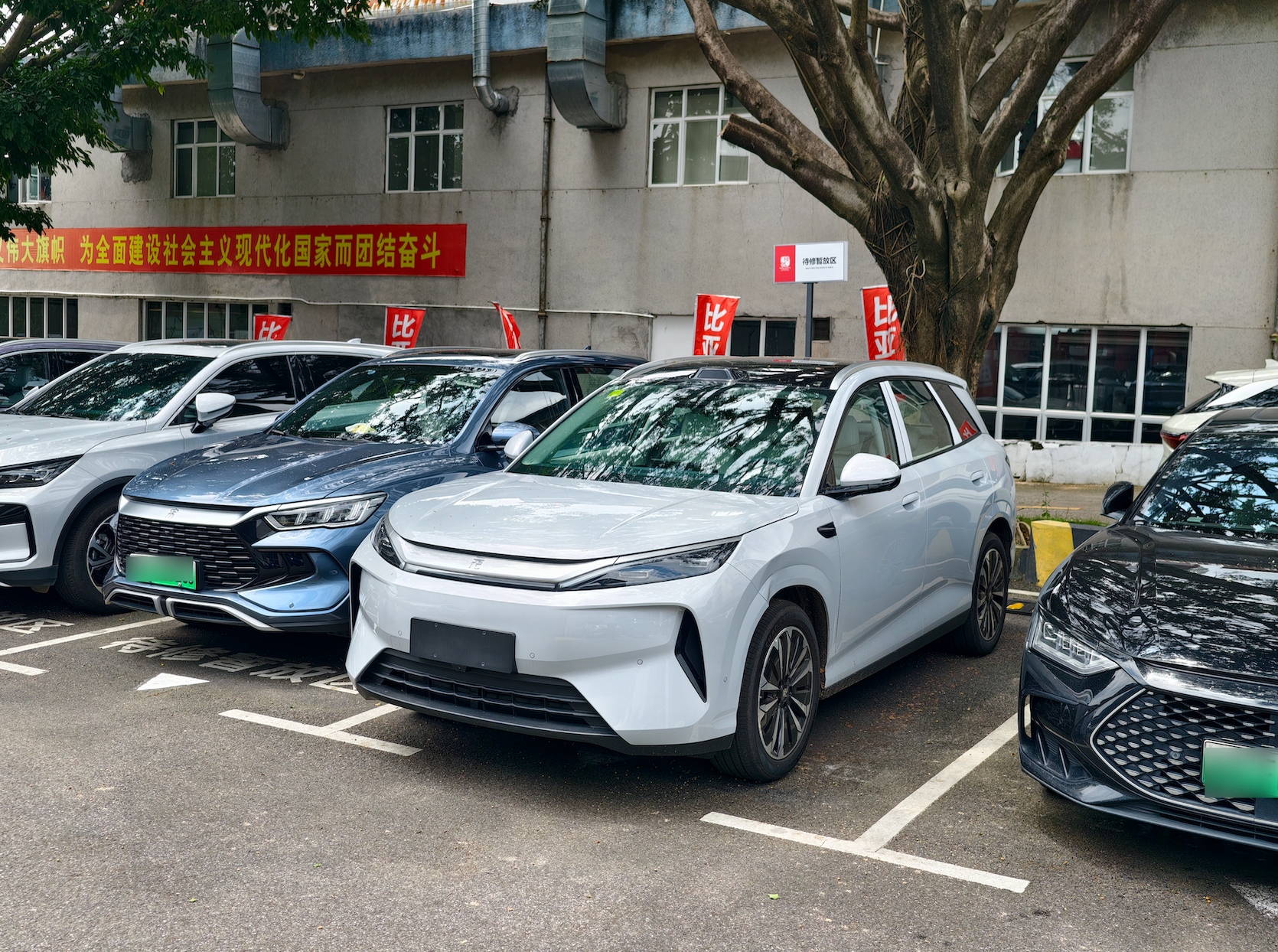
A diverse range of models can also cover a wider price range and model specifications. For example, BYD's Dynasty series, comprising the Xia, Qin, Han, Tang, Song, and Yuan families, includes models such as the Yuan UP, Yuan PLUS, Song PLUS, and Song Pro, which actually have some competitive relationships but also differences. These differences give consumers the freedom to choose products based on their needs, not to mention BYD's Ocean series, which focuses on youthfulness and technological sophistication.
(Image Source: Dianchetong)
Under the 'flood-the-market' strategy, automakers had more flexible channel policies, making it easier to stimulate dealers to cooperate with marketing efforts. This approach could make showrooms more appealing, prolong customer stay times in stores, target different user groups with advertisements, and recommend larger models to customers originally interested in small commuter cars, thereby raising the average transaction price.
Whether automakers should cut models depends mainly on their brand influence and development status. Leading brands with blockbuster models can afford to retain a small number of niche models to maintain brand tone, such as Toyota's commitment to GR performance cars and BYD's retention of the Yangwang high-end off-road brand, with losses covered by profits from mainstay models. However, second-tier and joint venture brands, under cash flow pressure, cannot afford to cater to niche segments and must resolutely cut low-return product lines.
Dianchetong (ID: dianchetong233) believes that niche demands will not disappear entirely. Part of the demand will shift to the modification market and imported niche brands, while another part will compel automakers to introduce optional packages to replace independent derivative models, using the same body to meet diverse needs through configuration differentiation. Streamlining products does not mean completely erasing differentiation but rather abandoning inefficient redundant versions and finding a balance between cost control and consumer choice.
Toyota, Volkswagen, BYD, Changan, New Energy Vehicles
Source: Leikeji
The images in this article are from the 123RF licensed image library. Source: Leikeji
-
![]()
Audi A6L's Defense in the Luxury C-Class Market: Following Huawei's Smart Driving Integration, Is Large-Battery HEV the Next Move?
-
![]()
Zhipu VS Minimax: A Chinese Reflection of Anthropic PK OpenAI
-
![]()
Dialogue with Trooly.AI: AI is Just the Pathway to Connect Authentic User Voices Directly to Brands
-
![]()
From January to May, New Energy Battery-Swap Heavy Truck Sales Surge 29% Year-on-Year, with Geely, XCMG, and Foton Daimler Leading the Pack
-
![]()
BMW 7 Series/i7: The Limitations of 'Political Correctness' for German Automobiles
-
![]()
Will the New Elantra Capture the Market with a Plug-in Hybrid System?
-
Soaring 1212% in Its Debut: Can Zhenbao Technology Justify Its 90 Billion Yuan Valuation?
-
![]()
Exclusive | Returning from Shenlan, FAW-Volkswagen Changes Product Handler