Volkswagen to Cut 100,000 Jobs Worldwide Amid EU Trade Barriers to Shield Local Carmakers
 06/29 2026
 437
437
Lead | Introduction
European traditional automakers, with Volkswagen as a prime example, are grappling with persistent pressure due to operating losses, overcapacity, unsuccessful electrification efforts, and the global expansion of Chinese automakers. Consequently, they are implementing significant layoffs. To safeguard its local automotive industry—a key pillar of the economy—and employment, the EU is planning to introduce new tariff policies on plug-in hybrids, thereby creating fresh trade barriers. In response to escalating European trade protectionism, Chinese automakers have formulated systematic strategies that combine short-term risk mitigation with long-term localization initiatives.
This article is produced by | Heyan Yueche Studio
Written by | Zhang Dachuan
Edited by | He Zi
2,805 words in total
4-minute read
According to a report by Germany's Manager Magazin on the 26th, Volkswagen Group, a German automaker with approximately 657,000 employees worldwide, plans to lay off 100,000 workers while shutting down four factories in Germany. This move represents one of the largest layoff plans in the history of Europe's automotive industry. It underscores the current challenges faced by Volkswagen and the broader European automotive sector, with automakers such as Renault, BMW, and Stellantis, as well as parts giants like Bosch, Continental, and ZF, all experiencing rare operational difficulties in recent years.
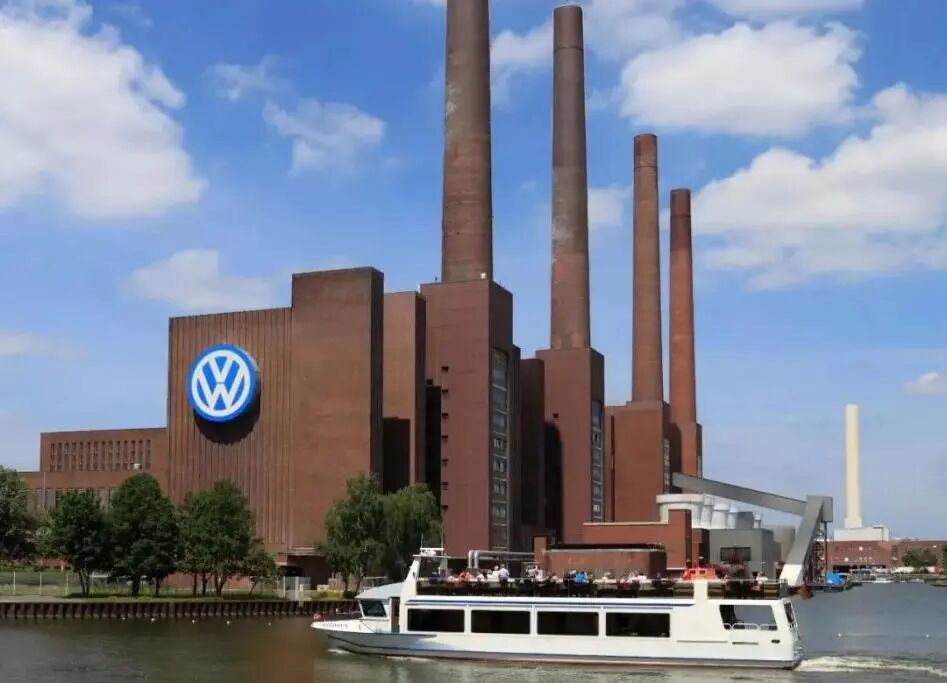
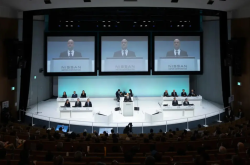
△Volkswagen to Implement Large-Scale Global Layoffs
Volkswagen Seeks Salvation Through Largest-Ever Layoffs
The current round of layoffs at Volkswagen exhibits two core characteristics: a focus on the Volkswagen brand and a concentration within Germany. This is evident from the fact that the four factories slated for closure—Volkswagen plants in Hanover, Zwickau, and Emden, as well as Audi's plant in Neckarsulm—are all located in Germany.
This large-scale layoff is driven by a combination of internal operational issues and external market shocks. Internally, Volkswagen Group's operating performance in 2025 reached its lowest point since the 2016 "Dieselgate" scandal: full-year operating profit plummeted by 54% year-on-year to €8.9 billion, with an operating profit margin of just 2.8%, well below healthy thresholds. Net profit after tax dropped by 44% to €6.9 billion. The group's planned annual production capacity stood at 12 million vehicles, but actual sales reached only 9 million, leaving nearly one-third of capacity idle. Declining capacity utilization continuously eroded per-unit revenue, with European per-vehicle factory production costs exceeding €4,000 and German per-vehicle labor costs equivalent to RMB 23,900—2.3 times higher than BYD's European factory. High labor, energy, and tax burdens significantly weakened the manufacturing advantages of German bases.
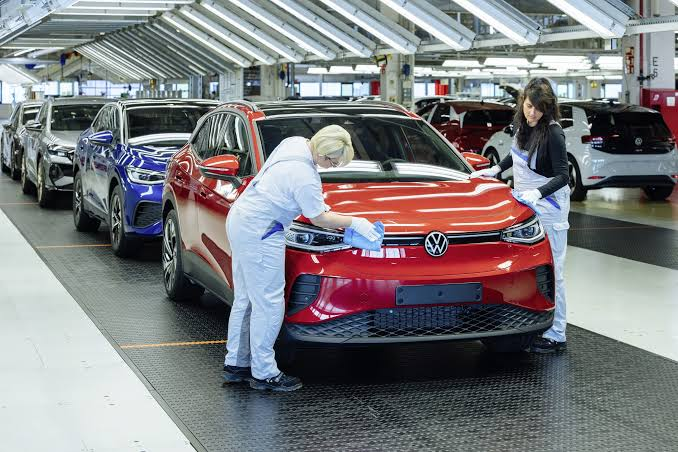
△Volkswagen Group's planned annual production capacity of 12 million vehicles leaves nearly one-third idle
Meanwhile, Volkswagen Group invested tens of billions of euros to develop the MEB pure electric platform and establish CARIAD software company, only to be plagued by software glitches and delivery delays that disrupted the launch schedules of multiple electric models. In 2025, Volkswagen's pure electric vehicle sales in China reached only 115,500 units, down 44% year-on-year, with its domestic new energy market share falling below 1%. Profit from Chinese operations plummeted from a peak of €5.2 billion to less than €1 billion. Externally, the U.S. imposed 25% tariffs on imported vehicles, causing Volkswagen direct annual losses of €3-5 billion. Combined with escalating geopolitical conflicts and increasing global trade barriers, operational pressures continued to mount.
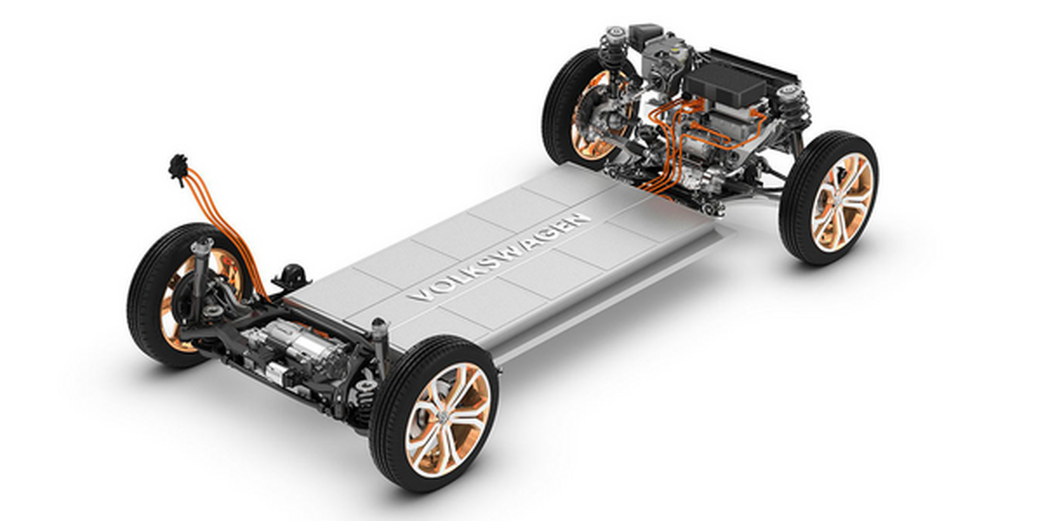
△Volkswagen's electrification transformation has been challenging, with the MEB platform underperforming compared to the previous MQB platform in the fuel-powered vehicle era
Compounding these challenges is the rapid expansion of Chinese new energy automakers in the European market, creating substantive competitive pressure on Volkswagen. By May 2026, Chinese electric vehicles had transitioned from rapid penetration to large-scale expansion in Europe. As electrification deepened in the European market, with pure electric and plug-in hybrid models accounting for over 60% of sales, Chinese brands became the core driver of market growth. In the first four months of 2026, Chinese automakers' market share in the EU rose to around 6%, reaching 7%-7.5% in the broader European market (including the UK and European Free Trade Association), nearly doubling from 2025. BYD's EU new vehicle registrations surged over 150% year-on-year, with market share exceeding 7%, establishing itself as a mainstream brand in multiple countries. MG maintained stable shipment volumes, while new entrants like Chery and Leapmotor achieved multi-fold growth. The European automotive market landscape has undergone structural changes, with Chinese electric vehicles no longer just supplementary but now a core force driving regional electrification, continuously eroding market share and living space for traditional local automakers like Volkswagen.
EU Escalates Tariff War with New Round of Duties
For Volkswagen to overcome its operational difficulties, policy support is as crucial as corporate self-help. Currently, the EU plans to impose additional tariffs on Chinese plug-in hybrid vehicles in an attempt to curb Chinese automakers' market share gains in Europe. Reports indicate that the European Commission proposes anti-subsidy tariffs specifically targeting plug-in hybrid electric vehicles (PHEVs) with external charging capabilities, excluding traditional non-rechargeable hybrid electric vehicles (HEVs) from the scope.
According to German media, the additional PHEV tariffs may follow the tiered tax rules applied to pure electric vehicles in October 2024: all vehicles would pay a uniform 10% base tariff, with differentiated surcharges ranging from 7.8% to 35.3% added on top. Previously, EU tariffs on Chinese-made pure electric vehicles were 17% for BYD, 18.8% for Geely, 35.3% for SAIC, and 7.8% for Tesla China.
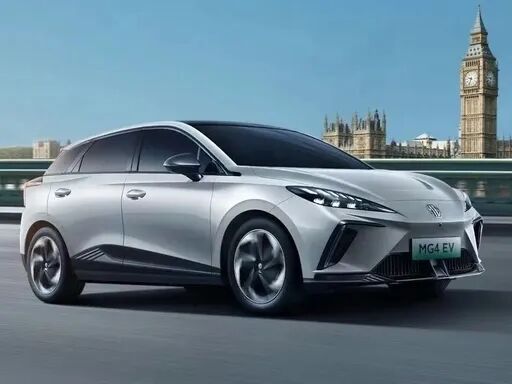
△After tariff hikes, Chinese pure electric models have lost their previous growth momentum in the European market
In 2025, affected by additional pure electric tariffs, Chinese pure electric vehicle exports to Europe grew only 12%, while plug-in hybrid exports surged 155% year-on-year. Full-year Chinese brand PHEV sales in Europe reached 175,000 units, with market share soaring from 2.5% to 13.7%. By model, BYD's Seal U DM-i sold 72,700 units annually, surpassing Volkswagen's Tiguan PHEV to become Europe's best-selling plug-in hybrid. Sixty percent of BYD's European sales came from PHEVs, while SAIC MG's hybrid models sold 137,000 units, up 300% year-on-year. This continuous erosion of market share by local automakers led the EU to conclude that PHEVs represent a loophole to evade pure electric tariffs. In 2025, Chinese automakers' total European sales reached 811,000 units, up 99% year-on-year, with an overall market share of 6.1%. Institutions predict that if PHEV anti-subsidy tariffs are implemented, Chinese PHEV terminal prices in Europe will rise 15%-40%, potentially causing Chinese brand new energy vehicle sales in Europe to decline by more than 20% in the second half of 2026.
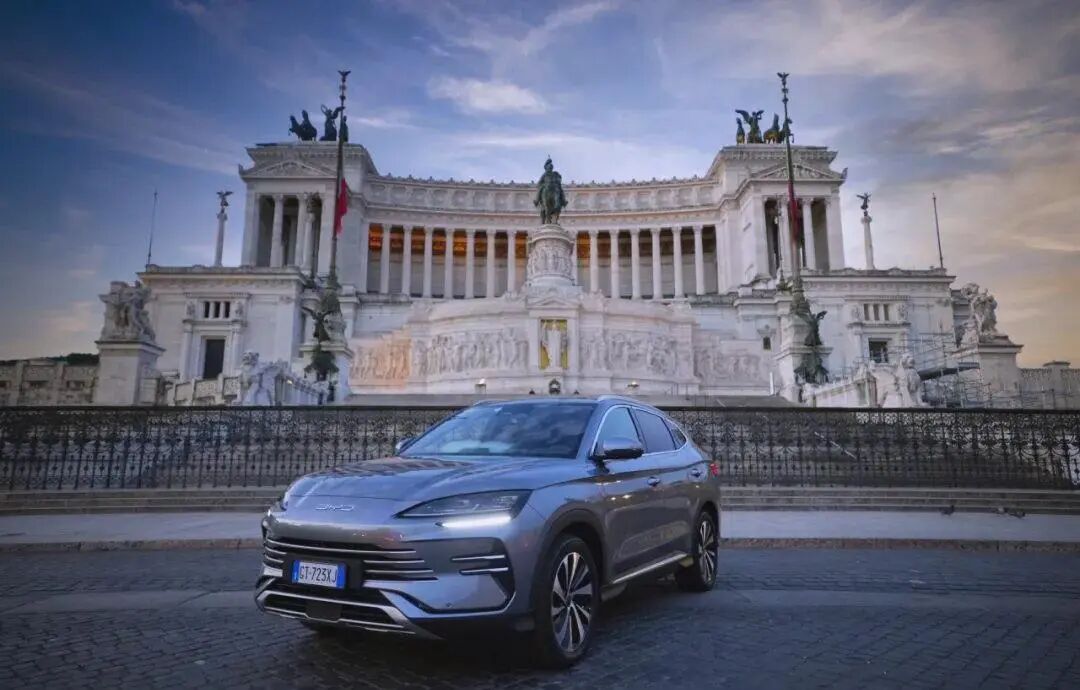
△BYD's Seal U DM-i surpassed Volkswagen's Tiguan PHEV to become Europe's best-selling plug-in hybrid in 2025
How Chinese Automakers Are Responding
European mainstream automakers currently face operational weakness and continuous market losses in their home turf. As a pillar industry of the EU, the automotive sector is crucial for regional economic gains and employment, prompting the EU to inevitably implement trade restriction policies to block Chinese new energy automakers' expansion and protect local automotive industries.
If the EU imposes anti-subsidy surcharges on PHEVs, China could respond through WTO litigation, raising tariffs on EU vehicle and parts imports, and dedicated Sino-EU automotive trade consultations. However, international trade dispute resolutions are lengthy and slow to take effect, necessitating proactive strategic layout by Chinese automakers to independently offset policy risks.
In the short term, automakers can mitigate impacts through price commitment mechanisms: declaring minimum import prices for key PHEV models to qualify for exemption from the 7.8%-35.3% anti-subsidy surcharges, paying only the 10% base tariff. This could effectively offset 15%-40% terminal price increases. Relevant Chinese automakers need to comprehensively review their operational and subsidy records, actively cooperate with EU investigations, and provide complete evidence to strive for differentiated low tax rates. Simultaneously, they should moderately reduce exports of domestically produced PHEVs to Europe, weakening the EU's basis for "tariff arbitrage" claims and alleviating short-term trade frictions.
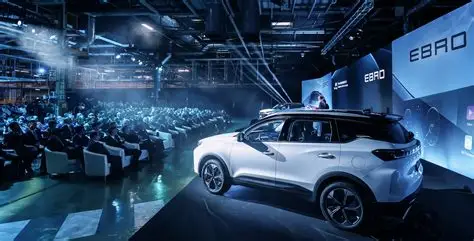
△Chery's Spanish factory has commenced production and deliveries
In the medium to long term, localized production capacity is the core path to avoid tariffs and deepen European market presence. Domestic automakers have formed differentiated layout models: BYD is investing €4 billion to build a Hungarian factory, expected to commence mass production in the second half of 2026 with an annual capacity of 300,000 hybrid vehicles. Chery has revitalized a Spanish factory through a joint venture asset-light model for rapid production launch. XPeng and Leapmotor rely on contract manufacturing by Magna and Stellantis to shorten production cycles. Product portfolios are being optimized simultaneously, with increased focus on untaxed HEV hybrid models and promotion of premium PHEVs priced above €38,000 to offset tariff costs through higher margins. Simultaneously, factories are being established in Turkey and Southeast Asia to divert production capacity from European exports. Localized factory construction can absorb job losses from European automakers like Volkswagen, alleviating local employment pressures and reducing EU resistance to Chinese-funded automakers.
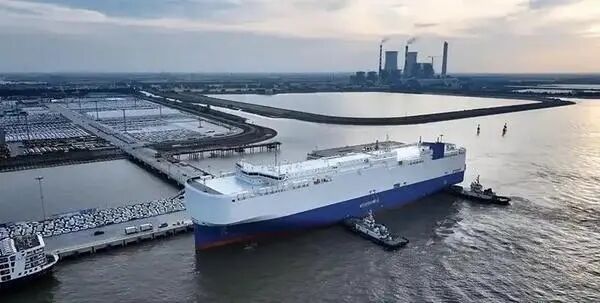
△Chinese automakers' global expansion urgently requires diversification to reduce reliance on the EU market
From a long-term development perspective, Chinese automakers need to establish a global risk management system with dual market and policy hedges. Market-wise, they should reduce reliance on the European single market by shifting hybrid production capacities to low-tariff regions such as the Middle East, ASEAN, and Latin America to diversify trade risks. Policy-wise, they should collaborate with industry and government for multilateral engagement, jointly presenting evidence with European dealers and consumer groups on the negative local impacts of tariffs to strive for longer transition periods and lower tax rates. Simultaneously, they should increase local procurement of batteries and components in Europe to align with regional supply chain rules and dispel "unfair competition" controversies, ultimately achieving full-chain localization from vehicle exports to local R&D, production, and sales.
Commentary
Following pure electric models, the EU's proposed PHEV tariff hikes represent passive trade protection amid declining European automaker competitiveness, unable to reverse the long-term trends of European electrification and Chinese automakers' global expansion. Facing increased trade frictions, Chinese automakers must effectively hedge risks through short-term compliance strategies, medium-to-long-term production localization, and diversified market distribution. Future automotive trade protection will likely become normalized, with automakers possessing overseas production capacities, diversified markets, and compliant operations maintaining sustained global competitive advantages.
(This article is original to Heyan Yueche and may not be reproduced without authorization)
-
![]()
The Unstoppable Rise of 'Optical Progress and Copper Decline': Sunny Optical’s Strategic Vision for the Next Decade
-
![]()
AI + Going Global in the Second Half: No Intermission for Robot Vacuum Cleaners
-
![]()
The Suffering Endured in E-commerce, Walmart Doesn't Want to Repeat in AI
-
![]()
What Does the Doubling of New Energy Vehicle Exports Mean?
-
![]()
Ghosn: 'Only I Can Save Nissan'
-
![]()
Volkswagen Lays Off 100,000 Employees, The Elephant Sits Down
-
![]()
Expanding Production Capacity! Yutong Optics Acquires Approximately 1.5 Hectares of Industrial Land in Chang'an, Dongguan
-
![]()
Why Is Nokia Making a Comeback in the AI Era?