Buying a Crippled FSD for 100,000 Yuan! Musk Struggles to Quell Consumer Anger, Are New Energy Vehicles 'Outdated as Soon as They Hit the Road'?
 07/01 2026
 562
562
Both Musk and consumers feel helpless.
The FSD V14 Lite, compatible with the AI3 (HW3) platform, has arrived, but Tesla owners are not impressed.
Recently, Tesla CEO Elon Musk announced on the X platform that the FSD V14 Lite version is being rolled out to models equipped with the AI3 platform. This update is initially available to early access customers, with a wider rollout expected in the coming weeks.
Since the full FSD V14 version was released to models with the AI4 (HW4) platform in October last year, owners of AI3-equipped vehicles have been eagerly awaiting an upgrade to the more powerful FSD V14.
However, the arrival of FSD V14 Lite has not been met with enthusiasm by all Tesla owners. Many have even taken to Musk's posts to criticize him and Tesla.
According to Tesla's official introduction, FSD V14 Lite incorporates Reinforcement Learning (RL) and offline models, enhancing both active and passive response capabilities. It covers navigation processing, merging and diverging, pedestrian interactions, traffic lights, and vehicle cut-in scenarios; reduces instances of erroneous deceleration, resulting in smoother steering and stable lane-centering; introduces complete automatic parking and reversing functions; and supports selecting parking locations, such as parking lots, streets, driveways, and curbsides.
Additionally, FSD V14 Lite includes a customizable driving style feature, making it increasingly similar to an experienced driver over time.
In simple terms, FSD V14 Lite utilizes model distillation to enable AI3 platform models to leverage the core capabilities of the AI4 platform's V14, enhancing parking, arrival options, and speed configuration while comprehensively improve (comprehensively improving) response and comfort. This brings the experience of older vehicles closer to that of newer ones, with essentially the same core functions, albeit with compressed neural networks and no reduction in functional modules.
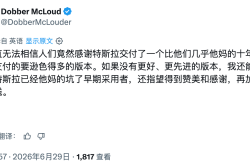
However, one netizen expressed significant frustration, posting multiple comments under Musk's tweet, complaining about spending a large sum of money only to receive a version far inferior to what was promised a decade ago, and directing strong language at Musk.
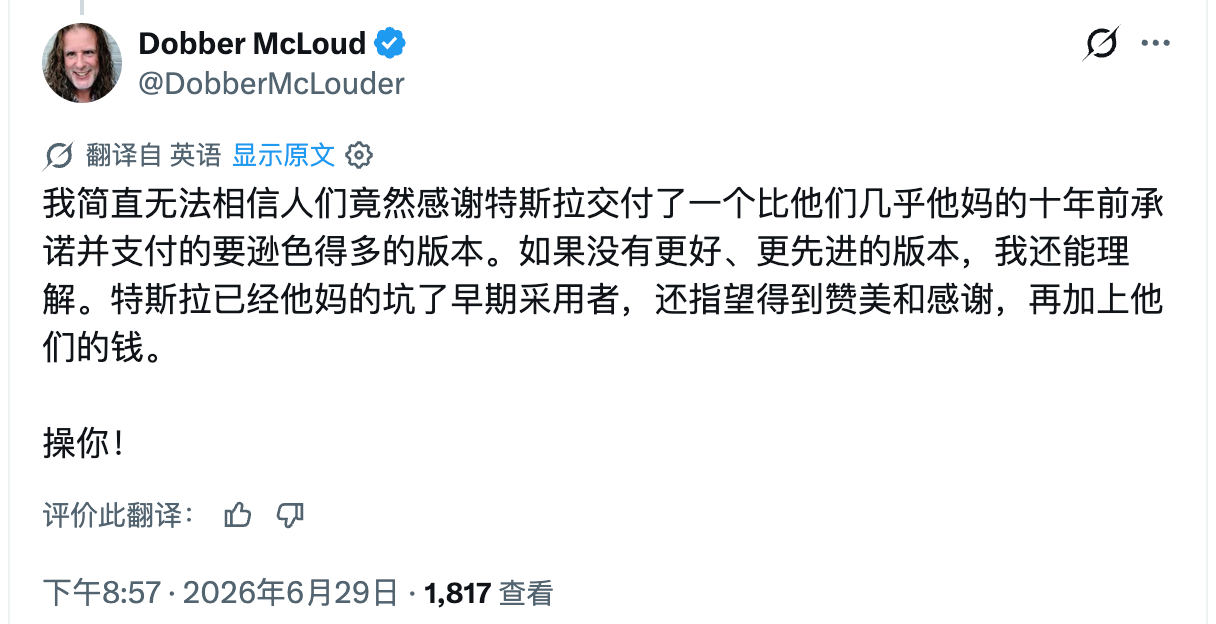
(Image Source: Screenshot from X Platform)
This individual stated that without the full FSD V14 version, they could accept some discrepancies between FSD V14 Lite and the decade-old promotions. However, spending the same amount of money but not being able to use the same version was unacceptable. The netizen's heated remarks naturally sparked arguments, with several Musk fans engaging in fierce debates.
Another netizen, relatively more calm, stated that consumers had spent $15,000 (approximately RMB 102,000) not for a crippled version of FSD but for true autonomous driving, i.e., FSD. Like the previous netizen, this individual also faced refute (rebuttals) from Musk fans. One Musk fan replied that if they had purchased a model with AI4 hardware, would they also receive lifetime upgrade privileges? Such things were simply impossible.
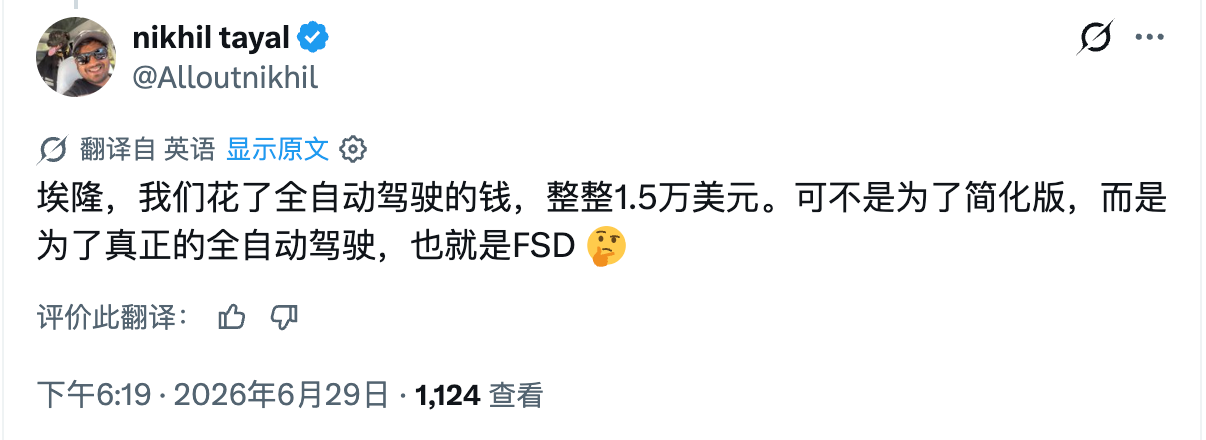
(Image Source: Screenshot from X Platform)
From the perspective of Dianchetong (ID: dianchetong233), one X platform netizen's viewpoint was quite objective. They stated that their initial purchase of a Tesla was based on the promise of achieving full autonomous driving, and consumers needed Tesla to fulfill that promise rather than reneging due to insufficient hardware capabilities.
Unlike intelligent driving solutions offered by domestic automakers, Tesla's FSD comes with a hefty price tag, having undergone multiple adjustments between $5,000 and $15,000. The issue is that many early supporters who purchased FSD have yet to experience the 'full autonomous driving' promised by Tesla.
Tesla's AI5 chip has completed tape-out and may become commercially available next year, with future platforms like AI6 and AI7 on the horizon. If consumers accept Tesla's failure to fulfill its promises today, who will guarantee that users of AI4 platform models will truly experience the full autonomous driving promised by Tesla and Musk in future platform generations?
It's not that Tesla is unwilling to adapt the full FSD V14 version for the AI3 platform; rather, the AI3 platform struggles to meet the increasingly high hardware requirements of intelligent driving systems.
The AI3 platform has a computing power of only 144TOPS, 8GB of memory, and a bandwidth of only 48GB/s. Faced with the massive data throughput of the full FSD V14 version's end-to-end large model + reinforcement learning + offline prediction, issues such as data feeding delays, model execution difficulties, and excessive latency may arise. Furthermore, the sensors on the AI4 platform have also been upgraded, with higher resolution and greater dynamic range forming the basis for the comprehensive leap in FSD V14's capabilities.
Tesla, considering safety, has chosen not to roll out the full FSD V14 version for the AI3 platform. Even for the crippled version, while the AI3 platform can be upgraded to FSD V14 Lite, whether it can be upgraded to more advanced versions or incorporate other new features in the future remains uncertain.
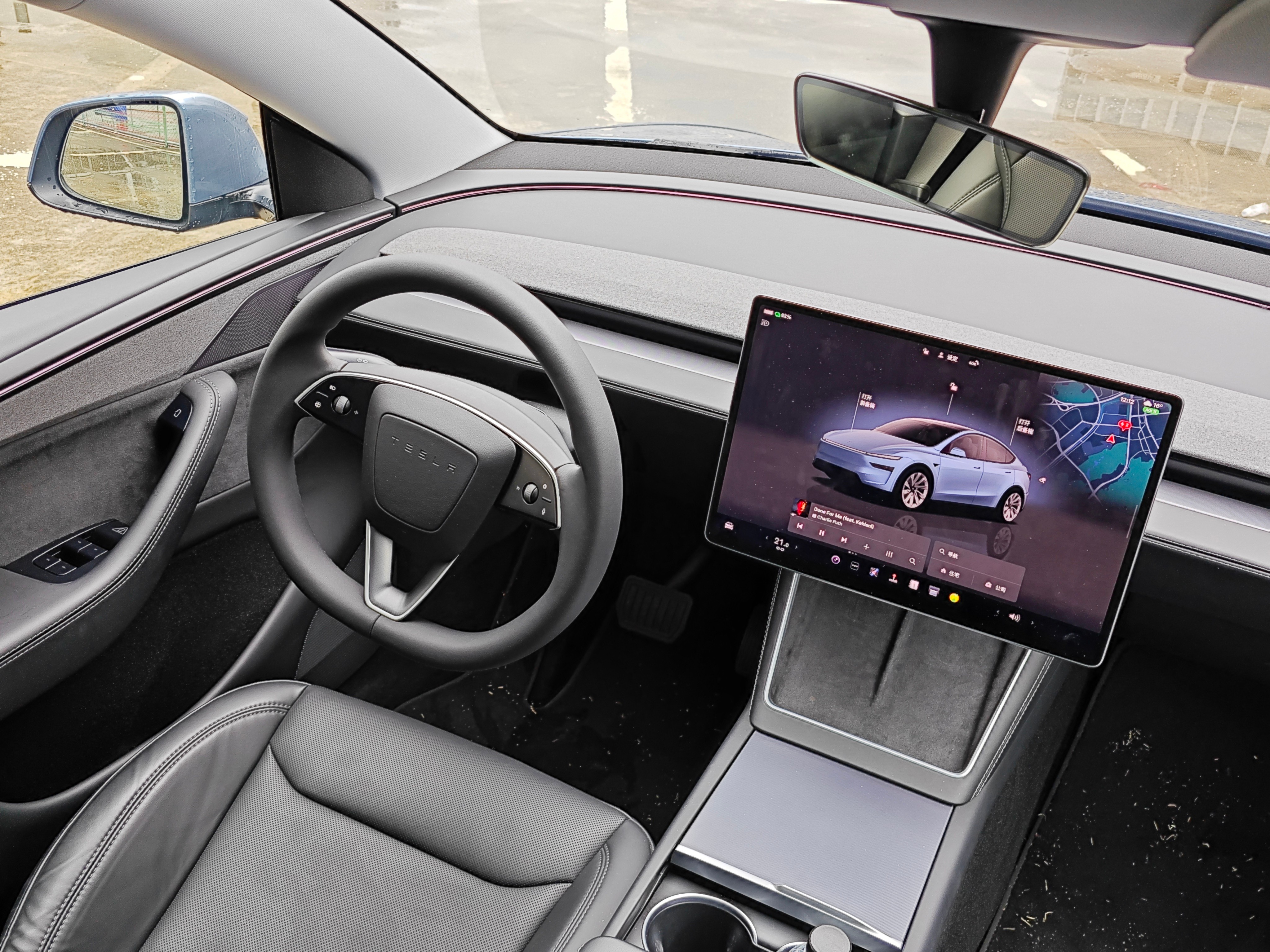
(Image Source: Dianchetong Photography)
A similar situation exists domestically. When Xpeng Motors launched its second-generation VLA, it stated that only models equipped with dual Turing chips could be upgraded to the full version, while models with single Turing chips or dual Orin-X chips could only be upgraded to the distilled version of the second-generation VLA.
Notably, some retail versions of Xpeng models offer a triple Turing chip version with computing power of up to 2250TOPS, providing sufficient computing power redundancy for future upgrades. The Robotaxi version of the Xpeng GX is even equipped with four Turing chips, delivering computing power of up to 3000TOPS.
Currently, many domestic automakers offer tiered intelligent driving versions, such as BYD's Divine Eyes A/B/C and Qiankun Intelligent Driving ADS SE/Pro/Max/Ultra. These versions differ in capabilities. Xpeng's Ultra SE and Ultra versions both support the second-generation VLA, with the gap (gap) lying not in the present but in the future.
Essentially, as intelligent driving shifts from 'rule-driven' to 'end-to-end large model-driven,' computing power demands have grown exponentially. L2+ requires only several hundred TOPS of computing power, while L4 requires several thousand TOPS. The computing power ceilings of existing older hardware have long been surpassed by the intelligent driving algorithms of the new era.
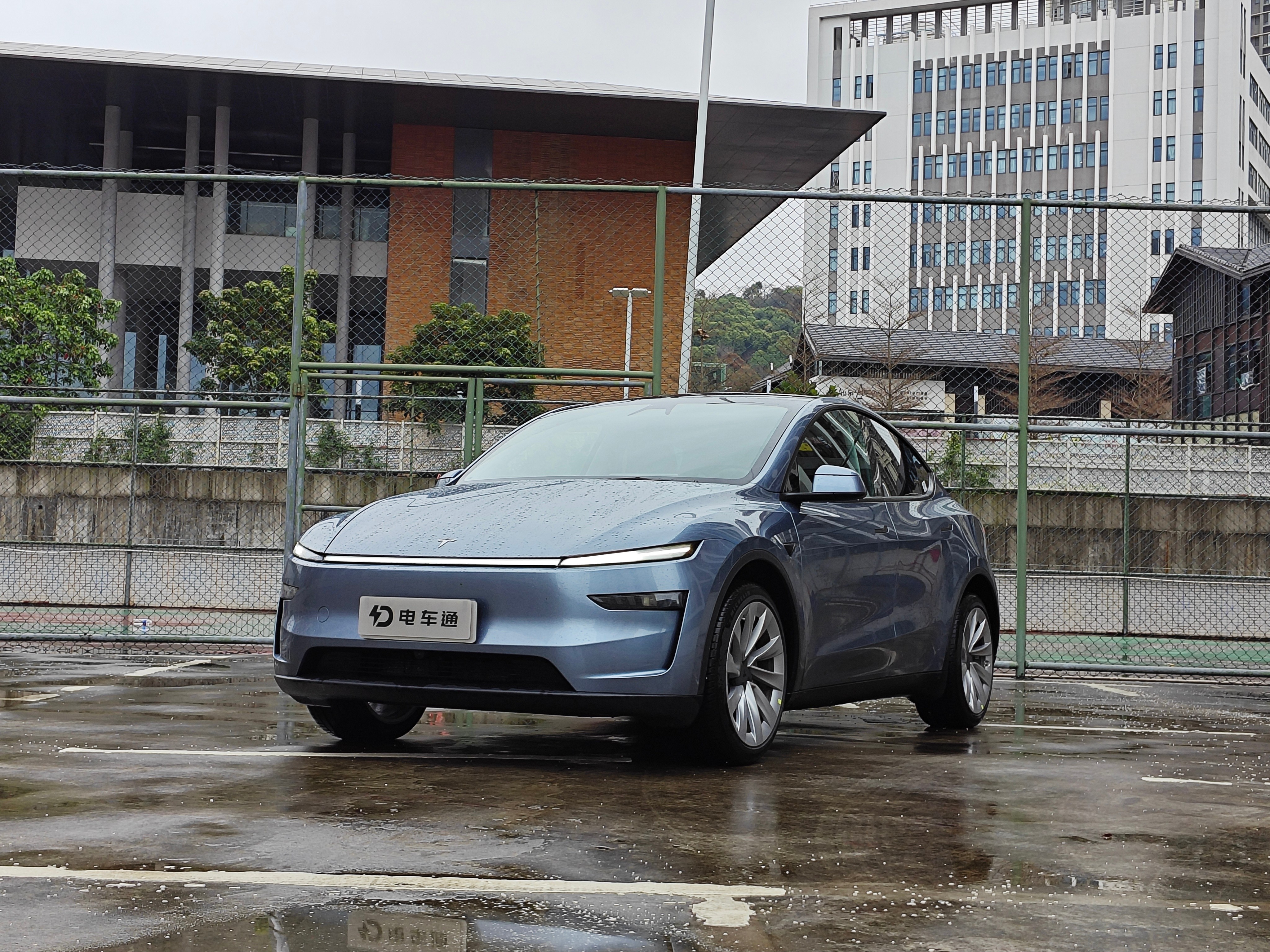
(Image Source: Dianchetong Photography)
Whether consumers should incur higher costs for greater computing power and future upgrade potential is a question they must consider.
Dianchetong (ID: dianchetong233) believes that when purchasing a vehicle, consumers should consider their budget and replacement cycle comprehensively. The longer the replacement cycle, the more necessary it is to prepare for upgrade space. Today's 'full computing power' may become 'basic configuration' in three years. When the budget allows, choosing higher computing power can significantly extend the vehicle's intelligent driving lifecycle and avoid the situation of 'becoming outdated immediately after purchase.'""Consumers with shorter replacement cycles can make judgments based on their budget. Additionally, computing power itself also affects the vehicle's residual value. When the L3 era arrives, models that cannot be upgraded to L3 will inevitably face a sharp decline in residual value.
Anxiety over computing power may even influence the purchasing decisions of non-essential consumer groups, causing them to delay purchasing and wait for automakers to launch products with higher computing power and greater upgrade potential.
To fulfill his promises and reassure consumers, Musk stated in April this year that Tesla would build a series of mini-factories in the United States to upgrade AI3 platform vehicles to the AI4 or higher platform versions. This upgrade plan will not only modify chips and bandwidth but also upgrade cameras.
For models priced above RMB 200,000, spending tens of thousands of yuan to upgrade hardware for stronger intelligent driving functions, thus avoiding the need to replace the vehicle due to outdated intelligent driving experience in the short term, is clearly worthwhile. However, whether consumers who have already spent between $5,000 and $15,000 are willing to spend an additional tens of thousands of yuan to upgrade hardware remains a question.
Compared to aftermarket modifications, pre-installing high computing power is undoubtedly a lower-cost and more consumer-acceptable solution. In the past, the primary obstacle to implementing this solution was the high cost of computing power chips. Therefore, in recent years, both domestic and foreign companies have initiated plans to develop their own intelligent driving chips.
In overseas markets, Tesla has continuously iterated its AI3, AI4, and AI5 chips. Domestically, Xpeng has launched its self-developed Turing chip, NIO has introduced its self-developed Shenji NX9031 chip, and Li Auto has unveiled its Mach 100 chip. Not long ago, BYD, the world's best-selling new energy vehicle brand, released China's first self-developed 4nm intelligent driving chip, Xuanji A3, which is expected to debut next year on its high-end sub-brand, Tengshi.
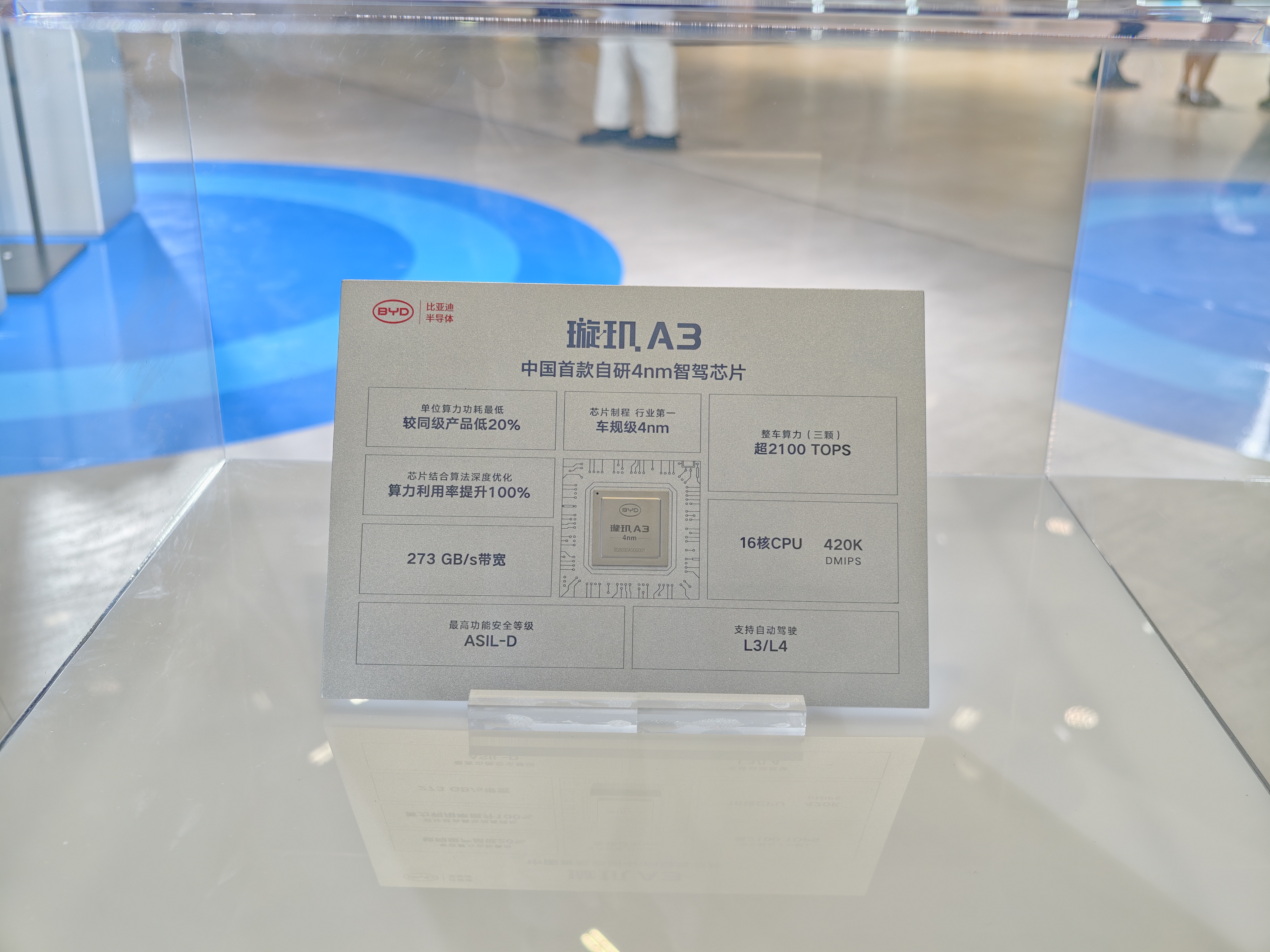
(Image Source: Dianchetong Photography)
By developing their own chips, automakers can effectively reduce the procurement costs of intelligent driving chips, achieving 'computing power freedom' and pre-installing high computing power in vehicles to increase their upgrade potential.
The FSD V14 Lite rollout controversy for AI3 platform-compatible models appears to be a trust dispute between Tesla's long-time owners and the brand. However, it fundamentally reflects the inevitable contradiction between the software's unlimited OTA capabilities and the limited hardware lifecycle in the rapidly iterating intelligent vehicle industry. The once-promised full autonomous driving, when faced with the exponentially growing computing power demands of large models, has been completely severed by hardware generational gaps. This is the core reason for the dissatisfaction and sense of betrayal felt by countless long-time owners.
This computing power anxiety sparked by FSD V14 Lite also serves as a wake-up call for all consumers when purchasing vehicles. Intelligent driving vehicles are no longer traditional industrial products that are 'ready to use upon purchase' but intelligent terminals with continuous iteration capabilities. Automakers' rush to develop their own intelligent driving chips and iterate high-end hardware platforms is essentially aimed at breaking free from the cost constraints of external chips, gradually popularizing high computing power hardware, and addressing the pain point of consumers 'buying outdated vehicles.'
Automakers must adhere to pre-installing high-end hardware and reserving sufficient iteration redundancy to fulfill their long-term OTA upgrade promises. Meanwhile, consumers should abandon the 'software-heavy, hardware-light' purchasing mindset, stop blindly paying for overly marketed 'full autonomous driving' concepts, and instead prioritize hardware computing power, iteration potential, and long-term compatibility as their core purchasing criteria.
Cover Image Source: Dianchetong Photography
FSD, Tesla, Musk, BYD, Xpeng
Source: Leikeji
All images in this article are from the 123RF licensed image library. Source: Leikeji
-
![]()
Great Wall Motors Takes a Stance Contrary to GAC Group
-
![]()
Prayer for Success, Yet China's Space Industry Must Look Beyond Mere Success
-
![]()
Can Intelligent Driving Talents Adapt to Embodied AI? A Dimensionality Reduction or a Cultural Shock?
-
![]()
Wang Xing Apologizes as Meituan Adjusts Two Key Departments
-
![]()
Final Assessment: Unveiling the Causes of the Sluggish Domestic Auto Market in the First Half of the Year
-
![]()
Buying a Crippled FSD for 100,000 Yuan! Musk Struggles to Quell Consumer Anger, Are New Energy Vehicles 'Outdated as Soon as They Hit the Road'?
-
![]()
Over €1.15 Billion Spent, No Mass Production in Four Years! The Volkswagen-Bosch Partnership Falters, While the Chinese Market Quietly Flourishes
-
![]()
AI Carnival: Who Will Foot the Bill?