Final Assessment: Unveiling the Causes of the Sluggish Domestic Auto Market in the First Half of the Year
 07/01 2026
 338
338
Today, July 1st, marks the midpoint of 2026. Reflecting on the first half of the year, the domestic auto market can be aptly described with the term "sluggish."
While the domestic auto sales figures for June and the first half of the year are yet to be officially released, data from the first five months and the market performance in June strongly suggest a significant decline. There is a high probability that domestic passenger car sales will experience a negative growth rate of approximately 20% in the first half of the year.
According to statistics from the China Association of Automobile Manufacturers, the sales (wholesale) of domestically produced automobiles, encompassing joint venture brands, commercial vehicles, and exports, reached 12.2 million units in the first five months of this year. This represents a year-on-year decrease of 4.2%. Passenger vehicles witnessed a 6.2% decline, while commercial vehicles showed a 7.7% increase. New energy vehicles rose by 3.5%, and exports surged by 63%. Excluding exports, domestic passenger car sales stood at a mere 6.791 million units, marking a substantial 23.8% year-on-year decrease. It is anticipated that domestic passenger car sales will plummet by 20% in the first half of this year, an unprecedented decline that underscores the severity of the situation.
The Impact of Weak Automobile Consumption on the Growth of Total Retail Sales of Consumer Goods
The downturn in automobile sales has significantly reduced the proportion of automobiles within the total retail sales of consumer goods.
Data released by the National Bureau of Statistics reveals that from January to May 2026, the total retail sales of consumer goods reached 20.6 trillion yuan, a year-on-year increase of 1.4%. Among these, retail sales of automobiles amounted to 1.6 trillion yuan, a year-on-year decrease of 11.8%, making it the category with the largest decline. The proportion of automobiles in the total retail sales of consumer goods also dropped from around 10% to 7.77%. 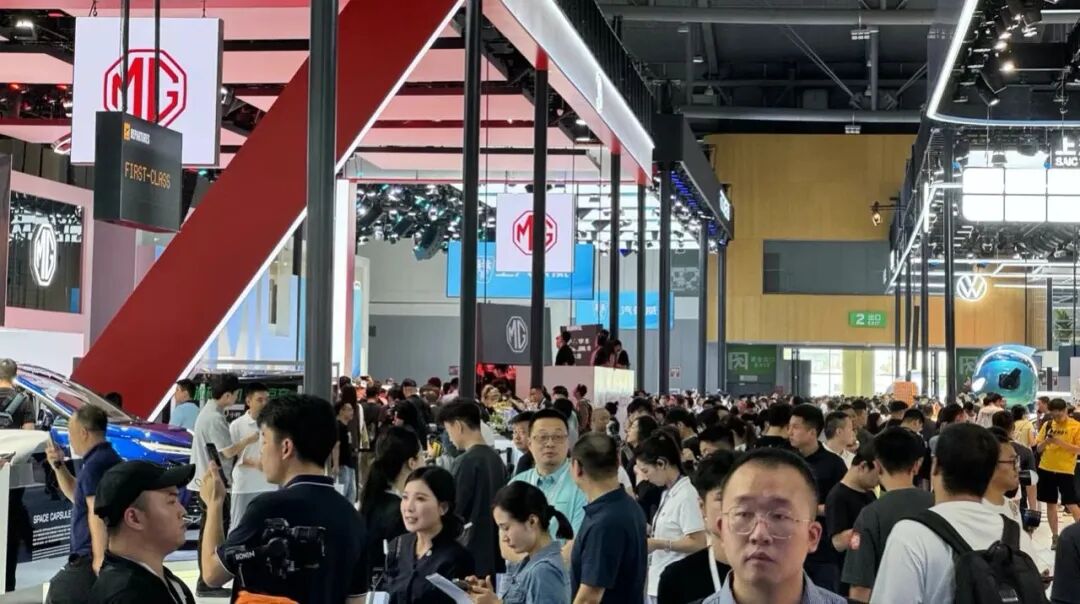
In May alone, the total retail sales of consumer goods reached 4.1 trillion yuan, a year-on-year decrease of 0.6%. Retail sales of automobiles amounted to 330.9 billion yuan, a year-on-year decrease of 16.1%, directly dragging down the overall growth rate by approximately 0.6 percentage points.
Excluding automobiles, the year-on-year growth rate of other consumer goods was 2.7% from January to May and 1.1% in May alone. The decline in automobile sales was the primary factor contributing to the negative overall data in May and also affected the growth rate for the first five months.
Four Major Factors Contributing to the Sluggish Domestic Auto Market
The sluggish performance of the domestic auto market in the first half of this year cannot be attributed to a single factor but rather to a combination of four pressures: weakening macroeconomic expectations, diminishing policy dividends, a trust crisis triggered by price wars, and severe oversupply on the supply side.
Currently, the domestic macroeconomy is still in a recovery phase, with unstable residents' income expectations and the added effect of declining real estate asset values. This has led to extreme caution among households regarding large-ticket durable consumer goods. Automobiles represent a significant purchase, and with the proportion of first-time buyers continuously declining, trade-ins and additional purchases have become the main drivers of consumption. In times of poor expectations, non-essential car purchase plans are being postponed or canceled. 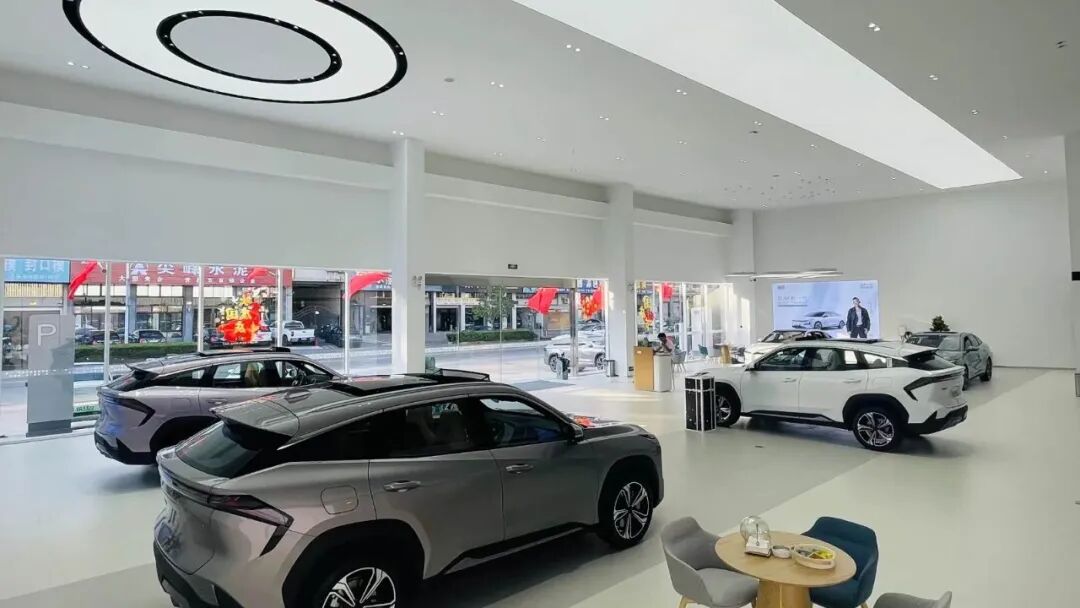
Over the past two years, to stimulate automobile consumption, the state introduced high-intensity "trade-in" policies and complete exemptions from new energy vehicle purchase taxes. However, this has prematurely tapped into some demand. In 2026, the purchase tax exemption was halved, and the disbursement of subsidy funds was delayed, directly reducing consumers' willingness to purchase cars due to policy rollbacks.
In recent years, the domestic auto market has witnessed intensified cutthroat competition, with continuous price wars leading to a chaotic pricing system for new cars and a sharp decline in the residual value of used cars. Consumers are concerned about "buying today and losing tomorrow," creating a vicious cycle of "the more prices drop, the less willing people are to buy," severely undermining market trust.
Furthermore, it is crucial to acknowledge the structural imbalance on the domestic automobile supply side, where production capacity far exceeds actual demand. A large number of newly launched cars suffer from severe homogenization, failing to stimulate consumers' desire to upgrade their vehicles.
Domestic Automakers Must Accelerate Transformation and Upgrading
The China Association of Automobile Manufacturers pointed out that since the beginning of this year, the automobile market has exhibited a significant characteristic of "sluggish domestic demand and strong exports." The automobile industry faces multiple challenges, including insufficient domestic demand, high costs, and intensified external shocks. 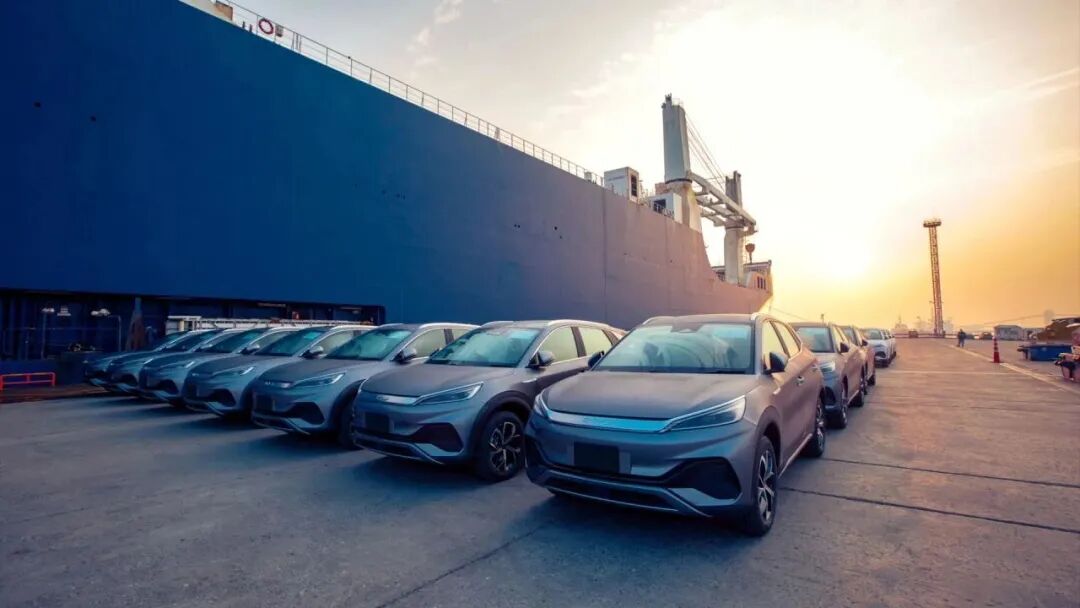
Some analysts believe that the domestic auto market has transitioned from "incremental competition" to "stock competition," rendering the original extensive growth model unsustainable. The sluggish auto market in the first half of the year is the inevitable result of the combined effects of economic cycles, policy shifts, price distrust, and product fatigue. The automobile industry is undergoing a painful transition from a "scale-oriented" to a "value-oriented" approach.
Faced with severe challenges, domestic automobile companies must transform their business models. They should move away from solely emphasizing sales growth and low prices to gain market share and instead focus on improving operational quality and ensuring reasonable profits.
Cutthroat competition must be curbed, and price wars must cease. Consumer confidence should be gradually restored through a value-oriented approach.
The automobile industry is a pillar of the national economy, playing a crucial role in economic growth, stimulating domestic demand, expanding employment, and providing tax revenue. The state attaches great importance to the automobile industry and market. In response to the escalating cutthroat competition in the automobile sector, the top leadership has personally issued instructions. Relevant departments have introduced a series of measures to regulate the automobile market from multiple dimensions, achieving certain results. 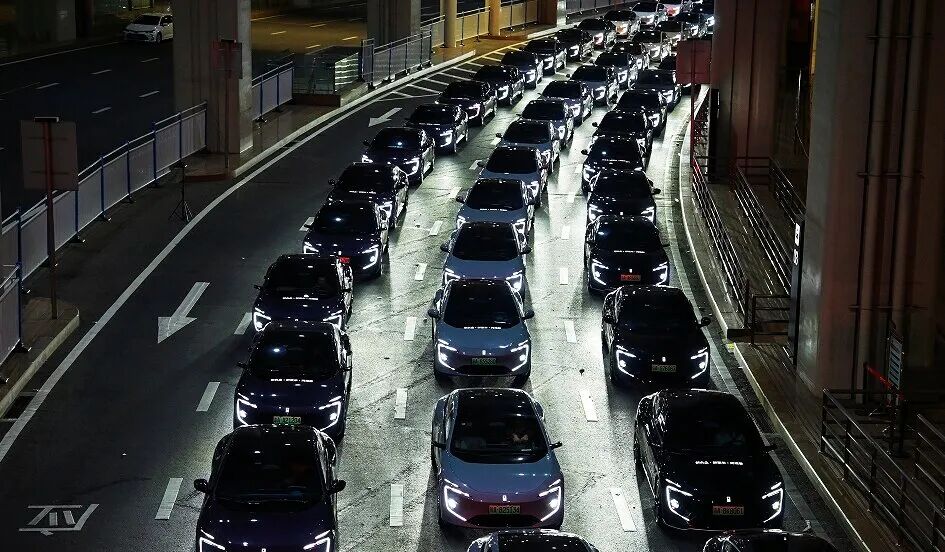
Recently, nine departments, including the Ministry of Commerce, jointly issued the "Notice on Several Measures to Cultivate and Expand Aftermarket Consumption in the Automobile Industry," proposing 17 measures in areas such as automobile modification, RV camping, traditional classic cars, maintenance and insurance services, automobile racing, and car rentals. Simultaneously, the General Office of eight departments, including the Ministry of Commerce, released the "Notice on Announcing the List of Pilot Cities for Automobile Circulation and Consumption Reform," identifying 40 pilot cities for automobile circulation and consumption reform. These measures aim to expand automobile consumption and stimulate new growth drivers in the automobile industry by focusing on aftermarket consumption.
The gradual availability of "trade-in" subsidies for automobiles lays the foundation for expanding automobile consumption in the second half of the year. The promotion of new energy vehicles to rural areas also further expands automobile consumption in the rural market.
Faced with the severe situation, it is essential to deepen industry governance, stabilize policies and market expectations, and maintain a solid foundation for automobile consumption. At the same time, we must tap into international markets, effectively respond to various risks and challenges, and sustain the trend of automobile exports. Only in this way can China's automobile industry overcome difficulties and achieve sustainable and healthy development. (End)
-
![]()
Great Wall Motors Takes a Stance Contrary to GAC Group
-
![]()
Prayer for Success, Yet China's Space Industry Must Look Beyond Mere Success
-
![]()
Can Intelligent Driving Talents Adapt to Embodied AI? A Dimensionality Reduction or a Cultural Shock?
-
![]()
Wang Xing Apologizes as Meituan Adjusts Two Key Departments
-
![]()
Final Assessment: Unveiling the Causes of the Sluggish Domestic Auto Market in the First Half of the Year
-
![]()
Buying a Crippled FSD for 100,000 Yuan! Musk Struggles to Quell Consumer Anger, Are New Energy Vehicles 'Outdated as Soon as They Hit the Road'?
-
![]()
Over €1.15 Billion Spent, No Mass Production in Four Years! The Volkswagen-Bosch Partnership Falters, While the Chinese Market Quietly Flourishes
-
![]()
AI Carnival: Who Will Foot the Bill?