Final Verdict: The Chinese Auto Market in 2026 – A Tale of Two Halves in Sales
 07/06 2026
 526
526
In the first half of 2026, the Chinese auto market underwent its “mid-year exam,” revealing a stark divergence: a sluggish domestic market contrasted sharply with a booming overseas one. Overseas markets have emerged as the cornerstone for automaker growth, with brands deeply involved in globalization witnessing soaring sales. Conversely, automakers heavily dependent on the domestic market are mired in fierce competition, grappling with sales pressures and dwindling profits.
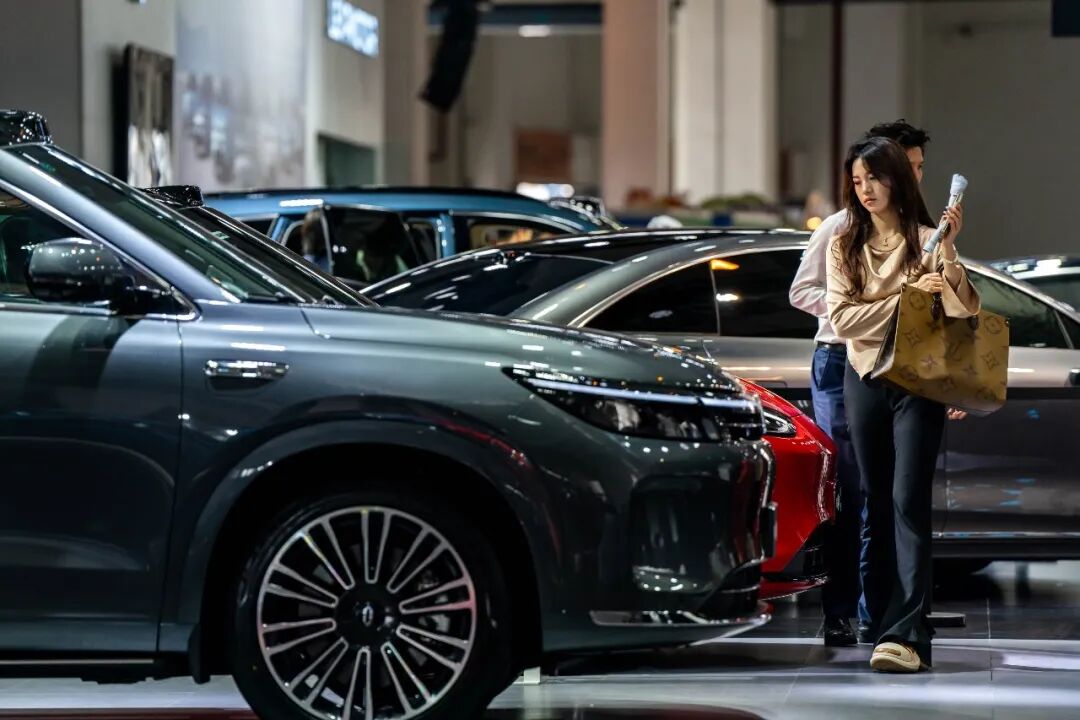
Final Verdict projects that domestic passenger vehicle sales are likely to plummet by approximately 20% year-on-year in the first half of this year. Meanwhile, vehicle exports are expected to surge to around 5 million units, marking a staggering 60%+ year-on-year increase. According to the China Association of Automobile Manufacturers (CAAM), from January to May 2026, China's cumulative automobile exports soared by 53.8% year-on-year, with export values jumping by 56.2%. Notably, new energy vehicle (NEV) exports skyrocketed by 78.5%, accounting for 71.6% of total exports and becoming the primary driver of overseas expansion.
China's automotive industry has bid farewell to the era of uniform growth and has stepped into a new phase characterized by “refining domestic segments while exploring overseas growth.” Globalization capability has emerged as the linchpin determining automakers' survival.
Overseas Expansion Soars While Domestic Growth Stalls
The first half of the year was defined by “strong exports and weak domestic performance,” a hallmark of the auto market, with significant performance disparities among automakers.
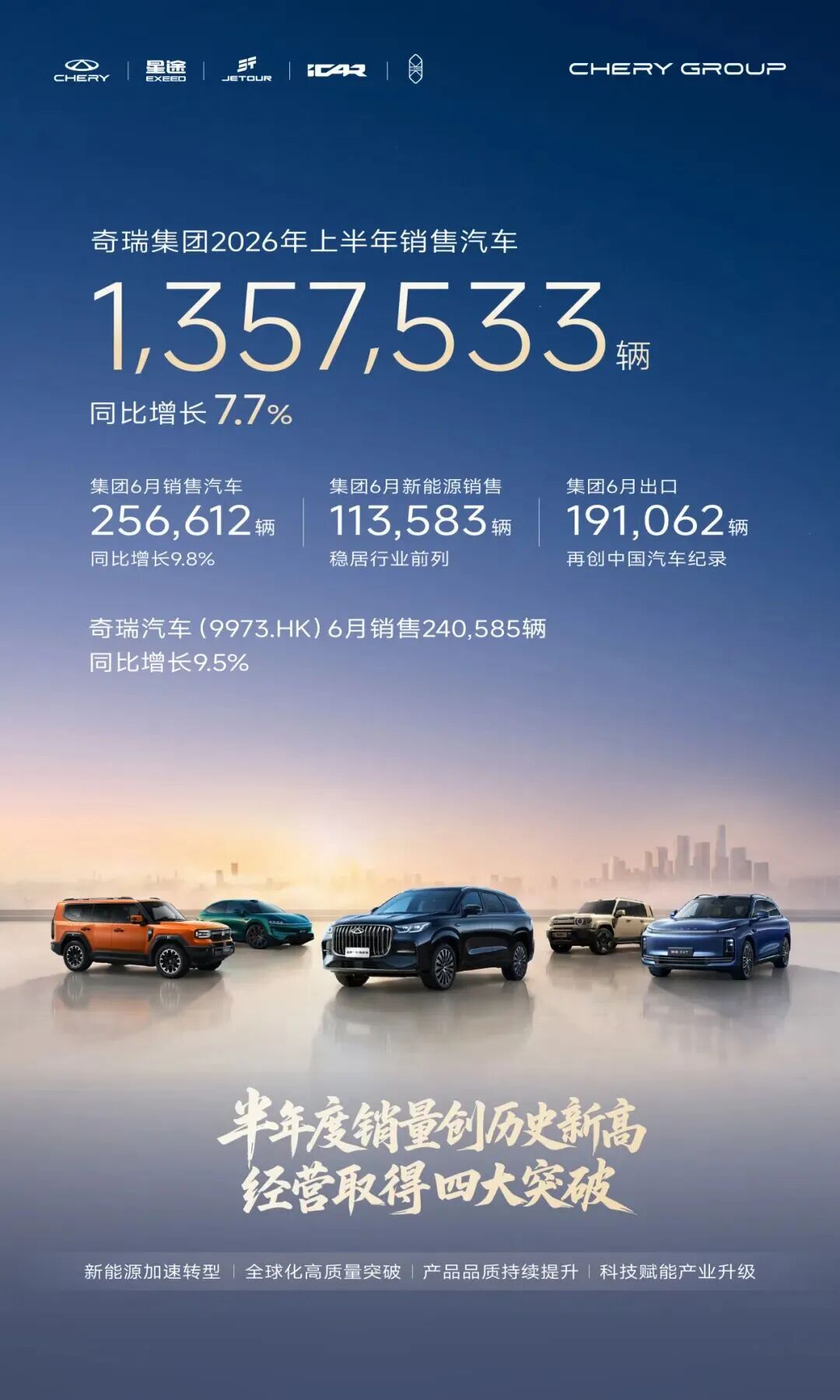
Self-owned brands with a strong overseas focus generally achieved remarkable results. Chery Group stands as a paragon for Chinese automakers going global, with its overseas presence continually strengthening. On July 3, Chery officially acquired Nissan's Roslyn plant in South Africa, further solidifying its localized manufacturing capabilities in Africa. Since exporting complete vehicles in 2003, Chery has topped China's automobile export rankings for 23 consecutive years, with a global footprint spanning over 80 countries and regions. In the first half of the year, Chery's total sales exceeded 1.35 million units, with exports nearing 944,000 units, a 71.5% year-on-year increase. Overseas sales accounted for over 70% of its total. Leveraging its mature overseas channels and production capacity, Chery significantly alleviated domestic operational pressures, with NEV sales exceeding 475,000 units in the first half. It has established a stable triangular business model encompassing fuel vehicles, NEVs, and overseas markets.
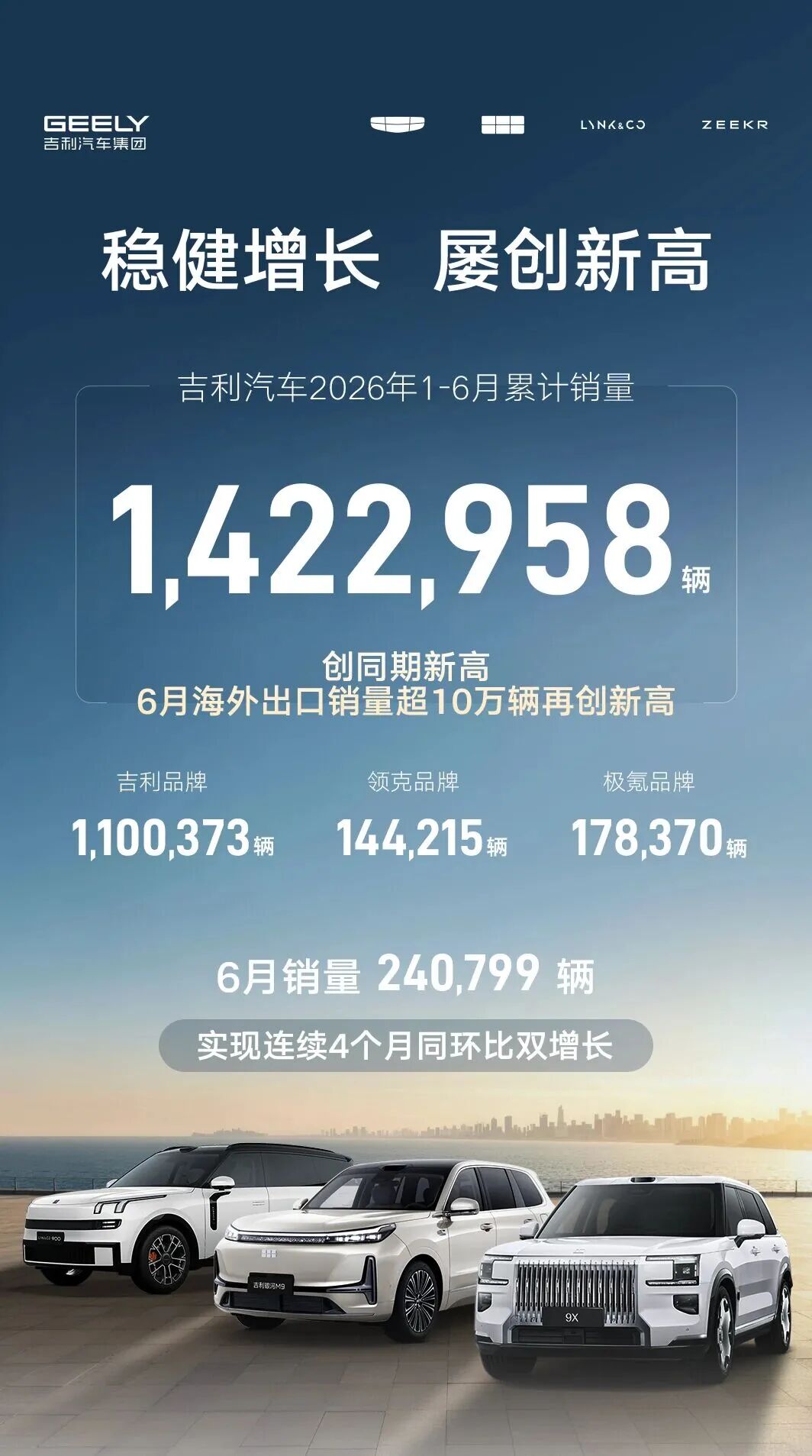
Geely Automobile's total sales in the first half of the year surpassed 1.42 million units, a record high, with overseas exports reaching 474,000 units, a 158% year-on-year increase. Its half-year exports already surpassed its total for 2025. Geely has upgraded its product mix for overseas markets, with NEV exports accounting for nearly 60%, becoming the core driver of overseas growth. By empowering both domestic and overseas markets, Geely remains firmly entrenched in the industry's top tier.
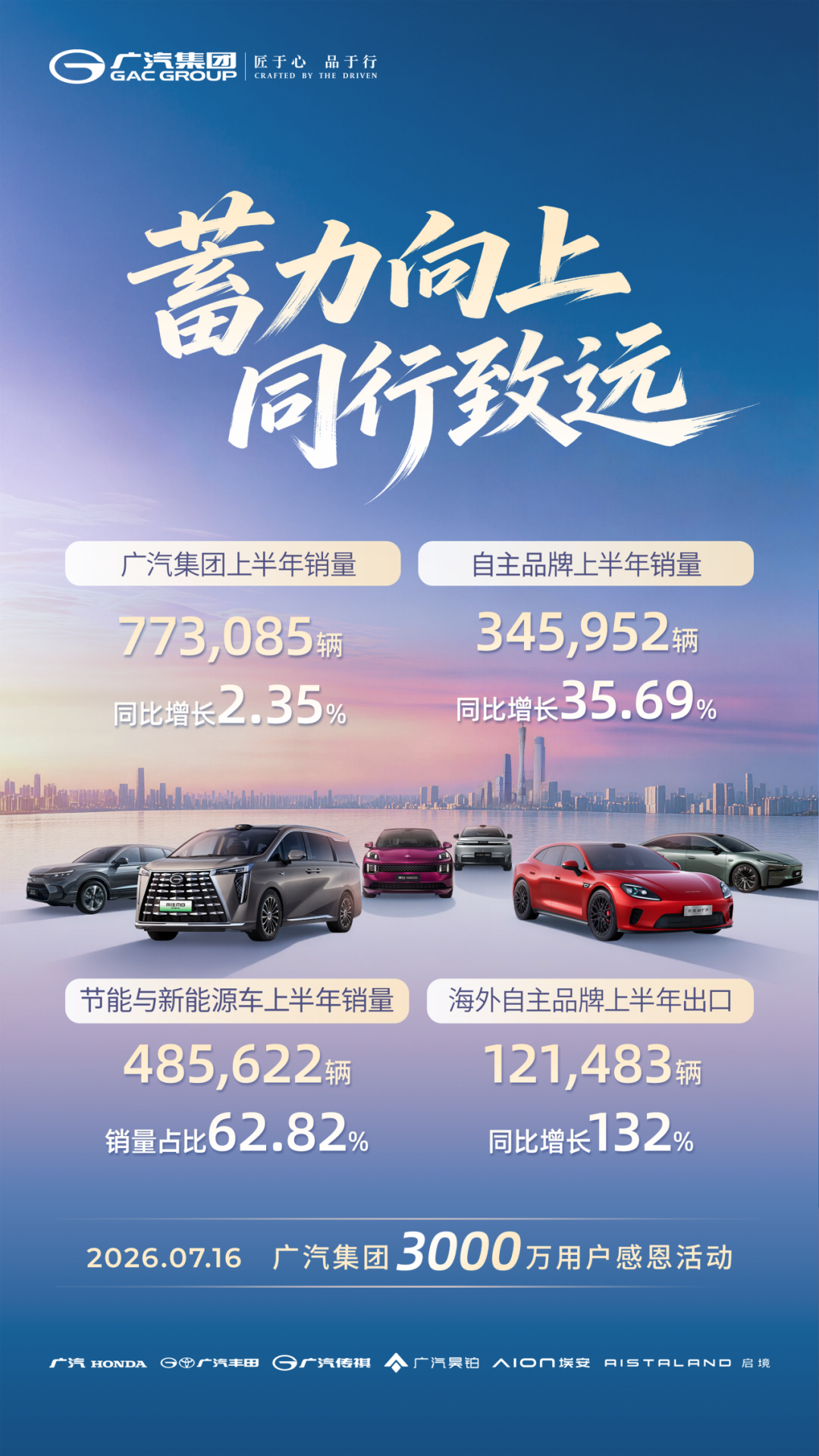
Traditional automakers such as SAIC, Changan, GAC, and Great Wall Motors also leaned on overseas markets to hedge against domestic pressures. SAIC led the industry with total sales of 2.045 million units in the first half, including 735,000 overseas units, a 48.7% year-on-year increase. Changan delivered 402,000 units overseas, while GAC's self-owned brand exports doubled year-on-year. Great Wall Motors' overseas sales in June accounted for nearly half of its total monthly sales, stabilizing its brand position despite declining domestic NEV sales.
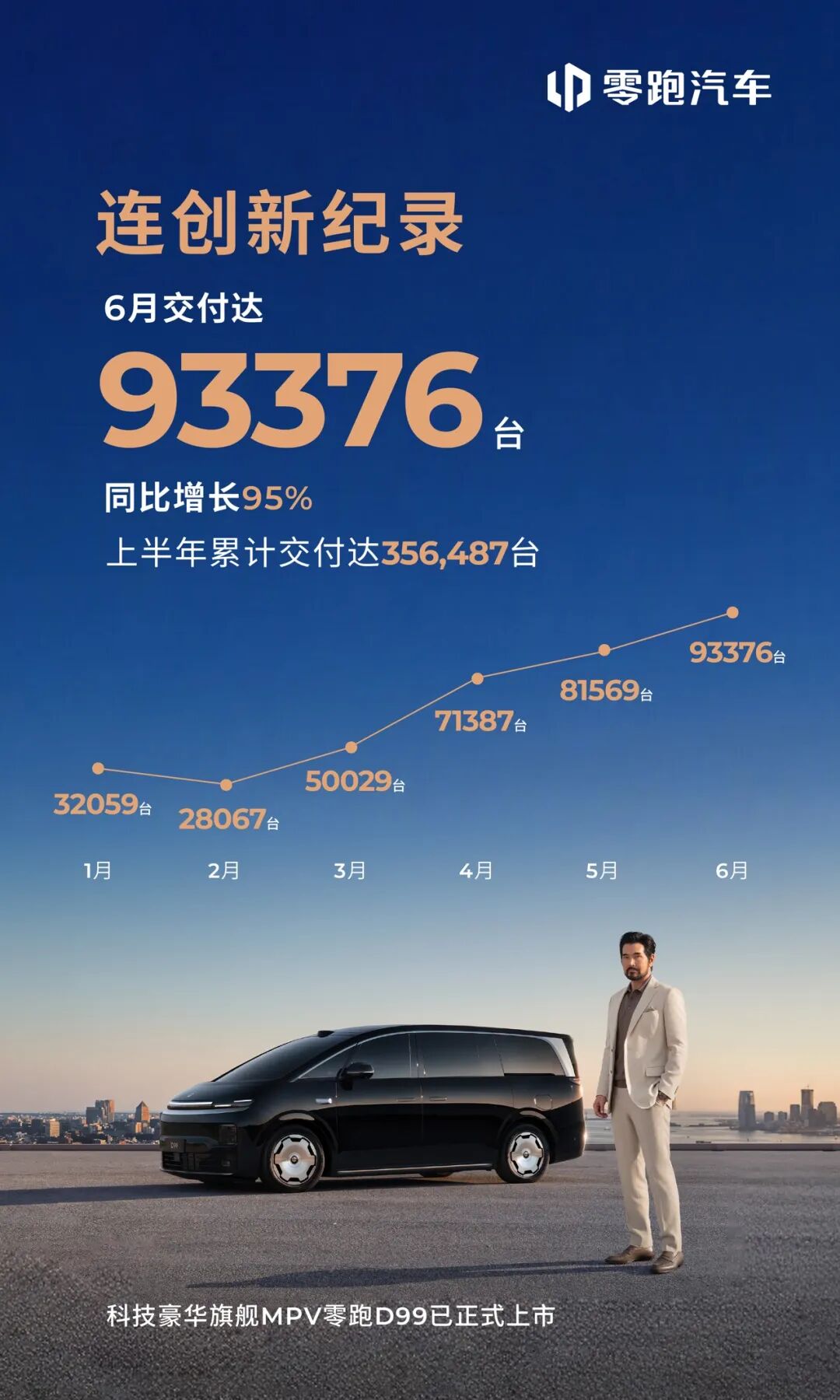
Among new automotive forces, Leapmotor led the way in establishing overseas channels, with exports in the first half surpassing its total for the previous year. It captured a significant share of the European market, with overseas sales driving a 95% year-on-year surge in June sales, topping the new force sales chart.
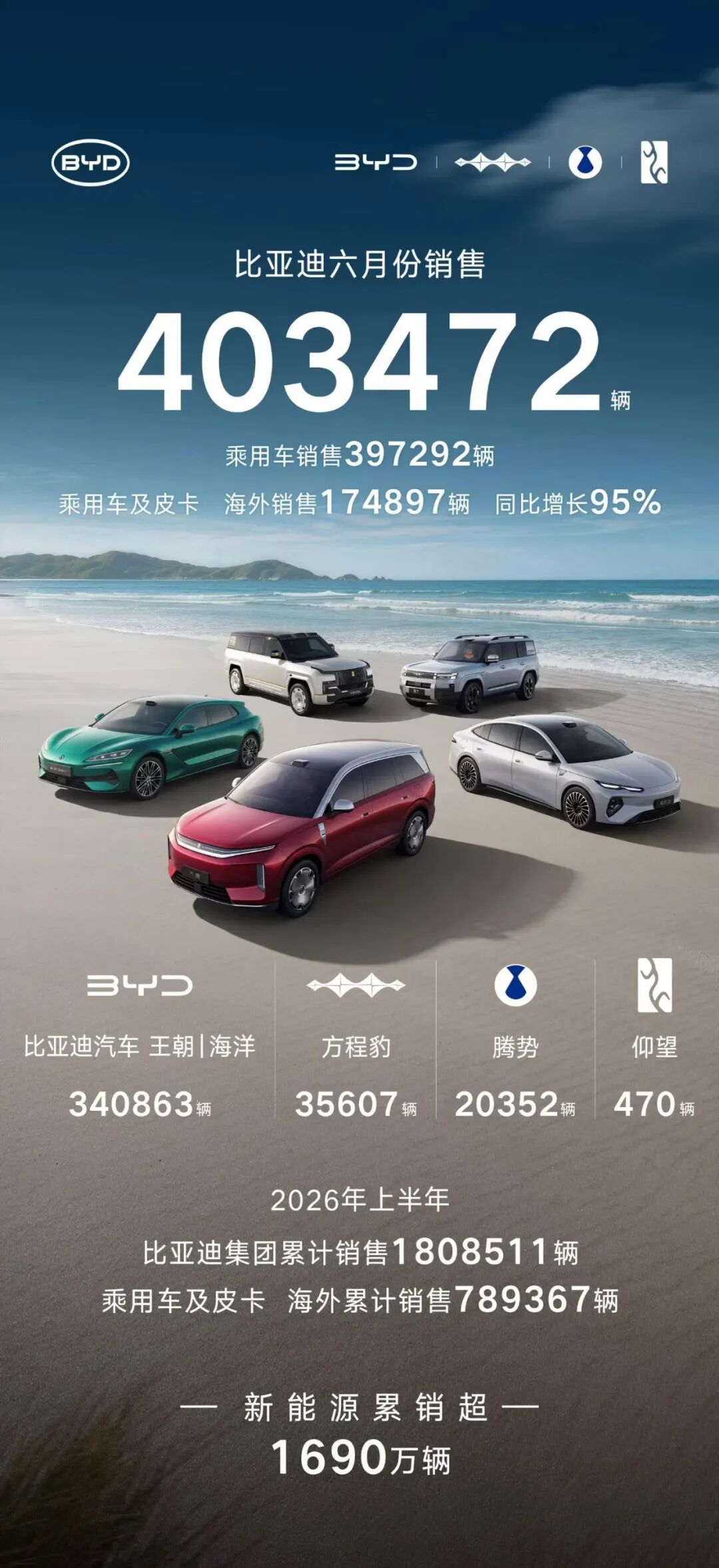
BYD's cumulative group sales in the first half reached 1,808,511 units, with monthly sales rising to 403,472 units in June. Its overseas performance was particularly outstanding, with passenger vehicle and pickup truck exports reaching 789,367 units in the first half and 174,897 units in June, a 95% year-on-year increase. Overseas markets have become a crucial growth pole. Currently, BYD's cumulative NEV sales have surpassed 16.9 million units, with a multi-brand matrix covering all price segments, including Wangchao, Ocean, Fangchengbao, Denza, and Yangwang. However, it remains deeply entrenched in fierce domestic competition in mainstream segments.
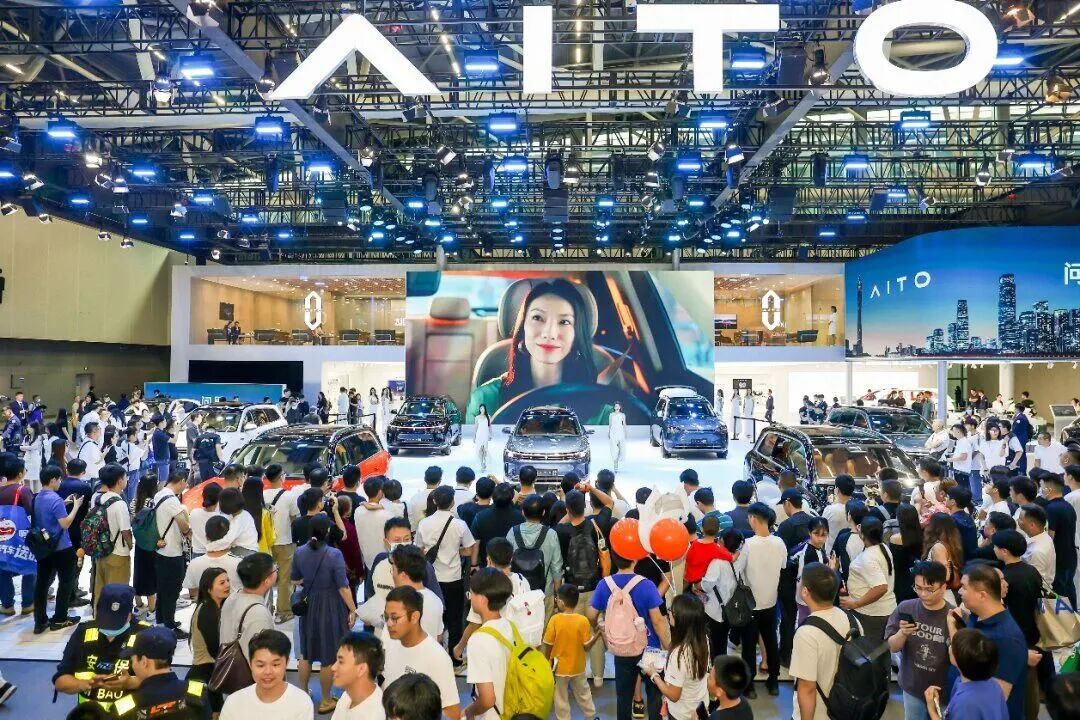
In contrast, brands deeply rooted in the domestic market generally face tough times. Xiaomi Automobile delivered 169,000 units in the first half, completing only 30% of its annual target of 550,000 units, with slower-than-expected ramp-up. Hongmeng Zhixing delivered 50,600 units across its lineup in June, with its main model, Aito, declining 12% month-on-month. The cultivation of new brand matrices has been slow. Numerous small and medium-sized new forces and traditional automaker-derived brands without overseas presence are stuck near the 23,000-unit sales threshold, facing stagnant growth and shrinking survival space.
Starkly Different Market Environments Create a “Tale of Two Halves”
From a domestic perspective, the market has entered a phase of intense competition between a “red ocean” of domestic rivalry and a “blue ocean” of incremental growth.
On one hand, China's automobile ownership has surpassed 350 million units, nearing saturation. Consumers are extending their vehicle replacement cycles to 5-7 years, capping overall market growth. Brands are now vying for existing users.
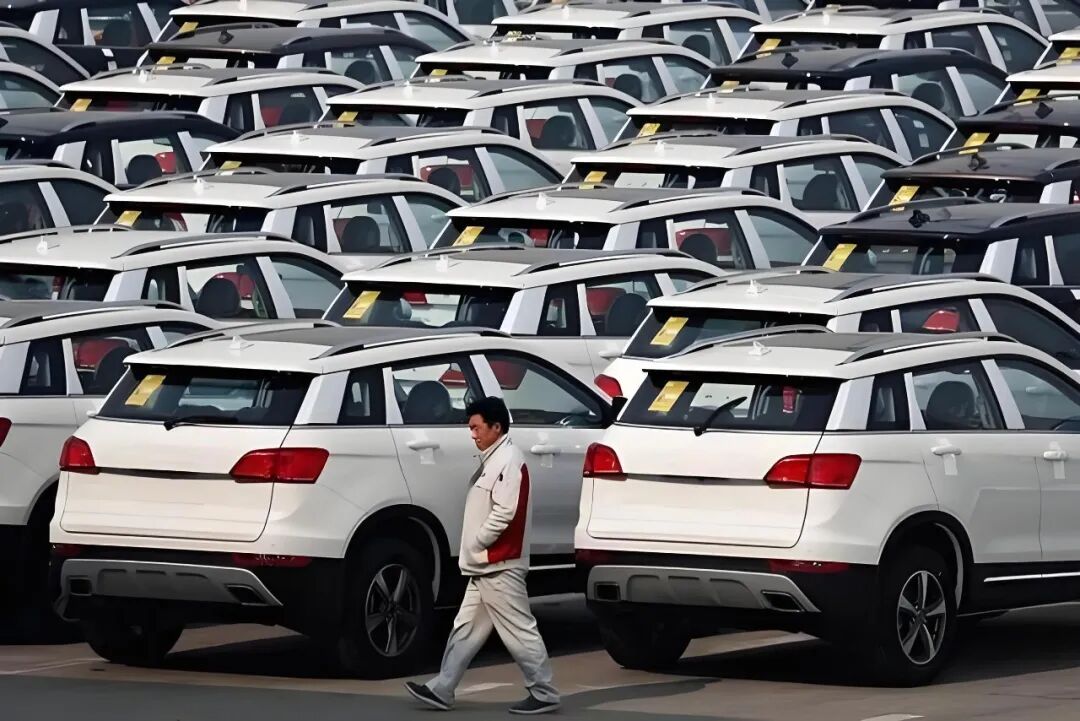
On the other hand, domestic market competition continues to escalate, with price wars and product battles raging across segments, from mainstream hybrid and pure electric family vehicles to mid-to-high-end models. Homogenized competition is severe. Leading brands leverage their scale, channel, and technological advantages to capture market share, exacerbating the Matthew effect. Small and medium-sized brands face declining bargaining power and shrinking profits.
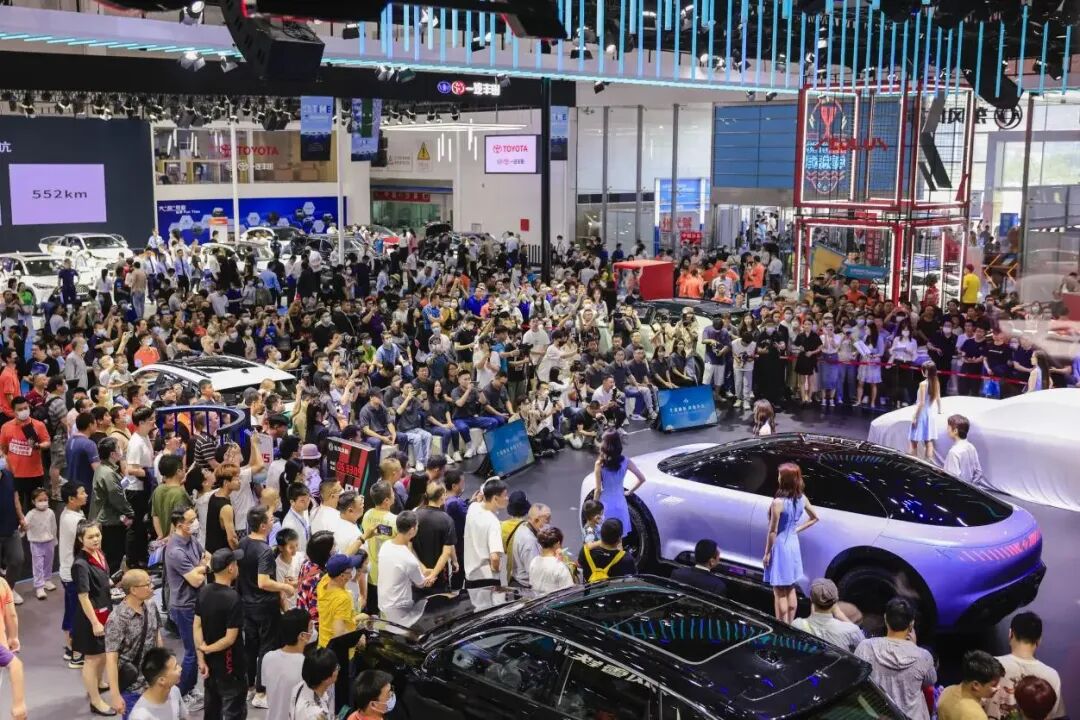
Meanwhile, domestic users' demands for products and services continue to rise. Brands seeking to break through must invest heavily in R&D and marketing, further increasing operational burdens. Relying solely on the domestic market means being trapped in a zero-sum game, with growth fatigue becoming the norm.
Overseas markets, in contrast, represent a vast new blue ocean with multiple advantages.
First, most overseas regions still offer ample growth space in their automobile markets, with diverse consumer demands. Automakers can tailor products to market characteristics without engaging in cutthroat price wars, ensuring more sustainable profit margins.
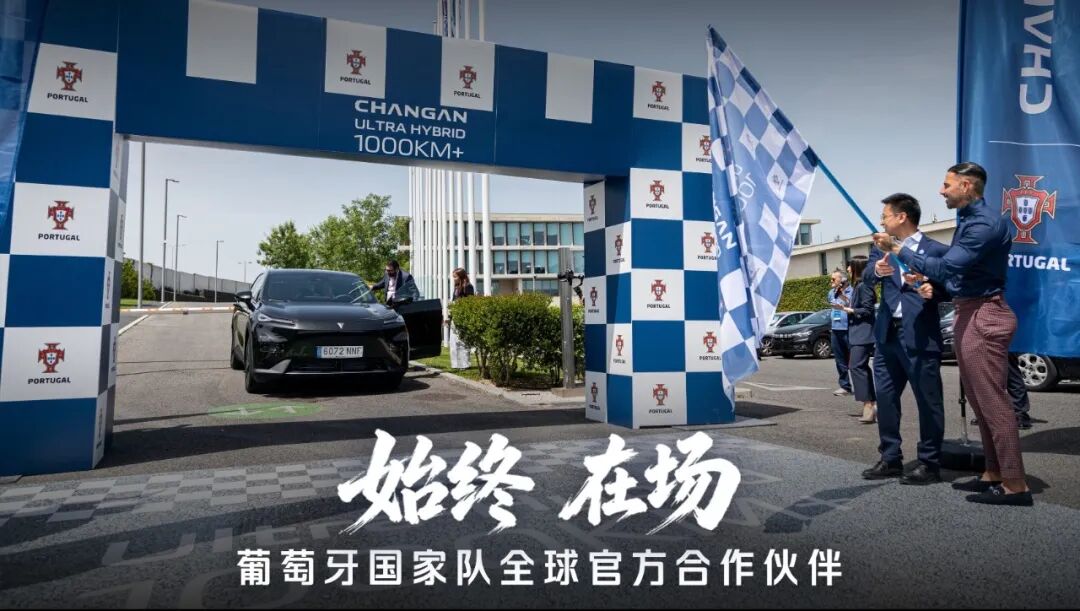
Second, China's automobile exports are no longer reliant on low-priced fuel vehicles. NEVs and intelligent models now lead the charge, leveraging core technologies to penetrate high-regulation, high-value markets like Europe and Australia, steadily enhancing brand premium capabilities.
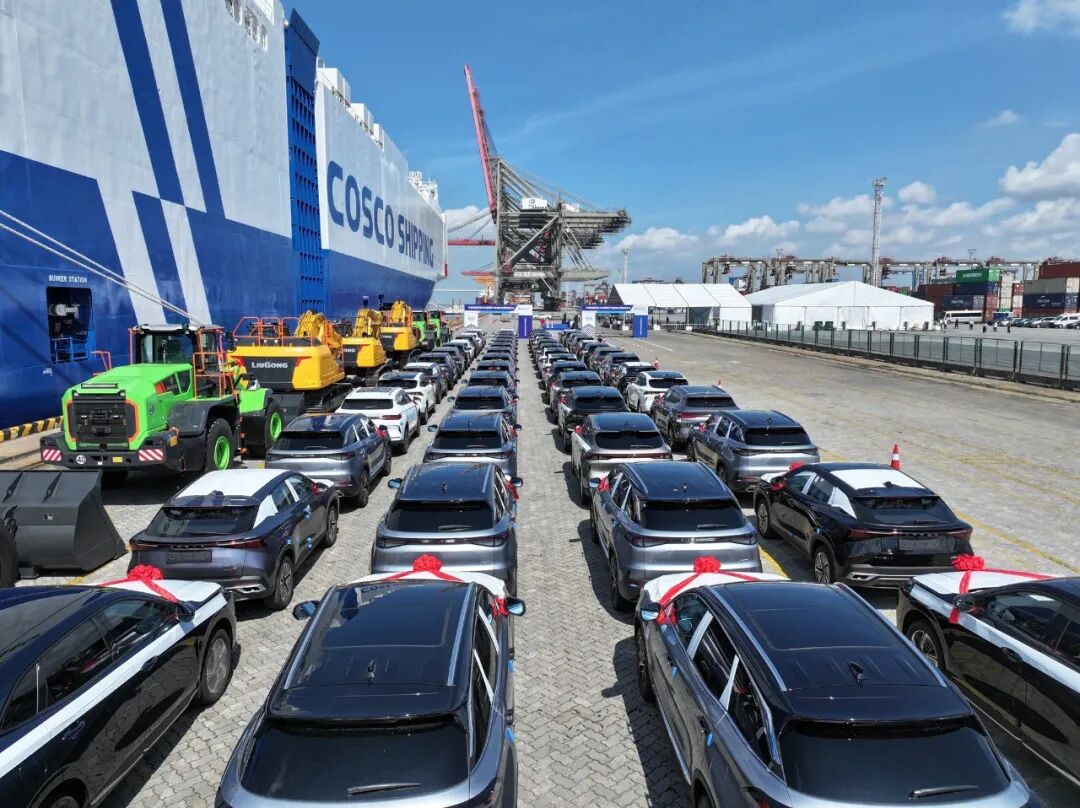
Third, globalization helps diversify operational risks. Fluctuations in a single regional market do not impact overall corporate operations. Massive overseas sales can spread R&D, production, and supply chain costs, creating economies of scale that support domestic operations. This is why automakers with overseas presence exhibit stronger risk resistance and more stable development.
Dual Internal and External Circulation Becomes Mainstream, Globalization as the Survival Baseline
First, a dual internal and external drive strategy has become mainstream. Going global is no longer an “added bonus” for automakers but a “survival baseline.” With domestic market growth capped, relying solely on the local market can no longer sustain long-term corporate development. Overseas markets have officially upgraded to a core growth pole. AlixPartners predicts that China's automobile exports could reach 10 million units in 2026, 2.5 times Japan's volume, making it the world's first country to export over 10 million vehicles annually. Currently, mainstream self-owned brands have established internal and external linkage models, with leading new forces also launching overseas plans. Chery's takeover of the South African plant and other localization efforts vividly reflect the implementation of globalization strategies. Automakers unable to achieve globalization will struggle to withstand market cycle fluctuations.

Second, export models have transitioned from “volume-focused” to “quality-focused.” Early overseas expansion relied on low-priced fuel vehicles to tap into low-end markets. Today, NEVs dominate exports, with automakers targeting high-regulation, high-value overseas regions. Leveraging core technologies in electrification and intelligence, Chinese automobiles have shed their low-cost labels, continuously upgrading their global brand image.
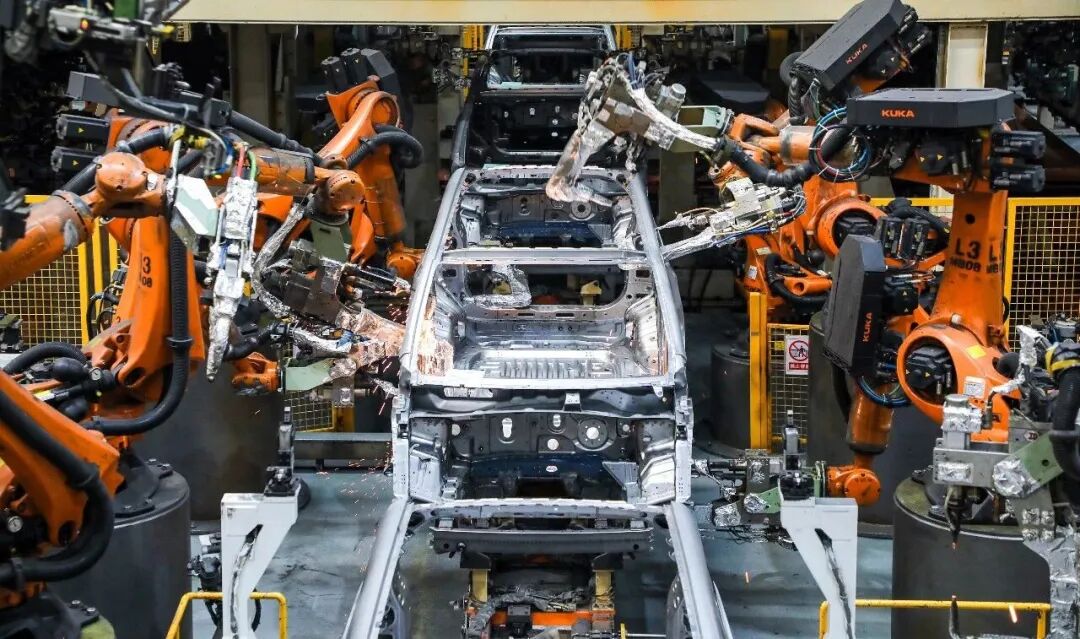
Finally, the industry is shifting from extensive expansion to high-quality development. Intense domestic competition is forcing automakers to strategically retreat, halting blind brand and model expansions to concentrate resources on core technologies, mainstay models, and advantageous segments. For instance, Great Wall Motors is advancing global brand unification, while several automakers have launched “cost-reduction, efficiency-enhancement, and strategic streamlining” plans. Cost reduction, efficiency enhancement, and a focus on core businesses have become industry norms, with core technologies such as batteries, intelligent driving, and smart cockpits determining long-term corporate competitiveness.
The market divergence in the first half of 2026 is an inevitable outcome of industrial transformation and upgrading. For domestic automakers, the path forward is clear: refine niche segments domestically, hone products and technologies, and solidify their local market position; while accelerating globalization efforts overseas to tap into new growth and diversify operational risks. In this new industry landscape, only by adhering to technology-driven strategies and maintaining a global perspective can automakers weather industry reshuffles and drive sustained upward development in China's automotive industry. (End)
-
Has the Semi-Annual Achievement Rate Dipped Below 40%? Can AIVA Circumvent the 'Multi-Shareholder Death Spiral'?
-
![]()
Stepping Out of the Humanoid Robot Concept: Why is Autonomous Driving the First Large-Scale Implementation Track for Physical AI?
-
![]()
WPS: Criticism Warranted, Yet Open to Improvement
-
![]()
Farewell to Image-First: Robotic Vision is Undergoing a Fundamental Reconstruction
-
![]()
Former Huawei 'Genius Teen' Encounters a 'Hiccup' in DeepSeek's Recruitment Process
-
![]()
WPS Remains Unchanged; It’s the Users’ Perception of “Free” That Has Shifted
-
![]()
Who Will Be the Final Winner in the Imaging War Between Insta360 and DJI, Who Are 'Stealing' Each Other's Home Turf?
-
![]()
Vanishing Humans: Is AI Taking Over the Internet?", "AI Traffic, Human Traffic, Web Access, Advertising Value, Content Ecosystem