AI Titans Are All in the Red: Time for Intelligent Driving Car Buyers to Reassess?
 07/24 2026
 449
449
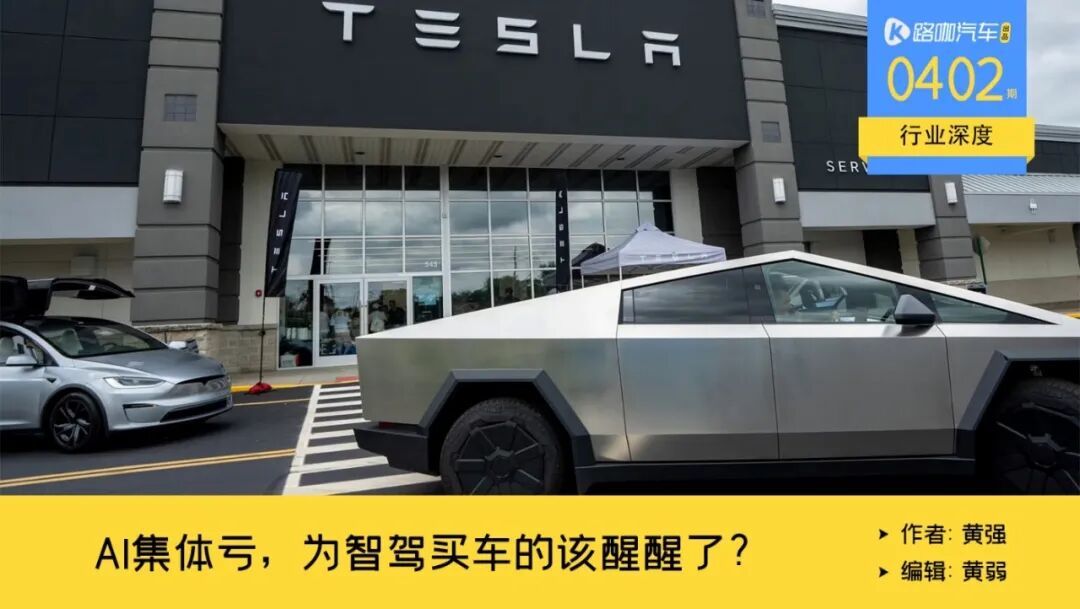
When every mainstream forecast on Wall Street proves accurate, it's time for the level-headed to reassess their understanding of "intelligent driving."
In late July, the second-quarter financial reports of global AI giants were released sequentially, revealing no surprises, no deviations, and no miracles. They remained firmly within the bounds predicted by financial analysts.
So far, Alphabet (Google's parent company) and Tesla have unveiled their second-quarter financial results, followed by Intel, Microsoft, Meta, Amazon, and NVIDIA. These tech behemoths, whose market caps and stock prices make them truly global powerhouses (NVIDIA's market cap, for instance, once surpassed the nominal GDP of Germany, the world's third-largest economy), collectively shape the global trajectory of AI.
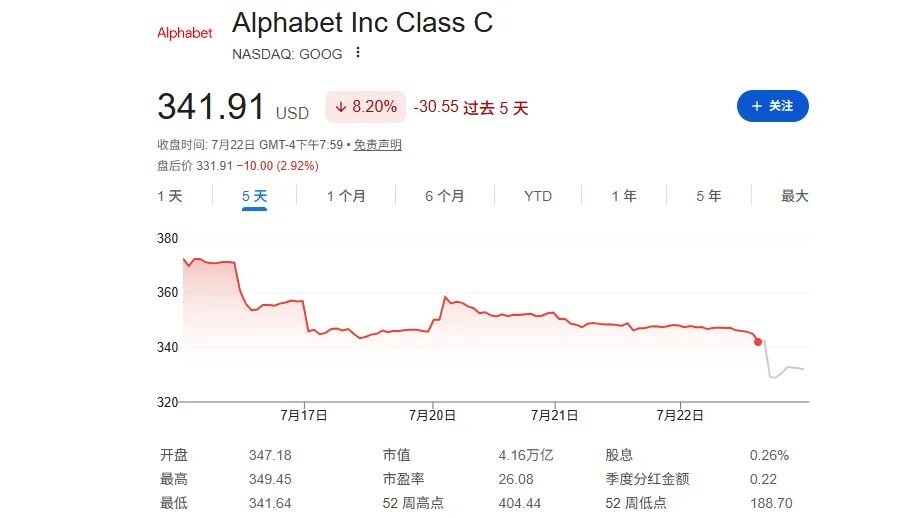
Forecasts for Alphabet (Google's parent company) suggested robust performance, but with substantial AI investments, the question loomed: when would the return on investment (ROI) materialize? For Tesla, sales were expected to rise, but profits were anticipated to fall. The magnitude of the profit decline would indicate Tesla's likelihood of fully transitioning into an AI company. And none of this defied expectations. 
Is the future of AI such that only new iterations will hold value?
Invest, even if it means reinvesting all earnings.
This is the consensus gleaned from the latest financial reports.
First, let's examine Alphabet, Google's parent company. Its revenue, cloud business growth, and earnings per share all exceeded forecasts. However, due to significant AI infrastructure investments, its free cash flow turned negative for the first time.
In layman's terms, Google's existing businesses remain profitable and are becoming more so. Yet, in the AI sector, it's uncertain when the current massive investments will yield returns.
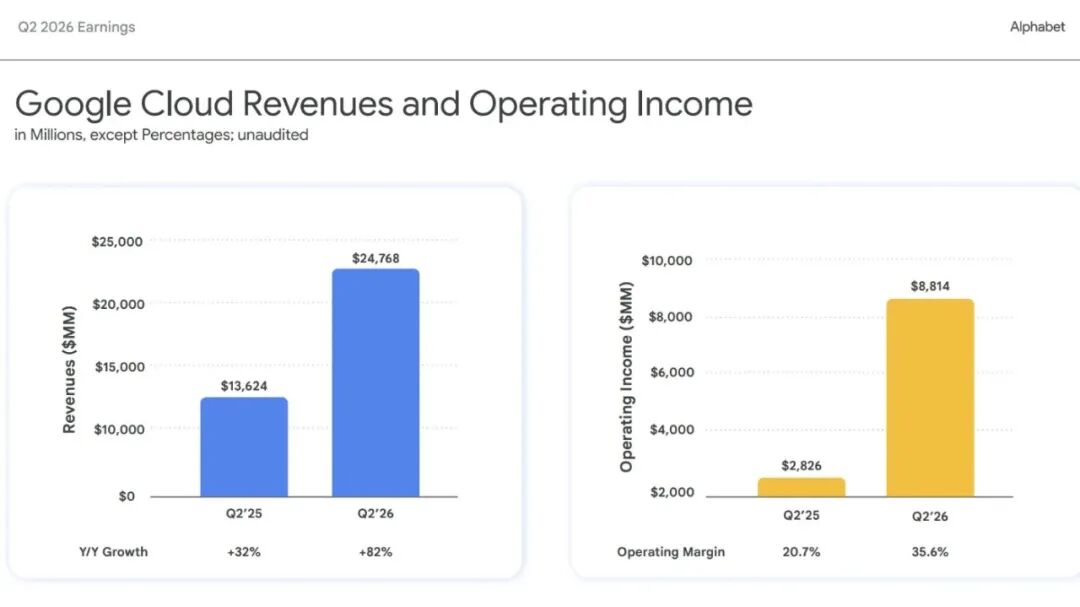
Total Revenue: $119.8 billion, up 24% year-over-year. Operating Profit: $40.77 billion, up 30% year-over-year. Google Cloud: Revenue surged 82% to $24.8 billion, with a cloud backlog exceeding $500 billion. Other service revenues approached $100 billion. In short, everything is on the upswing.
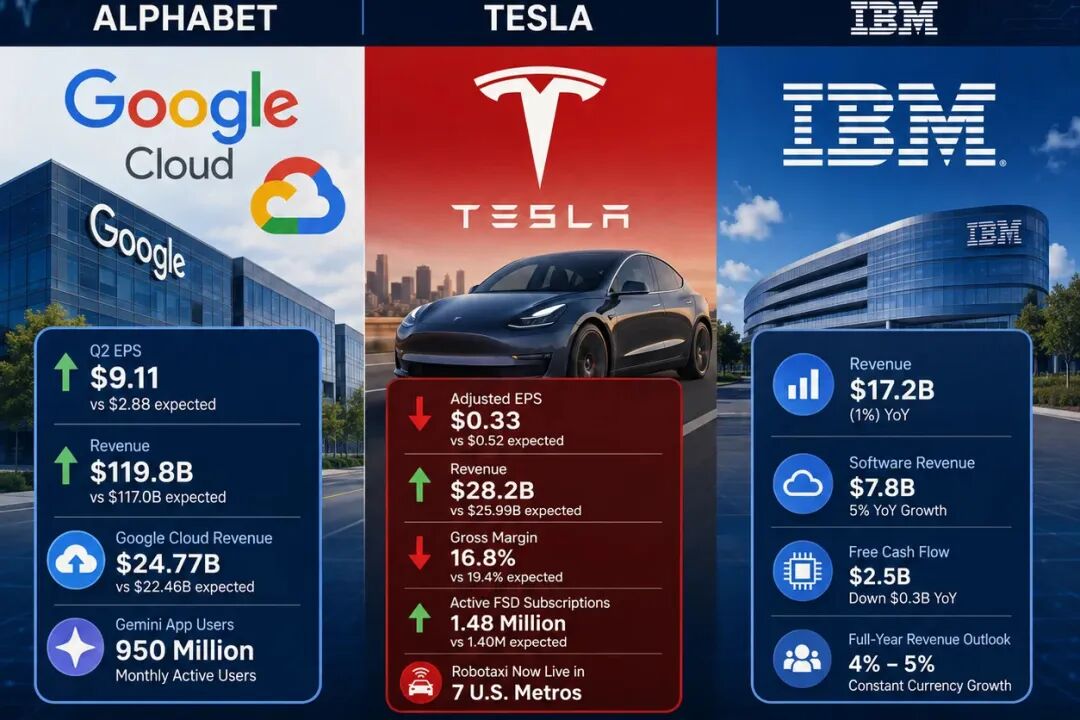
However, it's noteworthy that in terms of AI, the total capital expenditure for the second quarter was $44.92 billion. Due to massive investments in equipment and data centers, free cash flow for the quarter was negative $5.9 billion, marking the first negative cash flow in the company's history. Moreover, it plans to further increase its annual capital expenditures, originally planned at a maximum of $190 billion, now adjusted to $195-205 billion. It has also preemptively announced that it will continue to ramp up investments in 2027.
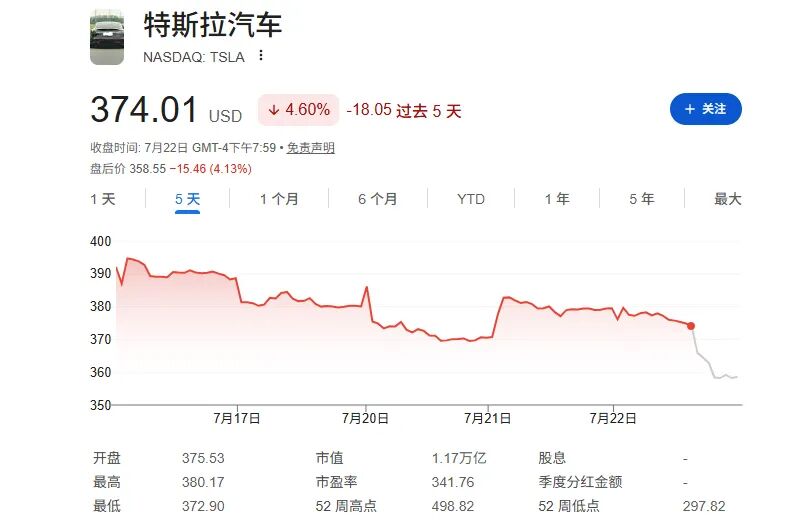
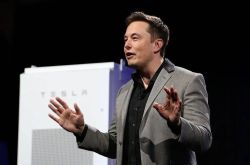
Now, let's turn to Tesla. Its second-quarter revenue reached $28.24 billion, up 26% year-over-year, setting a new historical high. Revenue for the past 12 months exceeded $100 billion for the first time. Quarterly sales hit a record 480,000 vehicles, up 25% year-over-year, far exceeding expectations of 407,000. However, to boost sales, profits plummeted. Adjusted earnings per share were $0.33, well below market expectations of $0.53. GAAP operating profit plummeted 57% to $398 million, and the operating margin shrank from 4.1% to just 1.4%.
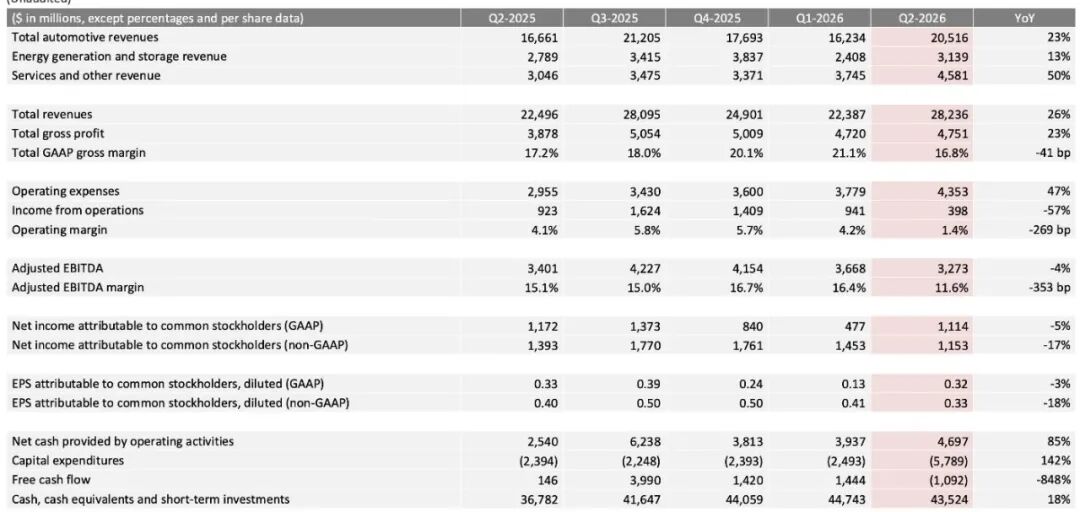
A closer look reveals that the most critical data point is the gross margin. In the first quarter of 2026, it was 21.1%; in the second quarter, it was 16.8%; and in the second quarter of 2025, it was 17.2%, well below market expectations of 19.4%.
Wall Street closely monitors Tesla's gross margin because once the vehicle's gross margin increases year-over-year, it signals that the worst of the global automotive market is over. Therefore, Tesla is not currently in a favorable position. Alphabet is seeing revenue and profit growth while pouring massive funds into AI. Tesla, on the other hand, is experiencing revenue growth without corresponding profit increases, yet it is also pouring massive funds into AI.
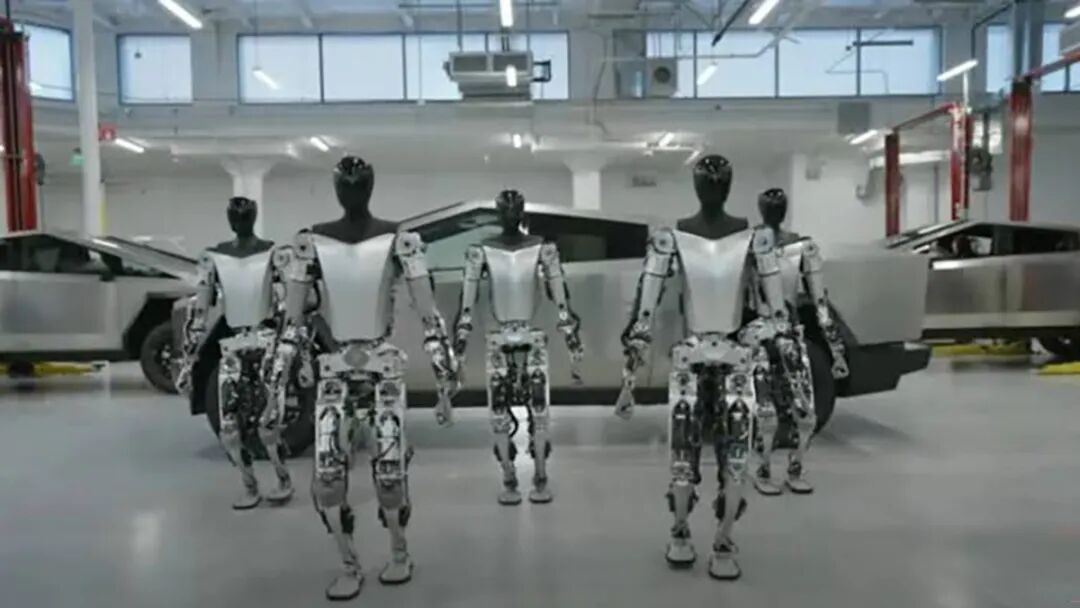
Key data for the second quarter shows that operating expenses increased 47% year-over-year to $4.35 billion, and capital expenditures surged 142% to $5.79 billion, all allocated to AI infrastructure, Robotaxi, and Optimus. Currently, Tesla's free cash flow for the second quarter has turned negative at negative $1.09 billion, compared to $1.44 billion in the first quarter.
However, with Musk at the helm, Tesla has significant leeway in financial operations. It's important to note that both AI giants are currently attempting to seize AI-related first-mover advantages and technological high ground at any cost.
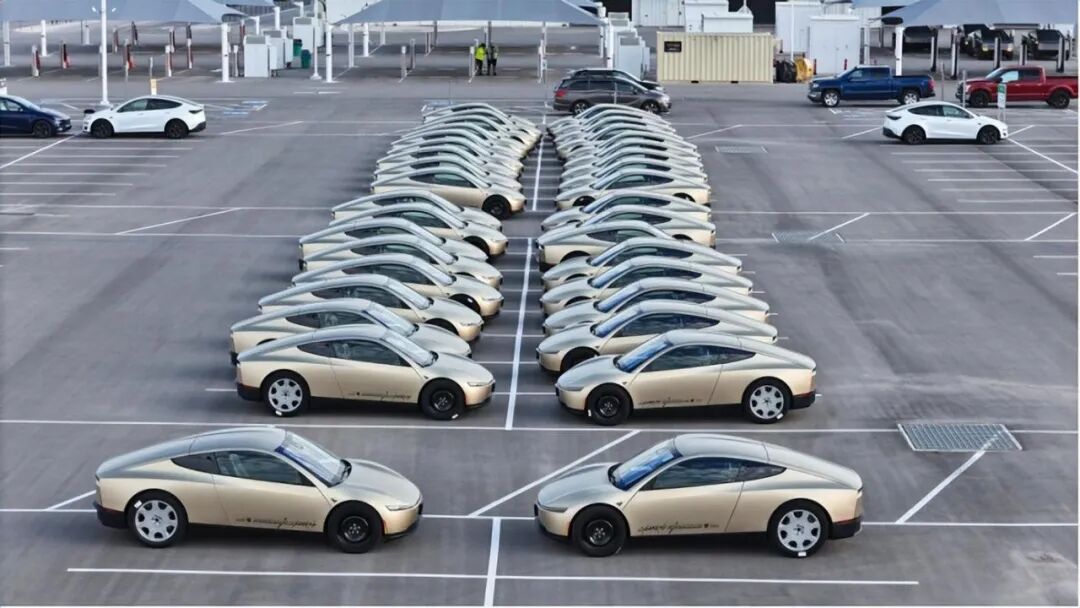
A closer look at the current investment scale reveals that Alphabet's single-quarter related expenses are approximately RMB 304 billion, while Tesla's are around RMB 39.3 billion.
These figures create a stark contrast when compared to the current investments by Chinese automakers.
Based on relevant information in the financial reports, the AI capital expenditures for the first quarter of 2026 by automakers (unranked) are as follows:
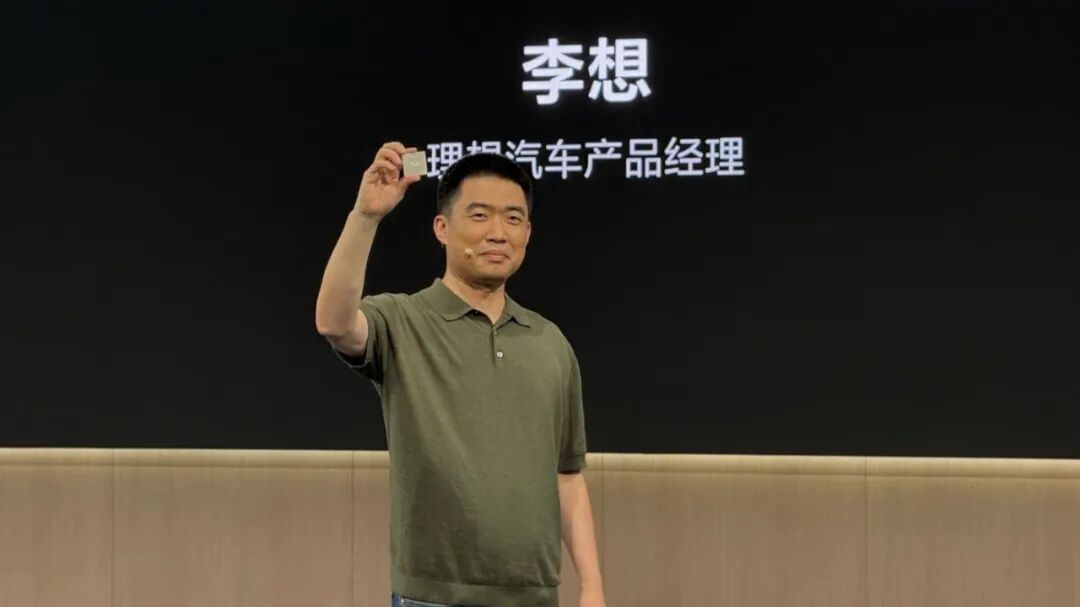
Li Auto: Approximately RMB 1.35 billion, with overall R&D expenses of RMB 2.7 billion, and AI accounting for about 50%.
NIO: Non-GAAP R&D expenses were RMB 1.708 billion. However, considering that many of its subsidiaries are also involved in AI, such as its chip subsidiary "Shenji Technology," which was spun off in June 2025 and attracted billions in related investments and cost-sharing.
XPeng: Did not separately break down AI expenses, with first-quarter R&D expenses of RMB 2.91 billion.
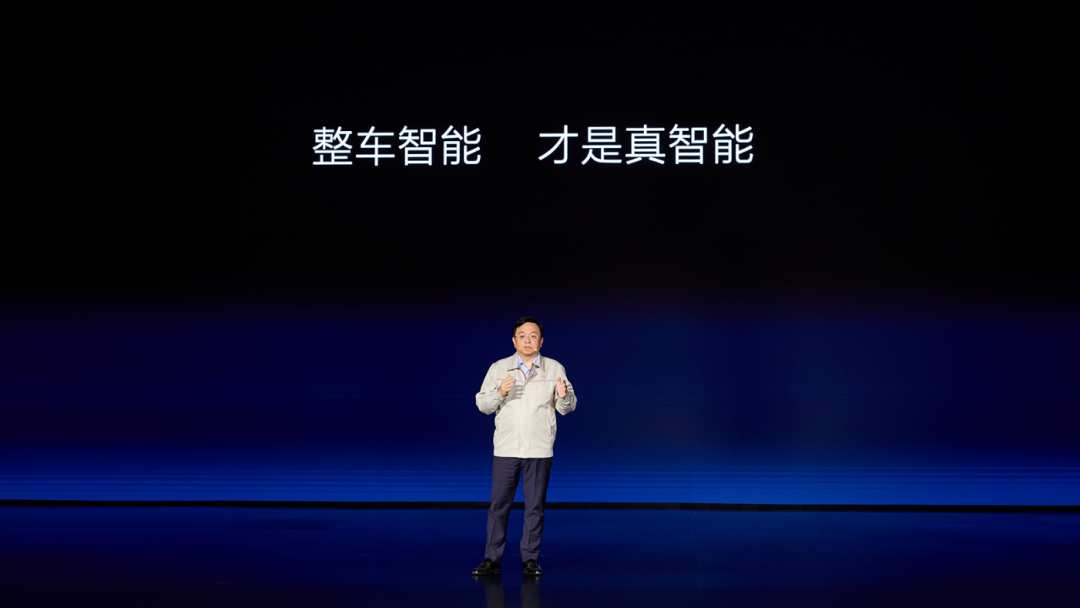
BYD: First-quarter R&D expenses were RMB 11.3 billion, publicly stating that it will focus on AI as the core breakthrough for intelligence and continue to invest over RMB 100 billion in R&D.
Geely: Overall R&D expenses were RMB 4.558 billion, without separately breaking down AI.
Therefore, adding up these public figures, the challenging aspect is that the combined AI investments by numerous Chinese automakers are lower than those of Tesla alone.
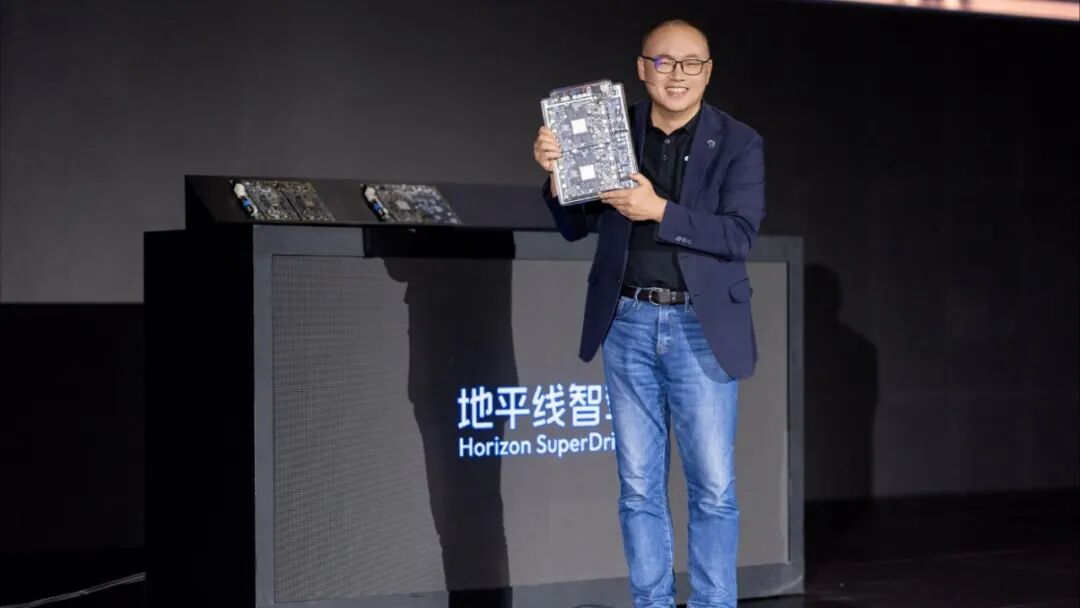
Massive investments mean that technology is rapidly undergoing a new round of iteration. Taking Tesla as an example, since entering V13, almost every significant version upgrade of FSD has brought many practical new capabilities. For instance, it can now back up slightly when encountering large vehicles to avoid collisions, and the latest version learns from the driver's habits. However, this contrasts sharply with the current perception of Chinese cars. For example, Yu Kai from Horizon Robotics suggested that "VLA, world models, and end-to-end" are more about marketing hype since leading automakers are all doing the same thing. Many automakers have also proposed that technology has entered a convergence phase, and the next stage will focus on details and product definition, etc.
Should those buying cars for intelligent driving wake up? It's worth noting that although other AI giants have not yet released their second-quarter financial reports, the general consensus on them has already formed.
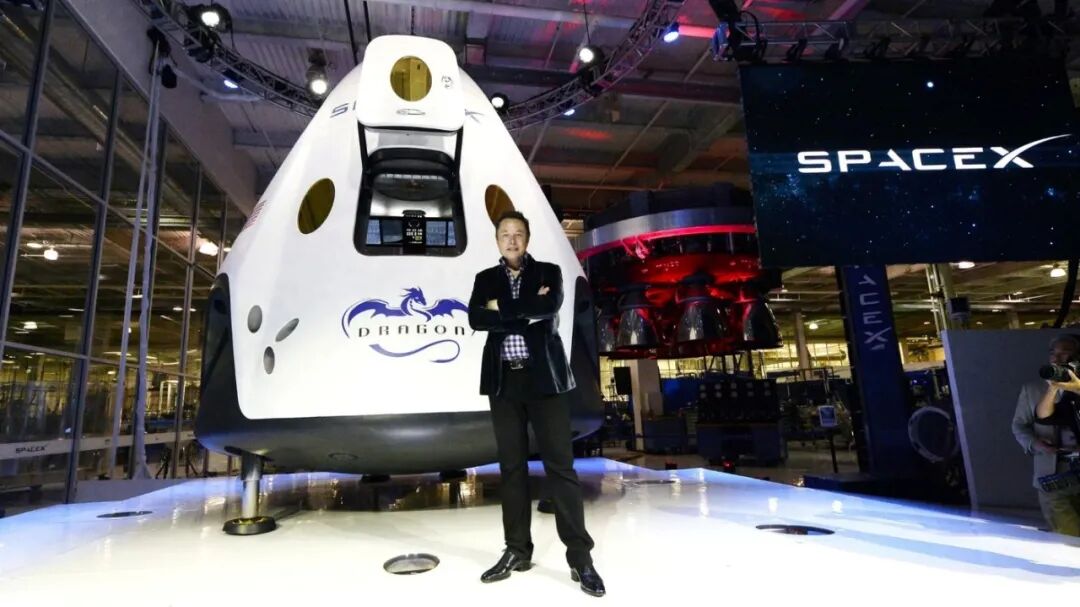
Alphabet's CFO said, "As long as investments yield significant returns, we will continue to increase them." Tesla needs no introduction, with SpaceX's construction involving grander strategies such as space computing power, edge computing, and extraterrestrial travel. In comparison, autonomous driving or AI is just a small part of Musk's grand vision.
Of course, all of the above must consider a larger variable, such as the ability of Chinese companies to conduct more efficient R&D and achieve greater productivity with limited funds, similar to Deepseek's previous impact on AI. However, the logic discussed here is largely irrelevant because in the business world, success is determined by transactions and returns. Whoever can win the consumers' vote with their wallets will be the next success story.
Nevertheless, all these actions indicate the arrival of the next consumption trend. The influx of another round of massive funds seeks not immediate returns but expected massive returns in the future.
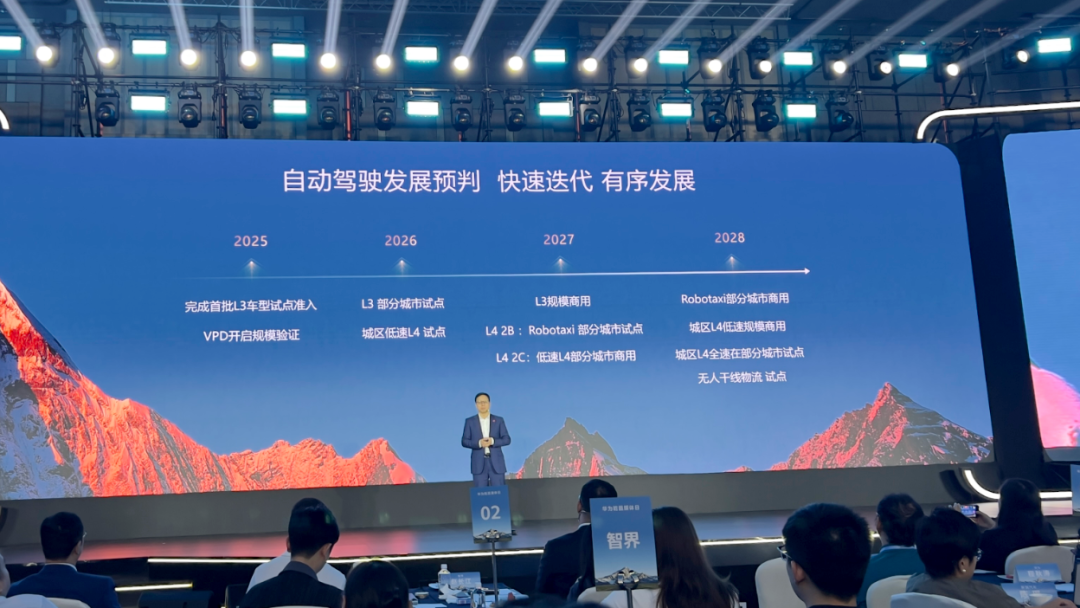
Additionally, when combined with the imminent large-scale commercialization of Level 3 autonomous driving in China's automotive AI sector,
Both point to the conclusion that most existing intelligent driving-related technologies will depreciate rapidly. With the arrival of Level 3, even if the initial prices are relatively high, it will render Level 2 intelligent driving assistance systems that cannot be upgraded worthless.
In the Chinese market, when an emerging trend industry rises, it often quickly drives down unit prices as the industry matures rapidly.
For example, the 2015 BAIC EV160 had a starting price of RMB 176,900, but the 2016 model sold for only RMB 87,800. A car with a range of only 150 kilometers would now almost only fetch scrap metal prices in the current market.
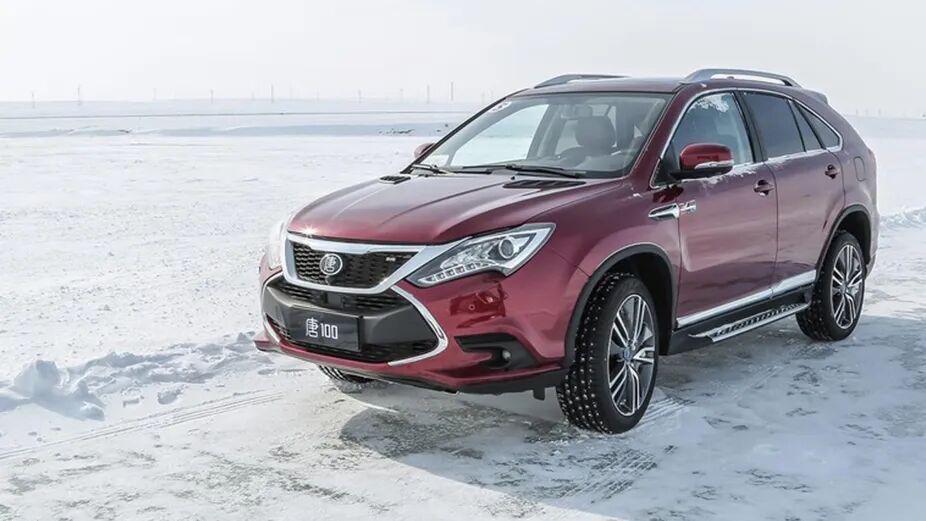
Another example is the BYD Tang. The 2015 model had a starting price of RMB 251,300, a figure that, without considering purchasing power parity, could now buy a BYD Tang with a pure electric range of 800 kilometers.
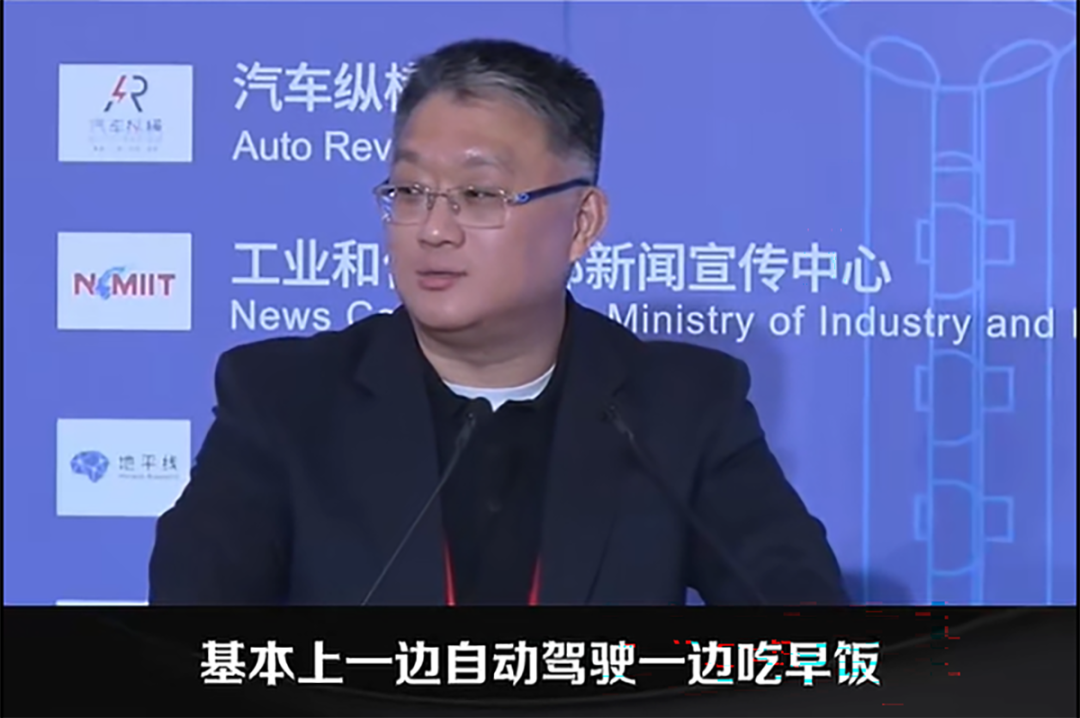
Currently, the popularity of intelligent driving assistance in the automotive circle is reaching new heights. Recently, Jia Jianxu, President of SAIC Motor, shared at a public conference that "whether a car can drive intelligently has now become a top priority when buying a car" and that "my wife basically eats breakfast while using driving assistance." This reflects the current lifestyle of many people regarding cars. Of course, there is considerable controversy over whether Level 3 tasks being performed by Level 2 systems is reasonable or legal.
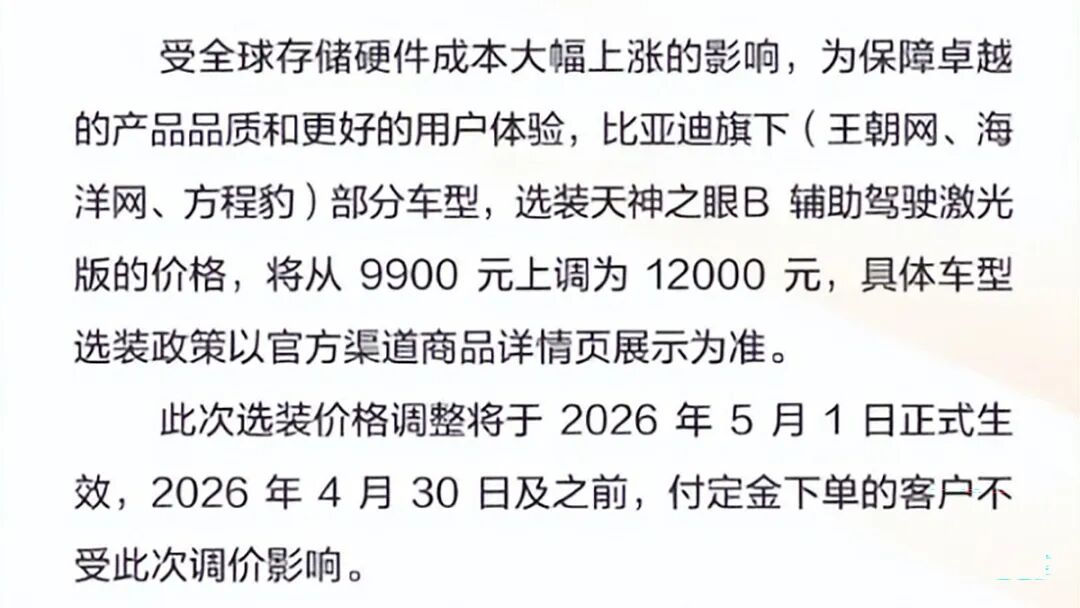
In short, intelligent driving assistance is becoming increasingly popular and widely accepted by the public. However, there are still many variables in terms of pricing. Some automakers charge for it; for example, Huawei's Qiankun Intelligent Driving Pro version costs 6,000 yuan after subsidies, the Max version is around 15,000 yuan, and the Ultra version, which supports L3, is even more expensive. BYD offers optional packages for several models at 12,000 yuan, while Chery charges 11,000 yuan for some of its models. Tesla's FSD currently has a buyout price of 64,000 yuan.
On the other hand, some automakers include the cost in the vehicle price. Models from Li Auto, XPeng, and several others equipped with Momenta's technology incorporate the price of intelligent driving assistance into the overall vehicle cost, as do brands like AUDI, Buick, Toyota, and Mercedes-Benz. NIO, for its part, currently offers five years of free usage.

At the same time, another crucial factor comes into play. The key reason that influenced Elon Musk's decision to pursue a pure vision technical route—namely, "LiDAR is too expensive"—is now outdated. Back then, LiDAR cost as much as $75,000, while today, the cheapest LiDAR is already priced in the thousand-yuan range (a few hundred dollars, considering the exchange rate and market context, though the original "thousand-yuan" is kept for cultural context).
So, the old adage still holds true: for consumers, it is vital to consider the overall situation and the broader context. Spending a substantial amount on a specific cutting-edge feature may lead to self-doubt after a certain period of time.
-
![]()
Focus | CCCC’s Takeover of Greentown Comes to Fruition: Why Did the 11-Year ‘Control Without Authority’ Era End?
-
![]()
Final Verdict: The 2026 China Auto Forum Shines with Unique Characteristics at a Pivotal Moment
-
![]()
Tencent Maintains Matrix Approach, Alibaba Merges Entry Points: Tech Titans Initiate AI Agent Consolidation
-
![]()
Geely Secures Portion of Ford’s Spanish Production Capacity
-
![]()
Tesla Stalls This Second
-
![]()
Elon Musk's 'Money-Burning' Spree: All Car Sales Profits Poured into AI
-
![]()
Why Did Tesla’s Profits Drop and Cash Flow Go Negative?
-
![]()
AI Titans Are All in the Red: Time for Intelligent Driving Car Buyers to Reassess?