Why Did Tesla’s Profits Drop and Cash Flow Go Negative?
 07/24 2026
 420
420
Recently, Tesla published its financial results for the second quarter of the year. If we had to sum up Tesla’s financial performance in four words, “mixed results” would be apt. Why do we say that?
Firstly, total revenue hit $28.236 billion, marking a 25.52% year-on-year increase and surpassing market expectations by nearly $2 billion. In terms of sales, cumulative deliveries reached 480,000 vehicles, a 25% increase from the previous year. This also exceeded market expectations of 406,000 vehicles by 18%.
Judging by these two sets of data alone, you’d be impressed by Tesla’s strong market performance in the second quarter. However, a closer look might surprise you. Besides the notable year-on-year growth in total revenue and sales, which also substantially outperformed expectations, Tesla experienced sharp declines in other areas compared to the same period last year. Let’s examine a few key indicators.
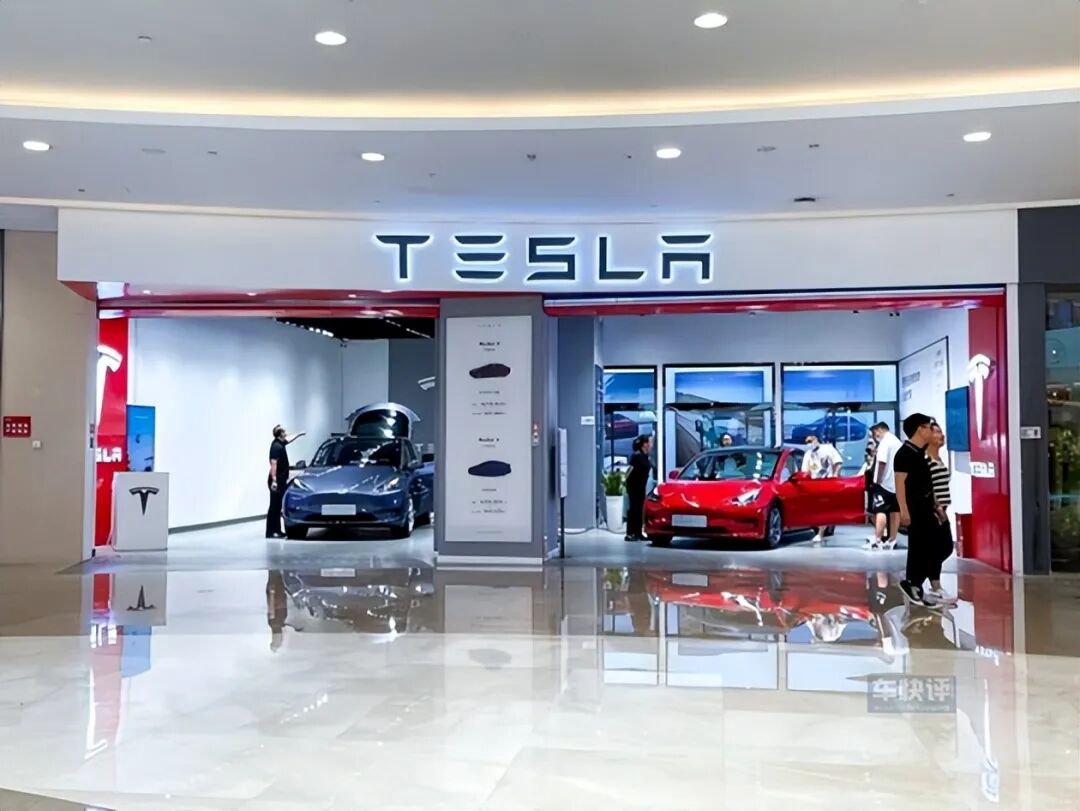
Firstly, the gross margin stood at 16.8% in the second quarter, representing not only a year-on-year decrease but also falling short of market expectations. Secondly, the operating profit margin was a mere 1.4%, lower than the market’s expected 3.2% and hitting a recent low. Thirdly, net profit attributable to shareholders was $1.116 billion, a 4.78% year-on-year decrease, also below market expectations. Fourthly, free cash flow was a staggering -$1.092 billion. Tesla’s free cash flow was $150 million in the same period last year, indicating a shift from positive to negative cash flow.
So, the question arises: why did Tesla’s profits decline significantly in the second quarter, despite increases in revenue and sales, with cash flow even turning negative?
One of the most crucial factors is the impact of the automotive business.
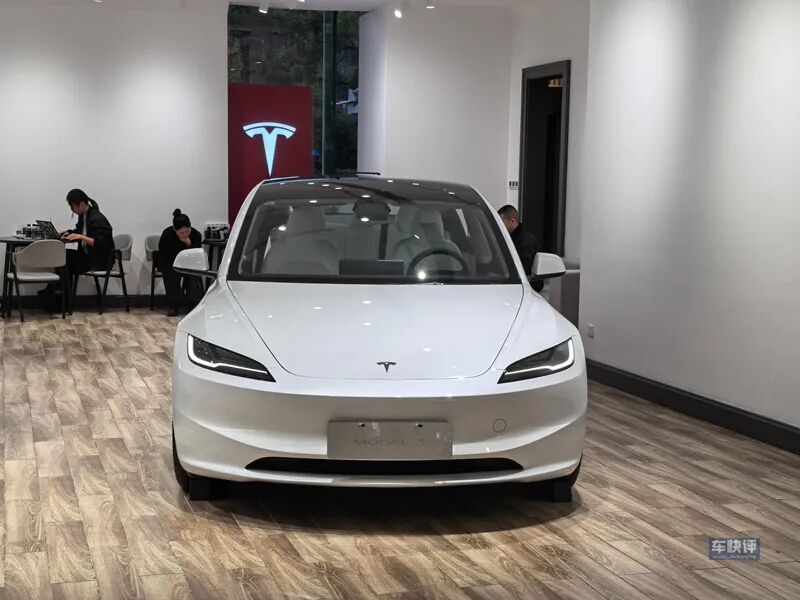
On the surface, Tesla’s sales appear impressive, but the two high-end models, the Model S and Model X, have virtually no sales, still relying on the Tesla Model 3 and Model Y for volume. Not to mention, in the domestic market, fierce price wars, combined with Tesla’s frequent zero-interest financing policies, have led to a decline in Tesla’s profits. You might wonder: how much does Tesla earn per vehicle now?
This data is available. Tesla’s operating net profit in the second quarter of this year was $77 million, meaning Tesla earns $160 per vehicle sold. In Chinese yuan, that’s approximately 1,150 yuan.
Compared to emerging automotive forces like NIO, XPeng, and Leapmotor, Tesla earning over 1,000 yuan per vehicle is actually quite substantial. However, when compared to the revenue per vehicle of $1,300 in the first quarter of this year, the difference is quite significant. Coupled with rising costs, Tesla earned $1,412 less per vehicle sold in the second quarter. In Chinese yuan, that’s about 10,000 yuan.
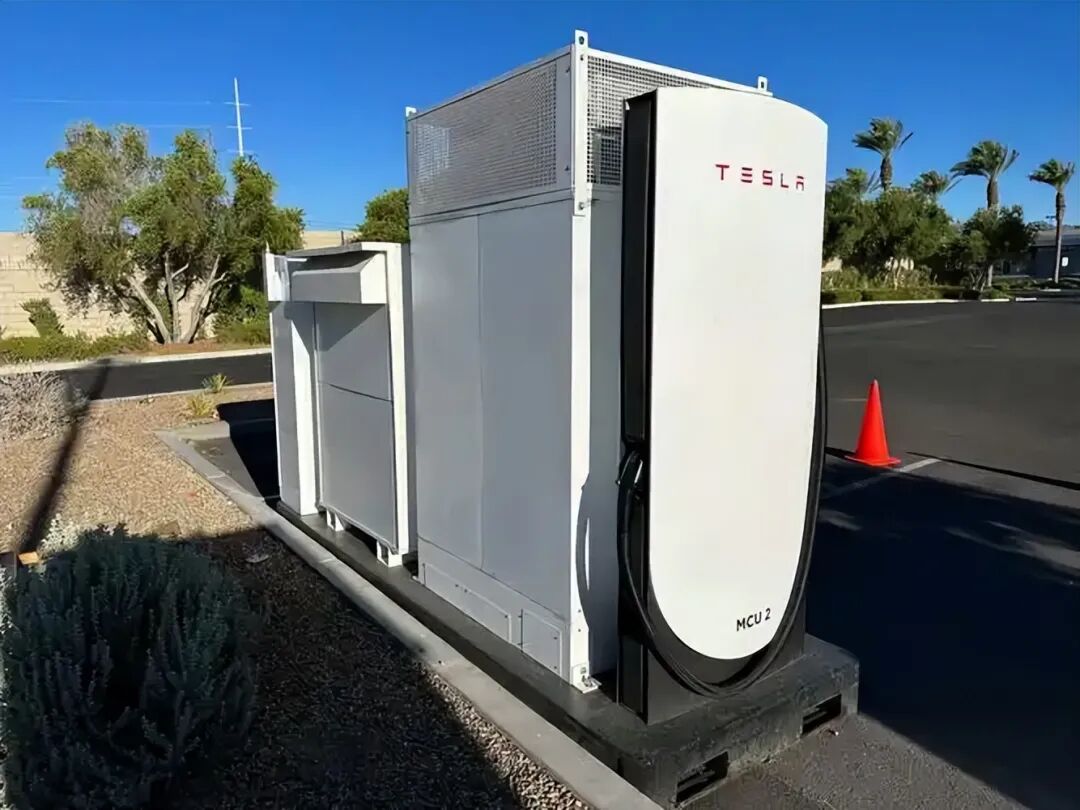
Additionally, significant increases in operating expenses and a sharp drop in the gross margin of the energy storage business were also factors contributing to Tesla’s profit decline and negative cash flow in the second quarter of this year. Operating expenses amounted to $4.353 billion, a 47% year-on-year increase, with research and development expenses reaching $2.371 billion, a 49% year-on-year increase.
The energy storage business, originally Tesla’s highest-margin segment, saw its gross margin drop from 39% last year to 20.4% in the second quarter of this year.
Copyright Notice: This article features original content from Che Kuaiping. Reproduction requires permission. Unauthorized reproduction and any form of plagiarism or misappropriation of images and text are strictly prohibited and will result in legal action. Some images in the article are sourced from the internet, with copyright belonging to the original authors. If your work is used, please contact us for royalties or removal.
-
![]()
Focus | CCCC’s Takeover of Greentown Comes to Fruition: Why Did the 11-Year ‘Control Without Authority’ Era End?
-
![]()
Final Verdict: The 2026 China Auto Forum Shines with Unique Characteristics at a Pivotal Moment
-
![]()
Tencent Maintains Matrix Approach, Alibaba Merges Entry Points: Tech Titans Initiate AI Agent Consolidation
-
![]()
Geely Secures Portion of Ford’s Spanish Production Capacity
-
![]()
Tesla Stalls This Second
-
![]()
Elon Musk's 'Money-Burning' Spree: All Car Sales Profits Poured into AI
-
![]()
Why Did Tesla’s Profits Drop and Cash Flow Go Negative?
-
![]()
AI Titans Are All in the Red: Time for Intelligent Driving Car Buyers to Reassess?