Geely Secures Portion of Ford’s Spanish Production Capacity
 07/24 2026
 554
554
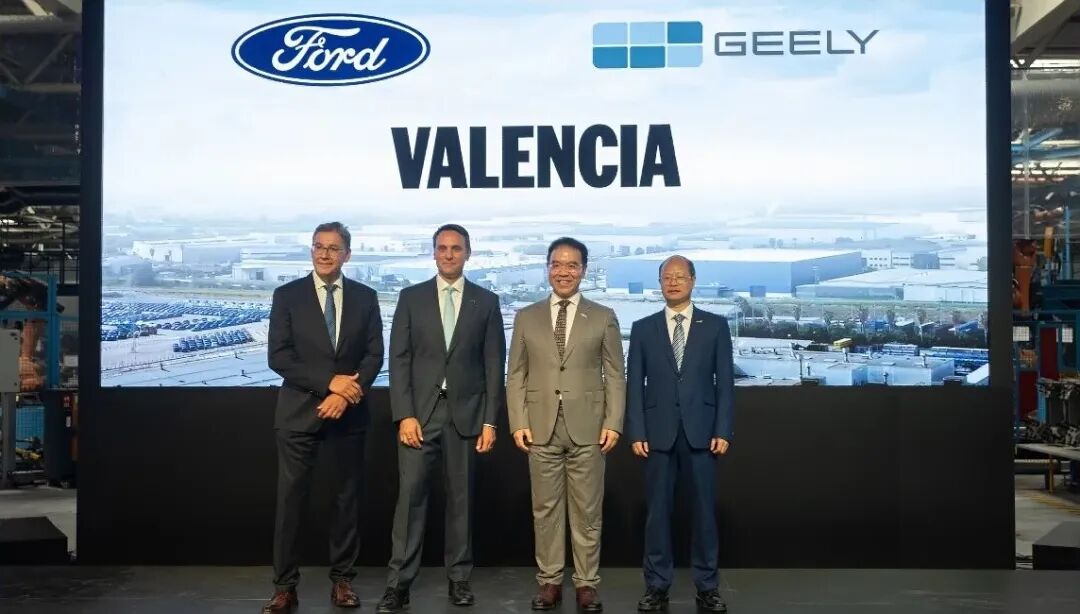
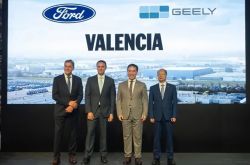
On July 23, Ford Motor Company and Geely Holding Group formally inked a deal at Ford’s Almussafes facility in Valencia, Spain. Under the agreement, Ford will divest the Body 3 section of the plant, enabling Geely to utilize the production line for manufacturing its compact all-electric EX2 model (marketed as the Geely Xingyuan in China).
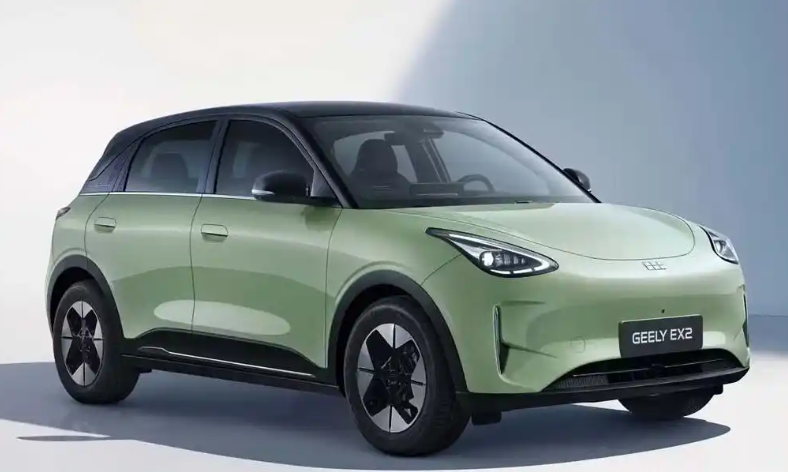
Geely's EX2 Model
Spanish Prime Minister Pedro Sánchez and Ford Europe President Jim Baumbick were present at the signing ceremony. This move signifies Geely’s official entry into the EU production landscape, facilitating direct access to the European market and bypassing the EU’s steep tariffs on Chinese-imported electric vehicles. For Ford, offloading underutilized capacity helps slash fixed costs while safeguarding local employment and factory output.
Established in 1976, the Almussafes plant was initially designed for an annual output of 400,000 vehicles. However, since 2024, with the phasing out of models like the Mondeo and S-Max, the plant has become heavily reliant on assembling the Ford Kuga as its sole model, leading to significant underutilization and prolonged idleness of the Body 3 production line. For Ford, this transaction is a strategic move akin to “surgical removal for survival.”
In 2025, Ford incurred $19.5 billion in charges related to adjustments in its electrification strategy, with its electric vehicle division continuing to operate at a loss. By divesting idle assets, Ford not only slashes fixed costs but also preserves local production capabilities, aligning with its broader strategy of accelerating electrification through partnerships with Chinese automakers.
For Geely, this acquisition offers a swift pathway to securing local production credentials in the EU. Assembling the EX2 in Spain allows Geely to penetrate the European urban commuter vehicle market directly, sidestepping potential tariff barriers associated with Chinese exports. The plant’s extensive export experience, skilled workforce, and superior port logistics—advantages that would be challenging to replicate quickly with a new facility—further enhance its appeal.
In the first half of 2026, Geely’s vehicle exports surged to a cumulative total of 474,000 units, marking a 158% year-on-year increase. The European market is fast becoming the “primary battleground” for Chinese automakers.
This collaboration also underscores Geely’s strategy of “leveraging global excess capacity.” Previously, Geely had collaborated with Renault in Brazil to share factory capacity and market networks. The signing also reflects the Spanish government’s pursuit of a “middle ground” between Chinese and European trade regulations. The Spanish Prime Minister’s personal attendance highlights the political significance of this partnership. In its concurrent automotive industry report, the Spanish government explicitly welcomed Chinese automaker investments that “boost local employment, spur supply chain growth, and facilitate technology transfer.”
In the first quarter of 2026, Chinese brands sold approximately 38,700 vehicles in Spain, representing a 67% year-on-year increase and accounting for 20% of the Spanish Association of Automobile and Truck Manufacturers' membership. Currently, Chinese automakers such as Chery, SAIC, and Leapmotor have also established production capabilities in Spain, which is emerging as a “hub” for Chinese automotive investment in Europe.
According to the plan, following Geely’s takeover of the Body 3 plant, it will promptly initiate production line modifications and commence EX2 manufacturing. If Geely can achieve scale delivery of the EX2 in Europe by 2027, it will significantly impact the European urban commuter vehicle market. This transaction not only reshapes the future of the Valencia plant but also sets a new precedent for the transformation of old and new growth drivers in the global automotive industry: Traditional automakers from Europe, the U.S., and Japan are scaling back inefficient internal combustion engine vehicle production, while Chinese automakers, capitalizing on their strengths in new energy technologies and supply chains, are acquiring factories in a lean manner to expedite the construction of a global manufacturing network. Going forward, financial specifics, factory modification progress, and the EX2 production timeline will be pivotal in determining the success of this transaction.
-
![]()
Focus | CCCC’s Takeover of Greentown Comes to Fruition: Why Did the 11-Year ‘Control Without Authority’ Era End?
-
![]()
Final Verdict: The 2026 China Auto Forum Shines with Unique Characteristics at a Pivotal Moment
-
![]()
Tencent Maintains Matrix Approach, Alibaba Merges Entry Points: Tech Titans Initiate AI Agent Consolidation
-
![]()
Geely Secures Portion of Ford’s Spanish Production Capacity
-
![]()
Tesla Stalls This Second
-
![]()
Elon Musk's 'Money-Burning' Spree: All Car Sales Profits Poured into AI
-
![]()
Why Did Tesla’s Profits Drop and Cash Flow Go Negative?
-
![]()
AI Titans Are All in the Red: Time for Intelligent Driving Car Buyers to Reassess?