Final Verdict: The 2026 China Auto Forum Shines with Unique Characteristics at a Pivotal Moment
 07/24 2026
 481
481
Amidst the ongoing slump in the domestic auto market and widespread industry anxiety, the 2026 China Auto Forum, organized by the China Association of Automobile Manufacturers, was held in Jiading, Shanghai, from July 21 to 23. The forum came at a crucial time, addressing the challenges faced in the first half of the year and laying the groundwork for resilient growth in the second half.
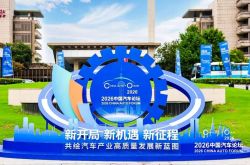
With the theme "New Beginnings, New Opportunities, New Journeys – Collaboratively Drawing a New Blueprint for High-Quality Development in the Automotive Industry," the forum tackled the complex international landscape, fierce domestic market competition, and significant pressures on enterprise development. It gathered leading figures from government, industry, academia, and research to discuss strategies for industry development, foster long-term confidence, build consensus, pool collective wisdom, seize new opportunities, and jointly overcome challenges.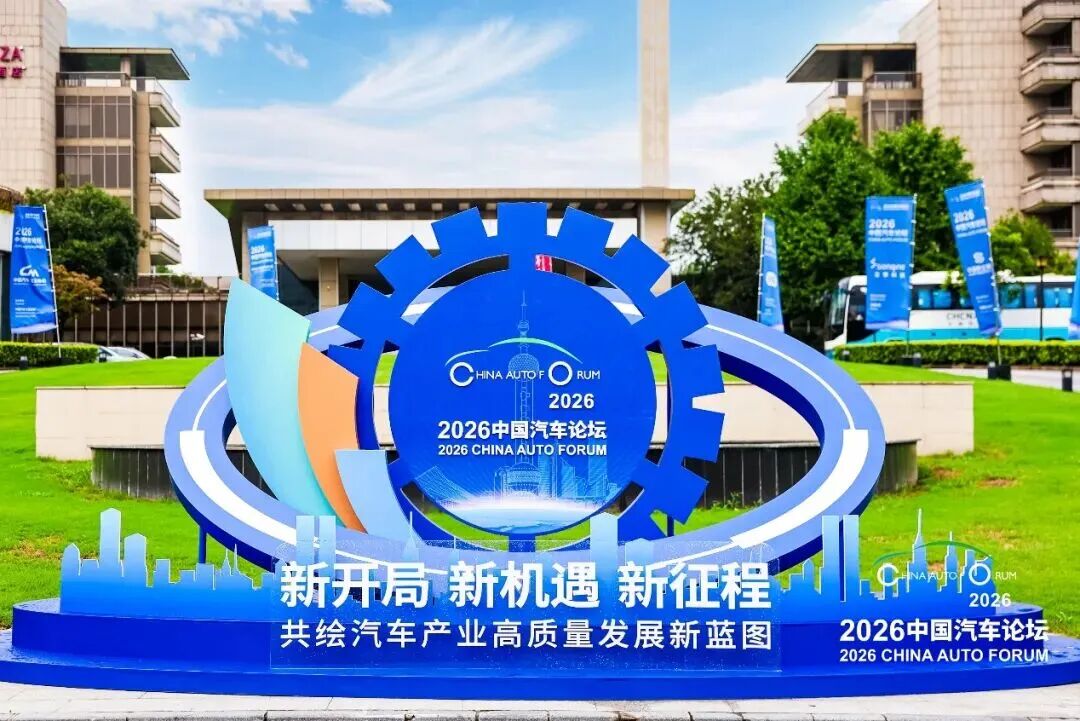
Six Standout Features of the 2026 China Auto Forum
The most notable aspect of the 2026 China Auto Forum was its direct engagement with industry pain points and its strong call for the Chinese auto industry to transition from "scale expansion" to "long-termism" and "value competition." As a benchmark for the first year of the "15th Five-Year Plan," the forum was decisive and distinctive, as summarized in the following six points:
First, it set the tone for transformation and rejected "involution." Addressing the declining profitability in the auto industry, severe homogenization of new vehicles, and the lack of a fundamental solution to involution, the forum's core consensus was to abandon short-term opportunism and engage in "value wars" rather than "price wars."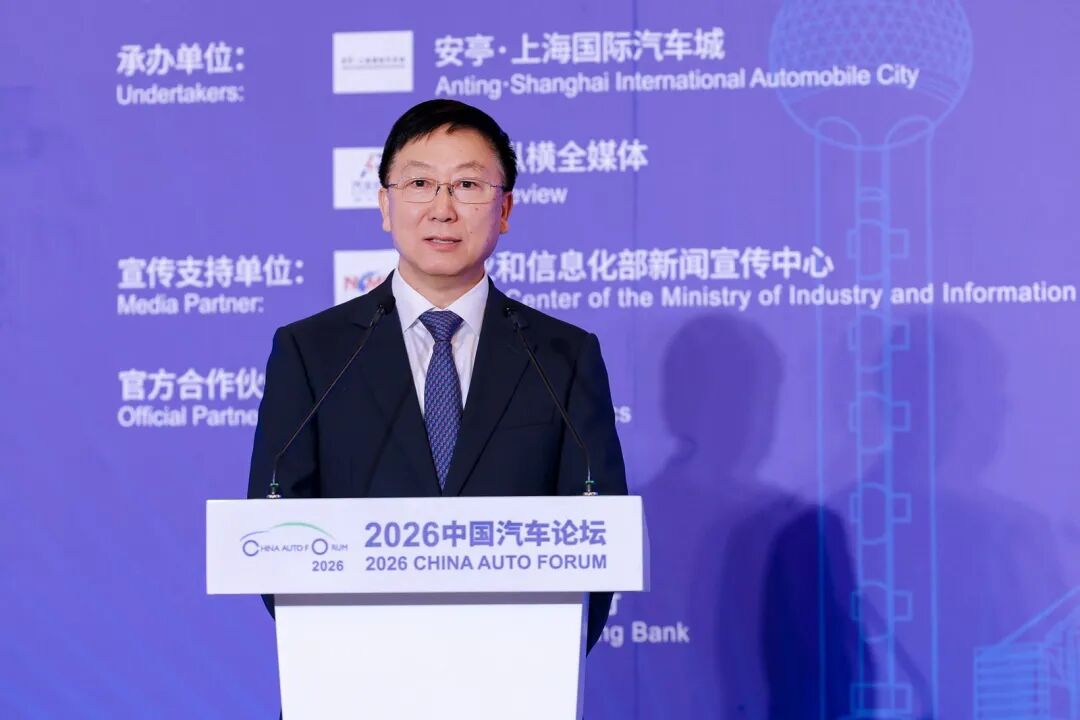
Fu Bingfeng, Executive Vice President and Secretary-General of the China Association of Automobile Manufacturers
Second, it focused on the "second half" of technological development. As China's automotive industry moves towards the era of autonomous driving, the keynote speech at the forum's opening ceremony was delivered by Li Jun, an academician of the Chinese Academy of Engineering and a professor at Tsinghua University, titled "The Automotive Industry Enters the Era of Autonomous Driving Operational Safety." The Global Automotive Technology Development Leaders Summit and thematic forums delved into the commercialization paths of L2 popularization, L3 implementation, L4 scenario-based applications, AI large models in vehicles, and StarFlash digital car keys, with clear technological focal points.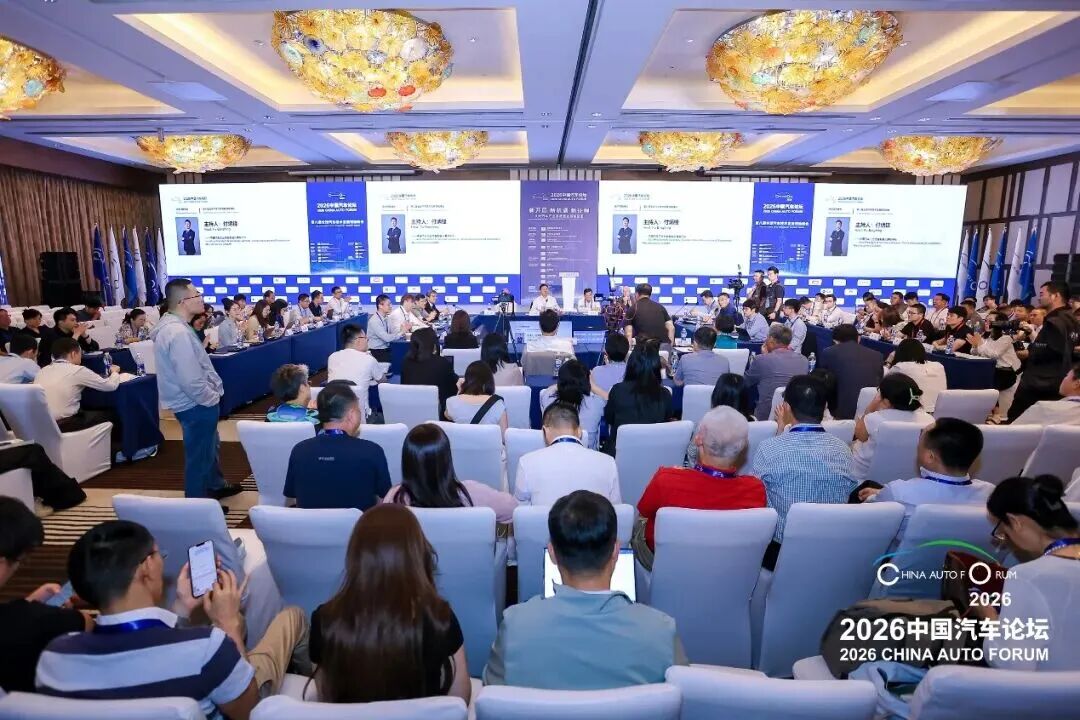
Third, it broke through conventional topics and confronted the "new joint venture" dilemma. The forum's branded sessions, for the first time, focused on automotive joint venture brands, exploring ways to break through in the new era of joint ventures. Deep collaboration and embracing local supply chains were identified as key to overcoming challenges.
Fourth, it emphasized standards and compliance for overseas expansion. In response to the explosive growth of domestic automotive exports, the forum paid special attention to addressing challenges such as data cross-border issues and international compliance through bidirectional empowerment of technological innovation and standard regulations, stressing ecosystem collaboration across the industrial chain.
Fifth, it featured a high-profile and strong lineup. The forum invited over 200 guests to deliver speeches, with over 2,000 attendees. The closed-door summit invited over 100 high-level government and enterprise leaders for "face-to-face" discussions, fostering ample collision of ideas at the decision-making level.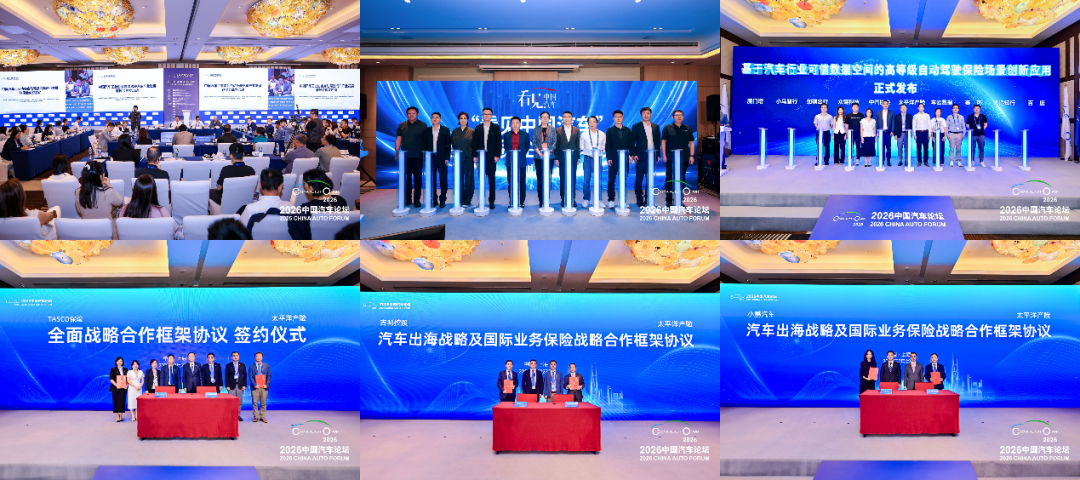
Sixth, the forum's themes were pragmatic and distinctive. It featured 16 sessions, including "closed-door summits, general forums, technology leader summits, multiple thematic forums, and N industry launches," along with several supporting activities. The structure was complete, the features were distinct, and the content was rich and pragmatic.
The Closed-Door Summit: Rich in Content and Highly Targeted
As the inaugural highlight of the 2026 China Auto Forum, the "closed-door summit" commenced on the afternoon of July 21. The closed-door summit is a "face-to-face" communication platform for high-level government and enterprise leaders in the automotive industry, created by the China Auto Forum. It brings together leaders from relevant government departments overseeing the automotive industry, mainstream automotive groups, leading new energy vehicle enterprises, top supply chain technology companies, ecosystem service partners, and high-level representatives from industry and professional institutions. Together, they discuss industrial policies, explore future trends, analyze problem root causes, and collaboratively plan for industry development. With its high-profile participant lineup and pragmatic, candid exchange atmosphere, it has become a core communication platform of unique value and industry influence within the sector.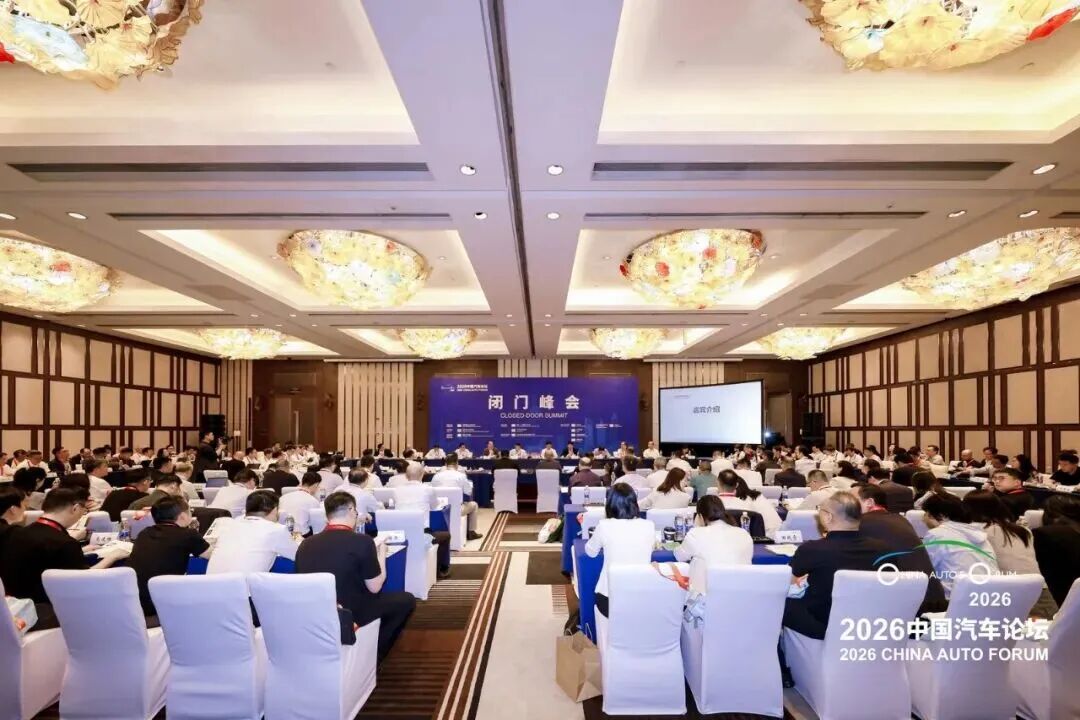
This year's closed-door summit, set against the backdrop of the "15th Five-Year Plan's" "new beginning," addressed new problems and challenges facing the automotive industry, combining current industry realities with long-term development needs. It focused on core topics such as "how industry enterprises can adhere to long-termism and avoid opportunism," "how industry stakeholders can collaboratively improve policies and regulations, achieving a transition from policy adjustment to rule-of-law governance," and "how enterprises can drive development through technological innovation as their core." It closely engaged with hot, key, and painful issues in the automotive industry, facilitating thorough exchanges of ideas. Participants proposed multiple suggestions during their speeches, providing high-level strategic support for the industry to smoothly navigate its transformation cycle and achieve high-quality development.
In summary, the signals conveyed by this forum were unequivocal: China's automotive industry is at a critical juncture of transformation. There is a consensus across the industry that it must shift from pursuing "quantitative" growth to seeking "qualitative" leaps. Only in this way can China's automotive industry achieve sustainable and healthy development. (End)
-
![]()
Focus | CCCC’s Takeover of Greentown Comes to Fruition: Why Did the 11-Year ‘Control Without Authority’ Era End?
-
![]()
Final Verdict: The 2026 China Auto Forum Shines with Unique Characteristics at a Pivotal Moment
-
![]()
Tencent Maintains Matrix Approach, Alibaba Merges Entry Points: Tech Titans Initiate AI Agent Consolidation
-
![]()
Geely Secures Portion of Ford’s Spanish Production Capacity
-
![]()
Tesla Stalls This Second
-
![]()
Elon Musk's 'Money-Burning' Spree: All Car Sales Profits Poured into AI
-
![]()
Why Did Tesla’s Profits Drop and Cash Flow Go Negative?
-
![]()
AI Titans Are All in the Red: Time for Intelligent Driving Car Buyers to Reassess?