Tesla's Robotaxi Hits the Road: A Monumental Gamble with an Uncertain Future
 07/24 2026
 520
520
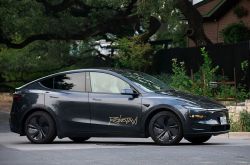
As the Cybercab—devoid of a steering wheel or pedals—made its way through Austin's morning streets, it stood as a striking emblem of what lies ahead. On July 22, 2026, Tesla officially rolled out its fully autonomous Robotaxi service to the public. However, the capital markets responded to this “milestone” with a resounding thumbs-down.
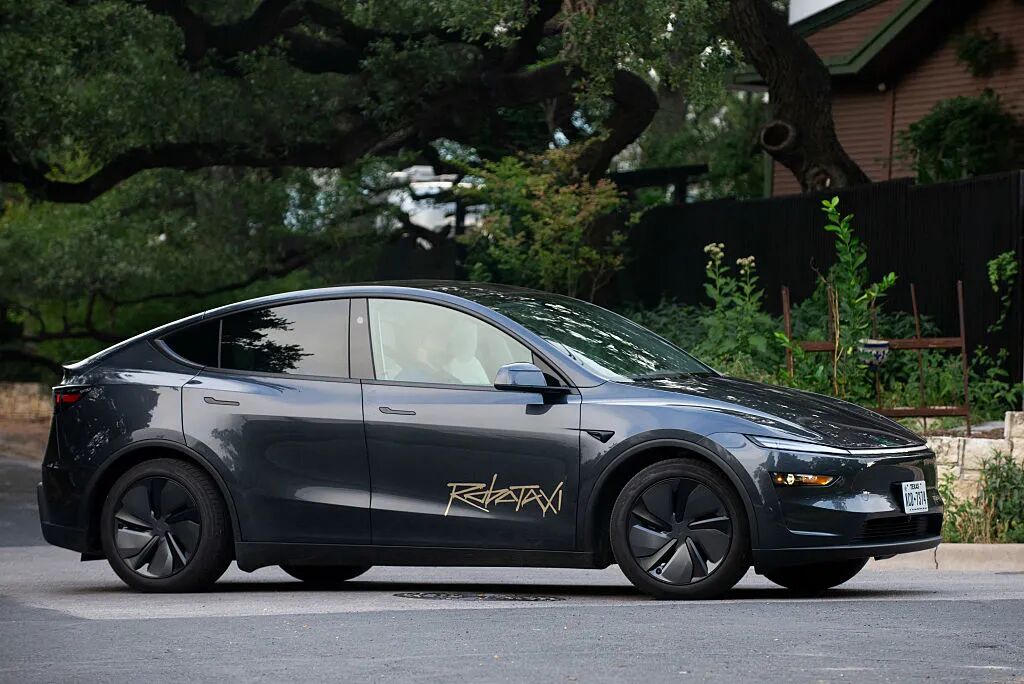
On that very day, Tesla's stock plummeted nearly 4% in after-hours trading and took a further nosedive of 13.5% in the subsequent session. What caused this market meltdown? The Q2 financial report unveiled a staggering $1.1 billion in negative free cash flow, coupled with a capital expenditure (Capex) plan that left everyone reeling.
This is the price tag attached to Musk's mantra: “We should spend money as fast as we can.”
A Report Card Full of Discrepancies
Tesla's Q2 report was a masterclass in contradictions.
Let's start with the silver linings: Total revenue soared to $28.24 billion, marking a 26% year-over-year (YoY) increase and surpassing expectations. Vehicle deliveries bounced back, with 480,126 units sold in Q2, dispelling earlier concerns. The energy and services segments also posted record profits, offering rare bright spots in the financial landscape.
Yet, beneath this veneer of success, the core business was rapidly deteriorating.
The automotive gross margin (excluding regulatory credits) stood at a mere 16.3%, falling short of estimates. Even more alarming, the overall operating margin crumbled to a paltry 1.4%, down 269 basis points YoY. In layman's terms, Musk was selling more cars but making less money—profits were being gobbled up by aggressive expansion and relentless price wars.
But this was just the prelude. The main event was the runaway Capex.
The $25 Billion AI Money Pit
Tesla's Q2 capex skyrocketed to $5.79 billion, up 142% YoY, marking the first quarterly negative cash flow in two years. The full-year Capex guidance was raised to over $25 billion, with further increases expected in the next 2–3 years.
Where is all this money being funneled? Musk's blueprint lays it out bare: Cybercab production lines, Optimus humanoid robots, AI training infrastructure, and an ambitious in-house chip factory.
Specifically, the Texas Gigafactory has commenced Cybercab production, boasting an annual installed capacity exceeding 125,000 units. Fremont has shut down its legacy Model S/X lines, fully retooling for Optimus assembly, while Texas is constructing a dedicated robotics facility. The Cortex 1 and Cortex 2 compute clusters in Texas flaunt installed capacities of over 90MW and 115MW, respectively. Austin's wafer fab is also forging ahead with construction and equipment procurement, aiming for long-term self-sufficiency in logic and memory chips.
Tesla isn't just “building more cars”—it's attempting to consolidate automotive, energy, compute, chips, and labor onto a single balance sheet. While the auto industry thrives on scale, Musk is now waging war across multiple industrial frontiers, a move that's both audacious and risky.
On the earnings call, Musk tried to soothe investor jitters, comparing his strategy to Henry Ford's Model T mass production and dubbing it “the fastest industrial expansion in the U.S. since WWII.” He even argued that “slightly lower capital efficiency” was a small price to pay to seize the initiative. But that very admission is precisely the problem.
Wall Street's Patience Wears Thin
Contrast Tesla's predicament with Alphabet, which also reported earnings on the same day. Google Cloud revenue surged 82% YoY to $24.768 billion, with operating profit jumping 212%, proving that AI investments can indeed pay off. Yet, Alphabet's stock still fell over 7% the next day due to negative cash flow from its own $44.9 billion quarterly Capex.
Both companies are grappling with the same dilemma: “The market cares more about Capex than profits.”
Alison Porter, portfolio manager at Janus Henderson, told CNBC that this was Alphabet's strongest quarterly revenue growth in five years, with Google Cloud serving as “the perfect bellwether for the AI boom.” But optimism failed to override pessimism.
Ben Barringer, head of tech research at Quilter Cheviot, noted to CNBC that “investors are fixated on soaring capital spending and a weakening margin outlook,” while delays to Gemini 3.5 Pro and lackluster product launches raised doubts about whether Alphabet's AI bets would translate into clear competitive advantages.
Tesla's position is even more precarious. Unlike Google, it lacks a mature cloud business to monetize AI immediately. Its core automotive business remains profitable, but margins are razor-thin—unable to fund such a colossal spending spree.
This means Tesla's AI narrative remains just that: a narrative. Uncertainties shroud both the unit economics of Robotaxi and the mass-production timeline for Optimus. The ROI timeline for these bets is as blurry as a foggy morning.
Musk promises “incredible returns,” but such vows ring hollow against the cold, hard data. Ironically, on the same day Tesla trumpeted Austin's citywide driverless coverage, media revealed that just ~20 Robotaxis were actually operational, with 17 known FSD-related incidents in the first half of the year. This gap between “marketing giants” and “operational dwarfs” is eroding market patience at an alarming rate.
A Gamble That Rewrites Tesla's DNA
Strategically, Musk's vision is clear and uncompromising: Transform Tesla from a carmaker into a leader in physical-world AI. He's willing to sacrifice short-term profitability and even let automotive margins slide to go all-in on the future.
But the toll of this gamble is mounting. Tesla CFO Vaibhav Taneja disclosed that the company has secured up to $30 billion in debt financing tools to accelerate investments. Activating them would alter Tesla's balance sheet structure for the first time since 2019, a move that could have far-reaching consequences.
This all-or-nothing bravery is awe-inspiring, but the risks are stark. If Cybercab scaling lags, FSD regulatory approvals stall, or Optimus never leaves the factory, every dollar spent today could become a future liability.
Capital is shifting from current profits and cash flows to factories, equipment, capacity, and infrastructure. Depreciation, R&D, and supply chain costs will hit the books before revenue materializes. This “input-only, output-later” phase tests not just Musk's resolve but also the markets' patience to the limit.
When Robotaxis finally cruise Austin's streets, it may not mark “the future arrived”—but the start of an even crueler, costlier race. Austin's Cybercab is Tesla's all-in bet. It could lead to the trillion-dollar empire Musk envisions or leave a gaping hole in the books. One thing is certain: In this gamble on tomorrow, Musk has pushed all his chips to the center of the table. Before the cards are revealed, no one knows if this is the dawn of a golden age or the prologue to an empire's fall.

-
![]()
From Energy Conservation and Carbon Reduction to AI Decision-Making: GECON East Intelligence and Chery Group Explore a New Green and Smart Paradigm for Automobile Manufacturing
-
![]()
WAIC 2026 Observation | AI Accelerates Towards the Core of Industries, Industrial AI Enters a Critical Phase
-
![]()
Volkswagen China Fires the First Shot in Foreign-Funded 'White Box Delivery'!
-
![]()
AI Agent Smartphones: The Next Competitive Edge Transcends Large Models
-
![]()
Over 880 Million Yuan Worth of Orders Unveiled, Bidding Launched for Shenzhen Eastern Public Transport
-
![]()
Tesla's Robotaxi Hits the Road: A Monumental Gamble with an Uncertain Future
-
![]()
Ford and Geely Forge New Joint Venture in Spain, Sidestepping Changan and JMC
-
![]()
199 RMB! Godox's First Camera Review: Subpar Photography, Transparent Viewfinder Frame is the Highlight