199 RMB! Godox's First Camera Review: Subpar Photography, Transparent Viewfinder Frame is the Highlight
 07/24 2026
 562
562
A Light Meter That Can Take Photos.
In recent years, I've indeed seen quite a few strange cameras.
Just two weeks ago, my colleague got his hands on a vintage-style camera Main focus is on creating a lively atmosphere (which roughly translates to something like 'mainly for fun and gimmicks')—the Cangye C3 Mark I—and let me experience the beauty of water pipe imaging firsthand. Going back further, there's the Kodak Charmera that can be carried around on a keychain, and the Fujifilm X half that emphasizes a vintage, film-like feel. They've basically bought them all.
After seeing so many, I'm not as easily swayed by these products anymore. In the end, they're just cheap cameras in fancy shells. You buy them, take a few photos, and they'll most likely end up in a drawer.
That is until I came across the Godox C100 recently.
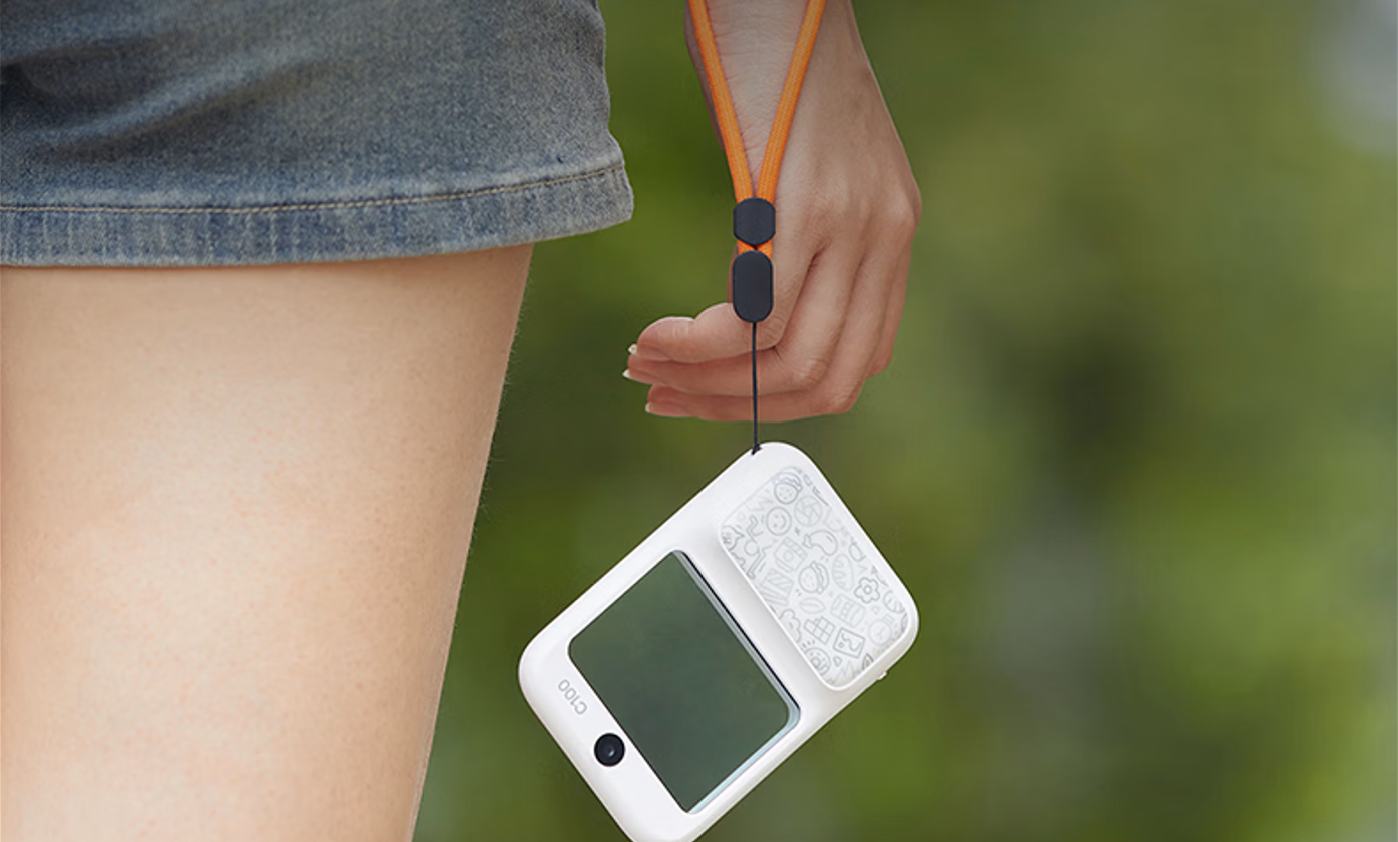
(Image Source: Leikeji)
Unlike many similar products that emphasize creativity and vintage styles, the Godox C100 doesn't adopt a camera-like design. It lacks a screen, opting instead for a transparent viewfinder window. The overall design is simple and stylish, more akin to an acrylic photo card. Just its appearance alone made me want to place an order, so I bought it and am now sharing my experience (Note: This article contains no promotional content of any kind).
The Transparent Screen Viewfinder is Quite Interesting
Photography enthusiasts should be familiar with Godox.
From flashes and triggers to various photography lights, Godox has been focusing on light-related products over the years. As its first camera, the design of the Godox C100 shows that it's not following the traditional camera playbook.
Of course, finding its 'ancestor' is easy—meet the ESCURA InstantSnap.
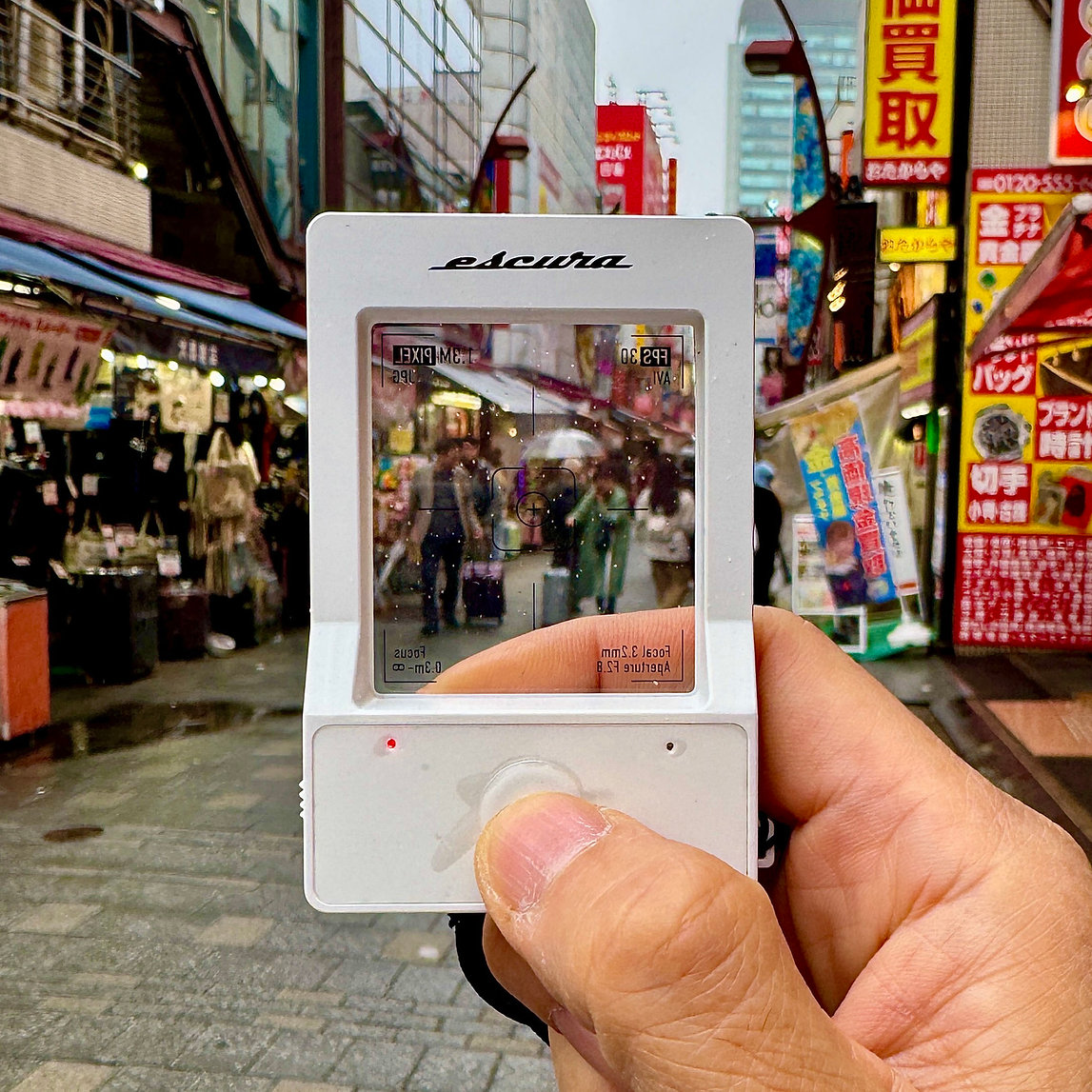
(Image Source: ESCURA)
Comparing the Godox C100 above, it's not hard to see similarities in design philosophy: both feature a transparent viewfinder and a lightweight, portable design. While there have been many cameras with transparent viewfinders in the past, this product from the Hong Kong crowdfunding brand ESCURA is undoubtedly one of the origins of these small, card-style transparent cameras.
Anyway, let's get back to our Godox C100.
As mentioned at the beginning, the Godox C100 doesn't look much like a camera, and neither does its packaging. At least, I haven't seen such simple plastic-sealed packaging on products other than toys.
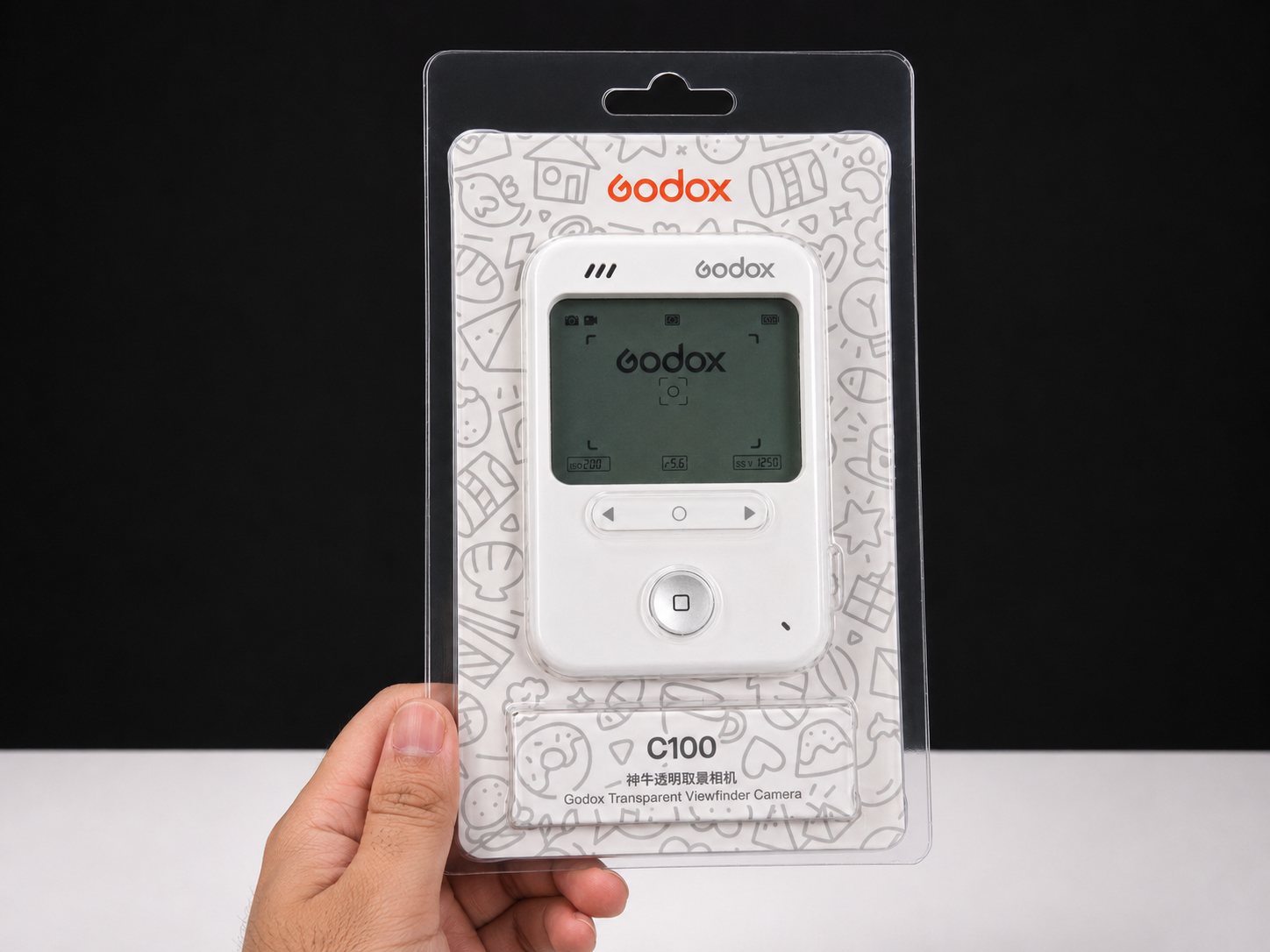
(Image Source: Leikeji)
The Godox C100 is compact, weighing only 65 grams, making it virtually burden-free to hold. It can easily fit into a clothes pocket or hang from a backpack without getting in the way.
The camera's design is simple, with the lens, buttons, and ports concentrated on one side, leaving a large transparent area in the middle. It really resembles some kind of anime merchandise.
For those who don't know what an acrylic photo card is, here's a sample.
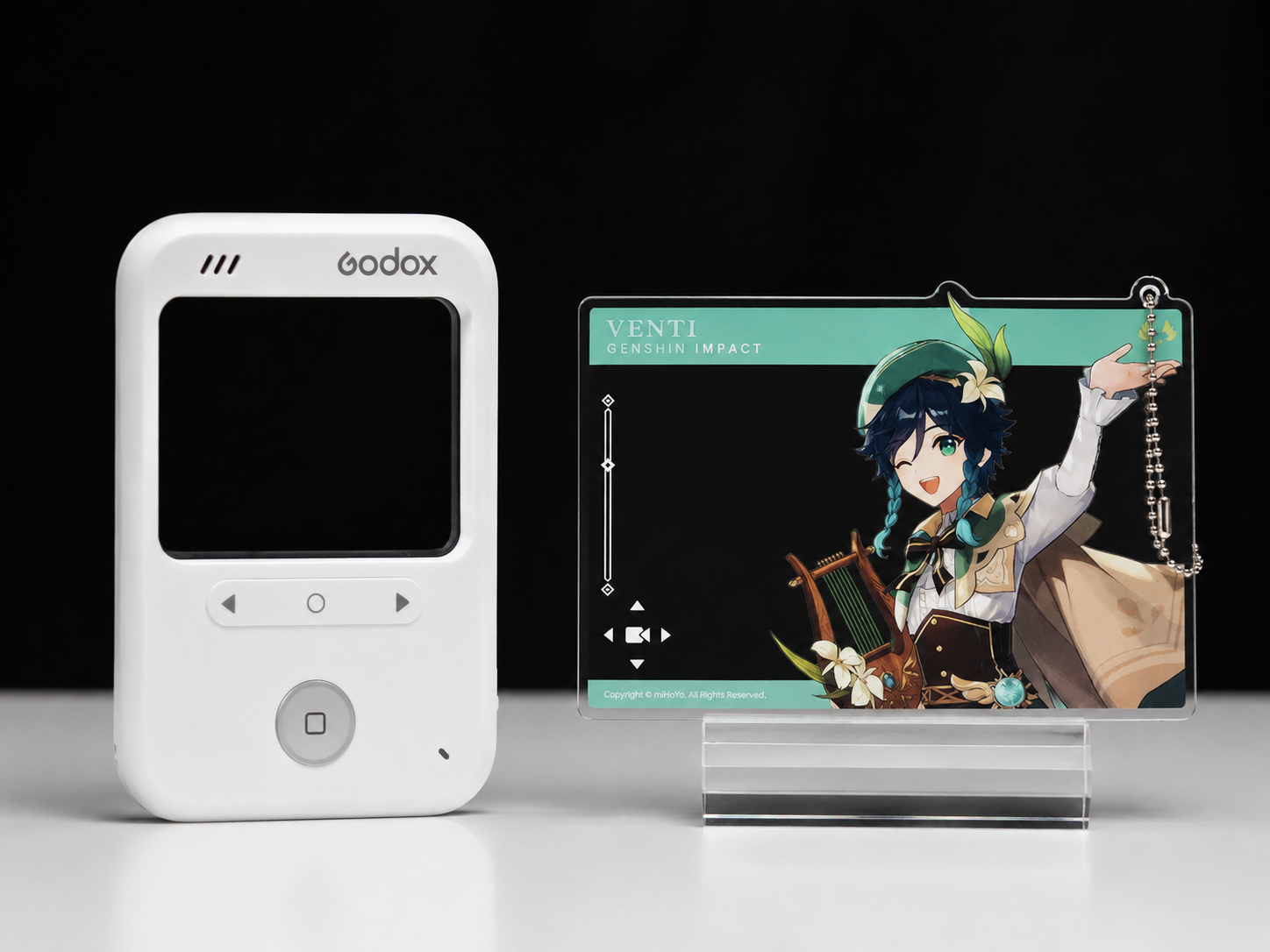
(Image Source: Leikeji)
The power button of the Godox C100 is located at the bottom right of the body. It switches between off and three functional modes via a toggle, a design that easily collects dirt. I had to clean this spot 2-3 times a day on average.
Toggle it upwards once to enter photography mode. By the way, the startup sound of the Godox C100 is crisp, somewhat like a GBA, which I quite like.
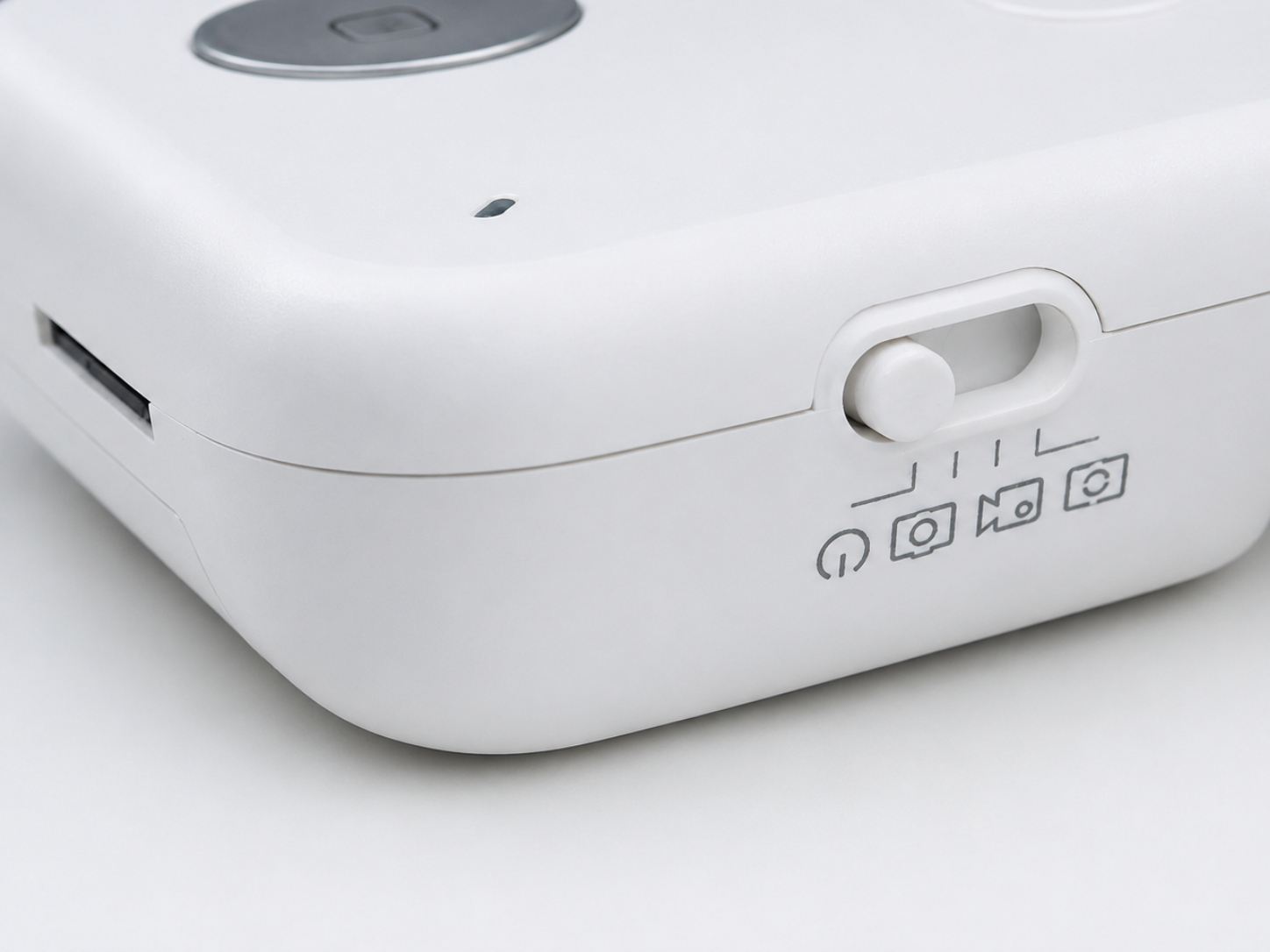
(Image Source: Leikeji)
Once powered on, the transparent screen displays the composition frame, battery level, and current mode. When switching to light metering mode, aperture, shutter speed, and ISO also appear at the bottom of the screen.
This was my first time using a transparent screen, and the visual effect is indeed interesting. You can directly see the scene in front of you through the screen, with the composition lines overlaid on top, giving an augmented reality-like illusion.
Like this, it looks pretty cool.
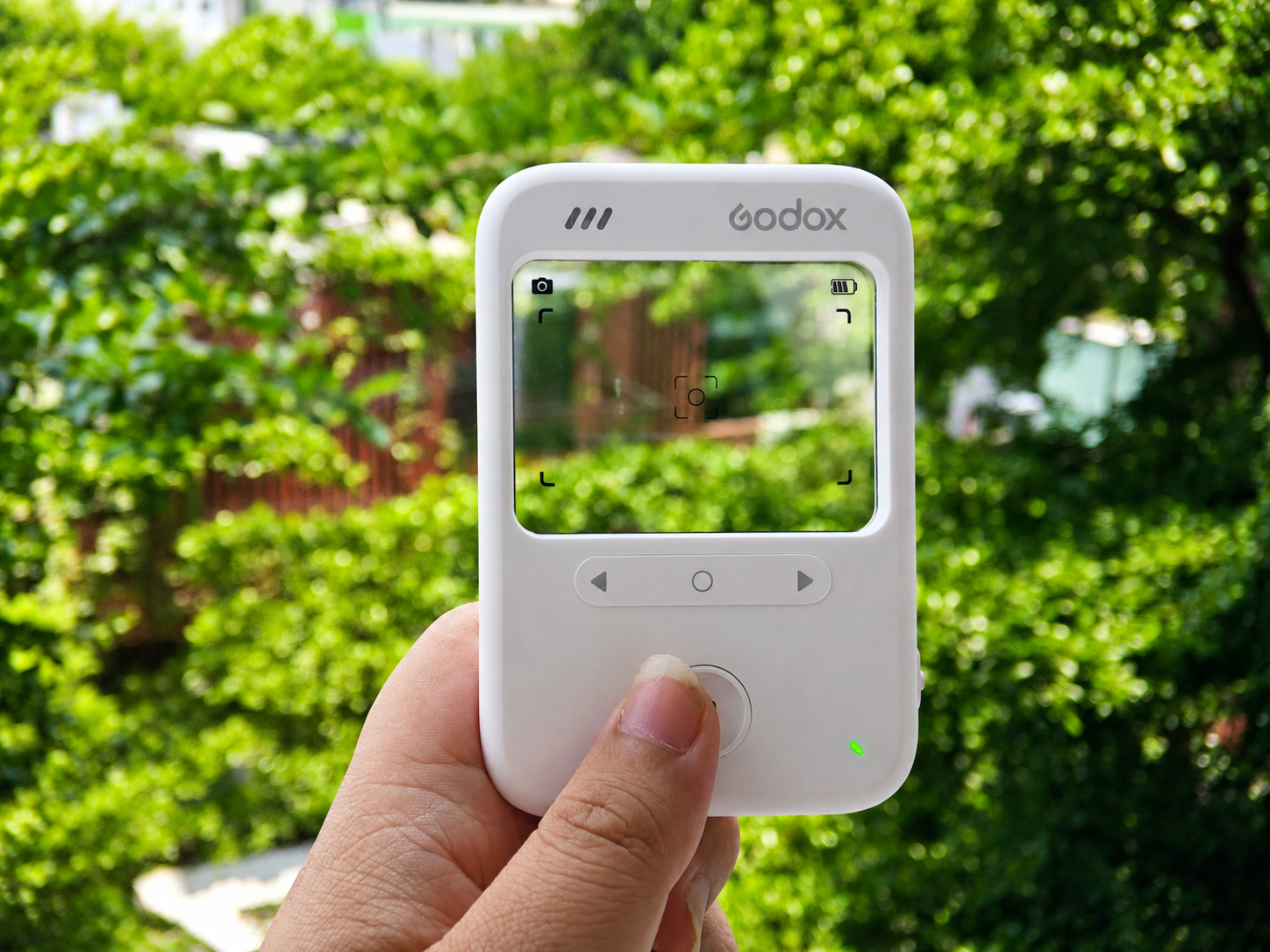
(Image Source: Leikeji)
However, if you hold the device and look at the screen from the side following the light, you'll notice something—why does it seem like all the content is displayed on the screen?
Well... that's because the principle of this screen is like that. It's somewhat similar to the calculators we used as kids. The things it can display are pre-printed, and only certain parts are revealed based on whether it's powered on or not.
In other words, the content this screen can display is actually fixed.
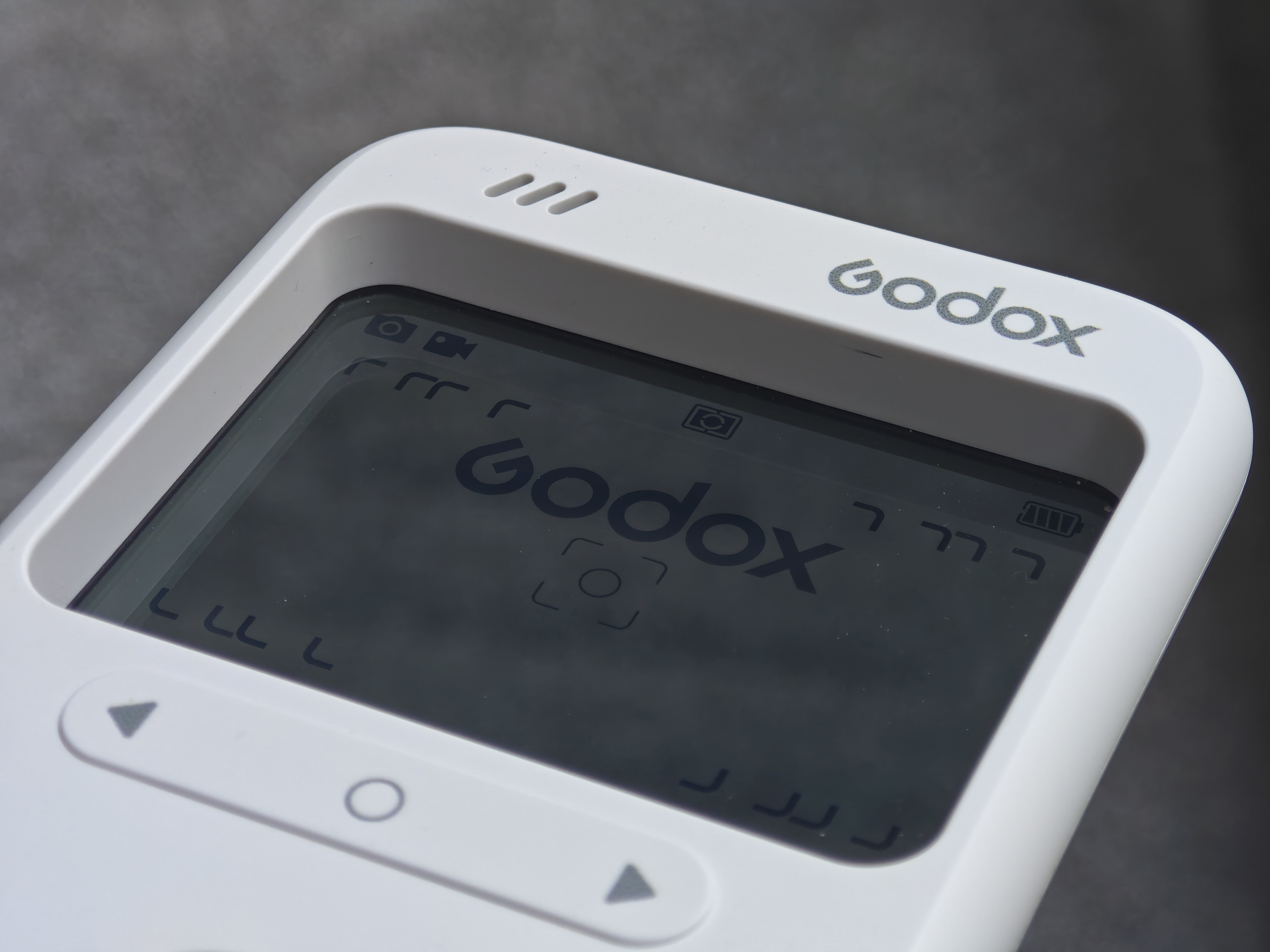
(Image Source: Leikeji)
Apart from the current mode and battery level, the main value of this screen is to indicate the approximate framing range. After setting the crop ratio, corresponding hints will appear in the viewfinder.
However, all ratios are based on cropping the original image, which might not be as good as taking the original photo and editing it manually later.
Moreover, because this transparent viewfinder design doesn't forcibly restrict the position of your eye, it further amplifies parallax—even if the camera doesn't move, changing the distance between your eye and the camera will significantly alter the scene seen through the viewfinder. I'll also roughly measure the actual framing range in subsequent tests.
Hey, someone might ask, 'Xiaolei, Xiaolei, since the screen doesn't display anything, how do I view the photos?'
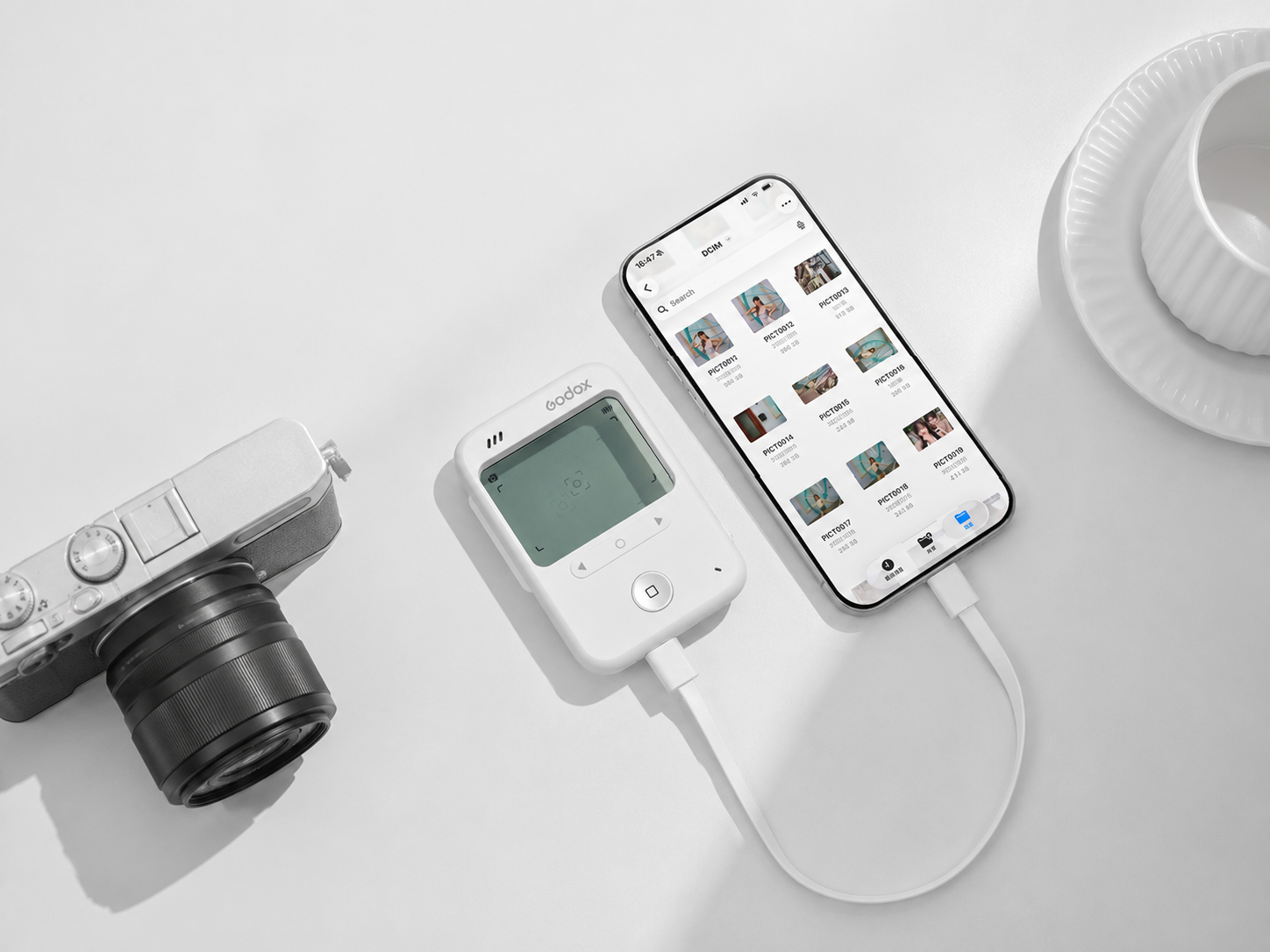
(Image Source: Leikeji)
Well... connect it to your phone via a cable.
There's no other way. This product doesn't support Bluetooth or Wi-Fi. Apart from using OTG to read the card via your phone, the only other option is to remove the storage card.
Believe it or not, this playstyle does share some similarities with film cameras. When you press the shutter, no one can confirm the result; you can only rely on your judgment at that moment. When the photos are exported, the Godox C100 is sure to give everyone an unprecedented surprise.
Subpar Imaging: Overexposed Photos, Overexposed Light Metering Too
Godox hasn't disclosed the sensor size, lens aperture, or specific focusing structure of the C100.
I asked JD's customer service and roughly determined it has a 2-megapixel sensor with an equivalent focal length of 24mm, which is confirmed by the maximum resolution of the images (1920×1080).
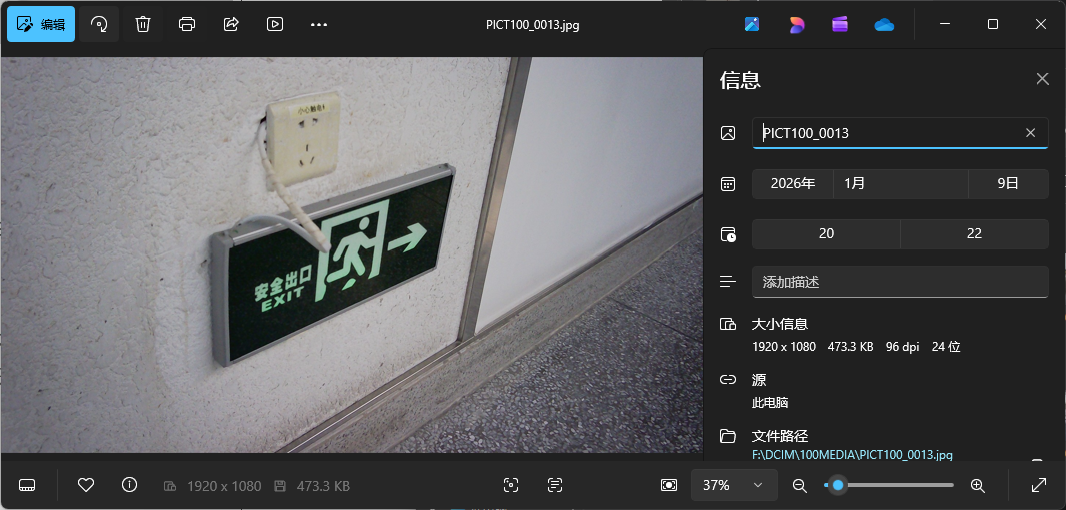
(Image Source: Leikeji)
Of course, with such a small lens on the body... I don't think anyone has high expectations for its imaging performance.
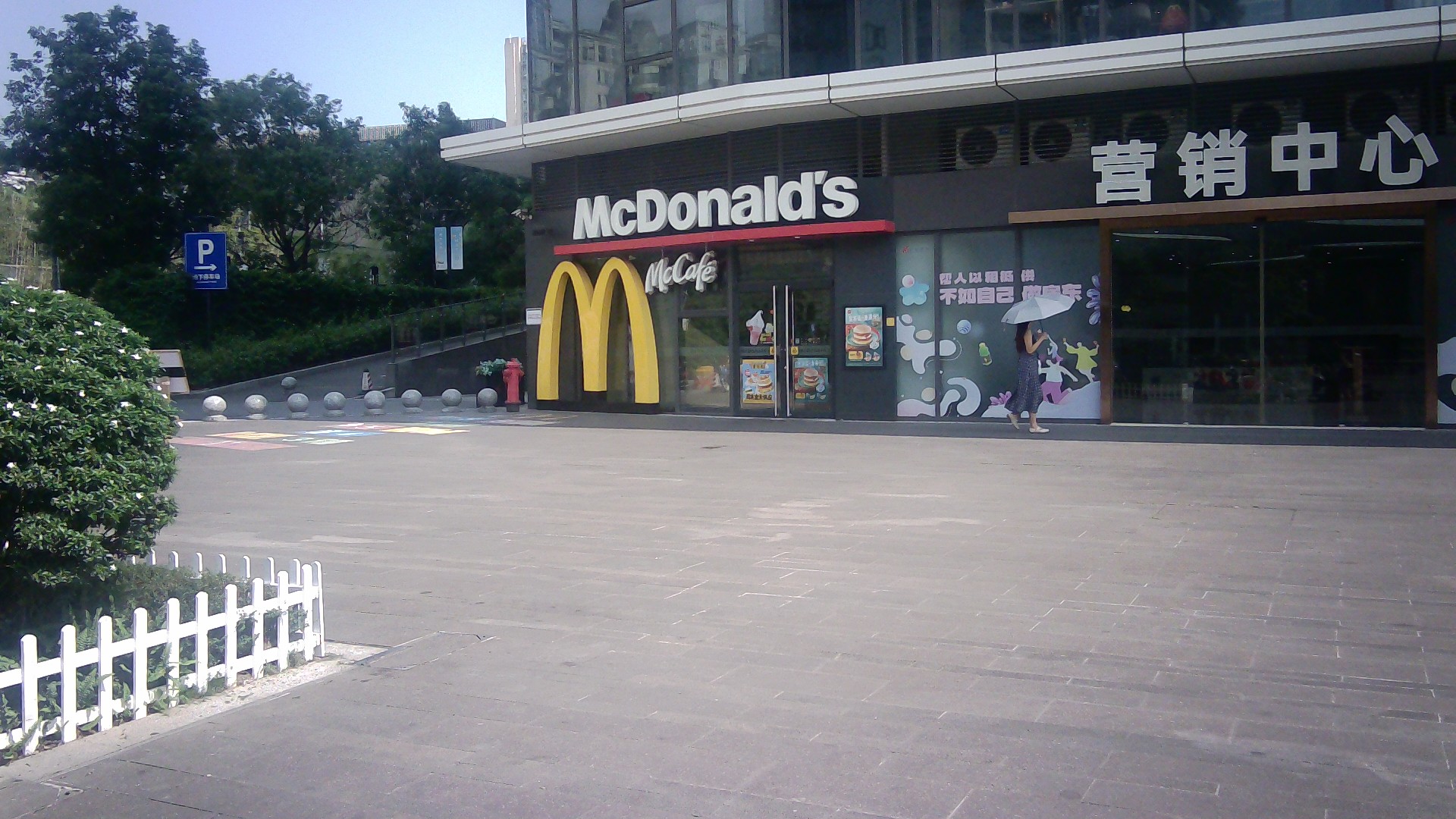
Seeing is believing. Let's directly look at the actual shooting results. First, here are a series of sample photos I took during the day, all shot in a 16:9 aspect ratio.
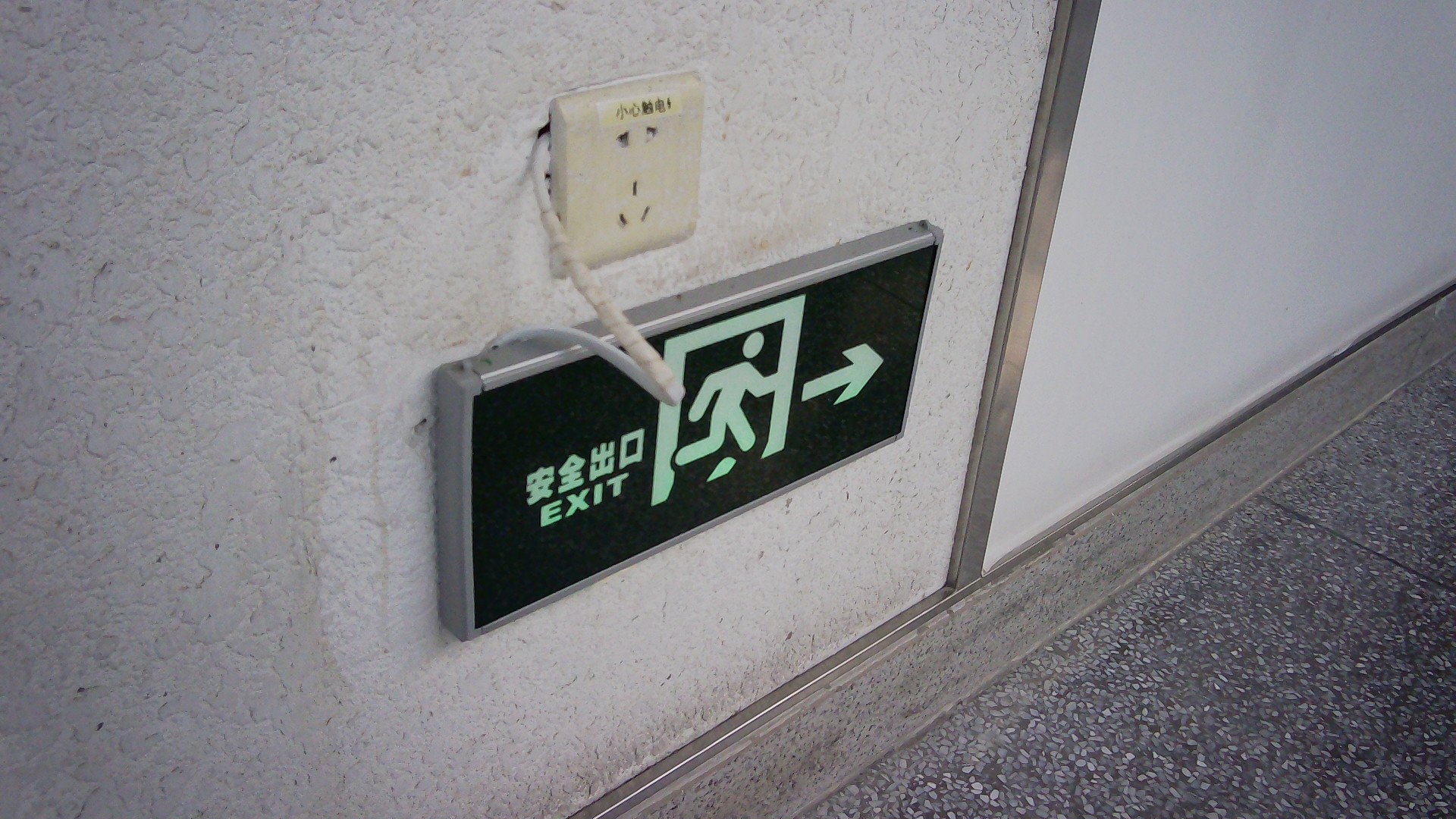

(Image Source: Leikeji)
I'd say, under normal daylight conditions, the C100 can reasonably capture street scenes, buildings, and people.
Its colors tend to be a bit dull, the resolution is somewhat low, and sharpening artifacts are noticeable. When zooming in, details don't hold up well; leaves, hair, and distant text easily blur together.
However, when the lighting is excessively bright or there's a large contrast between light and dark, the experience becomes terrible, to the point where the images are completely unusable.

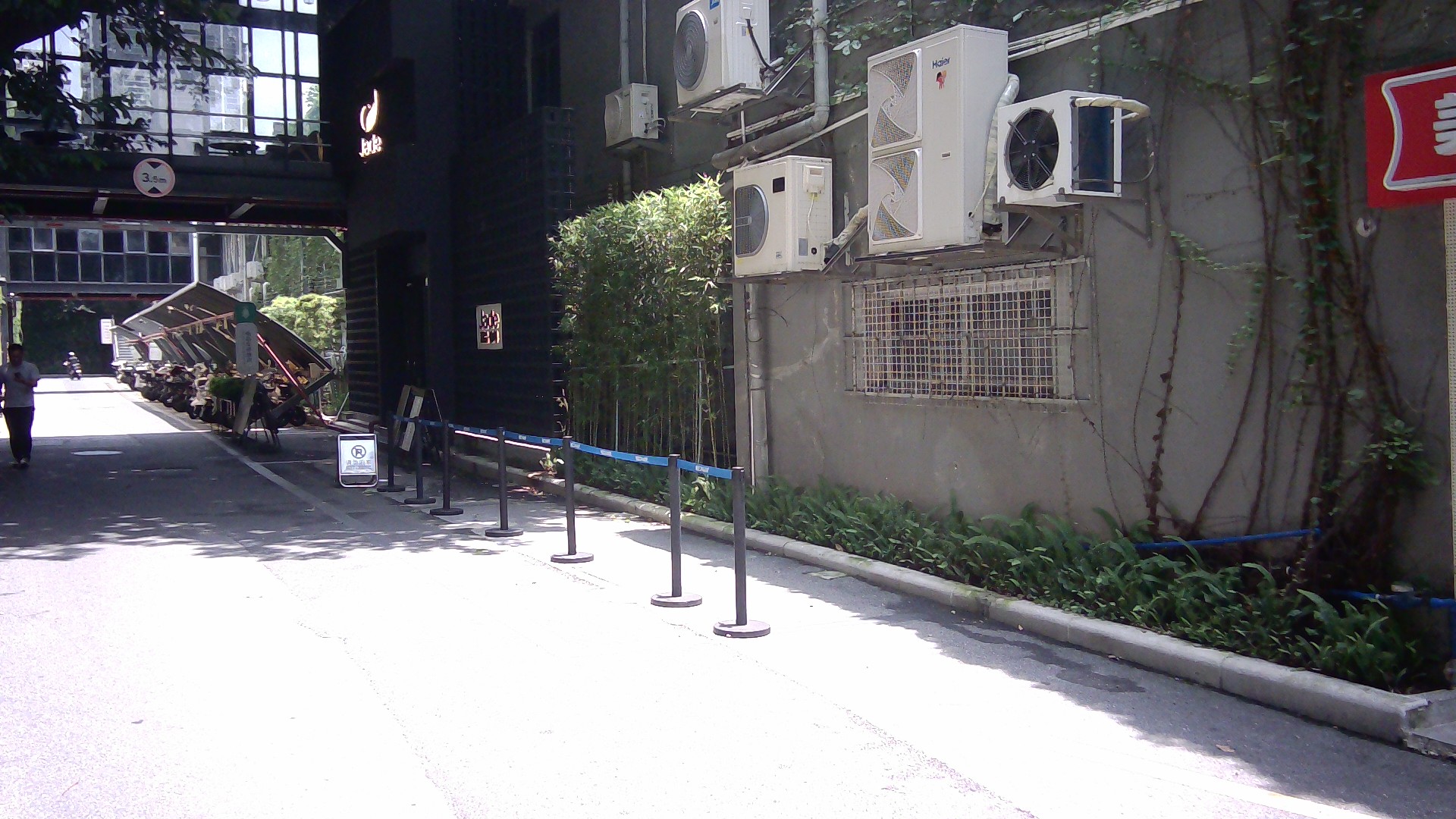
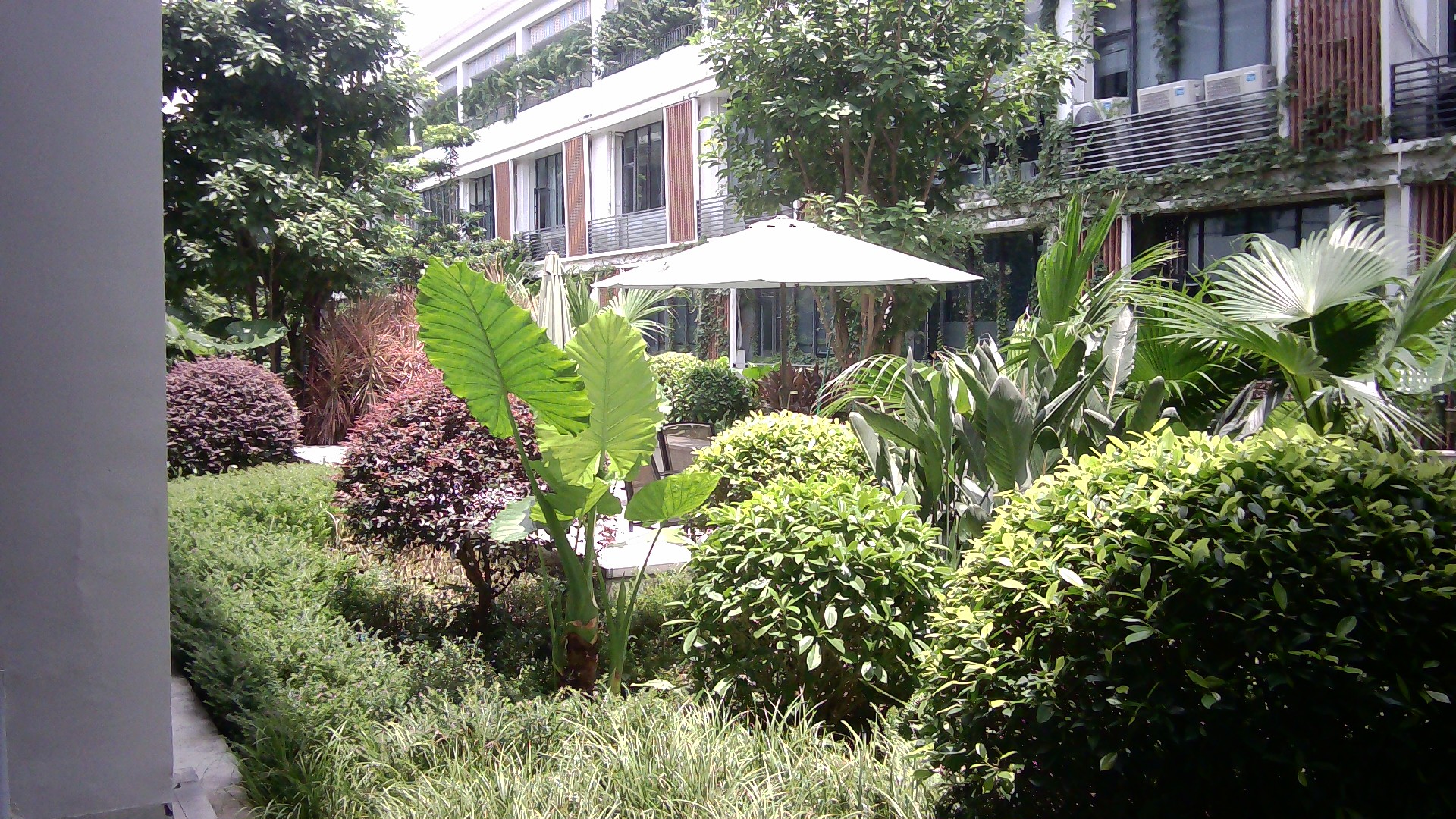
(Image Source: Leikeji)
This overexposure effect really gives the illusion of the sun shining on you.
However, this effect is significantly worse than the 1.6-megapixel Kodak Charmera and the 0.3-megapixel Cangye C3M1. It's surprising that it can even capture clear images at all.
While the internet likes to lump these effects together as 'CCD feel,' I think there's a difference.
Many old compact cameras, despite having low pixel counts, at least had complete lens structures, autofocus, and flashes. The light-sensing principles of CCD sensors are also completely different from CMOS. Personally, I think the imaging style of the C100 is closer to early mobile phones, with a distinct low-pixel digital taste.
Whether this effect looks good mainly depends on the scene and personal preference.
During actual shooting, because the sensor has few pixels and images quickly, it can basically focus and shoot almost instantly, with less than a second between actions. So you can shoot to your heart's content, at least it's quite satisfying to press the shutter.
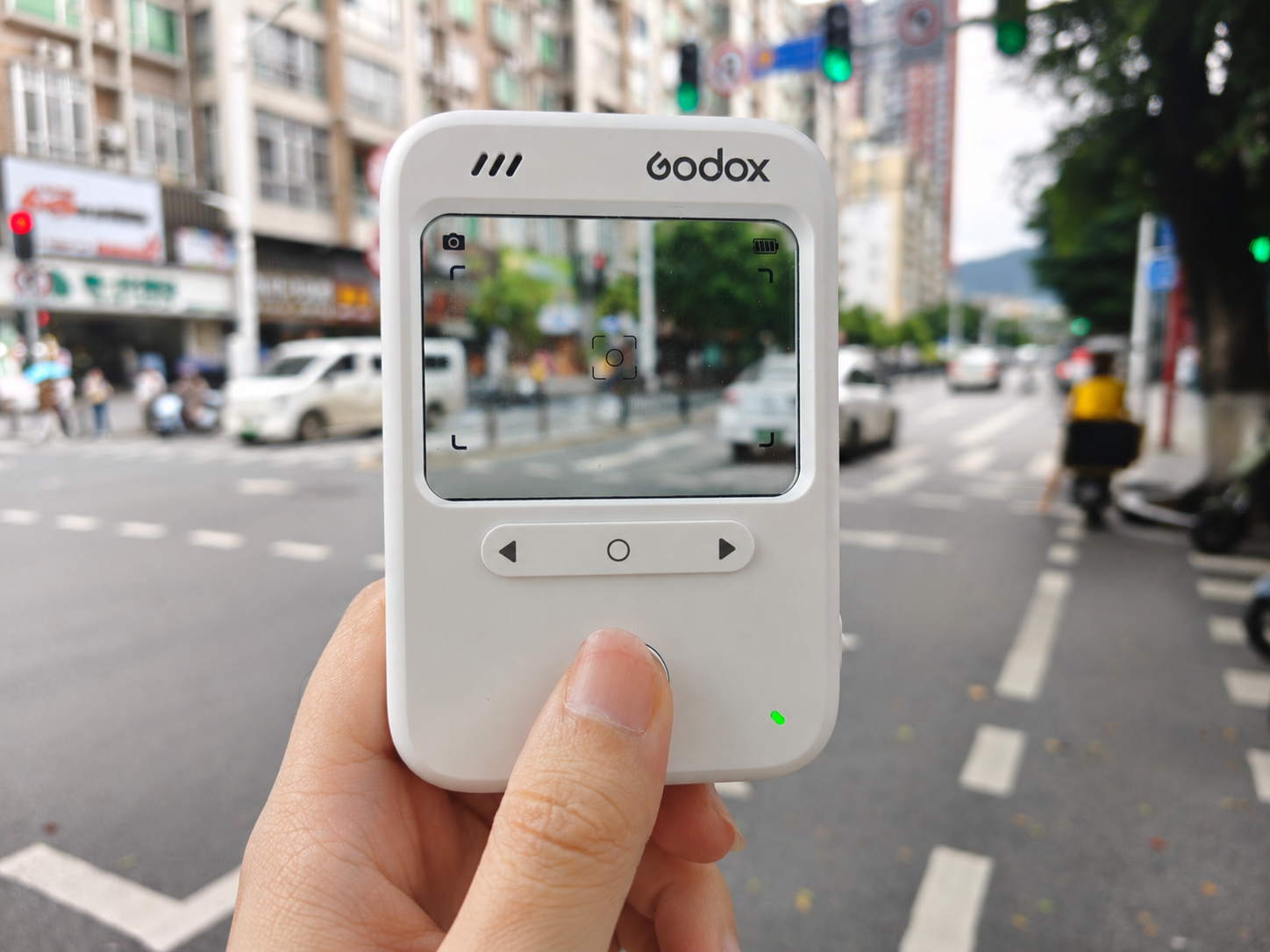
(Image Source: Leikeji)
However, as mentioned earlier, the transparent viewfinder introduces parallax issues.
The lens and what your eye sees don't align. When shooting distant buildings, this discrepancy is usually not noticeable; when shooting desktop items or close-up portraits, there's a significant difference between the actual photo and the viewfinder, and this distance is quite hard to gauge, only manageable through intuition.
For example, in the pose shown above, the photo I ultimately took looked like this, clearly larger than the viewfinder frame, with excessive light degradation at the edges.
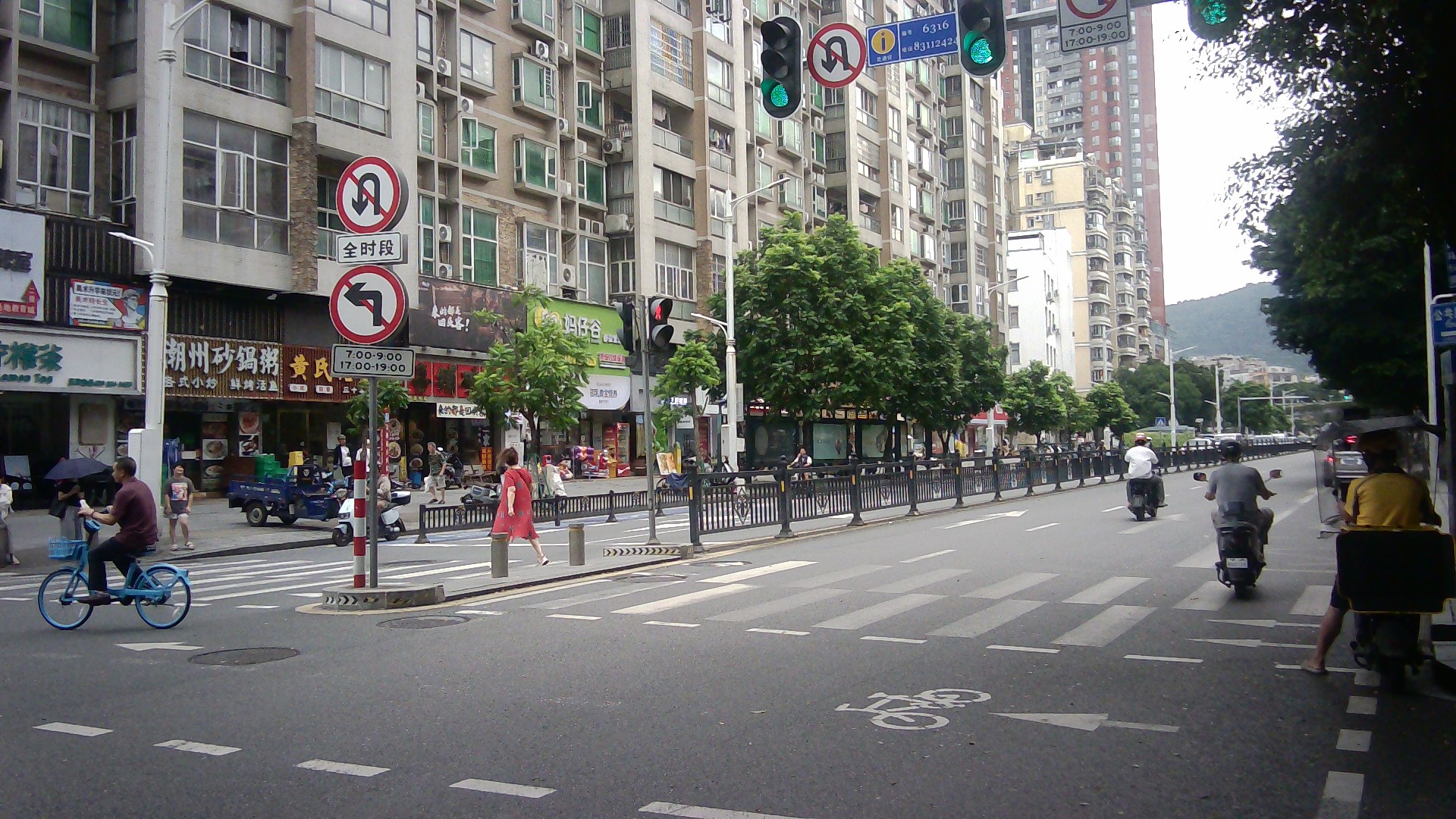
(Image Source: Leikeji)
I also tried shooting some figurines with it; suffice it to say, directly Close to the camera (which means 'close to the lens') most likely won't focus...
(Image Source: Leikeji)
At night, the C100 relies heavily on ambient light.
It lacks a flash, and its low-light imaging capabilities are limited. In well-lit areas like malls or night markets below my home, photos can barely capture some people and the environment, but any light source will cause overexposure.
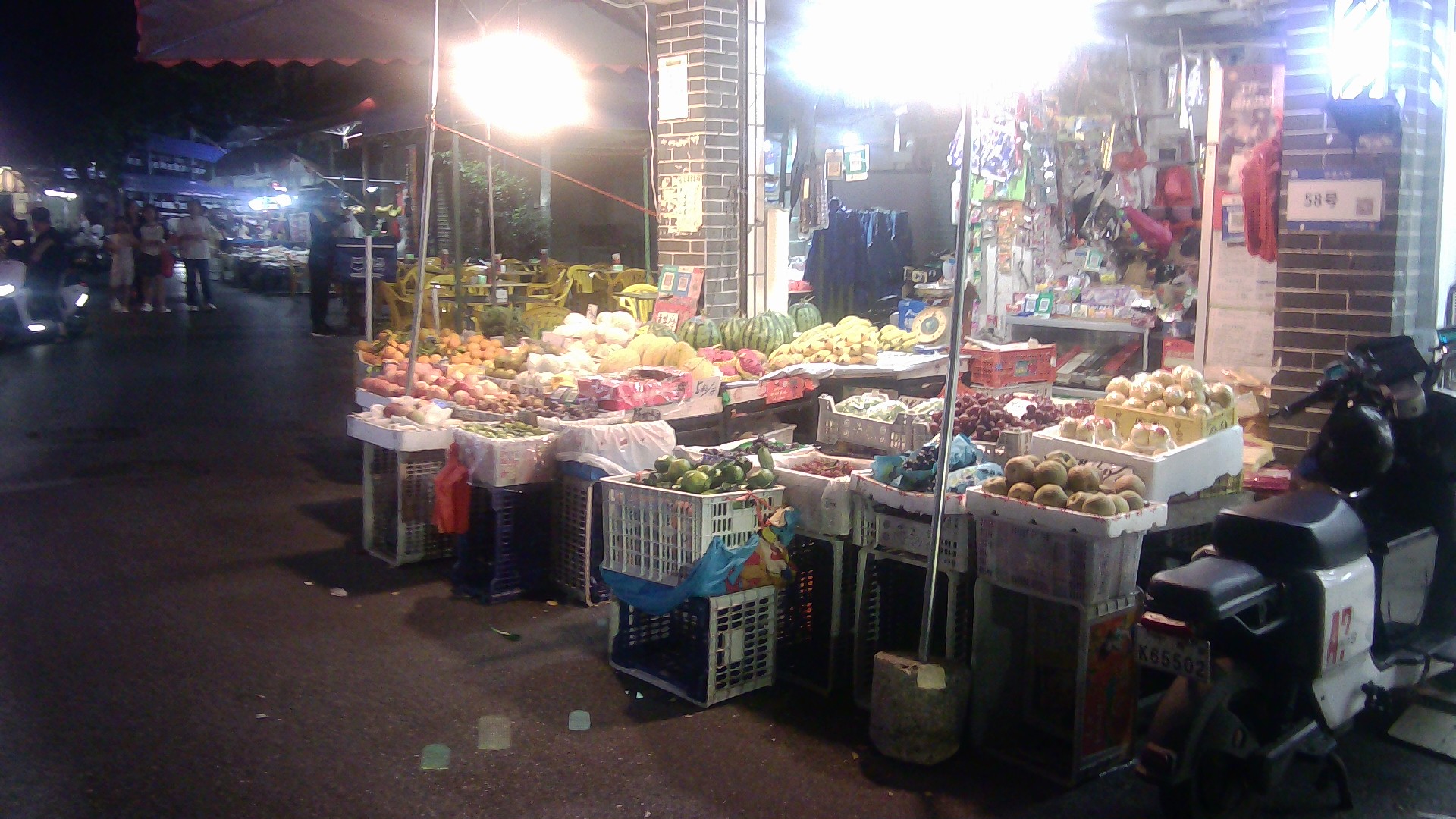
(Image Source: Leikeji)
In poorly lit areas, the photos are mostly blurry.
The same goes for video recording, not to mention the camera lacks image stabilization. Even a five-second video can shake like this, so don't expect a good shooting experience.
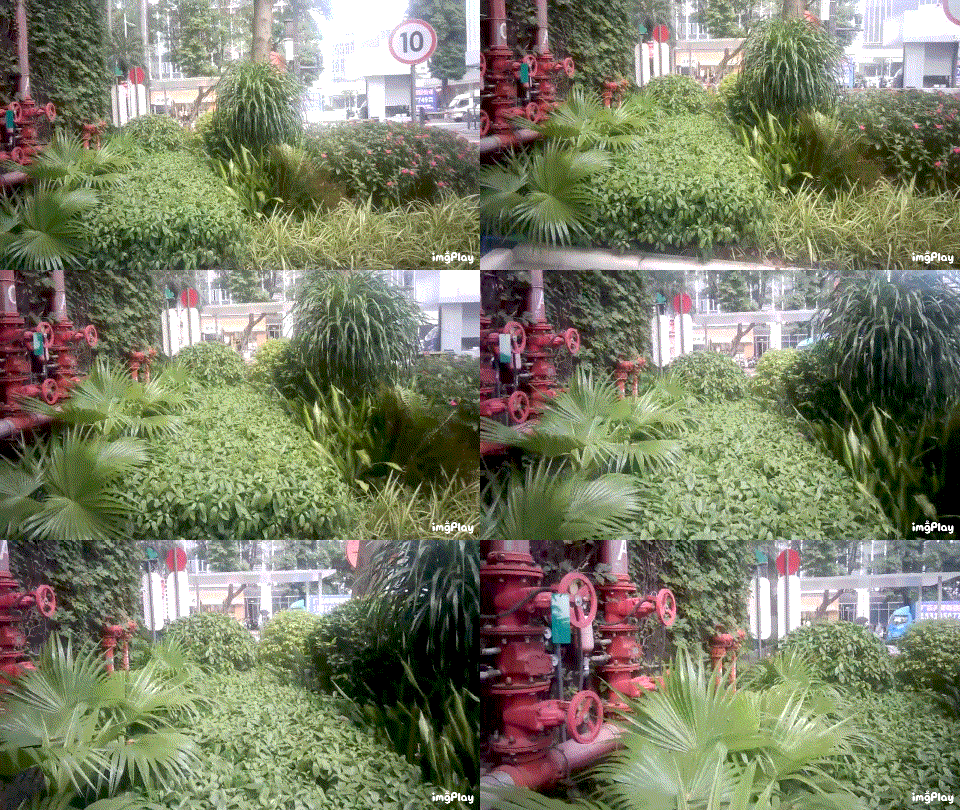
(Image Source: Leikeji)
Finally, as mentioned earlier, one of the selling points of this camera is its ability to function as a light meter.
As shown below, after setting the ISO, you can choose to set the aperture to calculate the shutter speed or set the shutter speed to calculate the aperture.
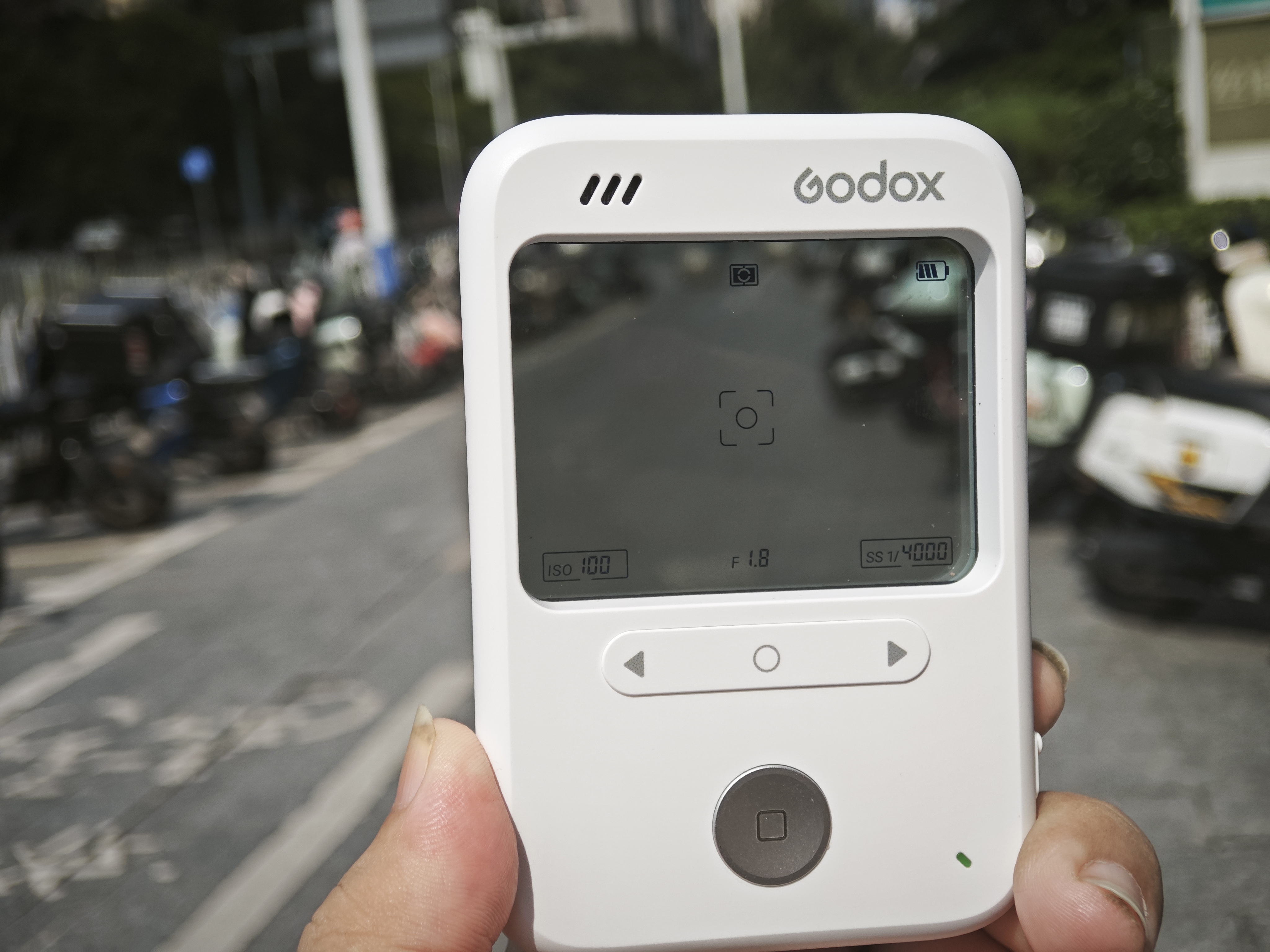
(Image Source: Leikeji)
After setting the parameters and pressing the shutter, you can see the calculation result.
While I know nothing about light metering, a colleague of mine bought the Cangye C3M1, which requires manual light metering. I decided to let him try it out.
After using it for a while, he told me it doesn't work; it's always overexposed.
Really? Skeptical, I used my main camera's professional mode to investigate, inputting the parameters given by the C100 and then shooting!
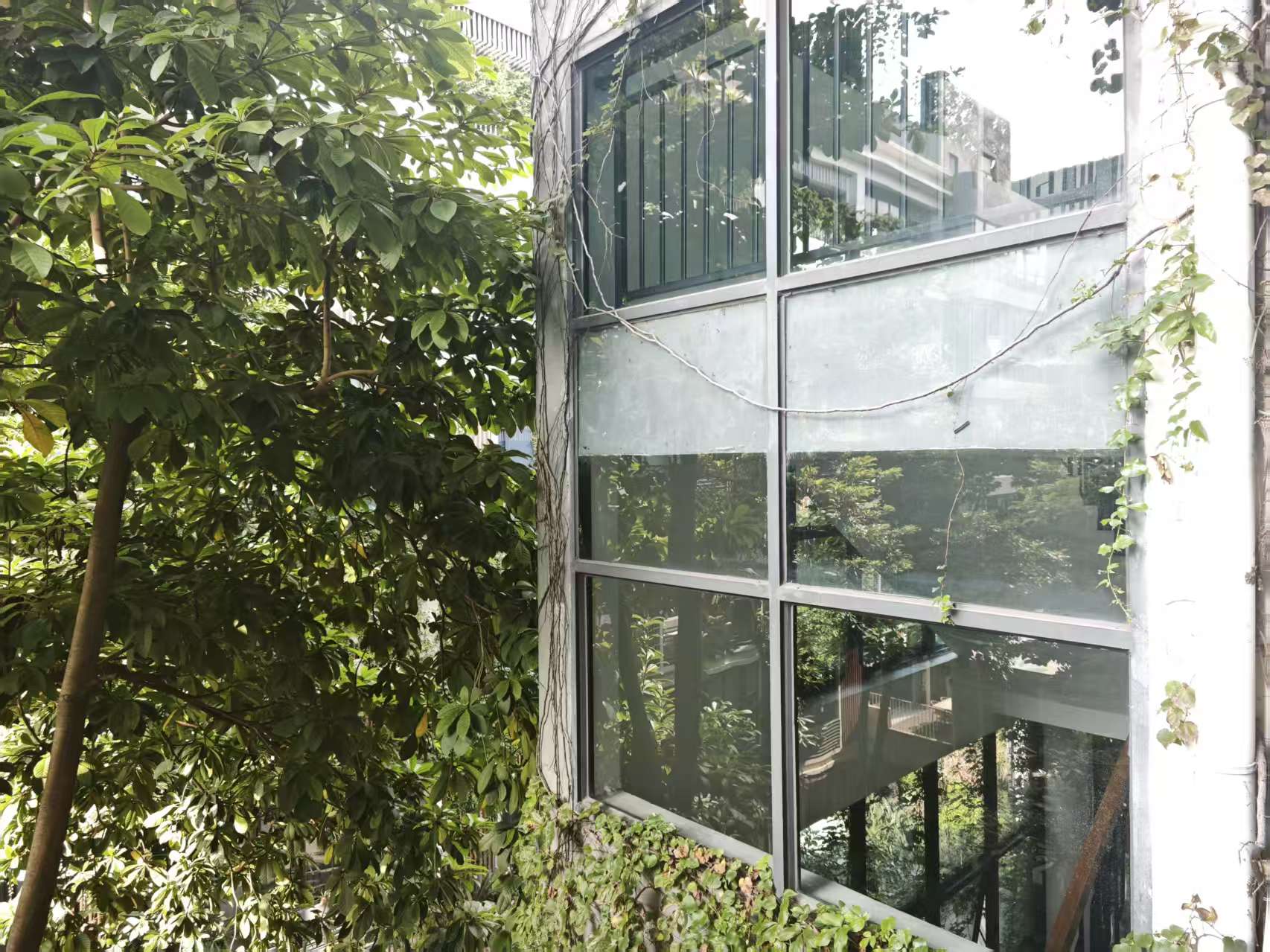
(Image Source: Leikeji)
Amazingly, it was indeed overexposed. This camera overexposes in everything it does.
However, according to my colleague, for cameras with extremely low dynamic range and poor low-light performance, slightly overexposing during shooting and then pulling back the highlights in post-processing is actually easier to fix than underexposing and then raising the shadows.
After all, the foundation of such 'toy cameras' is so poor that pulling up the shadows in underexposed callbacks will significantly increase image noise.
There's one more imaging toy, just a toy.
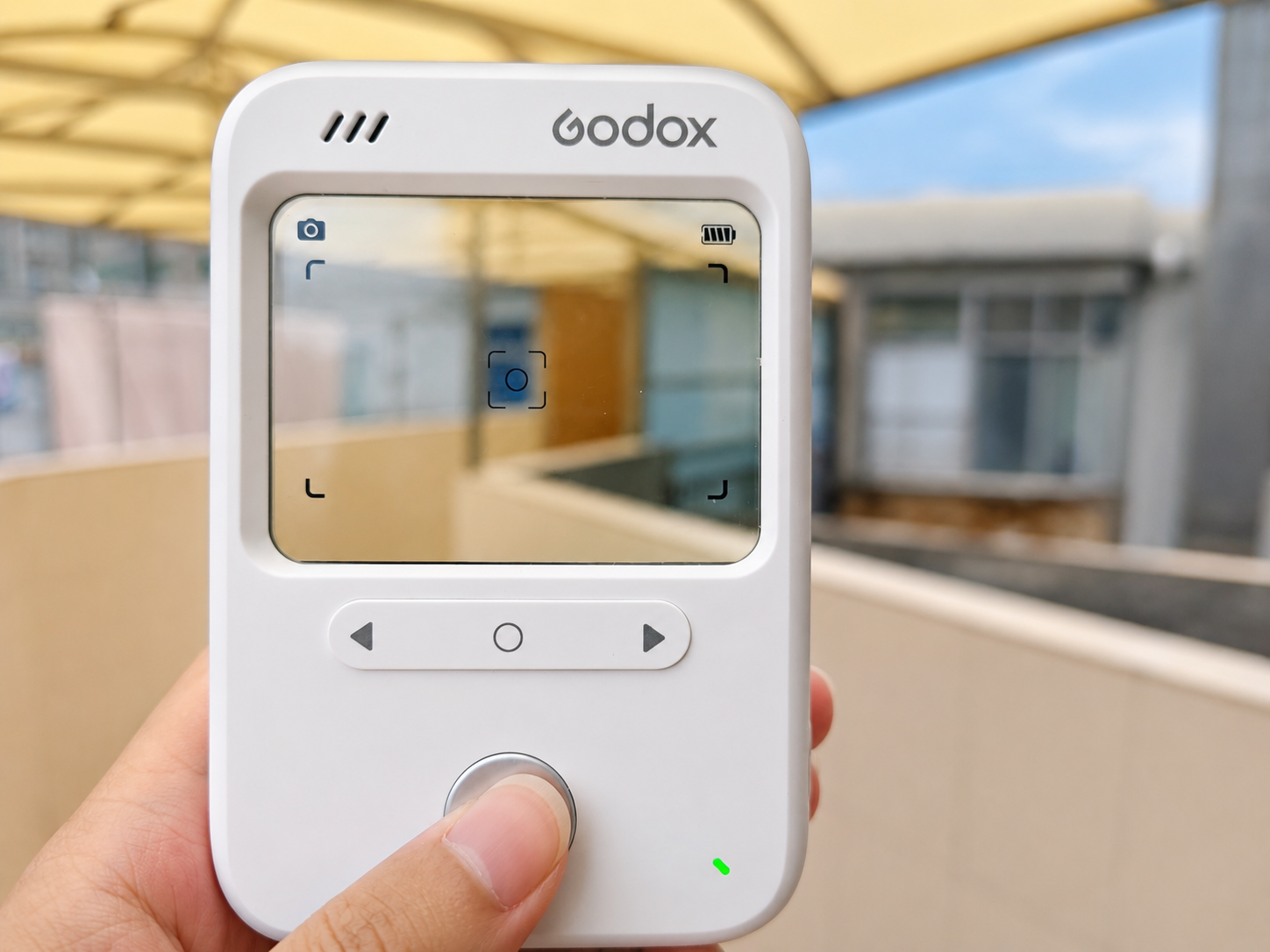
In my opinion, compared to a camera, the Godox C100 is more like a creative toy with shooting capabilities.
It's very lightweight and can be carried around as a simple light metering tool. Even when not measuring light, it can be used to take a few photos with a low-pixel style.
Most importantly, at a price of 199 yuan, it's not a big financial burden to buy and give it a try.
(Image source: Leikeji)
However, if you're planning to buy a daily camera for traveling, capturing family moments, or taking group photos with friends, the C100 is not suitable. Most smartphones now have significant advantages in terms of image quality, focusing, night photography, and sharing processes. The fact that the photos taken with it are not worth looking at is enough to discourage most consumers.
As for why Godox launched this product, I think it's mainly to find an easy new direction to enter.
Traditional cameras require long-term accumulation of lens, focusing, and image processing technologies, making it difficult for new brands to directly compete. Godox has chosen a low-price and special design approach, attracting attention with a transparent screen and adding their familiar light metering function. The overall product concept is relatively clear.
But as for the experience... it varies from person to person.
On July 31st, ChinaJoy 2026, themed 'Exploring with AI,' kicked off with a bang.
A total of 900 pan-entertainment exhibitors, including Tencent, NetEase, Sony, Qualcomm, Maicong, Qingxian, and others, jointly presented a global entertainment feast.
With the support of AI, how will hard tech brands in terminals, peripherals, robots, displays, chips, and other fields collaborate with the gaming content industry to present new entertainment experiences?
Led by founder and editor-in-chief Luo Chao, the Leikeji ChinaJoy 2026 reporting team is about to land in Shanghai to present heavyweight coverage. Stay tuned.
Source: Leikeji
The images in this article are from the 123RF licensed image library. Source: Leikeji
-
![]()
From Energy Conservation and Carbon Reduction to AI Decision-Making: GECON East Intelligence and Chery Group Explore a New Green and Smart Paradigm for Automobile Manufacturing
-
![]()
WAIC 2026 Observation | AI Accelerates Towards the Core of Industries, Industrial AI Enters a Critical Phase
-
![]()
Volkswagen China Fires the First Shot in Foreign-Funded 'White Box Delivery'!
-
![]()
AI Agent Smartphones: The Next Competitive Edge Transcends Large Models
-
![]()
Over 880 Million Yuan Worth of Orders Unveiled, Bidding Launched for Shenzhen Eastern Public Transport
-
![]()
Tesla's Robotaxi Hits the Road: A Monumental Gamble with an Uncertain Future
-
![]()
Ford and Geely Forge New Joint Venture in Spain, Sidestepping Changan and JMC
-
![]()
199 RMB! Godox's First Camera Review: Subpar Photography, Transparent Viewfinder Frame is the Highlight