Tesla’s Q2 Earnings: Impressive Revenue Growth, Yet Skyrocketing Costs—Is AI and Robotics an Inexhaustible Sinkhole?
 07/27 2026
 511
511
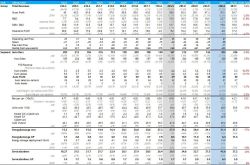
On July 23, Tesla unveiled its Q2 2026 earnings report. At first glance, focusing solely on the revenue figures, the report appears commendable. Total revenue soared to $28.62 billion, marking a 26% year-over-year increase and surpassing the $100 billion threshold for the first time in the past twelve months. Vehicle deliveries reached 480,000 units, a 25% year-over-year surge, setting a new record.
However, a more in-depth analysis of the report tells a different tale.
Under the Generally Accepted Accounting Principles (GAAP), operating profit plummeted by 57%, declining from $923 million in the same period last year to $398 million. Concurrently, the operating profit margin dwindled from 4.1% to 1.4%. More alarmingly, free cash flow turned negative, reaching -$1.1 billion, a situation not seen since Q1 2024.
What went awry?
The primary culprit is the significant downturn in carbon credit revenue. This revenue stream dwindled from $439 million in Q1 to $146 million, a substantial drop. Last year, the U.S. enacted new legislation, eliminating penalties for automakers that fail to meet fuel economy standards and abolishing California's mandatory electric vehicle sales mandate. Consequently, existing clients no longer feel compelled to purchase credits, gradually narrowing this revenue avenue. Analysts predict that this income stream will completely dry up by 2027.
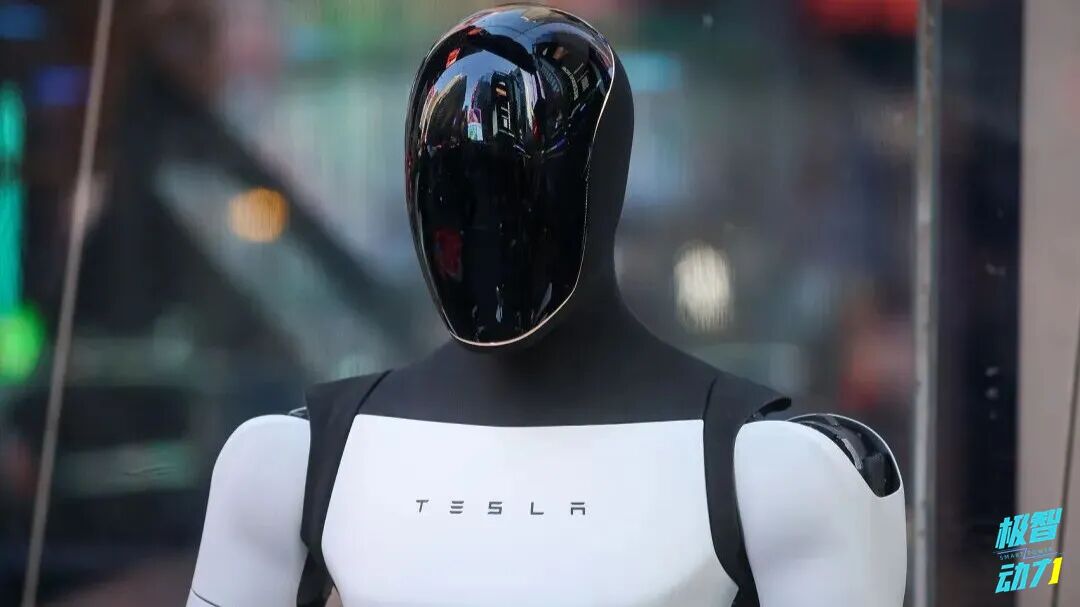
The second factor contributing to the financial woes is the escalating pace of spending. Operating expenses surged by nearly half year-over-year, jumping from $2.96 billion to $4.35 billion. R&D investment accounted for $2.37 billion, with the report explicitly stating that these funds were allocated to AI and other R&D projects. Capital expenditures skyrocketed from $2.39 billion to $5.79 billion, an increase exceeding $3 billion.
Where is all this money being funneled?
Tesla is currently pursuing six to seven major initiatives simultaneously, including Cybercab autonomous taxis, Optimus humanoid robots, Texas energy storage factories, Austin chip plants, lithium refining, and 4680 battery expansion. Management stated that full-year capital expenditures will surpass $25 billion this year and continue to climb over the next two to three years.
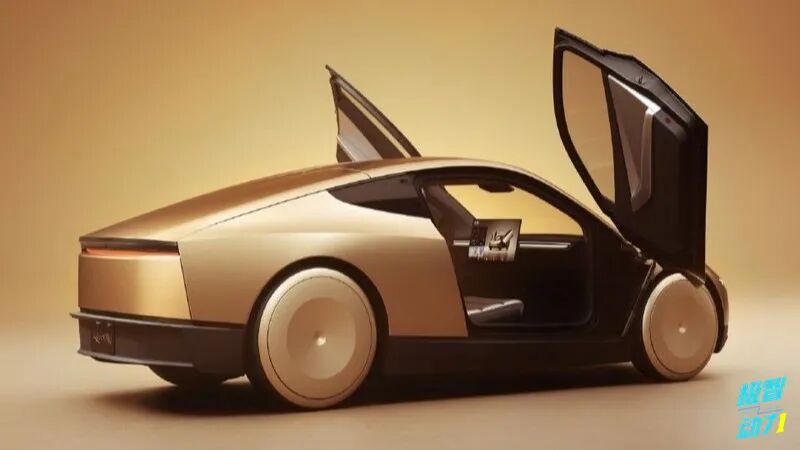
The silver lining is that Tesla still boasts $43.5 billion in cash reserves, mitigating short-term liquidity concerns. Nevertheless, the question lingers: when will this massive investment yield tangible returns?
If electric vehicles are Tesla's "bread and butter," then AI, autonomous driving, and robotics are the true engines propelling its $1.2 trillion market capitalization.
The most significant progress this quarter is Tesla's deployment of fully unsupervised Robotaxis in seven major U.S. cities, amassing over 380,000 miles. Unlike previous grandiose claims of "one million units next year," this time, the Robotaxis are genuinely on the roads, not merely a concept showcased at press conferences.
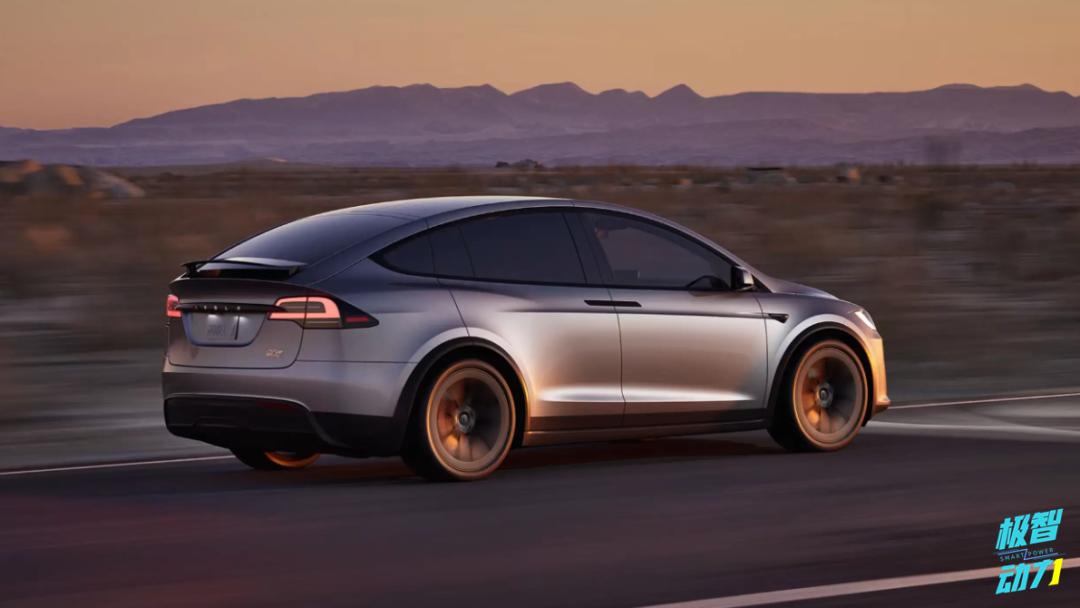
Adoption rates for Full Self-Driving (FSD) are also on the rise. 55% of new North American customers activated FSD upon vehicle delivery, with global paid users nearing 1.5 million, a 56% increase from last year. After reducing the subscription fee from $199 to $99, more customers are now willing to pay for the service.
The most noteworthy development is Optimus. Tesla has halted Model S and Model X production at its Fremont factory, replacing it with a humanoid robot production line. These models once epitomized Tesla's premium positioning; now, making way for robots carries greater symbolic significance. Tesla is no longer just an automaker—it's transitioning toward embodied intelligence.
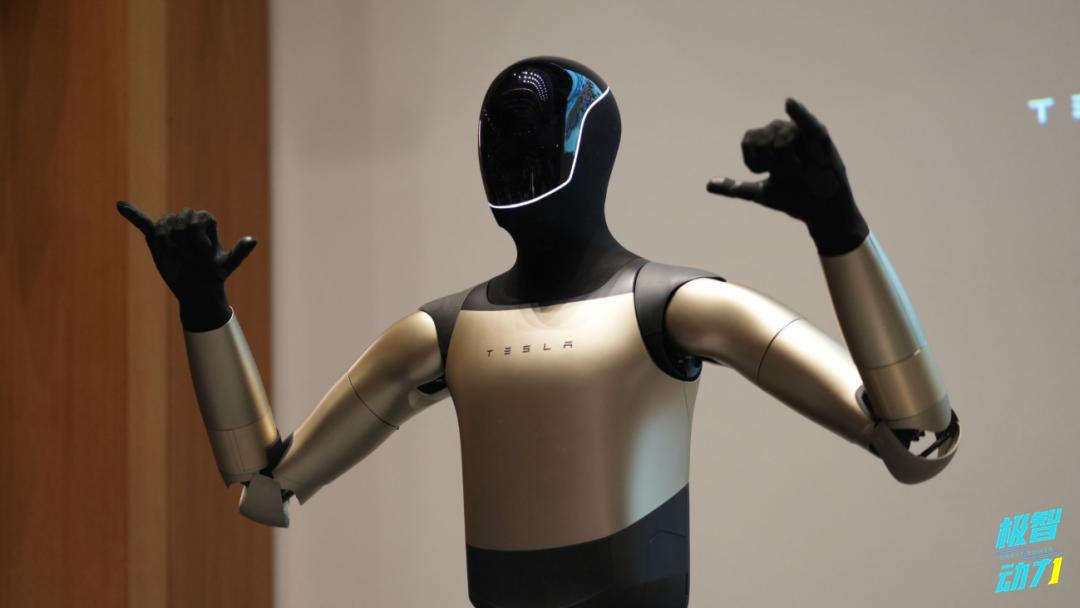
This time, Musk exercised more restraint, avoiding his usual grandiose promises. He acknowledged that mass-producing humanoid robots represents Tesla's most challenging manufacturing endeavor to date, with nearly all components redesigned, minimal existing supply chain support, and most work conducted in-house.
In Conclusion:
Tesla's history is punctuated by repeated near-death experiences followed by remarkable resurgences. The 2008 Roadster nearly bankrupted the company, while the 2018 Model 3 "production hell" was rescued by the Shanghai factory. This time, the stakes have evolved—from "can we build great cars?" to "can we transform from an automaker into a super tech conglomerate integrating robotics, autonomous driving, AI chips, and energy storage?"
What truly matters in this earnings report is not the $398 million operating profit or the -$1.1 billion free cash flow, but the fact that the company holds $43.5 billion in cash and is investing it at an unprecedented pace into an unproven future. Musk's greatest strength lies not merely in envisioning the future but in convincing others that he can bring it to fruition—and this time is no exception.
-
![]()
Still Thrivings: Top Fuel-Powered Cars with Over 10,000 Sales in June
-
![]()
Surprise! 17 Fuel-Powered Vehicles Surpass 10,000 Units in Sales for June
-
![]()
Mercedes-Benz Halts Production of Electric CLA L in China Less Than a Year After Launch
-
![]()
China's Top 10 Provincial Economies: A Major Reshuffle Underway
-
![]()
Tesla: Building Cars Against the Odds, but AI Promises Remain Unfulfilled?
-
![]()
Shocking! 60 Car Models Fail to Reach Double-Digit Sales in Six Months
-
![]()
Fuel Vehicles, Once Deemed 'Unviable,' Are Making a Surprising Comeback
-
![]()
JAC Motors Ascends to High-End Market, Leaves Individual Investors in the Lurch