Still Thrivings: Top Fuel-Powered Cars with Over 10,000 Sales in June
 07/27 2026
 413
413
Many consumers remain wary of fully electric vehicles, preferring the stable driving experience and reliability of fuel-powered cars. The convenience of refueling, freedom from range anxiety, and proven quality are key reasons for their loyalty to fuel-powered vehicles. Despite the growing market share of new energy vehicles, a significant portion of users remain firmly committed to fuel-powered cars. Let's take a look at the top ten fuel-powered car models by sales in June and see which familiar faces continue to dominate the market.
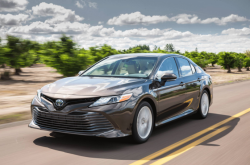
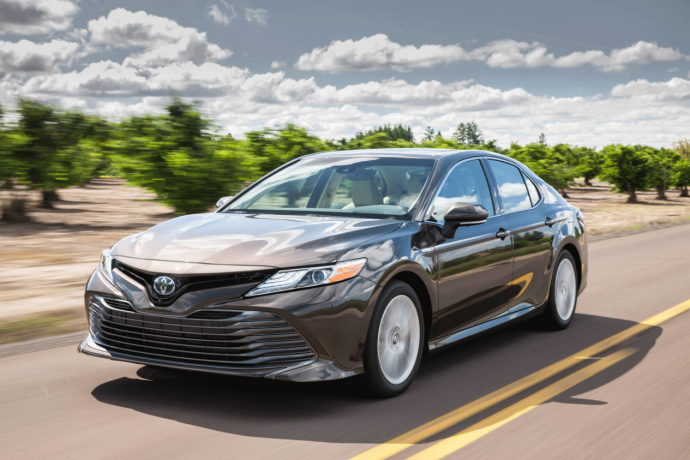
1st Place: Camry
This June, the Camry soared to the top of the fuel-powered car rankings with 17,114 units sold, showcasing the strength of a leading joint-venture model. Over the past two years, the car has consistently maintained monthly sales exceeding 10,000 units, demonstrating remarkable resilience against market fluctuations. Data reveals that the Camry's cumulative sales for the first half of 2025 reached 85,981 units, with 208,653 units sold for the entire year. Looking at the monthly trends, the Camry sold 17,426 units in January, starting the year strong; sales dipped to 11,172 units in February due to the Spring Festival holiday; rebounded to 17,069 units in March; decreased to 10,963 units in April; slightly increased to 12,237 units in May; and then significantly rebounded to 17,114 units in June, securing the top spot in the fuel-powered car rankings. Amidst the continuous pressure from new energy vehicles, the Camry has maintained its position as a leading joint-venture mid-size fuel-powered sedan.
2nd Place: Lavida
Known as an "evergreen" model in the automotive market, the Lavida has sold over 100,000 units in the first half of this year, averaging more than 16,000 units per month. Data shows that the Lavida sold 23,481 units in January; over 15,000 units in both February and March; 12,457 units in April; 13,033 units in May; and climbed to 15,444 units in June, securing second place in the fuel-powered car rankings. As a strong competitor to models like the Nissan Sylphy, the Lavida continues to demonstrate strong market competitiveness despite the rise of new energy vehicles.
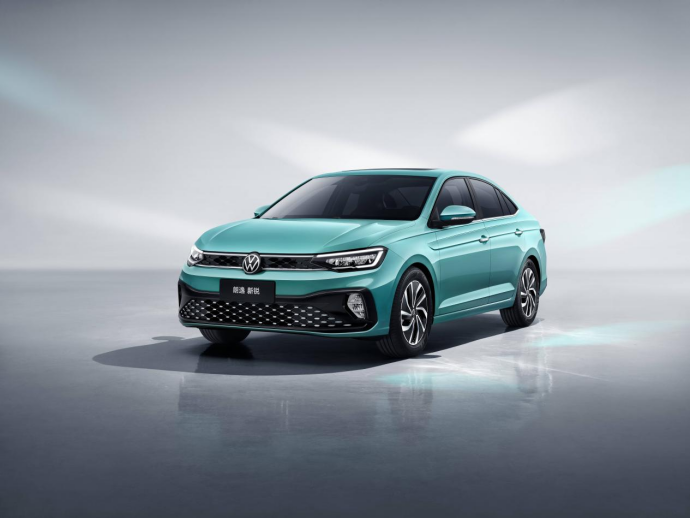
3rd Place: Xingyue L
As Geely's flagship fuel-powered SUV, the Xingyue L has accumulated over 930,000 units in total sales. In June of this year, it topped the fuel-powered SUV segment with 15,220 units sold, showcasing strong market appeal. Looking at the monthly trends for the first half of this year, the Xingyue L started strong with 23,481 units in January; dipped to 10,144 units in February; rebounded to 12,940 units in March; hit a low of 9,046 units in April; rose to 11,099 units in May, rejoining the 10,000-unit club; and steadily climbed to 15,220 units in June, with a month-over-month increase of over 37%, demonstrating strong market resilience. With its solid product strength and continuously accumulating user reputation, the Xingyue L has become a quality benchmark for domestic brands in its segment.
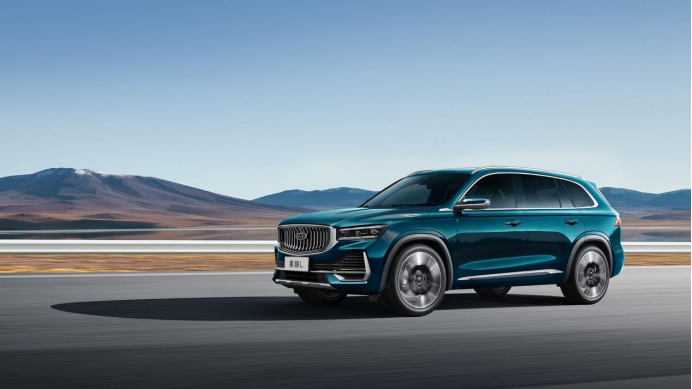
4th Place: Boyue L
The Boyue L is another key player in Geely's lineup of domestic fuel-powered SUVs, boasting strong competitiveness in the 100,000-150,000 RMB family car segment. According to public data, the Boyue L had a strong start with 34,176 units sold in January; 19,363 units in February and 17,402 units in March; sales dipped to 11,315 units in April due to industry cycle fluctuations; rose to 13,395 units in May, securing the monthly sales crown for fuel-powered SUVs; and further increased to 14,970 units in June. Against the backdrop of an overall declining automotive market and a year-over-year decline in fuel-powered car sales, the Boyue L stands out as one of the few fuel-powered models capable of maintaining stable sales.
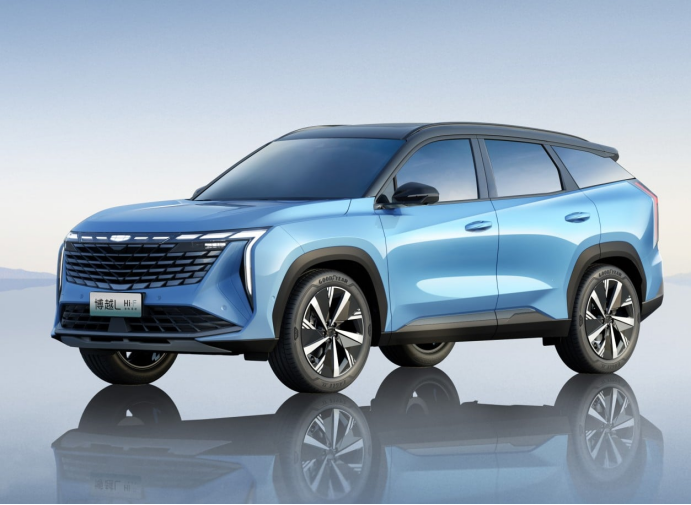
5th Place: RAV4
As Toyota's global benchmark for compact SUVs and a cornerstone of its sales, the RAV4 is a trusted choice for many families, known for its reliability, fuel efficiency, value retention, and safety. Data shows that 68,874 units were sold in the first half of this year, with only February and May seeing sales of 7,789 units and 9,857 units, respectively, while sales exceeded 10,000 units in all other months. With its solid product reputation and Toyota's strong channel coverage, the RAV4 has maintained its core position in the fuel-powered SUV segment amidst the new energy wave, demonstrating strong market resilience.
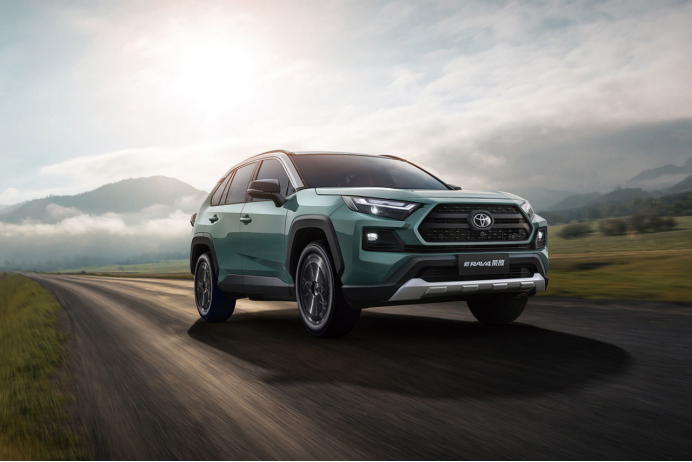
6th Place: Magotan
Known as the "benchmark for joint-venture B-class cars," the Magotan delivered a highly impressive performance in the first half of this year. Data shows that from January to March, the Magotan sold a cumulative total of 43,586 units thanks to its strong product strength; sales dipped to 8,124 units in April; rebounded to 8,336 units in May; and further climbed to 11,047 units in June, with a month-over-month increase of over 32%. With approximately 69,000 units sold in the first half of the year, the Magotan has maintained its core position in the B-class fuel-powered sedan segment amidst the continuous impact of the new energy trend.
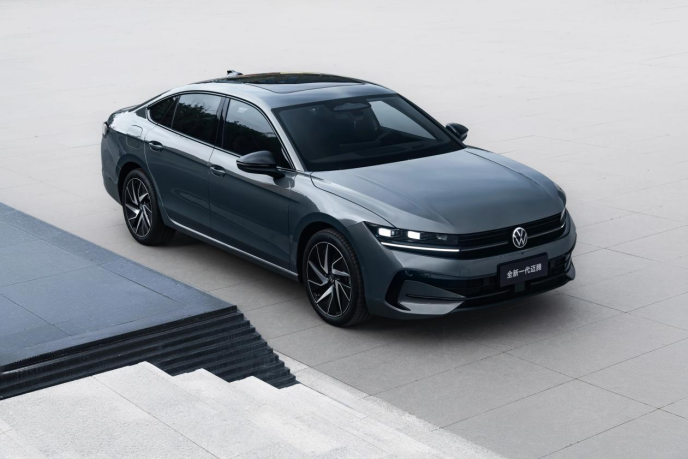
7th Place: Passat
As an "evergreen" model in the mid-size sedan market, the Passat is not only a strong competitor to the Magotan and Camry but also a regular in the 10,000-unit monthly sales club. Based on terminal sales data for the first half of this year, its overall performance has been commendable. In January, the Passat sold nearly 21,000 units; 13,988 units in February, with a slight sales dip; 16,067 units in March; 8,129 units in April, affected by price wars and consumer hesitancy, reaching a temporary low; steadily rebounded to 10,727 units in May, rejoining the 10,000-unit club; and further strengthened to 12,862 units in June, with a month-over-month increase of nearly 20%, demonstrating strong market recovery capabilities. With over 80,000 units sold in the first half of the year, the Passat has proven its ability to remain a top contender amidst fierce competition.
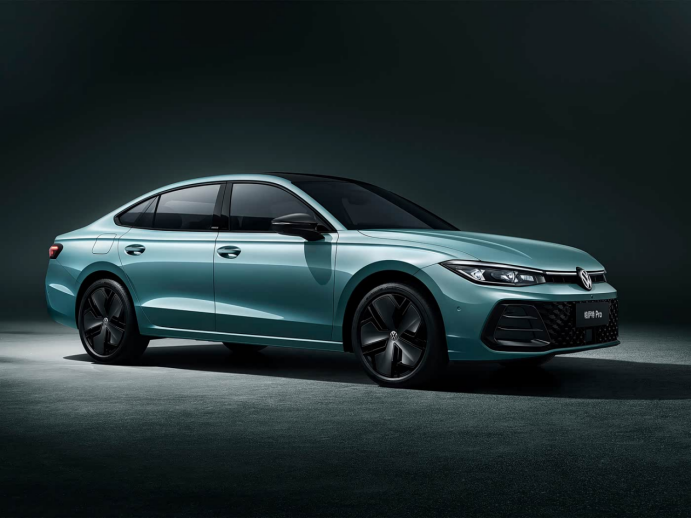
8th Place: Tiguan L
As one of SAIC Volkswagen's "three pillars" for volume sales, the Tiguan L has sold over 82,000 units in the first half of the year, averaging over 13,000 units per month. Data shows that the Tiguan L sold 21,330 units in January, starting with strong momentum; a cumulative total of 27,058 units from February to March; 9,109 units in April, marking the lowest sales of the first half; 12,503 units in May; and 12,806 units in June, maintaining stable output. In a market where new energy vehicles are thriving, the Tiguan L, as a fuel-powered car, has achieved such market performance, proving that its product strength is truly remarkable.
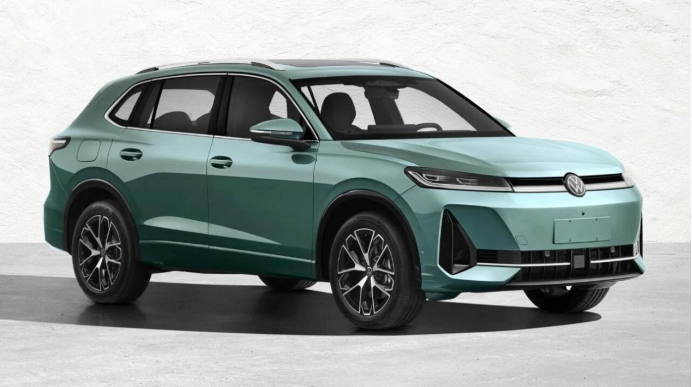
9th Place: Chang'an CS75 PLUS
As a key model among domestic compact fuel-powered SUVs, the Chang'an CS75 PLUS demonstrates remarkable market resilience. Looking at the sales trends for the first half of this year, only April saw weaker performance with 8,716 units sold, while sales exceeded 10,000 units in all other months. Amidst the continuous pressure from new energy vehicles and increasingly fierce competition in the fuel-powered segment, the Chang'an CS75 PLUS has calmly weathered market challenges thanks to its Blue Whale powertrain, superior space, and balanced family-oriented attributes, fully proving that its product strength can withstand the dual test of market and time.
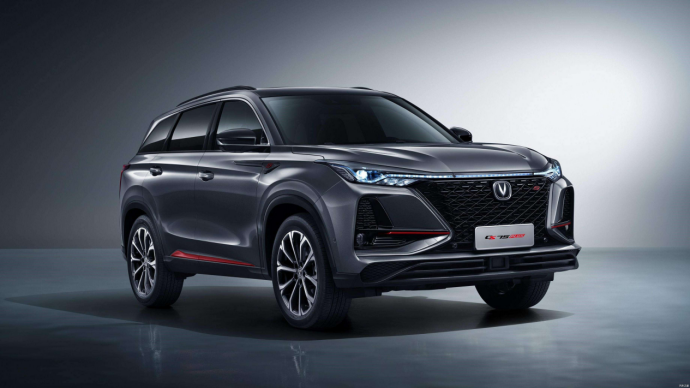
10th Place: Tayron
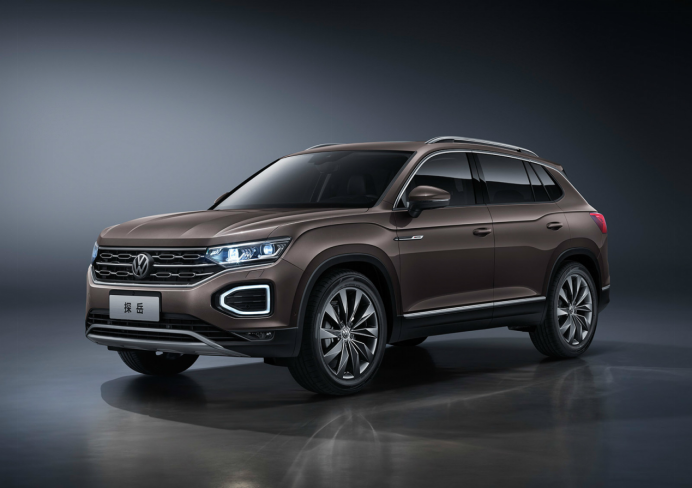
As a core force in FAW-Volkswagen's SUV lineup, the Tayron has successfully expanded from a single model to a diverse family matrix encompassing the Tayron X, Tayron GTE, and the all-new Tayron L since its debut in 2018. Over seven years of cultivation, it has achieved a sales milestone of one million units, proving its top-tier product strength and market competitiveness as a mainstream joint-venture SUV. Data shows that the Tayron sold 16,732 units, 11,084 units, and 15,897 units from January to March; sales dipped to 6,667 units in April; rebounded to 11,425 units in May; and stabilized at 11,664 units in June. With its solid German quality and continuously evolving product strength, the Tayron family has maintained its core position in the mainstream joint-venture SUV segment amidst the new energy wave.
In Conclusion:
Although electrification is a major trend in the industry, these fuel-powered "evergreens" have broken through against the odds with their exceptional strength, proving that fuel-powered cars still hold irreplaceable value. Leveraging their mature technology and reliable quality, they have maintained their market position, stood firm amidst the new energy wave, and continued to provide consumers with diverse choices. For consumers who prioritize convenient refueling, frequently undertake long-distance travel, and do not wish to be constrained by range limitations, mature and reliable fuel-powered cars remain an excellent choice. (Images sourced from the internet, rights reserved for deletion in case of infringement)
-
![]()
Used Cars Step into the Limelight Alongside New Cars: What Does This Trend Indicate?
-
![]()
After 20 Million Vehicles, How Can Chery Conquer the 'Brand Value' Challenge?
-
![]()
Xiaomi Pengcheng Set to Unveil Two New Models at Launch Event!
-
![]()
Can Beijing Hyundai Make a Comeback?
-
![]()
Still Thrivings: Top Fuel-Powered Cars with Over 10,000 Sales in June
-
![]()
Surprise! 17 Fuel-Powered Vehicles Surpass 10,000 Units in Sales for June
-
![]()
Mercedes-Benz Halts Production of Electric CLA L in China Less Than a Year After Launch
-
![]()
China's Top 10 Provincial Economies: A Major Reshuffle Underway