Surprise! 17 Fuel-Powered Vehicles Surpass 10,000 Units in Sales for June
 07/27 2026
 325
325
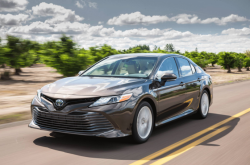
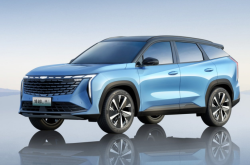
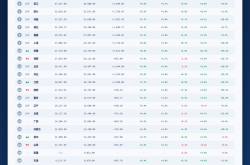
Recently, data released by the China Passenger Car Association (CPCA) has ignited heated discussions within the automotive industry. The June passenger vehicle retail rankings revealed a notable resurgence of fuel-powered vehicles. That month, a total of 17 fuel-powered models achieved monthly sales exceeding 10,000 units. Notably, the Toyota Camry soared to the top of the fuel-powered vehicle rankings with 17,114 units sold, also securing ninth place in the overall passenger vehicle retail list. The Volkswagen Lavida followed closely, with 15,444 units sold, ranking second among fuel-powered vehicles and tenth overall. This performance marked a significant departure from May, when no fuel-powered vehicles made it into the top 10 sales list. It is crucial to note that this resurgence occurred despite the ongoing and accelerating decline in the market share of fuel-powered vehicles. In January of this year, seven fuel-powered vehicles were still among the top 10 in passenger vehicle retail sales, with the Geely Boyue L ranking second with 34,000 monthly sales, just behind the Xiaomi YU7. By March, the number of fuel-powered vehicles in the top 10 had dwindled to five; in April, only the Geely BinYue managed to barely hold onto a spot in the top 10; and by May, fuel-powered vehicles had completely vanished from the leading rankings. The rapid contraction of fuel-powered vehicles' presence in the top 10 over just a few months made the return of two fuel-powered vehicles to the top 10 in June particularly noteworthy. 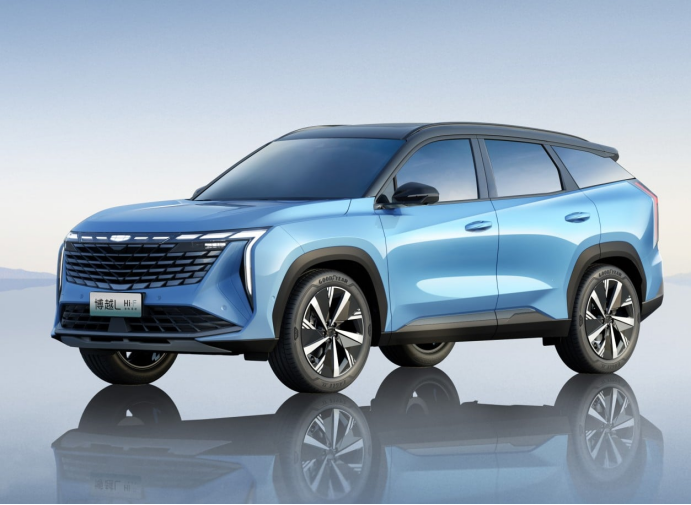
A closer examination of the fuel-powered vehicles that made a comeback in June reveals that they are predominantly "evergreen" models that have established themselves in their respective market segments over the years, driving this short-term recovery with their unique strengths. The Toyota Camry led the fuel-powered vehicle sales chart with 17,114 units sold. Its THS intelligent hybrid system, which has undergone 30 years of market testing, has cemented its position in the mid-size sedan market with its low fuel consumption and high reliability. The Volkswagen Lavida followed suit with 15,444 units sold in a single month, and its cumulative sales for the first half of the year surpassed 100,000 units. The new Lavida Pro, for the first time, features four-wheel independent suspension and is equipped with a Qualcomm 8155 chip, stimulating demand in the entry-level family sedan market through "enhanced features at a lower price." 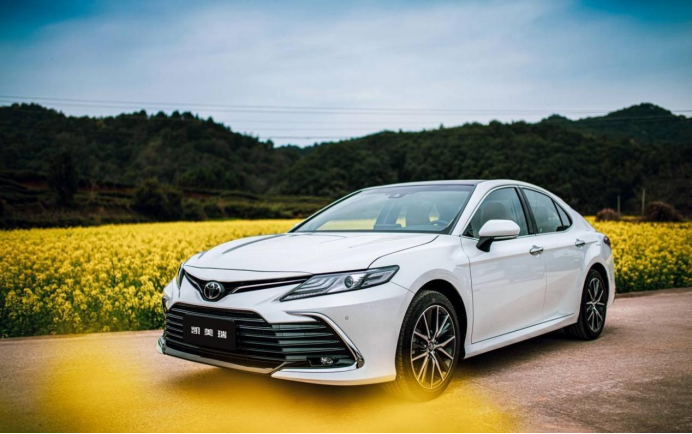
The performance of fuel-powered SUVs from Chinese domestic brands was equally impressive. The Geely Xingyue L, Geely Boyue L, and Changan CS75 PLUS formed the backbone of domestic brand fuel-powered SUVs, selling 15,220, 14,970, and 11,682 units respectively in June. Leveraging their respective strengths, they engaged in differentiated competition with joint-venture models. The Toyota RAV4, known for its traditional durability, addressed its cost-effectiveness shortcomings (weaknesses) after increasing terminal discounts, selling 13,798 units that month. Four models from the Volkswagen Group—the Magotan, Passat, Tiguan L, and Tayron—contributed a combined 50,228 units in sales, capitalizing on their long-standing reputation for German chassis quality and terminal discounts ranging from 20,000 to 50,000 yuan, becoming significant sales pillars for joint-venture fuel-powered vehicles. However, this temporary rebound in fuel-powered vehicle sales is closely linked to lower fuel prices. In June, domestic refined oil prices underwent two rounds of reductions, with the cumulative decrease in 92-octane gasoline reaching 0.81 yuan per liter, significantly reducing travel costs for fuel-powered vehicles. This prompted some consumers who had been hesitant due to high fuel prices to enter the market. 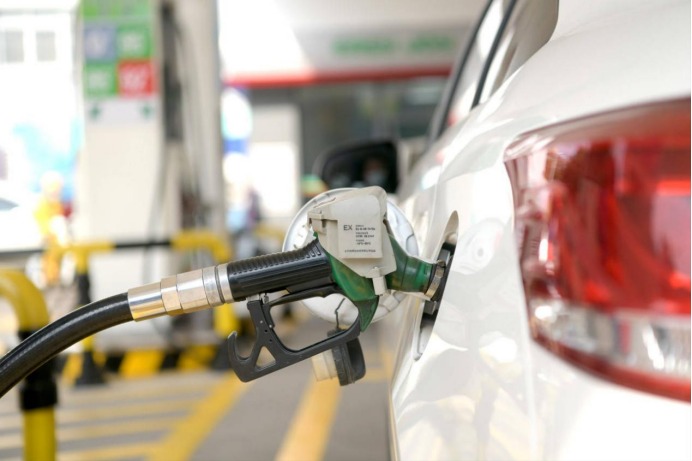
Meanwhile, June marked the end of the semi-annual performance period, and dealers for various brands faced assessment pressures. To clear inventory and meet semi-annual sales targets, they generally increased terminal discounts, with some models seeing price reductions of 20,000 to 50,000 yuan. This price-for-volume strategy effectively stimulated terminal transactions. However, amid the excitement over individual hot-selling models, the reality that the overall fuel-powered vehicle market remains under pressure cannot be overlooked. Data shows that retail sales of fuel-powered vehicles in June plummeted by 39% year-on-year, with their market penetration rate shrinking to 37.2%. In contrast, the penetration rate of new energy passenger vehicles stabilized at 62.8% and has remained above 60% for three consecutive months, indicating that the overall pace of electrification substitution has not slowed. 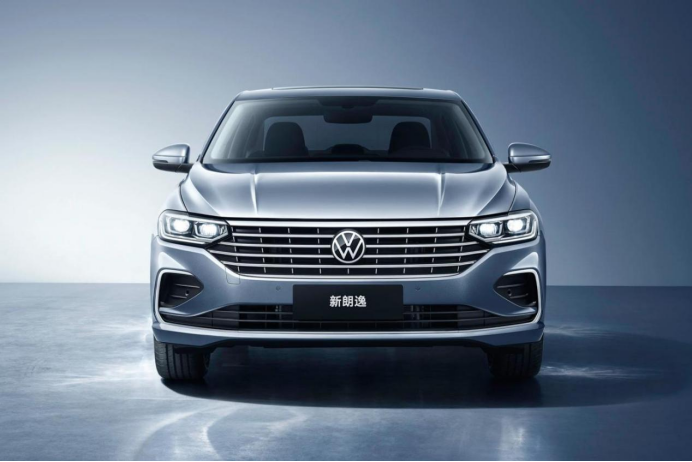
Looking at the medium- to long-term industrial landscape, electrification remains an irreversible trend in the domestic automotive market, with the mid-end home market increasingly being penetrated by new energy models, a widespread consensus. Of course, fuel-powered vehicles will not quickly exit the market. In scenarios such as long-distance travel and use in remote areas, fuel-powered vehicles still retain stable demand that is difficult to replace in the short term due to their convenience in refueling. The industry generally predicts that the future fuel-powered vehicle market will gradually shift toward niche segments, relying on high-end performance models and utility-oriented models to maintain a presence. The largest segment, mainstream home-use fuel-powered vehicles, will continue to face pressure from new energy models. Overall, the recent sales rebound of fuel-powered vehicles is merely a slight uptick amid a sustained decline. Their concentrated sales surge is the result of a combination of lower fuel prices, mid-year sales pushes, and product reputation. Although a single month of recovery cannot reverse the long-term trend of decline, the product strength accumulated by these vehicles over the years confirms the irreplaceability of fuel-powered vehicles in specific scenarios and provides a buffer sample for the industry during this transitional period. 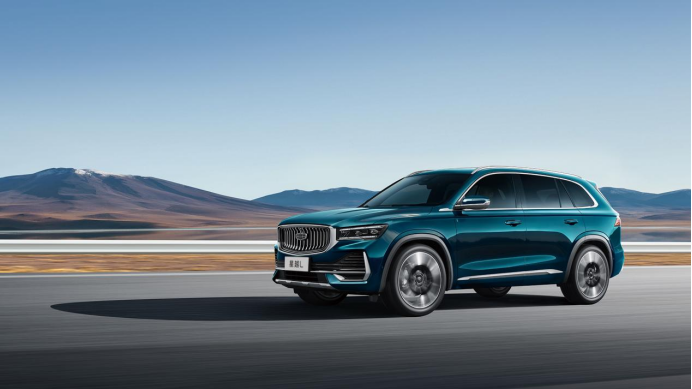
(Image sourced from the internet; removal upon infringement notice)
-
![]()
Used Cars Step into the Limelight Alongside New Cars: What Does This Trend Indicate?
-
![]()
After 20 Million Vehicles, How Can Chery Conquer the 'Brand Value' Challenge?
-
![]()
Xiaomi Pengcheng Set to Unveil Two New Models at Launch Event!
-
![]()
Can Beijing Hyundai Make a Comeback?
-
![]()
Still Thrivings: Top Fuel-Powered Cars with Over 10,000 Sales in June
-
![]()
Surprise! 17 Fuel-Powered Vehicles Surpass 10,000 Units in Sales for June
-
![]()
Mercedes-Benz Halts Production of Electric CLA L in China Less Than a Year After Launch
-
![]()
China's Top 10 Provincial Economies: A Major Reshuffle Underway