Is Selling Cars in China Primarily a One-Time Transaction?
 07/28 2026
 328
328
Lead-in
Introduction
Chinese consumers exhibit limited brand loyalty in the automotive sector.
Competition within China's automotive market has reached unprecedented levels. From January to June, 768 vehicle models recorded sales, yet only 40 models consistently sold over 10,000 units monthly, representing a mere 5.2% of the total.
The oversupply situation has resulted in significant product homogenization. Mengshi Auto CEO Wan Liangyu candidly remarked at a press conference: "In the first half of this year, the domestic auto market saw the introduction of over 600 new models. However, if you obscure the logos, it appears there are only three distinct models: one resembling the Defender, another akin to the Range Rover, and a third similar to the Porsche."
Beyond design similarities, marketing narratives within the industry also exhibit high levels of repetition. Particularly in the domestic premium segment, numerous brands routinely highlight that a significant portion of their initial reservation holders hail from BBA or other competing brands.
On one hand, this narrative underscores the success of domestic brands in diverting users from traditional luxury brands. On the other hand, it reveals an industry-wide challenge: domestic consumers generally lack strong brand recognition for automobiles.
A previous report by Wilson on trade-ins and repeat purchases in China's first- and second-tier cities indicated that even among traditional luxury brand users, the majority who continue to choose the same brand constitute less than 20%. Lexus, the brand with the highest industry recognition, boasts a repeat purchase rate of only 16% for its own brand.
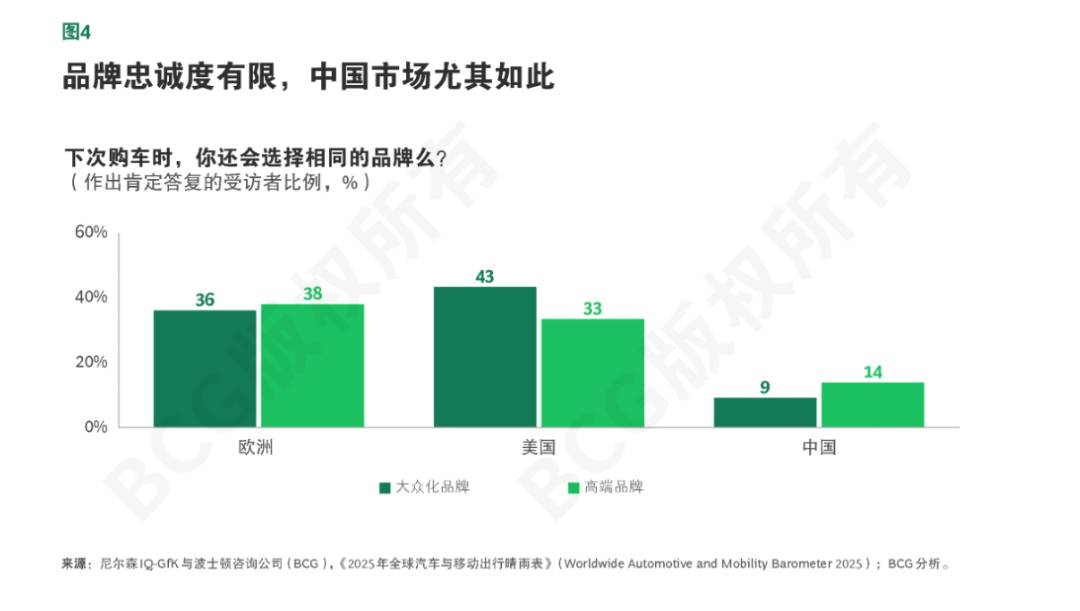
Globally, Chinese car owners demonstrate a high propensity for brand switching. Deloitte's "2026 Global Automotive Consumer Study" reveals that 72% of Chinese consumers intend to switch brands for their next vehicle purchase, compared to 53% in the U.S., 44% in Germany, and 41% in Japan. Further research by BCG indicates that only 9% of mainstream brand owners and 14% of premium brand owners in China will continue to choose the same brand, whereas in the U.S. market, these figures reach 43% and 33%, respectively.
Amidst the growing influence of consumers and a market transition from automaker-led to user-led dynamics, most automakers remain entrenched in a "one-time deal" mindset, struggling to cultivate long-term user assets. The persistent supply-demand imbalance stems from multiple structural factors that collectively contribute to low brand loyalty in China's automotive market.
01 Why Do Chinese Consumers Lack Brand Loyalty?
China's automotive industry presents stark contrasts: on one hand, it achieves technological breakthroughs through new energy and intelligentization, with domestic brands making significant upward strides; on the other hand, the terminal market remains under persistent pressure, with industry profitability reaching new lows.
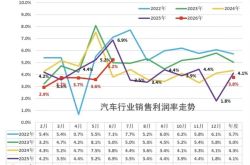
From January to May, China's automotive industry reported profits of RMB 144 billion, with an overall profit margin of just 3.4%. The profit margin for vehicle manufacturing stood at a mere 1.5%. Based on an average passenger car price of RMB 174,000 in June, automakers' net profit per vehicle amounted to only RMB 2,610.
Data from the China Automobile Dealers Association reveals that in the first half of this year, a cumulative total of 9.71 million used cars were traded nationwide, surpassing the approximately 8.7 million new passenger vehicles sold during the same period. This marks the first instance where used car transactions have exceeded new car sales, indicating a shift in China's automotive market from incremental growth to stock circulation.
In this phase of stock competition, capturing short-term market share has become the priority for most automakers. However, amidst relentless internal competition, brand value struggles to translate into long-term user choices.
One key reason is the extreme saturation of the domestic market supply. In traditional automotive powerhouses like the U.S., Japan, and Germany, brand landscapes are relatively stable, and consumer choices are limited, fostering stable consumption habits.
In contrast, the domestic market features fierce competition among domestic brands, joint ventures, and overseas new entrants, with multiple technology routes—fuel, hybrid, and pure electric—coexisting. Hundreds of new models are launched annually. If a brand falls behind in product competitiveness or reduces terminal incentives, consumers can swiftly switch to competitors.
Secondly, domestic consumers tend to perceive cars as functional tools rather than symbols of identity or carriers of brand culture. Automobiles have only entered ordinary households on a large scale for slightly over two decades, and most Chinese families have undergone only 2-3 vehicle replacement cycles, making it challenging to develop lasting brand preferences akin to those in Europe, the U.S., or Japan.
Even seasoned car enthusiasts who frequently trade vehicles struggle to translate their passion into deeper loyalty.
In contrast, the smartphone industry, characterized by shorter replacement cycles, distinct brand identities, and lower trial costs, has cultivated highly loyal user bases for brands like Xiaomi and Huawei in China.
However, automobiles are high-value durable goods with substantial purchase and trial costs. Each replacement necessitates reevaluating budget, family needs, and other factors, making emotional preferences less likely to override rational calculations.
The earlier BBA craze in the market was more about status obsession than brand loyalty. With higher market recognition, BBA badges swiftly shaped others' perceptions of personal image, providing social and emotional value. Few consumers truly bothered to understand these brands' philosophies, mechanical tuning, or product heritage.
With the rise of domestic premium new energy vehicles and shifting social attitudes, the need to flaunt status through car badges has diminished. Many former BBA users now switch to brands like Li Auto, NIO, and Tengshi when replacing their vehicles, confirming that previous choices were driven by social value rather than brand loyalty itself.
However, even if consumers intend to remain loyal to the same brand, many automakers struggle to retain them. Retaining customers long-term requires a product lineup that covers users' growth cycles, but most automakers have yet to establish a complete product matrix capable of supporting users' lifelong consumption upgrades, compelling them to seek alternatives.
Leading Japanese and German brands rely on comprehensive product lines spanning entry-level, mid-range, and premium segments, enabling users to stay within the brand ecosystem as their budgets expand. In contrast, many domestic brands suffer from fragmented product lines and matrices, leaving few suitable options within the brand when users upgrade or have other needs, forcing them to switch.
For joint venture brands with layout advantages, the technological disruptions brought by electrification and intelligentization are eroding historical brand equity. The reputation and technical advantages accumulated during the fuel era are gradually fading, and the user stickiness built over decades is being swiftly dissolved by technological changes.
It is evident that low brand loyalty among domestic car owners results from multiple structural contradictions involving market supply, consumer perceptions, technological iterations, and product layouts.
Identifying the causes behind this phenomenon does not equate to resolving the problem. A deeper question arises: In a survival-first stock era, is it worthwhile for automakers to invest heavily in building brand value and user loyalty?
02 When Survival Is a Challenge, Is Brand Value Worth Pursuing?
As the industry transitions from incremental growth to zero-sum stock competition, automakers' operating logic must pivot from acquiring new customers to retaining existing ones and encouraging repeat purchases. Logically, user loyalty should become a core barrier for automakers to navigate cycles. However, with razor-thin industry profits, survival has become the top priority for most companies.
Building brand loyalty creates long-term competitive advantages but requires sustained, substantial investments with lengthy payback periods. Facing constant threats to their survival, many companies lack the resources to invest in long-term brand building.
Among domestic brands, NIO has made significant strides in cultivating user loyalty. From daily driving services to full-cycle experiences and after-sales systems, NIO has consistently prioritized user engagement. However, the flip side of this user-centric model is relentless financial outlay.
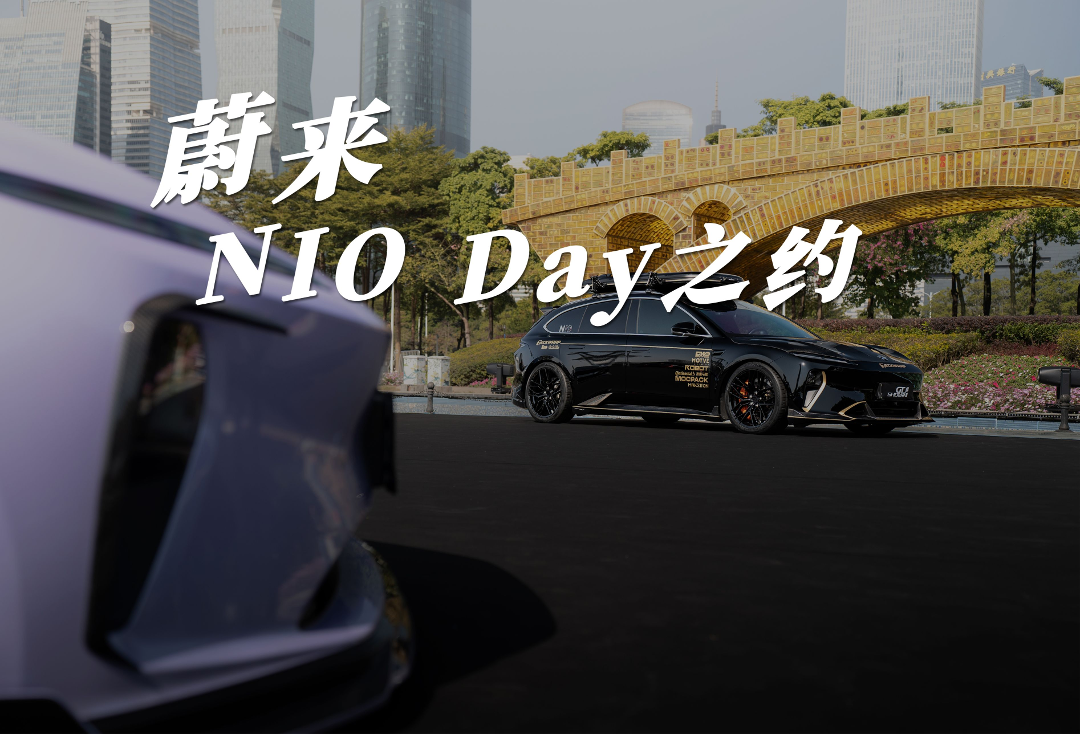
Even if service can temporarily bring users closer, it is insufficient to solidify their loyalty long-term. From a fundamental perspective, brands that foster user loyalty must possess clear, sustained, and irreplaceable product strength.
For example, Apple locks in users through its integrated software-hardware ecosystem and chip technology; Huawei builds ecological barriers through independent technological breakthroughs and interconnected smart devices; traditional Japanese brands consistently project reliable product images, while German brands establish a public perception of precision manufacturing.
While domestic brands have achieved leadership in intelligentization and electrification, as well as significant progress in chassis and frame technologies, severe homogenization and discrepancies between some models' promotional claims and actual experiences make it difficult to set stable consumer expectations and build long-term trust.
Similarly, despite frequent user conferences and common practices of inviting long-time owners to share experiences during new model launches, the bustling facade of user engagement rarely reflects automakers' true commitment or determination to build their brands.
While there may be excuses for the lack of fertile ground for brand loyalty in China, as Chinese automakers venture deeper into global markets, brand building must become a priority. Relying solely on hardware cost-effectiveness can only achieve initial market penetration. Consumers in more mature and closed automotive markets like Europe, Southeast Asia, Japan, and South Korea possess stronger brand awareness and value long-term maintenance systems, consistent brand services, and complete user lifecycle management.
Overseas consumers will not choose to repurchase based solely on hardware advantages. A robust after-sales system, long-accumulated brand reputation, and coherent service experiences are core to retaining users.
Whether Chinese brands can escape the "one-time deal" trap depends not on market conditions but on automakers' own determination to cultivate long-term brand value and their resolve to make sustained investments across cycles.
What is certain is that if automakers focus solely on internal competition, they will never succeed in building brands or fostering user loyalty.
Editor-in-Charge: Du Yuxin Editor: He Zengrong

THE END
-
![]()
Is Design the Root of the Problem? The Lexus ES Dilemma: Despite New and Old Models Coexisting Post-Redesign, Sales Plummet by 40%
-
![]()
Are Japanese Automakers Now Taking Cues from China? A Perspective on Japan's Reversal in Learning
-
![]()
In the First Half of the Year, Car Companies’ Profit Margin Plummets to 3.8%! CPCA: Automakers Must Speed Up Battery Production Amid Upstream Pressures | MINGJING Pro
-
![]()
Tesla’s Q2 Revenue Rises, Yet Profitability Slips; Energy Storage Margins Take a Dive
-
Chinese Automakers Strike Gold Overseas: Prices Double?
-
![]()
Joint Ventures, Once Dismissed, Are Now Making a Comeback
-
![]()
Automotive Market News: Retail Penetration Rate of New Energy Vehicles Reaches 62.8%
-
![]()
Once a Sales Leader Among New Car Manufacturers, Now Selling Equipment at Bargain Prices