Joint Ventures, Once Dismissed, Are Now Making a Comeback
 07/28 2026
 454
454
As we reach the midpoint of 2026, the landscape of China's automotive market has undergone a significant transformation—the market share of joint venture and foreign brands has plummeted to 24.5%, and the notion that 'joint ventures are failing' has gained traction. However, despite the declining sales of fuel-powered vehicles and the increasingly competitive new energy sector, major joint venture automakers have not backed down. Instead, they are leveraging their technological prowess, global strategies, and localized insights to accelerate their strategic shifts, launching counteroffensives with tailored strategies to maintain their competitive edge.
German Automakers
As a cornerstone of the joint venture automaking sector, Volkswagen Group has steered clear of the pitfalls of 'identical models for both Shanghai-Volkswagen and FAW-Volkswagen' and has charted distinct paths for SAIC Volkswagen and FAW-Volkswagen, creating a comprehensive and complementary product lineup.
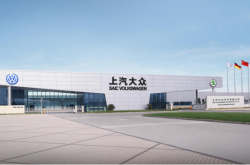
SAIC Volkswagen is focusing on the ID.ERA series, with plans to introduce six new energy products within the year, spanning extended-range, plug-in hybrid, and pure electric technologies, aiming to boost the proportion of new energy sales to over 20%. Simultaneously, the brand is maintaining the strengths of classic fuel models like the Passat and Tiguan L, solidifying its position in the B-class sedan and mid-size SUV segments through configuration enhancements and price adjustments. In the first half of 2026, the Passat repeatedly claimed the top spot in joint venture B-class sedan sales, becoming the 'anchor' of the fuel vehicle market.
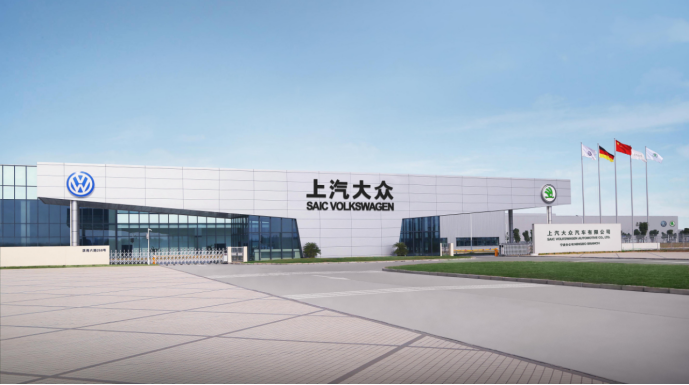
Additionally, SAIC Volkswagen has launched the 'Xingyun Zhixing' ecosystem, collaborating with Zoyu Technology, Momenta, and Corepower, with Volkswagen taking the lead in product definition and validation to ensure a seamless technological experience. The ID.ERA 9X sold over 7,000 units in its debut month, validating the rapid implementation of intelligent driving.
FAW-Volkswagen, on the other hand, is adhering to a strategy of 'co-advancing fuel and electric vehicles with full intelligence,' planning to introduce 13 new models within the year, balancing cash flow from fuel vehicles with high-end new energy layouts, and advancing the localization of the CEA electronic and electrical architecture, refining the ID.AURA pure electric lineup while reserving production capacity for extended-range models.
Japanese Automakers
Japanese joint venture brands are also upping their game, reshaping products and perceptions at 'Chinese speed.'
Dongfeng Nissan has introduced the GLOCAL global localization strategy, significantly empowering local Chinese teams with product development, pricing, and launch decision-making authority. Leveraging the fully self-developed Tianyan 2.0 architecture, Dongfeng Nissan swiftly launched three differentiated products—N7, N6, and NX8—within a year. Its first N-series new energy model achieved a production milestone of 100,000 units just 14 months after launch, setting a new industry record for the fastest-selling new energy model among joint ventures under central enterprises. Additionally, Dongfeng Nissan has established a local supply chain, collaborating closely with CATL, Huawei, and Momenta to make China a global new energy export base for Nissan, realizing the vision of 'In China, For China, To the World.'
GAC Toyota has constructed a 'balanced fuel and electric' system, avoiding blind bets on a single track and allowing fuel, hybrid, and pure electric businesses to form a risk-diversified, mutually supportive structure. In the first five months of 2026, sales of GAC Toyota's intelligent electric hybrid models accounted for 54%, with the Camry, Highlander, and Sienna flagship models contributing nearly half of total sales. High-value hybrid products have steadily met the upgrading demands of fuel vehicle users. In the pure electric segment, the BZ series, designed specifically for the Chinese market, has performed impressively. Among them, the BZ3X sold 91,900 units over the past 12 months, reaching the sales level of the brand's main fuel models; the BZ7, developed in collaboration with Huawei for its intelligent cockpit, has sold over 10,000 units for three consecutive months since launch, directly entering the core track of 200,000-yuan-class mid-to-large pure electric sedans.
FAW Toyota is accelerating its localized electrification transformation, delegating full-chain decision-making authority to local teams. In the second half of this year, FAW Toyota will introduce two new localized hybrid models, targeting the 100,000-200,000 yuan mainstream consumer market, gradually closing the new energy sales gap with GAC Toyota.
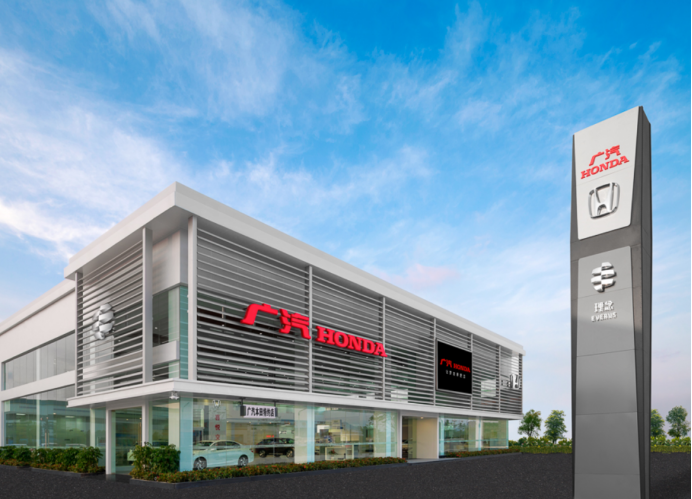
Honda's dual joint ventures are making synchronized strides. Dongfeng Honda has officially adopted the 'co-advancing fuel and electric vehicles with equal intelligence' strategy, equipping all fuel models with new intelligent cockpits and collaborating with leading domestic tech companies to optimize the in-vehicle ecosystem, significantly dispelling the stereotype of joint venture models lagging in intelligence. Meanwhile, the brand launched a 150,000-yuan-class 600-kilometer-range home-use pure electric SUV, delivering over 6,000 units in its debut month; it also reduced prices and added features to the e:NS series, offering discounts of up to 40,000 yuan, lowering the entry barrier for joint venture pure electric mid-size SUVs.
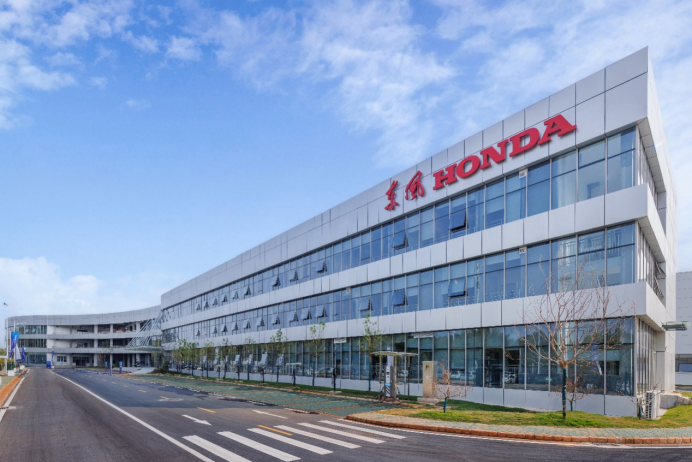
GAC Honda recently officially announced a 10-year contract renewal with GAC Group, extending the cooperation period to 2038. After significant capital increases, both parties fully acquired the former Dongfeng Honda Engine Company, establishing a shared supply chain for three power types. Honda has incorporated 'Chinese speed' into its global strategy for the first time, collaborating with Huawei and Momenta to develop localized exclusive intelligent solutions.
American Automakers
SAIC General Motors has achieved rapid growth in new energy sales through localized technological innovation and multi-brand differentiated layouts. The Buick EnvisionE7 delivered over 10,000 units in its debut month, claiming the top spot in joint venture new energy sales above 150,000 yuan for two consecutive months, successfully tapping into the mid-to-high-end home-use new energy market. Over the next three years, the brand will introduce more than ten new and refreshed models annually. Technologically, SAIC General Motors' local team has independently developed the 'Xiaoyao Architecture,' focusing on achieving the dual-thousand standards of 1000V high-voltage fast charging and 1000-kilometer range, while simultaneously iterating advanced intelligent driving solutions based on Momenta's large models. The L3-level intelligent driving project has been approved and will officially launch in 2027.
Luxury Joint Venture Automakers
The luxury joint venture camp is simultaneously accelerating its electrification and localization layouts, actively reducing brand premiums to face competition from domestic high-end new energy brands.
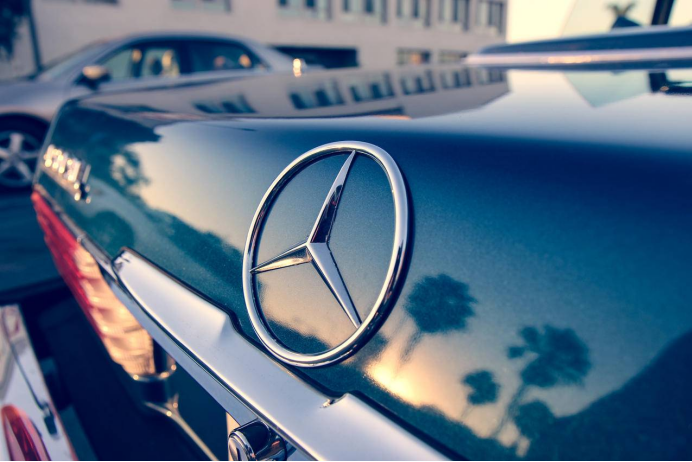
Beijing Mercedes-Benz has implemented the MB.EA native pure electric platform, launching a new long-wheelbase version of the GLC pure electric model tailored for China. It has also completed intelligent upgrades across all fuel models, continuously enriching the long-wheelbase pure electric product matrix and optimizing the new energy-exclusive channel service system to solidify its advantages in the luxury home-use SUV segment.
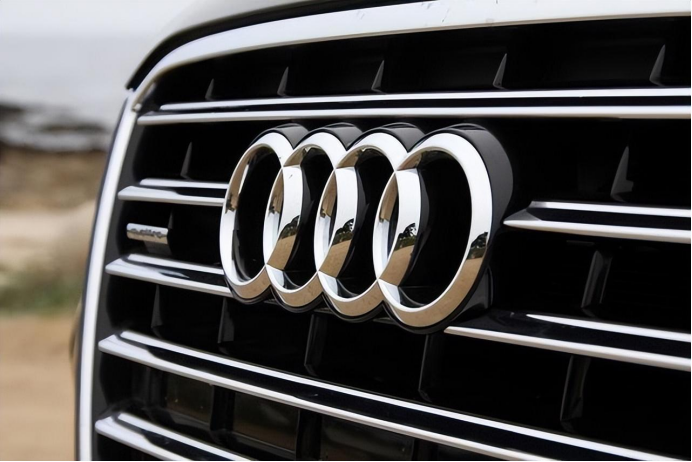
Audi, leveraging its dual joint venture layouts with FAW-Audi and SAIC-Audi, has constructed a differentiated matrix. FAW-Audi has launched the Q6 Le-tron and A6 Le-tron based on the PPE platform, with Huawei ADS 2.0 intelligent driving available as an option across the lineup; SAIC-Audi has successively introduced new localized electric models like the E5 Sportback and E7X. The brand balances German driving control heritage with domestic intelligent ecosystems, refining a full-category matrix of fuel, hybrid, and pure electric models while continuously expanding its local R&D team to deeply cultivate the 300,000-600,000 yuan high-end luxury new energy market.
Korean Automakers
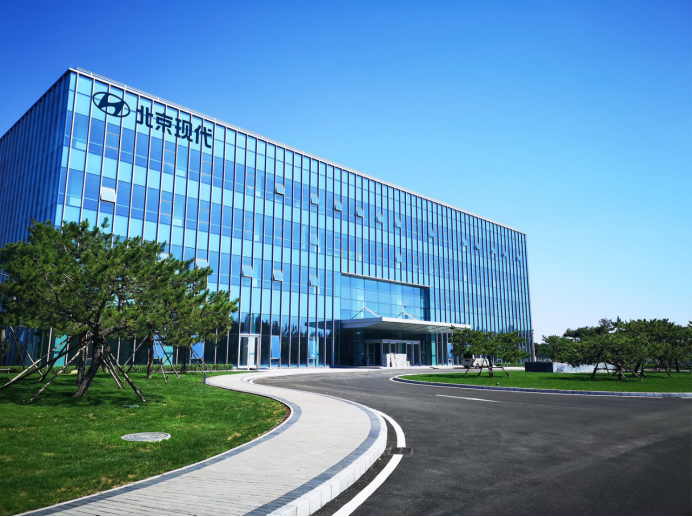
Compared to the high-profile counteroffensives of the aforementioned brands, Beijing Modern's approach appears more pragmatic. Li Feng, General Manager of Beijing Modern, acknowledged facing three major challenges: insufficient new energy products, the need to enhance intelligence, and the need to strengthen cost competitiveness. The company has now established a 1,500-person localized R&D team, focusing on electrification and intelligence, and collaborating deeply with local supply chains like CATL to build a highly localized new energy platform covering both pure electric and extended-range powertrains. The first new model based on this platform will officially debut in September 2026.
Epilogue
-
![]()
Is Design the Root of the Problem? The Lexus ES Dilemma: Despite New and Old Models Coexisting Post-Redesign, Sales Plummet by 40%
-
![]()
Are Japanese Automakers Now Taking Cues from China? A Perspective on Japan's Reversal in Learning
-
![]()
In the First Half of the Year, Car Companies’ Profit Margin Plummets to 3.8%! CPCA: Automakers Must Speed Up Battery Production Amid Upstream Pressures | MINGJING Pro
-
![]()
Tesla’s Q2 Revenue Rises, Yet Profitability Slips; Energy Storage Margins Take a Dive
-
Chinese Automakers Strike Gold Overseas: Prices Double?
-
![]()
Joint Ventures, Once Dismissed, Are Now Making a Comeback
-
![]()
Automotive Market News: Retail Penetration Rate of New Energy Vehicles Reaches 62.8%
-
![]()
Once a Sales Leader Among New Car Manufacturers, Now Selling Equipment at Bargain Prices