Is Design the Root of the Problem? The Lexus ES Dilemma: Despite New and Old Models Coexisting Post-Redesign, Sales Plummet by 40%
 07/28 2026
 532
532
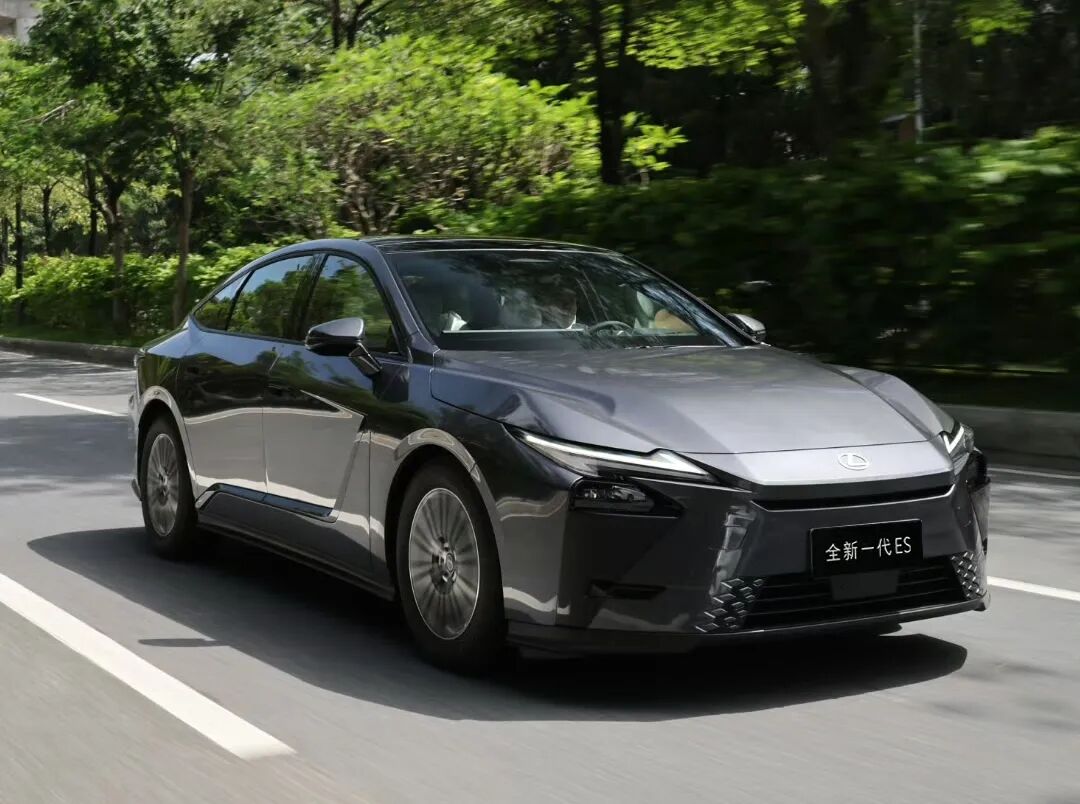
In April of this year, the all-new Lexus ES made its debut, stirring up considerable debate within the automotive industry. The Lexus ES, once hailed as a paragon of automotive design, boasted a spindle grille that remained unmatched even a decade on. Given its iconic status, there were widespread doubts about whether Lexus could outdo its own masterpiece and deliver a more striking product with this redesign. When the all-new ES finally hit the market, these doubts proved to be well-founded, sparking significant criticism.
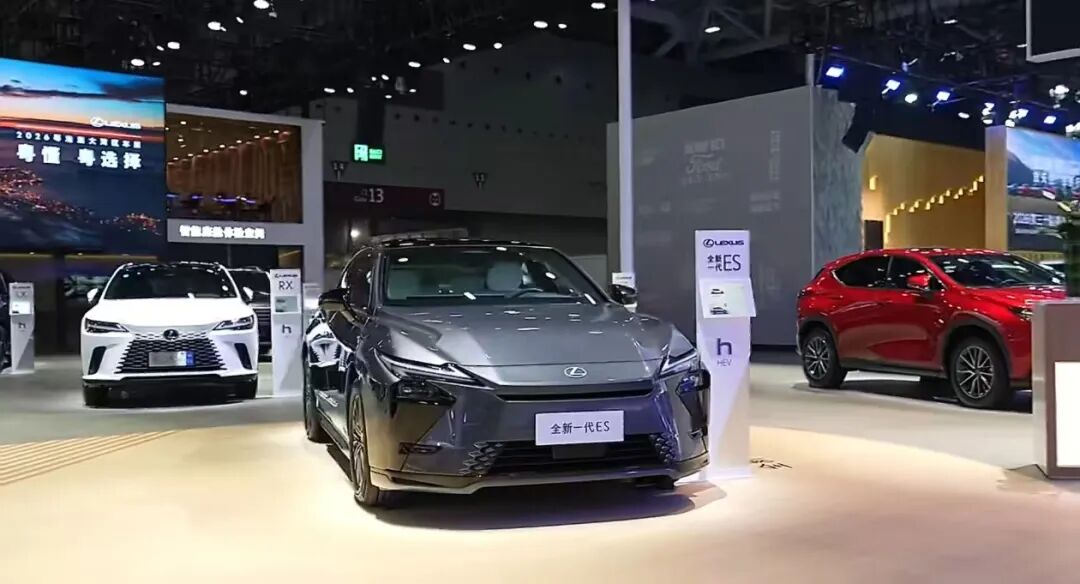
The design of the all-new ES was personally overseen by Toyota President Akio Toyoda. The rationale behind this was that Toyoda had been a pivotal figure in shaping the design of the previous generation. In 2015, when Lexus first unveiled its bold spindle grille, the entire automotive world was taken aback. Despite initial skepticism, this design helped Lexus distinguish itself from German luxury brands. Particularly in the Chinese market, many consumers were drawn to this unconventional style, with Lexus's Eastern narrative propelling it to become the hottest luxury brand after the BBA (Benz, BMW, Audi) triumvirate.
Perhaps due to this legacy, Toyoda believed that unless he shattered Lexus's design mold, engineers would hesitate to innovate, and Lexus's spirit as a challenger and trailblazer would fade away. Hence, for the all-new ES, Toyoda was adamant about breaking away from previous design paradigms and pursuing bold innovation. However, Chinese consumers' reception of this new design has been significantly less enthusiastic than that of its predecessor. Of course, societal tastes in design evolve over time, and perhaps in a few years, this design will gain wider acceptance. But from the outset, Lexus has been confronted with substantial "aesthetic hurdles."
These hurdles are also manifesting at the sales front. In April of this year, the Lexus ES was launched in China. However, out of prudence, Lexus opted to continue selling both the old and new models concurrently after the new model's introduction. Yet, despite the addition of the new model, Lexus ES sales in the Chinese market have declined rather than increased, underscoring the market pressure faced by the new model.
Terminal sales data from Souche reveals that in January of this year, Lexus ES sales (including both ES and ES HEV models) totaled 9,999 units, indicating robust performance. February, coinciding with the Chinese New Year, saw sales dip to 6,154 units, a normal seasonal fluctuation. In March, sales rebounded to 8,854 units (ES + ES HEV). April marked a pivotal moment with the launch of the new ES, but sales only reached 6,533 units; May sales were 6,534 units, and June sales were 6,509 units, showing minimal variation over three consecutive months.
From the ES sales breakdown, terminal data currently categorizes into only two versions: ES and ES HEV. ES sales have plummeted, while HEV model sales have remained relatively stable. For the ES, monthly sales from January to June were 8,594, 5,533, 8,333, 5,281, 4,843, and 4,872 units, respectively. Compared to January, June sales have dropped by 43%. This decline has exerted significant pressure on Lexus, especially considering it was achieved through substantial price cuts.
As the cornerstone of Lexus's sales in China, the ES's instability poses a threat to Lexus's market position in the country. According to Lexus's official data, by 2025, Lexus aims to surpass 180,000 units in China, becoming the only growing import luxury brand. Among these, the ES accounts for over 60%, with the entry-level ES200 attracting pragmatic consumers due to its reliability and high residual value. Thus, discontinuing the ES200 amid the new ES's uncertain future would mean ceding market share, a risk Lexus cannot afford to take.
Nevertheless, in June 2026, Lexus's domestic retail sales plummeted to 10,348 units, a 40% year-on-year decline from 17,269 units the previous year, marking the largest single-month drop this year.
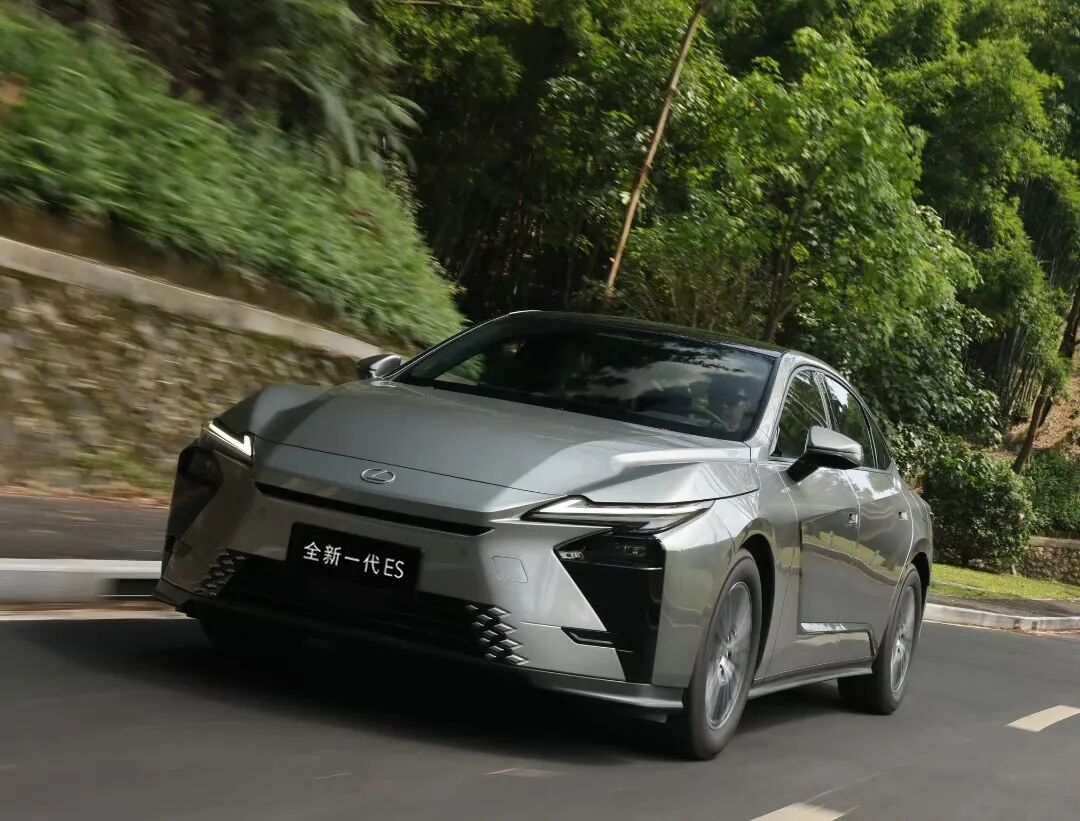
However, sales declines appear to be inevitable. External factors, such as soaring oil prices due to geopolitical shifts in the first half of the year, have also impacted the market. Although Lexus is renowned for its fuel efficiency, it cannot fully offset the impact of high oil prices. Therefore, leveraging older models for price reductions while using the new generation to uphold brand prestige and market share seems to be a prudent strategy.
The challenges faced by the ES reflect broader issues for established luxury brands in the Chinese market. Lexus once stood out in China with its unique value proposition: five-year free maintenance, imported status, excellent design and quality, and strong residual value, making it a leader among second-tier luxury brands. However, these advantages are now waning. Its design and residual value, coupled with its previously conservative product strategy, have accentuated its shortcomings in intelligence. In China's rapidly evolving luxury car market, this has exacerbated its challenges.
The pressure on the domestic luxury car market is immense. In the first half of 2026, Mercedes-Benz sales in China fell by 28%, BMW by 20.4%, and Audi by 19%. The import car market also witnessed similar declines. Behind this downturn lies the fact that traditional luxury brands rely heavily on gasoline vehicles, lagging behind domestic new-generation luxury brands in intelligence and electrification. Simultaneously, they cannot directly compete in supply chains and product systems, creating market vulnerabilities. Currently, established luxury brands are gradually ceding ground to local Chinese luxury brands.
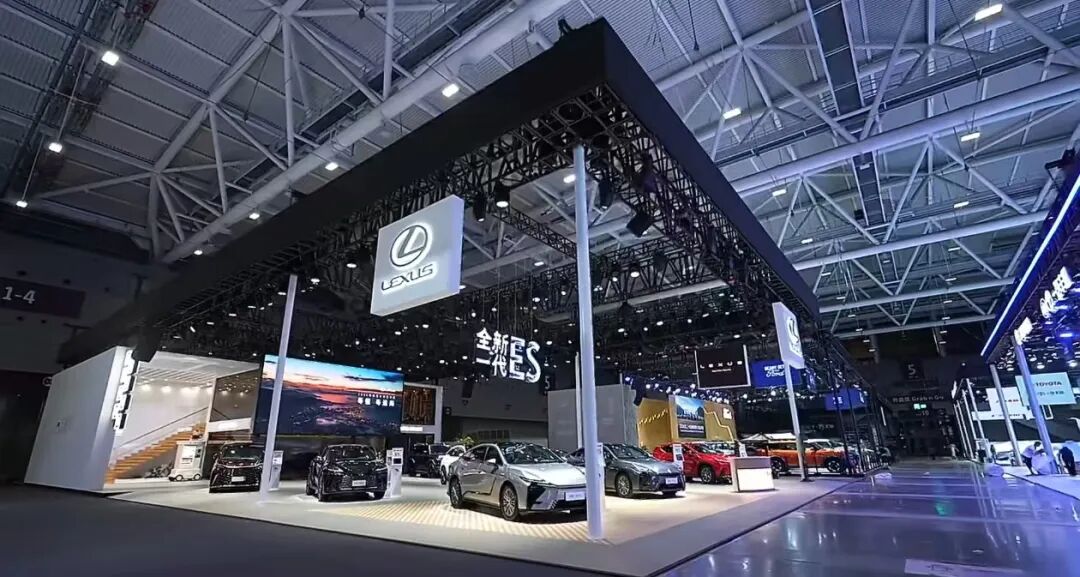
Of course, Lexus has its own rhythm and strategy. Last February, Toyota officially announced the establishment of a Lexus pure electric vehicle and battery R&D and production company in Jinshan District, Shanghai, with a registered capital of approximately ¥107.1 billion. The factory spans about 1.1278 million square meters, with construction commencing in June 2025 and full-scale production planned for 2027, initially targeting an annual capacity of 100,000 units. Lexus has thus officially embarked on its localization journey. Unlike other luxury brands' localizations, Lexus's approach boasts several unique features: 1) wholly owned; 2) combining transformation with localization; 3) integrating localization with globalization.
Take its intelligence layout as an example. It is reported that Lexus's domestically produced pure electric models from the Shanghai factory will come standard with Huawei's HarmonyOS intelligent cockpit, with high-end versions featuring Huawei's full-stack advanced intelligent driving system, enabling all-scenario advanced assistance functions such as highway piloting, urban NOA, and automated valet parking. After eliminating the 15% import tariff, pricing competitiveness will significantly improve. With the support of China's supply chain and intelligence, Lexus expects to enhance its product competitiveness. However, this does not necessarily entail price reductions; instead, Lexus is more likely to reinvest cost savings into added configurations.
The question now is: if the ES has been impacted by design issues, will adjustments be made post-localization? Or can enhanced product competitiveness through added configurations and price adjustments alter consumer acceptance of this model? Regardless, Lexus must persevere for another year, and the coming months are likely to be even more challenging than the first half of this year.
-
![]()
2026 Semi-Annual Report | Electric Two-Wheelers: Domestic Sales Drop 12.6% in H1—Which Brands Are Defying the Downturn with Explosive Growth?
-
![]()
Exclusive Insight from Qualcomm! The 'Affordable VR Dream' Teeters on the Edge
-
![]()
McKinsey 2026 Mobility Report: Consumers Are Redefining What Makes a 'Good Car'
-
![]()
Duan Jianjun Spearheads Premium Project as Volvo Sets Sights on Rivaling Zunjie with New Flagship Model
-
![]()
Absent from New Energy Vehicle Rural Promotion, Leapmotor Turns Its Gaze Overseas
-
![]()
Reclaiming Global Dominance! Apple’s Market Cap Surges to $5 Trillion in Cook’s Epic Finale
-
![]()
Sales Soar: Has Ora Staged a Remarkable Comeback?
-
![]()
What Kind of AI Phones Do We Actually Need?