Sales Soar: Has Ora Staged a Remarkable Comeback?
 07/29 2026
 366
366
Lead
Ora has experienced a remarkable six-month streak of increasing sales, with the reintroduction of classic models marking a bright spot for Great Wall Motors amid challenging conditions in the first half of 2026. Lv Wenbin, Ora's general manager, has audaciously launched a new development strategy aimed at reshaping market expectations for the brand. However, in the fiercely competitive landscape of China's new energy vehicle market, it is premature to declare Ora's full recovery based solely on its sales resurgence.
This article is produced by Heyan Yueche Studio
Written by Cai Yan
Edited by He Zi
Full text: 2,456 characters
Reading time: 4 minutes
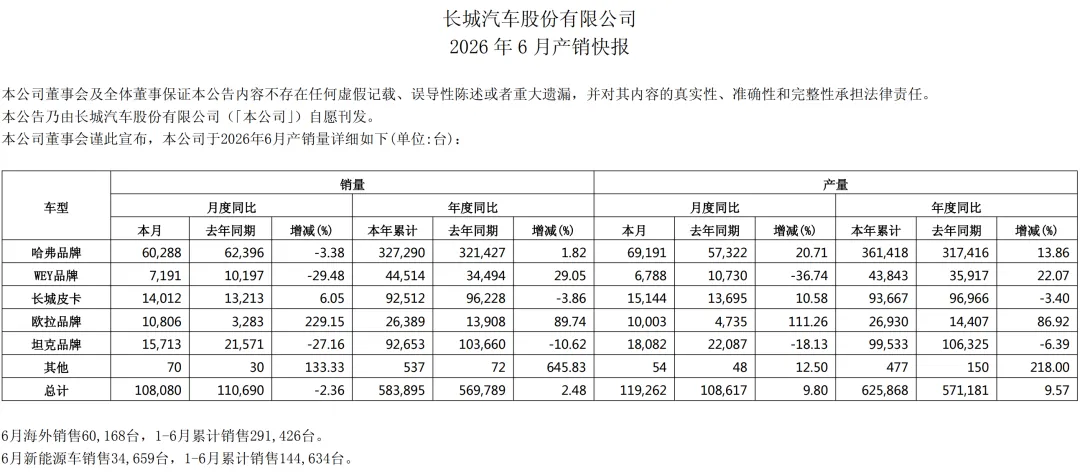
In June 2025, Lv Wenbin assumed the role of general manager for the Ora brand. At that time, Ora's monthly sales stood at a mere 3,283 units. A year later, the brand witnessed a robust rebound, with sales soaring to 10,806 units in June, marking a staggering year-on-year increase of 229.15%. The cumulative sales for the first half of the year reached 26,389 units, up 89.74% from the previous year.
Amidst a backdrop where Great Wall Motors' overall sales in June declined by 2.36% year-on-year, Ora's substantial growth stands out.
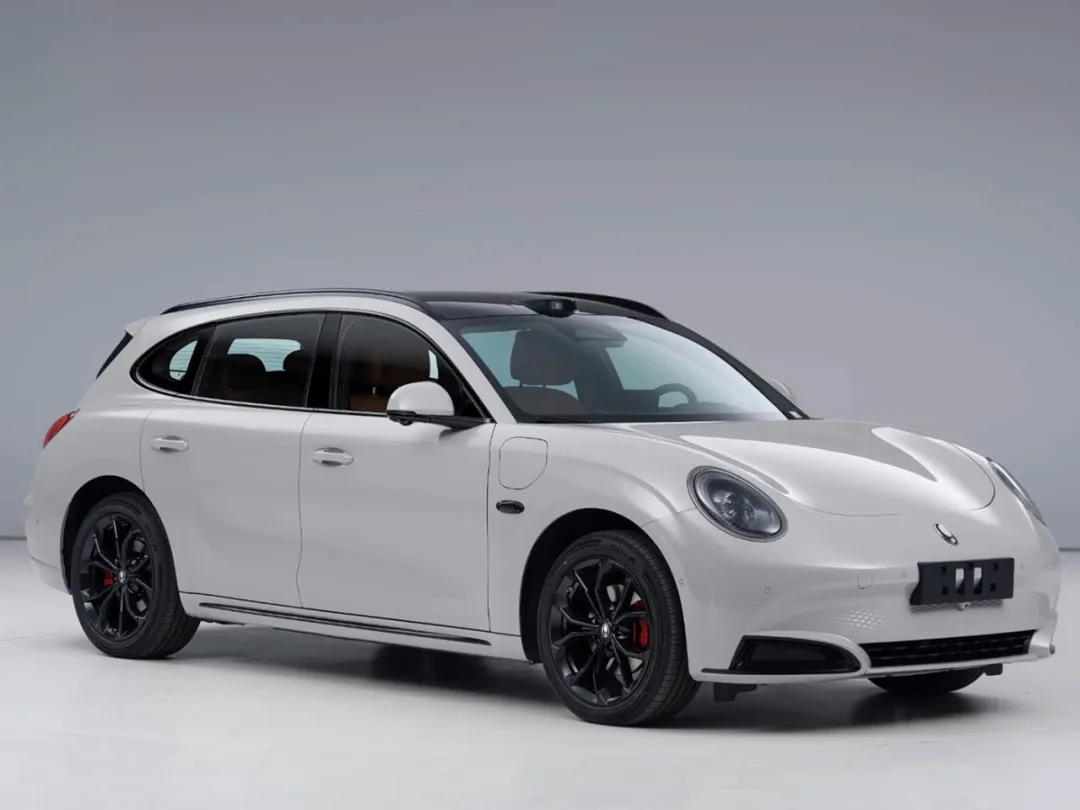
Coupled with the recent launch of the Ora 7 station wagon and the 'return' of the Ora Ballet Cat, Ora, under Lv Wenbin's leadership, is clearly striving for transformation and gradually reshaping market expectations for the brand.
Shedding Labels: Ora's Path to Revival
Ora has undergone seven general manager changes in seven years, but with Lv Wenbin at the helm, it has finally broken free from a '14-month losing streak.' This 20-year technical veteran of Great Wall Motors has revitalized Ora's sales with three core strategies: 'shedding restrictive labels, offering both gasoline and electric options, and restoring brand value.'
Ditching the female-exclusive label and adopting a global one, thereby completely severing Ora's association with femininity, can be seen as one of the most astute branding moves by Lv Wenbin or Great Wall Motors. In recent years, the market's difficulty and resistance in promoting the 'female-exclusive' label have continued to escalate.
Therefore, starting with the pre-launch promotion of the Ora 5, the brand's positioning shifted to a 'global fashion boutique automobile brand.' Ora's new brand positioning elevates it to a global stage, while Great Wall's core 'Guiyuan Platform' enables Ora to cater to pure electric, hybrid, and gasoline routes in the global market. In Lv Wenbin's words, 'This is a leap from a single choice to diverse adaptability.'
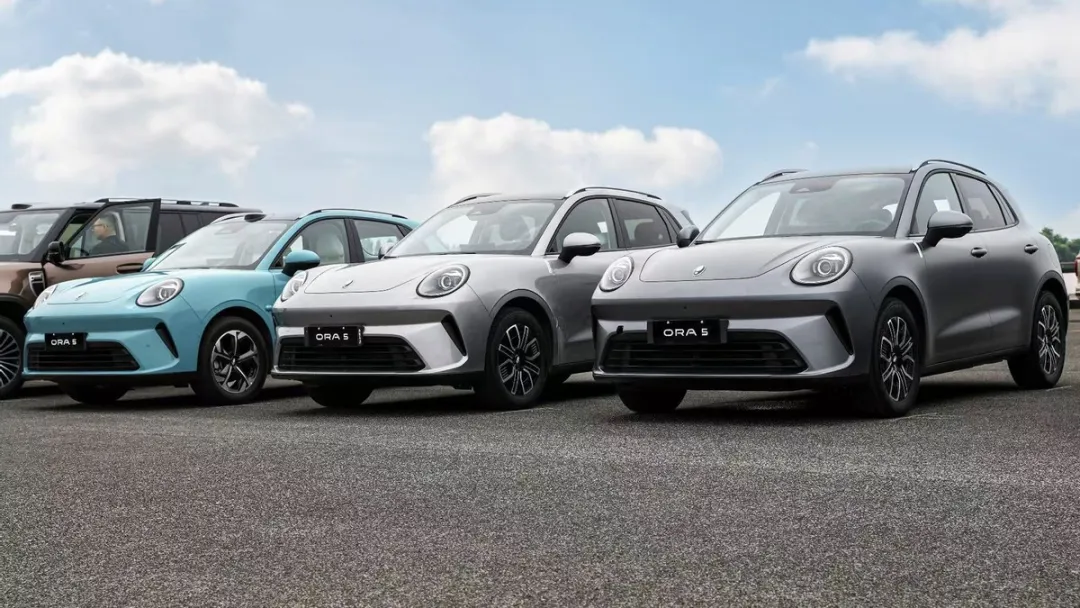
From a market performance perspective, the Ora 5 is Ora's first model to break away from the pure electric framework, offering 'three powertrains in one model.' In terms of detailed sales structure, the Ora 5, available with both gasoline and electric options, had wholesale volumes of 6,240 units for the pure electric version and 2,802 units for the gasoline and hybrid versions combined, accounting for over 83.6% of Ora's total sales for a single model.
Based on the Great Wall Guiyuan Platform's ability to support 'multiple configurations and categories for one model,' subsequent launches of the Ora 5 Sport, sedan, and station wagon versions will further expand the user base and boost sales.
Regarding Ora's value restoration, it is evident in two aspects. On one hand, the Ora 5's configuration and pricing—a 79,800-yuan gasoline compact SUV equipped with lidar and full-scenario NOA—can indeed outperform comparable models like the Geely Binyue and Changan CS35. Adding 10,000 yuan to the same configuration upgrades it to a more cost-effective oil-hybrid version, further meeting the needs of niche consumers. The pure electric version, starting at 89,800 yuan, competes with popular models like the BYD Yuan UP and Geely Xinghe E5 with its 480KM pure electric range and L2 basic driver assistance.
On the other hand, Ora's consistent material quality and interior refinement serve as its biggest trump card in transitioning to 'boutique' models.
As mentioned earlier, the refinement and iteration of Ora's new vehicle lineup also reinforce the brand's existing labels. The Ora 7 (Ora Lightning Cat) was officially announced in June, and the Ballet Cat officially landed at the MIIT in July. The return and refinement of these two Ora classic models are clearly a nod to existing users or old owners. After all, the Lightning Cat previously faced a situation of acclaim without sales due to pricing issues, and the Ballet Cat's multiple delays eroded user patience. These highly personalized models are undoubtedly unfinished business that Ora urgently needs to address.
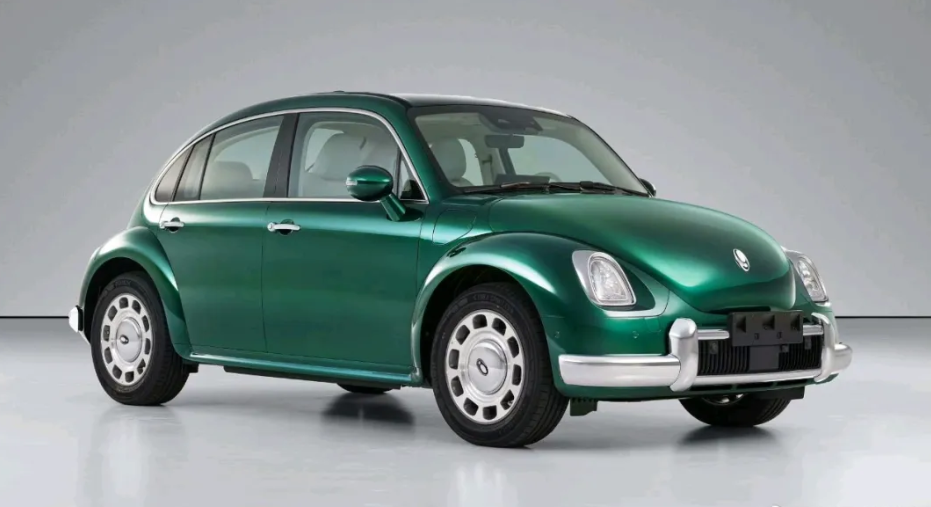
So, can Ora, with its new brand positioning, clear new vehicle iteration process, and warming sales, truly win its turnaround battle? The answer lies in 'time'—it depends on whether Ora can sustain its positive momentum.
Sustainability is Key
In the short term, Lv Wenbin has indeed resolved multiple dilemmas for Ora, such as narrow brand positioning, product gaps, and declining reputation, ending the vicious cycle of 14 consecutive months of decline. If Ora's current market recovery were placed before 2025, this recovery would be sufficient to prove Ora's successful turnaround. However, reality is different now. In 2026, with extremely high 'model turnover rates' and a constant emergence of 'short-lived hits,' a brief sales recovery does not guarantee long-term success. Whether Ora can truly turn around remains full of uncertainties.
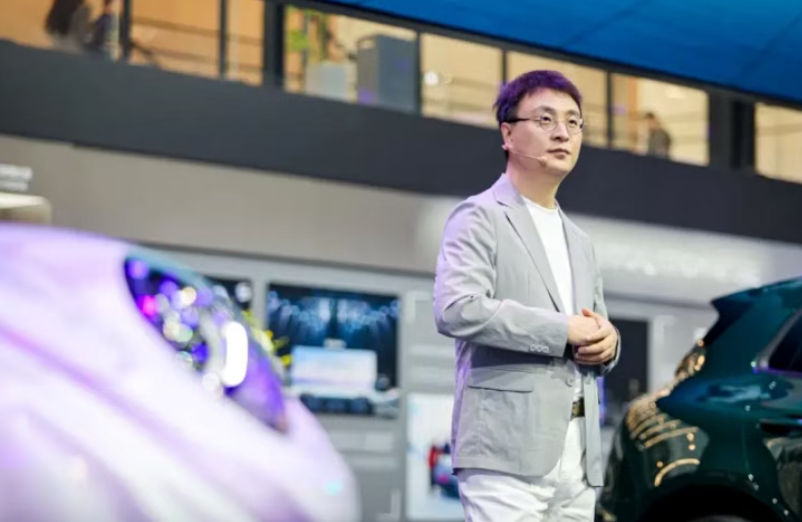
Firstly, at the product level, Ora's new product layout appears to cater to a broader range of consumer needs, launching simultaneously in the 'gasoline, hybrid, and pure electric' segments and reviving classic models. However, a closer look reveals that this is more akin to a strategic hedge.
First, Ora's use of new energy's intelligent electric technology in gasoline vehicles can indeed constitute a 'competitive edge' in the gasoline or hybrid market with a favorable price advantage. Relying on gasoline and hybrids to stabilize the basics while focusing on pure electrics seems measured, but it also underscores Ora's current weakness in the new energy sector. Taking the Ora 5 pure electric version's price range of 80,000-120,000 yuan as an example, Ora faces significant gaps in brand power and market enthusiasm compared to models like the Leapmotor A10, Changan Origin Q05, BYD Yuan UP, and the newly launched XPENG MONA L03. The opportunities for Ora to break through in this price segment are slim.
Second, Ora's planned 'revival' of models like the Ora 7 (Lightning Cat) and Ballet Cat in the second half of the year can also be seen as a 'strategic move' in product layout. We do not deny that reviving classic models can quickly replenish the brand's vitality and recall some loyal customers. However, for Ora, whose brand positioning has not yet taken root, reviving classic models is more like a 'double-edged sword.'
On one hand, as products from the 'old brand positioning,' Ora must be more cautious in announcing and describing these new models, downplaying the female label and emphasizing the global label. On the other hand, these two models were previously priced and positioned no lower, and with personalized models no longer a 'conceptual blue ocean' in 2026, Ora's pricing of these new models will largely determine their sales.
It is worth mentioning some intriguing phenomena regarding Ora's product pricing and positioning: Wei Jianjun has always emphasized 'value first, profit guarantee,' but the Ora 5 implements a 'competitive pricing strategy,' overlapping in positioning with the Ora Good Cat. Earlier, Great Wall decisively discontinued the Black Cat and White Cat due to pricing issues, yet now it embraces the affordability it once abandoned, with the Ora 5's price matching that of the Black Cat and White Cat. One cannot help but note that Great Wall's boomerang has ultimately hit itself.
At the level of trust restoration and label building, with Chinese automobile brands becoming increasingly adept at 'storytelling and establishing extreme product positioning labels' under the influence of 'crossover brands and new forces,' Ora's current attempts to rely on 'globalization, boutique quality, and sincerity' are clearly insufficient to leave a deep brand impression on consumers.
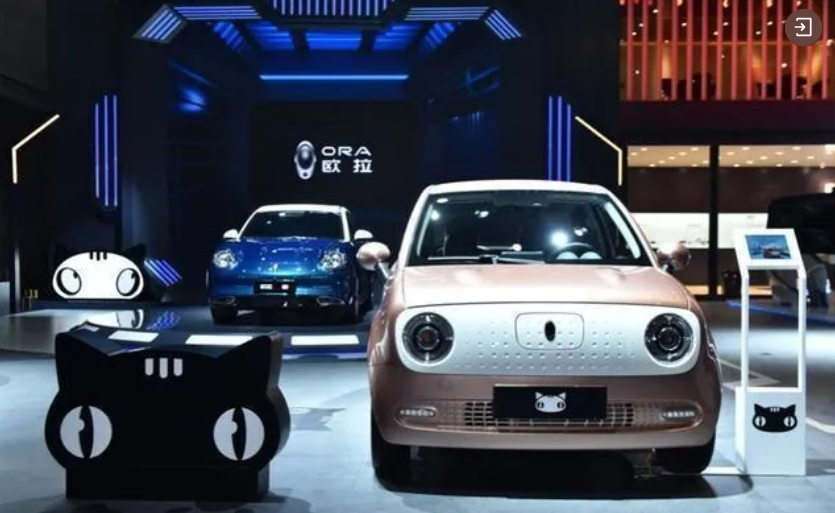
If Ora had faithfully pursued the 'female-exclusive' path in the past, it might have carved out its own niche. Unfortunately, the brand's erroneous product decisions and exaggerated sales promotions have left a mark on the internet. In the 2026 Chinese automobile market, what is most scarce is not technology or stories, but trust.
Commentary
The 2026 Chinese automobile market is a battleground shaped by multiple intersecting variables: tightening new energy policies, saturating market increments, and significant shifts in consumer logic. Under these overlapping factors, reshaping brand user perception is extremely challenging. Therefore, for the Ora brand, the key often lies not in short-term sales bursts but in maintaining the resolve to cultivate a loyal user base and forge a unique brand label over the long term.
(This article is original to Heyan Yueche and may not be reproduced without authorization.)
-
![]()
McKinsey 2026 Mobility Report: Consumers Are Redefining What Makes a 'Good Car'
-
![]()
Duan Jianjun Spearheads Premium Project as Volvo Sets Sights on Rivaling Zunjie with New Flagship Model
-
![]()
Absent from New Energy Vehicle Rural Promotion, Leapmotor Turns Its Gaze Overseas
-
![]()
Reclaiming Global Dominance! Apple’s Market Cap Surges to $5 Trillion in Cook’s Epic Finale
-
![]()
Sales Soar: Has Ora Staged a Remarkable Comeback?
-
![]()
What Kind of AI Phones Do We Actually Need?
-
![]()
DingTalk, Feishu, and WeCom's Silent 'March Eastward'
-
![]()
Is 'Data Scarcity' More Fatal Than 'Computing Power Shortage'? Is It Bringing Disaster?