Duan Jianjun Spearheads Premium Project as Volvo Sets Sights on Rivaling Zunjie with New Flagship Model
 07/29 2026
 397
397
In 2013, Håkan Samuelsson, the then-CEO of Volvo Global, unequivocally stated that Volvo had no intentions of vying with the Mercedes-Benz S-Class, BMW 7 Series, or Audi A8, deeming such a scenario as 'out of the question.' Fast forward to today, and this previously deemed 'impossible' path has become the central focus for Volvo China's new leader shortly after assuming office.
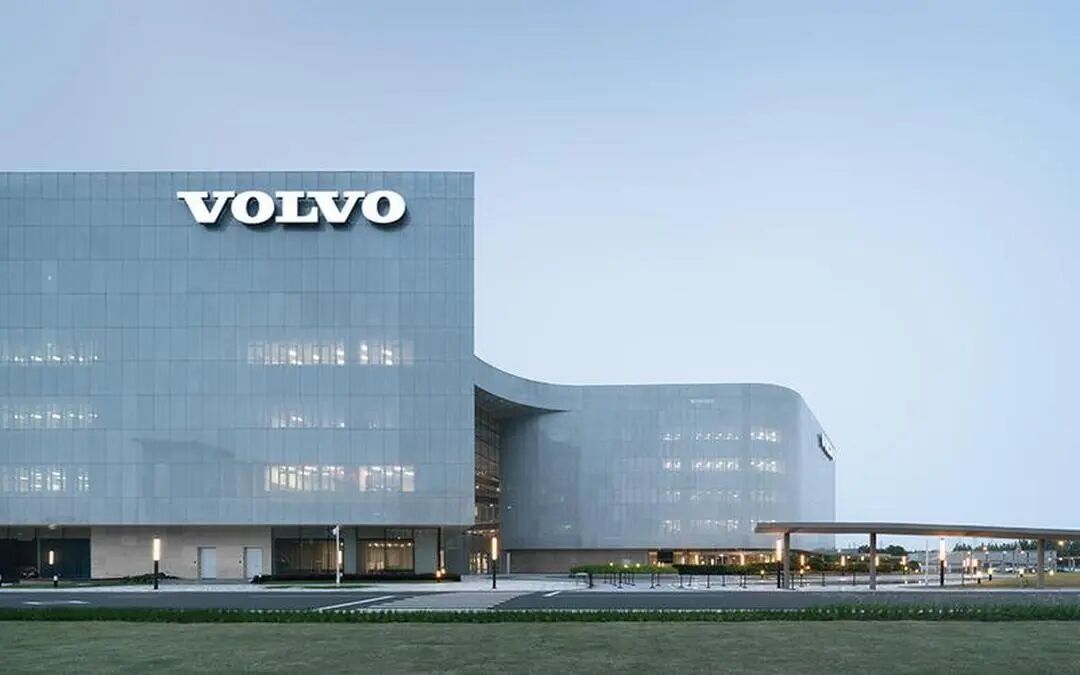
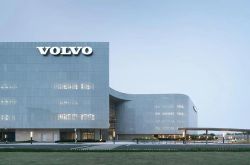
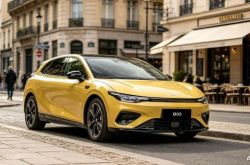
Recent reports from multiple industry media outlets, citing insider sources, indicate that Volvo is progressing with a new D-segment ultra-luxury flagship sedan, internally dubbed '561.' Positioned above the current S90, this new model is set to directly compete with the Zunjie S800, marking Volvo's highest-specification sedan to date. Leading this ambitious project is Duan Jianjun, who joined Volvo from Beijing Mercedes-Benz earlier this year in May. In response to inquiries about the project, 'Qichebatan' reached out to Volvo China for confirmation but has yet to receive an official reply.
From 'No Interest' to 'Full Commitment'
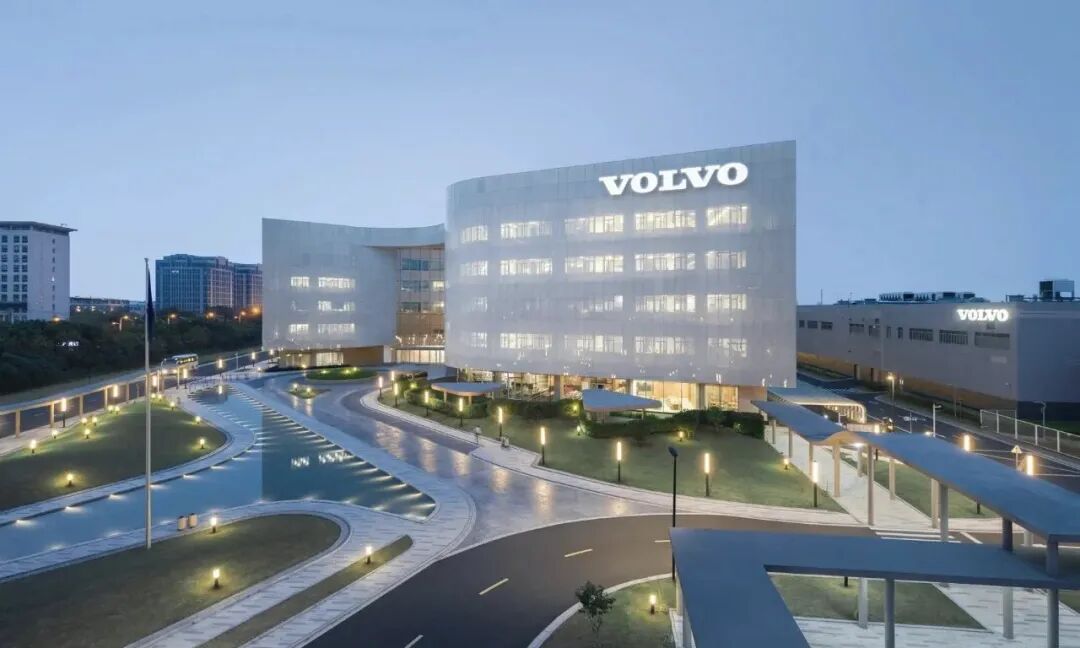
Reflecting on 2013, Samuelsson's statement was not a sign of conservatism but a strategic decision aligned with Volvo's circumstances at the time. Volvo was in the process of rebuilding its system following its acquisition by Geely, with core resources directed towards the development of the SPA architecture and iterative upgrades of high-volume models. Given its technological reserves and brand momentum, Volvo was not yet prepared to enter the D-segment luxury market.
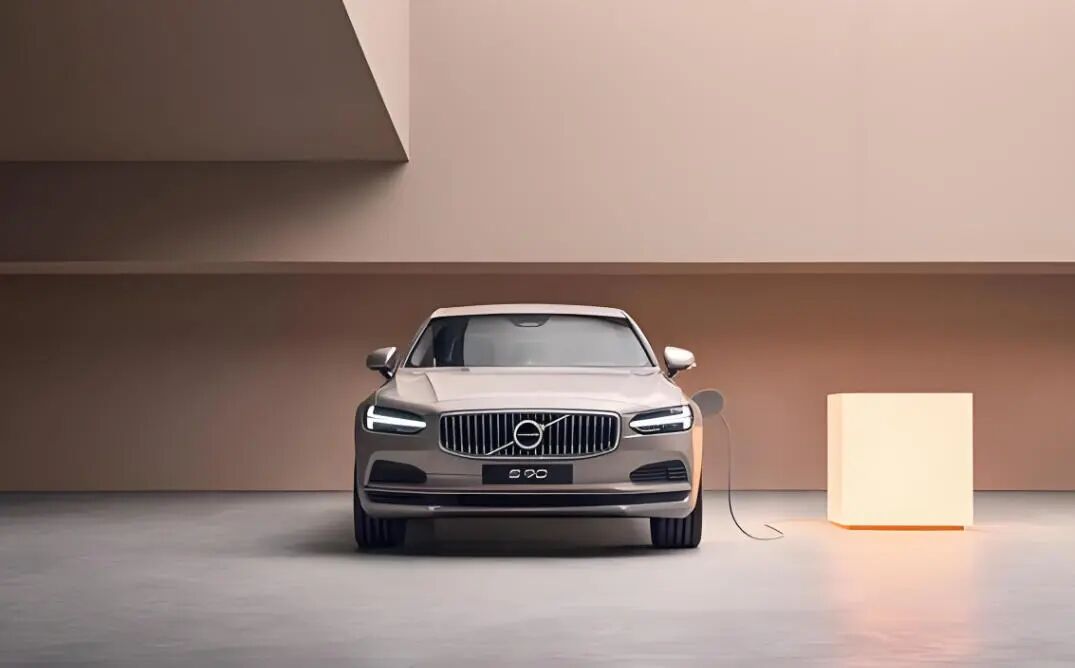
Moreover, the D-segment market at that time was virtually monopolized by BBA (BMW, Benz, Audi). Several luxury brands, including Lexus and Jaguar, had attempted to penetrate the market but failed to disrupt the existing dominance. Volvo's decision to hold back was a pragmatic approach, allowing it to focus on core segments and pave the way for future technological advancements and system refinements.
However, the market landscape has since evolved. Over a decade later, the dynamics of China's luxury car market have undergone a fundamental transformation. The most notable indicator is that the D-segment market is no longer the exclusive domain of the German trio. Since its launch, the Zunjie S800 has amassed over 18,500 deliveries, topping the luxury sedan sales chart for vehicles priced above RMB 700,000 for eight consecutive months. Leveraging electrification and intelligent features, it has carved out new market space within the traditionally monopolized luxury segment.
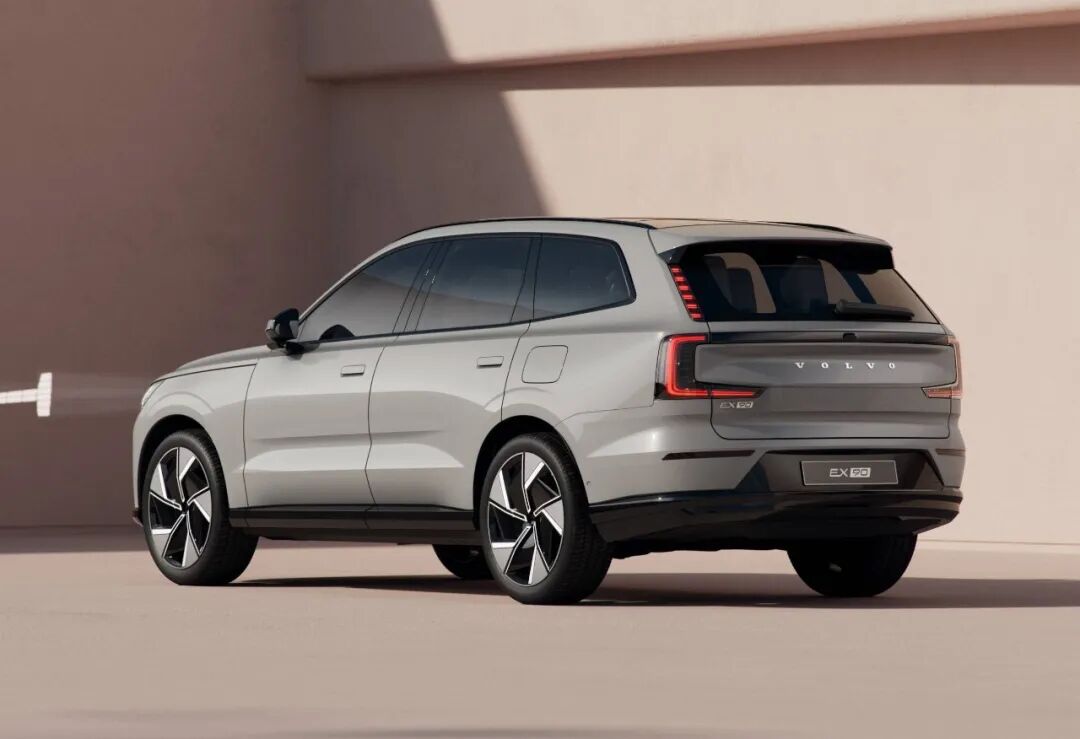
Meanwhile, Volvo's growth in China has entered a new phase that demands breakthroughs. Public data reveals that Volvo's annual sales in China for 2025 were approximately 149,500 units, experiencing a slight year-on-year decline. In the first half of 2026, cumulative sales reached around 53,000 units, facing heightened market competition. As competition intensifies, brand terminal pricing has decreased, with the entry thresholds for the flagship S90 sedan and mainstay XC60 model continuously lowering, thereby squeezing the brand's premium space to some extent.
For luxury brands, declining terminal prices are not conducive to long-term development. Especially for Volvo, when the 'safety' brand label reaches a stage of diminishing marginal utility and Nordic design is no longer a unique selling point, launching a true top-tier flagship model to elevate brand stature has become an imperative for Volvo to proactively break through.
Exploring New Luxury with a Fresh Approach
By prioritizing the flagship project less than 100 days into his tenure, Duan Jianjun's swift action underscores Volvo's resolve for change. This seasoned professional, who honed his expertise within the Mercedes-Benz system for 13 years and successfully managed the Mercedes-Benz S-Class and Maybach markets in China, brings a wealth of experience in understanding the needs of top-tier luxury users and market operations. Volvo's primary motivation for inviting him on board is to leverage his mature luxury market expertise to bridge the final gap in brand elevation.
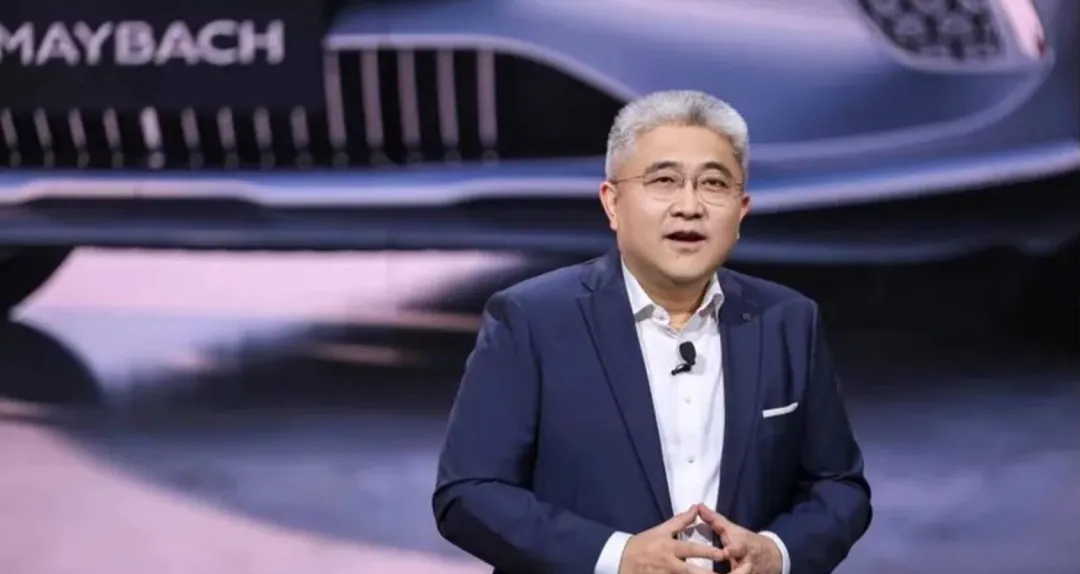
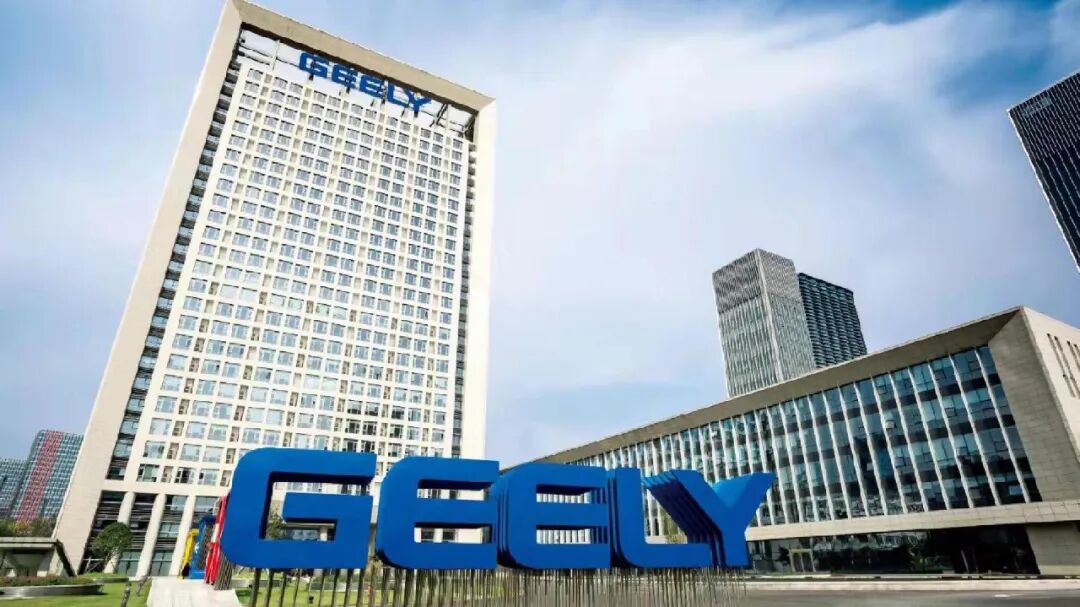
Of course, mature experience must align with the brand's inherent DNA to maximize its value. From the currently disclosed development model, this D-segment flagship adopts a collaborative path of 'Volvo defining luxury + Geely technology empowerment.' Volvo China takes the lead in product positioning, safety standard setting, and overall vehicle quality certification, while the three-electric systems, vehicle engineering R&D, and supply chain support are primarily handled by Geely's Chinese R&D team.
This collaborative model has been previously validated with the XC70 model, enabling cost control, accelerating product launch timelines, and fully leveraging Geely's technological advancements in electrification and intelligence to achieve complementary strengths.
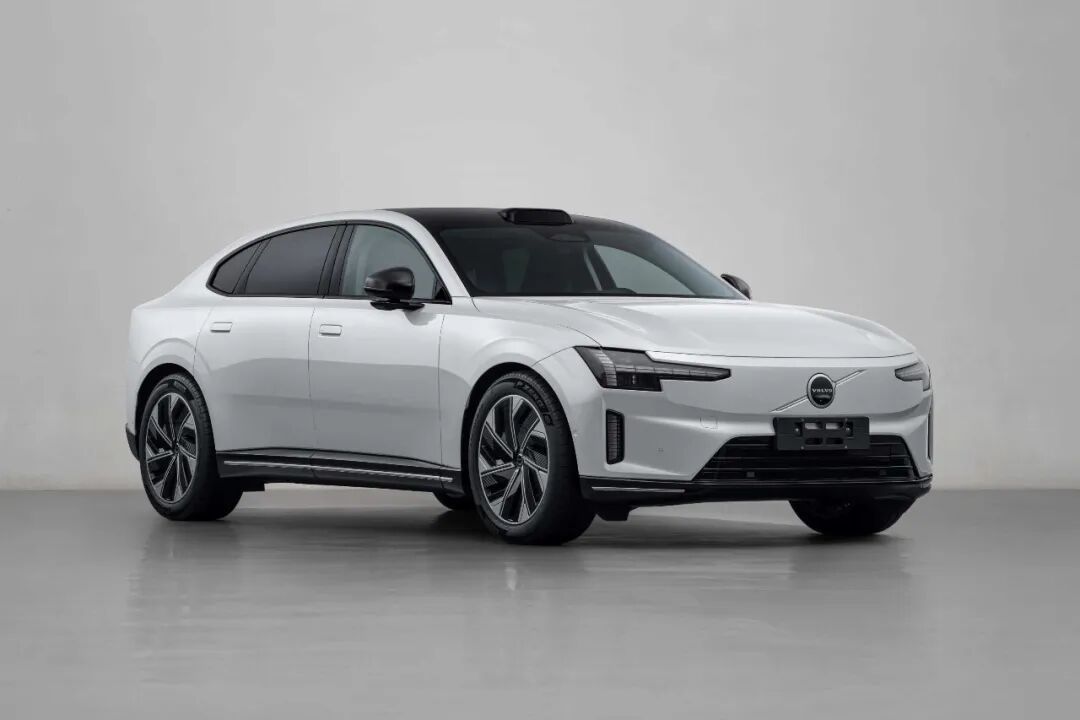
According to industry sources, to ensure resource prioritization for this flagship project, Geely Group has even temporarily halted the development of similar flagship models under its Galaxy, Lynk & Co, and Zeekr brands, redirecting the group's highest-quality R&D and supply chain resources towards the Volvo project. This underscores that this D-segment model is not merely a product iteration for Volvo but a strategic endeavor by Geely Group to make an impact in the top-tier luxury market.
From an objective standpoint, this upward trajectory is not without challenges. The first hurdle is aligning brand perception. Consumers opt for the Mercedes-Benz S-Class for its century-old luxury heritage, which serves as a status symbol and social attribute. In contrast, Volvo's user base resonates more with the brand's core values of safety, understatement, and quality focus. For the market to accept a million-yuan Volvo flagship requires a gradual enhancement of brand perception rather than a mere price hike.
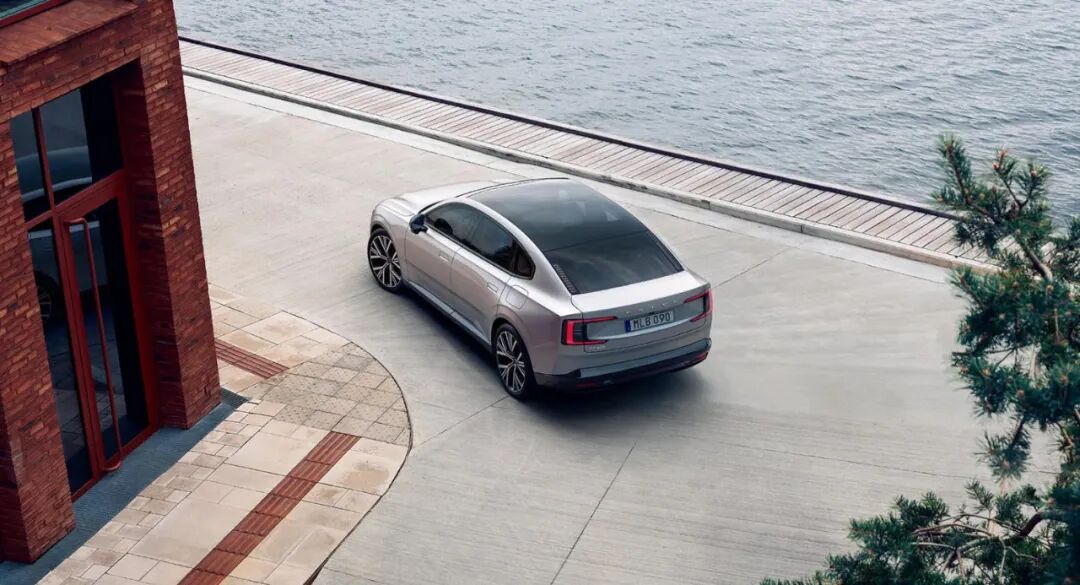
The second challenge is balancing product character. The new model must fully retain Volvo's Nordic design language and safety essence while upholding the luxury presence and high-end experience expected of a D-segment flagship. Finding the optimal equilibrium between brand DNA and luxury positioning is a core proposition to refine during the R&D phase.
For Duan Jianjun and the Volvo team, this flagship model represents a pivotal exploration on the path to brand elevation. If successful, it will not only help Volvo break through its long-standing brand ceiling but also provide a fresh reference sample for traditional luxury brands' electrification transformations. This is a bold attempt worthy of industry anticipation.
Grasping the New Dynamics of Electric Luxury
Notably, Volvo's new flagship targets the Zunjie S800 rather than the traditionally perceived Mercedes-Benz S-Class or BMW 7 Series. This choice reflects the profound shifts occurring in China's luxury car market.
Just a few years ago, nearly all brands developing D-segment flagships would benchmark against the Mercedes-Benz S-Class, as if competing with German top-tier luxury was the hallmark of a flagship identity. However, the market landscape has since been rewritten. Chinese brands have successfully established themselves in the top-tier luxury market by leveraging electrification and intelligent features, along with a deep understanding of local user needs. The market performance of the Zunjie S800 fully validates this point. Volvo's decision to benchmark it essentially acknowledges the new dynamics in luxury definitions in the electrification era.
From a brand fit perspective, this choice also carries clear practical logic. On one hand, Volvo and Zunjie share highly overlapping target user profiles, primarily consisting of high-net-worth individuals who value understatement, pragmatism, quality focus, and product experiences over brand-derived social symbols, resulting in lower user mindset alignment costs. On the other hand, relying on Geely's electric technology system, Volvo can swiftly catch up with the first tier in core dimensions such as intelligent cockpits, intelligent driving, and three-electric performance, avoiding the pitfalls of using outdated product thinking from the fuel vehicle era to build an electrified flagship.
Of course, as a market latecomer, Volvo still faces genuine competitive pressures. The success of the Zunjie S800 relies on full-chain technological empowerment and extreme refinement of high-end user needs. While Volvo has the technological and resource backing of Geely Group, it still needs to continuously deepen its efforts in refining intelligent experience details and operating high-end user ecosystems. Meanwhile, the overall capacity of the D-segment luxury market is limited, with BBA and leading new forces occupying major shares. Latercomers' breakthroughs will inevitably require differentiated product strength support.
However, from another perspective, the core value of this flagship model lies not just in sales volume. It serves as a 'brand business card' for Volvo, showcasing to the market the brand's technological capability to create top-tier luxury products while elevating the brand texture across the entire product lineup through the flagship's value anchor, alleviating pressure on terminal pricing. As long as it can successfully elevate the brand's value ceiling, even with limited sales volume, it holds crucial strategic significance for the brand's long-term development.
From 'Avoiding D-Segment Cars' to Fully Embracing a Top-Tier Flagship, Volvo's transformation exemplifies traditional luxury brands' proactive adaptation in the electrification wave. Currently, this D-segment flagship is still in the preparatory stage, with the final product form and pricing strategy yet to be determined. However, one thing is certain: this will be Volvo's most groundbreaking brand elevation exploration since entering the Geely era. For the market, having one more differentiated luxury option is inherently a positive development.
-
![]()
2026 Semi-Annual Report | Electric Two-Wheelers: Domestic Sales Drop 12.6% in H1—Which Brands Are Defying the Downturn with Explosive Growth?
-
![]()
Exclusive Insight from Qualcomm! The 'Affordable VR Dream' Teeters on the Edge
-
![]()
McKinsey 2026 Mobility Report: Consumers Are Redefining What Makes a 'Good Car'
-
![]()
Duan Jianjun Spearheads Premium Project as Volvo Sets Sights on Rivaling Zunjie with New Flagship Model
-
![]()
Absent from New Energy Vehicle Rural Promotion, Leapmotor Turns Its Gaze Overseas
-
![]()
Reclaiming Global Dominance! Apple’s Market Cap Surges to $5 Trillion in Cook’s Epic Finale
-
![]()
Sales Soar: Has Ora Staged a Remarkable Comeback?
-
![]()
What Kind of AI Phones Do We Actually Need?