It’s Official: The Era of Intelligent Driving Blue Lights Ends with a Complete Ban on Installation
 07/30 2026
 559
559
Farewell to Intelligent Driving Blue Lights
Is the “blue light” for intelligent driving in passenger vehicles on its way to becoming obsolete?
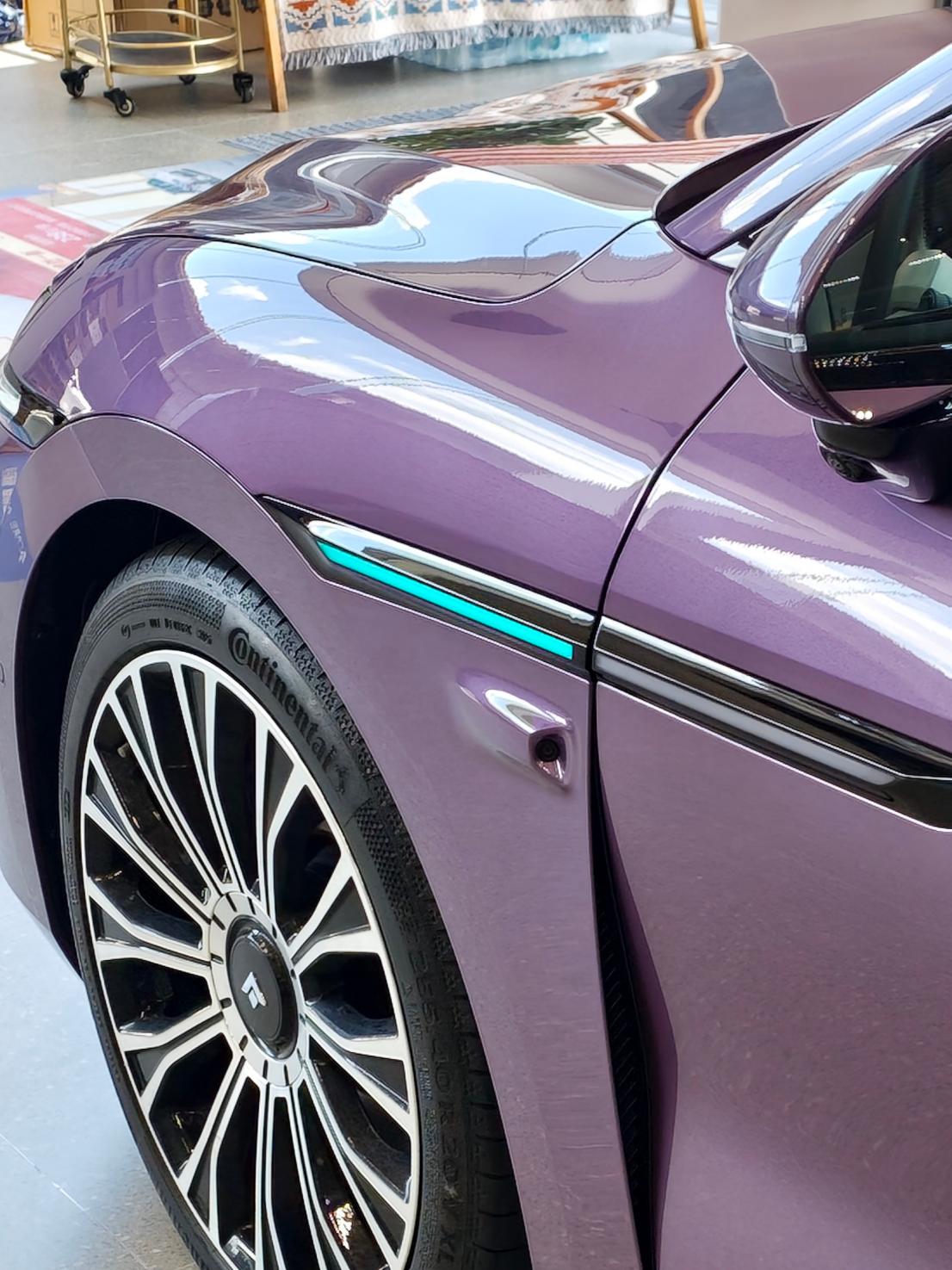
(Image Source: Dianchetong Production)
On July 29th, Weibo blogger @jenwayzhou revealed that the Ministry of Industry and Information Technology (MIIT) will strictly enforce the GB4785 automotive lighting national standard, starting from the next batch of new car declarations.
The screenshot attached to the Weibo post clarified that, due to non-compliance with GB4785 requirements, the installation of intelligent driving blue lights on passenger vehicles will be immediately prohibited.
From the upcoming batch (Batch 410) of MIIT product announcements, vehicles equipped with blue lights will no longer be eligible for product approval. Furthermore, the National Technical Committee of Auto Standardization will introduce supplementary requirements for the GB4785 automotive lighting national standard specifically concerning blue lights.
Regarding vehicles already sold and equipped with blue lights, the MIIT will deliberate on appropriate measures for their management in the next phase.
In response to this new regulation, Geely Auto stated in an interview with Yicai that it is fully aware of the news and will strictly comply with national regulations while awaiting further instructions from the authorities.
According to the automotive lighting national standard GB4785, automotive lights are currently only permitted to use four colors: white, red, yellow, and amber. Colors such as blue and green are not allowed.
The use of blue lights to indicate the status of intelligent driving assistance in the domestic market can be traced back to the Li Auto L9, launched in August 2022. This model features five blue intelligent driving indicator lights at the front and rear, which remain lit when intelligent driving assistance is activated.
Following suit, several automotive brands installed similar intelligent driving indicator lights on models equipped with intelligent driving assistance systems. These lights are also commonly referred to as “blue lights” by users.
On the 2026 Li Auto L9, Li Auto even integrated the front blue lights with the existing starry light strip, which switches to blue when driving assistance is activated.
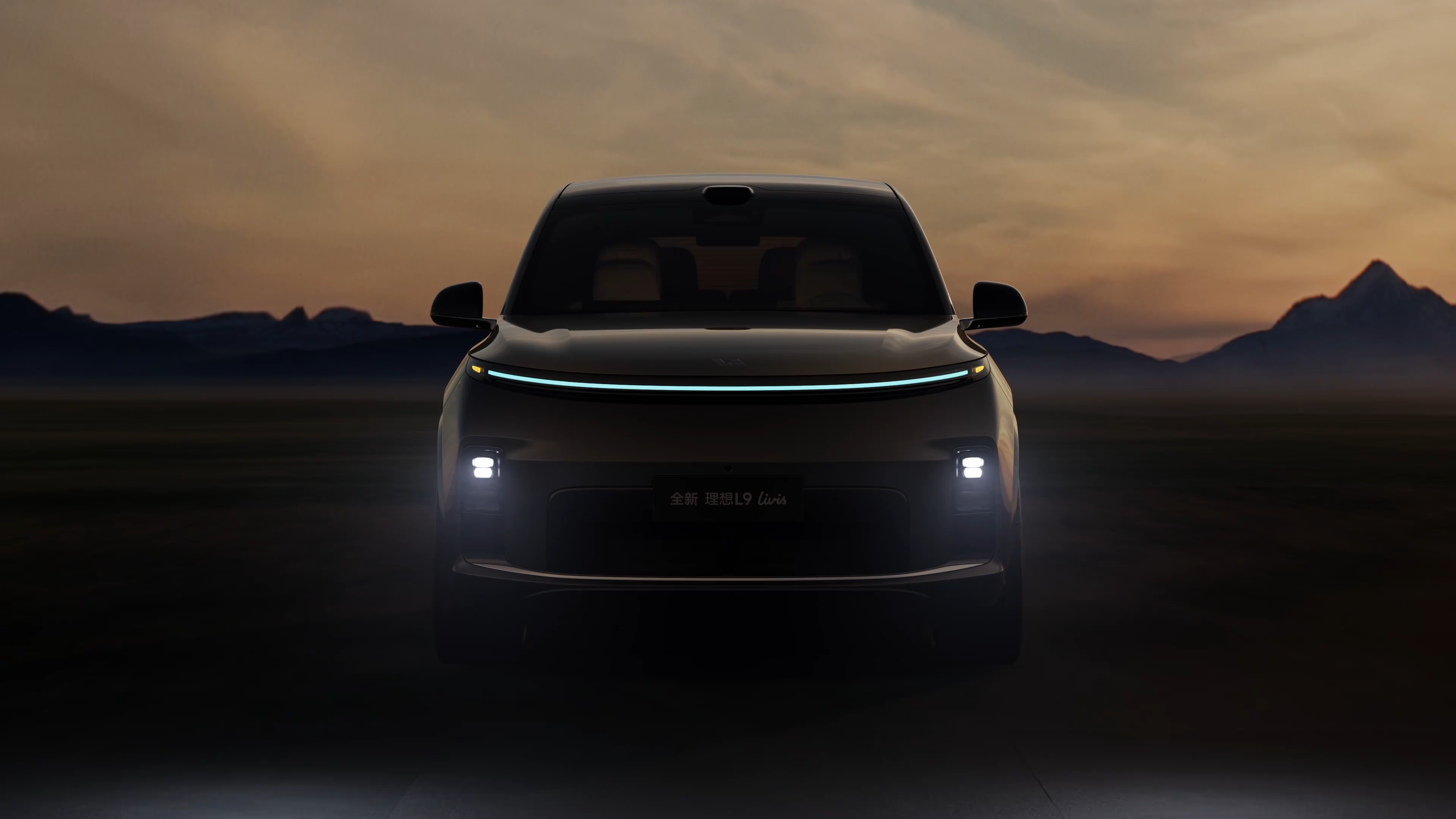
(Image Source: Li Auto)
The trend of blue lights on new vehicles has sparked a craze in the automotive community. For instance, the Dongfeng eπ, which is equipped with in-cabin LiDAR and lacks a LiDAR protrusion on the roof, added a protruding blue light on the roof. Some vehicle owners even chose to install blue lights on their vehicles themselves to follow the trend.
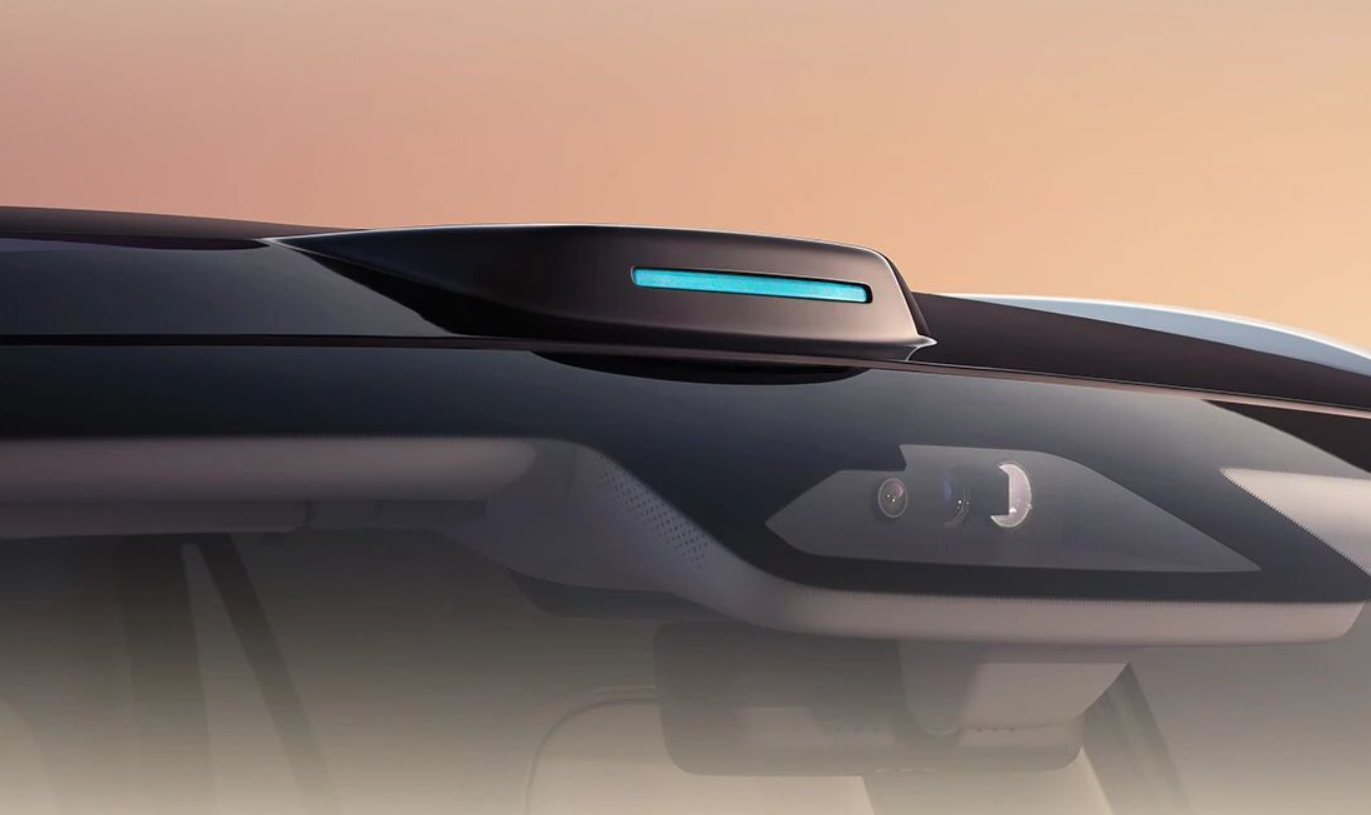
(Image Source: eπ)
More bizarrely, some newly launched “low-speed electric vehicles” have also started to imitate this trend by adding blue lights at the rear.
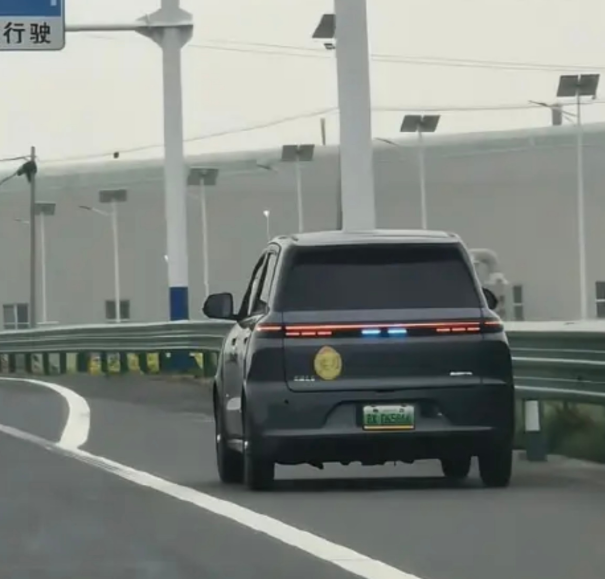
(Image Source: Weibo)
Opinions on intelligent driving blue lights are divided.
Proponents argue that these lights externally indicate that the vehicle’s driving assistance system is activated, allowing other road users to be aware of the vehicle’s status, which positively impacts road traffic safety and order.
Opponents, however, believe that the inconsistent color of intelligent driving blue lights can interfere with the recognition of other colored lights. Additionally, some drivers may rely on the blue light as an “exemption reminder” and fail to properly supervise the vehicle’s driving status when driving assistance is activated, posing a safety hazard.
Nevertheless, with the country now strictly enforcing lighting national standards and banning blue lights, it suggests that their presence has, to some extent, compromised driving safety. This color, once symbolic of driving assistance, is now becoming a relic of the past.
On July 31st, ChinaJoy 2026, themed “Exploring with AI,” commenced with great fanfare.
A total of 900 pan-entertainment exhibitors, including Tencent, NetEase, Sony, Qualcomm, MCHOSE, and Qingxian, collectively presented a grand spectacle for the global entertainment industry.
With the enhancement of AI, how will hard tech brands in terminals, peripherals, robots, displays, and chips collaborate with the gaming content industry to offer new entertainment experiences?
Led by founder and editor-in-chief Luo Chao, the Leikeji ChinaJoy 2026 reporting team is set to make a grand appearance in Shanghai. Stay tuned for more updates!
Source: Leikeji
Images in this article are from the 123RF licensed image library. Source: Leikeji
-
![]()
Hongqi CEO 'Gap' Filled: Marketing Veteran Nie Qiang Steps Up to the Plate
-
![]()
Has Chongqing Outstripped Guangzhou Once Again? The Top Ten City Rankings Take an Unexpected Turn!
-
![]()
Blasting into the Global Top 100! Tencent's 'AI Powerhouse' Unleashed
-
![]()
Half-Year Profit Plummets by 30%! Volkswagen Group's 5-Hour Supervisory Board Showdown Rejects Plant Closures and 100,000 Job Cuts
-
![]()
Memory Prices Soar 300%, Disrupting the Smartphone Market! SoC Shipments Plummet 15% in the First Half of 2026
-
![]()
From Dominance to Decline: The Gradual Fading of Black Shark Phones and the Predicament of Devoted Fans
-
![]()
Honor's 'Alpha' Ambitions and the 'Phone Case' Quandary: Securing Legal Victory, Yet Risking Public Favor
-
![]()
Chinese Automakers Sweep Across Europe but Are Trapped by 'Electricity Price Shackles'