Why Does Changan Technology Abandon Internal Capital Injection and Embrace Marketization?
 08/07 2026
 516
516
On July 31, Changan Automobile announced the suspension of a planned RMB 3 billion related-party capital increase for Changan Technology. This plan, which had been in preparation for over six months, was replaced by market-oriented financing. The official reason cited was that "progress in intelligent innovation has surpassed expectations." While this move appears to be a routine adjustment in internal financing, it actually reveals the capital deployment strategies of traditional automakers in the latter half of the intelligent vehicle race. It also underscores a broader industry trend of separating and independently operating intelligent driving businesses.
The Original Plan: A Closed-Loop Capital Injection Within the System
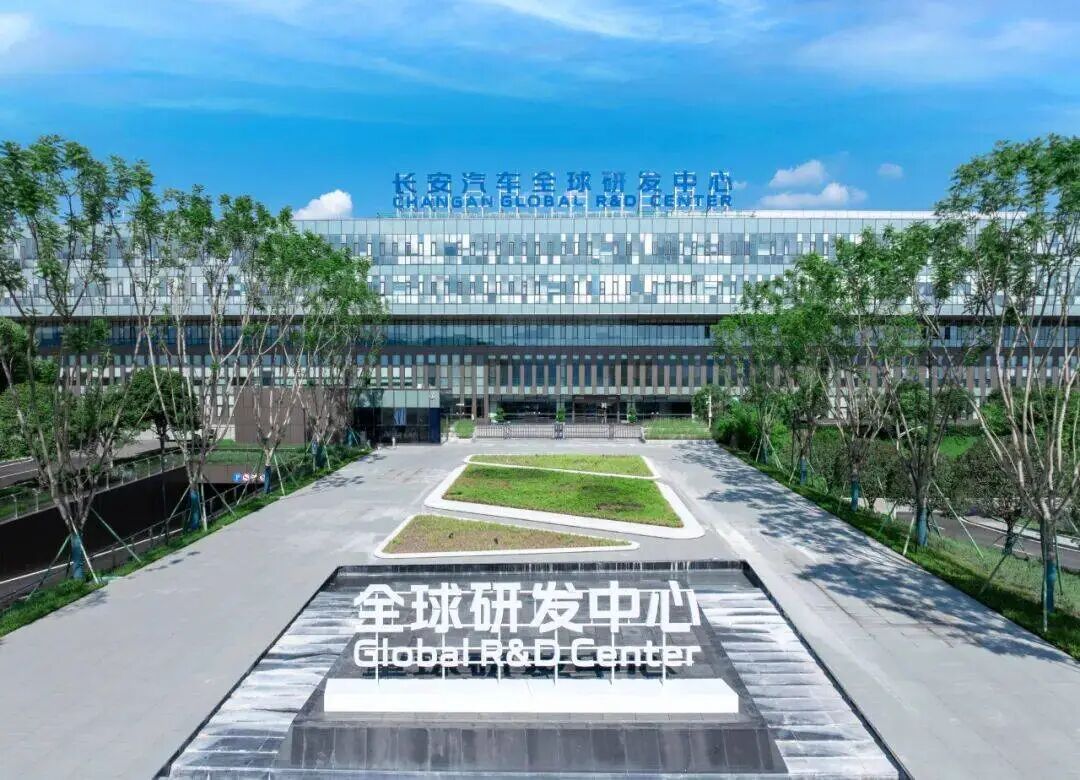
To grasp this shift, it's crucial to first understand the rationale behind the initial capital increase plan. According to a December 2025 announcement, Changan Automobile, China Changan Automobile Group, and ChenZhi Group were set to collectively invest RMB 3 billion. Upon completion, Changan Automobile would hold a 75% stake, ensuring firm control within the system.
As of the benchmark date in June 2025, Changan Technology was valued at approximately RMB 6.4 billion, a valuation multiple that was not inflated and aligned with conventional asset transfer pricing within the system. At that time, the plan's logic was clear: In 2024, Changan Technology reported annual revenue of RMB 938 million and a net profit of just a few million yuan. In the first half of 2025, it remained slightly unprofitable on a non-GAAP basis, with revenue primarily derived from supporting complete vehicle projects within the system. Its commercialization capabilities were still in the early stages.
Opting for an internal capital increase allowed the company to cost-effectively fill its R&D funding gap without engaging external capital or diluting equity further. It was a prudent path of "nurturing one's own child within the family." Under normal circumstances, this plan would have proceeded without hesitation. However, in just six months, the overall direction shifted.
The Shift: More Than Just Technological Surprises
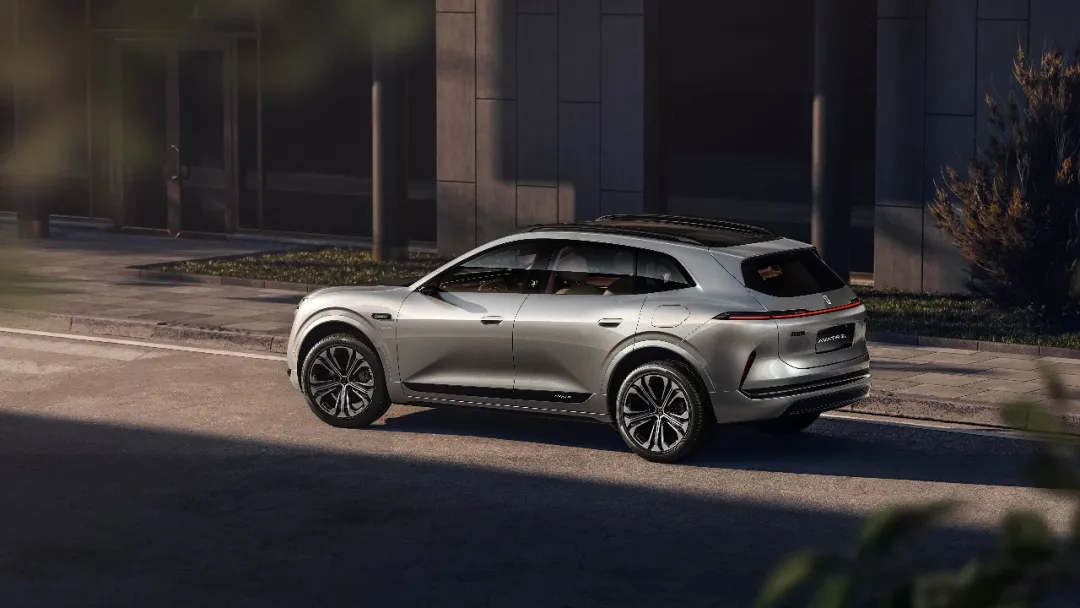
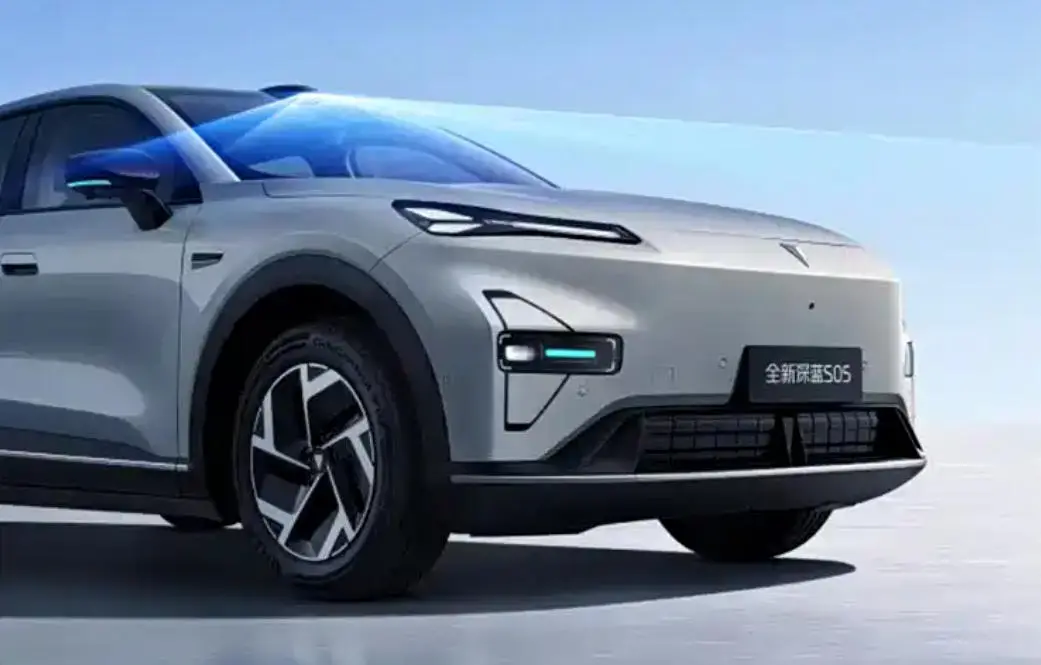
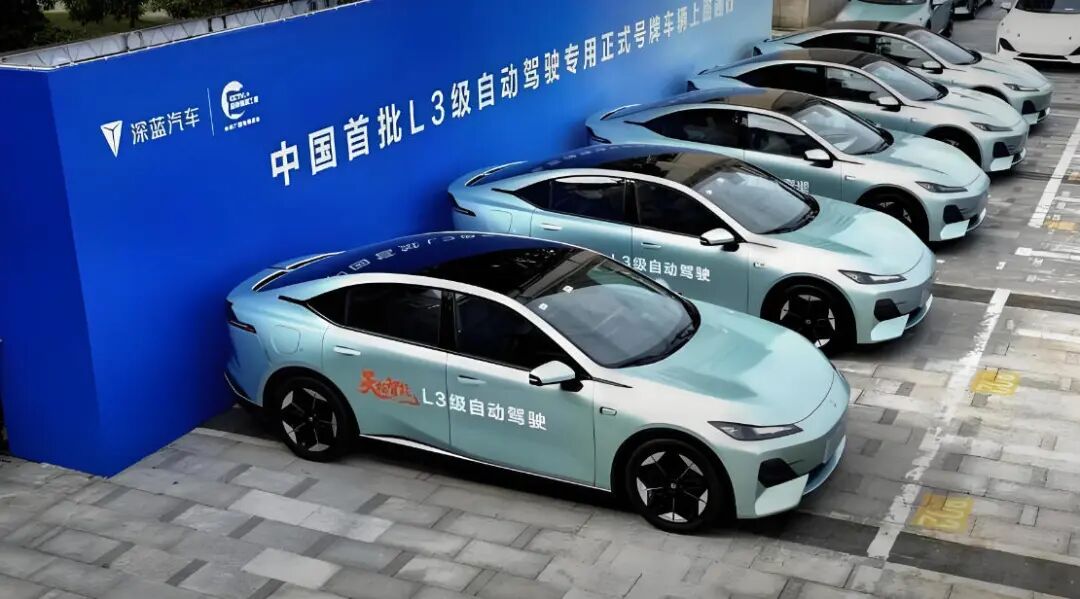
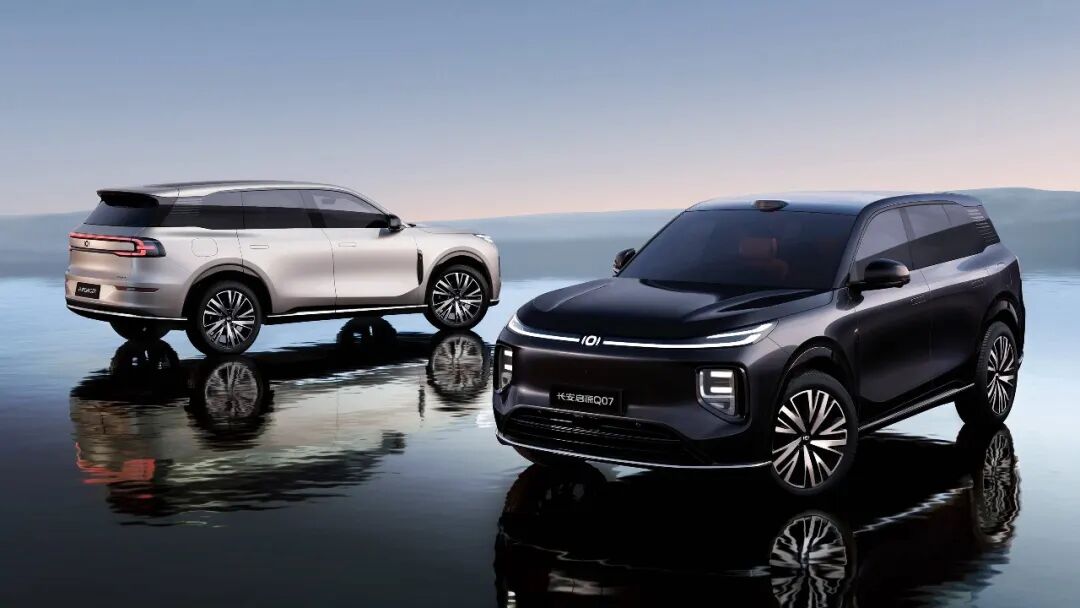
The "progress exceeding expectations" mentioned by officials is not just rhetoric. Changan Technology has delivered tangible results in recent months. Over the past six months, its technological implementation has accelerated: The SDA intelligent architecture has transitioned from concept to reality, being integrated into multiple models under the Qiyuan brand, achieving cross-domain integration of cockpit, intelligent driving, and vehicle control systems. The Tianshu Intelligent Driving system has obtained L3-level autonomous driving approval, with its urban navigation-assisted driving function continuously expanding in coverage. These advancements have naturally driven up asset valuations, making an internal capital increase at the same price as six months ago less cost-effective from an asset-pricing perspective.
Meanwhile, Qichebatan (an automotive media outlet) learned from internal sources at Changan Automobile that the "unexpected progress" defined by officials spans three dimensions: technological R&D, product implementation, and marketization capabilities. First, in core technological iteration, the R&D progress of the self-developed general-purpose physical AI large model infrastructure has outpaced the original schedule. The end-to-end intelligent driving model has completed scenario validation, with its perception algorithm achieving industry-leading results in international authoritative evaluations. After establishing a data closed-loop flywheel, the model's iteration efficiency and generalization capability for long-tail scenarios have significantly improved.
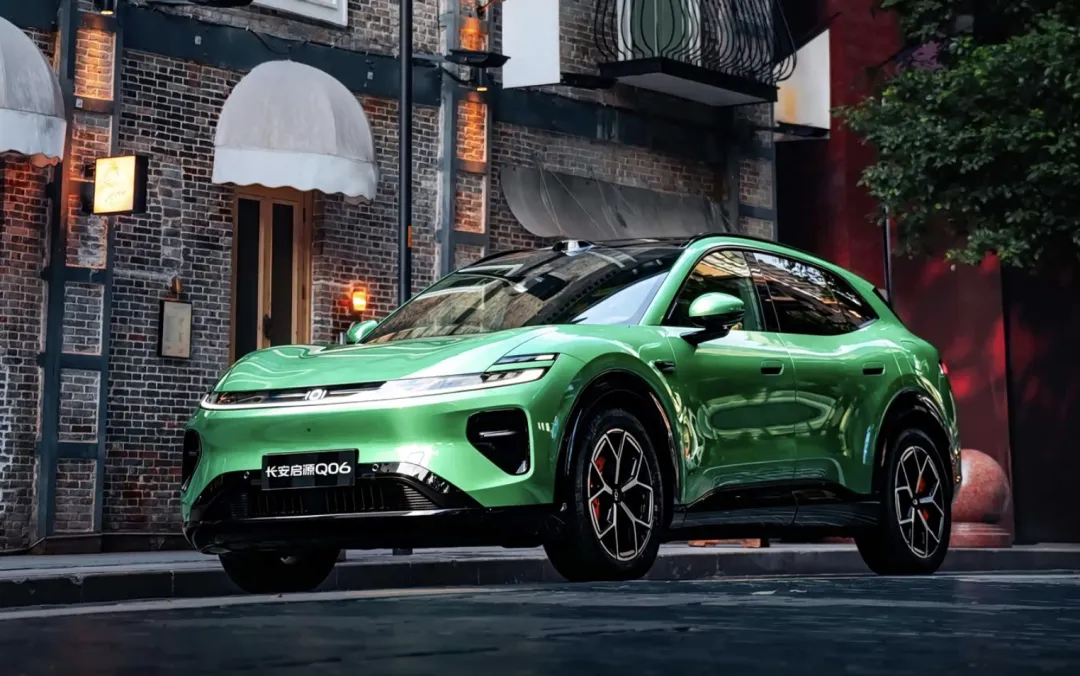
Second, in mass production implementation, the validation of the fully self-developed end-to-end urban NOA (Navigate on Autopilot) solution has accelerated and is set to debut in the Qiyuan Q06 model in September 2026, faster than initially planned.
Most critically, in market-oriented operations, Changan Technology has made smooth progress in establishing an independent operating system. The independent implementation of assets, personnel, business, and financial dimensions has exceeded expectations. Substantial breakthroughs have been achieved in external market expansion, with cooperation intentions established with several leading OEMs and vertical scenario ecosystem partners. It has also secured orders from a globally renowned automaker, with the first model equipped with Changan Technology's intelligent driving solution expected to launch by the end of this year or early next year. Given that the foundational conditions for market-oriented financing have matured, Changan Technology now has the capability to directly introduce external capital, eliminating the need for transitional internal capital increases.
Additionally, in response to market concerns about the total R&D investment of RMB 10.8 billion, officials provided a clear explanation: This investment is directed toward core areas such as intelligent driving and general-purpose physical AI, covering the entire chain of algorithm R&D, computing infrastructure, data closed-loop construction, and the recruitment of core talent. Both the intensity and efficiency of this investment are competitive within the industry.
On one hand, the company focuses on algorithm R&D and technology output without engaging in hardware manufacturing or terminal scenario operations. All R&D funds are allocated to technical barrier-breaking areas, resulting in higher technical output concentration and more precise resource allocation compared to industry peers with full-chain layouts. On the other hand, leveraging Changan Automobile's foundation of selling over two million vehicles annually, R&D achievements can be quickly validated and iterated in vehicles, with massive real-world road data continuously feeding model evolution. This avoids ineffective R&D investments in pure laboratory settings without mass production support. Currently, internal evaluations show that the user experience of Changan Technology's intelligent driving products is rapidly approaching industry-leading levels.
In terms of scale, the RMB 10.8 billion R&D investment places Changan Technology in the top tier among domestic independent intelligent driving technology companies, supporting long-term iteration of core technologies. Officials also clarified that the original capital contributors, China Changan Automobile Group and ChenZhi Group, will continue to participate in the new round of market-oriented financing. The termination of this single internal capital increase does not affect the company's overall R&D planning or strategic implementation pace.
Of course, technological progress is only the direct catalyst. Deeper considerations stem from industry-wide developmental logic. Intelligent R&D is a long-term investment track, and relying solely on the parent company to shoulder annual R&D expenditures of several billion yuan places significant pressure on it. This year, the automotive market price war persists, compounded by fluctuations in exchange rates and raw material costs, placing certain pressure on the parent company's profitability. Moving the R&D entity toward market-based financing not only ensures that the investment pace remains unaffected but also optimizes the parent company's financial performance to a certain extent.
The willingness of internal shareholders to co-invest at market prices reflects recognition within the system of Changan Technology's rising valuation and signals confidence to external investors, alleviating market concerns about "pricing discrepancies between internal and external transactions." Additionally, as independent market entities, they enjoy greater flexibility in compensation and equity incentives, better enabling them to retain core technical teams—a common consideration among automakers when spinning off their intelligent businesses.
Market-Oriented Financing: A New Starting Point
Changan Technology's shift is not an isolated industry case. In the past two years, mainstream automakers have nearly all been advancing the separation and independence of their intelligent businesses, transitioning from "internal capital support" to "market financing," albeit with varying approaches and progress.
For example, Geely's spun-off ECARX went public on NASDAQ. In addition to serving the Geely ecosystem, it has secured cockpit and intelligent driving orders from multiple overseas automakers, with external revenue accounting for nearly 30%, demonstrating the embryonic form of independent commercialization. SAIC's Zero Beam Technology focuses on central computing platforms and software architecture licensing, aiming to become a general-purpose technology supplier outside traditional corporate structures. Dongfeng Yuexiang avoids intense competition in the passenger vehicle sector, instead focusing on commercializing unmanned scenarios in B-end markets such as ports and mining areas.
In comparison, Changan Technology's foundational advantages are quite prominent. Recently released delivery data for July shows that Changan Automobile delivered 207,100 vehicles across its entire lineup for the month, including 96,500 new energy vehicles. The Qiyuan and Shenlan brands delivered 39,841 and 29,213 units, respectively. This massive production scale provides ample implementation scenarios and data iteration foundations for the SDA architecture and Tianshu Intelligent Driving system. Coupled with the high-end technological feedback from the system's Avatr brand, Changan Technology has a clear technological gradient from entry-level to high-end products, enabling high internal reuse efficiency—an inherent advantage that many independent intelligent driving suppliers lack.
Meanwhile, Changan Technology's growth potential is equally clear. Currently, the company's revenue primarily comes from internal orders, with external customer expansion just beginning to break through. A complete commercialization closed loop is still being gradually established. The investment logic in the primary market has already shifted: A few years ago, the industry chased technological concepts, but now it places greater emphasis on scalable order volumes and sustainable revenue models. Stable external revenue is an important foundation for supporting long-term valuation growth.
Ultimately, halting the RMB 3 billion internal capital increase is just the first step. The valuation level of the initial round of market-oriented financing, whether external industrial capital participates, and the co-investment ratio of original shareholders will all serve as important windows for observing the "value" of this "unexpected progress." In the latter half of the intelligent vehicle race, having strong technology is merely an entry ticket; achieving independent commercialization is the core of long-term development. For Changan Technology, backed by the parent company's foundational scale and having secured initial external orders, its subsequent market-oriented path already has a promising starting point.
-
![]()
Huawei Router Tops China’s Market, Xiaomi Claims Second Place Worldwide
-
Will Leading Content Creators All Transition into Sellers of 'AI Courses'?
-
![]()
Semi-annual Report | China's Sports Camera Market Nearly Doubles in Size in H1 2026, with DJI and Insta360 Dominating as a Dual Oligopoly; Full-Year E-commerce Sales Forecast to Exceed RMB 20 Billion
-
![]()
Automakers Embark on a Collective 'Downsizing' Path: Can Model Reduction Rescue Profits?
-
![]()
STO Express Under Scrutiny: Low Delivery Costs, but Safety Remains Paramount
-
![]()
Five Major Players Enter the Arena: The All-Out Battle for the Ultimate AI Office Super Gateway Begins
-
![]()
Why Does Changan Technology Abandon Internal Capital Injection and Embrace Marketization?
-
![]()
Royalties Outstrip Licensing Fees for the First Time: Arm’s Leasing Business Thrives