Lei Jun: The ‘Contrarian’ in the Electric Vehicle Arena
 08/11 2026
 349
349
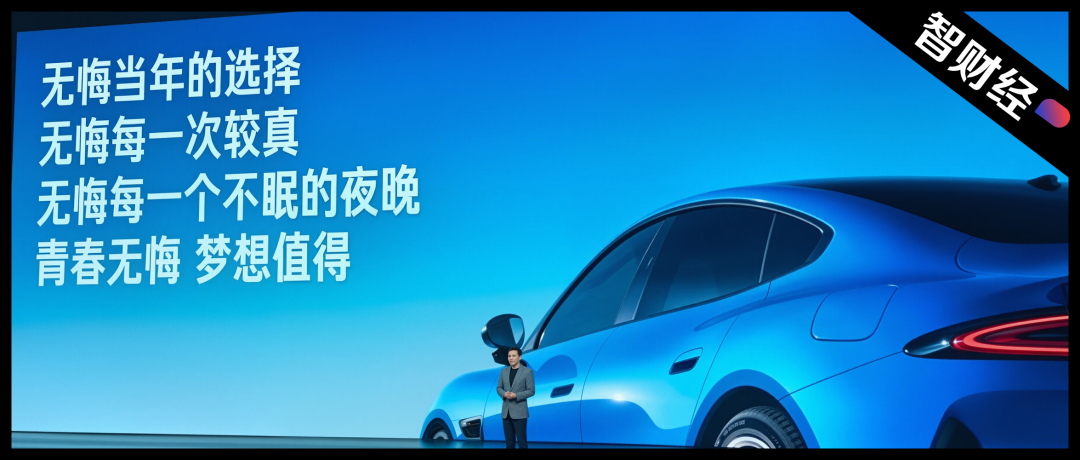
In 2026, the new energy vehicle (NEV) sector is witnessing an industry phenomenon characterized by sharp contrasts.
There’s a broad consensus across the industry: extended-range vehicles (ERVs) are a transitional technology, with diminishing market benefits and declining sales. Heavy investment in ERVs is seen as a bet on a declining trend. Leading automakers are cutting their losses and hastening their exit, reluctant to linger in what they perceive as a ‘sunset industry’.
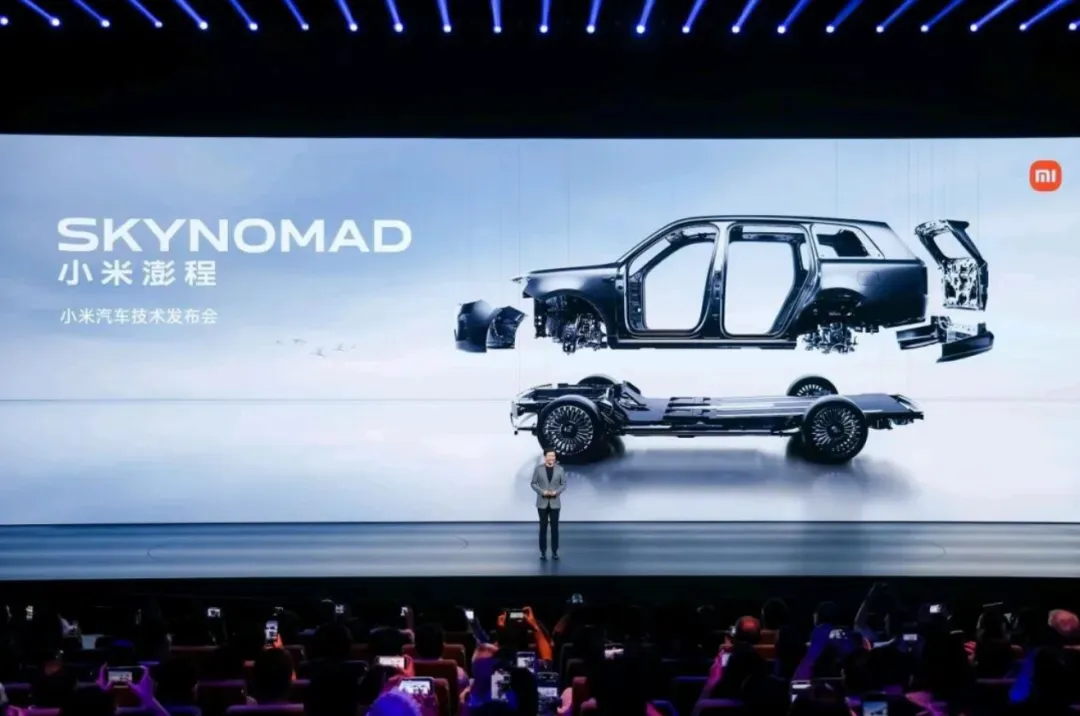 Image Source: Lei Jun's Weibo
Lei Jun, however, is swimming against the current. Xiaomi’s Pengcheng Extended-Range SUV, developed over three and a half years at a cost of billions, has made its debut. Powered by the versatile Kunlun Architecture, it enters the fiercely competitive family SUV market with a starting price of 259,900 RMB.
As the industry collectively withdraws, Xiaomi’s bold move has sparked widespread debate. Some critics accuse Lei Jun of being ensnared by sunk costs, while others view it as a strategic masterstroke targeting long-term demand.
In reality, Lei Jun’s seemingly daring move is not a blind gamble but a calculated decision based on a thorough evaluation of the pros and cons.
Cooling Sector, Giants Exit: Is Extended-Range Technology Obsolete?
Industry trends are evident in the data. By mid-2026, the ERV sector shows clear signs of decline, with retail sales of extended-range passenger vehicles plummeting by 19.4% year-on-year in the first half, and wholesale volumes crashing by 25.2% in June alone—the steepest drop in five years. Market share shrank from 10.3% to 6.4%, making ERVs the only category in the NEV sector to experience declines in both sales and share.
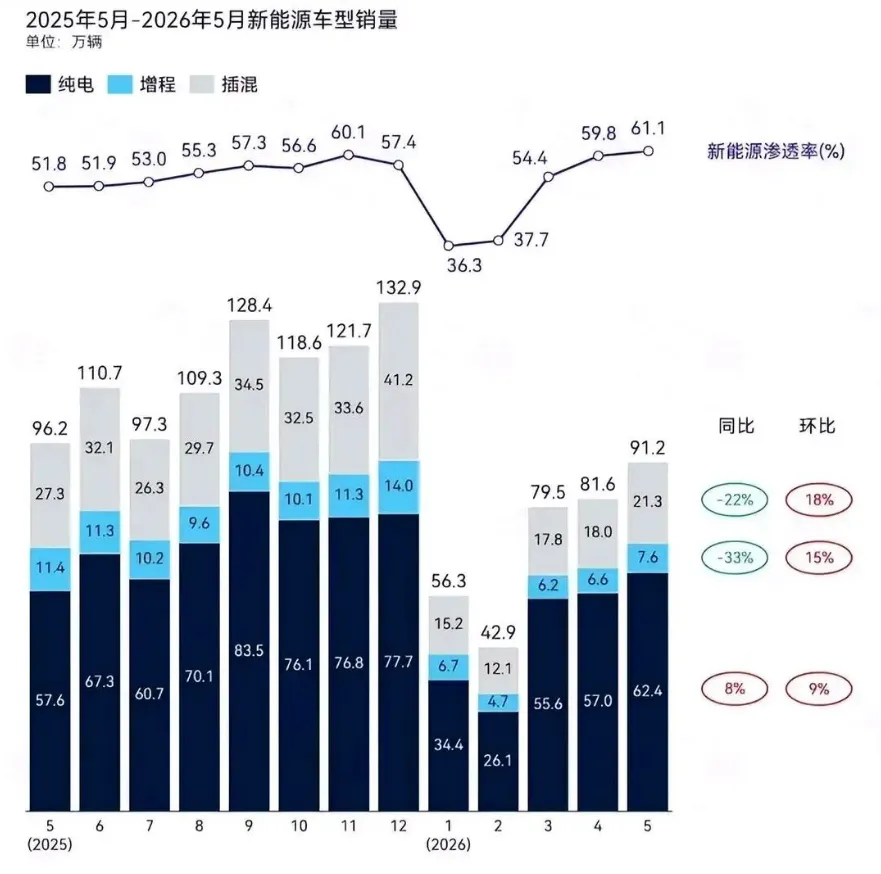 Image Source: Sina Auto
Li Auto, which built its success on ERVs, has already pivoted. Its pure electric i-series now consistently sells over 20,000 units monthly, becoming the brand’s sales backbone. Meanwhile, its former bestselling L-series ERV models have been marginalized, selling only a few hundred units per month. Beyond product shifts, Li Auto has abandoned Dongan Engine's outsourced solutions, opting for a self-developed powertrain to eliminate supply chain dependencies.
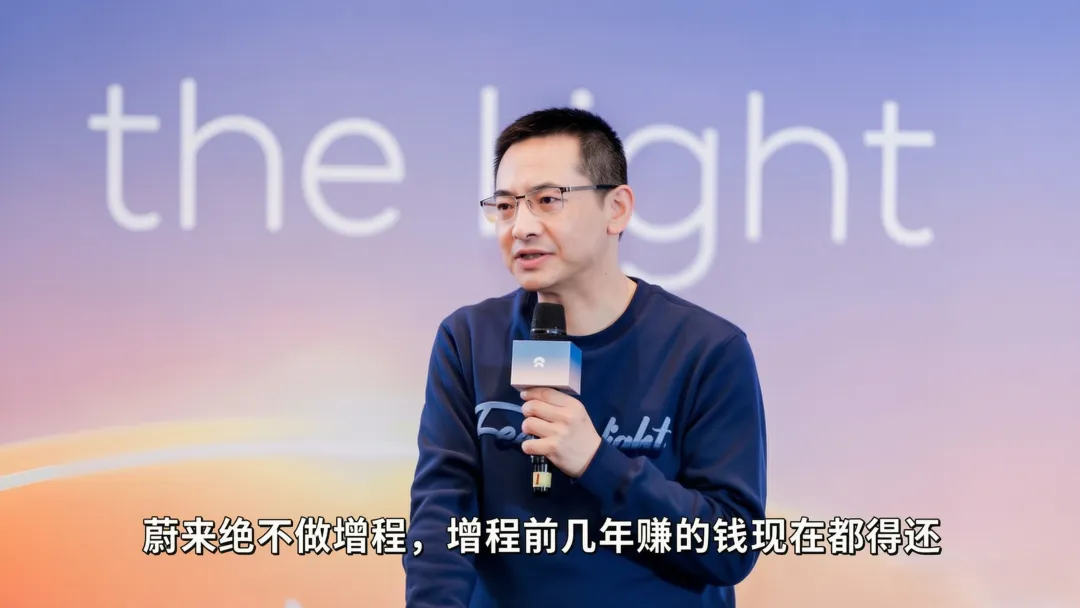 Image Source: NIO Community
NIO takes an even firmer stance: despite having the technical capability to mass-produce mature ERV models within 20 months, it strategically refrains from entering the market. Calculations show that adding an extended-range system increases costs by 20,000 RMB per unit, translating to 20 billion RMB in wasted investment at scale. NIO views ERVs as a short-term industry shortcut that lowers entry barriers but undermines long-term potential, warning that following the trend will lead to short-sighted consequences.
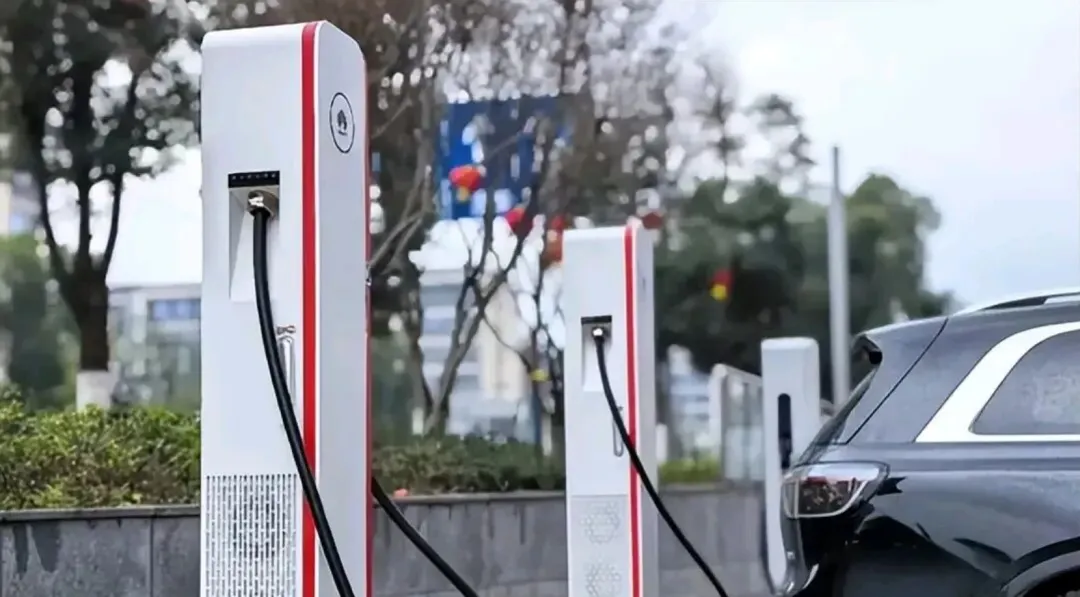 Image Source: Weibo
The core reason for the mass exodus is the erosion of ERVs' fundamental viability. With over 23 million charging stations nationwide, including widespread ultra-fast chargers in rural areas, mainstream pure EVs now offer ranges exceeding 800 kilometers. 4C and 5C ultra-fast charging, enabling 400 kilometers of range in 10 minutes, has alleviated range anxiety in top-tier cities. Combined with BYD's aggressive price cuts on plug-in hybrid models, ERVs' market space is shrinking rapidly.
However, declaring ‘the death of ERVs’ is overly simplistic. The industry's focus on top-tier markets overlooks vast lower-tier and rural areas. Countless households in counties and townships lack fixed parking spaces or home charging access, while holiday charging station queues on highways remain unresolved.
While pure EVs excel in urban commuting, ERVs provide peace of mind for intercity travel. The ability to switch between electric and gasoline power, eliminating reliance on public charging infrastructure, offers irreplaceable certainty in the short term—a key factor behind Lei Jun's contrarian entry. While sector contraction is inevitable, genuine demand in lower-tier markets persists.
Not a Passive Takeover: Three Years of Preemptive Layout Meets Industry Disruption
Online criticism of Lei Jun's ‘backward step’ often stems from a lack of understanding of the project’s history. The Pengcheng series was not a hasty follow-up but a core strategic initiative finalized in early 2023. After three and a half years of R&D, billions in investment, and over 4 million kilometers of real-world testing, it represents a critical pillar of Xiaomi's dual-track strategy.
In 2023, ERVs were thriving, with annual sales surging 181%. Their gasoline-electric flexibility made them ideal for households without home charging and frequent long-distance travel, positioning them as the top choice for family SUVs. Xiaomi's logic was clear: the SU7 pure electric coupe would target urban youth, establishing a tech-forward brand image, while the Pengcheng Extended-Range SUV would serve lower-tier family markets, filling a gap in Xiaomi's SUV lineup.
With one pure EV and one ERV, one sedan and one SUV, this complementary dual-track approach aimed to cover all user segments. This strategy seemed prudent three years ago. Few anticipated the explosive growth of China's fast-charging infrastructure and pure EV technology, transforming a former blue ocean into a red ocean. Xiaomi's long-term layout now appears as a ‘contrarian gamble’ in public eyes.
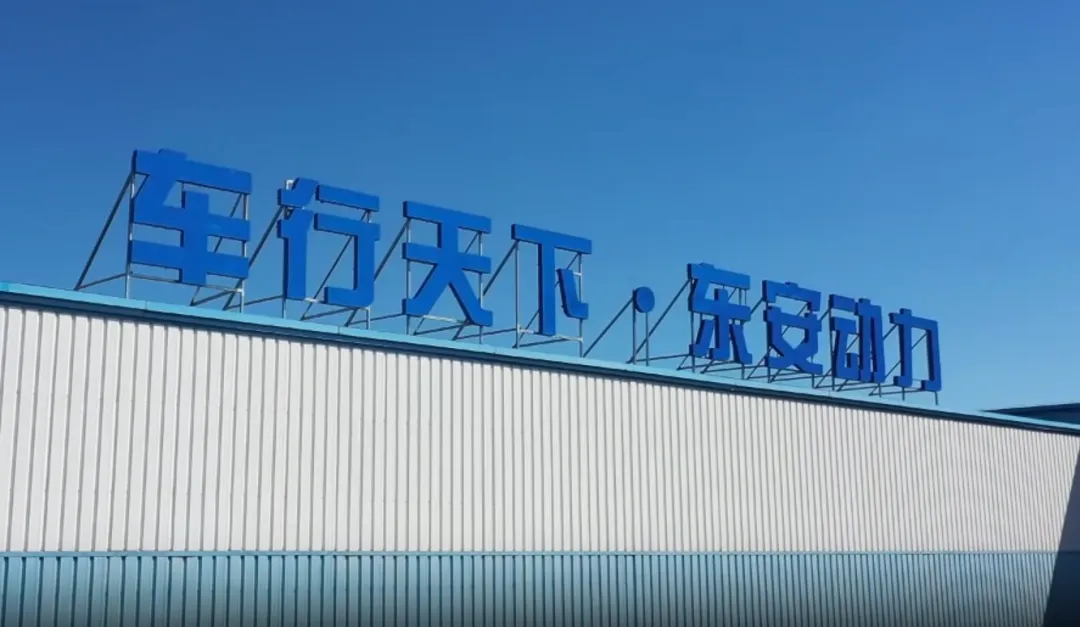 Image Source: Official Account
The controversial choice of Dongan Engine's extended-range system is not about adopting obsolete technology. Dongan, once revitalized by Li Auto's Li ONE (peaking at 820,000 annual sales), was abandoned as leading automakers shifted to in-house solutions. However, Li Auto merely purchased off-the-shelf units with little room for optimization, whereas Xiaomi opted for deep joint customization.
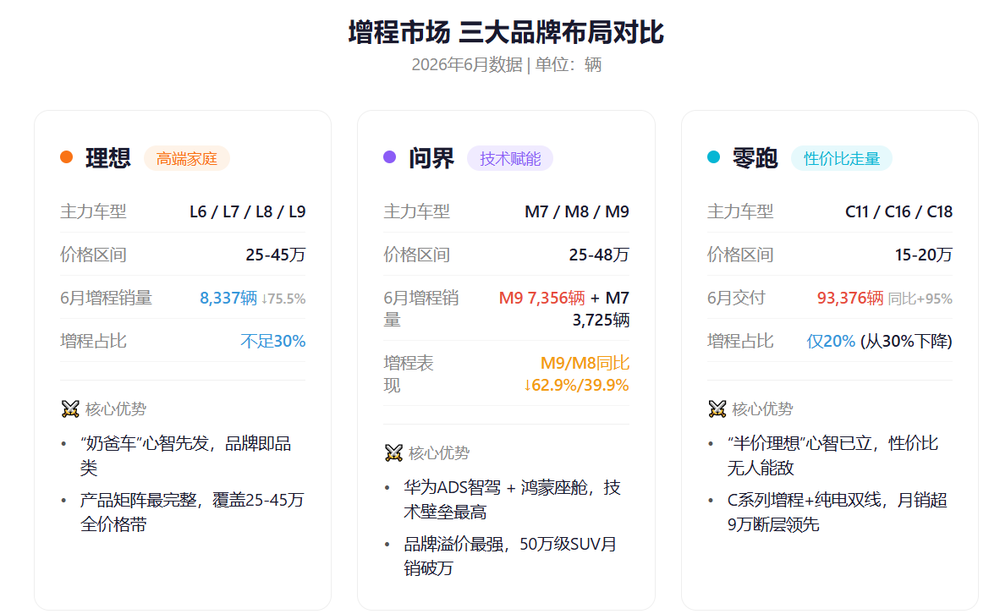
Image Source: Huxiu Graphics
Xiaomi optimized 57 key components out of 200+ parts, redesigning half of the core components and collaborating with Shell on custom lubricants. The resulting 1.5T four-cylinder extended-range engine achieves 44.3% thermal efficiency, 5.7L/100km fuel consumption in charge-sustaining mode, and compatibility with 92-octane gasoline, resolving traditional ERVs' high fuel consumption and noise issues. While the shell represents proven reliability, the internals have been fully upgraded. Dongan now holds 43 orders from 21 automakers, with 3.8 million units of future production capacity, reaffirming its market viability.
The Real Ace: Not ERVs, but the Flexible Kunlun Architecture
The biggest misconception is viewing Pengcheng as merely an ERV. In truth, Pengcheng is a stepping stone; the Kunlun Architecture, with its full modularity, is Lei Jun's ultimate play.
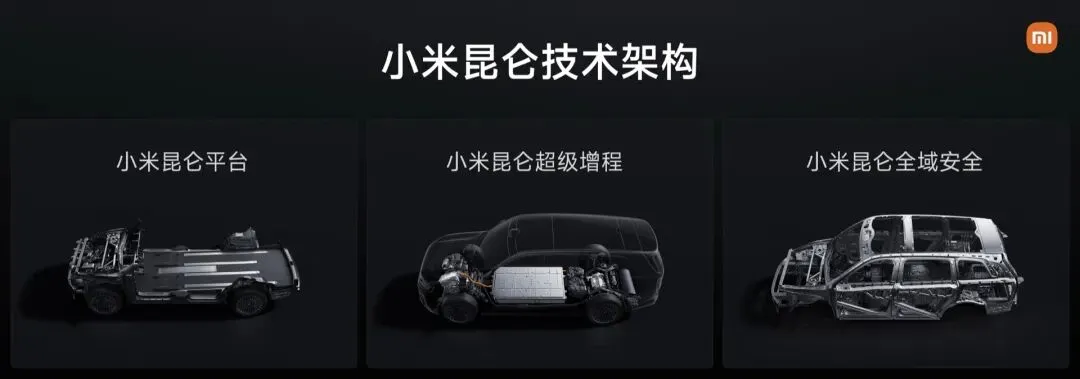 Image Source: Lei Jun's Weibo
The Kunlun Architecture features a fully modular design. ERVs are its initial powertrain application, but not its only form. The chassis, electrical systems, and cabin architecture allow ample room for iteration without requiring wholesale redesigns or massive R&D costs. Future upgrades to large-battery pure EV versions can be seamlessly implemented.
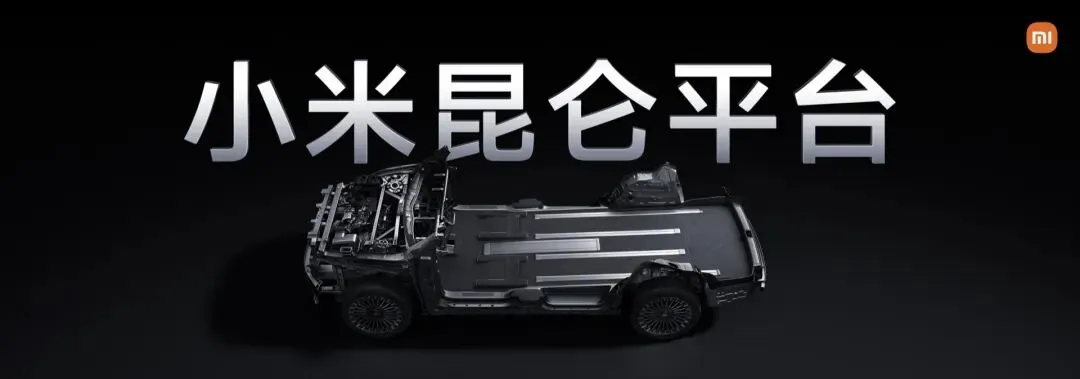 Image Source: Lei Jun's Weibo
This embodies Xiaomi's strategy: short-term market penetration in lower-tier segments via ERVs, completing its SUV lineup and capturing existing demand; long-term flexibility to pivot to pure EVs through modular upgrades. A single R&D investment unlocks two rounds of industry dividends—far from a risky gamble, but a calculated, low-risk play.
In the auto industry, no technology is obsolete, only mismatched to scenarios. Pure EVs suit urban users with home charging, while ERVs cater to rural households needing long-distance reliability. Until universal charging infrastructure is realized, ERVs retain market value. Li Auto's exit secures profits and focuses on the future; NIO's wait-and-see approach avoids resource drain; Xiaomi's entry fills a market gap. All three strategies are valid, reflecting automakers' optimal resource allocations.
Five-Year Crossroads: Xiaomi Faces the ‘Midlife Crisis’ of NEV Startups
A rule in the NEV startup world dictates that brands face a defining ‘midlife crisis’ three to five years after inception. NIO teetered on bankruptcy amid funding crises, Ideal faced project cancellations and funding droughts, while XPeng suffered setbacks from product recalls and reputational damage. The triple threat of fading dividends, hyper-competition, and cooling capital markets is an inevitable rite of passage.
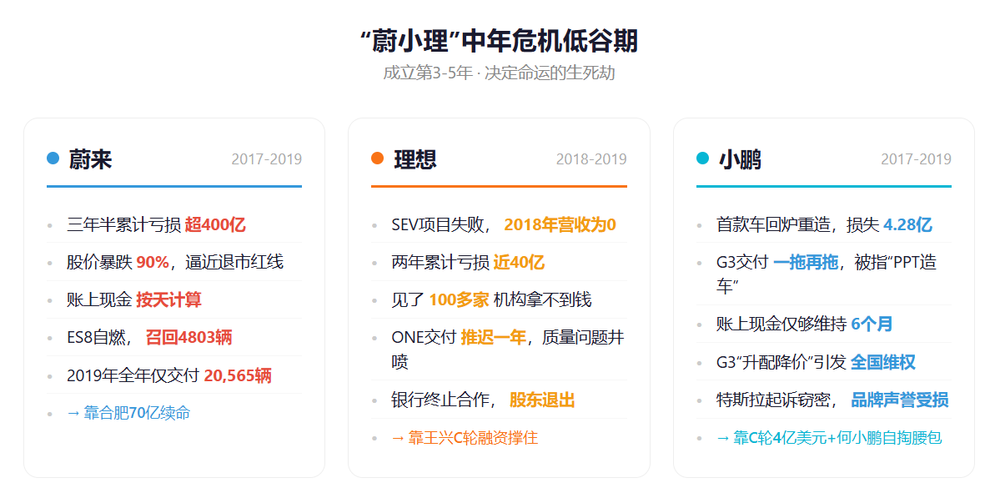
Image Source: Huxiu Graphics
In 2026, this crisis hits Xiaomi. Five years after its 2021 car-making announcement, the Pengcheng series arrives at a pivotal growth inflection point, with a tougher landscape than what NIO, Ideal, and XPeng faced.
Xiaomi has invested over 30 billion RMB in automotive R&D over five years, with accelerating cash burn from factory construction and new product development. Despite group-level support, sustained losses have shifted from strategic investment to tangible financial pressure. Critically, industry windows are closing. While NIO, Ideal, and XPeng received capital infusions during their lows, the sector's contraction and frozen competition leave Xiaomi with minimal room for error.
Xiaomi confronts three core challenges: (1) Hyper-competition: 54 new ERV models launched in 2026, with 35 debuting in the second half alone, flooding a shrinking market. (2) Formidable rivals: Seres dominates the premium segment, Ideal owns the family SUV niche, and Leapmotor targets cost-conscious buyers. Pengcheng's 259,900 RMB starting price pits it directly against these giants. (3) Brand perception: Xiaomi's youthful, trendy image struggles to resonate with pragmatic family buyers, necessitating urgent rebranding.
To break through, Lei Jun focuses on space, safety, and quality. The Pengcheng N70 Max targets large five-seater family use, featuring a flat floor and ultra-long sliding rails for daily commutes and short trips. The N90 Max offers a 2+2+3 seven-seat layout with 180-degree rotating front seats and a camping-specific hydraulic pop-up roof tent, maximizing versatility while accommodating adult passengers and luggage. Safety is prioritized with 90.4% high-strength steel and aluminum construction, 2200MPa ultra-high-strength steel in critical areas, a rear laser radar for the N90 Max, and 12 airbags across all variants.
Betting on Long-Term Fundamentals, Not Fads: Lei Jun's Calculated Contrarian Play
Despite challenges, Xiaomi holds unique advantages unseen by NIO, Ideal, and XPeng during their crises. The SU7 achieved 500,000 deliveries in just 20 months, setting an industry record, with top NPS scores in its segment. Half of its initial buyers are loyal Xiaomi fans, providing built-in traffic and a user base. With Pengcheng's launch, Xiaomi completes its lineup of pure electric coupes, mainstream SUVs, and spacious ERV SUVs—a multi-track capability rare among NEV startups.
In 2021, Lei Jun admitted that car-making was his last major entrepreneurial venture, willing to bet his reputation. After five years, Xiaomi has proven its ability to create pure EV hits. The Pengcheng series represents its crucial step in overcoming the midlife crisis and breaking through growth plateaus.
While outsiders see Lei Jun's contrarian move as risky, they overlook his long-term pragmatism. He shuns short-lived trends, focusing instead on genuine demand. As the industry abandons ERVs, he doubles down on lower-tier markets with an upgradable architecture, betting on industry evolution.
With Pengcheng's September launch imminent, this controversial strategy lacks absolute certainty. The so-called ‘electric vehicle contrarian’ is no reckless gambler but a strategist who sees through industry noise and commits to long-term value. The market and time will ultimately judge.
Discussion Topic: Do you believe ERVs have long-term market value? Can Xiaomi's Pengcheng stand out in the crowded family SUV segment? Share your thoughts in the comments!
Disclaimer: This article represents financial commentary from Smart Finance and does not constitute investment advice. All corporate data and regulatory events cited are from public information and for reference only. Official announcements shall prevail. Image sources: Internet. Copyright claims? Please contact us for removal.
Welcome to leave your thoughts in the comments!
AI-Powered Financial Insights, Daily
-
![]()
The 'New Car Death Effect' Hits Series 9 Flagship SUVs
-
![]()
Seres Faces a New Crossroads: AITO’s Shift and the Uncertainty Surrounding Saidou’s Arrival
-
![]()
Buying Huawei’s Intelligent Driving Six-Seater for 100,000 Yuan: Can Fengxing Emulate the Success of Huawei-Powered S Model? | Mingjing Pro
-
![]()
The Tipping Point for AI Computing Power Domestic Substitution in China
-
![]()
Industry Projection: Will Xiaomi Auto Surpass 1 Million Annual Sales by 2028?
-
![]()
Qianwen App Rolls Out Paid Office Membership: A 'Dual-Track' Strategy with Qianwen Office?
-
![]()
Stocking 10 Million Units, Pushing Thickness Limits: Can Apple's First Foldable Break the Market Stalemate?
-
Has the Token Price War Come to an End with DeepSeek's Substantial Price Increase and QianWen's Potential Partial Fees?