The 'Boxy' SUV Market Welcomes a 'Behemoth': Can the Great Wall H10 Stand Its Ground?
 08/14 2026
 539
539
Lead | Introduction
By 2026, the market for boxy SUVs priced around 200,000 yuan is experiencing explosive growth. The Great Wall H10 steps into this fiercely competitive arena, specifically targeting multi-child families with its unique blend of 'off-road style, spacious interior, and low fuel consumption.' Can this new entrant, branded as a 'large family boxy SUV,' carve out a niche in this crowded segment?
Produced by | Heyan Yueche Studio
Written by | Cai Yan
Edited by | He Zi
Full text: 1,915 characters
Reading time: 3 minutes
In 2026, with the penetration rate of new energy vehicles surpassing 60%, a boxy SUV has captured significant market attention, securing over 22,000 pre-orders within 12 hours and over 31,000 firm orders within 24 hours post-launch. What makes this SUV so appealing? Positioned between traditional urban SUVs and Tank's rugged off-roaders, the Great Wall H10 caters to multi-child families with its 'Pan-off-road SUV' philosophy, validating Great Wall's integrated strategy in this niche market. Can Great Wall break through in this fiercely competitive boxy SUV segment and reclaim its home-court advantage?
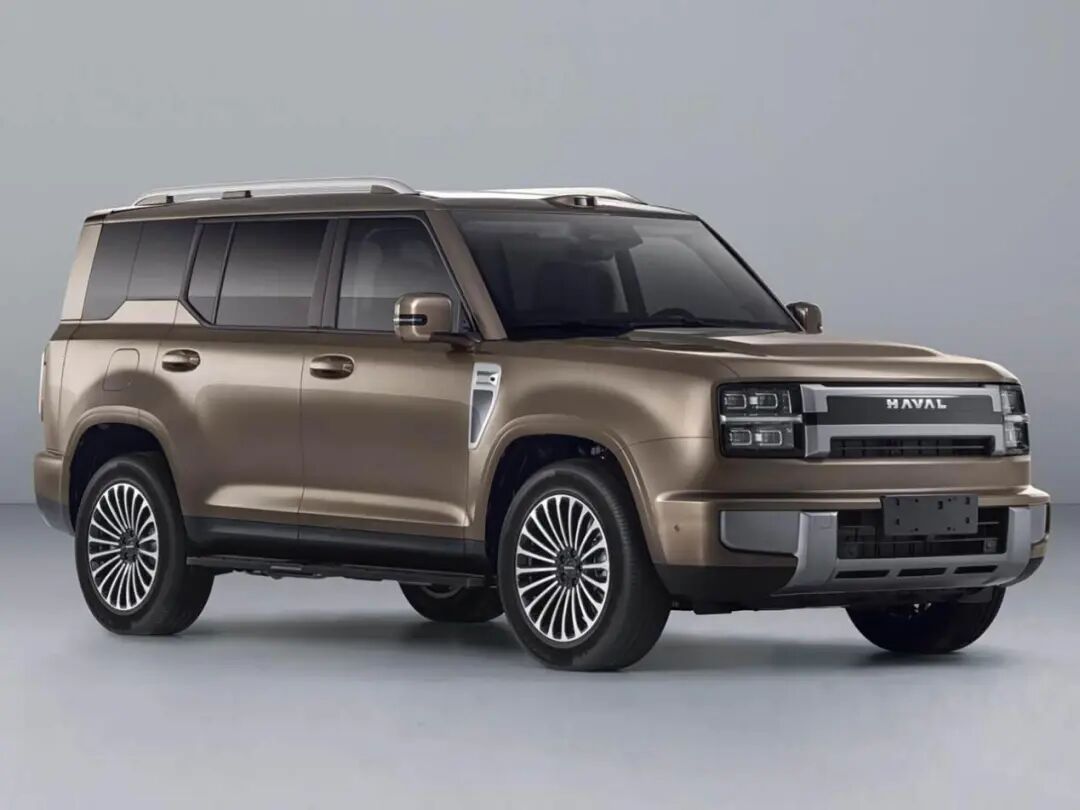
△ The Great Wall H10 secures over 22,000 pre-orders in just 12 hours.
Great Wall H10 Ignites the Market
On August 5, 2026, Great Wall Motors officially unveiled the all-new Great Wall H10, positioned as a 'large family boxy SUV.' The model offers four configurations with two cabin layouts: spacious five-seat and six-seat options. The official retail price ranges from 209,800 to 231,800 yuan, with limited-time trade-in prices starting as low as 201,800 yuan after incentives. As the first model under Great Wall's parent brand 'GWM,' the H10 embodies 36 years of automotive technology accumulation. From pre-sale to launch, the vehicle garnered 22,615 pre-orders within 12 hours of the pre-sale opening on July 18, followed by 31,826 firm orders within 24 hours of its market debut.
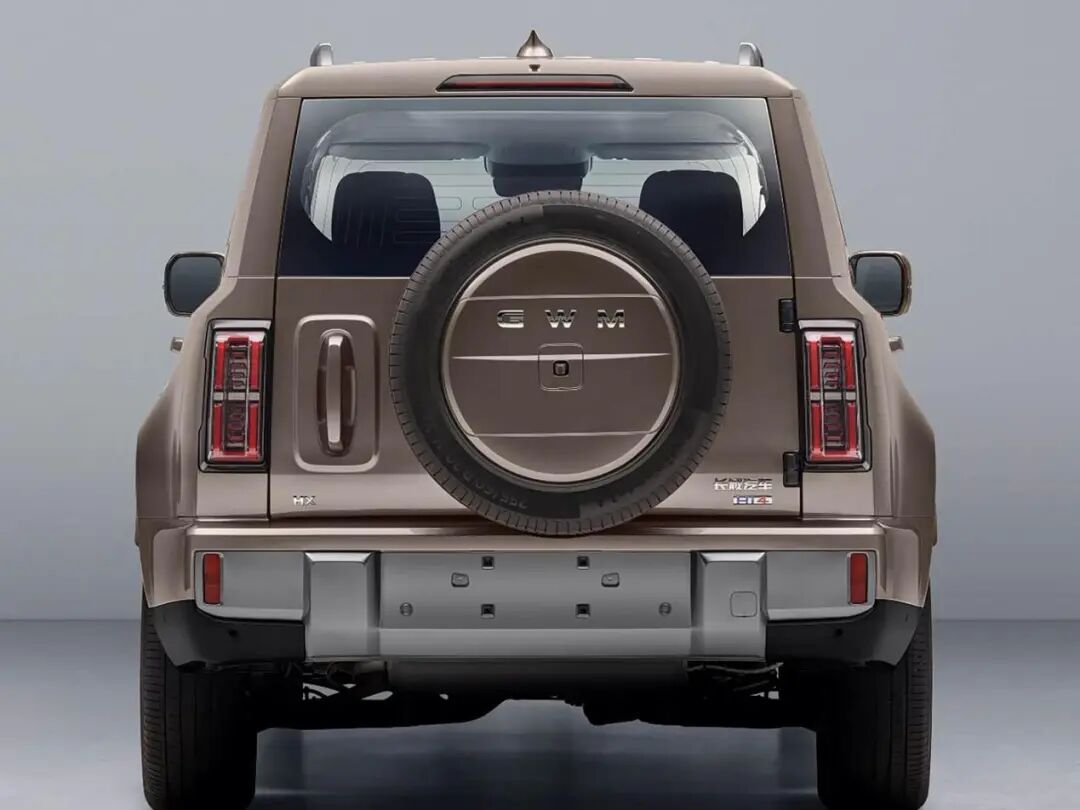
△ The Great Wall H10 rapidly ignites the market.
The H10's ability to rapidly ignite the market stems from its competitive 200,000-yuan price point, offering dimensions and space that far exceed its competitors. The six-seat version boasts a length of 5,299mm and a 3,000mm wheelbase, surpassing many rivals. Critically, it redefines the third-row seating with a longitudinal effective length of 3,270mm, a 192mm-wide central aisle in the second row, and a third-row seat cushion height of 358mm—ensuring the third row is no longer a mere 'emergency seat.' Powered by a standard second-generation Hi4 electric hybrid four-wheel-drive system, it delivers a combined output of 440kW and accelerates from 0-100km/h in just 4.9 seconds. A 42.8kWh battery pack provides CLTC pure electric ranges of 232km (five-seat) / 227km (six-seat) and a combined range of 1,404km. The chassis features standard EDC electromagnetic suspension, a rear differential lock, and rear-wheel steering with a 5.8-meter turning radius. All variants come standard with LiDAR and the Coffee Pilot 3 intelligent driving system, matching the smart hardware of 300,000-yuan competitors.
Objectively, the Great Wall H10's product strategy can be summarized as 'standard across all variants, over-delivering on key features.' Priced just above 200,000 yuan, it fully equips core hardware like powertrains, advanced intelligent driving, and LiDAR, while offering rear-wheel steering on top variants. This strategy ensures target users at every budget tier perceive 'core value without compromise,' with differentiated comfort features providing premium pricing leverage for higher trims.
Judging by pre-sale and launch order data, market acceptance of this strategy is high. However, the H10 faces significant delivery pressure, with an 8-week lead time posing a risk in today's hyper-competitive market. Great Wall's 'waiting gift' policy—offering up to four free basic maintenance services for orders exceeding 30 days of post-lockdown delivery delays—alleviates user anxiety to some extent, but its ability to maintain terminal reputation during production ramp-up remains to be seen.
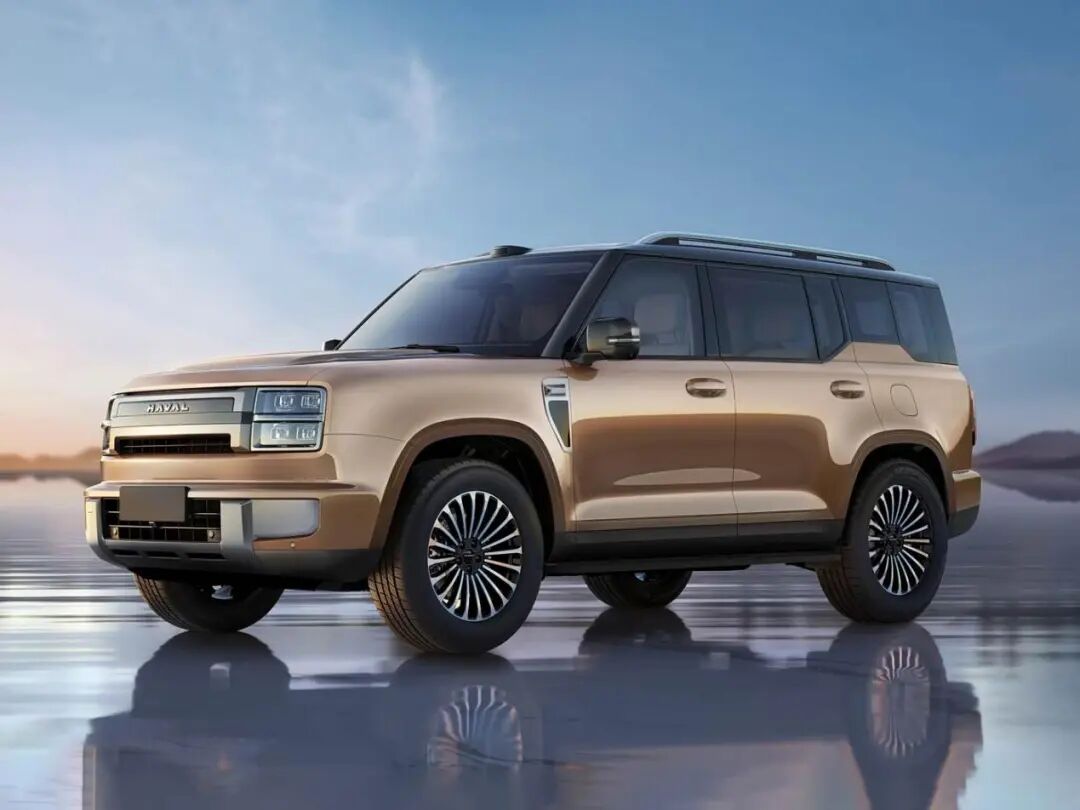
△ The Great Wall H10 faces significant delivery pressure.
Can Boxy SUVs Revive Great Wall's Fortunes?
The Great Wall H10's market performance may seem like the success of a single model, but it is actually a microcosm of the explosive growth in the boxy SUV segment in 2026. Boxy SUVs are becoming China's fastest-growing automotive niche. In 2020, domestic boxy SUV sales totaled just 131,000 units, accounting for a mere 0.66% of the overall SUV market—virtually negligible. By 2025, annual sales surged to 1.02 million units, representing 8.5% of the market. In 2026, momentum continues unabated, with first-half sales exceeding 447,600 units. The number of models on sale expanded from over 10 early on to 42, with expectations to exceed 50 by year-end and annual sales potentially reaching 1.5–1.6 million units.
For Great Wall Motors, this boxy SUV wave presents both first-mover advantages and unprecedented challenges. As one of China's earliest entrants in this segment, Great Wall established market recognition through Tank's rugged off-roaders (launched in 2021) and Haval's 'light off-road' concept with the Big Dog, which democratized boxy SUVs from the 300,000-yuan tier to the 100,000-yuan range. However, with formidable rivals like BYD's Fangchengbao and Chery's Jetour entering the fray, the competitive landscape has shifted from 'Great Wall leading' to a 'three-way stalemate.'
In the first half of 2026, Fangchengbao's Titan 7 topped the boxy SUV charts with 94,417 units sold, the only model in the segment consistently exceeding 10,000 monthly sales. Haval's Big Dog ranked second with 55,195 units. Great Wall's July 2026 production and sales report paints a clearer picture of its current dilemma: Tank brand sales fell 13.95% year-on-year to 17,228 units in July; Haval brand sales grew just 0.09% year-on-year to 56,272 units. New energy vehicle (NEV) sales remained sluggish—34,651 units in July, up only 0.2% year-on-year, with 179,285 NEVs sold from January to July. Against a backdrop of over 60% NEV penetration in 2026, this growth is clearly inadequate. This explains why the H10 is so critical for Great Wall—it serves as both Haval's 'counterattack horn' in the new energy boxy SUV segment and a key litmus test for Great Wall's transition from 'fuel-powered off-roaders' to 'new energy family SUVs' in the boxy market.
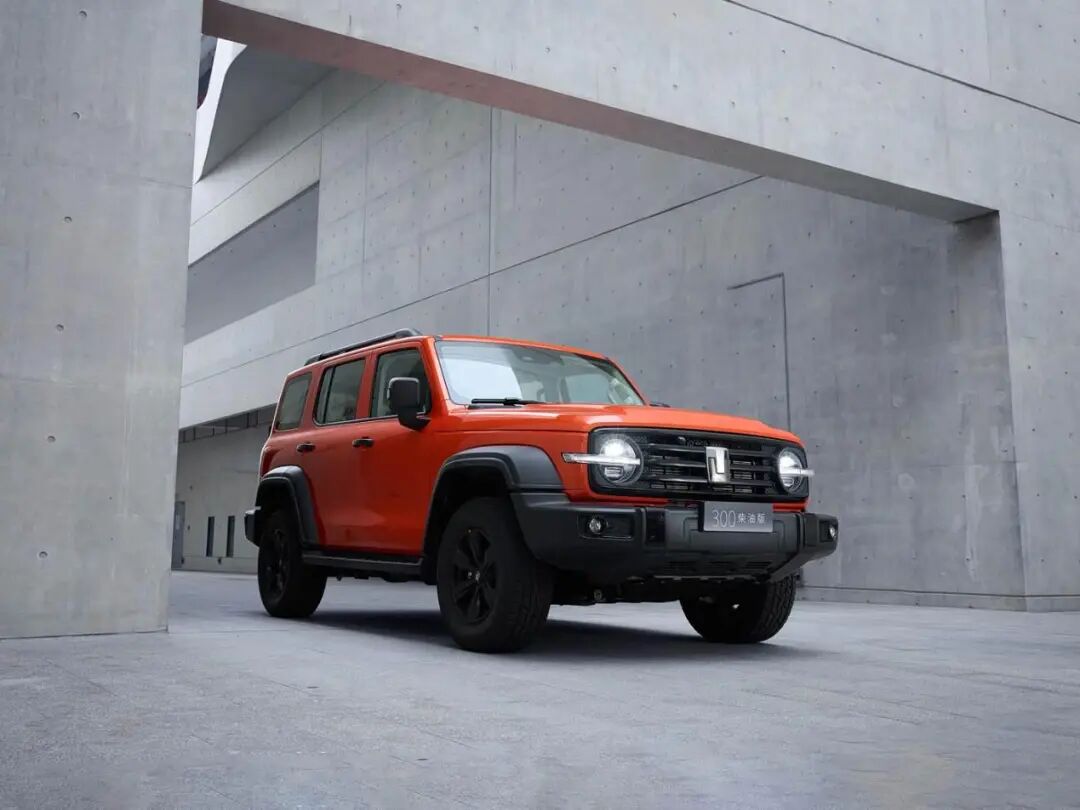
△ The Tank brand established market recognition for boxy SUVs.
Commentary
Great Wall is navigating a typical strategic transition pain point—marginal sales growth, plunging profits, and premium segment pressures—driven by its proactive exit from low-end price wars to focus on new energy and globalization. The H10's strong sales validate market recognition and strategic direction, but one model cannot solve all challenges. The real test lies in sustaining hit products, clarifying WEY and Tank's positioning, and maintaining R&D intensity amid profit pressures. The second half of 2026 may mark a turning point, but careful balancing between stabilizing core operations and exploring new segments remains essential.
(This article is original to Heyan Yueche and may not be reproduced without authorization.)
-
![]()
The 'Lin Junyang Phenomenon' in AI Venture Capital
-
![]()
JD's Profit Increases While Revenue Stagnates: What is Liu Qiangdong After?
-
![]()
Creating "Liquid Lenses" with 70-Millisecond Focal Length Switching: Is XR Headset Zooming on the Horizon?
-
![]()
Xingyun Technology’s Remarkable Surge Over the Past Six Months
-
![]()
Chery Enters Korean Market with $75 Million Investment: A Strategic Model Combining Defense and Offense
-
![]()
JD Delivers an 'Above Expectations' Earnings Report, but the Market Doesn't Buy It
-
![]()
The 'Boxy' SUV Market Welcomes a 'Behemoth': Can the Great Wall H10 Stand Its Ground?
-
![]()
Half-Year Report | In the first half of 2026, sales volume of China's smart glasses market soared by 85.5%, with sales amount doubling; full-year sales volume forecast to reach 2.5 million units