[In-depth Report] Building a Solid Foundation of Quality to Lead the New Development of the New Energy Vehicle Industry
 08/18 2026
 335
335
Building a solid foundation of quality is essential to navigate the wave of globalization steadily. China's new energy vehicle industry is contributing a Chinese approach to the transformation and upgrading of the global automotive industry through systematic improvements in quality and reliability.
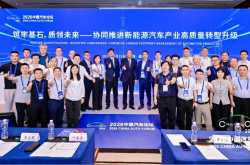
On the morning of July 23, as one of the core sub-forums of the “2026 China Auto Forum,” the themed forum “Building a Solid Foundation, Leading the Future: Collaboratively Promoting High-Quality Transformation and Upgrading of the New Energy Vehicle Industry” was held in Jiading, Shanghai. Currently, the global automotive industry is at a critical juncture of electrification, intelligence, and connectivity transformations. China's new energy vehicles achieved record-high production and sales in 2025, ranking first globally for the 11th consecutive year, becoming a core force driving industrial transformation. With the implementation of national policies such as the “Outline for Building a Quality Powerhouse,” how to construct a systematic quality innovation management system and promote industrial chain collaboration to address new quality challenges in the globalization process has become a core topic of this forum.
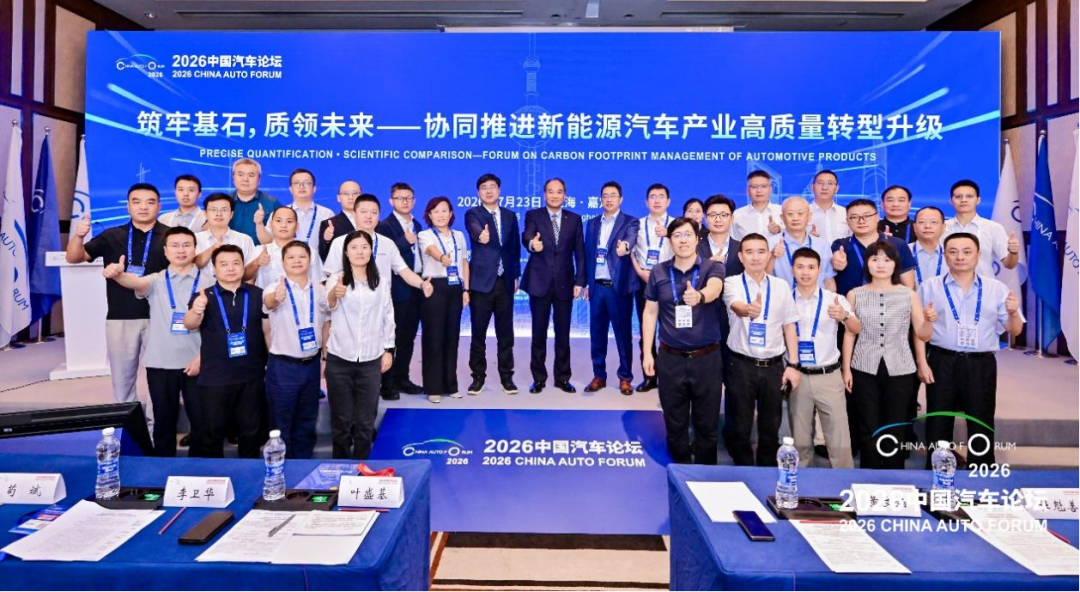
Ye Shengji, Chief Engineer of the China Association of Automobile Manufacturers; Huang Wenbing, Chief Quality Officer of BAIC Group; Li Weihua, Deputy General Manager and Chief Quality Officer of Anhui Jianghuai Automobile Group; Li Ning, Deputy General Manager of the Quality Department at Chongqing Changan Automobile Co., Ltd.; Du Kuishan, Vice President of BYD Auto Engineering Institute; Wang Yan, Quality Director of Great Wall Motor Technology Center; Liao Huihong, Director of Comprehensive Safety at Geely Automobile Research Institute; Du Hongqiang, Deputy Minister of the Quality Management Department at Higer Bus; Ma Shiyang, Director of the Global Quality Platform at Gotion High-Tech; Gou Bin, Deputy General Manager of Xiangyang Daan Automobile Testing Center; Jiang Darong, Deputy General Manager of the Testing Engineering Division at China Automotive Engineering Research Institute; Chen Bin, Senior Expert at China Merchants Testing Vehicle Technology Research Institute; and Shang Jiao, Director of the Industry Development Department at the China Association of Automobile Manufacturers, along with representatives from industry associations, OEMs, component suppliers, and third-party testing institutions, gathered to comprehensively showcase China's path and thinking toward becoming a quality powerhouse in new energy vehicles across dimensions such as policy planning, technology R&D, testing and verification, and global layout (layout).
Building a Solid Quality Foundation Through Systematic Engineering
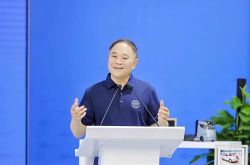
At the forum, the launch ceremony for the Quality and Reliability Improvement Project for New Energy Passenger Vehicles was held. Ye Shengji systematically elaborated on the overall approach to improving the quality and reliability of new energy passenger vehicles. He stated that this project is a core component of the industry's quality and reliability initiative, aiming to unite mainstream enterprises and relevant units to fully implement the national quality development strategy and advance the “Outline for Building a Quality Powerhouse.” The project outlines six major system outputs: safety technology, engineering methodologies, technical standards, verification and evaluation, safety management, and quality management. It seeks to systematically summarize China's practical achievements in the industrialization and marketization of new energy vehicles while drawing on advanced foreign experience, gradually constructing an innovative management system with Chinese characteristics. At the methodological level, the industry will build on the long-term application of the IATF16949 five core tools and integrate transformational experiences in electrification, intelligence, connectivity, and low-carbonization to develop Chinese versions of reference guides such as APQP, FMEA, and PPAP, consolidating fragmented practices into a complete engineering methodology system. Safety management represents the quality baseline and must extend from the R&D phase to manufacturing, procurement, after-sales, and the entire lifecycle, ultimately forming a comprehensive quality management system covering data security, network security, and supply chain management. Facing the critical period of building an automotive powerhouse during the “15th Five-Year Plan,” the project sets clear goals: striving to bring China's automotive and industrial chain supply chain quality and reliability to world-class levels within five years, followed by another five years of consolidation, improvement, and advancement to achieve global leadership.
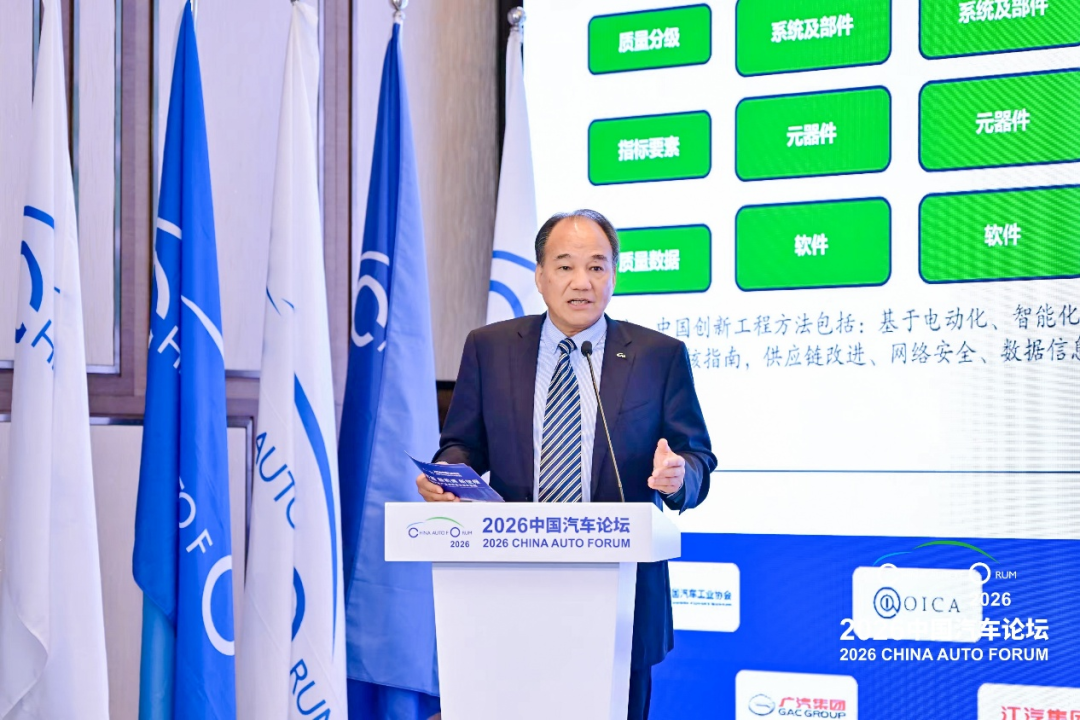
Ye Shengji, Chief Engineer of the China Association of Automobile Manufacturers
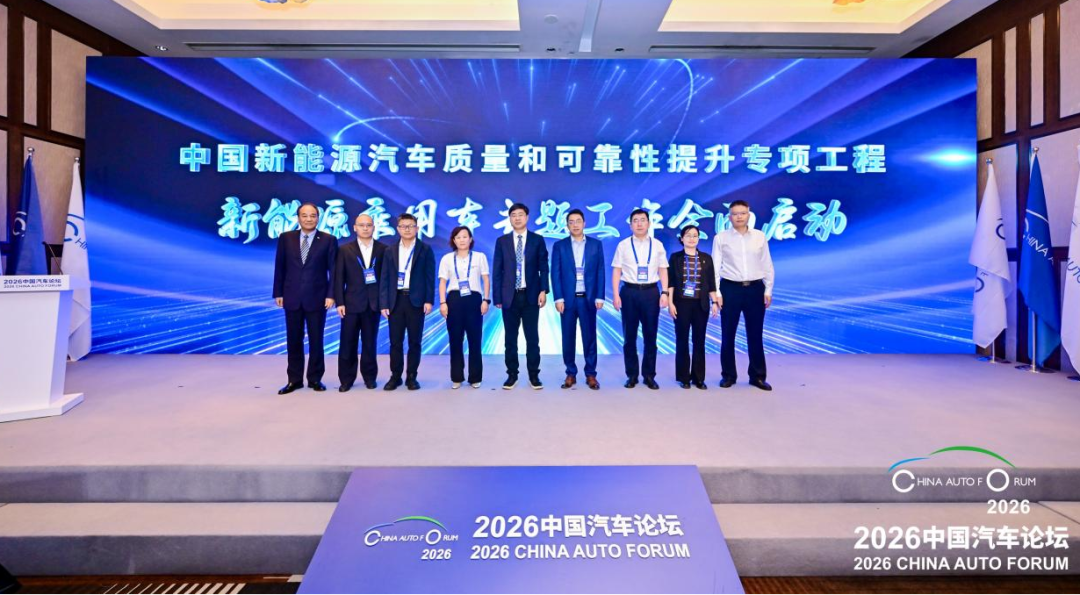
Launch Ceremony for the Quality and Reliability Improvement Project for New Energy Passenger Vehicles
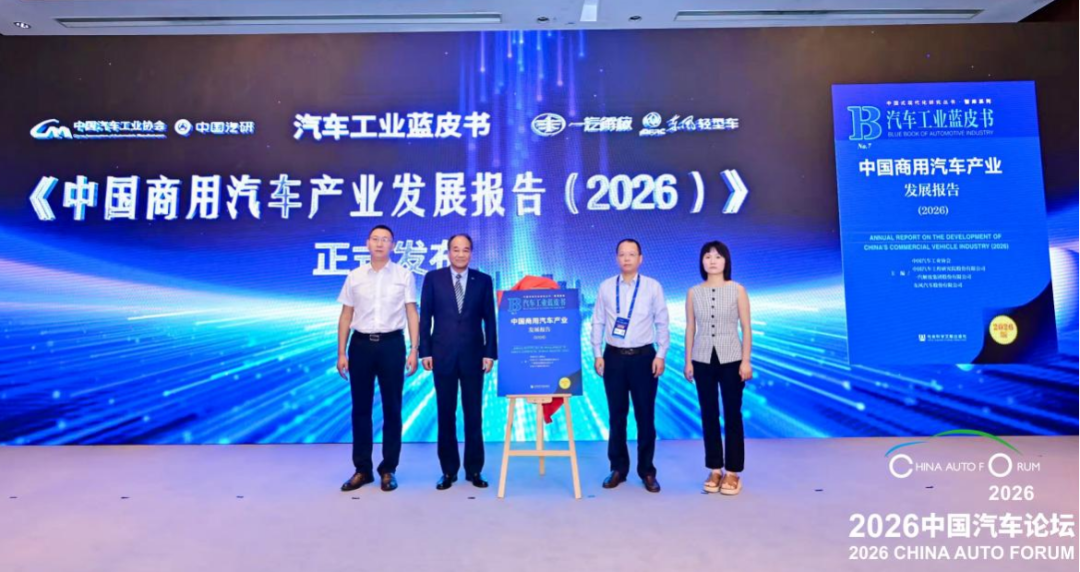
At the forum, the China Association of Automobile Manufacturers officially released the “China Commercial Vehicle Industry Development Report (2026).” Shang Jiao provided a systematic interpretation of the report. She analyzed that the global commercial vehicle market is steadily recovering, with a diverging competitive landscape, while the pace of electrification, intelligence, and connectivity transformations continues to accelerate. In 2025, domestic commercial vehicle production and sales both exceeded 4.2 million units, with explosive growth in exports and sustained penetration of new energy products serving as the core drivers of structural recovery. By vehicle type, sales of medium- and heavy-duty trucks increased by over 20% year-on-year; the bus market showed a “cold domestic, hot overseas” divergence; and the specialized vehicle sector was in a low-level recovery phase with ongoing structural optimization. The report's thematic section also focused on hot topics such as the implementation of intelligent connected vehicle technologies, international layout (layout), strategic positioning of hydrogen fuel cell commercial vehicles, and the battery-swapping business model. It pointed out that the industry as a whole is experiencing steady growth in volume, structural optimization, and simultaneous advancement in technology and globalization, with improving quality and reliability of new energy commercial vehicles serving as a critical component of this process.
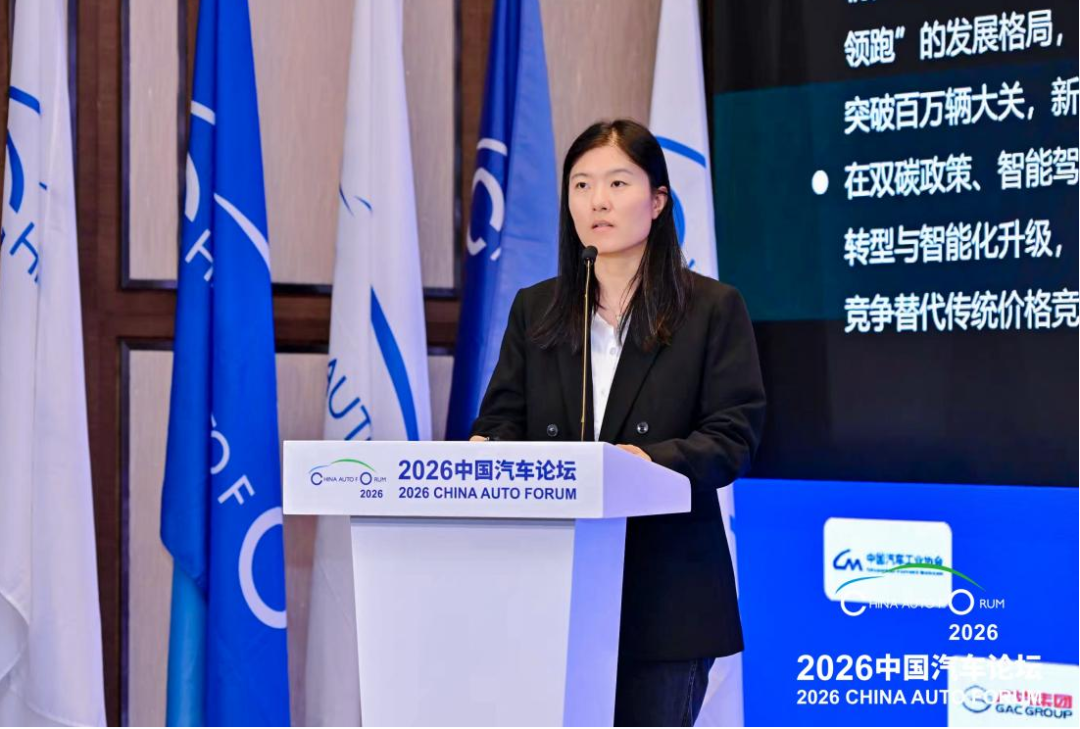
Shang Jiao, Director of the Industry Development Department at the China Association of Automobile Manufacturers
Enterprise Practices: From Design Origins to Comprehensive Safety
Under top-level design guidance, several OEMs shared their distinctive practices in building quality-driven enterprises. Li Ning of Changan Automobile stated that, aligned with the national strategic orientation of intelligence, green development, and integration during the “15th Five-Year Plan,” Changan Automobile aims to become a world-class automotive group by 2035 and has established a quality-driven global development path. He noted that two-thirds of global markets remain untapped, with most countries showing low penetration rates for new energy vehicles, while Chinese new energy and intelligent models hold significant competitive advantages—representing a critical window for Chinese brands to upgrade from mid- to high-end segments. However, challenges such as a shortage of composite international talent, geopolitical risks, and policy uncertainties remain severe. Changan Automobile is steadily advancing its “Global Ocean” globalization strategy through a plan to double overseas personnel and a six-region layout (layout). In terms of quality strategy, Changan Automobile moves beyond industry internal competition, focusing on three dimensions: physical product quality, customer experience, and market competitiveness, while establishing three core initiatives: new design standards, intelligent new experiences, and a global new system. For reliability construction, Changan benchmarks against leading enterprises like Toyota, focusing on long-mileage quality exceeding 360,000 kilometers, aggregating five years of global quality data, and forming a dedicated team led by the president to identify improvement opportunities across the entire chain from design, verification, and manufacturing to the supply chain. In competitive experience evaluation, competitor models and Changan's own vehicles are routinely tested simultaneously, and a the entire internet (full network) AI quality reputation model is built to advance targeted initiatives, with clear reputation optimization metrics established at the new project initiation stage. The overseas quality system progresses in three steps: “rapid response - standardized operation - world-class system.” For software lifecycle management, Changan has established the CA-SLP system and set N1000 assessment indicators covering the full flow from suppliers, R&D, production, and OTA, while simultaneously advancing global compliance certifications such as TMMI Level 4, R155 cybersecurity, and ISO/PAS 8800 AI safety.
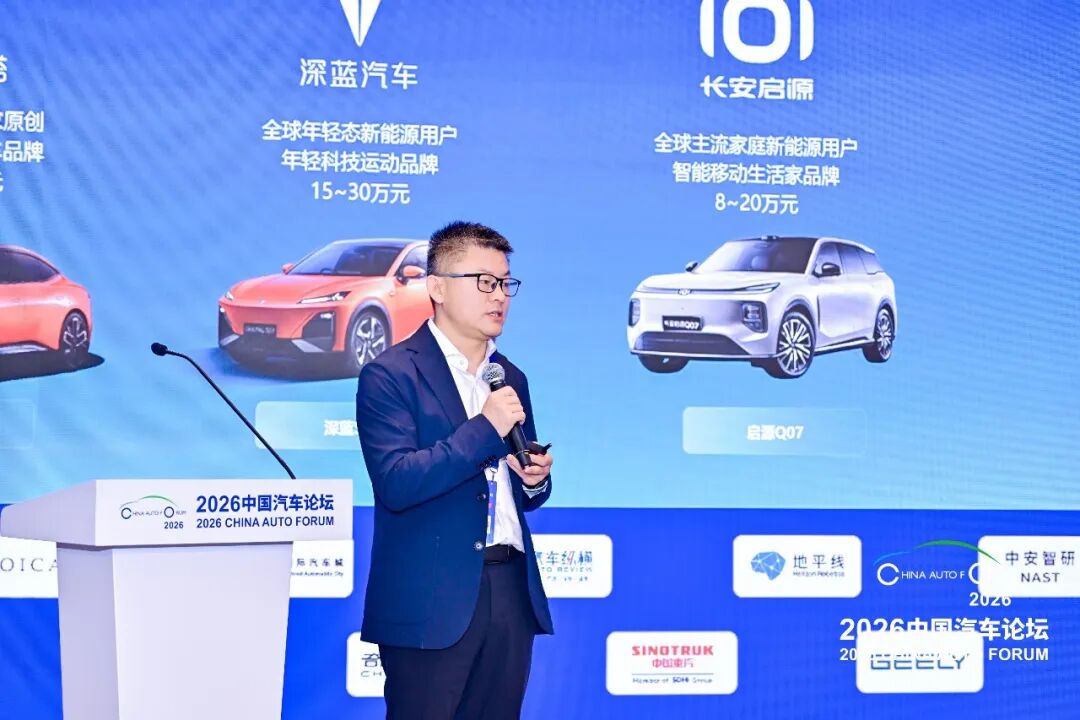
Li Ning, Deputy General Manager of the Quality Department at Chongqing Changan Automobile Co., Ltd.
Wang Yan of Great Wall Motor approached reliability engineering from the perspective of software-defined vehicles. She stated that most enterprises still manage software using hardware-centric thinking, leading to innovative features undermining brand competitiveness due to reliability shortcomings. JD Power data shows that user complaints surge rapidly when product reliability scores drop below 85. Great Wall Motor has built a full-chain reliability model covering vehicles, systems, ECU chips, and mechanical components based on extreme condition verifications in the Ringta Rally, clearly distinguishing the different failure patterns of hardware “bathtub curves” and software “occasional spikes,” while emphasizing that proactive discovery during the early design phase is far more critical than post-testing repairs. For FMEA analysis, the team customized functional guiding words, preventive measures, detection measures, and monitoring measure prompt libraries, while compiling a reliability design implementation guide. At the hardware level, Great Wall shifted ECU controller management from “black box” control to transparent analysis, introducing mandatory requirements such as derating design and WCCA worst-case circuit analysis to the supply chain for the first time, and precisely locating root causes of multimedia black screen failures through self-developed tools. Wang admitted that the lack of mature experts during the early reliability system construction required her to transition from “athlete” to “coach,” but the core philosophy remained clear: reliability is designed, not tested.
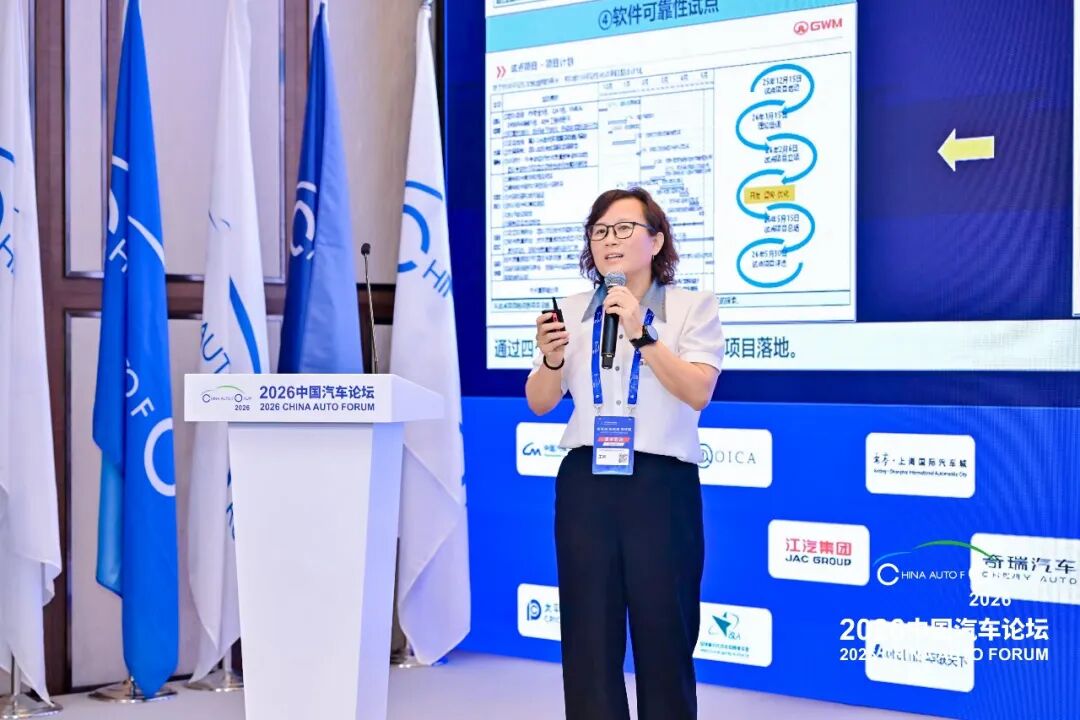
Wang Yan, Quality Director of Great Wall Motor Technology Center
Li Weihua of Jianghuai Automobile focused on technical quality and safety control in the new energy commercial vehicle industrial chain. Relying on its self-developed “Starlink No. 1” pure electric exclusive platform, Jianghuai collaborates with battery enterprises to customize integrated high-reliability battery packs equipped with a full-domain liquid cooling and constant temperature management system, while simultaneously deploying both fast-charging and battery-swapping routes. In verification systems, Jianghuai Automobile adheres to reliability-first development, constructing a “forward design, full-scenario verification, and extreme testing” three-pillar system, with the Shuailing ES6 earning the world's first six-dimensional electrical safety system certification for commercial vehicles. For supply chain collaboration, Jianghuai Automobile joint (united) over 200 core suppliers to form a quality alliance, shifting quality control from incoming inspections to joint research at the source, and establishing an atomic-level end-to-end quality control system to achieve full lifecycle traceability of key materials. Li pointed out that new energy commercial vehicles have entered a critical period of iterative upgrading, with trends such as complementary pure electric and hydrogen fuel powertrains, universal skateboard chassis, and service-oriented and asset-light models all imposing higher demands on industrial chain quality and safety control.
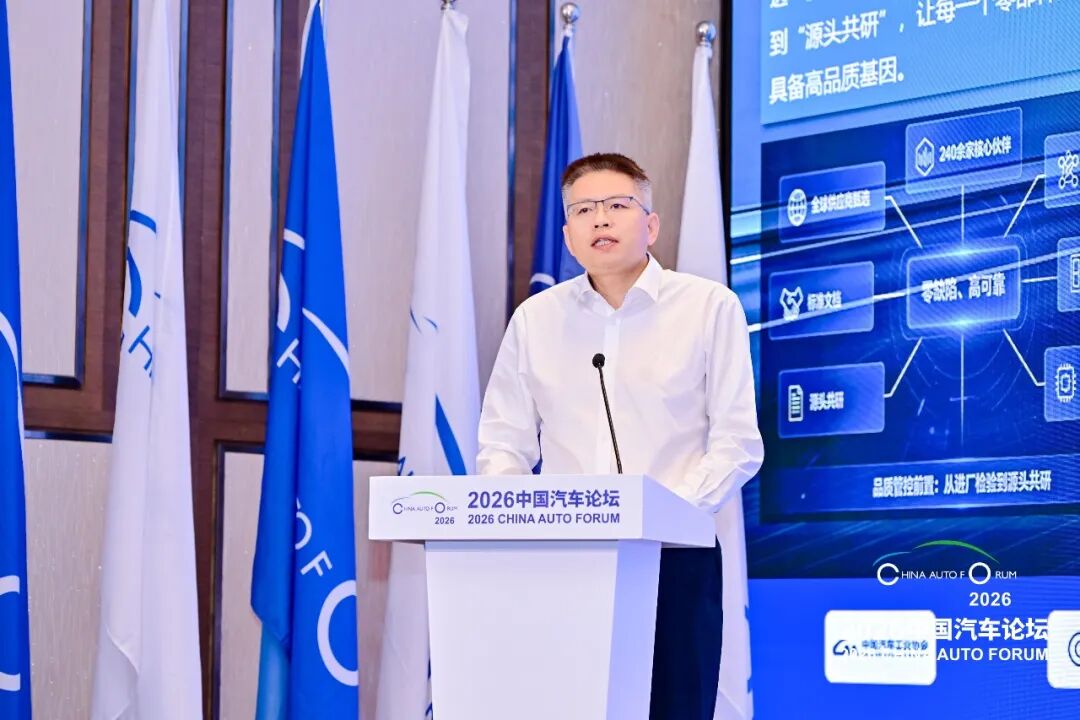
Li Weihua, Deputy General Manager and Chief Quality Officer of Anhui Jianghuai Automobile Group
Liao Huihong of Geely Automobile discussed the topic from a “comprehensive safety” perspective. She noted that the “New Four Modernizations” transformation has created new blind spots beyond traditional safety systems—occupant fatality rates are 77% higher when seats are fully reclined compared to normal sitting positions, while OTA and V2X-induced data interaction interfaces expose vehicles to new cyberattack risks. In response, Geely Automobile upgraded its safety system to a comprehensive safety architecture covering nine major safety systems, expanding protection boundaries from life safety to all-round life, health, property, and privacy safety. At the technical practice level, Geely Automobile promotes “safety equity” in intelligent driving through its Qianli Haohan platform, setting new passive safety benchmarks with its independently developed new cage-type body and dual-steel-plate battery protection framework, while integrating PQC and QKD technologies to build a quantum safety system and deploying a low-orbit satellite system for road hazard warnings and collaborative rescue. Liao revealed that Geely Automobile's Global Comprehensive Safety Center, launched in December last year with an initial investment exceeding 2 billion yuan, is transitioning from “building safer vehicles” to constructing a sustainably operating comprehensive transportation ecosystem.
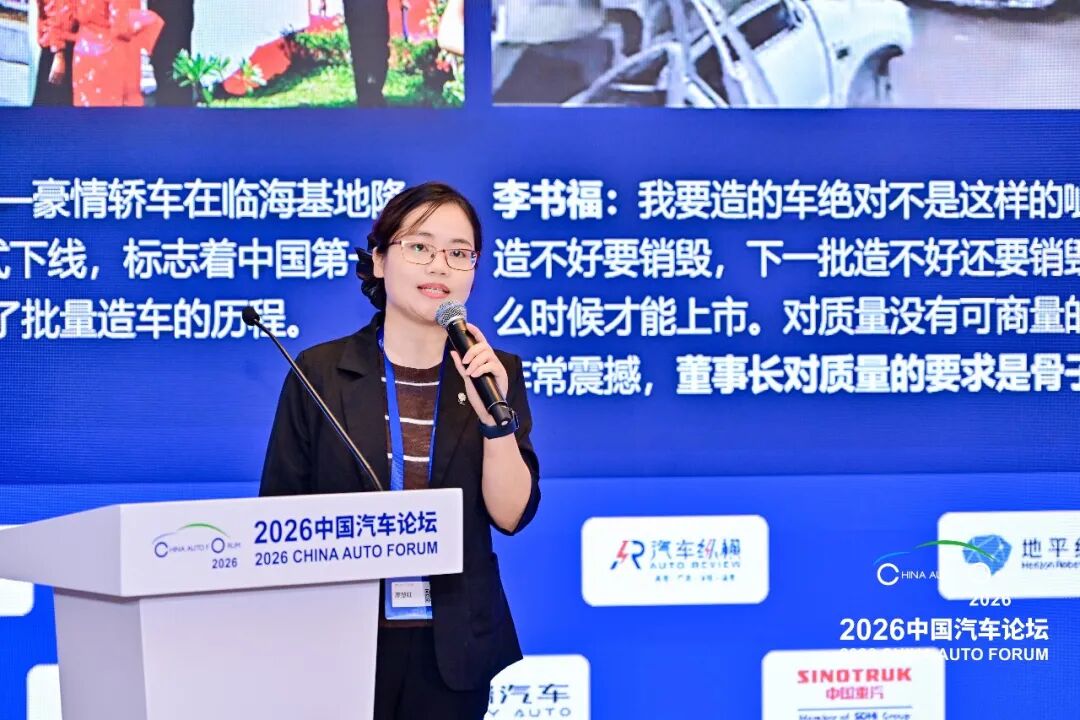
Liao Huihong, Director of Comprehensive Safety at Geely Automobile Research Institute
Testing Empowers Dual Breakthroughs in Overseas Scenarios and Fire Safety
Facing the wave of Chinese brands accelerating their global expansion, the role of testing and certification institutions has become increasingly prominent. Gou Bin of Xiangyang Daan stated that the overseas automotive market capacity is projected to reach 70 million units by 2030, with Chinese brands targeting nearly 10 million units in exports. However, “acclimatization” issues such as corrosion caused by Russian de-icing agents, chassis damage from Middle Eastern speed bumps and “phantom braking,” misidentification of signs in Europe's dense roundabouts, and insufficient air conditioning cooling in Southeast Asia's high-temperature environments could erode the overseas reputation of Chinese brands. To address this, Xiangyang Daan built the “Daan Digital Library,” establishing overseas databases, test case libraries, and problem libraries to achieve equivalent domestic substitution of overseas road conditions, shifting physical testing to simulation environments and even the design stage. Around key areas such as corrosion, thermal management, structural reliability, charging compatibility, intelligent driving sign recognition, and NVH performance, Daan established systematic equivalent verification solutions and completed the digital design of the Xiangyang test site, enabling virtual simulation pre-verification for multiple models before real-vehicle testing, forming an integrated overseas verification solution from raw materials to complete vehicles.
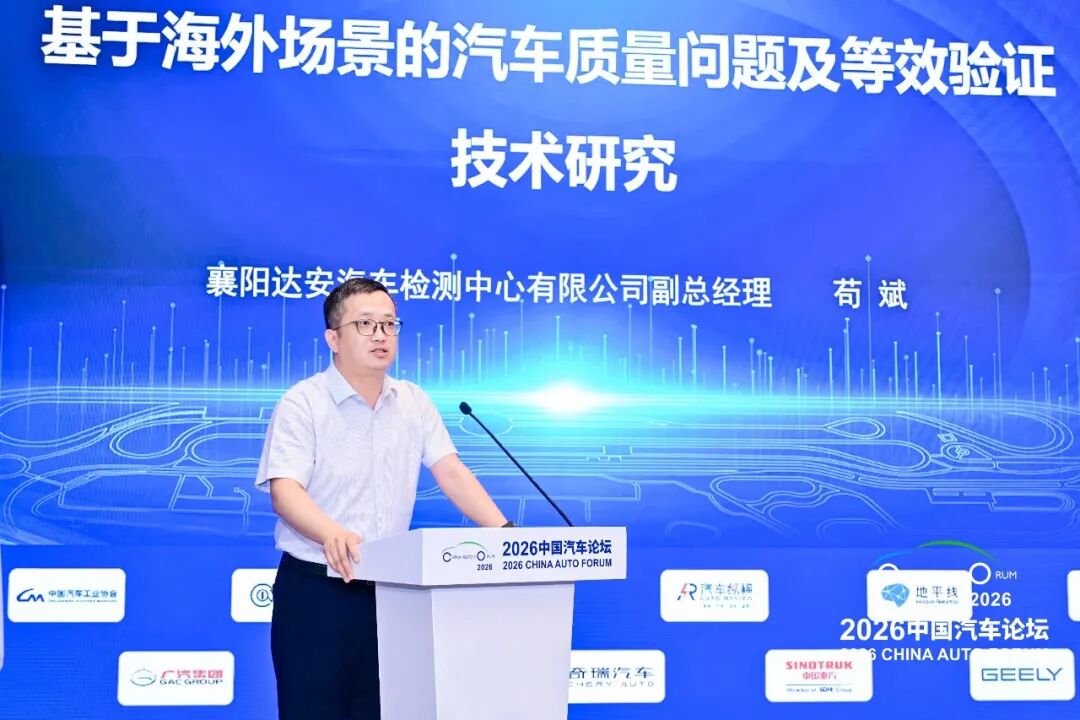
Gou Bin, Deputy General Manager of Xiangyang Daan Automobile Testing Center
Chen Bin of China Merchants Vehicle Testing Research Institute focused on the core issue of electric vehicle fire safety. Through systematic analysis of fire incident data, the team found that vehicles experience the highest frequency of fires while stationary and in motion, followed by charging processes, with collision scenarios ranking last—revealing a critical insight: even if individual components pass testing, a lack of systematic safety analysis in vehicle integration can still generate numerous “unexpected” hazards. Around three key technologies—full-scenario fire incentive (inducement) reproduction, real-time data collection and analysis of inducements, and systematic evaluation of vehicle safety—the team replicated real-world conditions in laboratories through methods such as heating-triggered battery thermal runaway, bottom needle penetration to simulate foreign object intrusion and undercarriage impact, charging system fault simulation, and cell overcharging. The team independently built a real-time data collection testing system, aggregating multidimensional data from vehicle control, battery operation, and power supplies, and after years of development, launched the China Electric Vehicle Fire Safety Index (2026 Edition), covering five major areas: battery thermal runaway protection, bottom protection, charging safety, material flame retardancy, and vehicle sealing, integrating vehicle engineering and fire science disciplines. Chen emphasized that fire safety is not an issue for individual components but a systematic project encompassing supply chain system safety control and upstream-downstream collaboration, requiring closer industry linkage to uphold the safety baseline for new energy vehicles.
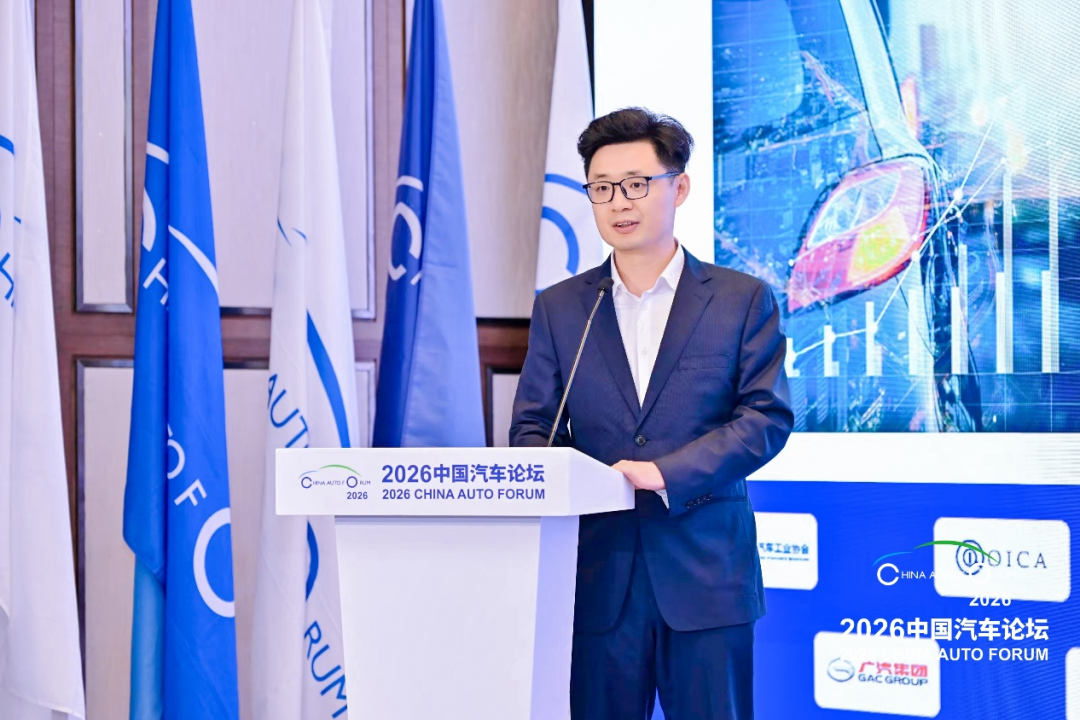
Chen Bin, Senior Expert at China Merchants Testing Vehicle Technology Research Institute
The Path to Breakthrough in Global Quality Collaboration
In the final session of the forum, the roundtable dialogue hosted by Ye Shengji brought together representatives from complete vehicle manufacturers, component suppliers, and testing service organizations, including Guo Xiaobo, Senior Director of FAW R&D Institute; Du Hongqiang, Deputy Head of Quality Management Department at Suzhou King Long; Du Kuishan, Vice President of BYD Auto Engineering Research Institute; Ma Shiyang, Director of Global Quality Platform at Gotion High-Tech; Wu Peili, Senior Expert of Manufacturing Management Department at Dongfeng Motor; and Jiang Darong, Deputy General Manager of Testing Engineering Division at China Automotive Engineering Research Institute. They engaged in in-depth discussions centered on "Multi-Dimensional Challenges in Ensuring Quality Reliability of New Energy Vehicles."
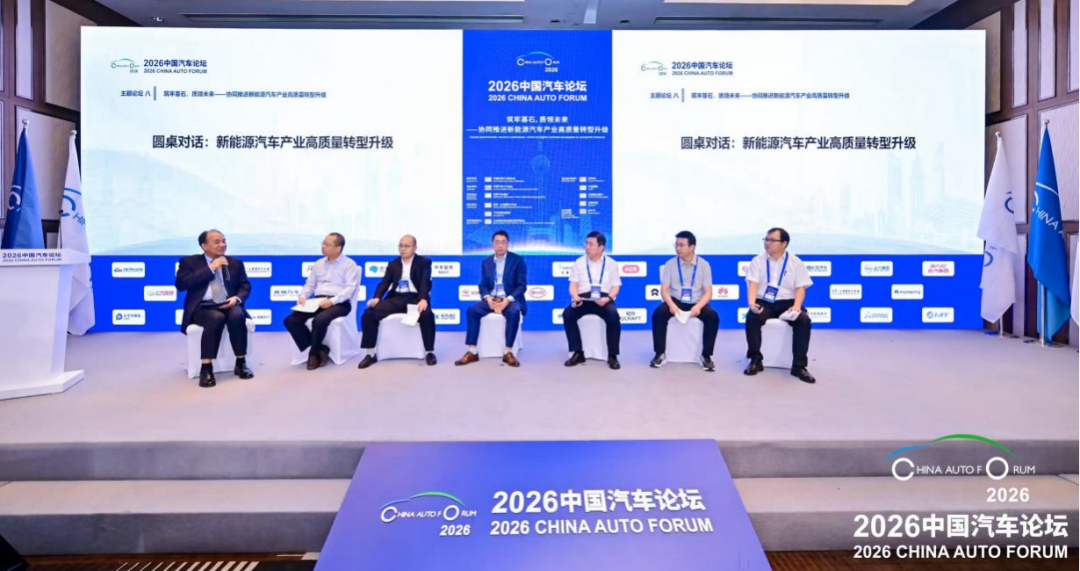
Guo Xiaobo from FAW likened China's new energy vehicle (NEV) global expansion to entering the "Age of Great Navigation," systematically outlining three core challenges: increasingly stringent regulations, heightened tests in extreme environments, and differentiated usage habits among European users. Hongqi Auto adheres to globally unified high-quality standards, employing a regulatory-forward synchronous development model. It has invested in constructing high- and low-temperature chambers, high-altitude simulation chambers, and environmental wind tunnel rain-and-snow chambers, forming a "laboratory + field" collaborative verification system to ensure steady overseas market penetration.
Du Hongqiang from King Long Bus highlighted that exports now account for over 70% of the company's sales. Prioritizing regulatory compliance, King Long has obtained R155 and R156 cybersecurity and OTA certifications while adhering to a "produce one generation, develop one generation, reserve one generation" forward-looking strategy. He emphasized that despite compressed R&D cycles, test verification projects must never be reduced, safeguarding product quality through rigorous third-party testing.
Du Kuishan from BYD Auto shared BYD's achievement of exporting over 1 million passenger vehicles last year, noting that global expansion systematically tests capabilities across R&D, manufacturing, supply chain, and after-sales services. He revealed that the newly launched Blade Battery 2.0 features deep optimizations in high- and low-temperature adaptability and fast-charging safety, aiming to surpass the "no smoke" safety standard and establish safety as the product's strongest foundation.
Ma Shiyang from Gotion High-Tech outlined three core supplier initiatives: breaking internal information silos, extending supply chain data governance upstream, and enhancing in-vehicle big data platforms. Gotion's platform has integrated data from over 1 million vehicles, enabling battery lifecycle early warning and characteristic analysis. To address data compliance barriers in overseas markets, the company is collaborating with OEMs to build distributed overseas data centers that meet local regulatory requirements.
Wu Peili from Dongfeng Motor shared digital manufacturing practices, including digital twins and AI visual inspection. VOYAH Auto has achieved real-time monitoring of assembly tightening stations and precise error prevention across nearly 1,000 vehicle variants. Through its Intelligent Control Cloud Testing Platform, it simulates two months of user scenarios to proactively identify early-stage quality issues, reinforcing manufacturing quality defenses with intelligent means.
Jiang Darong from China Automotive Engineering Research Institute provided a third-party testing perspective assessment. He stated that domestically produced NEVs now possess overall quality reliability comparable to mainstream joint-venture brand internal combustion engine vehicles. However, quality challenges arising from rapid electrification and intelligent technology iterations exceed expectations, with structural issues warranting cautious attention. Excessive marketing investments by some enterprises have pressured industry profits, while accelerated product launches and insufficient verification for full-scenario operating conditions have shifted user complaint hotspots from core three-electric system quality issues to software quality and intelligent system stability. Regarding the industry trend of shortened R&D cycles, he acknowledged that simulation and big data tools can enhance efficiency on mature platforms but stressed that foundational reliability verification for new models cannot be omitted. He urged the industry to objectively evaluate achievements and shortcomings, carefully balance speed and quality, and continuously improve design, manufacturing, and verification capabilities to earn long-term global market trust through superior quality amid the overseas expansion wave.
This forum showcased a comprehensive panorama—from top-level system planning by industry associations to in-depth practices by OEMs like Changan, Great Wall, JAC, and Geely in reliability engineering, software quality, supply chain collaboration, and holistic safety; from technical breakthroughs by Dyan Testing and China Merchants Vehicle Research Institute in overseas scenario adaptation and fire safety evaluation to the roundtable dialogue featuring representatives from FAW, King Long, BYD, Gotion High-Tech, Dongfeng, and China Automotive Engineering Research Institute engaging in in-depth discussions on global quality collaboration.
Ye Shengji emphasized in his closing remarks that the forum comprehensively demonstrated the complete trajectory of quality improvement initiatives in China's NEV industry. Facing multiple challenges—including stricter overseas regulations, frequent extreme usage environments, new reliability challenges posed by software-defined vehicles, and escalating data compliance pressures across the supply chain—the industry has reached broad consensus: Only by integrating quality control at the design source, maintaining safety baselines throughout the product lifecycle, and promoting deep collaboration across the supply chain can the foundation for product quality be solidified, driving new development in the NEV sector.
In-Depth Coverage of the 2026 China Automotive Forum:
Main Forum: New Beginnings Usher in New Opportunities as the Automotive Industry Embarks on a New Journey
Technology Leaders Summit: Upholding Safety Baselines and Exploring New Directions in Automotive Technology
Theme Forum 1: Old Maps Cannot Find New Continents—Collective Reflection and Breakthrough Strategies for Joint-Venture Automakers in the New Era
Theme Forum 2: Anchoring ESG Benchmarks to Empower Global Industry Expansion
Theme Forum 3: Insurance Safeguards China's Automotive Industry on Its Global Journey
Theme Forum 4: Seizing Critical Windows of Opportunity to Deepen Automotive Globalization
Theme Forum 7: Systemic Symbiosis—Foreign Capital Empowers New Pathways for China's Automotive Global Expansion
Specialized Forum: Anchoring Standard Foundations to Accelerate the Popularization of StarFlash Digital Keys

-
![]()
New Energy Vehicle Penetration Soars to Record High in July, Triggering Accelerated Industry Transformation
-
![]()
Why Has the Pricing Strategy of Leading AI Models Shifted: GPT Goes Free While DeepSeek Raises Prices?
-
![]()
Luxury Fuel Vehicles Struggle to Compete: Audi A6L Prices Plummet Below 250,000 Yuan. Are BBA Trapped in a Downward Spiral?
-
![]()
Geely Automobile Bolsters 'One Geely' Initiative with Management Team Realignment, Including Shift in Li Shufu's Role
-
![]()
[In-depth Report] Building a Solid Foundation of Quality to Lead the New Development of the New Energy Vehicle Industry
-
![]()
VOYAH Pursuit S Seeks to Outshine YU7? VOYAH Aims for Top 3 in BEV Market with Spiral Growth Strategy | Mingjingpro
-
![]()
6 Years, 7 Models, 2 Generations, 3 Major Categories: VOYAH Is Not Missing Any Battle
-
![]()
Will Gasoline Vehicle Owners Opt for Electric Vehicles with a 1,000-Kilometer Range?