Cars Are Expanding: Will Class A Vehicles Be Phased Out as Class B Models Approach the 100,000 Yuan Threshold?
 08/28 2026
 523
523
The Future of Small Cars Lies in Refinement.
Recently, He Zhiqi, the Executive Vice President of BYD, shared his insights on Weibo, noting that cars have been growing in size over the past few years. Specifications such as "532" (5 meters in length, 3 meters in wheelbase, and 2 meters in width), previously exclusive to high-end luxury vehicles costing hundreds of thousands to millions of yuan, are now becoming commonplace in the 200,000 yuan market segment. He predicted that within a few years, models with a wheelbase shorter than 2,800mm might become obsolete.

(Image Source: Weibo Screenshot)
As we transition into the era of electrification, the physical footprint of cars is noticeably increasing. Class B vehicles are now making inroads into the sub-100,000 yuan market, and D-class cars are available for under 200,000 yuan. Yet, does the ascendancy of larger models signal the imminent demise of smaller ones?
In a Saturated Market, Spaciousness Becomes a Key Competitive Advantage
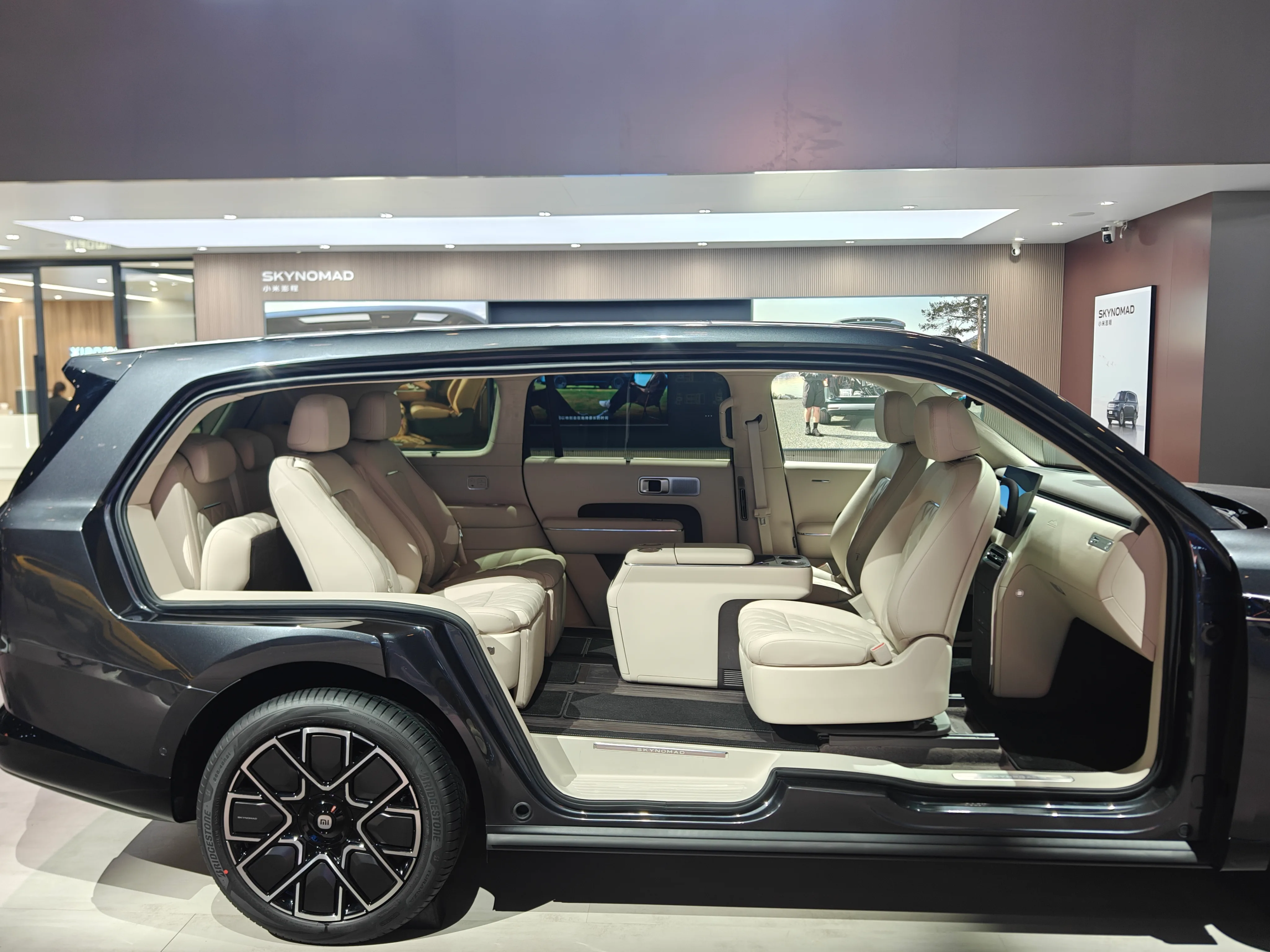
The evolution of vehicle size is closely linked to market demand and technological progress. Previously, Dianchetong (ID: dianchetong233) explored the challenges of width and weight in new energy vehicles (NEVs). To accommodate sizable batteries, NEVs have adopted widths reminiscent of sports cars and weights significantly surpassing those of their internal combustion engine (ICE) counterparts. Similarly, larger body sizes have become the norm, as they better align with the current preferences of domestic consumers.
As He Zhiqi observed, China's automotive market has reached a saturation point, prompting consumers to seek "experience upgrades" when replacing their vehicles. The spaciousness and commanding presence of larger models offer a markedly enhanced driving experience. Enhanced headroom, increased legroom for rear passengers, and an immediate sense of dominance are all evident when seated inside.
Consequently, attributes like rear legroom, trunk capacity, and overall cabin quietness—once considered optional—have now become essential considerations for many families when purchasing a car.
During the era of ICE vehicles, a larger body size often translated to a substantial increase in curb weight. To maintain performance, larger-displacement engines were necessary, driving up acquisition costs, fuel consumption, and long-term maintenance expenses. Moreover, during the ICE era, the domestic automotive market was dominated by joint-venture brands, whose premiums kept prices for Class B and larger vehicles out of reach for the average family seeking a spacious family car.
(Image Source: Dianchetong Photography)
NEVs, however, present a stark contrast. Electric motors inherently deliver high torque, eliminating the need for complex and costly large-displacement powertrains and preventing a spike in powertrain costs.
The rapid adoption of rear-wheel steering enables D-class cars to achieve turning radii comparable to those of Class A cars, ensuring maneuverability. Intelligent driving technologies further mitigate the challenges of maneuvering and parking large vehicles, particularly in confined spaces. While large ICE-powered vehicles struggle to allow passengers to exit comfortably after parking in narrow spots, high-end domestic NEVs offer automated parking and exiting features, eliminating the need for drivers to engage in a "battle of wits" with neighboring vehicles.
Most importantly, thanks to the efforts of domestic brands, high-power motors, rear-wheel steering, and advanced intelligent driving are no longer exclusive to million-yuan luxury cars. Take the BYD Tang EV, for instance: priced starting at 239,900 yuan, its rear motor delivers a maximum power of up to 300kW/370kW, with high-end versions supporting dual-motor all-wheel drive and standard ±7° rear-wheel steering and "Divine Eye B" technology.
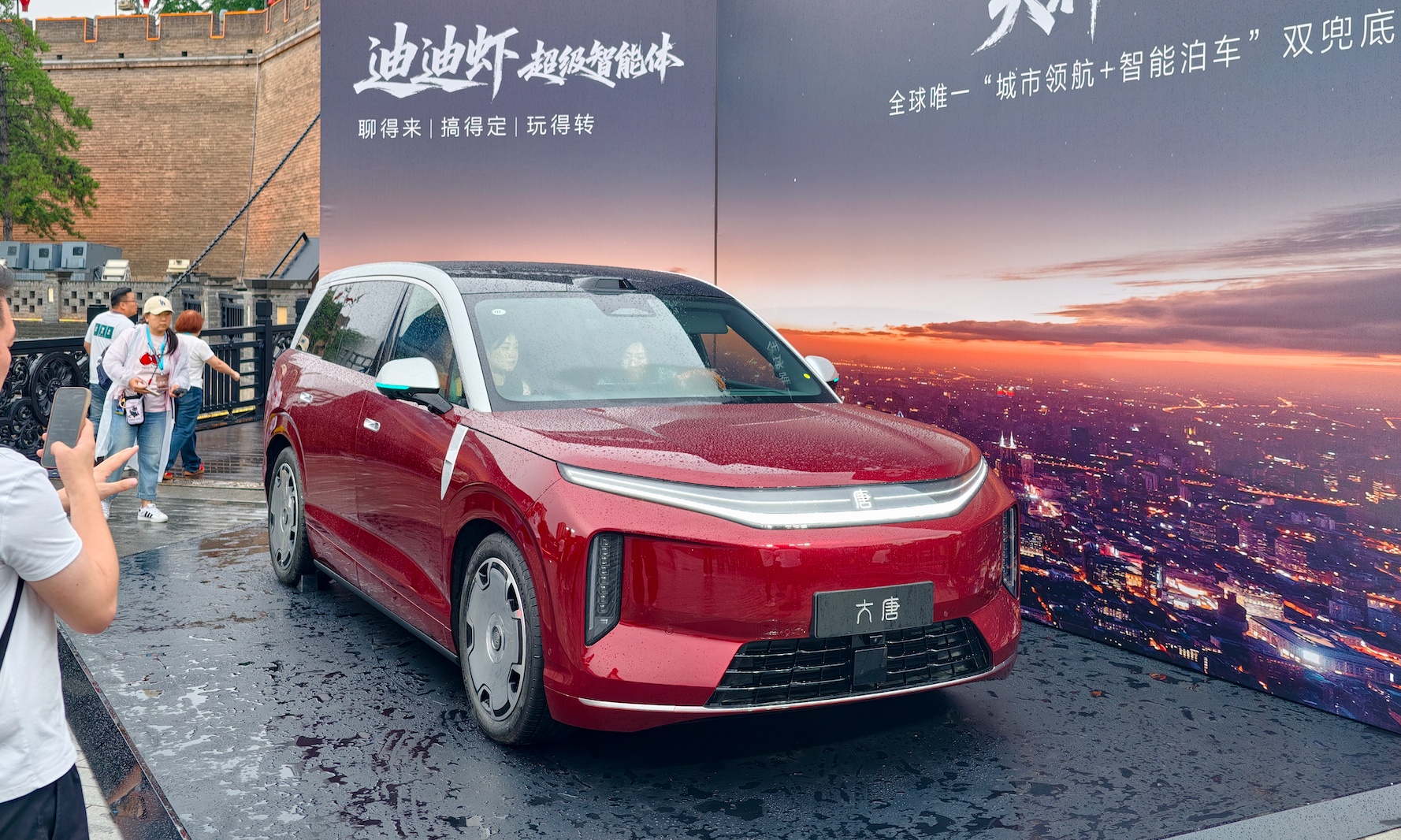
(Image Source: Dianchetong Photography)
Models like the BYD Qin Max and Geely Galaxy Star Glory 7 Max, which achieve Class B dimensions or even approach Class C thresholds, have now infiltrated the 100,000 yuan market segment. The price territory once dominated by Class A cars is being steadily encroached upon by larger models.
Consumers can now purchase Class B or Class C products with a wheelbase exceeding 2,800mm for the budget previously allocated to a Class A compact car, enjoying comprehensive upgrades in space, chassis, and configuration. There is little incentive to reject such transformations in the automotive industry.
Dianchetong believes that electrification and intelligent technologies have eliminated the drawbacks of larger vehicles, while saturation-driven replacement demand and the rise of low-premium domestic brands have collectively fueled the surge in large vehicle sales. The viability of traditional economical compact cars is being continuously compressed. However, trends do not equate to outcomes; while the market leans toward larger sizes, it does not mean smaller-wheelbase models will disappear entirely.
Small Cars Will Endure—Usage Scenarios Dictate Demand
When considering full-scenario family travel, larger vehicles often overshadow smaller ones with their superior passenger space, better configuration expandability, and longer range. However, not everyone requires a large car for family outings on highways. In urban driving scenarios, small cars still hold irreplaceable value.
Many Chinese cities feature extensive older urban areas with narrow roads, prevalent two-lane streets, and cramped roadside parking spaces. Numerous residential garages adhere to outdated standards, with many parking spots narrower than 2.4 meters. Traffic congestion in older urban areas is exacerbated in first- and second-tier cities due to high vehicle ownership.
Navigating and parking in such environments tests driving skills. Compared to larger vehicles, compact models offer greater maneuverability and ease of parking.
In Japan, where traffic pressure is even higher, authorities have implemented regulations restricting the purchase of large vehicles. The K-Car, narrower than the common A00-class cars in China, has become the mainstream model. In some European countries, compact cars are also popular due to urban planning constraints, with many vehicles equipped with anti-scratch strips and bumpers treated as consumables.
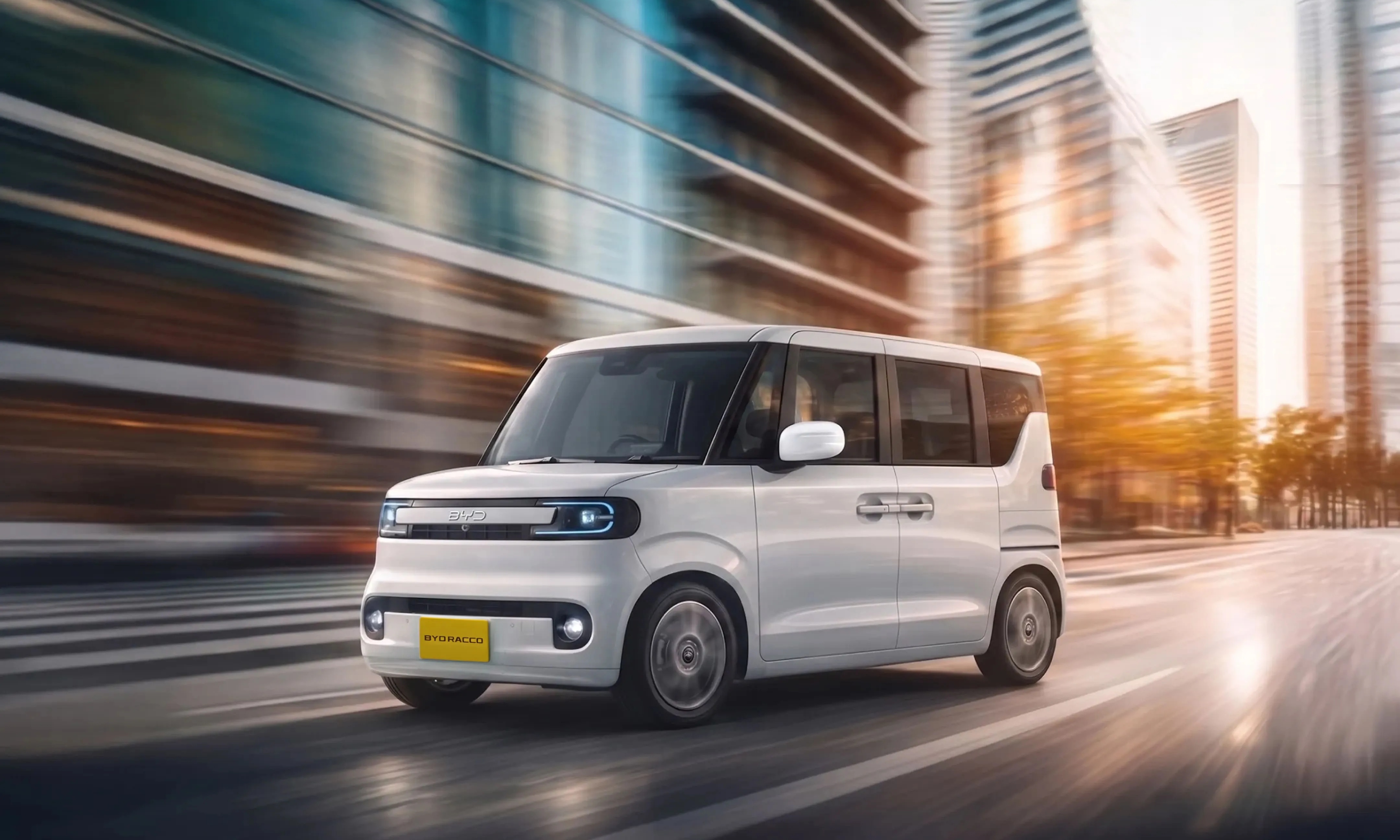
(Image Source: BYD)
As domestic vehicle ownership continues to rise, traffic pressure will only intensify, leaving significant room for compact A00 to Class A cars in the future.
Moreover, while larger cars are desirable, not everyone needs one. The economic advantages of small cars remain unmatched by larger vehicles for now. Despite domestic automakers' efforts to reduce costs and profits through various means to achieve high-volume sales, cost reduction has its limits. Simply put, larger cars will always consume more materials than smaller ones, regardless of savings.
While larger cars lower their prices, smaller cars can do the same, ensuring a price advantage. Their lighter weight also translates to lower energy consumption per 100 kilometers, making them more cost-effective for daily commutes, grocery runs, and school drop-offs in family scenarios.
From Dianchetong's perspective, in the full-scenario family travel segment, larger vehicles comprehensively outperform smaller ones with their spacious interiors, extensive configuration options, and superior range, making them ideal for family road trips and all-purpose commuting. However, automotive consumption is not limited to full-scenario needs; congested and complex urban road conditions grant small cars irreplaceable value.
Even as larger cars continue to lower their prices, small cars can still compete by leveraging their extreme price advantages and lower daily ownership and commuting costs, making them better suited for lightweight usage scenarios like solo commuting and short-distance trips.
It is important to note that body size does not directly equate to experience; intelligent or comfort-oriented configurations also influence passenger experience. In the future, small cars may pursue a path of refinement.
Refinement: The Only Viable Path for Class A Compact Cars
While the costs and prices of larger cars will not fall below those of similarly equipped smaller cars, once the price gap narrows sufficiently, consumers may opt to upgrade to larger sizes. Imagine being presented with a Class A and a Class B car of similar configurations, with a price difference of only 5,000 yuan—wouldn't you consider paying extra for the Class B model?
Dianchetong believes that small cars may ultimately follow a refinement route, akin to brands like Mercedes-Benz Smart, BMW MINI, and NIO Firefly, rather than engaging in price wars with larger cars.
In the first half of this year, Firefly's cumulative sales reached 29,172 units, soaring by 271.9% year-on-year, with an average monthly sales volume approaching 5,000 units. In July, Firefly delivered 5,771 new vehicles, maintaining year-on-year growth. Firefly's success demonstrates the potential of refined compact cars. However, before achieving refinement, automakers must first establish a premium brand image.
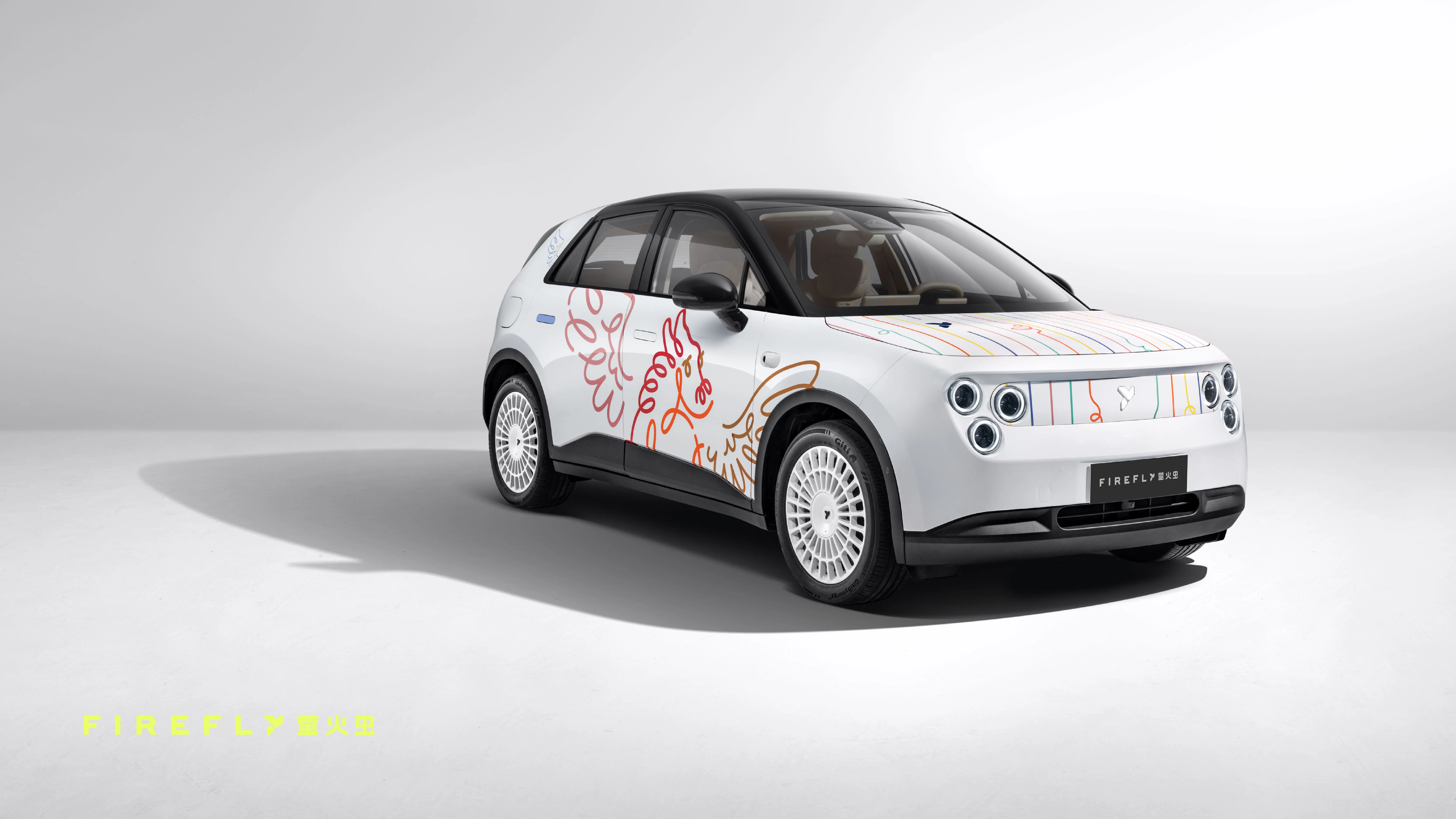
(Image Source: Firefly)
Firefly's popularity stems from NIO's long-cultivated brand image and its superior intelligent and comfort-oriented configurations compared to peers. High-end features like advanced intelligent driving, seat massage, and battery swapping are all available in Firefly models.
Models like the Leapmotor A05, BYD Seagull, and Wuling Bingguo are already creating refined compact cars by incorporating advanced intelligent driving and high-end configurations. The BYD Seagull, leveraging BYD's brand influence, consistently achieves monthly sales exceeding 20,000 units. However, due to its lower pricing and configurations, it only initially reaches "refinement level," with room for improvement in product strength and pricing. The Wuling Bingguo and Leapmotor A05 require automakers to further enhance brand recognition.
In summary, while the prices of Class B/C models continue to decline, encroaching upon the viability of traditional economical compact cars, A00 to Class A small cars will not vanish entirely.
Their agility and economic efficiency remain irreplaceable advantages. In the future, emphasizing personalized design, intelligent configurations, and brand appeal while focusing on lightweight usage needs like solo commuting and short-distance trips may become the primary development direction for small cars.
BYD, NIO, Qin MAX, Class B cars, Class A cars
Source: Leikeji
Images in this article come from: 123RF Royalty-Free Image Library Source: Leikeji
-
![]()
Claude Finally Integrates a Built-in Browser! Doubao Work Beat It to the Punch—Can Qianwen Catch Up?
-
![]()
Cars Are Expanding: Will Class A Vehicles Be Phased Out as Class B Models Approach the 100,000 Yuan Threshold?
-
![]()
Xiaopeng Faces Two 'Tough Battles'
-
![]()
NVIDIA: Projected to Surge by Another 70% Next Year, the Computing Power 'Central Bank' Ramps Up Production!
-
![]()
How to Alleviate Pressure on the Battery Swap Model? NIO Has Finally Figured It Out
-
![]()
Don’t Use Efficiency as an Excuse to Conceal the Problems of Hastily Launched Cars
-
![]()
Core Indicators Rebound Across the Board in the First Half of the Year! Li Auto Steps Out of the 'Encirclement' During the Industry's Coldest Period | Mingjing Pro
-
Is This the 'Prometheus Moment' for Vertical AI Applications?