The Real Story Behind Leica Camera's 'For Sale' Situation: Single Business Focus, Declining Market, Can Xiaomi Be the 'Savior'?
 01/30 2026
 736
736
Why Has the Century-Old Leica Been 'On the Market' Repeatedly?
Is the venerable optical powerhouse Leica about to be 'sold off' once again?
Recently, overseas media outlets have reported that ACM and the Blackstone Group are contemplating selling their controlling stake in Leica Camera. According to publicly available information, Leica Camera boasts two major shareholders: Austria's ACM Projektentwicklung GmbH, which holds a 55% share, and the US-based Blackstone Group, with a 45% stake. While it remains uncertain what proportion of shares these two major shareholders intend to sell, it is likely that the new shareholders will become the actual controlling entities of Leica Camera following the transaction.
In truth, this marks the fourth time Leica has been 'put up for sale.' Since 1986, Leica has undergone three such sales: the first occurred when Leica Camera was spun off as an independent entity by its parent company; the second took place during bankruptcy reorganization; and the third involved the entry of Blackstone Group capital, which subsequently co-held shares with the Andreas Kaufmann family, a situation that persists to this day.
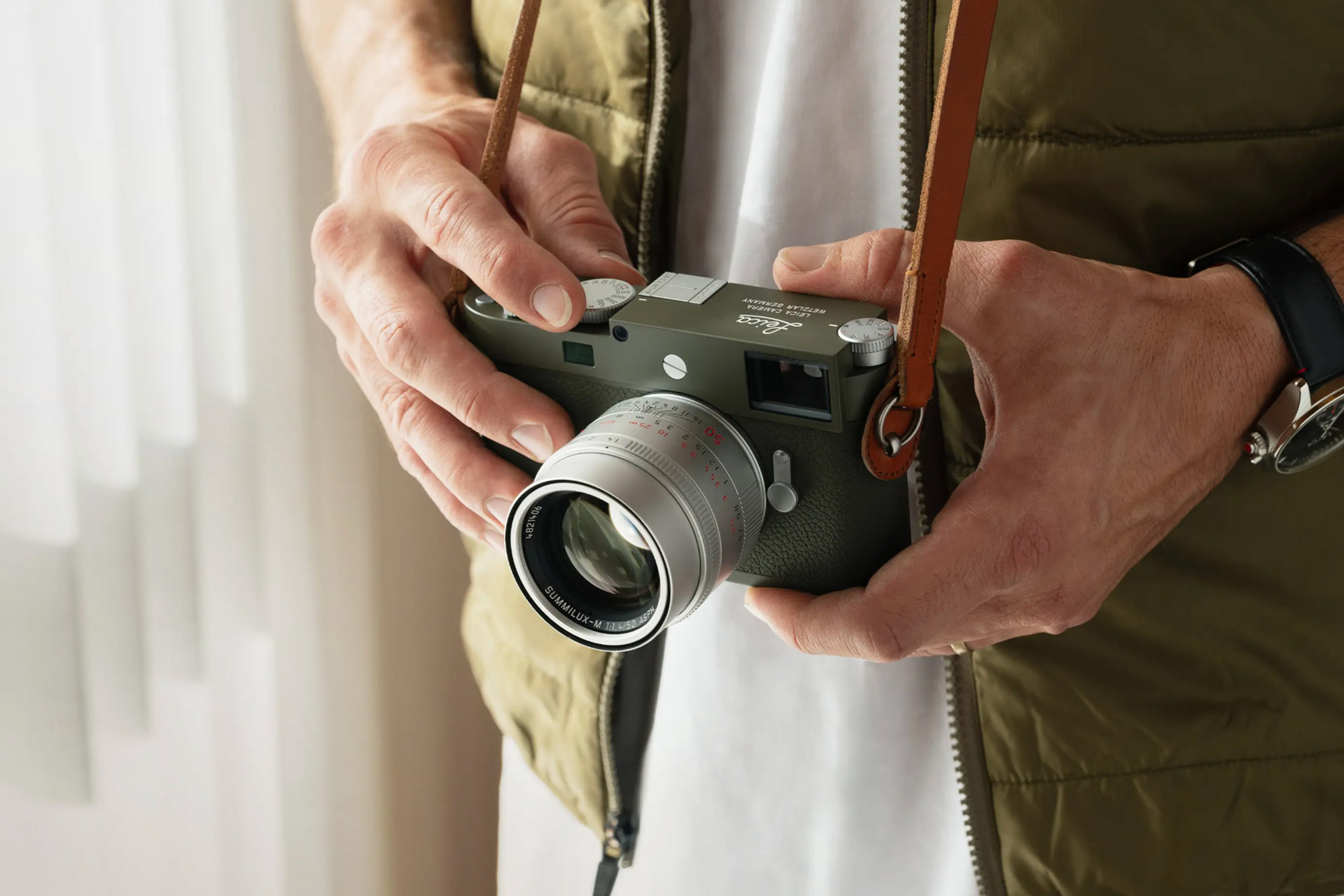
(Image Source: Leica)
For Chinese consumers, their perception of Leica Camera largely began when it ventured into the mobile imaging arena, collaborating sequentially with Huawei and Xiaomi, and making significant strides in smartphone photography. Following the resurfacing of news about Leica Camera being 'put up for sale' once again, Xiaomi has also been rumored as a potential buyer. How did a century-old optical giant find itself being sold repeatedly? Will Xiaomi opt to purchase Leica?
Global Camera Market Shrinks, Leica Faces Challenges on All Fronts
In 1914, engineer Oskar Barnack crafted a camera named Ur-Leica, which pioneered the use of 35mm motion picture film horizontally in photography. In 1925, Leica officially unveiled the Leica I at the Leipzig Spring Fair, marking the world's first mass-produced 35mm camera. Its compact size and rapid operation stood in stark contrast to the bulky studio cameras of the era, quickly winning favor among journalists, war photographers, and street photographers, and becoming widely used in documentary and news photography.
In 1954, Leica released the Leica M3, widely hailed as the pinnacle of rangefinder camera design. Featuring a bright viewfinder, a reliable body structure, and fast-responding shooting performance, the M series emerged as one of the hottest cameras in the photography industry at the time. The M series nearly cemented Leica's position in the photography world, with subsequent iterations like the M4 and M6 also enjoying strong sales.
Yet, this 'century-old establishment' has faltered in its exclusive focus on 'photography.'
From Leica Camera's publicly available financial reports over the past two years, there has been no significant economic crisis. In the 2023-2024 fiscal year, Leica achieved approximately €554 million in revenue, marking a year-on-year increase of about 14% and one of the highest annual revenues since Leica Camera's inception. In the 2024-2025 fiscal year, revenue even surged by 7.6%, setting a new record.
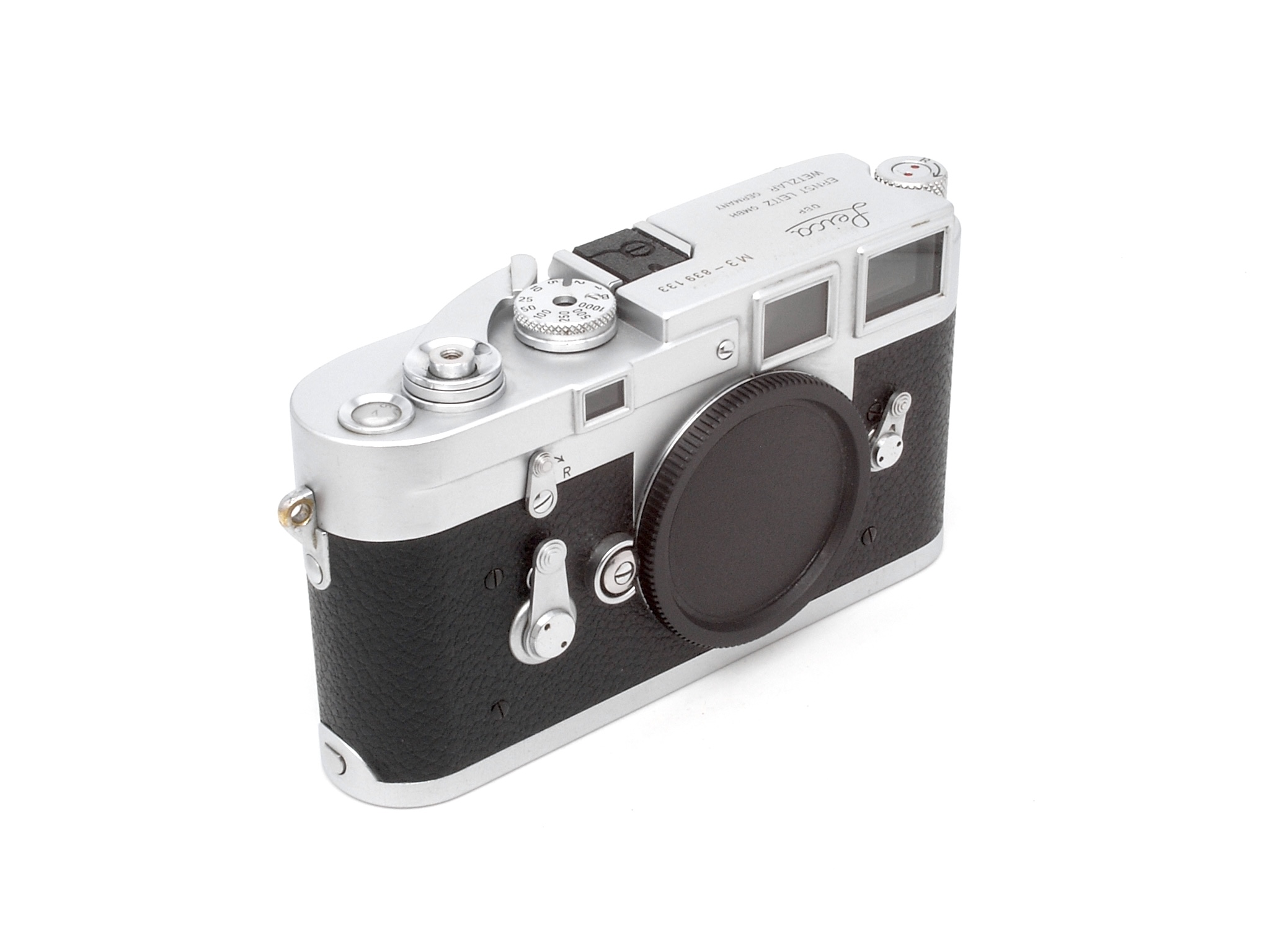
(Image Source: Bestbuy)
Leica Camera's business is heavily concentrated in the optical field, specifically in consumer optical products, as well as licensing fees for imaging technology and brand certification. The revenue surge in 2023 was attributed to its mobile imaging collaboration with Xiaomi, with the Xiaomi 12S series selling well globally and driving higher revenue. However, this revenue structure is relatively singular, and facing the shrinking global camera market, Leica may struggle to escape its predicament.
Market research agency reports indicate that the global digital camera market size was approximately $8.23 billion in 2025, showing some recovery from the previous year but still far below the market size a decade ago. Compared to other optical manufacturers, Leica lacks additional business lines to bolster its revenue.
For instance, Canon and Fujifilm have actively expanded into printers, printing systems, and professional equipment such as biological imaging and medical imaging. Nikon also boasts product lines like semiconductor inspection equipment and industrial measuring instruments. As for Sony, it is a sprawling conglomerate encompassing gaming, music, film and television, and consumer electronics, with a vast array of product lines and businesses across various fields.
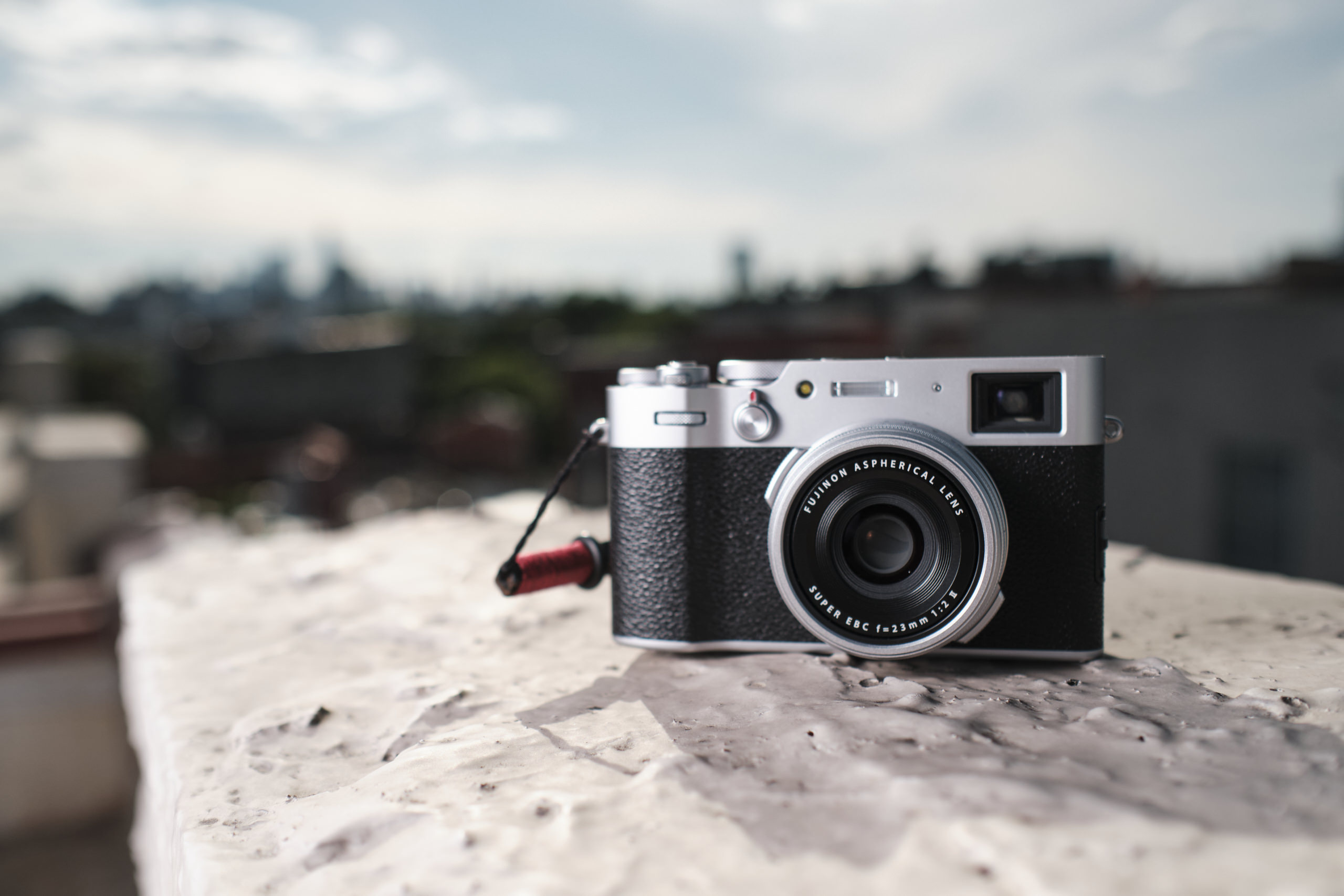
(Image Source: Fujiflim)
In terms of revenue, Leica Camera, with its relatively singular business focus, had revenue of €596 million in 2025, approximately RMB 4.9 billion. Meanwhile, Sony Group's revenue in the second quarter of 2025 exceeded ¥3 trillion, roughly RMB 130 billion. As a 'second-tier camera brand,' Fujifilm's revenue in 2025 was also ¥3.3 trillion, approximately RMB 1.4 trillion. It appears that Leica Camera's revenue capability does not rank among the top in mainstream camera brands.
Looking ahead, a significant portion of digital camera product lines will be supplanted by mobile imaging, and the market will inevitably shrink further. Compared to Leica Camera, other optical manufacturers laid the groundwork for other product lines over a decade ago and have already established footholds in certain areas. Facing market contraction, Leica Camera's prospects are shrouded in uncertainty, which may be the real reason it is being abandoned by capital.
Who Will 'Acquire' Leica Camera?
Currently, potential buyers for Leica Camera include private equity giant HSG, Nordic private equity fund Altor Equity, Asian optical groups, and German optical giant Zeiss. However, some may argue that Xiaomi is actually the most suitable buyer for Leica Camera.
Xiaomi's collaboration with Leica Camera can be deemed one of the most successful brand collaborations in recent years. For Xiaomi, Leica helped it transition from emphasizing hardware 'parameter imaging' to 'stylistic photography,' gaining recognition in the mass market for Xiaomi's imaging capabilities. For Leica Camera, Xiaomi helped expand its brand awareness and brought in significant revenue, setting a new historical revenue record for Leica Camera.
However, acquiring Leica Camera is not as straightforward as it seems.
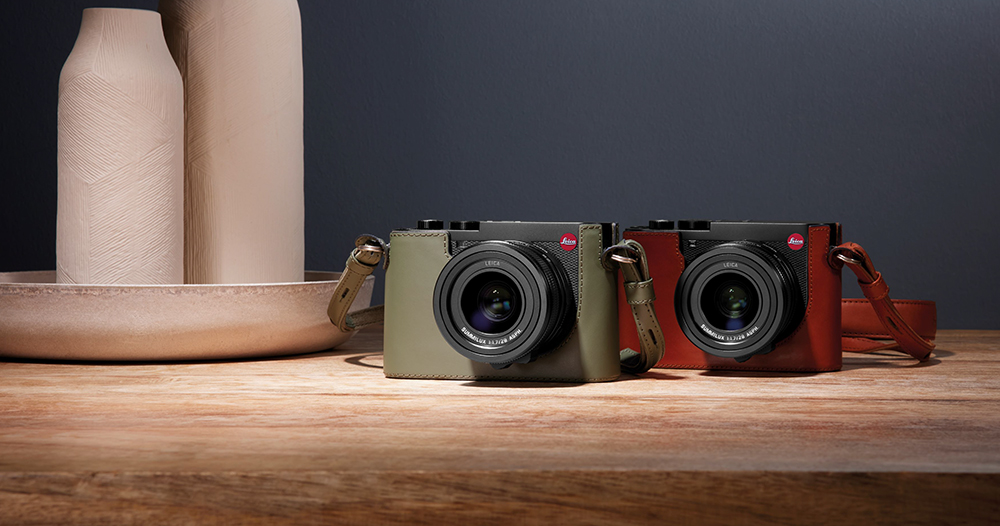
On one hand, while there are signs of recovery in the camera industry, the rebound is modest, and the profitability of cameras themselves is far weaker than that of smartphones. According to data from Japan's CIPA association, total digital camera shipments for the year were approximately 7.41 million units, with interchangeable lens cameras accounting for about 5.89 million units. In contrast, IDC's global smartphone market report shows that global smartphone shipments rose to approximately 1.2 billion units in 2024. Given the vast gap between the two markets, Xiaomi acquiring Leica Camera would be akin to continuing to invest in a saturated market, which is not a particularly sound business decision.
(Image Source: Leica)
Moreover, Xiaomi had previously ventured into the camera industry through its ecosystem by collaborating with Xiaoyi to launch the Xiaoyi camera. However, the Xiaoyi camera did not achieve success, partly due to the M43 format no longer being mainstream and partly because of the poor camera interface and numerous system bugs that made it difficult to use. After the first generation, there were no further updates, indicating Xiaomi's lack of determination to enter the digital camera industry.
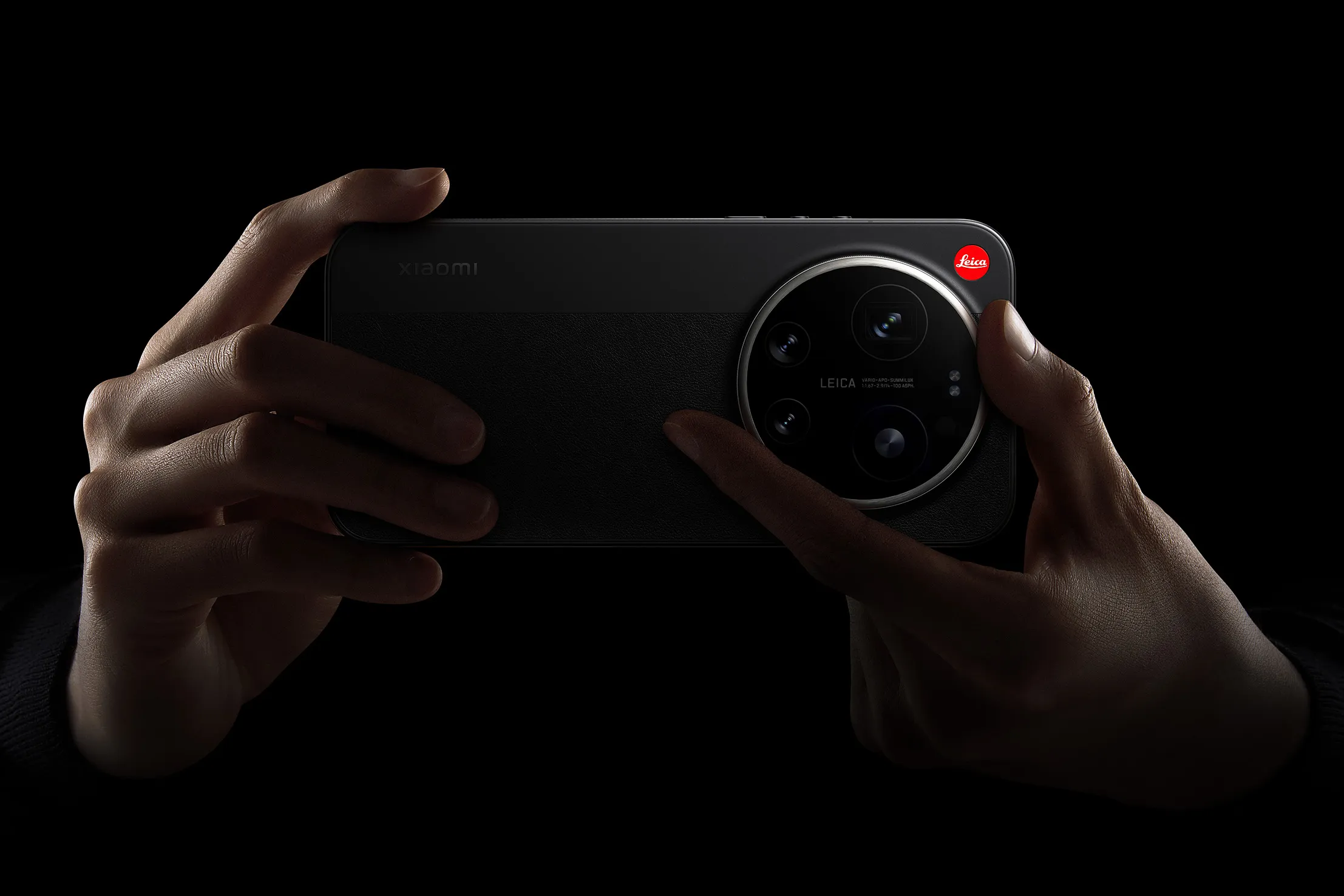
On the other hand, Xiaomi's collaboration with Leica Camera is a lightweight partnership. Acquiring Leica Camera would be equivalent to a heavy asset investment. Clearly, Xiaomi has always been cautious in its investments and is unlikely to entertain the idea of acquiring a century-old enterprise. More importantly, Xiaomi has already successfully obtained the Leica+Coca-Cola logo certification for the Xiaomi 17 Ultra, the highest-level certification Leica Camera can authorize. In this case, there is no need to thoroughly acquire Leica to gain higher market recognition.
(Image Source: Xiaomi)
To put it bluntly, Leica Camera is merely 'the icing on the cake' for Xiaomi. The underlying algorithms for mobile imaging, ISP performance, and even the supply of sensors and lenses are all managed by Xiaomi, with Leica providing minimal assistance in these areas.
However, once Leica Camera's controlling stake is sold, it means the company's decision-makers will change. Whether the new decision-makers will opt to continue collaborating with Xiaomi or if they will be competitors in the mobile communications field remains uncertain. If Xiaomi chooses to acquire Leica for defensive purposes, it would not be entirely unexpected. After all, riding the wave of Leica imaging, the special version of the Xiaomi 17 Ultra by Leica was also a hit online upon its release, making the continuation of their collaboration quite necessary.
Ultimately, regardless of which brand is up for sale, the most crucial factor is its inherent value, such as brand recognition, technological heritage, and profitability. Leica Camera's predicament lies in its lack of particularly outstanding value, except for the 'Leica' trademark.
Overextending Its Brand Image, the Leica Logo Is No Longer a Guarantee of Success
Over the past decade, Leica Camera has attempted to expand its product lines beyond cameras, seeking new growth avenues, but none of these attempts can be deemed truly successful.
The earliest and most influential attempt occurred in the mobile imaging field. As early as 2016, Leica reached an imaging collaboration with Huawei, with the first collaborative model, the Huawei P9, introducing many ordinary consumers to this German camera brand for the first time. In 2022, Leica's collaboration with Huawei ended, and it switched to Xiaomi that same year, jointly launching the Xiaomi 12S series to continue its development in mobile imaging.
To maintain its competitiveness in mobile imaging, Leica also collaborated with Sharp to launch the 'self-developed smartphone' Leitz Phone. Since its first release in 2021, three generations have been launched. However, this smartphone did not bring Leica Camera greater market influence, and the sales of the Leitz Phone were also mediocre. Interestingly, Leica authorized the 'Coca-Cola logo' to Sharp and 'Leica' to Xiaomi, meaning two brands were using the same brand image simultaneously. This inadvertently revealed that Leica was prioritizing profits over its high-end brand image during this period.

(Image Source: Leica)
Outside of smartphones, Leica's second path was to develop the projector market, which also requires optical technology expertise. For instance, in the home theater segment, Leica launched its own Home Cinema products, emphasizing specifications like 4K, Dolby Vision, and Dolby Atmos, packaging it as 'Leica visuals in your living room.' Essentially, it was leveraging the imaging authority accumulated during the camera era to continue selling at a premium in a different scenario. It also collaborated with smart projector brand JmGO to launch products like the O1 Pro. Additionally, Leica collaborated with Insta360 in the action camera field.
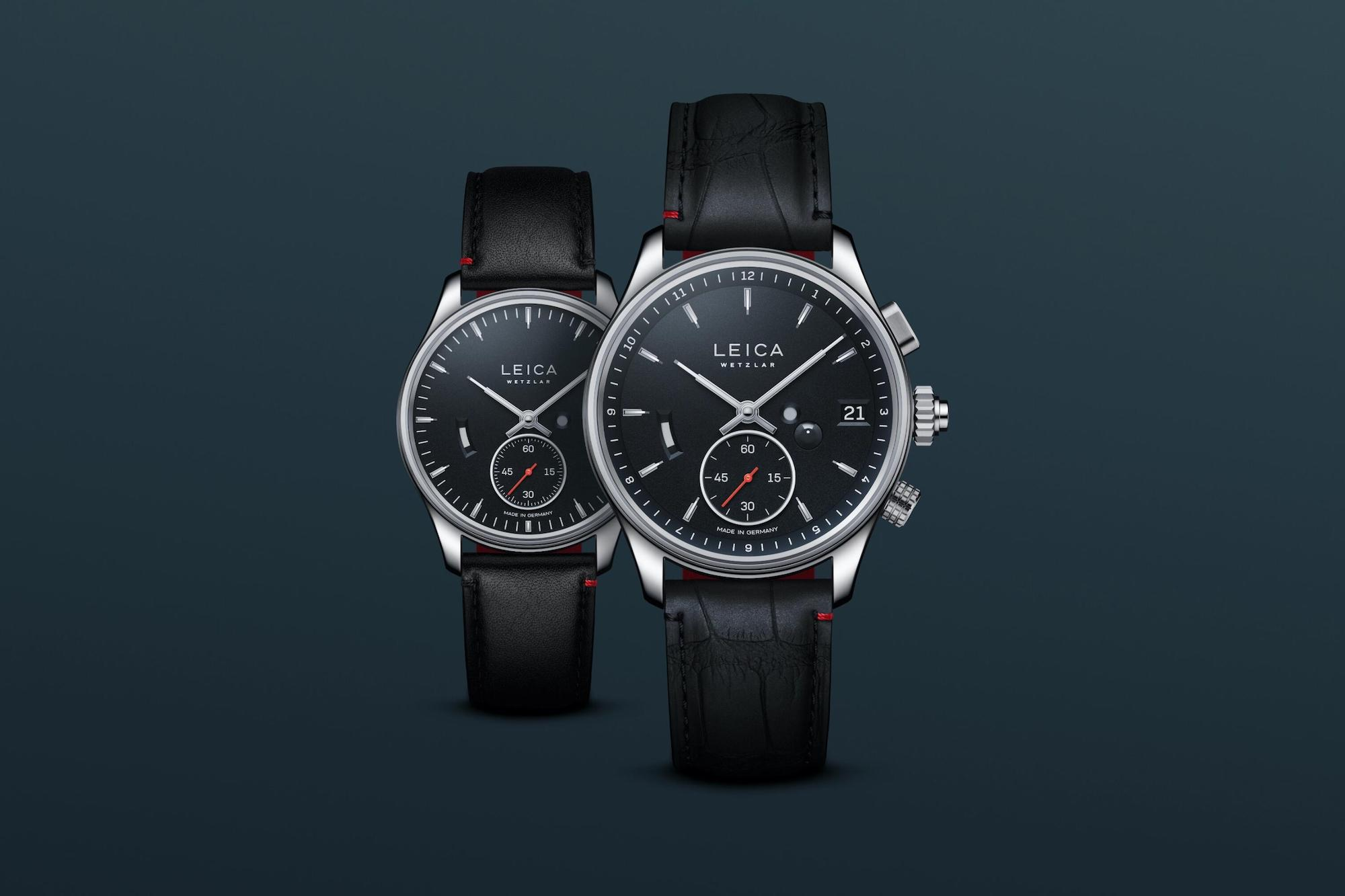
Leica also introduced its own high-end mechanical watches, the L1 and L2, through its manufacturing division, Ernst Leitz Werkstätten, with pricing directly competing with luxury watch brands. Although Leica had an early image of precision, reliability, and durability, the luxury watch and camera industries are entirely unrelated, and Leica's foray into this field did not yield significant benefits.
(Image Source: Leica)
It is evident that over the past decade, Leica has continuously authorized its brand image, engaged in collaborations, and even ventured into unrelated products, with a clear intention: while not abandoning the camera market, it has placed its hopes for profitability on other means rather than selling products. However, such overuse of its brand image has gradually made Leica more common in the consumer market, leading many consumers to believe that collaborating with Leica is not a significant achievement. A high-end brand with an average camera price exceeding ¥10,000 is now commonly seen in collaborations, slowly losing its high-end image.
So, is 'selling itself' a positive development for Leica at this stage? If the new owner is willing to invest in research and development and production capacity in the long term, re-establish Leica's brand image, and actively embrace changes and new opportunities in the optical market, it could be a positive turn of events. Conversely, if the decision-makers only aim to extract the last bit of brand value from Leica, the result will be a continuous depletion of value, gradually retreating from the mainstream market, and eventually disappearing entirely.
Source: Leikeji
All images in this article are from the 123RF licensed image library. Source: Leikeji
-
On the Eve of Its IPO, Avatr Finds Itself Embroiled in a 'Farce of Controversy and Belittlement'
-
![]()
Yutong Optics' Japanese Subsidiary Unveiled in Tokyo, Shifting Strategic Focus to Technology-Driven Growth
-
![]()
Half-Year Revenue Outstrips Last Year’s Total! Zhongrun Optics Forecasts 80.2% H1 Revenue Growth
-
![]()
Why Does AI Competition Start with Computing Power?
-
![]()
Apple AI Finally Makes Its Debut in China, Yet iPhone's 'AI Autonomy' Faces Uncertainty
-
![]()
Apple AI and QianWen Make Up Lessons: Alibaba Has Its Own 'Doubao Phone'
-
![]()
QianWen Joins Apple, Signal for Large Models to ‘Fade into the Background’
-
![]()
The ‘Anchor’ Strategy of Google Hidden Behind the Bleeding Financial Report