Historic Opportunity for China's AI Amid Meta's Infighting and Musk's Talent Drain
 03/19 2026
 491
491
The opportunity brought by Open Claw represents 'favorable timing,' Chinese users' active participation and policy encouragement provide 'geographical advantage,' while clear internal management systems and commercialization strategies create 'human harmony.' China's AI industry is embracing its best chance to catch up.
No one could have predicted that on the eve of AI dominance, major corporations would feel like startups.
Meta laid off employees, and Alexander Wang, newly hired, faced rumors of discord with Zuckerberg. xAI suffered massive core management turnover.
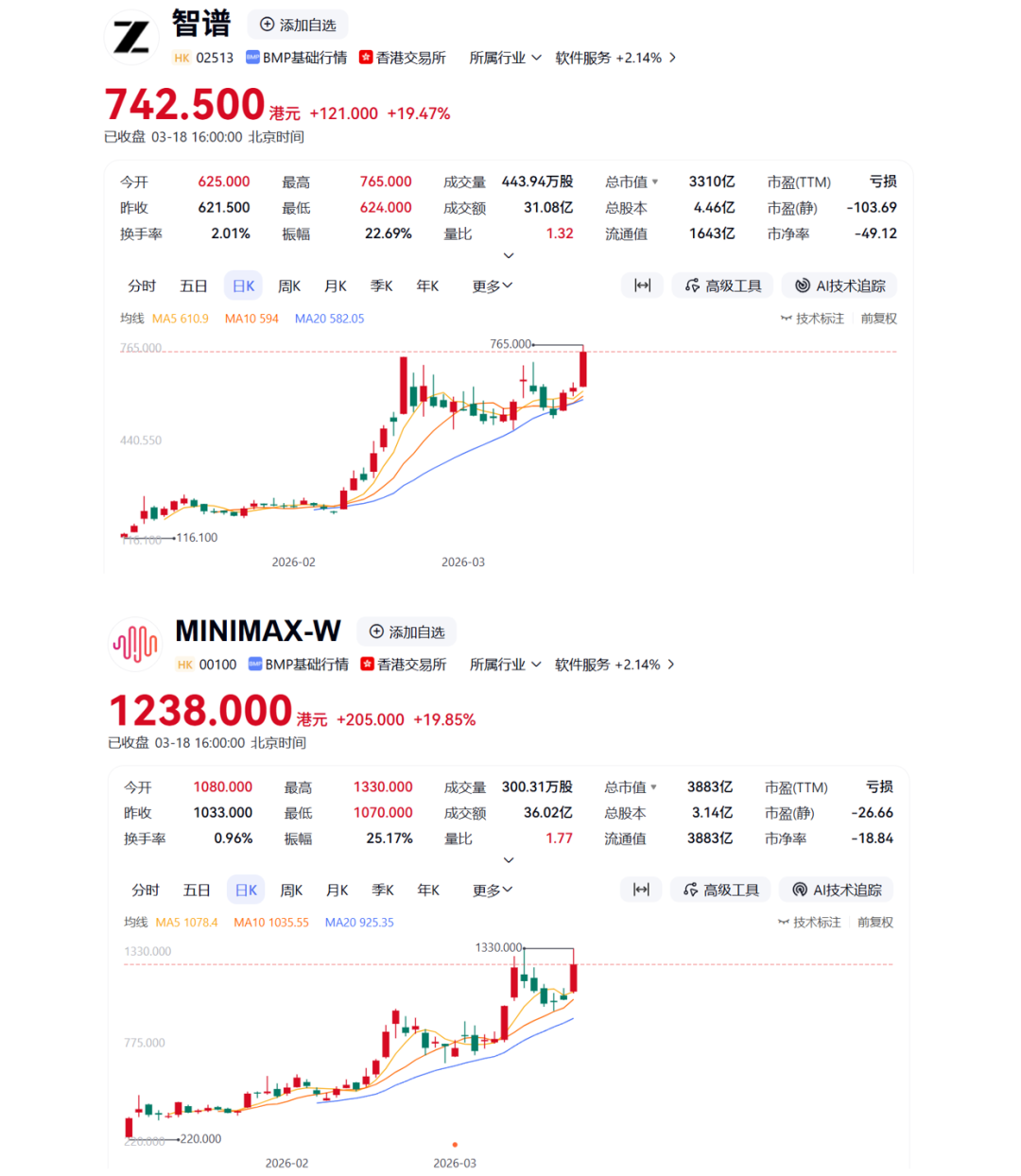
Across the ocean, Tencent sparked a lobster-farming craze, ByteDance released Seedance 2.0, and Alibaba strategically pivoted to form new business groups. MiniMax's stock price surged sixfold, while Zhipu's rose 4.7 times.
As foreign AI giants universal (universally) Caught in a dispute (engage in disputes), China's AI opportunity period has arrived.
Part.
01
Management Disputes
Meta is falling behind in the AI arms race.
The new-generation model 'Avocado,' initially scheduled for March release, was delayed to May.
Sources revealed the model underperformed in internal testing. Though surpassing Gemini 2.5, it lagged behind November's Gemini 3.0—falling short of Meta's expectations.
Model setbacks put pressure on leaders. In June 2025, Meta acquired Scale AI for $14.3 billion, bringing in 28-year-old prodigy Alexandr Wang as AI chief. Zuckerberg granted him direct reporting privileges, marginalizing Turing Award winner Yann LeCun.
On November 19, 2025, LeCun left Meta to found a new AI startup, rapidly securing $1.03 billion in seed funding.
While Wang appeared to unify Meta's AI efforts, his internal experience was troubled.
Reports claimed that by late 2025, Meta's veteran CTO Andrew Bosworth—Zuckerberg's 20-year partner—clashed with Wang over how AI models should enhance advertising. Wang's team viewed old-guard executives as myopically focused on social media, far from their ideals.
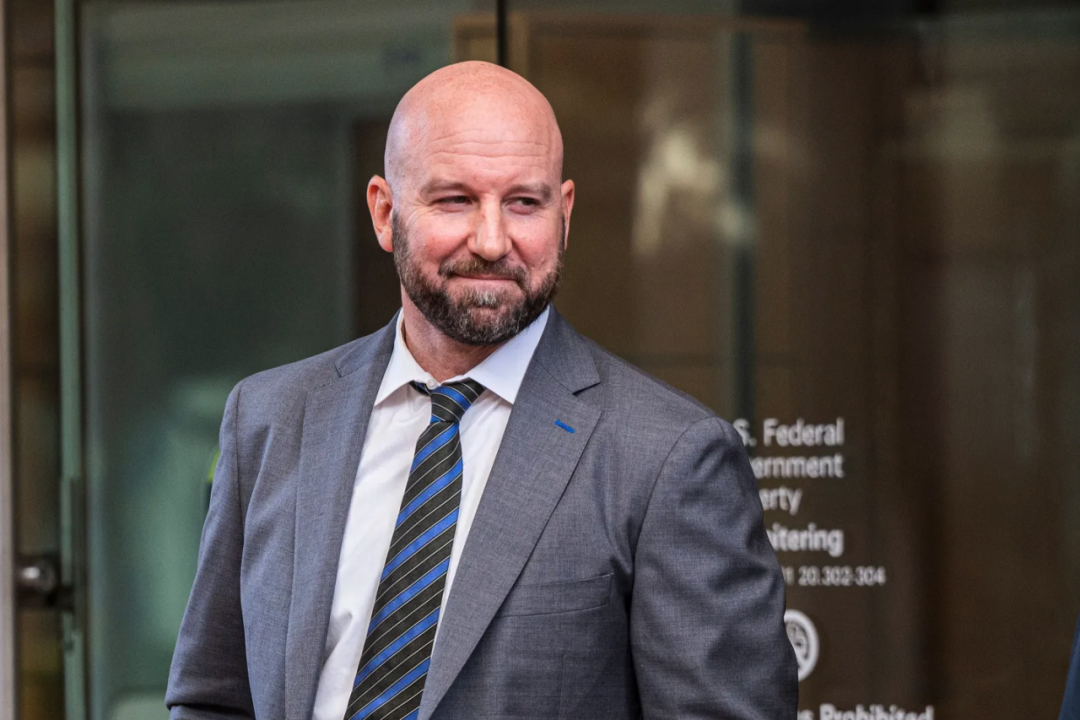
Recent updates reveal Meta created a parallel AI engineering team led by Bosworth, operating alongside Wang's superintelligence lab. Though Wang retains high authority, the parallel structure created discomfort.
This suggests even Zuckerberg couldn't balance internal relations, forcing concessions.
In March, rumors swirled about Wang's imminent departure. If true, Meta's $14.3 billion investment would collapse—unacceptable to Zuckerberg.
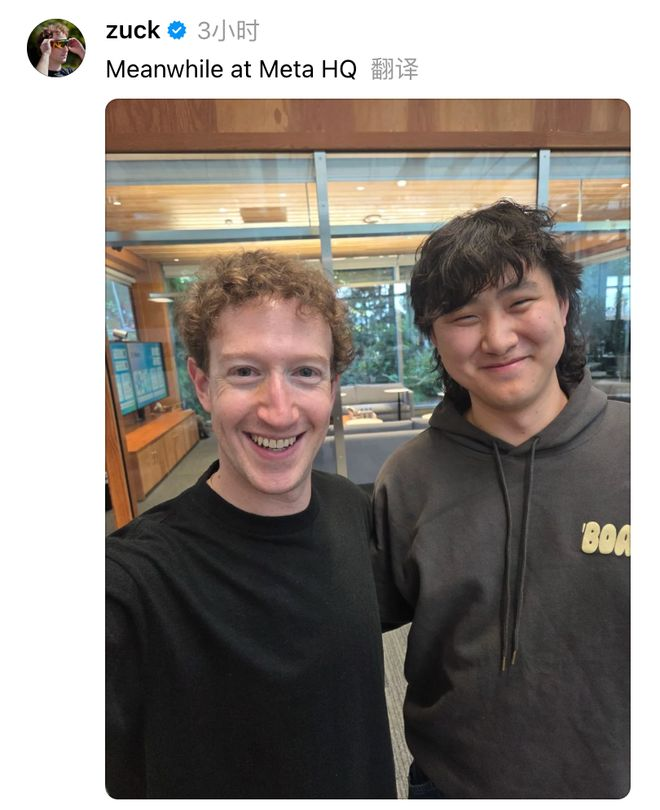
On March 9, Zuckerberg personally posted a photo of their handshake on Threads to debunk rumors. Yet Meta's internal fragmentation and ideological discord persist.
Musk's xAI outperformed Meta in market terms but faced worse talent exodus.
Within three years, xAI encountered core team turnover and technical setbacks.
On February 10, xAI co-founder Wu Yuhuai resigned. On March 12, image generation lead Zhang Guodong departed, followed by founding member Liu Haotian, who cited 'burnout.' On March 13, Dai Zihang also left.
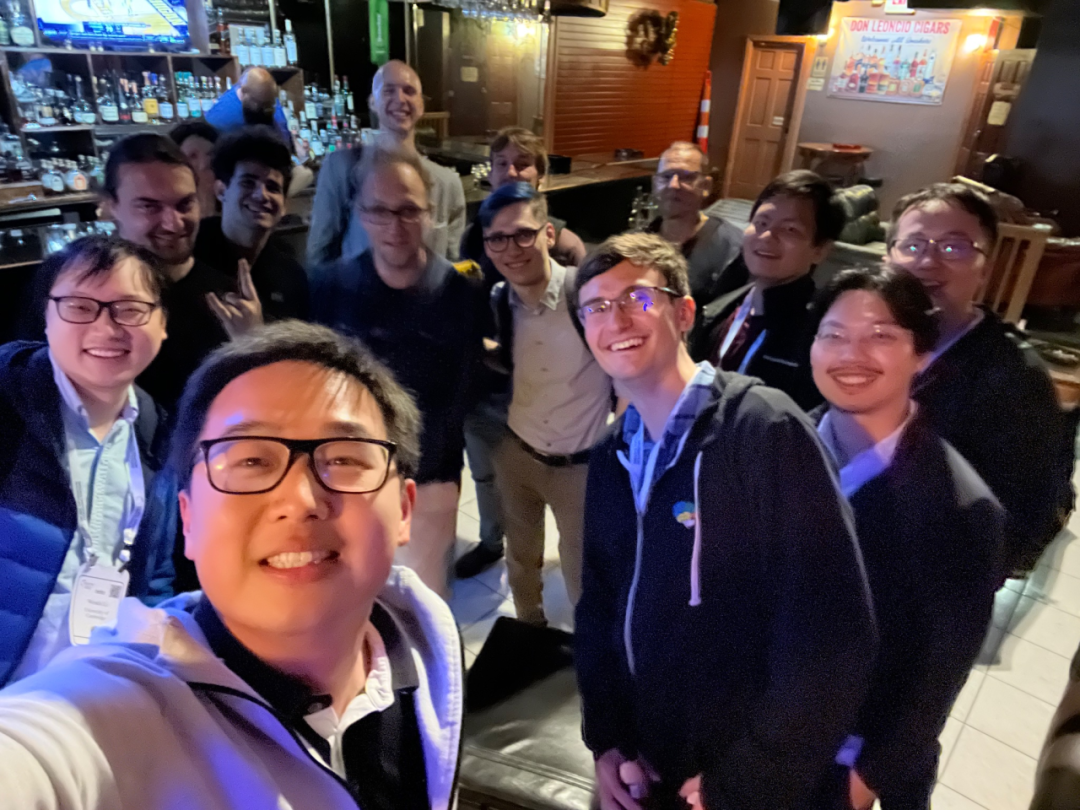
By mid-March, only two of the 11 founding members who launched xAI with Musk in 2023 remained.
Musk's work style drove the talent drain.
Insiders revealed Musk demanded 'extreme speed' from xAI, imposing harsh product iteration deadlines that kept researchers under prolonged pressure. His management required teams to 'handle multiple conflicting tasks simultaneously,' sparking widespread dissatisfaction.
The trigger was the Grok Code Fast 1 model. Launched in August 2025 as an 'ultra-fast coding' tool, it prioritized speed over deep reasoning, leading to poor user experience and failure.
In February 2026, Musk publicly criticized the coding team's slow progress at an all-hands meeting, accelerating talent flight.
Facing exodus, Musk initially claimed in January that few departures were regrettable. In his latest response, he reversed course: 'xAI wasn't built correctly from the start. We're rebuilding from scratch.'
Yet Musk's AI strategy still needs talent. In his statement, he didn't forget to 'buy the bone of a thousand-gold horse' (offer high incentives).
He apologized for rejecting many talented applicants in previous years, even without interviews. He's reviewing past records with recruiters to reconnect with promising candidates.
Still, xAI wasted precious opportunities through executive exodus and strategic restarts.
Part.
02
Uninstalling ChatGPT
Other leaders also struggled. OpenAI and Anthropic faced lose-lose dilemmas.
On March 2, a U.S. backlash saw users mass-uninstall ChatGPT for alternatives, briefly propelling Anthropic's Claude to the App Store's free chart.
Industry analysts noted the boycott targeted not ChatGPT itself but longstanding AI issues like privacy leaks and content bias.
A deeper cause may be military use concerns.
In early March, OpenAI's Pentagon collaboration drew scrutiny. Initially, Anthropic's Claude faced a total ban, labeled a 'supply chain risk' by the U.S. government.
Hours later, OpenAI announced a Pentagon partnership, integrating its model into military networks, sparking widespread question (doubts).
Recent reports reveal OpenAI quietly lifted its 'military use ban.' It now develops AI tools with the U.S. Defense Department, including open-source cybersecurity tools.
As AI penetrates defense procurement, U.S. users' trust in OpenAI erodes.
Anthropic gained prestige but lost crucial government support.
It faces strict scrutiny over billions in U.S. government contracts with Google, Amazon, and Microsoft.
This is a lose-lose scenario. When commercial AI models entangle with the U.S. military, OpenAI and Anthropic cannot focus on technical exploration.
Meanwhile, Open Claw's disruption has elevated competition to a new phase.
Part.
03
The 'iPhone Moment' Ends
The early-year 'lobster-farming' craze propelled Open Claw to new heights.
ChatGPT's 'iPhone moment' faded as the AI world shifted from pursuing foundational model supremacy to prioritizing agent applications and commercialization.
In early March, MiniMax unveiled a 'lobster-farming' commercialization model—selling Tokens. Its earnings report noted a '6x surge in daily Token consumption,' boosting revenue by 159%. This explosive data signals a clear monetization path.
If new agents integrate into computers, cloud-deployed models accessing them could charge based on Token usage.
This solves monetization challenges and user payment reluctance. It also suggests paid/free user metrics may be irrelevant.
Chinese firms acted swiftly.
Tencent launched WorkBuddy, a full-scenario AI agent, and tested QClaw, a local AI assistant enabling remote PC control via WeChat.
Reports claim WeChat secretly develops an AI agent project, planning gray-scale testing by mid-2026 and full rollout by Q3. This agent will link millions of WeChat mini-programs, transforming WeChat from a 'social gateway' to a 'smart task hub.'
Alibaba also made urgent adjustments.
On March 16, Alibaba formed the Alibaba Token Hub business group, led by CEO Wu Yongming. Focused on 'creating, distributing, and applying Tokens,' it merged Tongyi Lab, MaaS, Qianwen, Wukong, and AI Innovation divisions. Wukong targets 'B-end AI-native work platforms,' integrating models into enterprise workflows.
Alibaba's Token-centric AI strategy and Tencent's agent-driven personal terminals signal accelerated commercialization.
ByteDance also advanced agent commercialization with 'Lobster' ArkClaw, a plug-and-play cloud AI agent automating office, creative, and workflow tasks 24/7.
Agent-driven commercialization mines user data deeper while monetizing it, creating a virtuous cycle from data to operations. Competition dimensions and product models fundamentally shift.
This may be China's AI giants' best chance to overtake rivals.
Part.
04
Management Disputes
No country's users embrace AI like China's.
A Wall Street sales memo vividly described China's 'lobster-farming' frenzy: 'Nearly everyone in China is 'farming lobsters' now. The speed and enthusiasm with which Chinese adopt AI are astonishing.'""'China's MiniMax set my personal record—I've never seen an IPO surge 740% in two months.'""A post about long lines for device installations at Tencent's Shenzhen headquarters went viral on Reddit, with users stunned: 'This scale is insane!'"
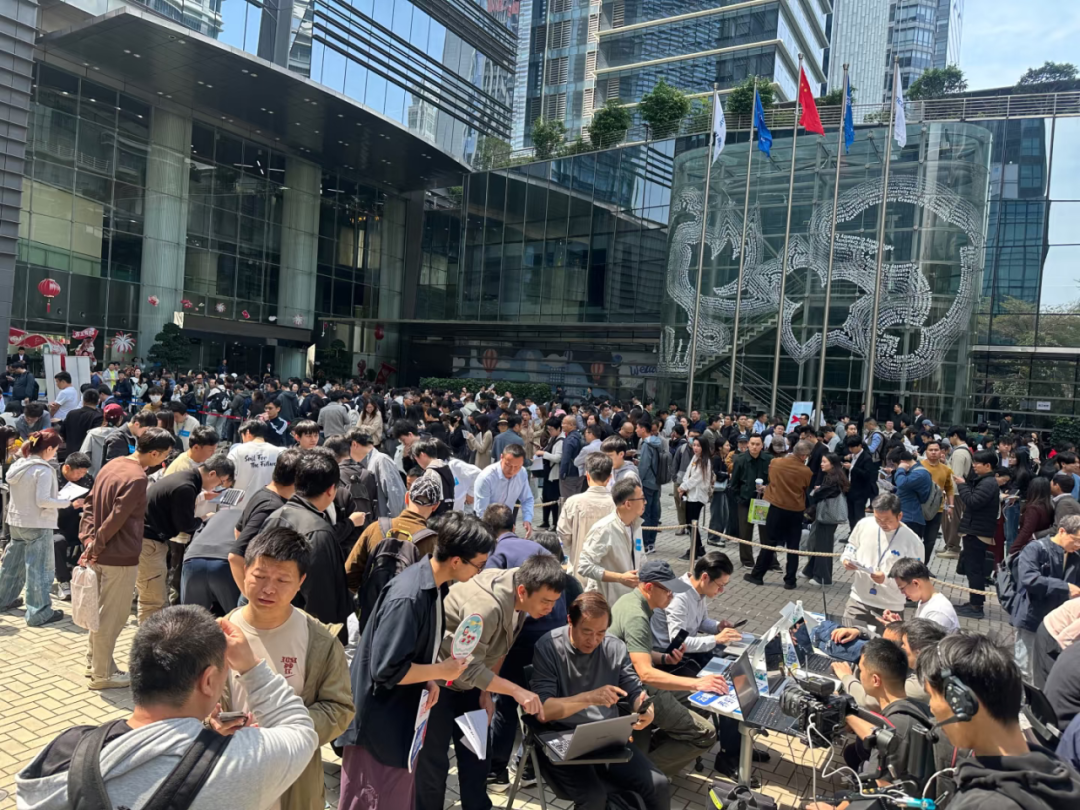
Chinese users, anxious about being left behind, eagerly adopt agents—China's AI industry's greatest asset.
Meanwhile, policies actively support AI. Shenzhen's Longgang District, Wuxi's High-Tech Zone, Hefei's High-Tech Zone, Suzhou's Changshu, Nanjing's Qixia High-Tech Zone, and Hangzhou's Xiaoshan District launched 'lobster' support policies. Some local governments offer free 'baby lobster' deployments to the public.
Chinese firms aren't immune to internal turmoil, but risks are more controllable than at xAI or Meta.
On March 4, Alibaba's Qianwen model lead Lin Junyang departed, reportedly over conflicts with keeping Tongyi Lab independent from group strategy. With Tongyi and Qianwen merging into Token Hub, Alibaba's strategic direction is clear.
Yuanbao invested 1 billion yuan in a Lunar New Year red packet campaign, attempting to replicate WeChat's 2015 social media miracle. However, shared links were soon blocked, revealing cross-unit coordination issues. Tencent swiftly adjusted internal management, upgrading WeChat's AI support.
Compared to Meta/xAI's chaos and OpenAI/Anthropic's dilemmas, Open Claw provides 'favorable timing,' Chinese users' engagement and policy support offer 'geographical advantage,' and clear management/commercialization strategies create 'human harmony.' China's AI industry faces its best catch-up opportunity.
-
![]()
Doubao Work Unveiled! Domestic AI Leaders Fully Commit to the 'Work' Sector
-
![]()
Who’s Sounding the Alarm on ‘Rushed Vehicles’?
-
![]()
Over 5.3 Billion Yuan in Losses Over Three and a Half Years! Can Yonyou Reverse Its Fortunes Through Streamlining and AI Transformation?
-
![]()
Baidu AI Adopts Free Model: A Strategic Maneuver in Traffic and Monetization
-
![]()
Silicon-Based OLED Pioneer Unveils Financial Results: H1 Shipments Outpace Entire 2025 Volume
-
![]()
AI's First "Lost Summer"
-
![]()
Zeiss Makes Another €2.2 Million Bet: Will Eye Tracking Be the Next Big Thing in the Smart Glasses Industry?
-
![]()
RUNTO Ranking | Global Top TV ODM Factories' Shipment Figures for July 2026