DeepSeek-V4-Pro Official Version Tested: A Mountain's Height Matters Less, Presence of 'Liang' Matters More
 08/14 2026
 382
382
Author | Gao Xiaoyang
Editor | Hao Xin
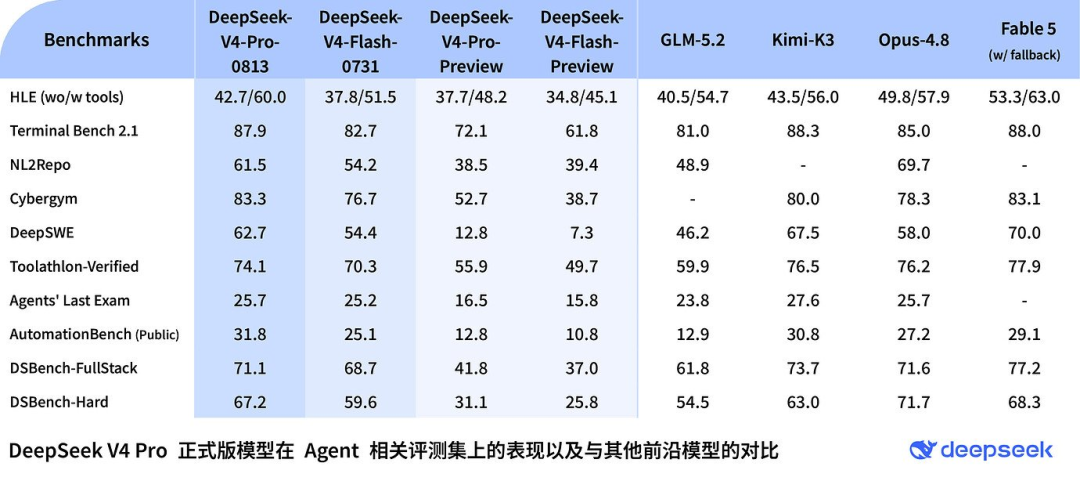
DeepSWE from 12.8 to 62.7, roughly a 4.9-fold increase. This is the magnitude of improvement in software engineering intelligence for DeepSeek's official V4-Pro release (version 0813).
On the evening of August 12th, this model quietly appeared in DeepSeek's API documentation, without a press conference or official announcement tweet.
In terms of pricing, DeepSeek V4 Pro is positioned as a premium option with higher prices than V4-Flash. Calculated per 1M tokens, cached input hits cost 0.025 yuan, non-cached input costs 3 yuan, and output costs 6 yuan. In comparison, V4-Flash costs 0.02 yuan, 1 yuan, and 2 yuan respectively. The output token price increased from 2 yuan to 6 yuan, exactly threefold. The non-cached input price also tripled from 1 yuan to 3 yuan.
'Liang Sheng' is true to form, as unconventional as ever, even making the price hike announcement crystal clear: 'We plan to raise DeepSeek API service prices overall in the near future, with a significant expected increase.'
So, we spent a night using the community's latest set of complex testing methods to see where its confidence for raising prices came from.
Let's put the conclusion here first: this upgrade is absolutely solid, with a qualitative leap in front-end aesthetics and reliably strong Agent capabilities. However, there are also perplexing bugs, such as a pelican flop (overturning while riding a bicycle) and generating two crescent moons hanging in the sky.
A New Version Released Quietly
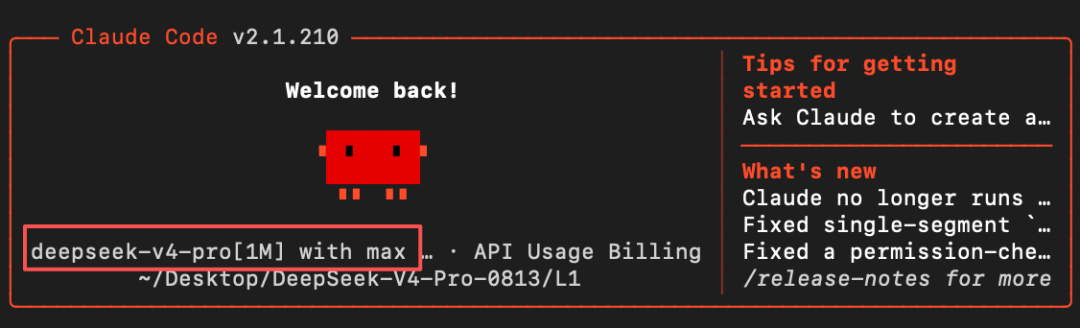
V4-Pro is not a new model but a formal release. On April 24th of this year, DeepSeek released the V4 series, with the Pro version still in Preview status at the time. More than three months later, the official version arrived, named simply with the date 0813.
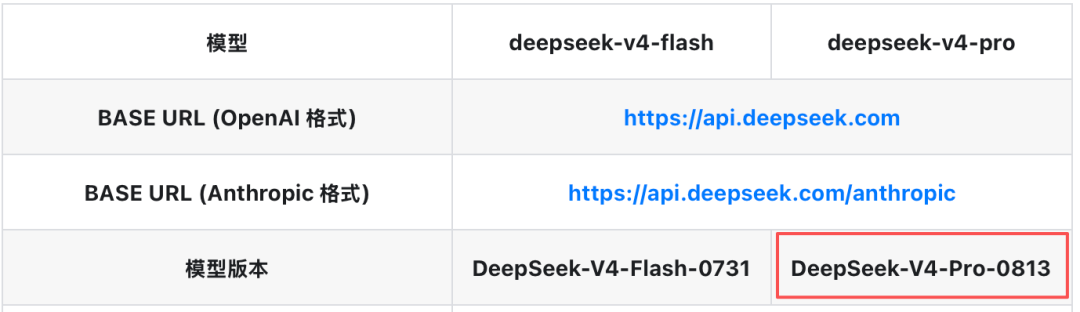
For this formal release, several concrete improvements were made in parameters. It supports a context length of 1M, raises the output limit to 384K Tokens, and supports both thinking and non-thinking modes, with the thinking mode enabled by default. The interface is compatible with both OpenAI and Anthropic formats, allowing direct base_url switching when access (connecting to) Agent frameworks like Claude Code.
The Official Narrative Shifts
More important than parameter changes is the shift in the official narrative. Instead of emphasizing 'better at answering questions,' the focus is now on 'better at completing tasks.' One blogger translated the official data into layman's terms: DeepSWE improved from 12.8 to 62.7, testing not 'whether it can write a piece of code' but 'whether it can work continuously like an engineer.'
Nine Agent and code benchmarks saw significant improvements. Terminal Bench 2.1 scored 87.9 (terminal operations), Cybergym rose to 83.3 (cybersecurity), NL2Repo reached 61.5 (natural language to code repository), and DeepSWE grew to 62.7 (software engineering), compared to respective increases of 15.8, 30.6, 23.0, and 49.9 in the Preview version.

Doubts exist in the community, with some developers arguing after comparison that 0813 still slightly lags behind Luna MX, while others point out that it trails behind Kimi K3 in about half of the benchmarks. The official benchmark report has not been released, meaning all claims rely on third-party verification.
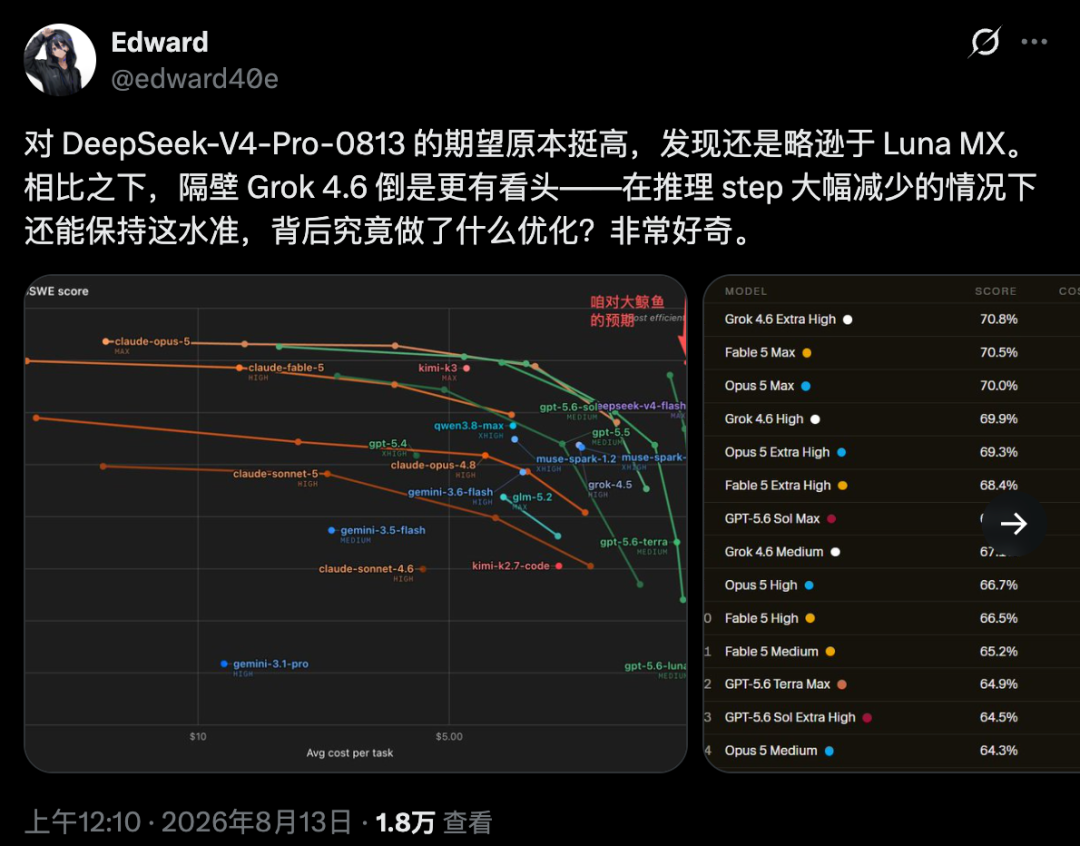
This is why we conducted this test—to verify claims firsthand rather than relying on official numbers.
Test Questions Evolve: From Pelicans to The Lord of the Rings
Before starting, a crucial background must be shared: testing methods in the community are evolving. On August 2nd, Karpathy, now at Anthropic, posted a long tweet suggesting we move beyond tests like 'pelican riding a bicycle.'
He fed Opus 5 the opening paragraph of *The Lord of the Rings* with a budget of 1 million tokens (about $10), requesting three JS rendering versions. Opus 5 ran for about 2 hours, wrote 5,500 lines of code, and built a 'somewhat 1990s Chinese 3D animation-style' Hobbiton using Three.js, complete with clipping and floating issues.
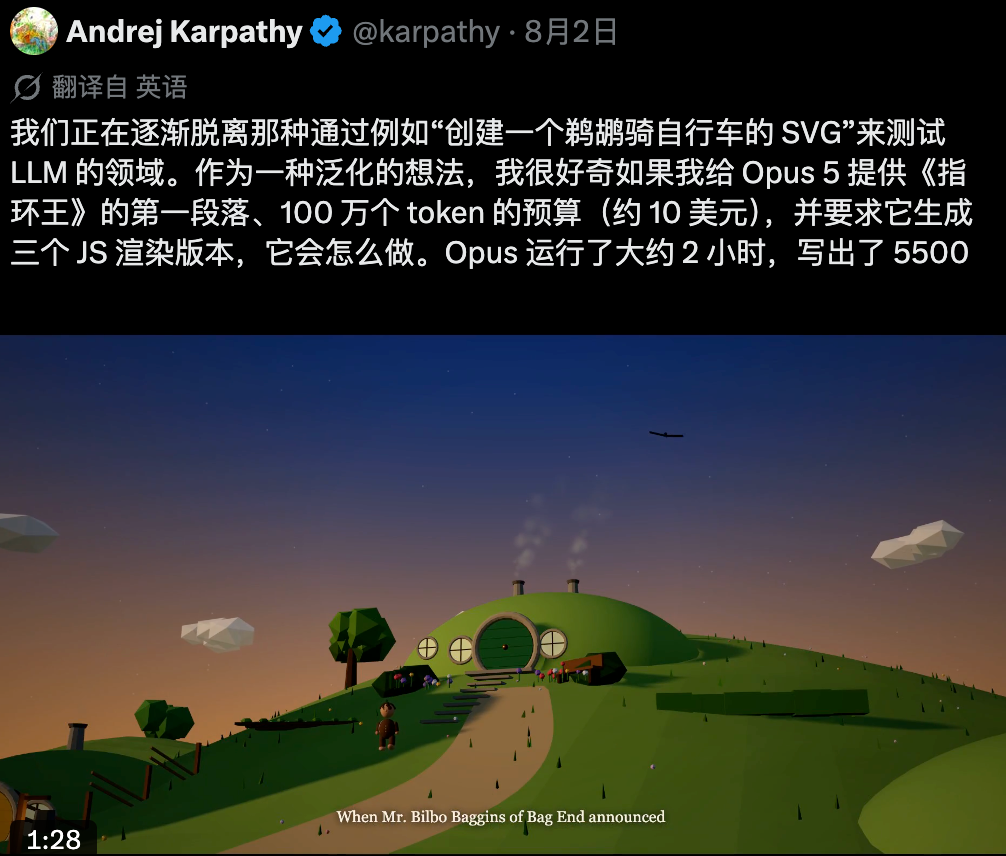
Later, a netizen replicated the test with DeepSeek V4 Flash, resulting in characters floating unrealistically with obvious flaws.
Thus, our tests for 0813 avoided basic capabilities entirely, using only the latest and most complex methods. Instead of a web chat interface, we connected DeepSeek to Claude Code's Anthropic-compatible interface, letting it work in a real Agent environment. We designed seven tasks, progressing in difficulty from old benchmarks like the pelican to new ones like *The Lord of the Rings* 3D world, culminating in three rounds of long-term engineering tasks.
It Flipped on the First Try
First, the bad news: DeepSeek-V4-Pro flop (overturned) immediately.
The first task was our old friend, the 'pelican riding a bicycle' problem under old benchmarks, involving SVG generation to make the pelican ride and move. Though Karpathy called for retiring this test, its widespread use made it ideal as a control.
0813's performance: the pelican's feet pedaled, but the pedals weren't on the bicycle. The frame structure looked unscientific—wouldn't the pelican's rear end catch fire like this?

We suspected overthinking due to high reasoning intensity, so we reduced it from max to high and tested again. The result remained: the pelican's shape was odd, and the clouds in the sky were still reversed.

Interestingly, similar issues occurred when testing Kimi K3 previously. Could frontend capabilities exceeding a certain threshold lead to flop (overturning) on simple tasks? With too few samples to conclude, the first task reminded us not to focus solely on highlights during testing.
60 Styles, One Wall
The second task turned the tables: we asked 0813 to generate a Bento card wall with 60 design styles in one HTML file, each card using the most typical visual language of its style without merely changing colors.
The result was surprisingly complete: all 60 styles were implemented, strictly adhering to irregular collage requirements, with clear differences between styles—all passed in one try without any lazy 'color-swapped cards.' Future vibe coding projects need no longer worry about monotonous styles.
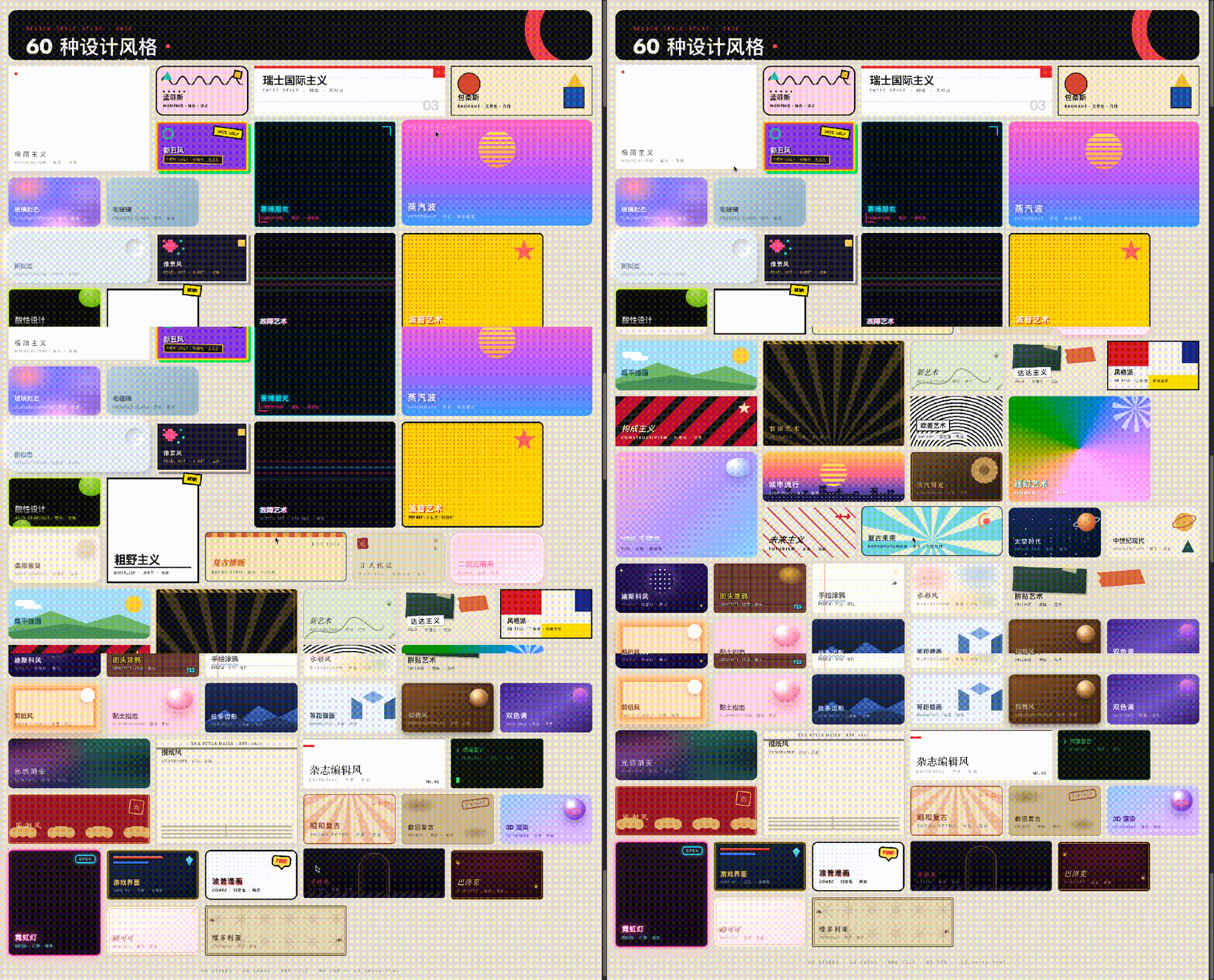
This task truly tested its understanding of 'design grammar.' Glassmorphism and Brutalism share almost no visual similarities, yet 0813 accurately captured both and arranged them on one wall, indicating substantial accumulation of style corpora rather than rote memorization of a few color schemes.
Turning Text into Animation
The third task involved frontend animation storytelling: we gave 0813 a passage describing 'an old sailor waiting for a ship at night' and asked it to create an auto-playing, looping animation page with camera movements advancing over time and emotions conveyed through color schemes and pacing.
It delivered a complete narrative, mastering style, rhythm, and camera progression—from a distant town view to the dock, then to the lighthouse, looping smoothly with elegantly typeset text overlaying the scenes as they appeared.
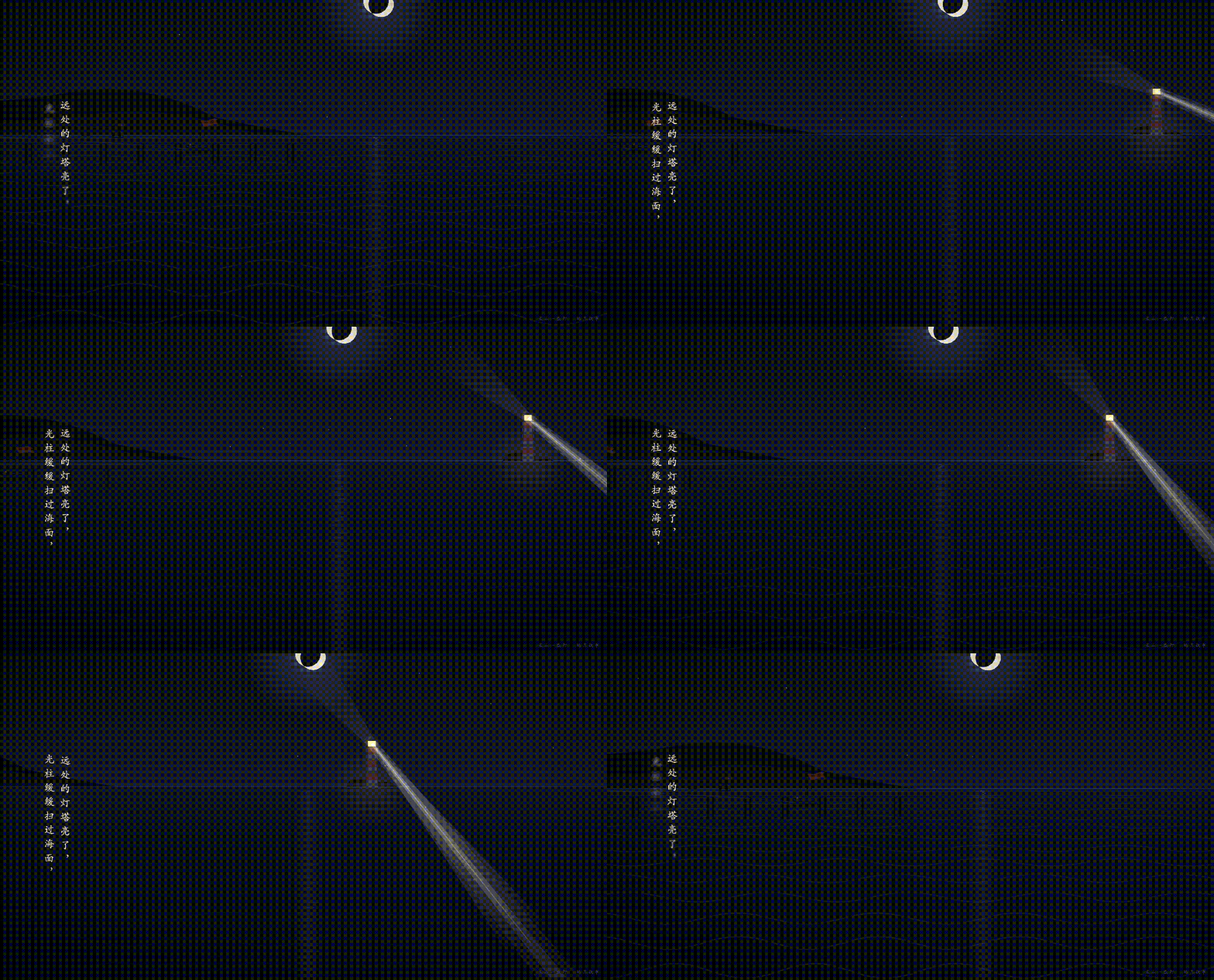
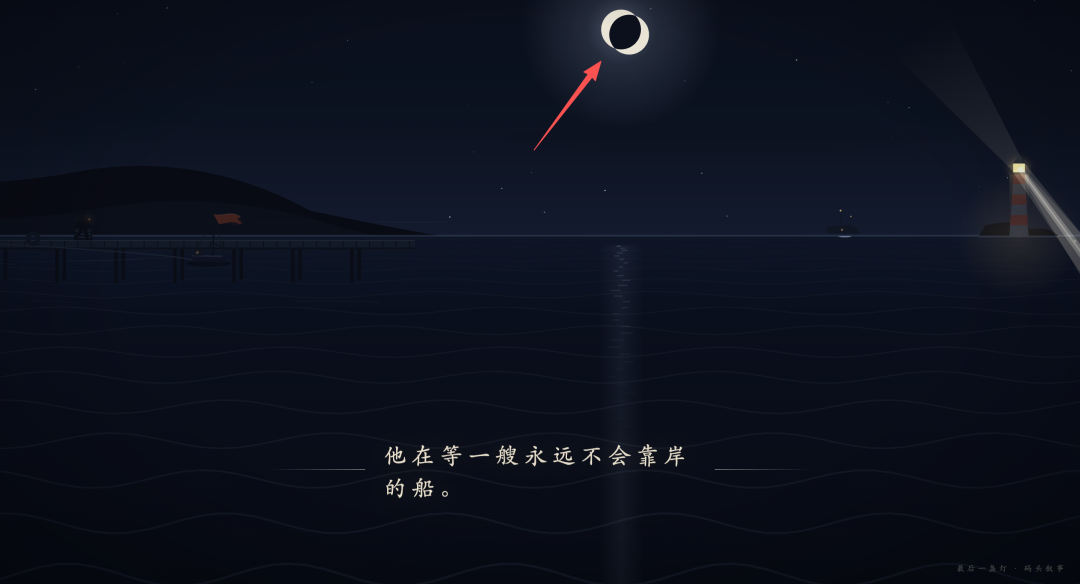
The only issue was the moon, which was clearly drawn incorrectly. A model this capable stumbled on something as simple as the moon, mirroring the pelican's flop (overturning) in the first task. We couldn't identify a pattern in its errors yet, so we noted it for future analysis with more samples.
This Time, the Color Scheme Doesn't Look AI-Generated
The fourth task was a Three.js 3D brick-breaking game, requiring a closed-loop game mechanism playable to a win/lose outcome while balancing UI and game feel.
The game worked flawlessly, with accurate collisions, no clipping, and proper scoring logic—all passed in one try. But what impressed us most wasn't the mechanics but the color scheme, which no longer felt 'AI-generated' at first glance.
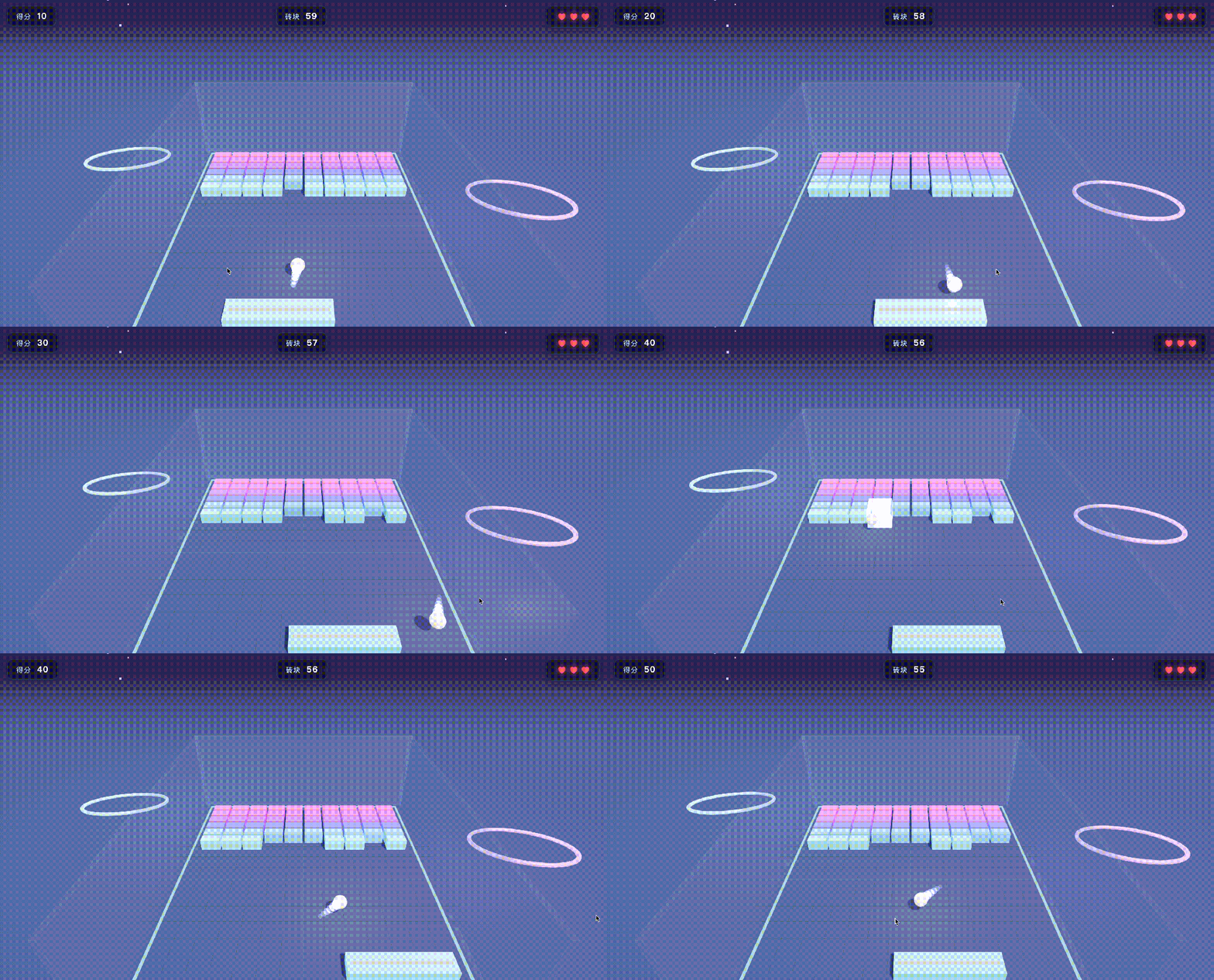
This deserves elaboration: for most of the past year, AI-generated frontends suffered from a common flaw—blue-purple gradients, glassmorphism, rounded cards—that looked fake. 0813's color schemes, collision sounds, and operational feedback now rank among top-tier models, justifying the price hike as a cost-effective choice despite the increase.
Letting AI Build Middle-earth
The fifth task was the star of the show: Karpathy's new benchmark. We gave 0813 the opening of *The Lord of the Rings* Chapter 1 and asked it to build a functional 3D world of Hobbiton's 111th birthday party using Three.js.
Unlike Karpathy's full paragraph for Opus 5, we provided only the opening to get results quickly. 0813 delivered: Cave house (hobbit holes), Banquet long table (banquet tables), guest (guests), and Fireworks (fireworks) were all present, with no floating or clipping issues. The camera moved from a bird's-eye view of Hobbiton to Bilbo, then settled into monotonous left-right panning.
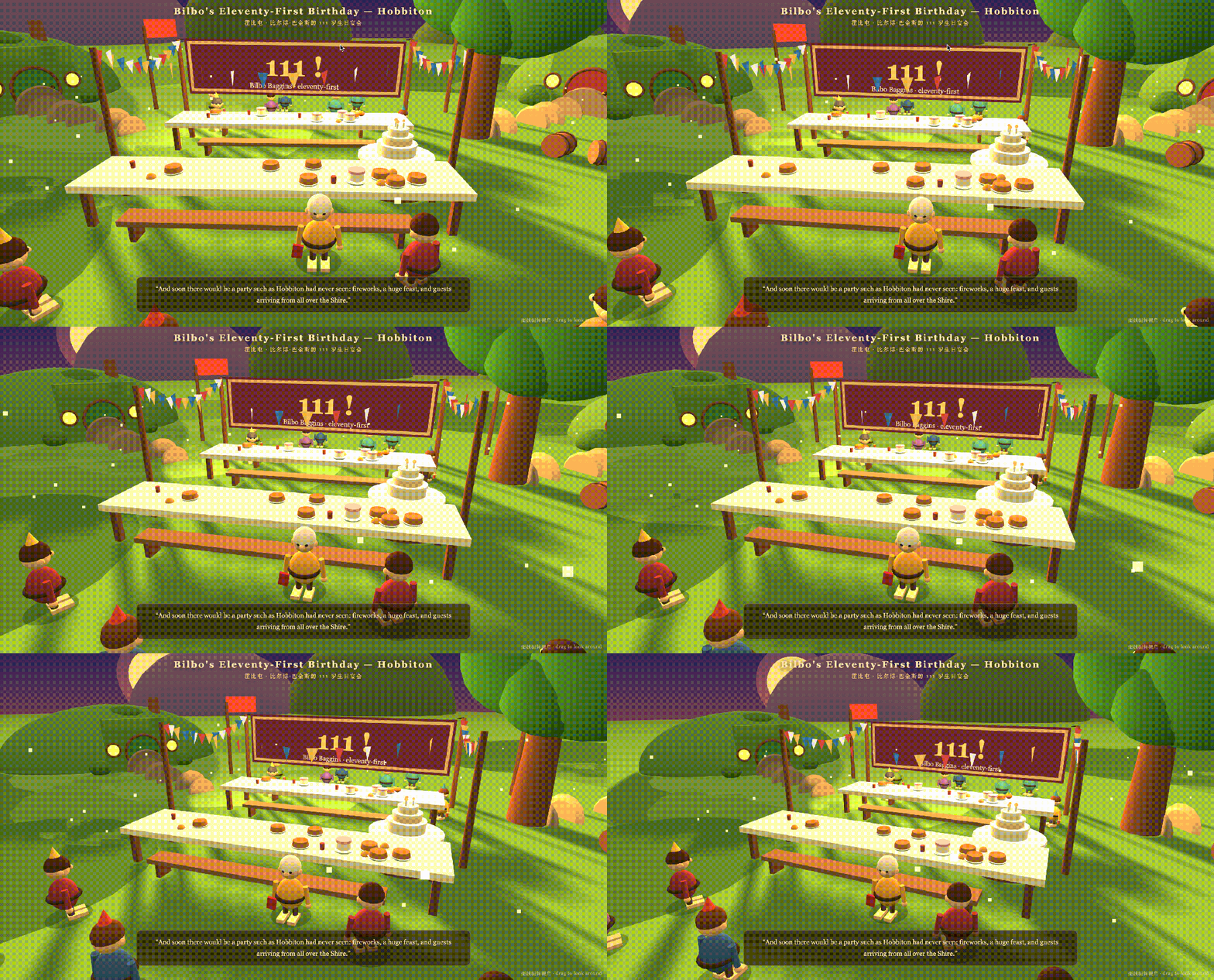
From this single scene, 0813 matched Opus 5. Note that this doesn't imply overall parity between the models, as the sample remains limited to a single scene and paragraph. However, it shows that domestic models haven't fallen behind in 'reading literature and building a world'—a new track (track). We'll provide full paragraphs in follow-up comparative tests before drawing final conclusions.
1.5 Hours, a Floating Island
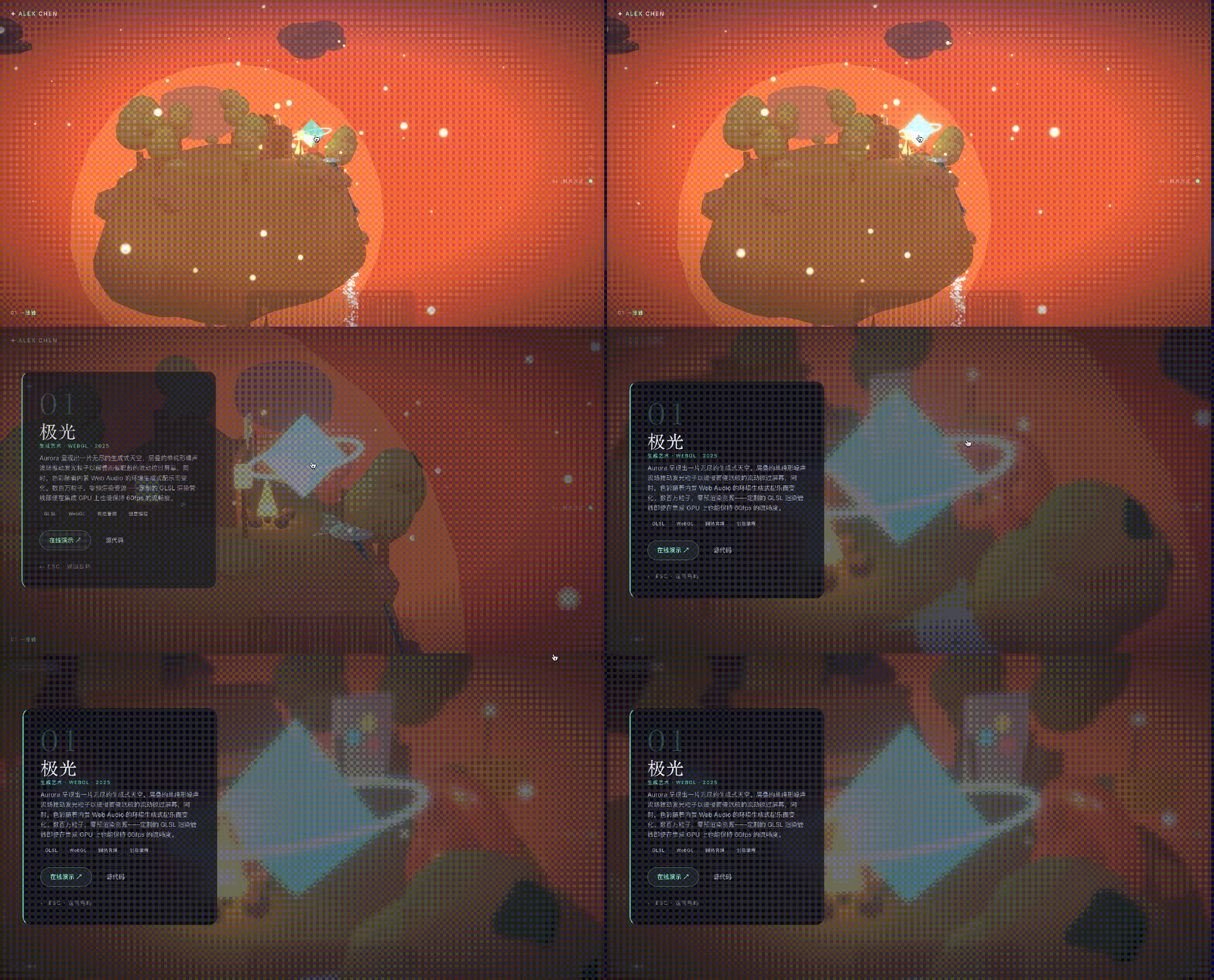
The sixth task was the grand finale: using the exact same prompt as GPT-5.6, Kimi K3, and V4-Flash-0731, we asked 0813 to create a React Three Fiber 3D floating island portfolio website with camera-driven scrolling, four-chapter storytelling, object interactions, Bloom post-processing, and mobile degradation—all requirements met.
This task took 1.5 hours, the longest of the session. In the final half-hour, it repeatedly tested whether the project could launch smoothly before delivering a bug-free first run.
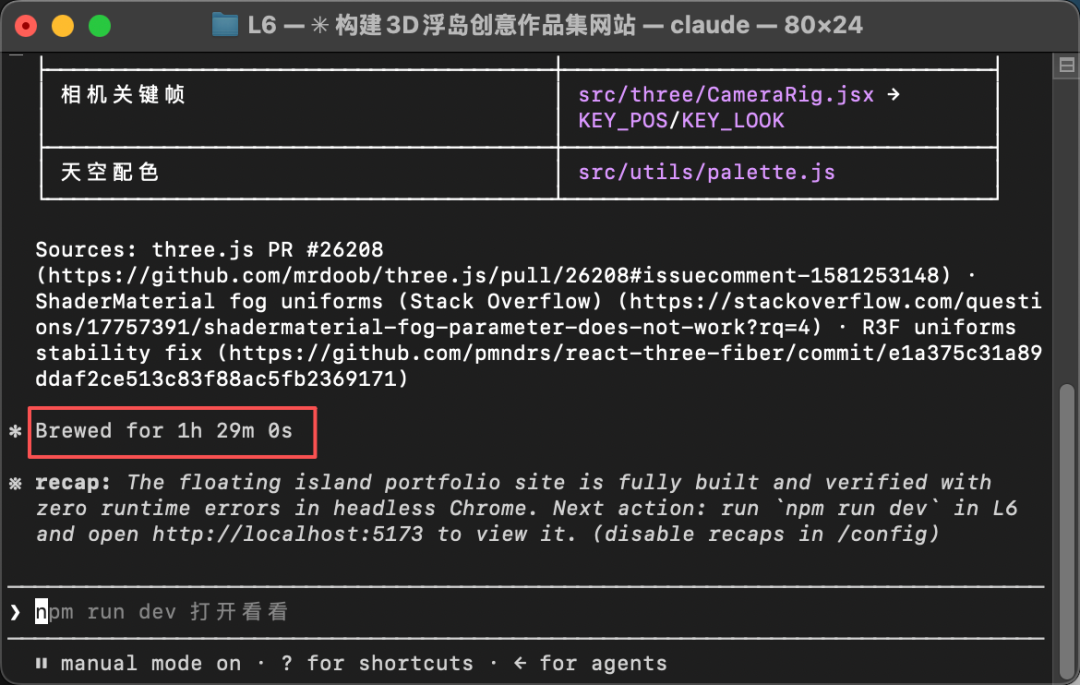
Transitions, camera movements, interactions, and mobile adaptations were excellent. The only flaw was initial overexposure, blinding users upon entry.

The historical performance speaks for itself: GPT-5.6 Sol has the highest level of functional completeness, but it blurs the background when clicking on objects; Kimi K3 offers the best visual experience and completion among the previous five models; V4-Flash-0731 features an island that rotates on its own and dynamic grass, but its camera movements are noticeably inferior to the first two.
For the 0813 version, it has added camera movements, transitions, and interactions on the basis of V4-Flash. The claim that its performance approaches Fable 5 is not just empty talk; 0813 has real substance.
Can it complete a task continuously?
The final test returns to the most challenging claim from the official: a long-term project in the style of DeepSWE. We asked 0813 to build a full-stack accounting application from scratch, undergoing three rounds of iteration: core accounting functions, monthly categorical statistics, and budget alerts. In each round, it had to modify multiple files, add tests, run tests, and fix any failures on its own.
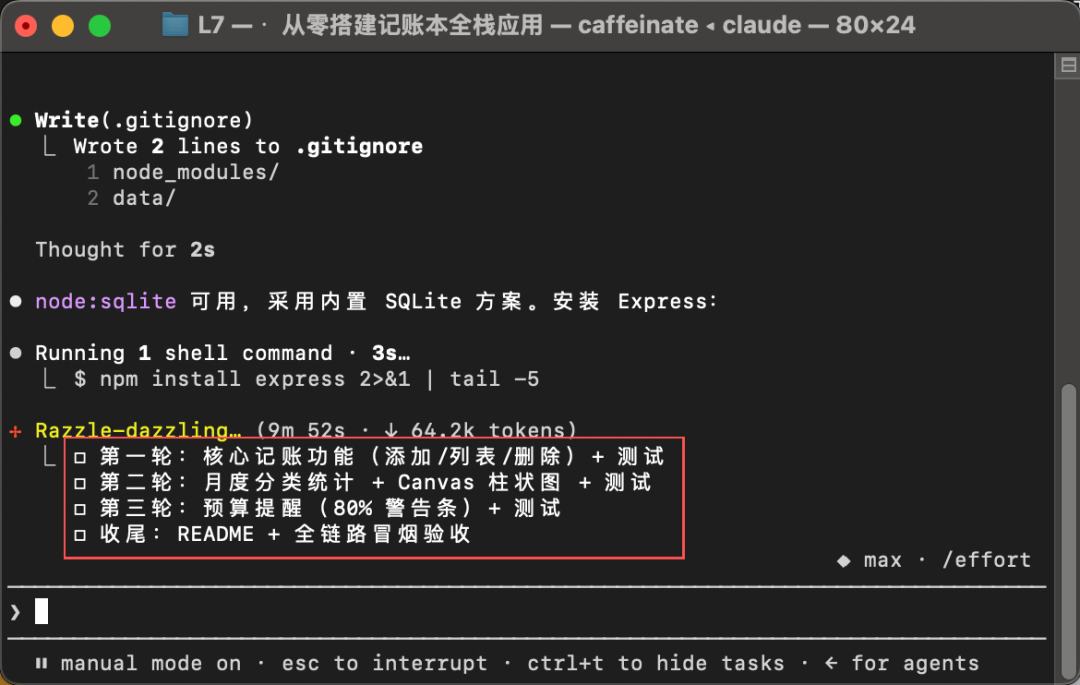
All three rounds were completed. The key lies in the process: it didn't just write one round and pretend it was three. Instead, it ran real tests in each round, fixing bugs on its own until passing before moving to the next round. We never had to intervene for error correction. The only minor hiccup was that it requested permission every time a new file was created.
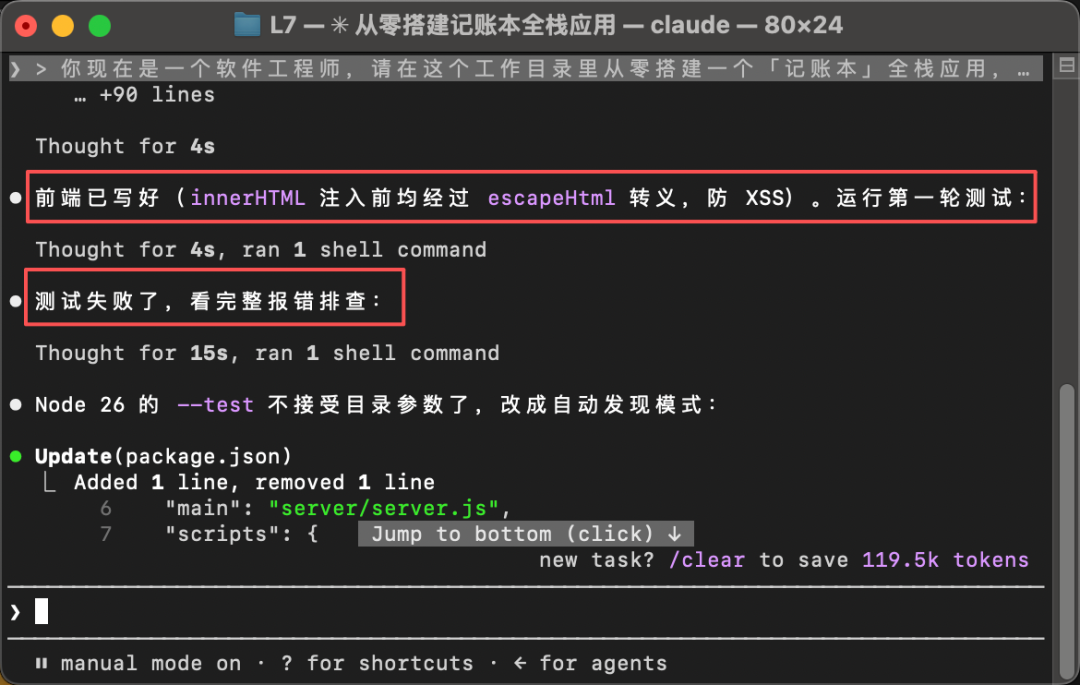
This down-to-earth work style is truly heartwarming. No matter how powerful a model is, the ability to reliably meet user needs is what truly matters, and 0813 excels in this regard.

A potentially underestimated version
Looking back at the seven tests, the profile of 0813 is more nuanced than the official benchmark.
Front-end aesthetics represent the most significant qualitative improvement this time. From the color scheme of brick-breaking to the camera movements of floating islands, it has moved beyond the stage of "AI front-ends looking obviously fake" and now stands among the top-tier models. It scored high across all creative tasks, with zero floating or clipping issues in the Lord of the Rings scene, on par with Opus 5 in single-scene performance. Its long-term project work is solid, featuring closed-loop testing and self-fixing bugs—exactly what "continuous work" looks like.
However, issues do exist. Two basic mistakes—one with a pelican and another with the moon—occurred in areas where it is highly capable. Even the powerful K3 has made similar errors, and this remains unexplained for now.
Interestingly, Grok 4.6 was released almost simultaneously with 0813—one a top-tier closed-source model, the other a top-tier open-source model, both following a highly cost-effective pricing strategy. This showdown may reveal more than the official benchmarks, and we are already preparing a comparative test on the same tasks for these two models.

As for whether it's still worth it after the price increase, based on this performance, even with a price hike, it remains highly cost-effective. Even well-funded DeepSeek is moving away from price wars, as the collective shift of AI large models toward high-performance and high-value routes has become a trend. The window for free lunches is closing.

-
![]()
JD's Profit Increases While Revenue Stagnates: What is Liu Qiangdong After?
-
![]()
Creating "Liquid Lenses" with 70-Millisecond Focal Length Switching: Is XR Headset Zooming on the Horizon?
-
![]()
Xingyun Technology’s Remarkable Surge Over the Past Six Months
-
![]()
Chery Enters Korean Market with $75 Million Investment: A Strategic Model Combining Defense and Offense
-
![]()
JD Delivers an 'Above Expectations' Earnings Report, but the Market Doesn't Buy It
-
![]()
The 'Boxy' SUV Market Welcomes a 'Behemoth': Can the Great Wall H10 Stand Its Ground?
-
![]()
Half-Year Report | In the first half of 2026, sales volume of China's smart glasses market soared by 85.5%, with sales amount doubling; full-year sales volume forecast to reach 2.5 million units
-
![]()
DeepSeek-V4-Pro Official Version Tested: A Mountain's Height Matters Less, Presence of 'Liang' Matters More