Smart Glasses on the Eve of IPO: A 'Collective Breakout' Forced by Cash Flow
 04/13 2026
 643
643
'The time for the Chinese team is actually running out.'
This phrase is commonly heard on the football field, but this time, the arena has shifted to one of the tech world's most crowded races: smart glasses.
In 2026, while shop owners in Shenzhen's Huaqiangbei are still debating whether AI glasses are the 'next iPhone' or 'expensive electronic trash,' a higher-dimensional war has already begun. On April 1, XREAL submitted its prospectus to the Hong Kong Stock Exchange without preheat or buildup, like a depth charge, awakening the long-dormant AR sector.
But this is not an isolated case: Multiple sources indicate that Rokid has completed its restructuring, Thunderbird Innovation is expanding its team, INMO Technology is poised for action, and VITURE is also busily preparing for an IPO, which may ultimately point to the U.S. capital market.
This is no longer a technology marathon but rather a 'time-limited qualifying race' on the eve of an IPO.
Why Now? A Forced 'Collective Breakout'
Why are all the leading players unanimously targeting the 2026 time window?
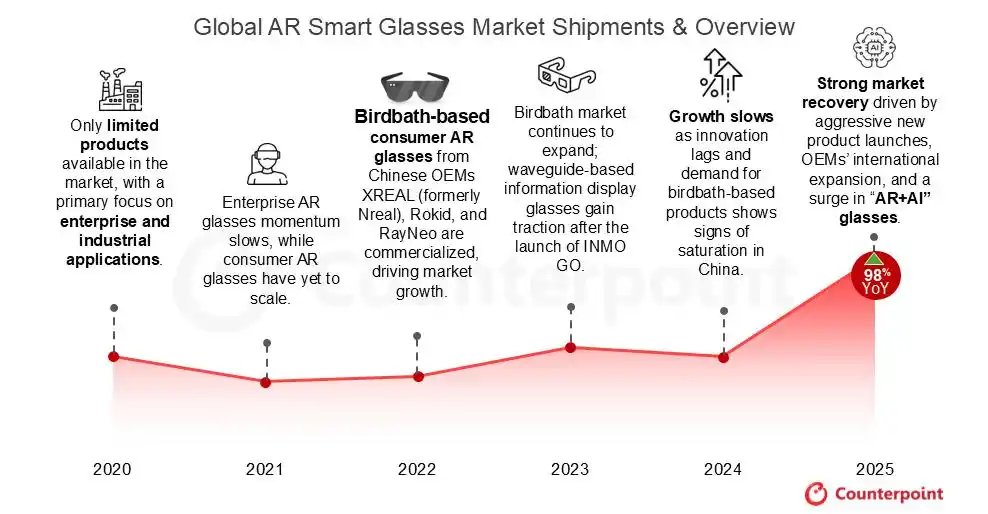
The surface narrative is sexy and enticing: The 'AI+AR' window of opportunity (fengkou, meaning 'trend' or 'wave') has finally arrived. Meta's collaboration with Ray-Ban on glasses, achieving million-unit sales, has shown capital the certainty of glasses as an AI gateway. China Merchants Securities' research report points out that the global AI glasses industry is welcoming a historic 'iPhone moment' in 2026; CounterPoint Research reports a 98% year-over-year growth in global AR smart glasses shipments in 2025, reaching a record high, with an even higher 148% growth in the second half of the year. Such exponential growth is enough to make any investor's eyes gleam.
But deeper reasons lie in the urgency not written in press releases.
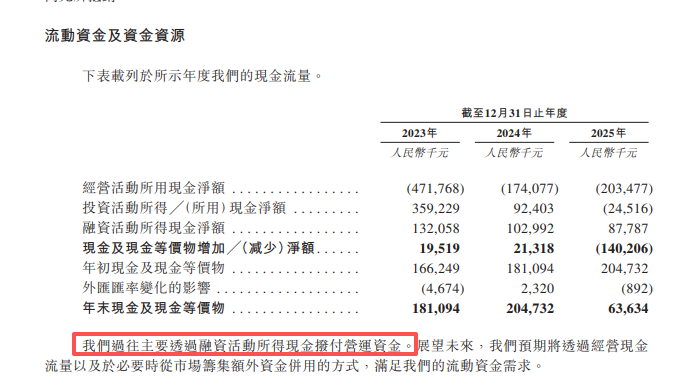
First, the need for 'lifesaving money.' For hardware startups, cash flow is oxygen. XREAL's financials show that while revenue climbed to 516 million yuan, cumulative losses over three years exceeded 2 billion yuan. By the end of 2025, the company's cash on hand had dwindled to just 63.63 million yuan. For a hardware company, this reserve is like 'licking the blade's edge.' An IPO is the only key to unlocking secondary market financing; otherwise, running out of ammunition means collapsing before even reaching the battlefield.
Second, the exhaustion of capital patience and the pressure to exit. Money in the primary market is becoming more expensive and cautious. Early-stage venture capital firms have accompanied these startups through the toughest R&D phases. For leading companies like INMO Technology, Thunderbird Innovation, Rokid, and XREAL, financing rounds are now in their late stages, and investors demand clear exit paths. An IPO is not just a funding channel but also a brand endorsement, a way to establish industry standing, and the only opportunity to build moats before tech giants fully enter the fray.
Finally, the 'qualifying race' window. The current competitive landscape is extremely crowded. Xiaomi, Alibaba, Baidu, and even Li Auto have entered the arena. At this stage, whoever lands on the capital market first gains a dimensional advantage in brand endorsement, talent attraction, and financial reserves. Like the 'thousand-group battles' and 'ride-hailing wars' of the past, going public is not just about raising money but also about declaring 'I'm a leader' in the public opinion warfare (yulunzhan, meaning 'public opinion war').
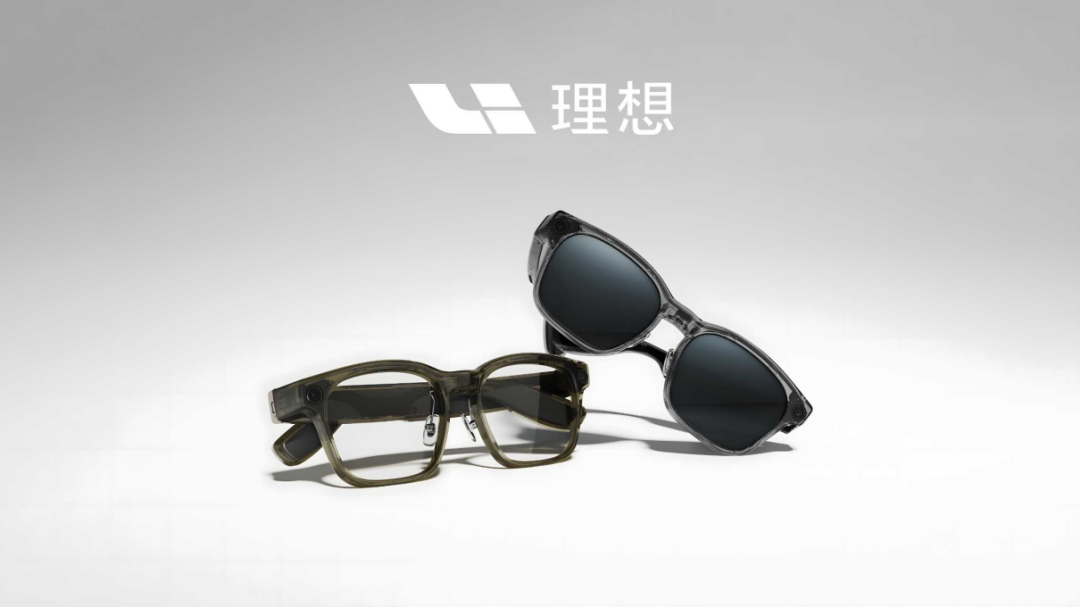
Additionally, considering Meta's new large model Muse Spark's capabilities and Apple's gradually substantiated rumors about AI glasses, this feels more like a collective risk hedge. If Apple's XR devices truly mature and land, or if Meta further dominates the market, the survival space for Chinese startups will be severely compressed. Today's 'sprint' is essentially a race against time and a head start against tech giants.
Potential Players: Who's Sharpening Their Knives for an IPO?
In the global smart glasses landscape, Chinese companies already occupy half the market. Unlike U.S. firms focused on lengthy explorations of underlying optical technologies, the Chinese contingent excels at product definition, supply chain integration, and rapid iteration. Currently, the most promising candidates for an IPO are the following key players:
XREAL: The Most Successful 'Globalization Sample' in Overseas Markets
Unique Value:
Brand Internationalization: If any Chinese company in AR has truly achieved 'globalization,' XREAL leads the pack. According to iResearch Consulting, XREAL ranked first in the global AR glasses market by sales revenue from 2022 to 2025.
Capital Endorsement: Since its 2017 angel round, XREAL has completed 12 financing rounds, attracting investments from Sequoia China, Hillhouse Capital, Alibaba, Kuaishou, Shunwei Capital, and others, totaling over 2.3 billion yuan.
Strategic Highlights: Collaborating with Google on Project Aura, and in January of this year, Google announced a renewed multi-year strategic partnership with XREAL, which will continue as the primary hardware partner for the Android XR ecosystem. Additionally, it has deep collaborations with automakers like BMW and NIO.

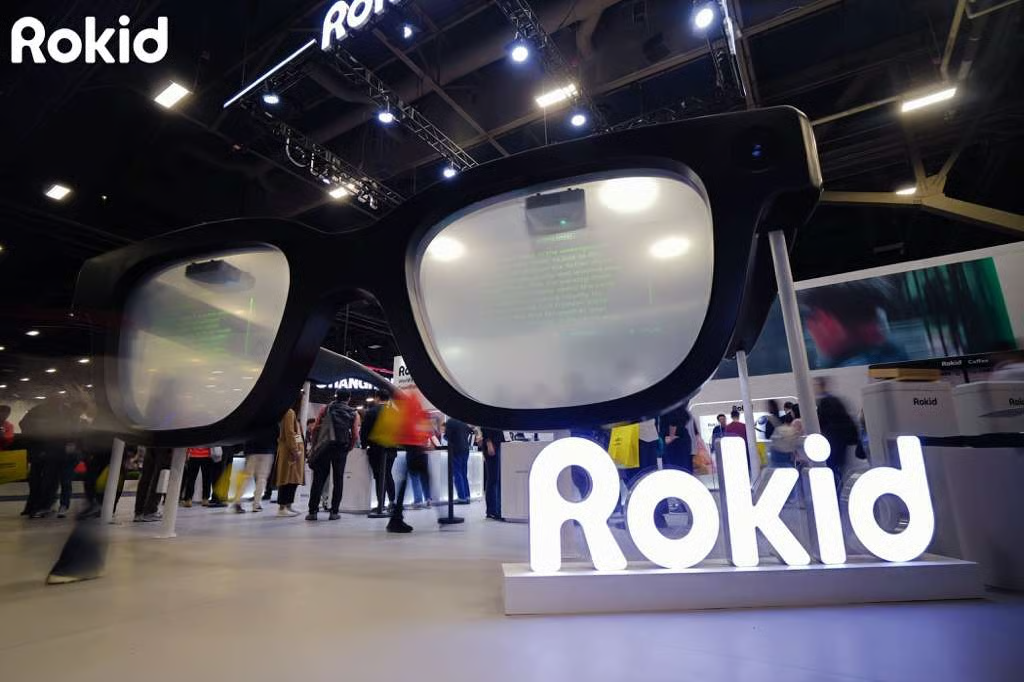
Rokid: The 'Steady Player' Driven by B2B and B2C Dual Wheels
Unlike XREAL's focus on the consumer side, Rokid's story resembles a 'steady player' driven by both B2B and B2C segments.
Unique Value:
B2B Moat: In verticals like power, cultural tourism, and industry, Rokid's AR solutions have standardized delivery capabilities. This segment provides a stable revenue base, an essential 'certainty' in its IPO narrative.
AI Large Model Integration: Rokid pioneered integrating large models like Tongyi Qianwen into glasses, setting a benchmark for 'AI+AR' personal assistants.
Capital Advantages: Attracted renowned institution (zhiming jigou, meaning 'well-known institutions') such as IDG Capital, Temasek, Vision Knight Capital, Linear Capital, and Walden International, along with multiple local government investment platforms. This diversified capital background provides ample financial support, giving Rokid more initiative in choosing its listing path, whether in Hong Kong or other markets.
Thunderbird Innovation: The 'Supply Chain Dark Horse' Under TCL's Ecosystem
Unique Value:
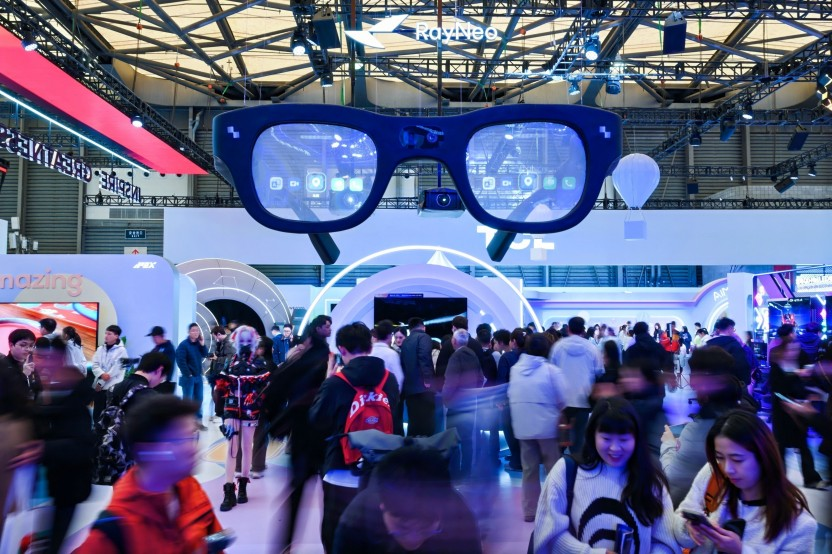
Technology Radicalism: In optical displays, it possesses the world's smallest full-color Micro-LED light engine (0.36cc) and self-developed light waveguide technology, achieving a peak brightness of 5000nits. In algorithms and AI, it features self-developed SLAM algorithms and the RayNeo AI OS operating system, supporting hand-eye interaction and multimodal large model local operation.
Supply Chain Dark Horse: As an AR brand incubated by TCL Electronics, Thunderbird Innovation inherently carries 'supply chain genes.' This is a massive advantage in hardware entrepreneurship—cost control and mass production stability far exceed peers.
Global Market Share Leadership: According to Counterpoint Research and IDC data, Thunderbird Innovation ranked first in the global AR glasses market with a 27% share in 2025 and has been the sales champion in China for four consecutive years, capturing 32% of the domestic market in 2025. In Meta-dominated North America, it achieved a phenomenal 456.5% year-over-year growth, marking a breakthrough.
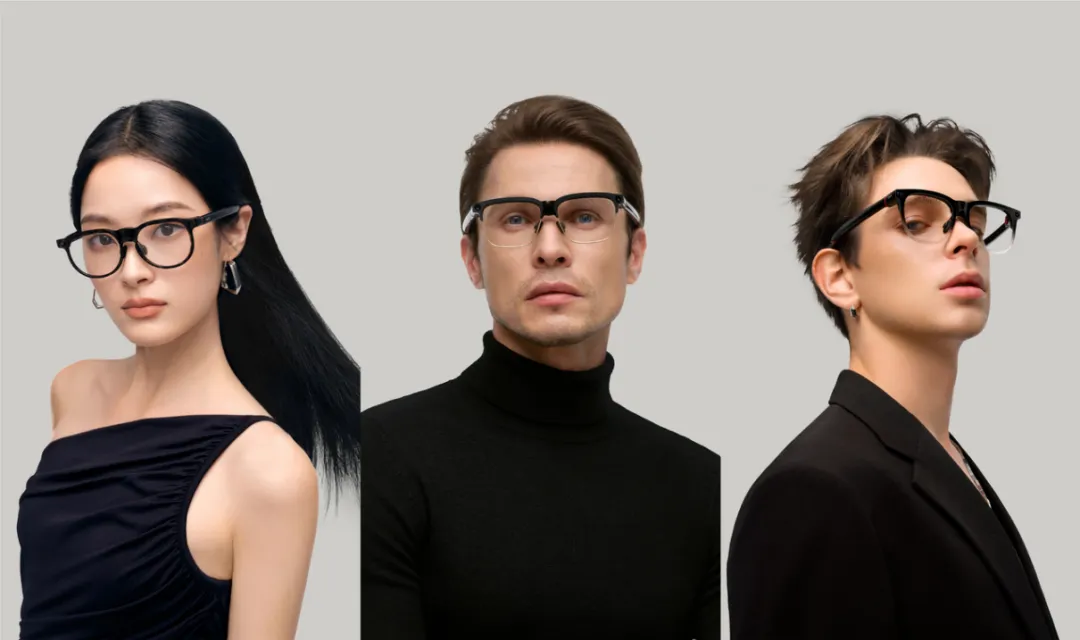
INMO Technology: The 'Aesthetic Breakout' of Emerging Forces
Unique Value:
Light Waveguide Display: Self-developed IMAR optical engine, first to achieve mass production of dual-eye 1080P Micro-OLED light waveguide solutions in the INMO AIR3, with industry-leading image quality, field of view, and brightness.
Manufacturing and Capacity: Its first self-owned production line in Wuxi has commenced operations, with an annual capacity of 100,000 units at full production, laying a solid foundation for scalable delivery.
Capital Attention: Completed three financing rounds (B2, B3, and C1) in 2025, totaling nearly 500 million yuan, becoming one of the most densely funded and capital-attended companies in the current AI+AR smart glasses sector.
VITURE: The 'New Force' Focused on Niche Scenarios
Unique Value:
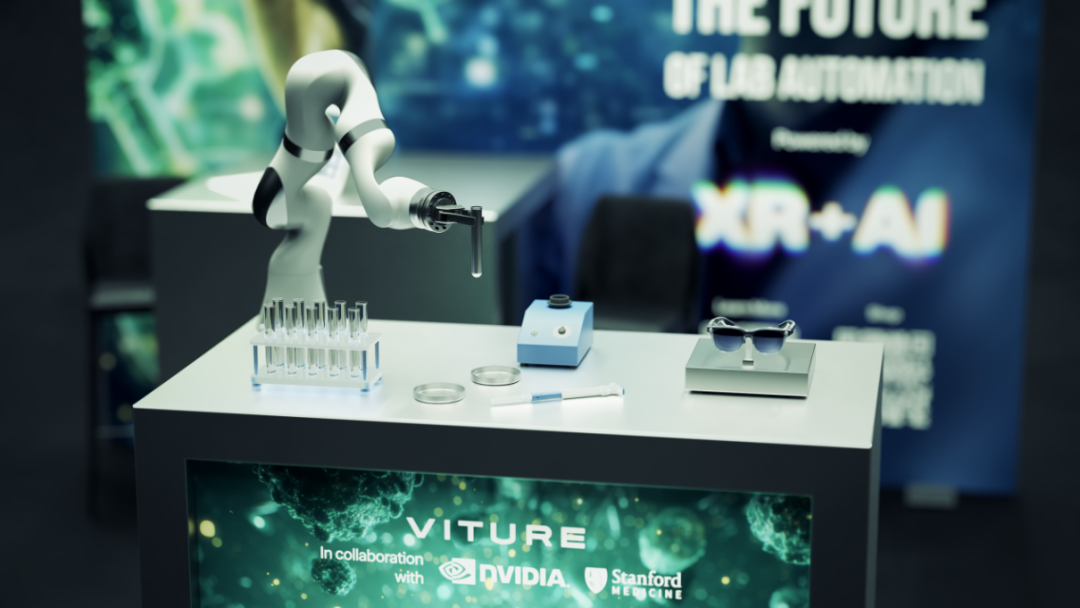
Differentiated Positioning: VITURE represents the agile approach of new-generation startups. It doesn't pursue breadth but focuses on specific scenarios and demographics, entering the 'handheld gaming + immersive viewing' niche market through its Luma series and Beast XR.
Design-Driven: In 2023, it swept four major design awards (iF Design Award, Red Dot Design Award, GMARK Good Design, and IDEA), deeply loved by overseas tech bloggers and gamers.
Diverse Commercial Scenarios: In cultural tourism, VITURE partnered with the Temple of Heaven to create immersive XR tours 'like time travel'; in healthcare, its XR glasses provide visual assistance for low-vision groups, enhancing clarity.
Going Public ≠ Safety: An IPO Is Not the Finish Line but a 'Death Pact'
Despite the allure of an IPO, we must Realizing soberly (qingxing di renshi dao, meaning 'soberly recognize') that going public does not equal safety.
Profitability Dilemma: An Unavoidable Financial Black Hole
Smart glasses are still in the 'acclaimed but not profitable' phase. While leading companies have achieved sales in the tens or even hundreds of thousands, this is still a drop in the bucket compared to mass-market products like smartphones. The contradiction between high R&D investment (optics, algorithms, chip customization) and limited market scale will be infinitely magnified post-IPO.
Ray-Ban Meta's profitability benefits from Meta's massive ecosystem subsidies and ad revenue sharing, which independent manufacturers lack. Once financial reports show sustained losses, stock prices will face immense pressure in the secondary market. Achieving profitability while maintaining R&D investment is the top challenge for all pre-IPO companies.
Ecosystem Shortcomings: Hardware Without 'Killer Apps' Is Just an Accessory
The iPhone's success relied on the App Store; Vision Pro's struggle lies in the lack of killer apps. Currently, most smart glasses still depend on smartphone computing power, with applications limited to shallow functions like viewing, teleprompting, and navigation.
Without the emergence of AR apps on par with 'Angry Birds' or 'Honor of Kings,' smart glasses will never escape the fate of being 'advanced accessories.' Post-IPO, a company's ability to build a developer ecosystem will determine its long-term value.
Giant Shadow: Survival Choices in the Cracks
Meta, with its Quest series and Ray-Ban glasses, has already built a massive user base and developer community; Apple wields the strongest brand appeal and ecosystem closed loop (bihuan, meaning 'closed loop'). After going public, Chinese startups will face direct competition from these two giants.
More What's serious is (yanjun de shi, meaning 'more What's serious is ') domestic giants like Huawei, Xiaomi, Baidu, and Alibaba have also entered the fray. They possess ready channels, brand loyalty, and financial reserves. If giants launch products with comparable experience at lower prices, startups' market share could be rapidly eroded. Between being acquired and remaining independent, this is a brutal strategic choice.
Conclusion
The eve of IPOs in the smart glasses sector is a battle of courage and wisdom.
For Chinese companies like Thunderbird Innovation, Rokid, XREAL, and INMO Technology, going public is not just a capital feast but a major test of their technological accumulation and market validation over the past few years. They must balance 'scalability' and 'profitability,' finding consensus between 'technological innovation' and 'user experience.'
Ultimately, the survivors may not be the most technologically advanced but those who best understand users, control costs, and build ecosystems the fastest.
In this sprint, some will wear the crown; others will fall. The only certainty is that the era of smart glasses has just begun.
By Vivi
-
![]()
Breaking News | Core Chip Team Member Unexpectedly Changes Jobs! OpenAI Transforms into Anthropic's Talent Hub, with Over 15 Ex-OpenAI Core Members Now Holding Key Roles at Anthropic
-
![]()
When European Factories Face Idle Capacity, Chinese Brands Offer a ‘Traditional Chinese Remedy’
-
![]()
SEER Robotics Passes IPO Hearing: How Valuable Is the 'First Robot Brain Stock?'
-
![]()
5 Years, 170 Billion Yuan Wealth Vanishes: Where Did Wei Jianjun Go Wrong?
-
![]()
What Exactly Has Changed with the AI That Automatically Opens a Browser to Search Xiaohongshu?
-
![]()
Over 3,000 Heat-Related Deaths Daily, Yet India Imposes Ban on Chinese Air Conditioner Imports: Unraveling the Underlying Motives
-
![]()
Second-Hand Car Prices Plummet: Are Gasoline Vehicles on the Verge of Collapse?
-
![]()
800V vs. 48V: Which Reigns Supreme? Online Clash Between Executives Intensifies Debate Over Li Auto and NIO's Suspension Systems | MIRROR Pro