Ma Zhixin: Nissan's Strategy in China is on the Right Track
 04/13 2026
 635
635
"Breaking Through with Three Pillars: Brand, Product, and Global Export"
Author | Zhen Yao Editor | Li Guozheng Produced by | Bangning Studio (gbngzs)
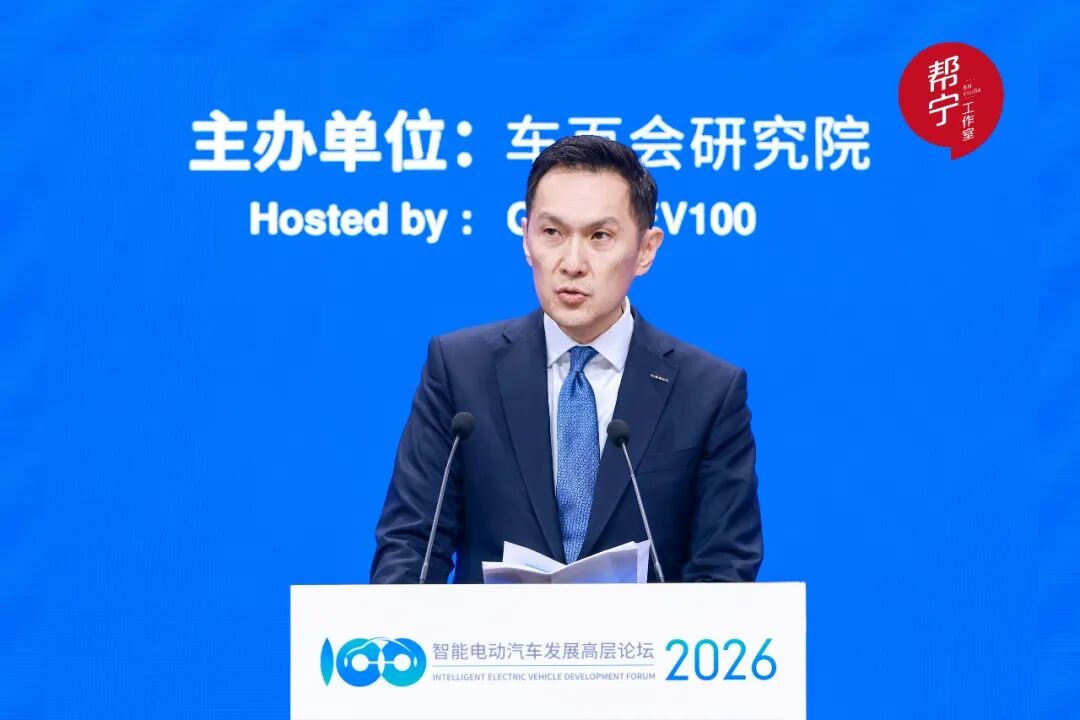
On April 11, at the High-Level Forum on Intelligent Electric Vehicle Development (2026), Ma Zhixin, Global Executive Committee Member and China Region Chairman of Nissan Motor, opened his speech with a candid self-reflection.
"I returned to China last year to conduct on-the-ground research. Some users feedbacked that Nissan's product updates were slow and lacked competitiveness. This put pressure on me and made me realize the urgency of transformation. However, through these exchanges, Nissan also saw its strengths," he said.
Over the past few years, China's automotive industry has rapidly evolved in areas such as electrification, intelligence, AI, and large-scale models, disrupting the original pace of many joint ventures and foreign automakers.
Nissan was no exception. Declining sales of its joint venture products in China, conservative product rhythms, and slow technology implementation compared to local competition once shaped external perceptions of Nissan.
Yet, this multinational automaker, with a long-standing presence in the Chinese market, still holds a solid foundation that is not easily shaken.
To date, Nissan has accumulated over 19 million users in China, with reliability, safety, and excellent quality remaining its core reputation among users.
In Ma Zhixin's view, this is Nissan's most valuable brand asset and the confidence to further deepen its presence in the Chinese market.
After acknowledging the gaps and pressures, how can Nissan transform its existing reputation into momentum for a new round of transformation? Ma Zhixin stated that Nissan has already developed a plan with multiple initiatives.
▍01 "Re:Nissan" Strategy Enters Harvest Phase
In May 2025, Ivan Espinosa, President and CEO of Nissan Motor, announced the "Re:Nissan" strategic plan, anchoring recovery goals with an "action-oriented" approach. The entire plan is advancing orderly around three core pillars:
First, optimize the cost structure and adjust global production capacity to reduce burdens and build energy for transformation.
Second, reshape market and product strategies by focusing on core markets and tailoring products to escape the rigid constraints of global models.
Third, deepen existing partnerships while proactively engaging with tech companies to address intelligence shortcomings through collaborative innovation.
Behind these seemingly conventional recovery measures lies Nissan's most critical strategic variable—redefining the value of the Chinese market. No longer viewing it as merely a sales terminal to absorb production capacity, Nissan aims to elevate it into an innovation hub and export pivot within its global landscape.
This strategic shift has now delivered tangible results.
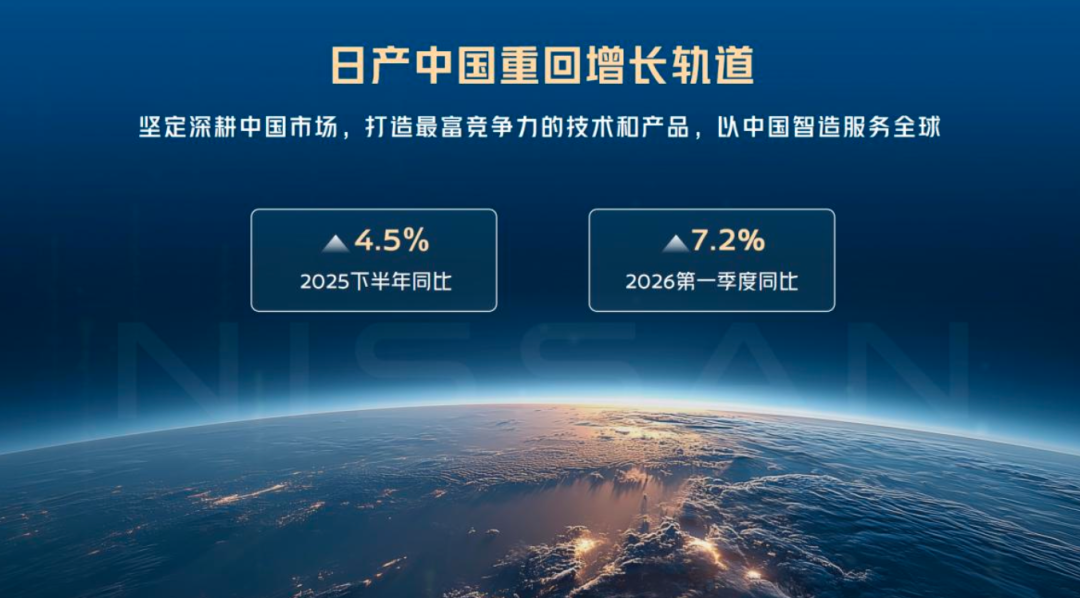
In 2025, Nissan's sales in China reached 653,000 units, with a 4.5% year-on-year increase in the second half. In the first quarter of 2026, sales grew by 7.2% year-on-year, marking a return to growth and reversing the decline of previous years. Compared to many joint venture brands still struggling in the sales slump, Nissan's relatively rapid recovery validates the correctness of its strategic adjustments.
"Nissan Motor is smoothly getting back on track and has revised its full-year projected earnings upward," Ma Zhixin revealed more significant information in his speech. "In three days, Nissan will announce its strategy at headquarters, further sharing its future corporate vision and previewing upcoming products and technologies."
This suggests that the strategic upgrade in the Chinese market is merely a starting point for Nissan's global recovery.
Furthermore, Nissan's transformation has never been limited to new energy products alone. It is actively exploring new business models for smart mobility and pre-emptively layout ing the next-generation mobility ecosystem.
According to Ma Zhixin, in March this year, Nissan formed partnerships with Wayve, Uber, and NVIDIA to jointly advance the Robotaxi business, a strong testament to the "deepening collaborative innovation" pillar of its "Re:Nissan" strategy.
The four parties have clear divisions of labor, each leveraging their strengths:
Wayve, a global leading AI company, applies its core embodied AI technology to autonomous driving, with its GAIA-3 model enabling high-fidelity scenario simulation to support the evaluation and optimization of autonomous driving systems.
Uber, with its globally mature mobility network and operational experience, is responsible for the scenario implementation and service operations of Robotaxi.
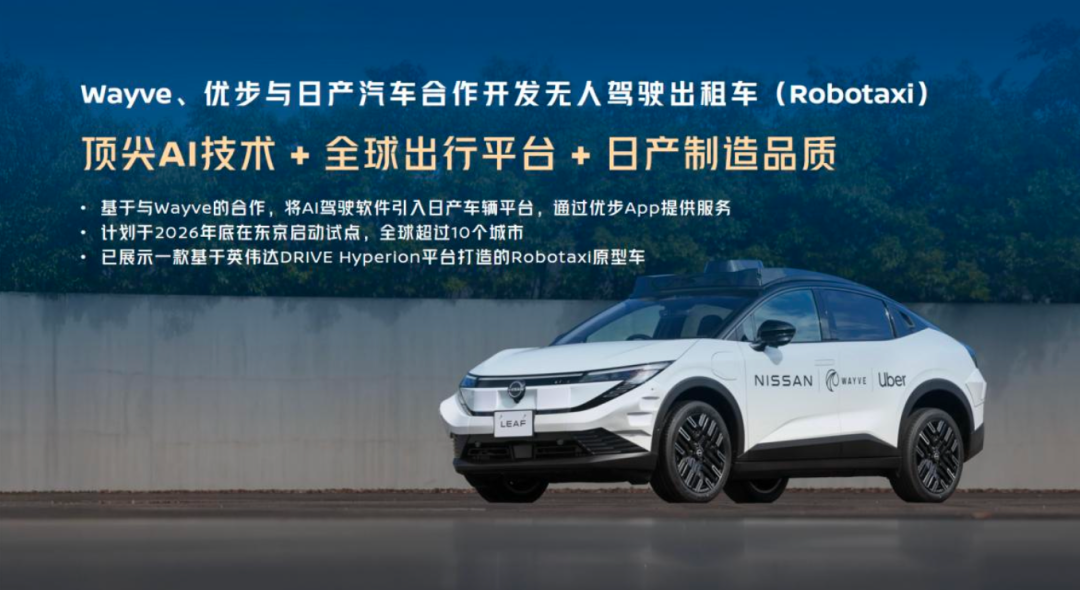
NVIDIA provides the DRIVE Hyperion platform and DRIVE AGX Thor computing solution, establishing a powerful computing foundation to support autonomous driving operations.
Nissan, drawing on its over 90 years of automotive manufacturing experience, is responsible for vehicle manufacturing and optimizing safety redundancy systems, solidifying its quality foundation.
Ma Zhixin revealed that a Robotaxi prototype was exhibited at NVIDIA's GTC Conference in March this year, with plans for trial operations in Tokyo by the end of 2026.
For Nissan, the greatest significance of this cross-border collaboration lies in deeply integrating top-tier AI technology, global mobility resources, and its manufacturing quality, breaking traditional automaker business boundaries and pioneering a new smart mobility ecosystem.
▍02 Brand, Product, and Global Export
Facing the dramatic transformations in China's automotive market, Nissan has anchored three strategic pillars in China—brand, product, and global export—to accelerate its transformation.
After nearly two years of adjustments and breakthroughs, this veteran automaker has finally reached a turning point in performance. Its layout logic and transformation path in the Chinese market are also becoming clearer.
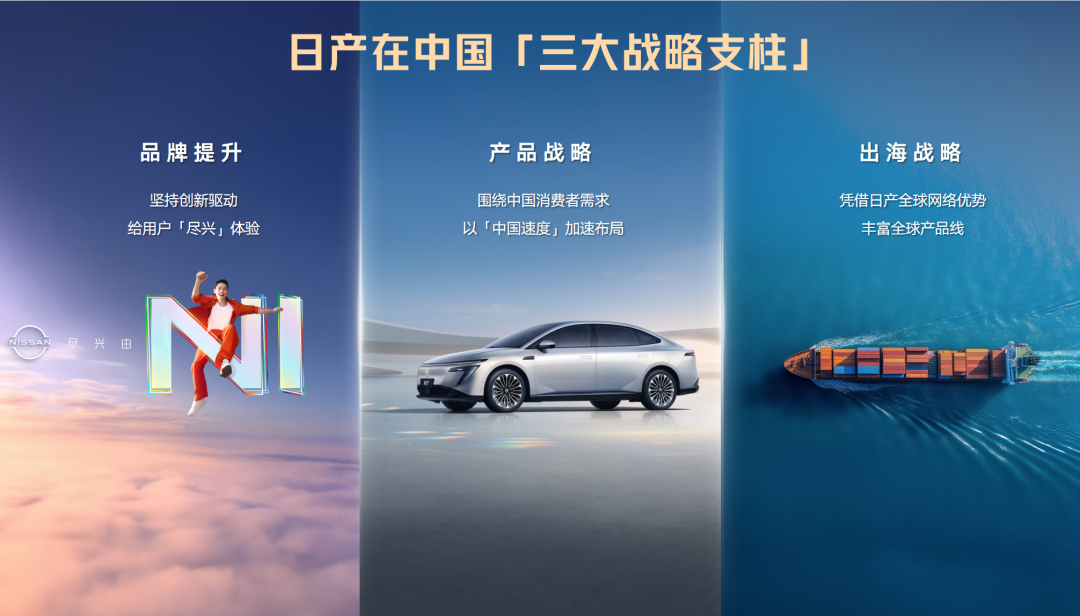
At the brand level, Nissan has initiated a revitalization, introducing the new proposition of "Unleash Your Passion with NI," attempting to break free from traditional image constraints and align with a younger, innovative, and passionate brand identity. This transformation permeates the entire chain of product development and user communication.
Product-side implementation serves as the core support for brand revitalization. Unlike the previous model of relying on global vehicle imports, Nissan now focuses more on the real needs of Chinese consumers, accelerating the localized layout of new energy vehicles.
From 2025 to the present, Nissan has launched five new energy products in the Chinese market, covering three power forms—pure electric, plug-in hybrid, and extended-range—and three major categories—sedans, SUVs, and pickups, all gaining user recognition in their respective segments.
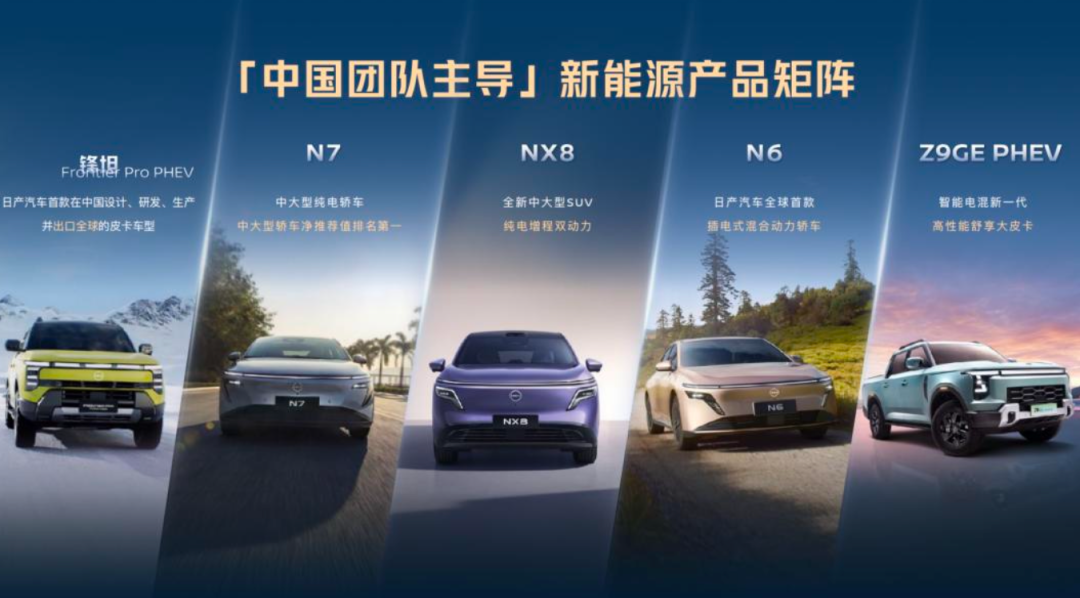
This is Nissan's rapid response to trends in China's new energy market and an improvement in its localized R&D capabilities.
At the Shanghai Auto Show last year, Nissan pledged to "launch 10 new energy vehicles by the summer of 2027." This commitment is now gradually being fulfilled.
On April 8 this year, Dongfeng Nissan launched the mid-to-large-sized new energy SUV NX8. This is the third product in the new energy N series after N7 and N6, equipped with CATL batteries and Momenta's intelligent driving system, offering both pure electric and extended-range power layouts, further enriching Dongfeng Nissan's new energy product matrix.
Notably, N7 has become an important symbol of Dongfeng Nissan's transformation breakthrough.
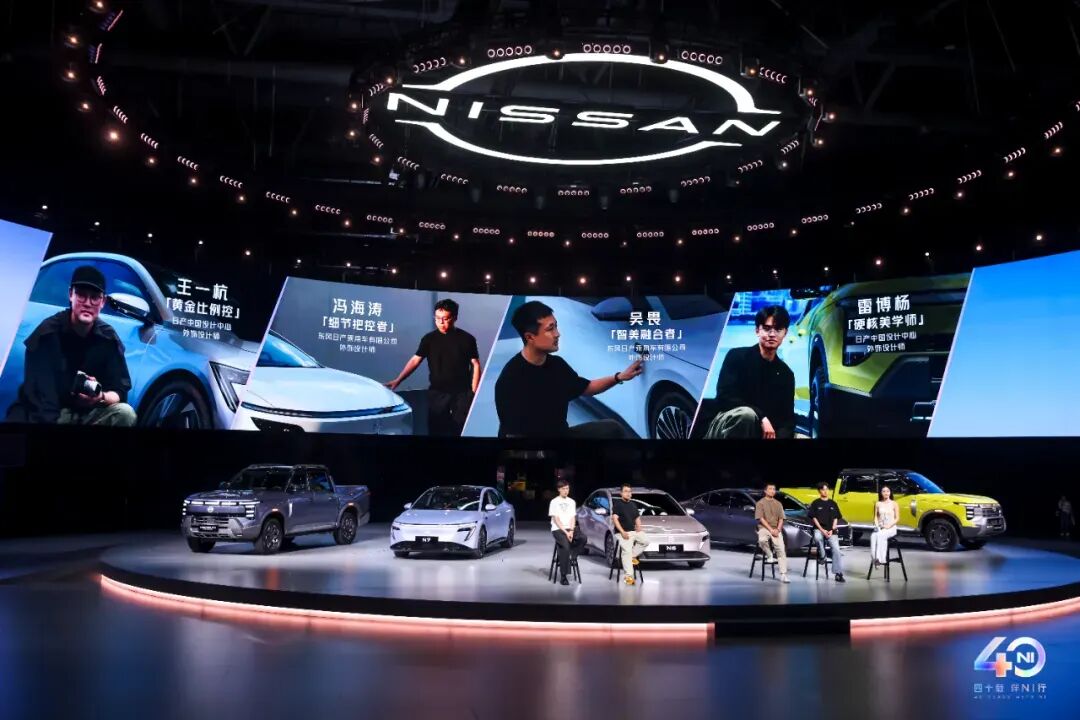
Designed and developed by Nissan China's styling team and local R&D team, this model marks a departure from the previous model where global teams dominated Chinese market vehicles. Its pricing also breaks tradition, starting at RMB 119,900, even lower than the dealer quotes for Nissan's own fuel-powered B-class sedan, Teana.
Unlike some automakers' pursuit of leading parameters, Nissan emphasizes its responsibility for user driving safety, a core manifestation of its "People · Vehicle · Life" corporate philosophy.
"We used 560 test vehicles and accumulated 1.4 million kilometers of testing. In terms of body structure, the A-pillar uses 2000 MPa submarine-grade steel, with high-strength steel accounting for over 70% of the entire vehicle. Our manufacturing plant has ranked first in Nissan's global system for many years," Ma Zhixin mentioned. "We are not pursuing parameter leadership but are responsible for our users' driving safety."
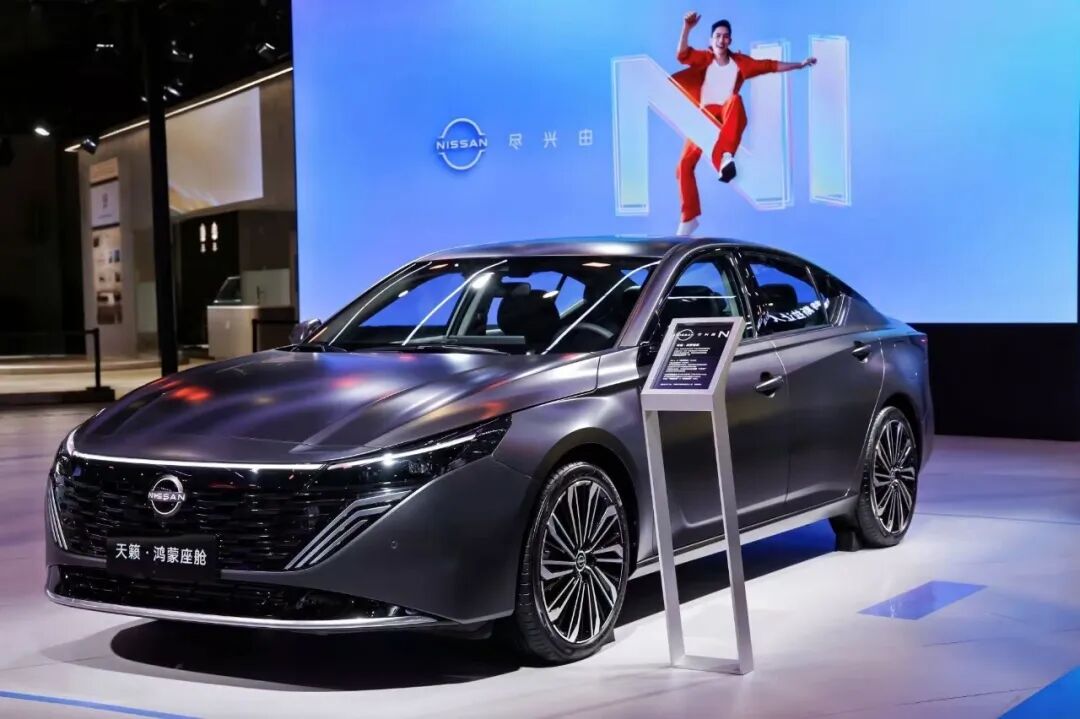
Additionally, Dongfeng Nissan launched the Teana HarmonyOS Cockpit version last year, the world's first fuel-powered vehicle equipped with HarmonyOS Cockpit, achieving a breakthrough in fuel vehicle intelligence. Teana is powered by Nissan's self-developed, globally unique mass-produced variable compression ratio turbocharged engine, balancing power and fuel economy, continuing Nissan's advantage in power technology.
Nissan's sporting heritage is another hallmark of its brand. Nissan has participated in the Formula E electric racing series for eight consecutive years, with key technologies such as electric all-wheel drive and battery management systems developed in-house. In the last season, Nissan driver Oliver Rowland won the annual championship.
"Global export is one of Nissan's key strategies in China," Ma Zhixin said. In his view, China is leading the transformation of the global automotive market. He added that Nissan also hopes to leverage its mature global network to serve global consumers with excellent products developed in the Chinese market.
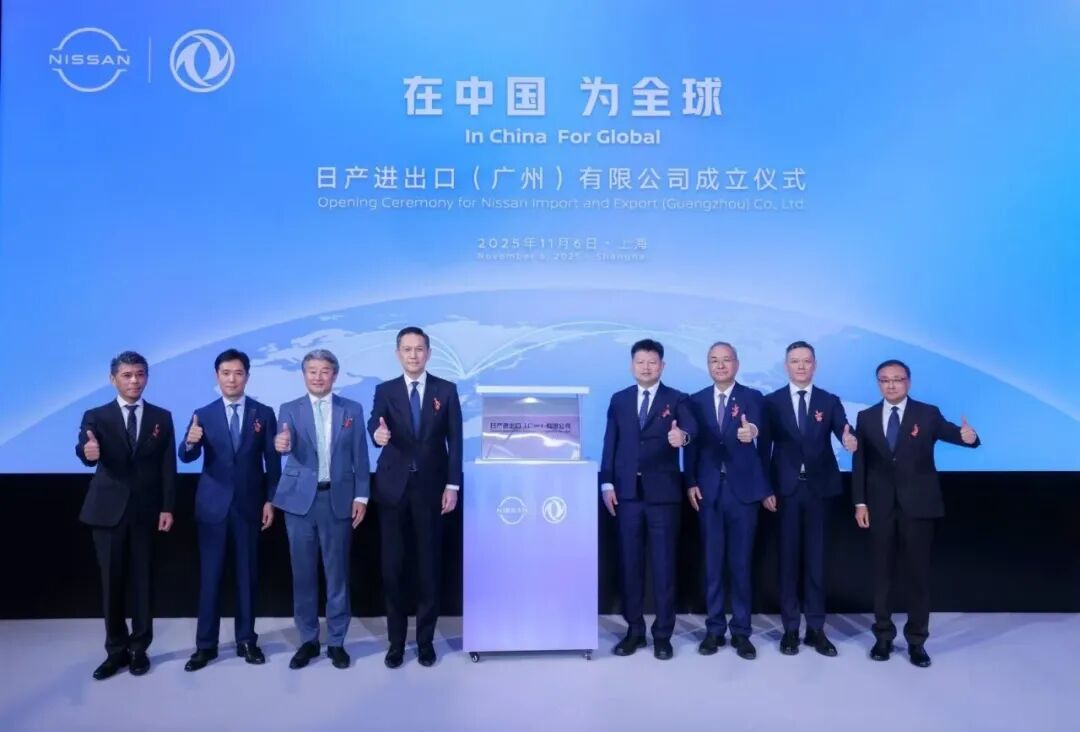
In August 2025, Nissan established an import-export joint venture in China, designating the Frontier Pro and N7 as the first batch of export models, initiating the global journey of Chinese-developed models.
On April 1, 2026, Nissan held the inaugural shipment ceremony for the Frontier Pro's global export, marking the implementation of its model of Chinese R&D, global validation, and global sales.
In the future, as more Chinese-developed Nissan models go global, its three strategic pillars—brand, product, and global export—will further integrate deeply, forming a synergistic effect.
"The 'little progress' we've made today reinforces our belief that Nissan's strategy in China is correct, and we are confident in doing even better," Ma Zhixin emphasized at the end of his speech.
However, Nissan's transformation journey is far from over. Multiple institutions, including Roland Berger, predict that the elimination race in China's automotive market will further intensify in 2026, with competition shifting from quantitative expansion to qualitative growth, where intelligence and internationalization become core competitive points.
For Nissan, how to continuously strengthen its localized R&D capabilities, balance global quality control with local demands, and sustain product sales growth remain significant challenges it must face.
In this transformation breakthrough battle, Nissan has merely taken a crucial first step.

-
![]()
Jitian Xingzhou: A Pioneer in Optical Payloads Secures Hundreds of Millions in Series B Funding!
-
![]()
Orders Secured Through to the Second Half of the Year! The Rationale Behind the 'Surge' in Demand for This Company’s Optical-Grade Base Films
-
![]()
Beyond Patents: The Retail Rivalry of Insta360 and DJI Unfolds
-
![]()
180 Billion Market Cap Vanished! How Did Seres Fall So Far?
-
![]()
Blockbuster! Domestic storage takes the global double crown for the first time, from an AI company
-
![]()
China Spearheads Formulation! World's Pioneering Global Technical Regulation for Automated Driving Systems Greenlit and Unveiled
-
![]()
Farewell to Pulsed Support Policies: Three Major Auto Policy Directions from Multiple Departments Take Effect on the Same Day
-
![]()
Embercore AI’s Accelerated Funding: The Robot Industry’s Shift Toward ‘Learning Systems’