Pixel 11 Specs and Price Leaked Early: Price Hike of $100, Yet Memory Trimmed to 12GB
 08/04 2026
 382
382
Leaks indicate that the Google Pixel 11 series is set to launch on August 12, with the entry-level price climbing to $899 and the base model's storage capacity doubled. However, the memory in the Pro and foldable variants has been reduced to 12GB, while the Tensor G6 and Titan M3 chips are now standard features.
With just two weeks remaining until Google's August 12 event, Android Headlines has prematurely unveiled the specifications and pricing details for the entire Pixel 11 lineup. These details closely mirror previously rumored information, making price increases and memory reductions seem highly likely.
The Pixel 11's starting price is rumored to surge by $100, reaching $899, but the base model's storage is upgraded from 128GB to 256GB as a form of compensation. All models will boast the new-generation Tensor G6 chip and Titan M3 security chip. The primary point of contention is the memory: the Pixel 11, 11 Pro, and 11 Pro XL are all rumored to have their memory reduced to 12GB, with the Pro and Pro XL priced at $1,099 and $1,299, respectively.
Memory Reduction Sparks Consumer Backlash
The "RAM Reduction" has emerged as the top complaint among consumers. With AI features becoming increasingly memory-intensive, the reduction to 12GB for both the base and Pro models has been seen by many as a sacrifice of user experience for profit. The foldable Pixel 11 Pro Fold is not exempt from this trend, starting at 12GB with a new price tag of $1,899. Google has traditionally marketed the Pixel's camera and AI capabilities as its key selling points, both of which heavily depend on memory and processing power.
Nevertheless, some argue that 12GB of memory is adequate for most everyday use cases; the true test will be in handling local large models and multitasking. Whether these leaks are accurate will be confirmed on August 12, but given the historical accuracy of such leaks, many are inclined to believe them.
Imaging and Display: A Cautious Approach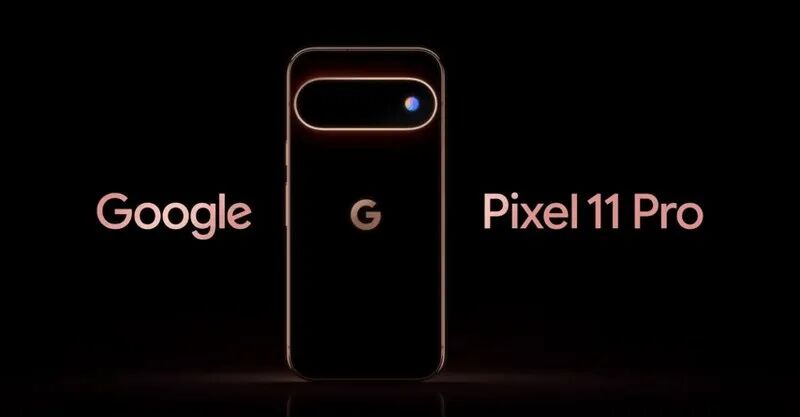
Image Source: The Verge
In terms of imaging, the Pixel 11 is rumored to abandon the telephoto lens and revert to a dual-camera setup; the Pro series will largely retain the camera module from the Pixel 10. The display is also expected to remain largely unchanged from the previous generation. In essence, this generation of Pixel adopts a cautious approach in terms of design and photography, focusing major upgrades on the chip and memory strategy.
For Google, the Tensor G6 chip represents a significant leap in its chip development. From initially relying on Samsung's manufacturing, which was plagued by heat and efficiency issues, to gradually forming its in-house architecture, each Tensor generation reflects Google's ambition for "integrated software and hardware." The Titan M3 chip continues Pixel's tradition of offering differentiated security at the device level.
Gemini's On-Device Ambitions Clash with Memory Limitations
The core of the memory controversy lies in Google's efforts to integrate large models like Gemini into smartphones. On-device AI features, such as running large models locally, real-time translation, image understanding, and screenshot-based Q&A, all heavily rely on memory. While 12GB was sufficient a year ago, it now feels constrained in the 2026 competition for on-device models, especially with the Pro version also reduced to 12GB.
More subtly, there's a differentiation in positioning: the base model offers 256GB of storage but only 12GB of memory, representing a trade-off between "capacity" and "performance." This may have minimal impact on users who simply want to take photos and occasionally use AI, but for those who rely on Pixel as a mobile workstation and depend on local models, this reduction is significant. If Google truly wants to differentiate its AI experience from that of the iPhone and Galaxy, it will eventually need to address the memory issue; otherwise, its claims of being an "AI phone" may falter based on specifications alone.
Can Pixel Sustain Its Value Proposition Amidst Price Increases?
With flagship phones generally seeing price hikes this year, if the Pixel indeed starts at $899, it will compete directly with entry-level flagships from the iPhone and Galaxy. Google's past advantage was offering "more for the same price," and doubling the base model's storage is a reassuring move. However, the memory reduction undermines its AI narrative. Consumer acceptance will hinge on the actual user experience and final pricing.
The August 12 event will serve as Google's moment of truth regarding these leaks. If the leaks are accurate, this generation will be a pragmatic effort featuring "chip refresh, memory tightening, and imaging stability." If Google has surprises in store, that will be the true highlight. For consumers, the trade-offs on the spec sheet ultimately boil down to real-world performance—a reduction in memory may not be immediately noticeable, but if on-device AI stutters or fails, the reputational damage will far outweigh the $100 price increase.
Today's Insightful Quote
"As AI becomes a new selling point for smartphones, memory has shifted from being 'good enough' to being 'the baseline for experience'—cutting it is easy, but restoring consumer trust is hard."
Follow [Degaoxing Zhiqinglang] for daily in-depth tech insights.
-
![]()
Dealer Service Operation Capability | After-sales Customer Retention: Three Key Strategies for Attracting Customers with Competitive Pricing
-
![]()
Revealed: CXMT’s New Wafer Fab Set to Establish Presence Here
-
![]()
Is Ant Afu Facing Its First Leadership Shuffle? Official Statement Dismisses Claims as Baseless
-
![]()
Pixel 11 Specs and Price Leaked Early: Price Hike of $100, Yet Memory Trimmed to 12GB
-
![]()
Leapmotor Hits 100,000 Monthly Sales: Is the ‘NIO-XPeng-Li Auto’ Era Fading?
-
![]()
From a Free Academic Search Tool to a Leading Large Model Company, Zhipu Aims for the Summit
-
![]()
Two Truths About July's Auto Market: Domestic Focus on Technology, Overseas Focus on Speed | Second Half Kickoff ②
-
![]()
Smartphone Chip Shipments Decline by 15%, While Smartphone Shipments Fall by Less Than 7%: Where Is the Discrepancy?