Leapmotor Hits 100,000 Monthly Sales: Is the ‘NIO-XPeng-Li Auto’ Era Fading?
 08/04 2026
 414
414
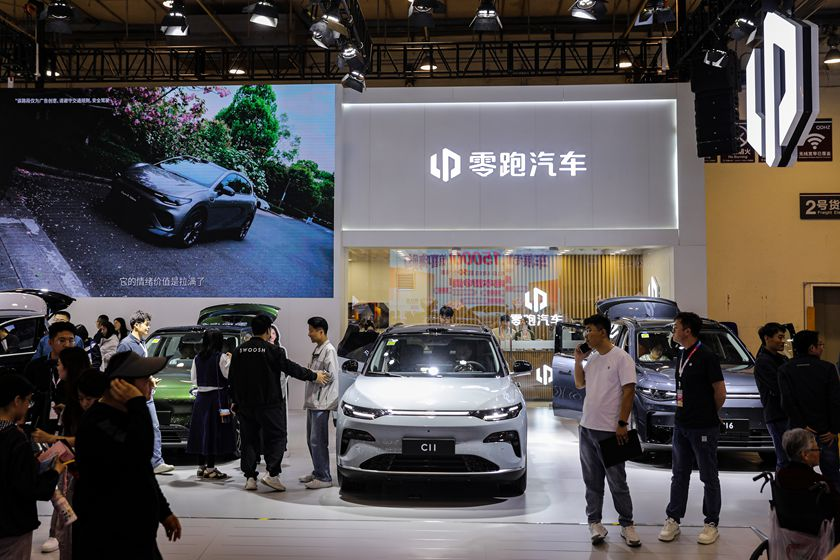
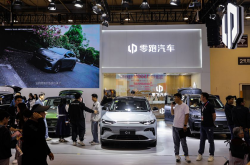
On August 1, 2026, Leapmotor announced its delivery figures for July, revealing a significant milestone: 101,267 units delivered, marking a 102% year-on-year increase. Twelve years into China’s new energy vehicle (NEV) era, this achievement represents the first time a brand has surpassed 100,000 monthly deliveries.
To appreciate the significance of this milestone, consider the context: In the same month, HiPhi delivered 45,000 units, XPeng 38,000, NIO 35,900, Li Auto 30,500, and Xiaomi slightly over 30,000. Leapmotor’s sales volume roughly equaled the combined deliveries of NIO, XPeng, and Li Auto. From January to July, Leapmotor delivered a total of 457,800 units, steadily progressing toward its annual target of one million vehicles.
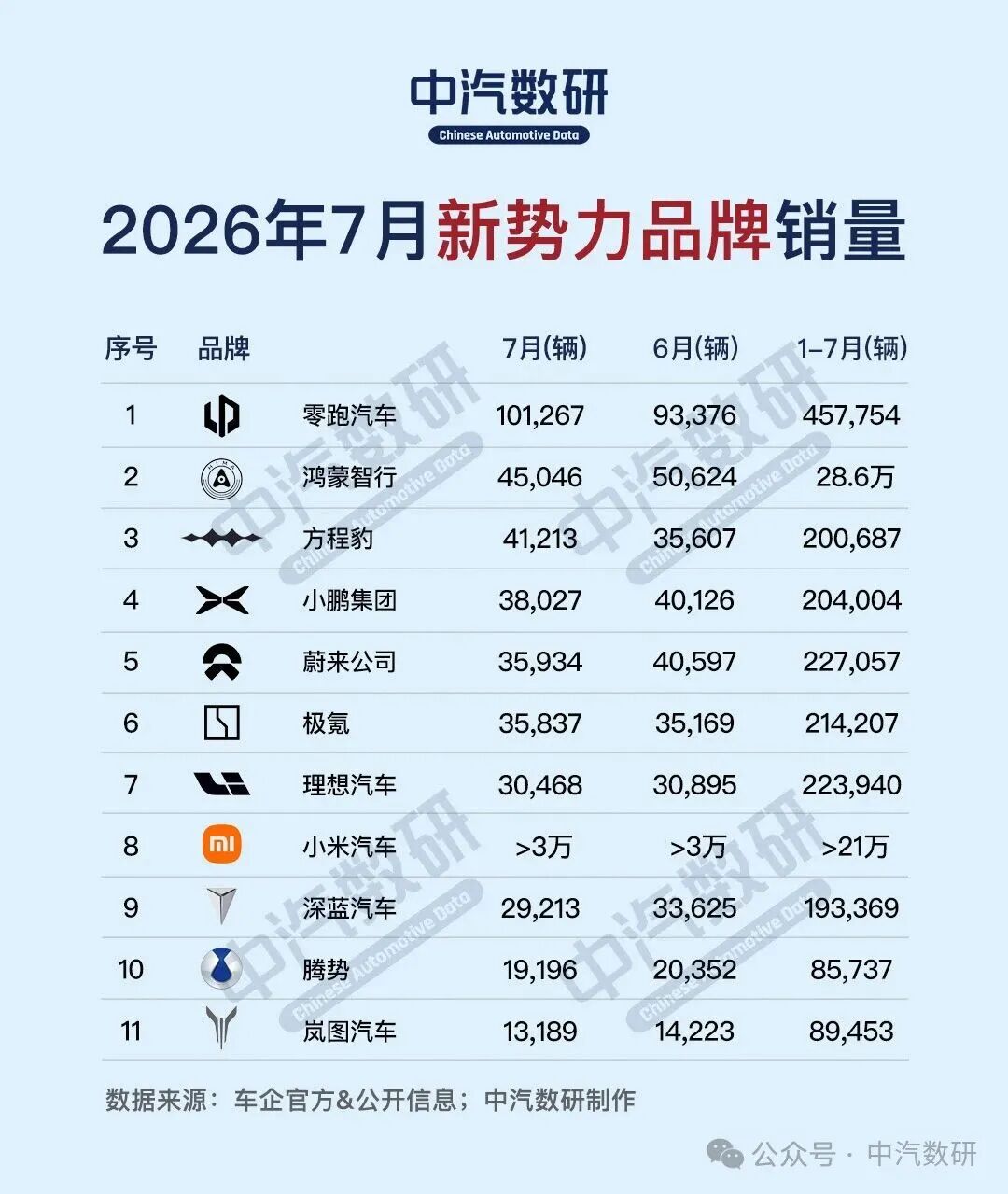
Image Source: China Automotive Data Research Institute
What makes this accomplishment even more remarkable is that it wasn’t achieved by Xiaomi, with its massive online presence, NIO, renowned for its user engagement, or Li Auto, celebrated for its product definition. Instead, it was Leapmotor—long considered a “second-tier” player, whose founder rarely makes headlines and the company is relatively conservative in advertising. Leapmotor’s success signifies a manufacturing-driven “reversal” of narratives that have previously centered around internet-centric strategies.
The former “half-price Li Auto” now outpaces the combined sales of three Li Autos. In terms of profitability, Leapmotor may even surpass Li Auto—a company once known for its high profitability—in 2026.
A Neglected Entrepreneurial Journey: From Security Workshops to Hong Kong Stock Exchange Debut
To understand Leapmotor’s strategy today, it’s essential to trace its origins. Unlike capital-driven “star projects,” Leapmotor is the brainchild of an engineer’s second venture.
In 2015, Zhu Jiangming, co-founder of Dahua Technology and then its vice chairman and CTO, noticed Renault electric vehicles (EVs) everywhere during a trip to Spain, sparking his interest in car manufacturing. On December 24, 2015, with support from Dahua Chairman Fu Liquan, Zhu spun off a 20-person team from Dahua’s automotive electronics division to establish Leapmotor. Initial shareholders included Dahua Technology (33%), Fu Liquan (32%), and Zhu Jiangming (20%).
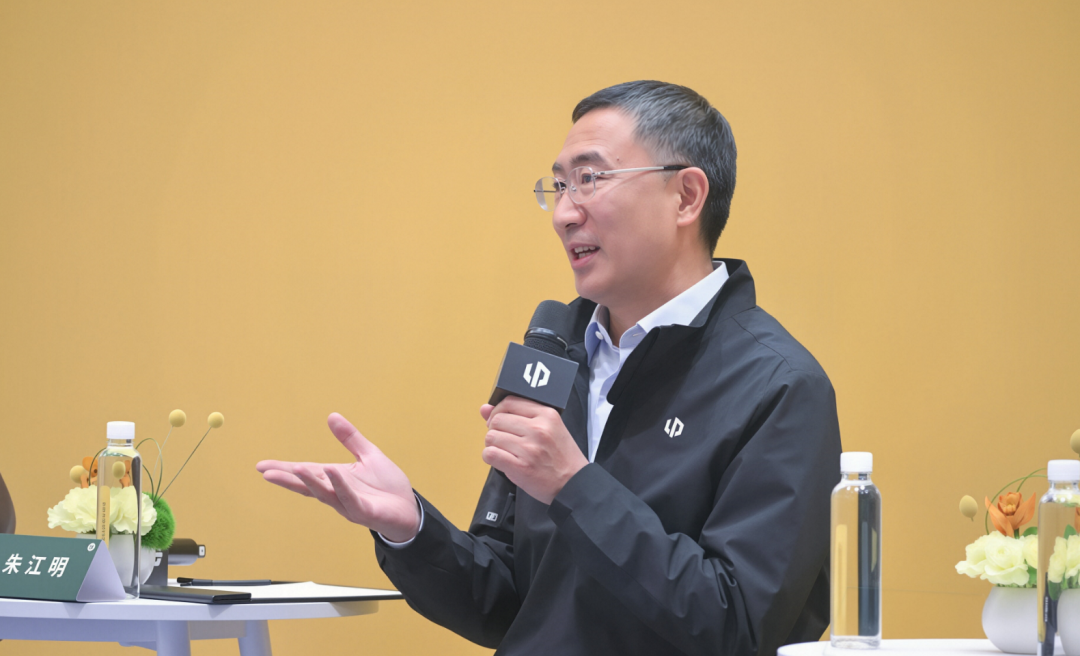
Image Source: Internet
Although Leapmotor launched around the same time as NIO, XPeng, and Li Auto, its early days were tumultuous. Its first model, the S01 electric coupe (2019), flopped, with fewer than 3,000 units sold. Salvation came in May 2020 with the T03 micro-EV, which quickly surpassed 10,000 monthly sales and accumulated over 100,000 units, keeping Leapmotor in the game.
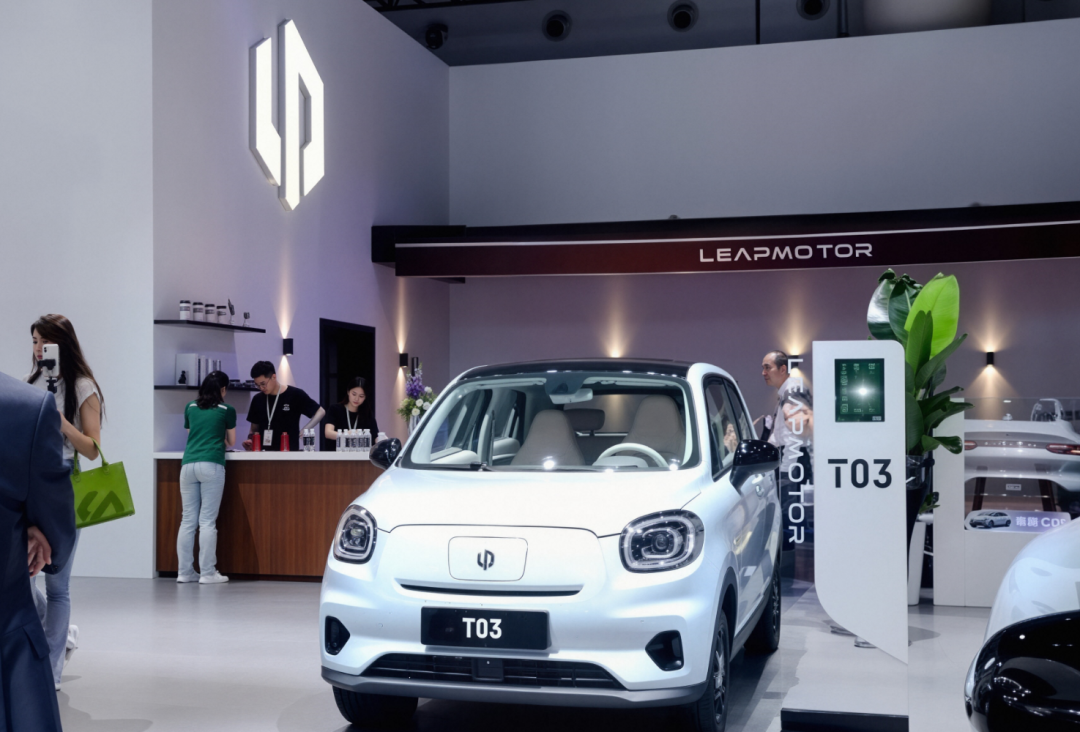
Image Source: Internet
In October 2020, Leapmotor developed its AI self-driving chip, “Lingxin 01,” becoming the only Chinese automaker to independently develop and mass-produce chips for its vehicles.
The real turning point came with the C11 in October 2021. Positioned as an extended-range/pure-EV SUV offering “150,000-yuan pricing with 300,000-yuan specifications,” and dubbed the “half-price Li Auto,” it climbed from 1,000 monthly sales to over 10,000, with 250,000 units delivered to date, becoming a key profit pillar.
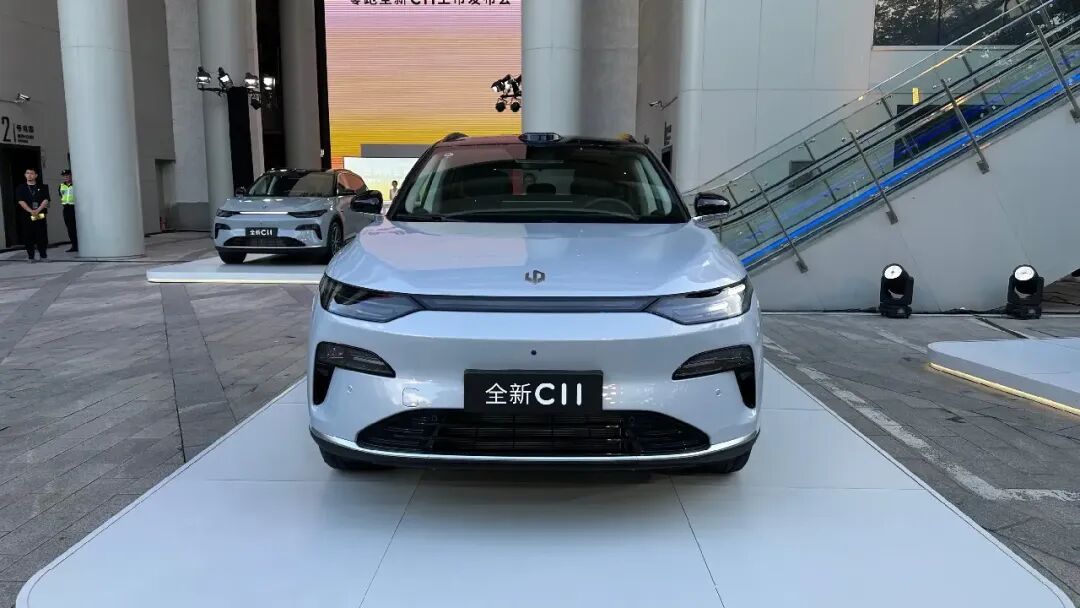
Image Source: Internet
Leapmotor’s capital journey was equally rocky. On September 29, 2022, it listed on the Hong Kong Stock Exchange as the fourth NEV startup, but its IPO price of HK$48 per share fell below the issue price on the first day, closing down over 30% with a market cap of just HK$36.4 billion. Market labels included “second-tier,” “low-end EV benchmark,” and “three-year net loss of RMB 4.8 billion.”
In a desperate move, Zhu Jiangming made a decision that later proved invaluable: he visited Europe twice, meeting top global automakers including Volkswagen and Stellantis. In October 2023, Stellantis, the world’s fourth-largest automotive group, announced a €1.5 billion (RMB 11.59 billion) investment, acquiring a 21.26% stake to become Leapmotor’s second-largest shareholder at a 14.5% premium. In May 2024, the two formed a 51:49 joint venture, “Leapmotor International,” with Stellantis in control, exclusively handling global sales outside Greater China. In December 2025, FAW Group also acquired a 5% stake for RMB 3.744 billion.
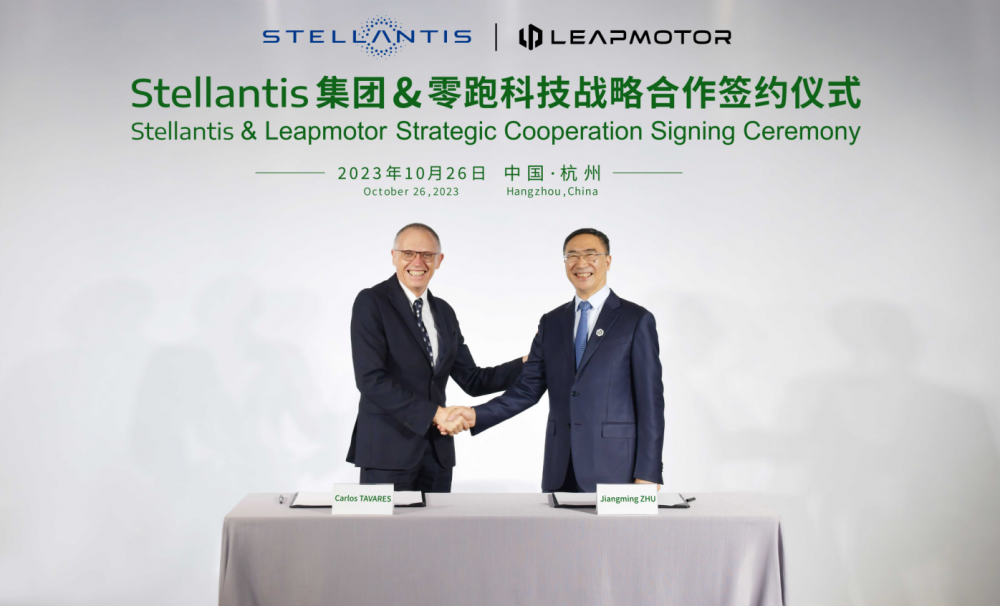
Image Source: Internet
The pieces fell into place: first quarterly profit in Q4 2024, full-year 2025 deliveries of 596,600 units (up 85.5% YoY), revenue of RMB 64.73 billion (up 101.2% YoY), and net profit of RMB 540 million—making Leapmotor the second Chinese NEV startup after Li Auto to achieve annual profitability. From a small workshop on Christmas Eve 2015, this journey took a full decade.
“The BYD of New Forces”: Building Cars Like Electronics
The industry once loved summarizing the “success formulas” of NIO, XPeng, and Li Auto: Li Bin’s user service, Li Xiang’s product definition, and He Xiaopeng’s tech faith. For Leapmotor, this framework falls apart—its methodology lacks narrative, focusing only on cost sheets.
Zhu Jiangming, hailing from Yiwu, has an instinctive sensitivity to costs: he buys RMB 5 instant noodles at the Lawson convenience store beneath Leapmotor’s headquarters and queues with employees for RMB 10 Luckin Coffee. This ethos permeates company strategy. From its inception, Leapmotor bet on “full-domain self-research,” now accounting for over 65% of vehicle costs through in-house production of components like electric drives, battery packs, electronic architectures, and cockpit/self-driving controllers. The A-series and C/D-series share Qualcomm 8650 cockpit-driving controllers, leveraging scale to minimize R&D costs.
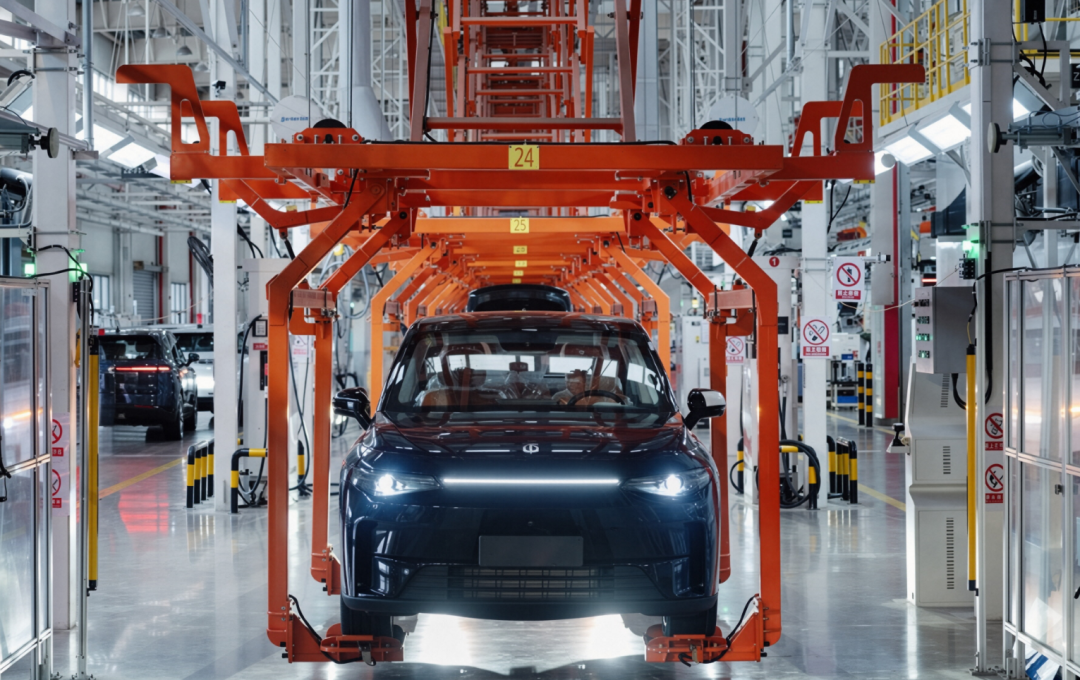
Image Source: Internet
This replicates BYD’s vertical integration model among new forces. It yields two direct outcomes: pricing power and structural profitability. Leapmotor can equip the sub-RMB 100,000 A10 with LiDAR and high-level self-driving, turning “affordable excellence” from a slogan into reality. In 2025, its gross margin reached ~14.5%, achieving RMB 540 million in net profit amid brutal price wars. While most new forces rely on financing, Leapmotor has turned “cost efficiency” into a core strength—self-research reduces costs, low prices attract high volumes, and scale further cuts costs, creating a virtuous cycle.
While “NIO-XPeng-Li Auto” positioned themselves as tech consumer brands, Leapmotor reverted to manufacturing. Their moats are brand and ecosystem; Leapmotor’s is cost curves. The 2026 sales rankings prove that in the largest market segment (RMB 100,000–200,000), cost curves outperform brand stories.
Channel Expansion + Blockbuster Pipeline: Going Where “NIO-XPeng-Li Auto” Don’t
If self-research is Leapmotor’s “substance,” channel and product strategy are its “face”—and this face targets competitors’ blind spots.
NIO’s NIO House occupies prime Beijing real estate at Oriental Plaza, costing tens of millions in annual rent. Li Auto and Xiaomi focus on high-tier city malls. Leapmotor did the opposite: by 2026, it expanded to ~1,500 stores, prioritizing third- and fourth-tier cities and even county markets. While new forces clash in first- and second-tier shopping centers, Leapmotor sells to county youth whose first year-end bonus can cover its prices. China’s NEV penetration rose from 5% in 2020 to 40% in 2024, driven by mass-market demand—Leapmotor capitalizes on this structural dividend.
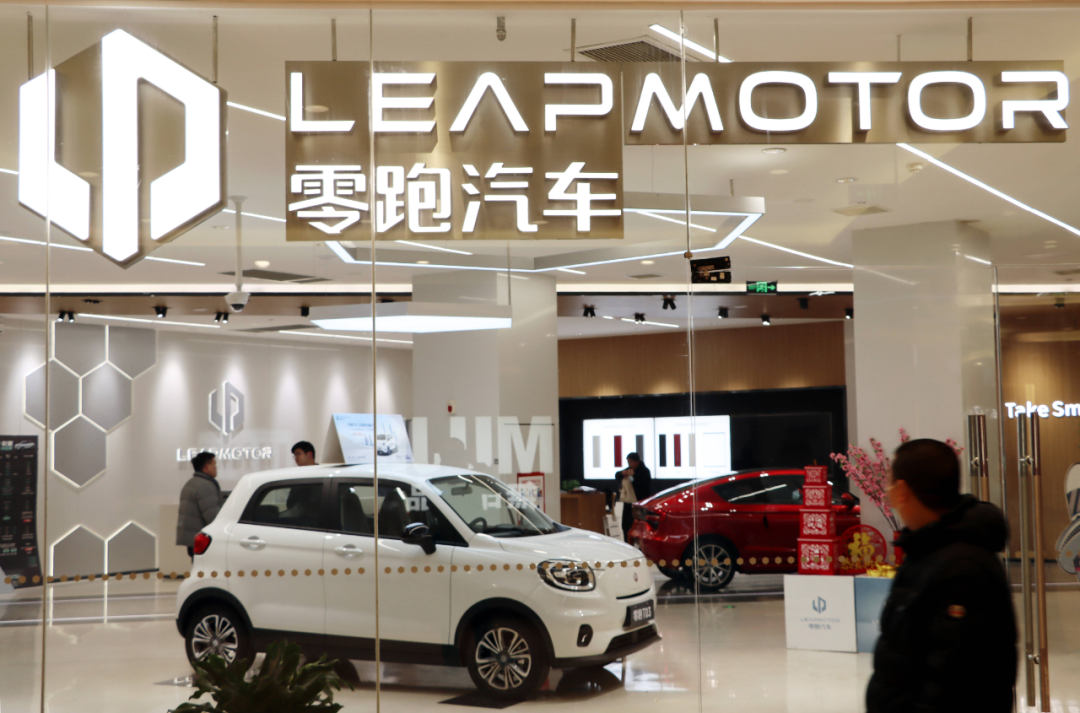
Image Source: Internet
Product-wise, Leapmotor built a rare “blockbuster pipeline”: T03 for entry-level (sub-RMB 50,000), A-series for sub-RMB 100,000, B-series for RMB 100,000–150,000, C-series for RMB 150,000–200,000, and D-series for RMB 250,000–300,000, offering both BEV and EREV options. The matrix’s strength lies not in single-model explosions but in relays—as the C11 ages, the A10 takes over (26,800 units in June, daily factory capacity >1,000), with the D19 and D99 moving upmarket and the A05 (RMB 50,000–80,000) launching in August.
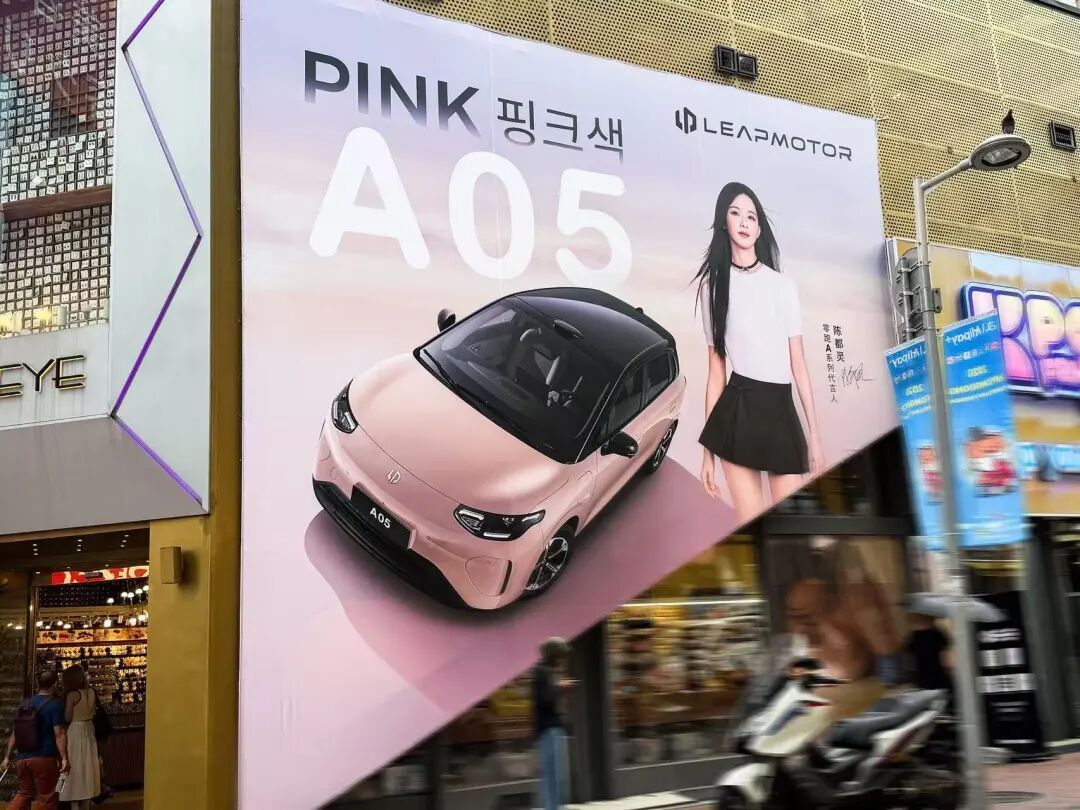
Image Source: Internet
Since topping the new forces chart with 37,000 units in March 2025, Leapmotor has set monthly records: 50,000 in July, 60,000 in September, 70,000 in October, until breaking 100,000 in July 2026. This isn’t a one-time spike but an 18-month upward curve.
“Reverse Joint Venture” for Global Markets: The Only New Force Outsourcing Overseas
Leapmotor differs fundamentally from other new forces: it’s the only Chinese automaker “outsourcing” global markets to a multinational giant.
XPeng relies on self-built overseas channels, delivering ~105,200 units abroad over a decade—heavy investment, slow returns. Leapmotor traded equity for access: Leapmotor International, 51% controlled by Stellantis, directly leverages its distribution and service networks across 130+ countries.
By June 2026, Leapmotor had entered 40 countries with over 2,000 overseas outlets. It ranked first among new forces with 67,000 overseas exports in 2025 and delivered 40,900 units abroad in Q1 2026 (up 442% YoY), accounting for 37.1% of total sales.
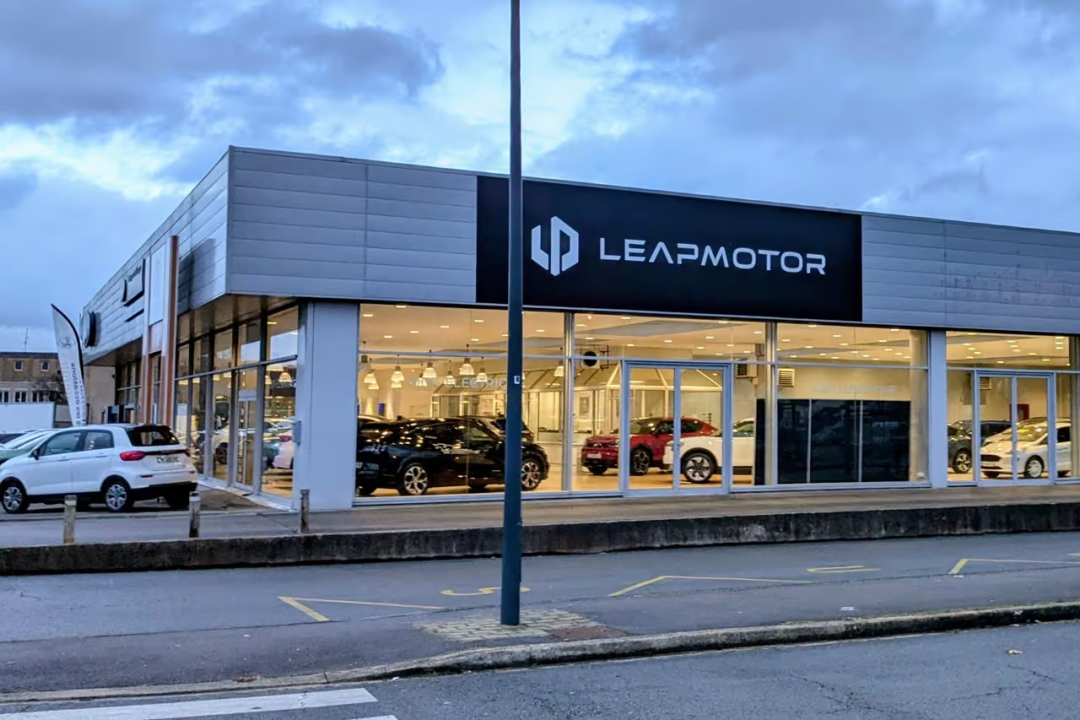
Image Source: Internet
This was a mutually beneficial deal. Stellantis, lagging in China’s EV shift, needed “a successful Chinese company,” as CEO Carlos Tavares admitted. Leapmotor sidestepped the two heaviest burdens of Chinese brands going global—channels and compliance—via a light-asset model. Facing EU tariffs? Tavares suggested using Stellantis’ global factories for local production. Three decades after Chinese automakers “traded market for tech,” European giants now “trade capital for tech”—Leapmotor stands at this historic inflection point.
Cold Realities: Three Challenges Post-100,000 Sales
Of course, 100,000 monthly sales aren’t the finish line. Leapmotor faces at least three hurdles.
First, profit margins. The cost of volume-driven pricing shows in financials: media estimates put Leapmotor’s per-unit profit at just ~RMB 1,810. While overseas sales surged 442% in Q1 2026, concerns over “revenue growth without profit growth” resurfaced. Whether low-price structures can sustain analysts’ projected RMB 3.19 billion in annual net profit depends on whether scale effects outpace price cuts.
Second, intelligent technology reputation. Leapmotor’s self-driving systems rely on “cost-effectiveness,” but in urban NOA experience races, Huawei and XPeng still dominate public opinion. When LiDAR becomes standard in RMB 100,000 cars, “having it” and “it being good” are two different things.
Third, brand ceiling. Whether the D-series can establish itself above RMB 250,000 will determine if Leapmotor becomes “China’s Toyota” or “EV-era Wuling.” The one-million-unit target requires average monthly deliveries above 100,000 in H2 2026—any blockbuster shortage will be amplified.

-
![]()
Dealer Service Operation Capability | After-sales Customer Retention: Three Key Strategies for Attracting Customers with Competitive Pricing
-
![]()
Revealed: CXMT’s New Wafer Fab Set to Establish Presence Here
-
![]()
Is Ant Afu Facing Its First Leadership Shuffle? Official Statement Dismisses Claims as Baseless
-
![]()
Pixel 11 Specs and Price Leaked Early: Price Hike of $100, Yet Memory Trimmed to 12GB
-
![]()
Leapmotor Hits 100,000 Monthly Sales: Is the ‘NIO-XPeng-Li Auto’ Era Fading?
-
![]()
From a Free Academic Search Tool to a Leading Large Model Company, Zhipu Aims for the Summit
-
![]()
Two Truths About July's Auto Market: Domestic Focus on Technology, Overseas Focus on Speed | Second Half Kickoff ②
-
![]()
Smartphone Chip Shipments Decline by 15%, While Smartphone Shipments Fall by Less Than 7%: Where Is the Discrepancy?