Dual Leaders in Robot Vacuum Industry Look Overseas for Growth
 08/28 2026
 558
558
"
Both companies are striving to "chase profits," but this issue is not unique to Ecovacs and Roborock; they merely reflect the shifting growth logic of the entire cleaning appliances industry.
Cover image source: Unsplash

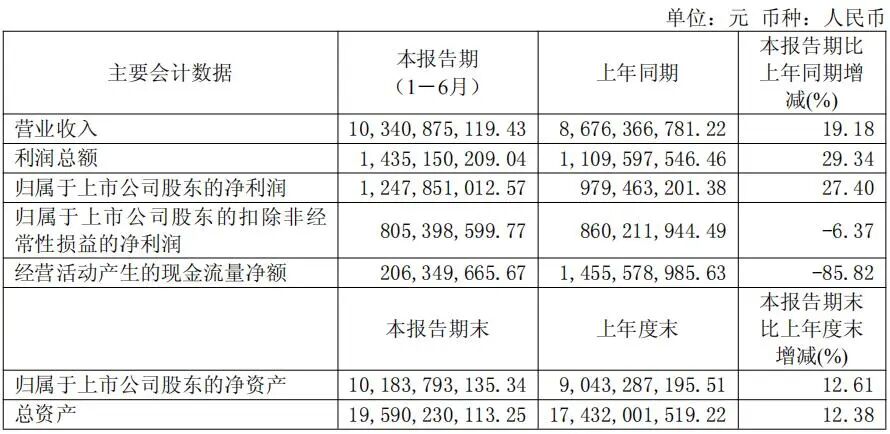
Recently, Ecovacs and Roborock, the two leading companies in the cleaning appliances sector, released their semi-annual reports for 2026. On the surface, both companies performed well—each surpassing 10 billion yuan in revenue and achieving double-digit growth in net profit.
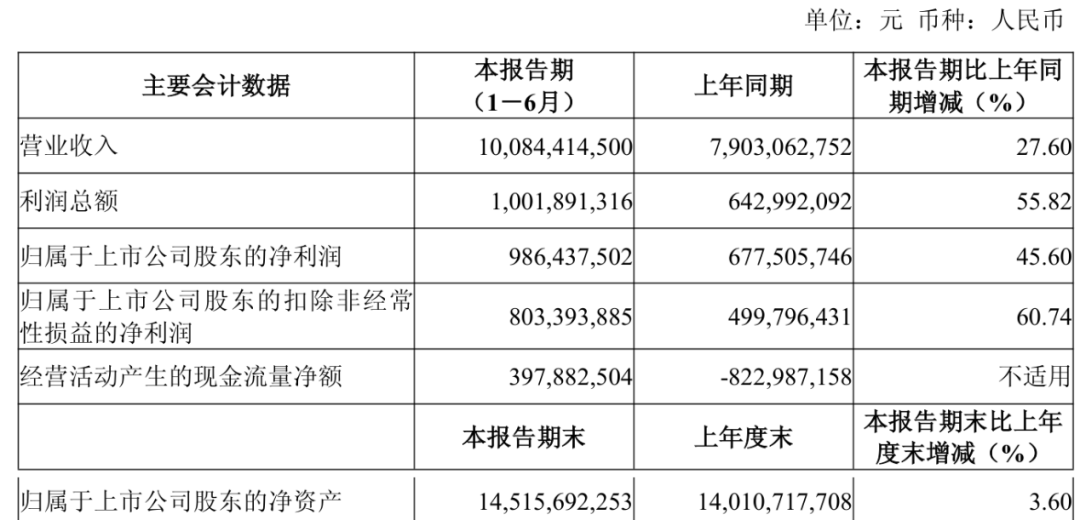
Ecovacs reported revenue of 10.341 billion yuan, up 19.18% year-on-year, with net profit attributable to shareholders of 1.248 billion yuan, up 27.40%. Roborock reported revenue of 10.084 billion yuan, up 27.60% year-on-year, with net profit attributable to shareholders of 986 million yuan, up 45.60%.
However, once the initial excitement faded, problems hidden in the financial reports began to surface: revenue was up, but making profits had become more difficult.
A closer look reveals that both companies face very similar challenges. Despite continuous revenue growth, their profit margins have not increased compared to previous years—instead, they have shrunk.
One direct cause of profit decline is that the domestic market has nearly reached saturation. In the first half of the year, revenue growth in the domestic market for both companies was only 1.67% and 1.47%, respectively, practically stagnant.
As a result, they have long set their sights overseas. During the reporting period, overseas revenue accounted for half of their total revenue. But is the path to overseas expansion truly a smooth one?
1. Revenue Up, Pressure Remains
As the "dual leaders" in China's cleaning appliances sector, Ecovacs and Roborock are often compared.
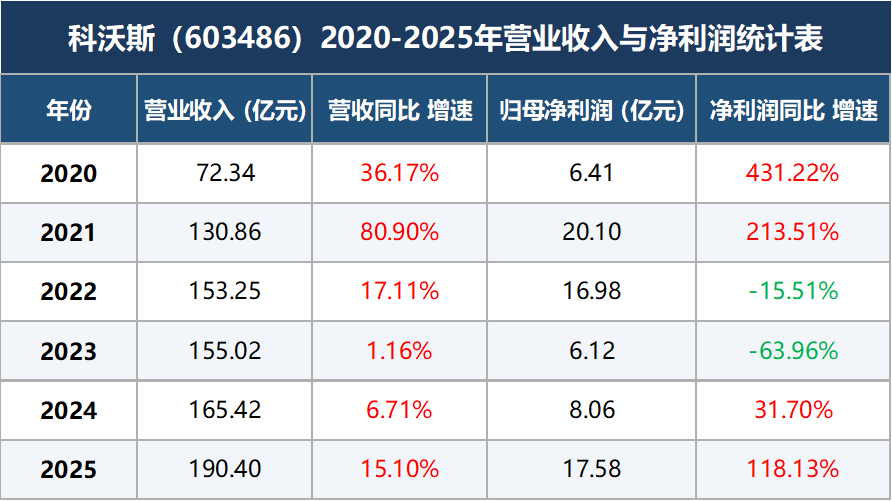
Ecovacs, the more established player, has been vertically focused on the home cleaning sector for over two decades, starting with China's first domestically produced robot vacuum and expanding into multi-category products such as floor washers, window-cleaning robots, and lawn-mowing robots.
However, Ecovacs' revenue has experienced slow growth for several years, partly because its domestic market still dominates, and its overseas business has not fully taken over.
Roborock, a later entrant, initially showed strong growth momentum. However, as industry growth has slowed, the company has been forced into price wars and marketing battles to capture more market share.
Over the years, Roborock's profit margins have been continuously squeezed, leaving it trapped in a cycle of "increasing revenue but decreasing profits."
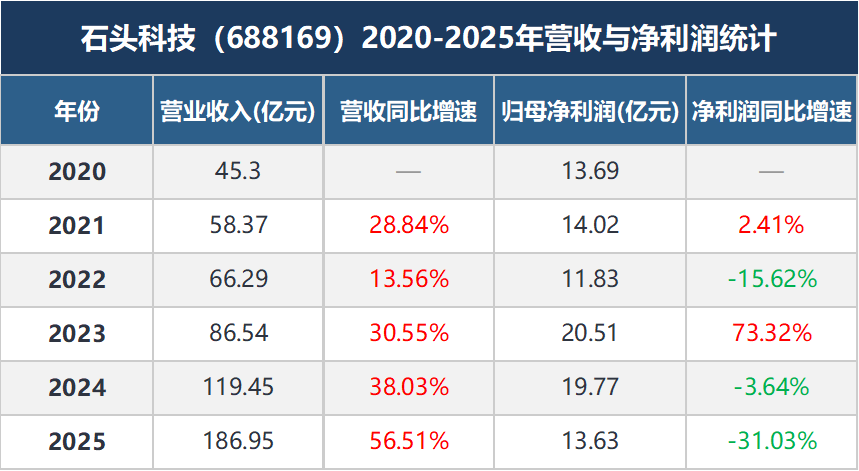
Both companies face their own challenges, but by 2026, they delivered surprisingly similar financial results: both nearing 10 billion yuan in revenue, with net profits around 1 billion yuan.
However, viewed from a longer-term perspective, this "double 10 billion" achievement is not as impressive as it seems. While revenue has climbed year after year, profits have quietly declined—both companies are earning less than before despite higher revenue.
Moreover, a closer look at their financial reports reveals that their profits are not as robust as they appear.
In the first half of the year, Ecovacs' net profit included two one-time investment gains. Its equity-method investment in XGON Intelligent, which went public on the Hong Kong Stock Exchange on June 24, contributed approximately 182 million yuan in fair value changes. Another equity-method investment, Ruierman Intelligent, triggered an accounting method change due to board restructuring, resulting in a one-time gain of approximately 224 million yuan.
This led to Ecovacs' net profit attributable to shareholders, excluding non-recurring items, falling by 6.37% year-on-year to 805 million yuan. In reality, Ecovacs earned less from product sales in the first half of the year compared to the previous year.
The same is true for Roborock. During the reporting period, the company received approximately 275 million yuan in U.S. IEEPA tariff refunds, of which 192 million yuan was recognized in current profits, boosting earnings.
Additionally, after experiencing "increasing revenue but decreasing profits" last year, Roborock implemented cost-cutting and efficiency-improvement measures. In the first half of the year, its selling expenses as a percentage of revenue decreased by 5 percentage points year-on-year, and R&D expenses as a percentage of revenue decreased by 1.5 percentage points.
This suggests that profit growth came more from cost control and other income rather than product innovation. In the first half of the year, Roborock's gross margin was 43.25%, down approximately 1.34 percentage points year-on-year.
Of course, setting aside these profit-affecting factors, there were bright spots in both companies' financial reports:
Roborock performed exceptionally well in the second quarter of 2026, with quarterly revenue of 5.857 billion yuan, up 30.89% year-on-year, and net profit attributable to shareholders, excluding non-recurring items, of 545 million yuan, up 111.02% year-on-year. Its net profit growth in the first half exceeded revenue growth.
Ecovacs' revenue mix continued to improve, with its high-end brand "Tineco" seeing overseas revenue grow by 40.6% year-on-year and global shipments increase by 13.9%. The company's penetration in overseas high-end markets is steadily rising.
Both companies are striving to "chase profits," but this issue is not unique to Ecovacs and Roborock; they merely reflect the shifting growth logic of the entire cleaning appliances industry.
2. Why Are Robot Vacuums Becoming Harder to Sell?
The real question is why the robot vacuum industry is finding it increasingly difficult to turn a profit.
Consider the data: According to Aowei Cloud Network, in the first half of 2026, domestic cleaning appliances sales reached 22.7 billion yuan, down 0.7% year-on-year—the first decline in a decade. Volume stood at 17.31 million units, up 3.7% year-on-year.
Among them, robot vacuums accounted for 9.81 billion yuan in sales, down 4.0% year-on-year, with volume down 4.6% year-on-year. Clearly, robot vacuums are under dual pressure of declining prices and volumes within the broader cleaning appliances sector.
This first decline in a decade is a signal that cannot be ignored—but it is not hard to understand.
First, consumer demand has been largely exhausted.
Over the past two years, trade-in subsidies have been a major driver of the home appliances industry, and cleaning appliances are no exception. In 2025, the scope of home appliance subsidies expanded from eight major categories to twelve, with many regions officially including robot vacuums and floor washers in the subsidy program.
In 2025, the cleaning appliances market achieved full-year sales of 47.1 billion yuan, up 11.3% year-on-year, with volume reaching 35.5 million units, up 17.0% year-on-year. In contrast, overall home appliance retail sales fell by 4.3% year-on-year, highlighting the significant boost from subsidies for cleaning appliances.
However, this high growth came at a cost: last year's explosive market growth exhausted short-term replacement demand. As subsidy effects fade, robot vacuums priced at three to four thousand yuan remain a significant expense that ordinary households must consider carefully.
Second, severe product homogenization makes market expansion difficult.
After years of development, robot vacuums have reached a technological bottleneck. Metrics such as suction power, body thickness, and obstacle-crossing ability have nearly reached their physical limits, leaving companies to innovate only within existing frameworks.
Instead, patent lawsuits among cleaning appliance companies have become increasingly frequent.
In February of last year, Dreame filed a patent infringement lawsuit against Ecovacs over a "hair entanglement prevention" patent. In September, Ecovacs filed a patent lawsuit against Roborock. This April, Roborock sued Ecovacs for patent infringement...
These escalating patent wars between companies are less about protecting intellectual property and more about a zero-sum game for market share—when technological innovation stalls, legal barriers become the only way to block competitors.
No company can break through in this innovation race, leaving cleaning appliance companies trapped in a zero-sum game for a stagnant market. When everyone competes for the same shrinking pie, there are no winners in this game.
Finally, consumers are becoming disillusioned with cleaning appliances.
According to LoCTech data, in the first half of this year, 11 brands and 73 robot vacuum models disappeared from the online market, with the number of active brands shrinking to 61. The cleaning appliances industry is undergoing rapid consolidation.
In the past, consumers were attracted by the technological allure of cleaning appliances. However, actual usage has revealed many shortcomings, such as cleaning dead zones, inadequate obstacle avoidance, and the need for secondary cleaning by users.
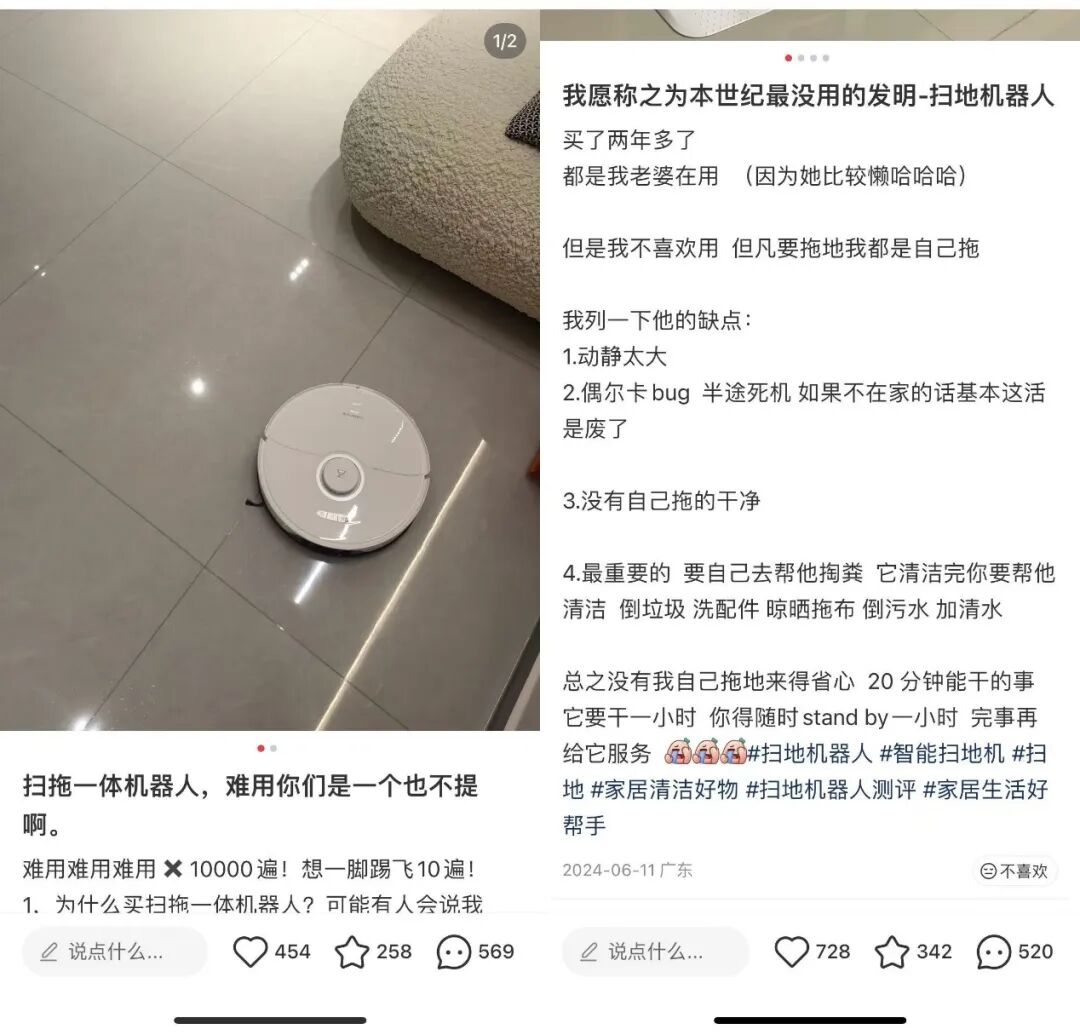
For consumers, if current cleaning appliances are not yet perfect, why not wait before making a purchase?
As a result, we see cleaning appliance companies increasing their marketing and promotional efforts, yet overall market sales continue to decline slowly, forcing companies to seek new growth avenues.
3. Can Overseas Expansion Save the Day?
With the domestic market stagnant, overseas markets have become the only source of growth.
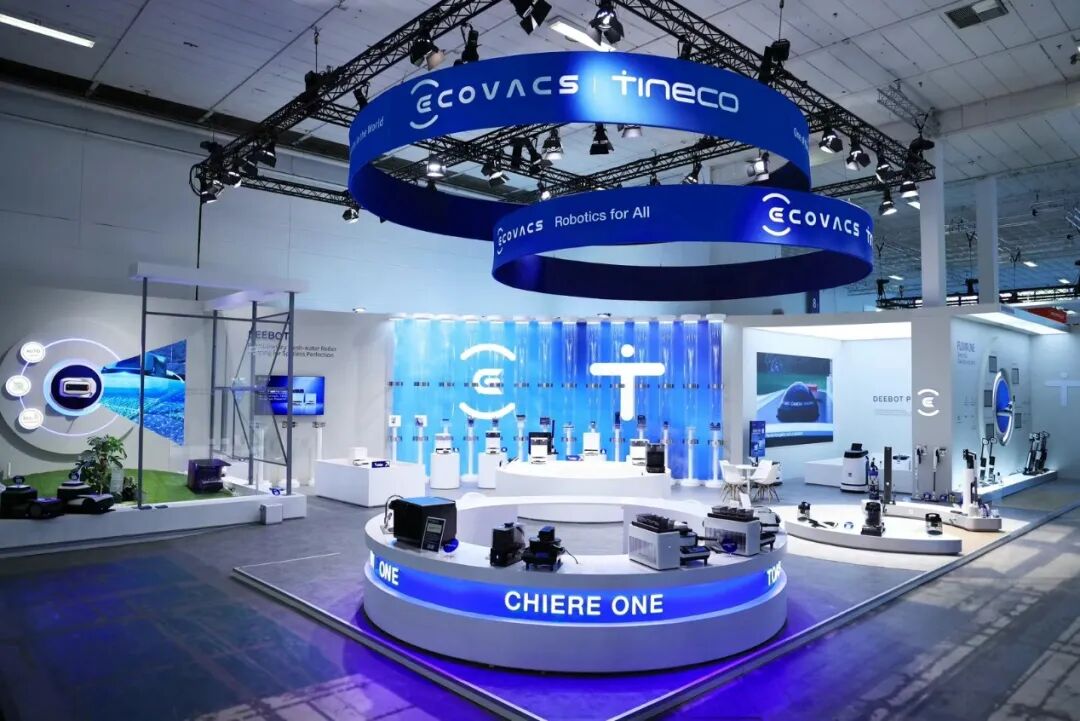
In the first half of 2026, Ecovacs' overseas revenue reached 5.11 billion yuan, up 44.70% year-on-year, with overseas business accounting for more than half of total revenue in the second quarter (51.0%). Roborock's overseas revenue reached 6.073 billion yuan, up 53.77% year-on-year, with overseas revenue accounting for over 60% of total revenue.
For comparison, both companies' domestic revenue grew by only around 1%, practically stagnant.
With domestic growth capped, overseas markets have become the "new frontier" for cleaning appliance companies. Not only Ecovacs and Roborock but also other players in the industry are accelerating their overseas expansion.
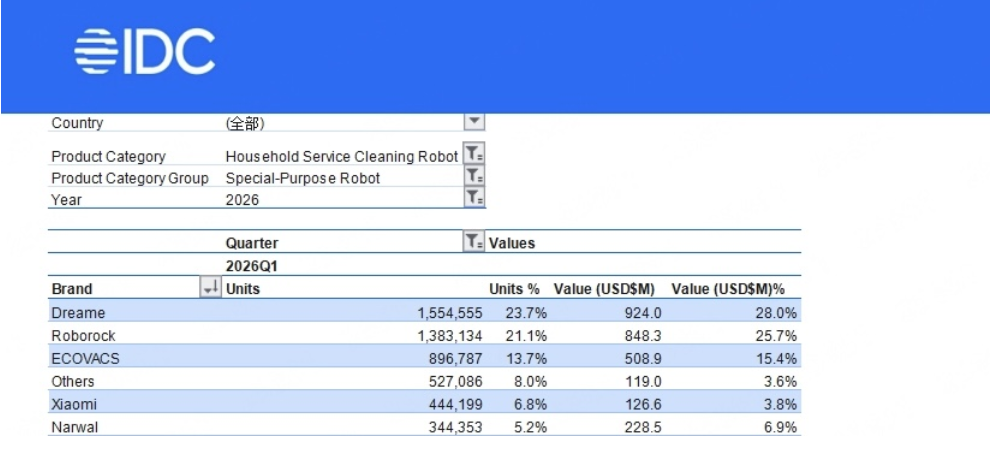
According to IDC data, in the first quarter of 2026, global shipments of home cleaning robots reached 8.936 million units, up 36.7% year-on-year, with robot vacuum shipments at 6.563 million units, up 29.4% year-on-year. Among them, the top five global robot vacuum brands by sales were all Chinese: Dreame, Roborock, Ecovacs, Xiaomi, and Narwal, accounting for about 70% of the market.
However, overseas expansion is never a smooth path.
The biggest uncertainty comes from policies.
On July 28, 2026, the U.S. Federal Communications Commission (FCC) updated its "regulated list" to include foreign-produced "advanced robotic devices." By its standards—autonomous navigation, weight over 2 kg, equipped with environmental sensors, and internet connectivity speed of at least 200 kbps—most mainstream robot vacuums fall under this category.
Under the new rules, previously certified models can continue to be sold. However, robot vacuums are rapidly iteration (rapidly evolving) products, and if new models cannot obtain authorization, overseas sales will be directly impacted.
Tariffs and exchange rates represent the second major uncertainty. Ever-changing trade relations and tariff policies remain a constant threat hanging over domestic companies.
Most importantly, competitive pressure has not eased just by going overseas.
Currently, Ecovacs, Roborock, and Dreame each dominate different overseas markets: Roborock focuses on North America, Dreame on Europe, and Ecovacs' Tineco floor washers have deep roots in Europe, creating a delicate market differentiation.

However, as the domestic market continues to shrink, doubling down on overseas expansion is inevitable. In the first quarter, the overseas market shares of Ecovacs, Roborock, and Dreame were very close, with Dreame (23.7%) leading Roborock (21.1%) by just over 2 percentage points.
When all companies pin their hopes on overseas markets, will "going global" simply shift internal competition to a new battlefield?
Thus, while overseas expansion makes for a good story, it should not be the only story.
The real solution lies in returning to the essence of the product. Robot vacuums have become a "standard" in some households because they genuinely free users from brooms and mops.
Following this logic, companies must now focus on how to free users even more thoroughly—and where else they can achieve this freedom.
On one hand, they must create truly next-generation products.
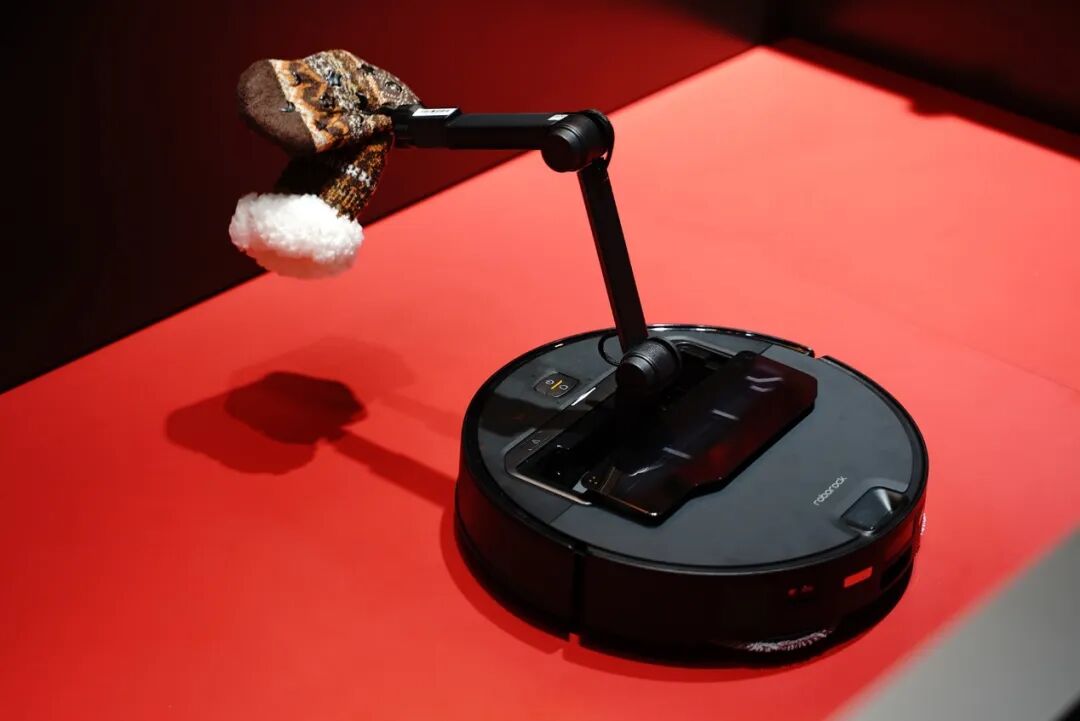
From a trend perspective, deep cleaning, VLM large model applications, chassis capabilities, embodied intelligence, and full-scene home service ecosystems are becoming the innovation frontiers that next-generation products must conquer to truly enhance user experience.
On the other hand, more attention should be focused on segmentation (you can translate it as "niche") cleaning scenarios.
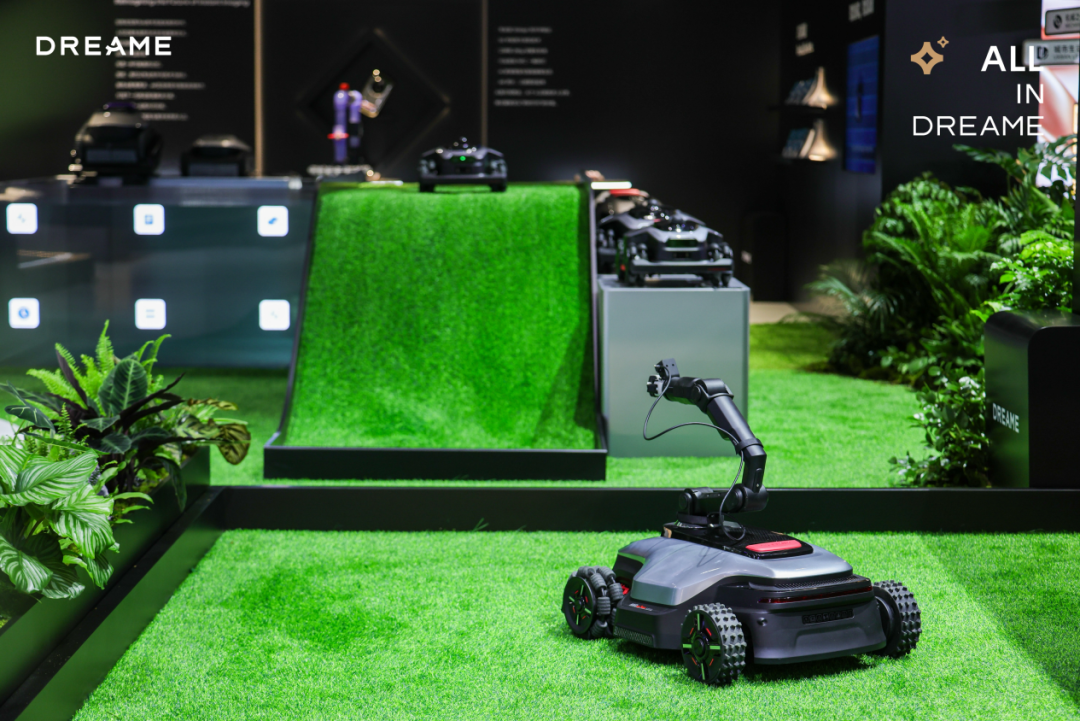
In the first half of the year, fabric cleaning machines, window cleaning robots, mite removers, and electric mops saw significant year-on-year increases of 62.8%, 39.4%, 17.5%, and 18.4%, respectively. In the first quarter of this year, global shipments of smart lawn mowers surged by 97% year-on-year.
To break free from the intense competition in categories such as robotic vacuum cleaners and floor mopping machines, cleaning appliance companies should seek growth opportunities in broader niche scenarios.
From a global market perspective, there is still significant growth potential for cleaning appliances.
However, all players understand that the era of rapid, unregulated growth has passed. The dominance of the top three companies—Ecovacs, Roborock, and Dreame—is becoming increasingly stable and difficult to disrupt.
To avoid being left behind by competitors, companies must delve deeper into niche scenarios and invest more heavily in technology. The industry's "new frontier" may not lie across the ocean but right beneath one's feet.

-
![]()
Changzhou’s Wealthiest Woman Faces Unexpected Setback
-
![]()
FAW Seeks Efficiency Gains, Leapmotor Accelerates Expansion
-
![]()
Dual Leaders in Robot Vacuum Industry Look Overseas for Growth
-
![]()
BYD: The Giant That Rose Again
-
![]()
Claude Finally Integrates a Built-in Browser! Doubao Work Beat It to the Punch—Can Qianwen Catch Up?
-
![]()
Cars Are Expanding: Will Class A Vehicles Be Phased Out as Class B Models Approach the 100,000 Yuan Threshold?
-
![]()
Xiaopeng Faces Two 'Tough Battles'
-
![]()
NVIDIA: Projected to Surge by Another 70% Next Year, the Computing Power 'Central Bank' Ramps Up Production!