2025, “Leapmotor, XPENG, LI Auto, NIO” Escape the Kill Line
 01/19 2026
 529
529

Lead-in
Introduction
Only four first-generation new forces remain. Survival trumps everything.
Recently, the concept of the “kill line” has suddenly gone viral.
In gaming, this somewhat unfamiliar term refers to the moment when a character’s health drops below a critical threshold, making them vulnerable to being instantly defeated by a combo attack.
In reality, it describes a state of extreme economic fragility for individuals or families—where income barely covers fixed expenses, and savings are virtually nonexistent. Any unexpected event can quickly push them into a vicious cycle of “no turning back,” even plunging them from a decent life into homelessness.
More bluntly, the “kill line” is an invisible red line.
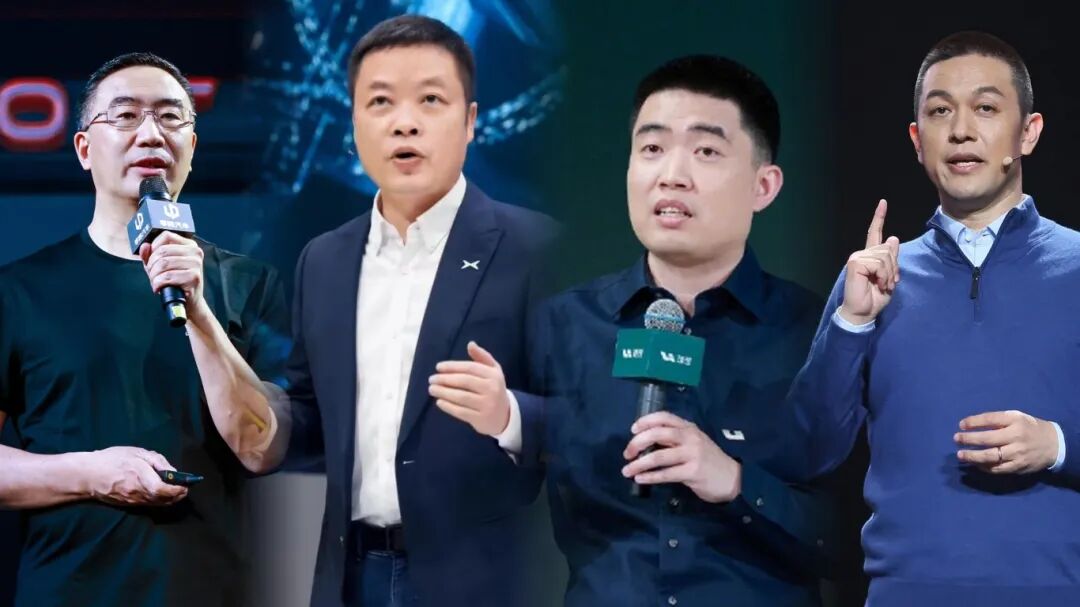
So, why did we spend time discussing the above at the beginning of this article? To better introduce today’s protagonist—the four remaining first-generation new forces in China’s auto market: Leapmotor, XPENG, LI Auto, and NIO.
For them, 2025 feels like a game of escaping the “kill line.”
Although all four have celebrated their 10th birthdays, surviving in China’s brutally competitive auto market remains an unresolved challenge. Behind their seemingly glamorous facades lie relentless challenges and crises.
Over the past 365 days, Zhu Jiangming (Leapmotor), He Xiaopeng (XPENG), Li Xiang (LI Auto), and Li Bin (NIO) have each experienced different mindsets—some felt gratified, others remained steadfast, some had sudden realizations, and others corrected past mistakes. What remains constant is that none can afford to let their guard down as an increasingly brutal battle unfolds.
Next, we’ll delve into the gains and losses of these four first-generation new forces in 2025 and how they plan to continue escaping the “kill line” in 2026.
01 Leapmotor: Cracking the Sales Code
Why start with Leapmotor? Simply because it claimed the title of “2025 New Force Sales Champion.” Frankly, this outcome surprised many.
But not me.
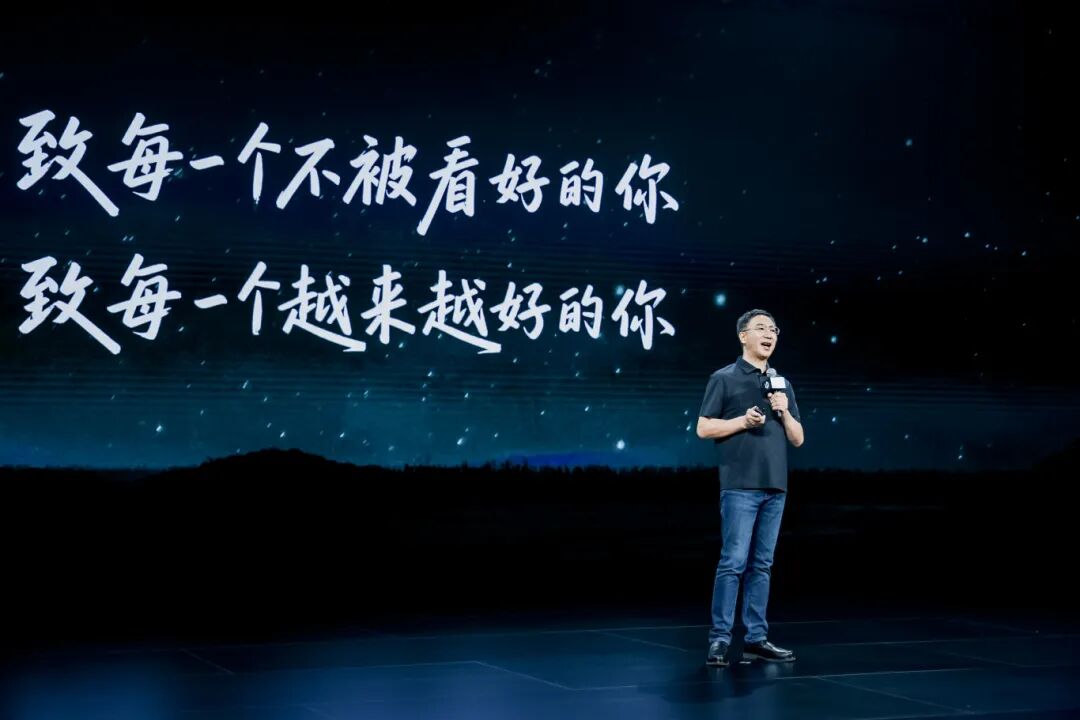
The confidence behind its nearly 600,000-unit delivery milestone stems from: User-centric design—building cars people truly need; Competitive pricing—offering genuine affordability; Brand positioning—staying grounded and avoiding controversy; Technological self-reliance—pursuing full-stack R&D to control key supply chains; Steady marketing—avoiding “black-red” tactics for sustainable growth; Channel expansion—domestic and overseas markets for efficient reach.
In short, Leapmotor found its own path.
Its current priority? Fully penetrating the “mainstream mass market.” Policy support over the past 365 days also provided significant assistance.
Sometimes, building cars requires a bit of “luck.”
When dissecting Leapmotor’s 2025 lineup, no single model stands out as a blockbuster. Instead, it dominates the 100,000–200,000 RMB price range with multiple models selling thousands of units monthly.
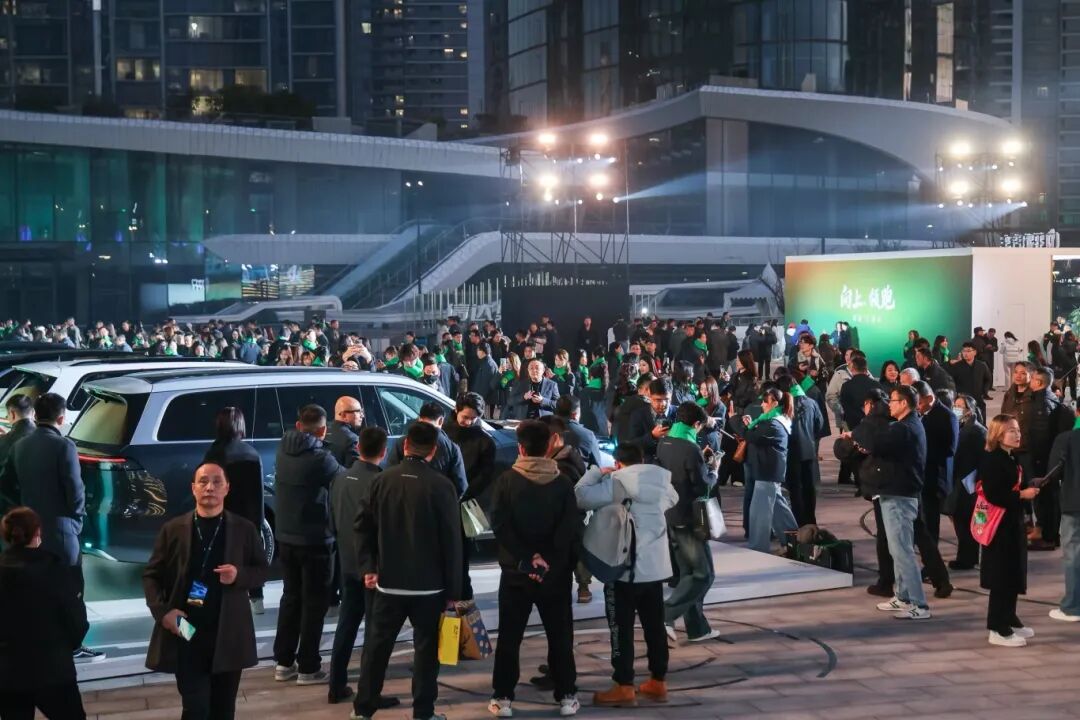
Outsiders often attribute its success to “cheap prices,” but the deeper logic lies in “balance.” Terms like “half-price LI Auto” or “price killer” are merely surface-level observations.
Instead, a recurring viewpoint emerges: “All competitors should study Leapmotor’s rapid product evolution.”
Once criticized for “not understanding car-making,” this “outsider” now outpaces many arrogant “insiders” in learning ability and iteration speed.
Bolstered by these achievements, Zhu Jiangming, Leapmotor’s leader, declared multiple times in public: “In 2026, we aim for 1 million units.”
With nearly 600,000 units from existing models, plus new entrants like A10, D19, and D99 targeting lower or higher segments, along with overseas expansion, this goal isn’t unrealistic.
Who could’ve imagined Leapmotor becoming the first new force to announce a 1-million-unit target?
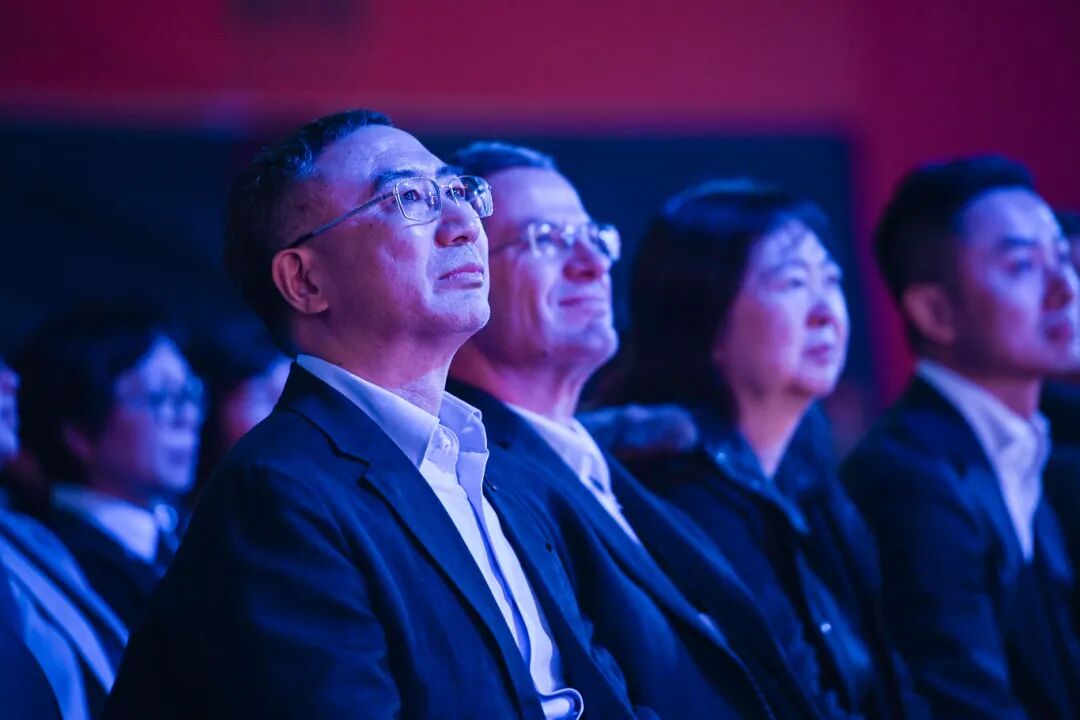
Just a few years ago, it hovered below the “kill line.” Its success proves that choosing the right path and seizing fleeting opportunities matter more than anything.
However, challenges remain stark in 2026: Intensifying competition in the mainstream mass market will test its ability to defend territory; The premium segment (above 200,000 RMB) remains unproven, with uphill battles ahead; Intelligent driving capabilities lag behind leaders, requiring urgent catch-up; Beyond sales volume, profitability must validate its business model.
“We’ve just crossed the breakeven point. There’s no time to rest. The NEV window closes in a few years. Our market share remains tiny in China and negligible globally. Every second counts as we sprint toward the next decade.”
In an internal letter, Zhu Jiangming sounded the alarm.
For Leapmotor, which has unlocked the sales code, staying humble, refining capabilities, and quietly building wealth are essential to fully escaping the “kill line.”
02 XPENG: Betting Big on AI Storytelling
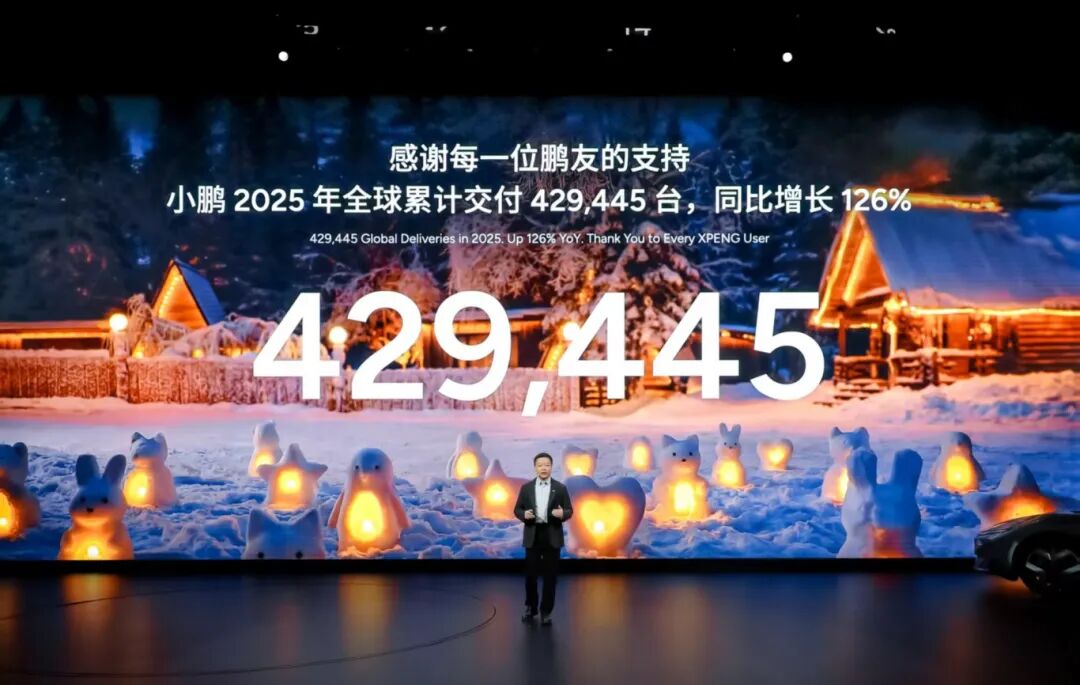
In 2025, XPENG delivered nearly 430,000 new vehicles.
Undeniably, this is an impressive result. Some critics argue that the MONA M03 alone accounted for 40%, diluting its “gold content.” But as the saying goes, “A cat that catches mice is a good cat, regardless of color.”
Today’s NEV market thrives on “strong points” driving success.
Over the past 365 days, beyond MONA M03’s steady output, XPENG’s other models largely fulfilled their roles. However, “durability” remains a concern.
Sales curves for strategic models like the G7 and all-new P7 peaked before declining, signaling a need for vigilance.
In 2025, reclaiming intelligentization (intelligent driving) leadership became a cornerstone of XPENG’s strategy—a label it has long worn and leveraged for marketing.
Yet, in recent years, with giants like Huawei entering the fray and top-tier suppliers ramping up efforts, XPENG’s first-mover advantage has eroded.
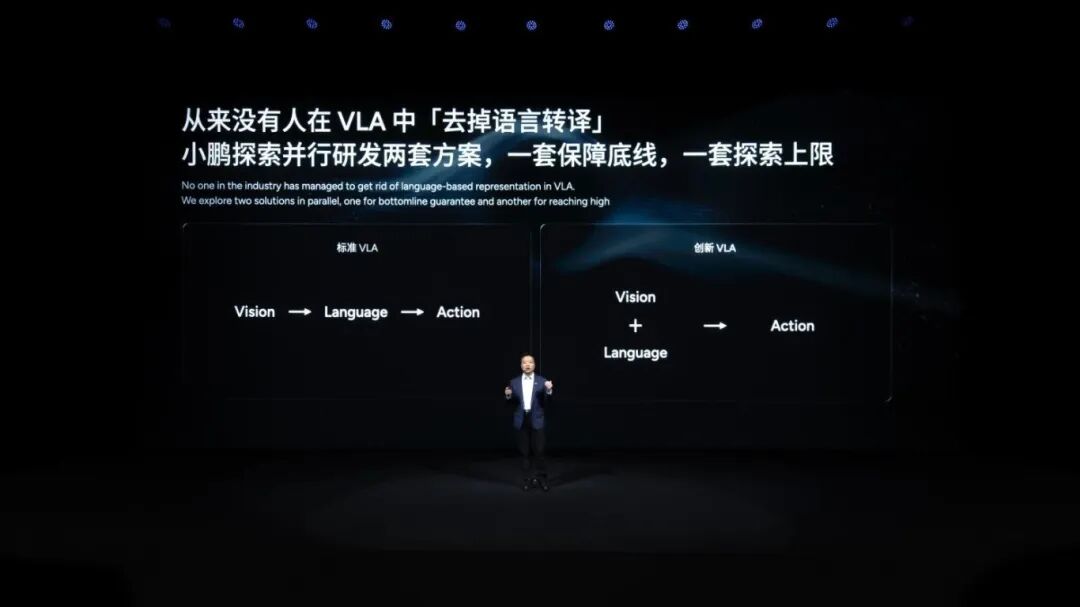
Addressing these pain points, XPENG has made bold moves: Switching to self-developed Turin chips; Announcing the second-gen VLA architecture; Launching mass production of the XTENG flying car; Sparking the entire internet (online) debates with humanoid robots.
These efforts signal XPENG’s determination to prove: “The old era is over. A new AI-driven war has begun.”
They will determine whether the company can ascend to the next level.
For 2026, He Xiaopeng revealed a sales target of 550,000–600,000 units. Product launches will focus heavily on SUVs: The “G01,” a large 6-seater SUV; The “G02,” a full-size flagship SUV; The “D02,” a mid-size SUV under MONA; The “D03,” a compact SUV under MONA.
XPENG clearly recognizes its shortcoming . In 2025, it sold more sedans than SUVs—an awkward position in China’s SUV-dominated market.
At a recent New Year event, XPENG unveiled four “ace cards” in one go, showcasing a “decisive battle” mentality. In 2026, extended-range models will be critical for growth.
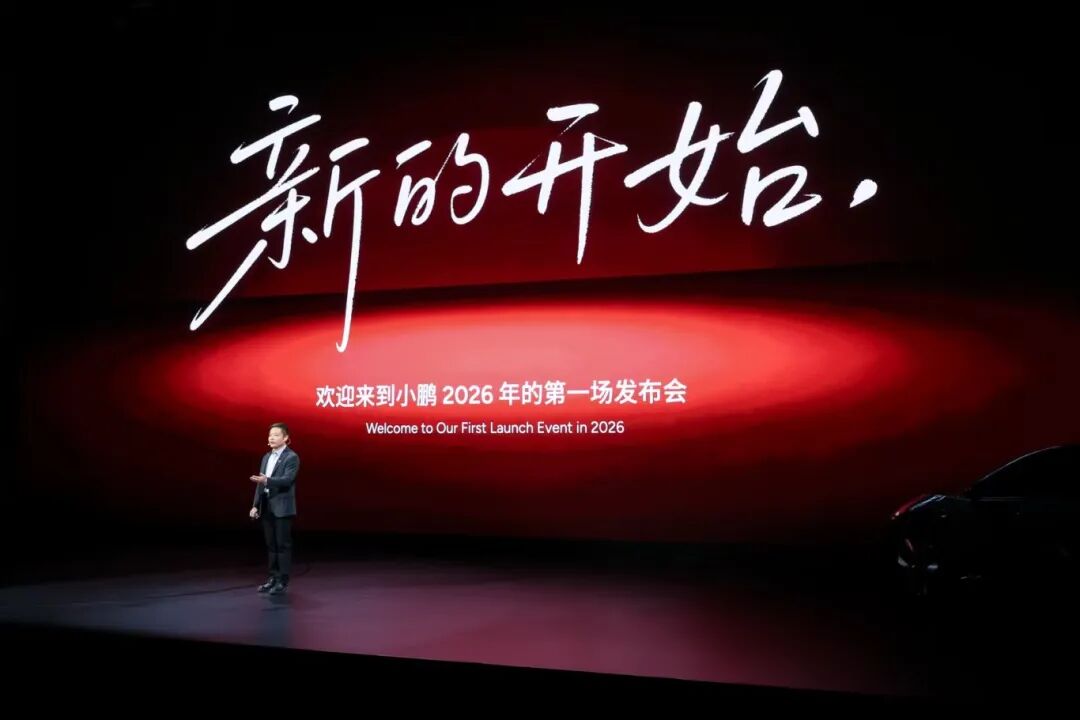
Meanwhile, challenges loom: Elevating brand image; Reclaiming lost ground in the premium segment (above 200,000 RMB); Retaining and engaging existing customers; Regaining intelligentization (intelligent driving) leadership; Driving progress through precise product definitions; Leveraging overseas markets; Achieving full-year profitability.
“I’ve always believed the worst times are the best times. They force reflection and improvement. For us, 2026 holds immense opportunity.”
In a post-event interview, He Xiaopeng stated his case. As an observer, I know the slaughter will be bloodier than imagined. XPENG cannot afford complacency.
Escaping the “kill line” requires unwavering focus.
03 LI Auto: Returning to Startup Mode
If one word could describe LI Auto’s 2025 performance, it would be “underwhelming.”
The clearest evidence? Deliveries barely surpassed 400,000 units, making it the only first-generation new force with negative year-over-year growth. Once the “poster child” of the group, LI Auto has clearly slowed down.
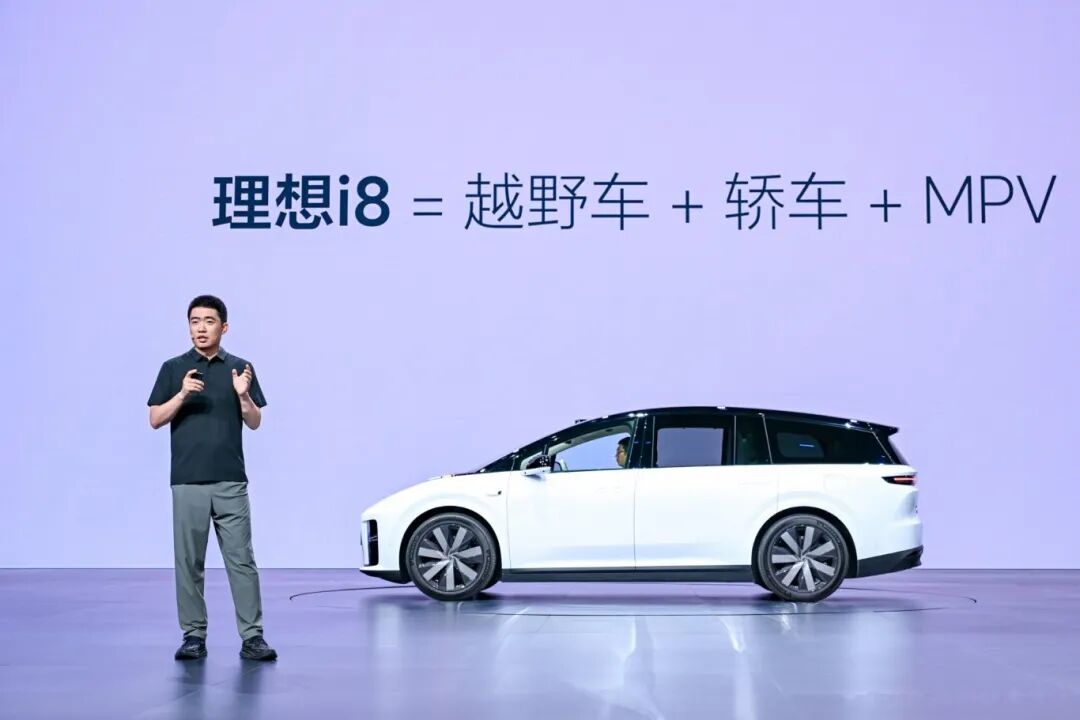
What went wrong?
First, the extended-range segment faced relentless competition, with the L series losing market share. Second, despite delaying the i series by a year, LI Auto hesitated when entering the pure electric market—the i8’s post-launch indecision being a prime example.
LI Auto quickly adjusted the upcoming i6 with significant improvements, but its late arrival made reversing the annual downturn difficult. The 2024 MEGA’s battery recall dealt another blow.
Over the past 365 days, LI Auto seemed trapped in “bad luck,” exposing team panic and inefficiency in adversity.
Once dominant in China’s auto market, LI Auto relied on two “weapons”: strong products and high efficiency. Perhaps complacency from past victories blinded it to rapid terminal competition changes.
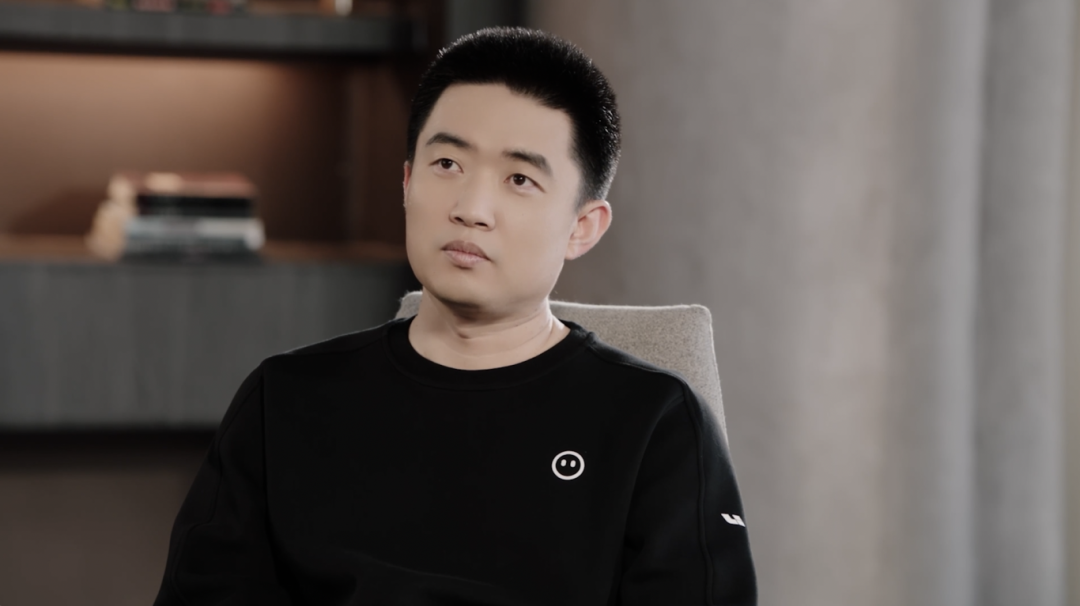
Li Xiang, the first respondent, reflected on these missteps.
“Our four-year platform iteration cycle can’t keep up with today’s six-month refresh rates. We play once, while rivals play twice.” This timing gap left LI Auto vulnerable in both pure electric and extended-range segments.
Xiaomi’s aggressive entry—with “two hits in two years”—caught LI Auto off guard. Li Xiang admitted to misjudging Xiaomi’s market impact.
To reverse its fortunes, LI Auto adopted aggressive strategies: Shortening product cycles to two years; Breaking the “copycat” design mold for unique models; Prioritizing product excellence and AI technology over “cost-efficiency” in R&D; Shifting from “parallel exports” to official-led overseas expansion in the Middle East and Europe.
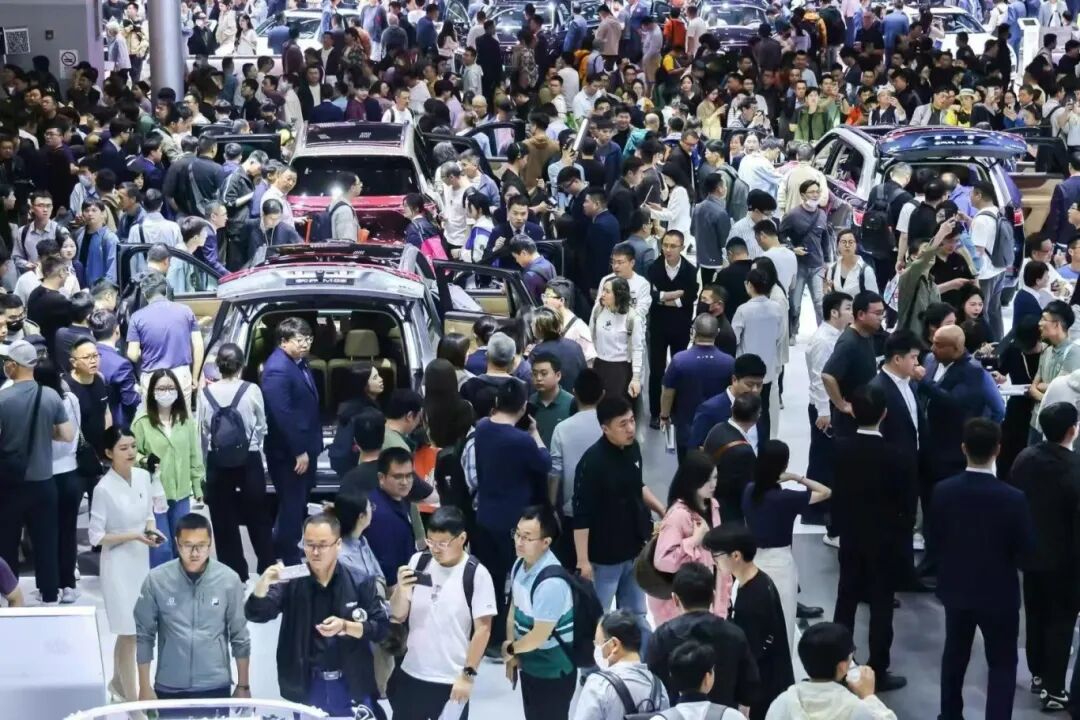
In short, LI Auto will “return to startup mode.” Recent executive (executive) team changes reflect this decisive shift.
For this new force in car manufacturing, the so-called organization and strategy can be completely put aside for now. Currently, product and efficiency are the true hallmarks of victory.
By 2026, NIO must reestablish its reputation.
Achieving substantial positive growth in sales, striving for simultaneous growth in both volume and price, successfully executing a major generational shift for the L series, continuously solidifying the foundation of the i series, establishing leadership in AI—each of these aspects is crucial. Even if the external environment continues to pose challenges, especially with intensified attacks from core competitors like Huawei and Xiaomi compared to 2025,
because only in this way can it completely escape the 'kill line'.
04 NIO: Focused on Selling Cars
Sales volume will always be the clearest mirror reflecting the survival status of a new car-making force. By attempting to analyze NIO's delivery volume throughout the entire year from January to December 2025, an upward curve has been drawn despite overcoming numerous difficulties.
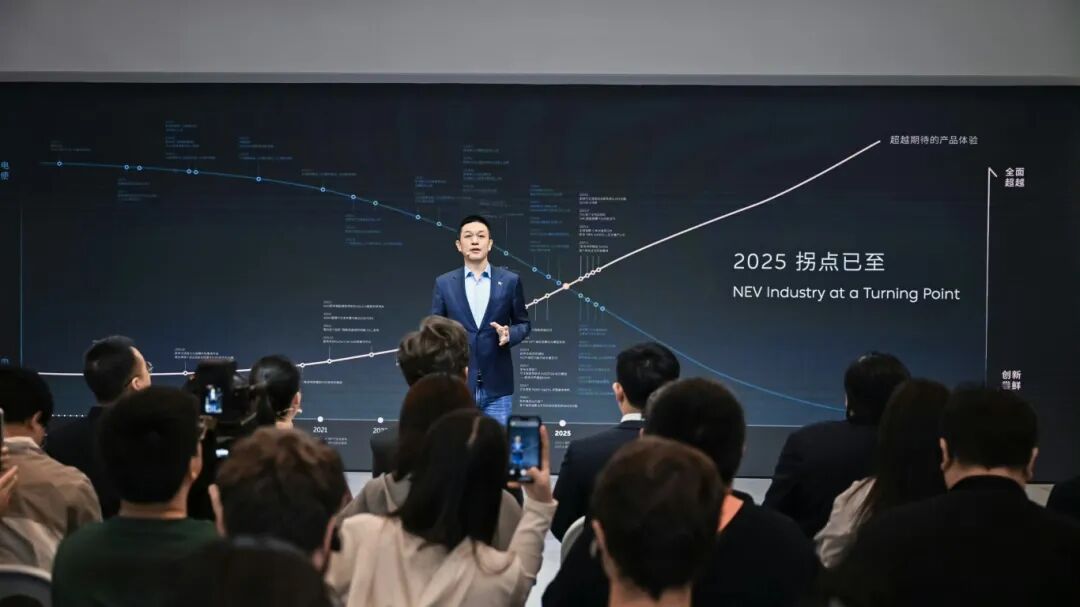
With a total of over 320,000 vehicles sold, although NIO failed to achieve its previously set goal of 'doubling' sales, the result is not too bad, with a year-on-year increase approaching 47%.
Over the past 365 days, the main theme for this new car-making force has been akin to 'setting aside distractions and focusing on selling cars.' The gradual realization of the synergistic effect among its three brands has been the most precious gain.
Regarding NIO, although it has not yet switched to the NT3 platform, the '5566' models have managed to hold their ground through intelligent upgrades and standard 100-degree long-range batteries, which is quite remarkable. The rapid success of the all-new ES8 has been truly surprising. With December sales exceeding 22,000 units, securing the top sales position among all powertrain types priced above 400,000 yuan further confirms the arrival of the golden age for all-electric three-row SUVs.
Regarding LETO, despite experiencing leadership changes in the first quarter, Shen Fei, who took charge in a crisis, managed to get the brand back on track with great difficulty. The L60, with its gradually building product reputation, became the sales leader for the entire company in 2025. The L90, on the other hand, allowed NIO to taste victory for the first time in the second half of the year, with over 10,000 deliveries for three consecutive months after its launch.
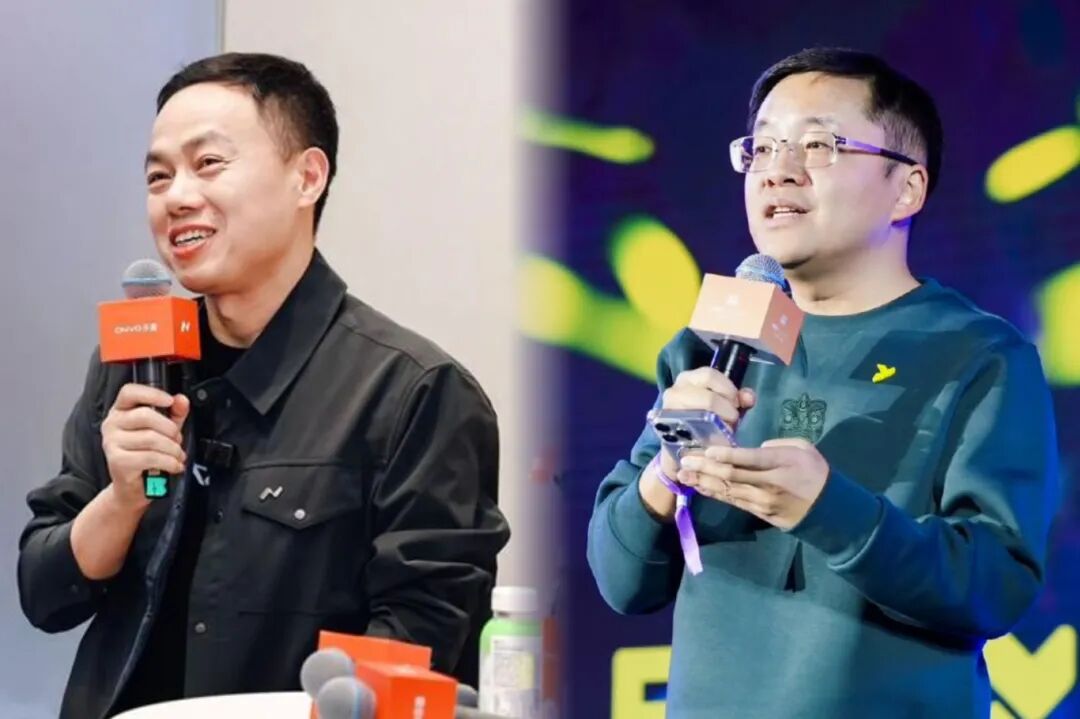
Regarding Firefly, it faced an extremely challenging start but ultimately 'defied the odds.' With nearly 40,000 deliveries in 2025, it successfully stimulated demand in the premium all-electric compact car market. In my view, having a self-aware leader like Jin Ge is equally fortunate for the brand.
In any case, after resolutely undergoing painful reforms, NIO is becoming increasingly efficient and pragmatic. Previously, this new car-making force was always willing to tout 'long-termism'; now, it has become the automaker in the industry that is most fond of crunching numbers, striving to spend every penny wisely.
Perhaps, only when inching perilously close to the edge can one achieve true enlightenment. The harsh baptism of 2025 has finally led NIO to find its own 'survival methodology,' even basically reaching the threshold of profitability in the fourth quarter.
Facing the uncertain year of 2026, William Li has set the latest goals: 'Maintain steady sales growth of 40%-50% and strive for full-year profitability at the financial level.'
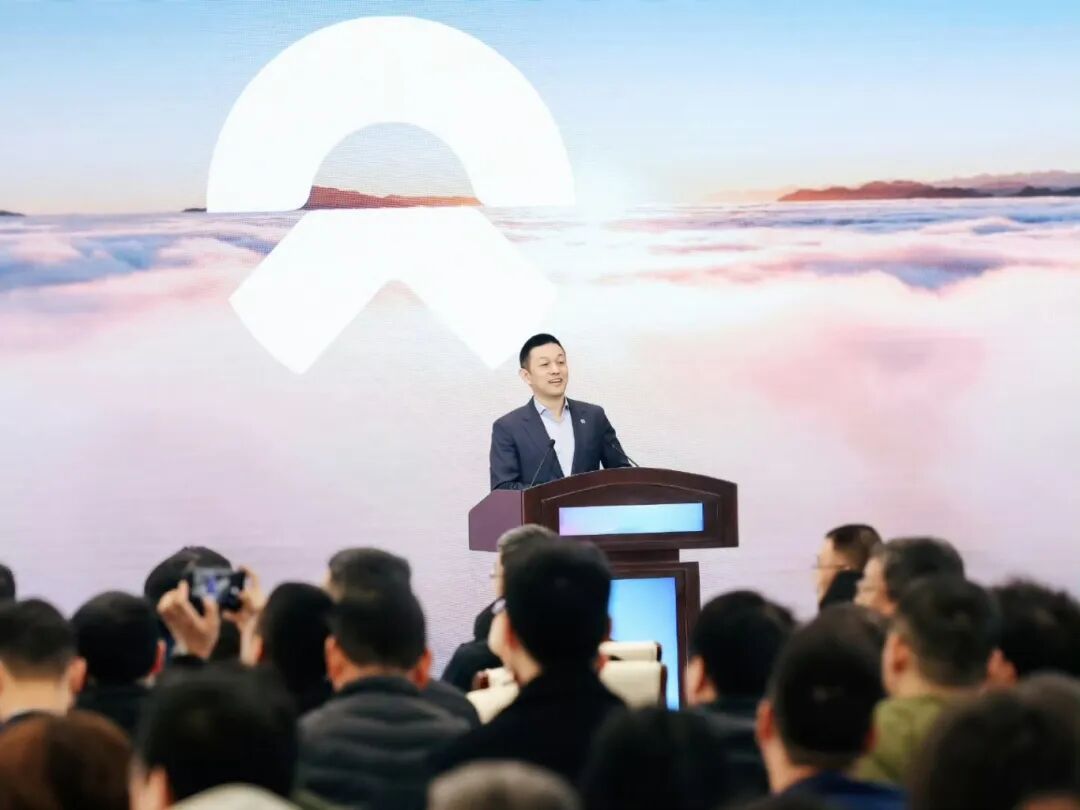
As for the highly anticipated new car lineup, the L80, all-new ES7, and ES9—three all-electric SUVs with progressively larger sizes—have essentially been 'revealed.'
Coupled with the L90 and all-new ES8, NIO's intention is undoubtedly to thoroughly penetrate the high-margin large vehicle market through a 'high-medium-low combination punch.'
However, objectively speaking, NIO is not the only automaker eyeing this 'piece of cake.' From Huawei to Xiaomi, including Li Auto mentioned in the previous paragraph, as well as many other automakers not mentioned, all aim to take a substantial share.
Therefore, it is premature to claim victory. As William Li mentioned in an internal speech, 'In increasingly harsh environments, it is crucial for us to maintain strategic focus, neither underestimating ourselves nor deceiving ourselves, staying true to our original aspirations, and focusing on action.'
In terms of intelligent driving, energy replenishment, channels, globalization, and services... this new car-making force also needs to make steady progress day by day and persevere in its efforts.
After all, to completely escape the 'kill line,' none of the aforementioned aspects can have shortcomings. NIO has no room for relaxation. Next, it must continue to 'build strong fortifications and engage in stubborn battles.'
Editor-in-Chief: Shi Ye Editor: Chen Xinan
THE END
-
![]()
Enflame Tech's IPO Journey: Navigating Over 5.9 Billion Yuan in Losses and Soaring Debt in Q1 This Year
-
![]()
Trillion-Yuan Giant Li Shufu 'Streamlines': Could Levc Be the Casualty?
-
![]()
AI Competes for Electricity and Generates Power in the Gobi Desert
-
![]()
The First Batch of Victims of the AI Bubble: Programmers
-
![]()
ByteDance, DJI, and Xiaohongshu Secure Top Three Positions Among China’s Fastest-Growing Unicorns
-
Tesla's in-car voice system in China is finally learning to 'understand human language'
-
![]()
Foreigners Are Amazed: Chinese Electric Vehicle Drive Systems Unveil Innovative 'Poses'
-
![]()
700,000 Brothers and the Future of Robots: Behind JD.com's 'Nirvana Plan'