Performance of the Four Major Commercial Vehicle Giants in 2025: SINOTRUK Exports Surpass 150,000 Units, FAW Jiefang's New Energy Sales Increase by 330%
 01/23 2026
 738
738
Author / Zhang Xin Produced by / Zhujian Auto
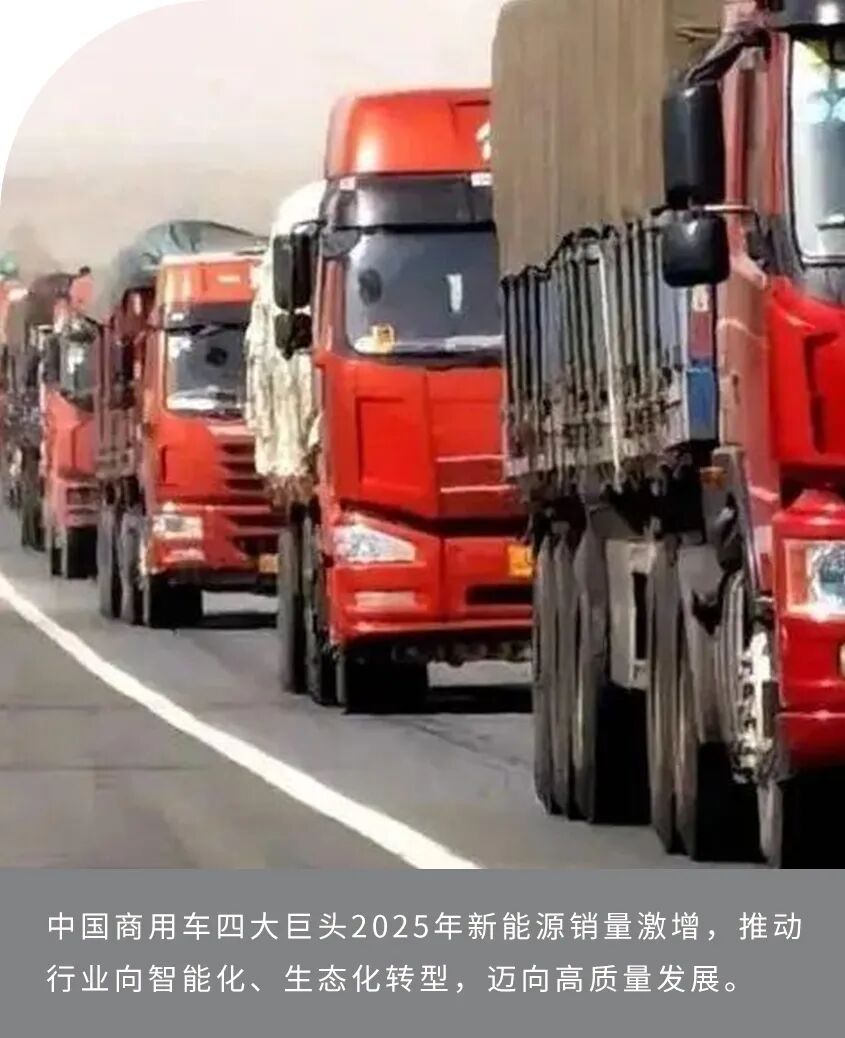
With the final data for 2025 set, China's commercial vehicle market has successfully completed its '14th Five-Year Plan' with sales of 4.296 million units and a year-on-year increase of 10.9%.
The latest forecast from the China Association of Automobile Manufacturers (CAAM) indicates that the commercial vehicle market will steadily grow to 4.5 million units in 2026, marking a year-on-year increase of 4.7%. Behind this steady growth, the 2025 performance and 2026 strategic blueprints of the four industry giants—SINOTRUK, FAW Jiefang, Dongfeng Commercial Vehicle Division, and Shaanxi Automobile Group—outline a profound transformation in the industry from 'scale competition' to 'value deep cultivation (value deepening).' The penetration rate of new energy vehicles is set to reach 35%, globalization strategies are upgrading from 'product exports' to 'ecosystem exports,' and intelligent technologies are shifting from 'configuration stacking' to 'efficiency revolutions.' China's commercial vehicles are defining a 'Chinese Solution' for the global commercial vehicle industry's transformation with their advantages across the entire industrial chain.

New Energy: A Qualitative Leap from Policy Dependence to Market-Driven Growth
'2025 marks a watershed moment for the new energy transition in commercial vehicles,' industry analysts note. The era of policy-driven growth has officially ended, and a new phase of market recognition has fully commenced.
This judgment is fully validated by the performance of the four major players.
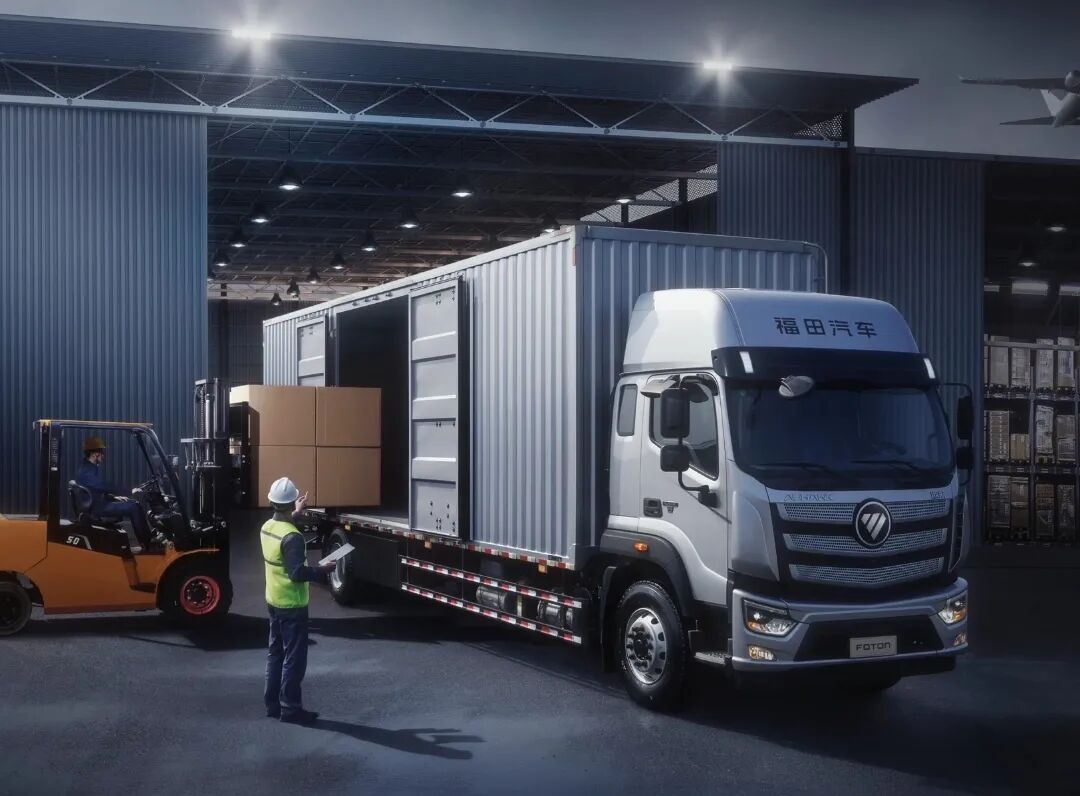
In 2025, FAW Jiefang's new energy vehicle sales reached 44,000 units, a staggering year-on-year increase of 176.7%, with new energy medium- and heavy-duty truck models seeing an even higher growth rate of 330.9%. SINOTRUK's new energy light truck sales reached 16,000 units, surging by 390% year-on-year, while its market share in new energy heavy-duty trucks rose to 11.5%. Shaanxi Automobile Group's new energy vehicle sales exceeded 25,000 units, up 260% year-on-year, with orders reaching 30,000 units. Dongfeng Commercial Vehicle Division achieved diversified growth, with new energy vehicle sales doubling to exceed 10,000 units, and Dongfeng Liuzhou Motor aiming for 16,000 new energy vehicle sales in 2026.
From a technological perspective, the industry has moved away from 'betting on a single track' and has formed a diversified and synergistic development pattern.
Shaanxi Automobile Group adheres to a dual-track approach of natural gas and new energy vehicles, aiming for a balanced layout of 32,000 diesel vehicles, 28,000 natural gas vehicles, and 40,000 new energy vehicles in 2026. SINOTRUK focuses on pure electric technology iteration, rapidly capturing the urban logistics market with its new energy light trucks that saw a 390% growth rate. FAW Jiefang, on the other hand, centers its efforts on new energy medium- and heavy-duty trucks, building a comprehensive solution covering trunk logistics and construction projects.
Notably, the core competitiveness of new energy commercial vehicles has shifted from 'policy dividends' to 'full lifecycle cost advantages.' CAAM predicts that new energy commercial vehicle sales will grow by 15.2% year-on-year in 2026, with the penetration rate expected to exceed 42%, becoming the core engine of industry growth.

Globalization: From Product Exports to Ecosystem Integration
In 2025, China's commercial vehicle exports increased by 17.2% year-on-year, with new energy commercial vehicle exports surging by 86.8%. Overseas markets have upgraded from a 'supplementary battlefield' to a 'core growth engine.' SINOTRUK maintained its leading export position, with heavy-duty truck exports exceeding 10,000 units in 2025, securing its top spot in the country for the 21st consecutive year. Overseas sales accounted for 50% of its total heavy-duty truck sales, serving as a 'ballast stone' against domestic market fluctuations.
FAW Jiefang's overseas medium- and heavy-duty truck sales exceeded 60,000 units, with a 2026 target of 80,000 units, accelerating its layout (layout) in emerging markets such as Southeast Asia and the Middle East. Dongfeng Commercial Vehicle Division has set an ambitious goal of 'over 30% overseas sales share by 2026,' achieving a transformation from 'selling vehicles' to 'selling solutions' through localized service network construction.
The core of export competition is undergoing a qualitative change. Early reliance on price advantages has upgraded to a comprehensive competition of technology, services, and ecosystems.
SINOTRUK promotes localized assembly overseas, shortening delivery cycles and reducing operation and maintenance costs. FAW Jiefang exports new energy products and intelligent connected vehicle technologies, meeting the 'low-carbon transition' demands of overseas markets. Dongfeng Commercial Vehicle Division customizes adaptive vehicle models for the tropical climate of Southeast Asia and establishes supporting parts warehousing centers.
As emphasized by CAAM, China's commercial vehicles derive their overseas competitiveness from 'structural advantages'—leading electrification technologies, strong supply chain resilience, and outstanding product cost-effectiveness. This enables sustained export growth, with automobile exports expected to reach 7.4 million units in 2026, with commercial vehicles serving as a significant growth point.

Intelligence: From Configuration Upgrades to Ecosystem Reconstruction
'The intelligence of commercial vehicles is not a simple transplantation of passenger vehicle technologies but a value reshaping of their 'production tool' attributes,' a technical expert from JAC Motors stated, highlighting the core logic of industry transformation.
In 2025, the intelligent layout (layout) of the four major players has shifted from single technology applications to the co-construction of an entire industrial chain ecosystem. SINOTRUK achieves real-time operation and maintenance of 10,000 new energy commercial vehicles through its Beidou Intelligent Monitoring Platform. FAW Jiefang integrates intelligent driving with logistics scheduling systems, enhancing trunk transportation efficiency. Dongfeng Commercial Vehicle Division deploys L2+ intelligent driving solutions in scenarios such as sanitation and mining areas. Shaanxi Automobile Group increases its Beidou market share to 12.4%, optimizing vehicle operation costs through data empowerment.
The ultimate goal of intelligence is 'cost reduction and efficiency enhancement.'
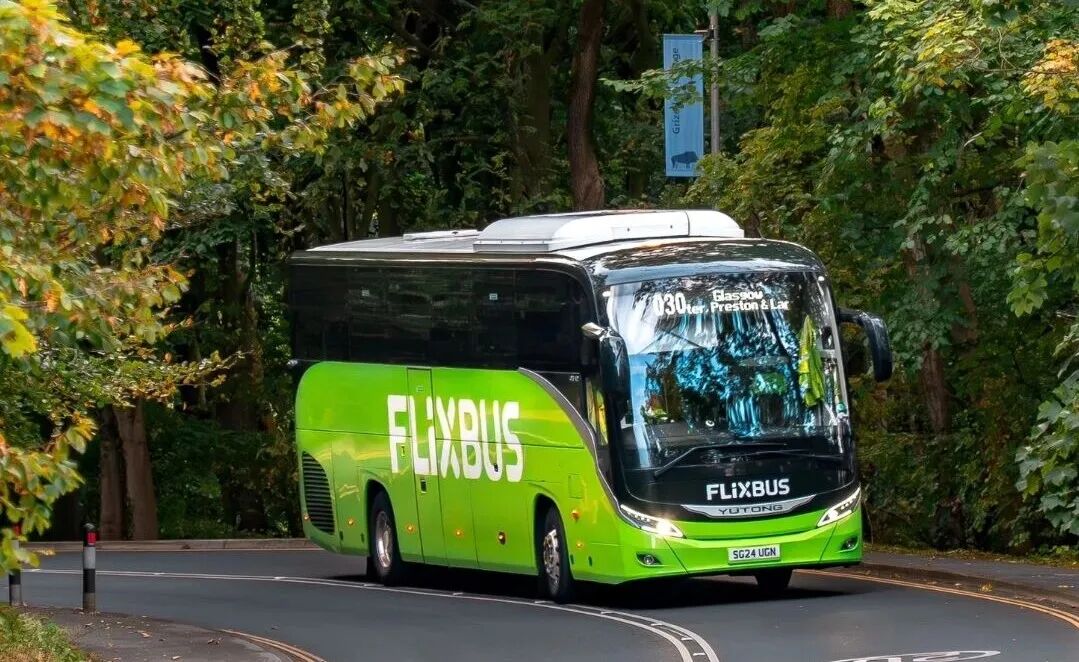
Yutong Commercial Vehicles reduces the full-term claim rate of urban logistics enterprises from 160% to below 100% through its 'Safety Escort System.' Remote New Energy builds an intelligent driving base with 'hardware pluggability and computing power upgradability,' adapting to multi-scenario operation demands. The ecosystem strength of industry chain collaboration is evident, with technologies like the AI Maintenance Hub from Muweisi, using knowledge graph technology to achieve 'AI supplementation of experience,' addressing the shortage of maintenance technicians in remote areas. Jingneng New Energy creates an integrated zero-carbon park combining 'photovoltaic storage, charging, and discharging,' enabling new energy commercial vehicles to serve as 'mobile energy storage units' and generating additional revenue for users through V2G technology.
Industry predictions indicate that by 2028, the configuration rate of L2+ intelligent driving in commercial vehicles will exceed 50%, with intelligence transforming from a 'high-end option' to a 'standard value.'

Strategic Choices and Industry Trends Amidst Divergent Predictions
The divergent predictions for the 2026 heavy-duty truck market capacity essentially reflect the collision of strategic logics among the four major players.
FAW Jiefang optimistically estimates medium- and heavy-duty truck industry sales at 1.25 million units, driven by confidence in infrastructure investment and policy continuity. Its 'Three 100-Billion-Yuan-Level' goals aim for a comprehensive upgrade in brand value, revenue, and market capitalization. Dongfeng Commercial Vehicle Division predicts domestic medium- and heavy-duty truck demand at only 760,000 units, reflecting caution about low freight rates and demand exhaustion. It shifts its focus to 'over 18% market share' and 'leading profitability.' SINOTRUK and Shaanxi Automobile Group adopt a balanced strategy, pursuing scale growth while deeply cultivating niche markets such as new energy and special-purpose vehicles.
Regardless of the predictions, the trend of high-quality development in the industry is irreversible.
From a competitive focus perspective, new energy penetration rate, overseas market share, and intelligent technology implementation efficiency will become core competition dimensions. From a development path perspective, 'ecosystemization' has become a keyword, with OEMs no longer limited to vehicle manufacturing but extending to full lifecycle services such as financial services, charging networks, and maintenance operations. From a policy orientation perspective, the tone (tone) of 'steady progress and quality enhancement' and the implementation of the 'Work Plan for Stable Growth in the Automotive Industry' will curb 'involutionary' competition and drive the industry towards value competition.
Standing at the starting point of the '15th Five-Year Plan' period, China's commercial vehicle industry is entering deep waters. The strategic layout (layouts) of the four major players not only concern their market positions but also determine China's voice in the global commercial vehicle industry landscape. With the deep integration of new energy, intelligence, and globalization, a new era of smart transportation capacity centered on 'safety, efficiency, and value' is emerging.
As predicted by CAAM, the commercial vehicle market will maintain steady growth, and those enterprises capable of grasping technological trends, focusing on user value, and building ecosystem advantages will ultimately lead the way in the high-quality development track.
END
-
![]()
Enflame Tech's IPO Journey: Navigating Over 5.9 Billion Yuan in Losses and Soaring Debt in Q1 This Year
-
![]()
Trillion-Yuan Giant Li Shufu 'Streamlines': Could Levc Be the Casualty?
-
![]()
AI Competes for Electricity and Generates Power in the Gobi Desert
-
![]()
The First Batch of Victims of the AI Bubble: Programmers
-
![]()
ByteDance, DJI, and Xiaohongshu Secure Top Three Positions Among China’s Fastest-Growing Unicorns
-
Tesla's in-car voice system in China is finally learning to 'understand human language'
-
![]()
Foreigners Are Amazed: Chinese Electric Vehicle Drive Systems Unveil Innovative 'Poses'
-
![]()
700,000 Brothers and the Future of Robots: Behind JD.com's 'Nirvana Plan'