Honda and GM Have a 'Falling Out'
 01/23 2026
 633
633

Lead
Introduction
The end of the Honda-GM partnership serves as a wake-up call for the automotive industry.
Recently, Honda issued a statement announcing that it will terminate fuel cell production in its joint venture with General Motors and switch to a self-developed battery system.
The statement mentioned that production of the current model fuel cell system by its joint venture with GM, Fuel Cell System Manufacturing LLC (hereinafter referred to as FCSM), will cease by the end of 2026. Subsequently, it will fully transition to its self-developed next-generation fuel cell system and expand its hydrogen energy business based on this core technology.
This official announcement from Honda has sparked significant discussion within the automotive industry. What appears to be a routine business adjustment marks the formal end of nearly a decade of collaboration between two international automotive giants in the fuel cell sector.
We all know that in the current era of global electrification, alliances between automakers are nothing new. From technology sharing to production capacity collaboration, from market expansion to cost-sharing, 'huddling for warmth' has been seen by many traditional automakers as the optimal solution for navigating industry changes. However, the termination of Honda and GM's partnership throws cold water on the overheated alliance trend.
So, what are the common industry patterns hidden in the journey of Honda and GM, from partners to going their separate ways? Moreover, when alliances are no longer a universal solution, what is the path forward for traditional automotive giants to break through?
01 From Strategic Synergy to Parting Ways
Looking back at Honda and GM's fuel cell collaboration, it began at a pivotal moment of industry transformation in 2017.
At that time, the global automotive industry was in a critical transition from the fuel era to the new energy era. Pure electric technology had not yet established absolute dominance, and hydrogen energy, as an important direction for clean energy, was highly anticipated by many automakers. However, the research and development cycle for fuel cell technology was long, with high investment costs and significant industrialization challenges, making it difficult for a single company to break through bottlenecks quickly.
Against this backdrop, Honda and GM chose to collaborate, establishing the FCSM joint venture in January 2017. This marked the first joint venture in the global automotive industry focused on the production of advanced fuel cell systems.
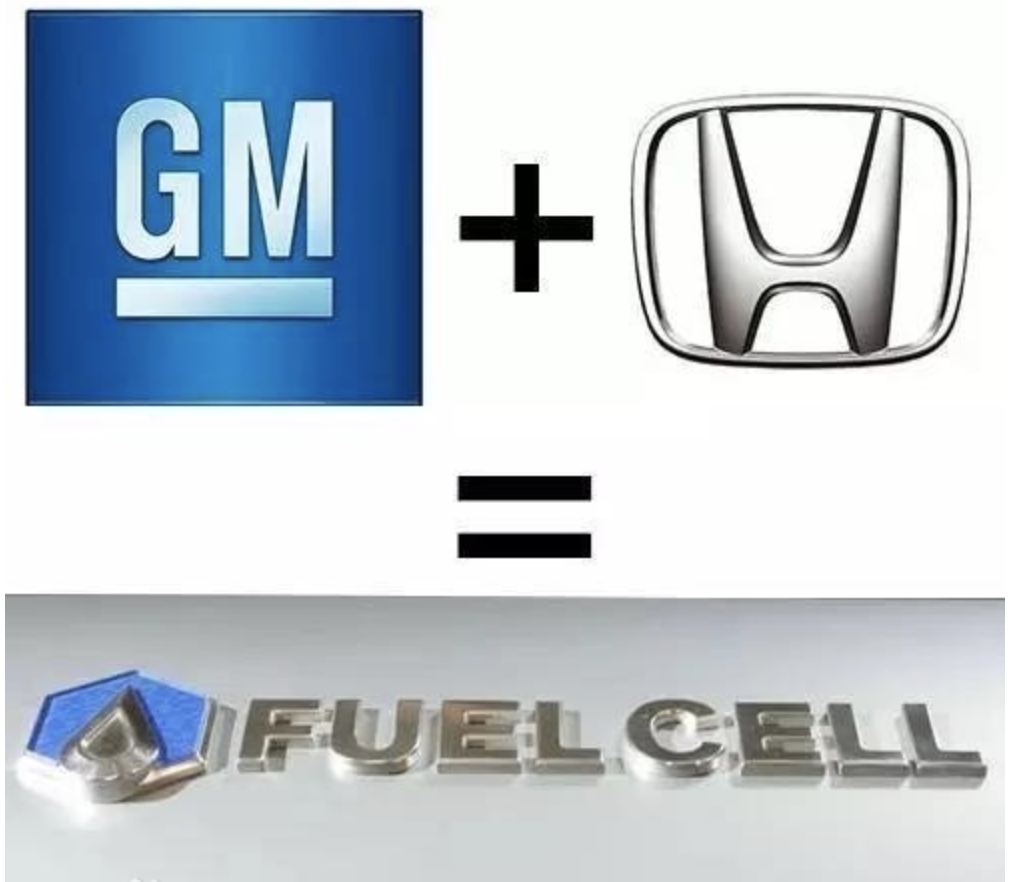
From the industry context at the time, this partnership was a 'powerhouse alliance.' On one hand, Honda had over 30 years of research and development experience in hydrogen energy and fuel cell technology, with deep expertise in technical maturity and durability. On the other hand, GM possessed significant advantages in large-scale production, supply chain management, and cost control. In the early stages of collaboration, both parties clearly defined their synergistic direction: integrating their core capabilities in research and development, production, and procurement to jointly develop high-quality, highly durable, and low-temperature-resistant fuel cell systems. They aimed to reduce production costs through standardized cooperation with component suppliers and promote the commercialization of fuel cell technology.
Objectively speaking, this collaboration was not without results.
Over nearly a decade of partnership, both parties successfully broke through multiple technical bottlenecks. The developed fuel cell systems achieved industry-leading levels in durability and low-temperature adaptability, while effectively reducing costs through large-scale procurement and shared production technologies.
These achievements not only supported the fuel cell matching (which means 'supporting' or 'matching' in this context, but kept as is for it may involve specific industry jargon) of some commercial vehicle models from both parties but also provided valuable insights for the development of fuel cell technology in the industry. However, why did both parties choose to terminate joint production in 2026 despite achieving phased results in their collaboration?
This decision is related to multiple factors, including technological approaches, strategic goals, and market environment.
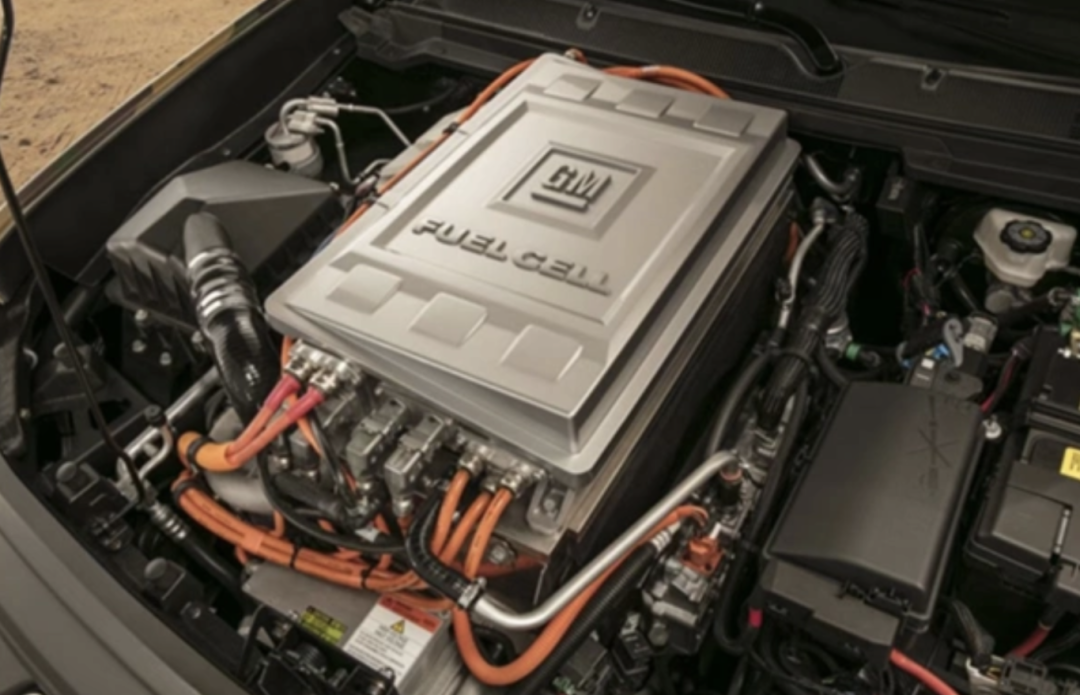
Firstly, there were differences in technological approaches. During its strategic adjustment, GM gradually shifted its resources toward the pure electric sector, reducing the priority of investment in fuel cell technology. In 2025, GM announced the cessation of research and development for its next-generation Hydrotec hydrogen fuel cell system, redirecting its R&D resources toward electric vehicles, batteries, and software, while only retaining existing production capacity for the joint venture with Honda.
In contrast, Honda has always regarded hydrogen energy as a core energy carrier equally important as electricity, persisting in its long-term layout of the hydrogen energy business and having higher requirements for the depth of R&D and commercialization pace of fuel cell technology. This fundamental divergence in technological approaches made it difficult for both parties to reach a consensus on subsequent investment and development directions for the joint venture project.
Secondly, there were differences in strategic goals. Honda clearly stated in its announcement that it aims to establish the hydrogen energy business as one of its new core businesses, with its self-developed next-generation fuel cell system serving as a key support for achieving this goal.
For Honda, the existing fuel cell system produced through the joint venture could no longer meet the technical requirements of its next-generation hydrogen energy products, making autonomous control of core technologies an inevitable choice. In contrast, GM was more inclined to limit fuel cell technology to specific scenarios for commercial vehicle models, lacking long-term investment willingness in the hydrogen energy business. This led to gradually prominent contradictions in business priorities and resource allocation between the two parties.
Changes in the market environment also affected the collaboration between the two parties.
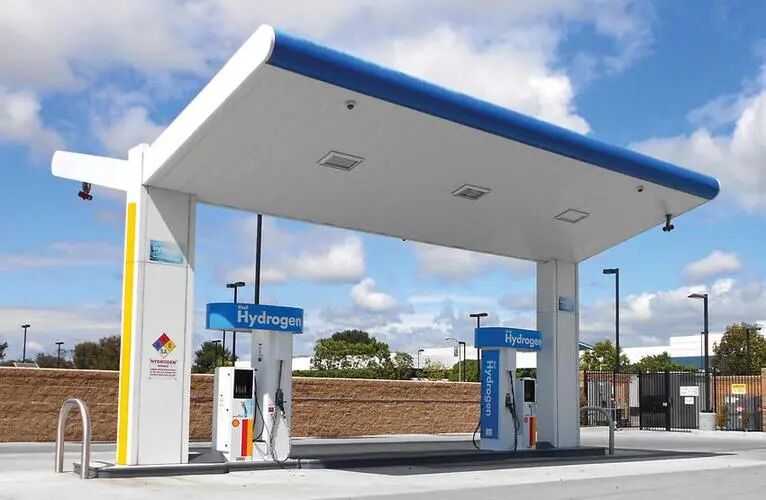
As we all know, the development pace of the global fuel cell vehicle market has been significantly slower than that of pure electric vehicles in recent years, with persistent issues of lagging infrastructure construction such as hydrogen refueling stations. Taking the US market as an example, there are only dozens of public hydrogen refueling stations, while the number of charging piles has exceeded 250,000. This significant infrastructure gap has severely limited the market penetration of fuel cell vehicles.
The insufficient market scale has hindered the full release of economies of scale for the joint venture project, with cost reductions falling short of expectations, further weakening the commercial motivation for both parties to continue their collaboration. Under the combined influence of multiple factors, the 'alliance' between Honda and GM ultimately came to an end, becoming another 'breakup' case in industry alliance collaborations.
02 'Huddling for Warmth' Is Not the Only Solution
The termination of Honda and GM's collaboration is not an isolated case of failed alliance partnerships in the automotive industry. Amidst the wave of industry transformation, alliance collaborations between international automotive giants have emerged endlessly, but their outcomes have varied greatly. Some alliances have achieved resource complementarity and synergistic win-win situations, while others have drifted apart due to strategic misalignments and imbalanced interests, ultimately ending unhappily.
Successful examples include the 'Renault-Nissan Alliance,' which enabled Nissan to quickly turn from losses to profits, while Renault expanded its global influence through Nissan's market channels. Both parties jointly ranked among the top in global automotive sales. Failed examples include the 'Global Fourth Largest Automotive Alliance' between Nissan and Honda, which collapsed shortly after a few months when Nissan tore up the agreement.
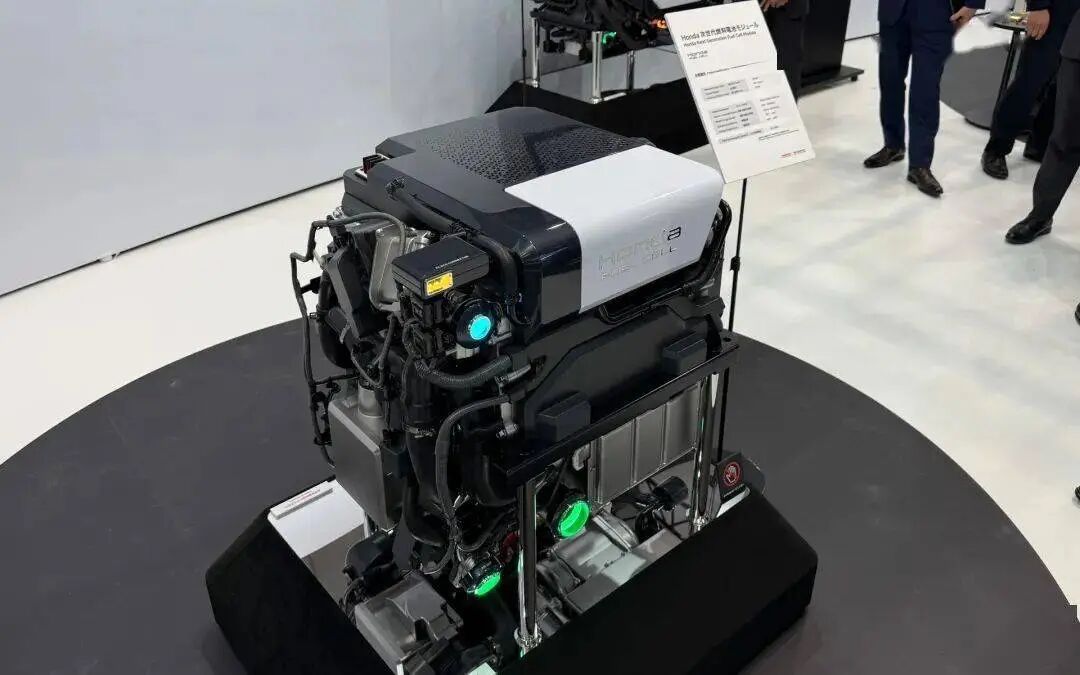
The 'breakup' between Honda and GM, as well as the fluctuations in alliance collaborations within the industry, all signal that 'huddling for warmth' is not the only path for traditional automotive giants to navigate industry changes. Especially when alliance collaborations become unsustainable due to strategic differences and imbalanced interests, adhering to autonomous R&D on the technological front can also pave a unique path to breakthroughs.
In fact, within the global automotive industry, many traditional giants have consistently adhered to self-developed innovation, achieving remarkable results in electrification, intelligence, and hydrogen energy sectors.
For example, in the fields of electrification and intelligence, BYD's self-developed journey is worth noting. As one of the representatives of Chinese independent brands, BYD started from battery R&D and gradually achieved full-stack self-development of core technologies such as the three-electric systems (battery, motor, and electric control), IGBT chips, and vehicle-grade operating systems.
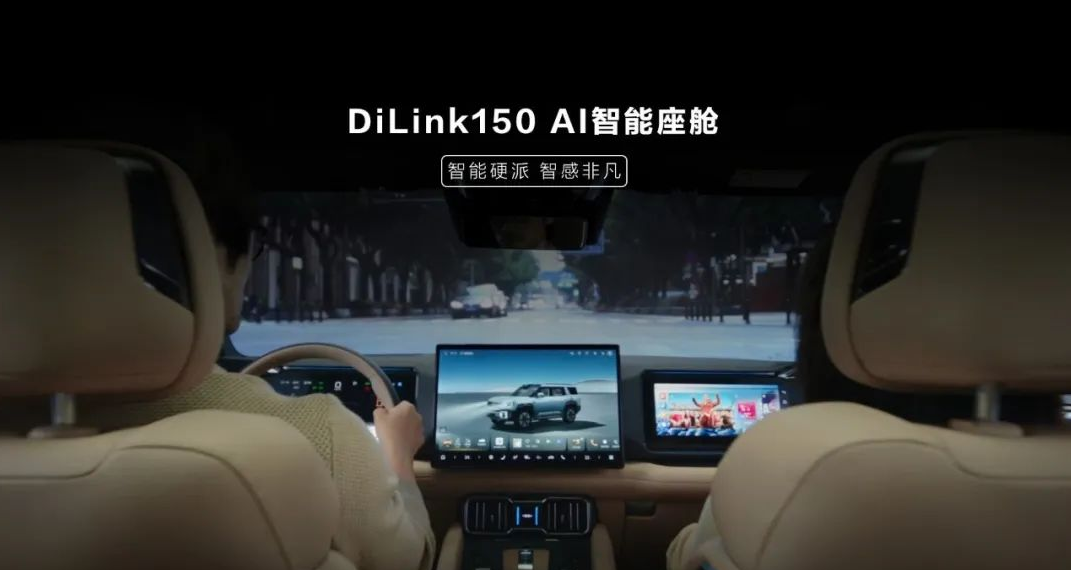
Among them, BYD's Blade Battery has achieved breakthroughs in safety and energy density through its self-developed structural design, becoming a core competitive advantage for its pure electric vehicle models. In the hybrid sector, BYD's DM-i Super Hybrid System has realized product advantages through its self-developed dedicated engine and hybrid architecture. Meanwhile, BYD's self-developed DiPilot autonomous driving assistance system and DiLink intelligent connected vehicle system continuously enhance the intelligence level of its products.
Through full industry chain self-development, BYD has not only effectively reduced production costs but also achieved autonomous control of core technologies, securing a favorable position in the global new energy vehicle market competition.
This fully proves that autonomous R&D is also an effective path for traditional automotive giants to navigate industry changes. Especially for traditional giants with profound technological accumulation and financial strength, self-developed innovation enables better control of core technologies and the formulation of flexible development strategies based on their strategic goals, avoiding passivity caused by strategic misalignments and imbalanced interests in alliance collaborations.
Meanwhile, self-developed innovation helps enterprises build unique technological barriers and enhance the core competitiveness of their products, standing out in fierce market competition.

Therefore, the termination of Honda and GM's collaboration in the fuel cell sector serves as a wake-up call for alliance partnerships in the automotive industry. Amidst the wave of industry changes, huddling for warmth can achieve resource complementarity and cost-sharing, helping enterprises quickly respond to market challenges. However, when strategic goals become misaligned, alliances often tend to break down, consuming enterprises' resources and energy instead.
In contrast, self-developed innovation, as another path, enables enterprises to control core technologies and build competitive advantages. However, it also requires enterprises to possess sufficient financial strength, profound technological accumulation, and long-term strategic patience. Whether to choose alliances or self-developed innovation is not a binary decision but requires making the most suitable judgment based on one's development stage, technological strength, and strategic goals.
Of course, regardless of whether they choose alliance collaborations or adhere to self-developed innovation, traditional automotive giants need to clarify their strategic directions and focus on building core competitiveness. Honda's decision to terminate its collaboration with GM and instead delve deeply into its self-developed hydrogen energy route reflects its clear strategic judgment.
Editor-in-Charge: Du Yuxin Editor: He Zengrong
THE END
-
![]()
Enflame Tech's IPO Journey: Navigating Over 5.9 Billion Yuan in Losses and Soaring Debt in Q1 This Year
-
![]()
Trillion-Yuan Giant Li Shufu 'Streamlines': Could Levc Be the Casualty?
-
![]()
AI Competes for Electricity and Generates Power in the Gobi Desert
-
![]()
The First Batch of Victims of the AI Bubble: Programmers
-
![]()
ByteDance, DJI, and Xiaohongshu Secure Top Three Positions Among China’s Fastest-Growing Unicorns
-
Tesla's in-car voice system in China is finally learning to 'understand human language'
-
![]()
Foreigners Are Amazed: Chinese Electric Vehicle Drive Systems Unveil Innovative 'Poses'
-
![]()
700,000 Brothers and the Future of Robots: Behind JD.com's 'Nirvana Plan'