March Auto Market 'Roars': Price War is Just the 'Appetizer'
 02/28 2026
 716
716
After the Lunar New Year holiday, the auto market seems to have kicked into high gear. Following a relatively subdued start to the year, March is poised to be a pivotal month for major automakers to unveil their latest offerings. Brands are unanimously pinning their hopes on March, clearly aiming for a robust start to the year. From revamped sales strategies to new models pushing brand elevation, even those long-established joint-venture players who once dominated the internal combustion engine vehicle (ICEV) era are now getting serious.
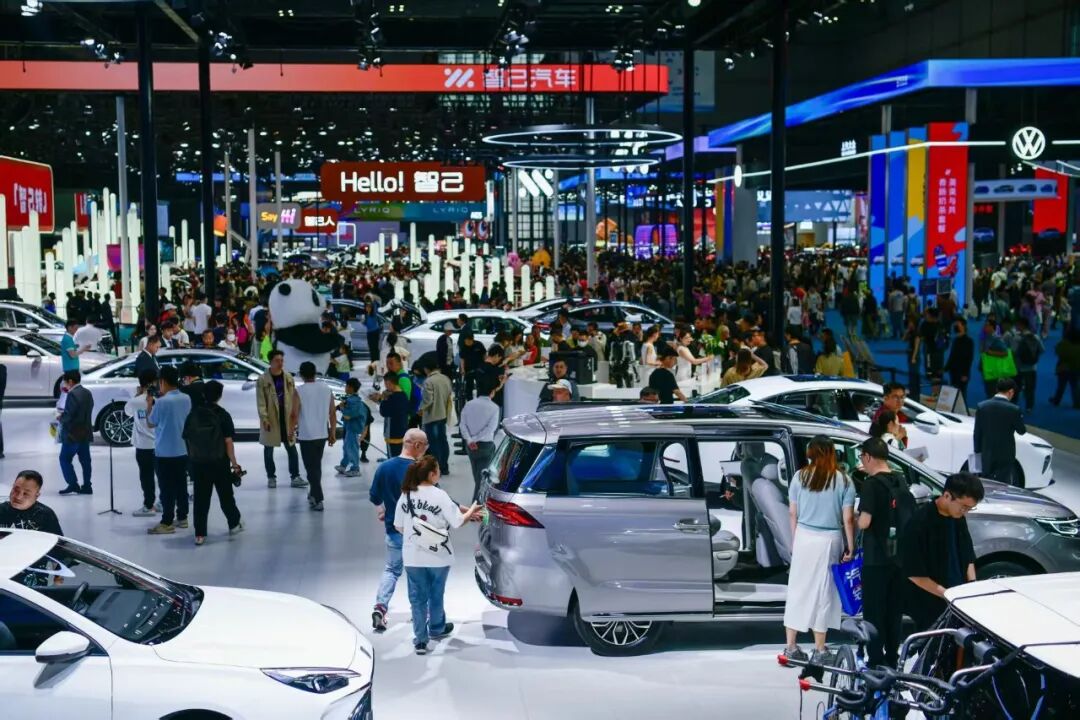
It's not that March possesses some magical allure—it's just that this year's window of opportunity is particularly critical. The first quarter often serves as a barometer for annual sales, and with the Beijing Auto Show on the horizon in April, no one wants to falter before the spotlight shifts. Thus, clustering launches has become the only viable strategy. Behind this trend lies a survival battle that no one can afford to lose.
New Forces: No Room for Complacency
Let's first examine the new forces, with XPENG making the most significant splash. The 2026 XPENG X9 pure electric version is set to launch in March, with a clear objective—to capitalize on the current MPV craze and quickly solidify its market position. The current X9 is performing well, but competitors are not to be underestimated.
For this refresh, XPENG is pulling out all the stops. The entire lineup comes standard with an 800V platform and 5C ultra-fast charging batteries, extending the maximum range to 750km—impressive figures for an MPV. More critically, the Turing chip boosts computing power to 2250TOPS, while AEB activation speed increases to 130km/h. In the past, intelligent MPVs were seen as a niche; now, XPENG aims to demonstrate that even large vehicles need smart brains to remain mainstream.
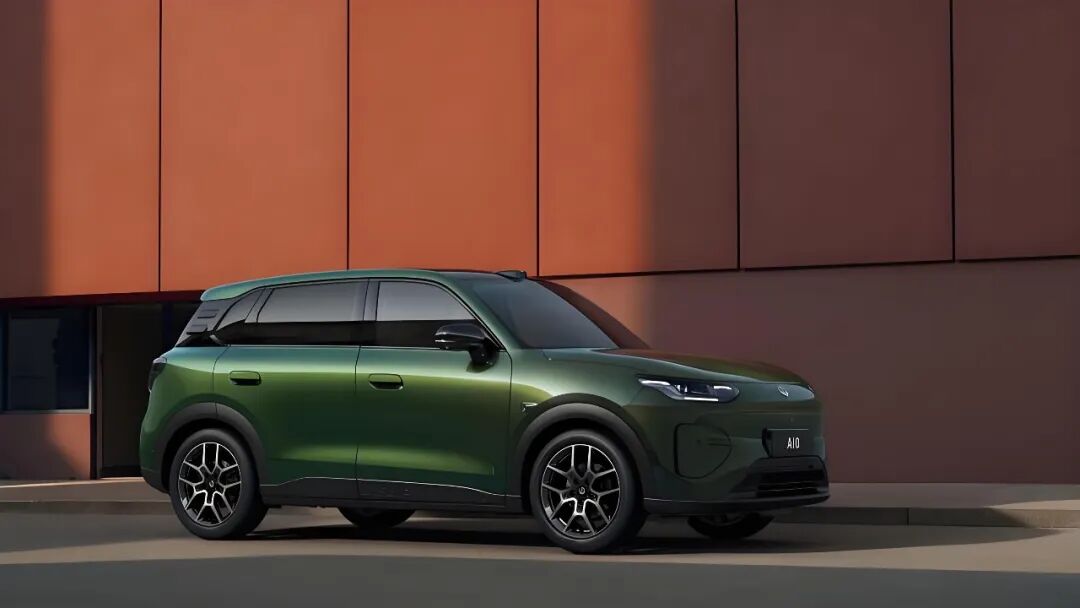
Leapmotor has always charted its own course. The upcoming Leapmotor A10, which opens for pre-sales in March, sharpens its 'price-cutting knife' even further. Priced at an estimated 80,000–100,000 yuan, what does it offer? 800V fast charging and LiDAR. That's formidable. Despite its compact 4.2-meter length, the A10 achieves a 2610mm wheelbase and 88.1% 'space efficiency'—a precision strike for young families. Previously, 100,000 yuan could only buy a 'commuter car'; now, it buys a 'smart mobile terminal.' This shift in consumer mindset is what traditional brands should fear most.
Of course, traditional giants aren't sitting idle—or rather, their counterattack carries a 'do-or-die' edge. GAC Motor's Hyper A800 is set to launch on March 4, clearly aiming for a slice of the executive sedan market.
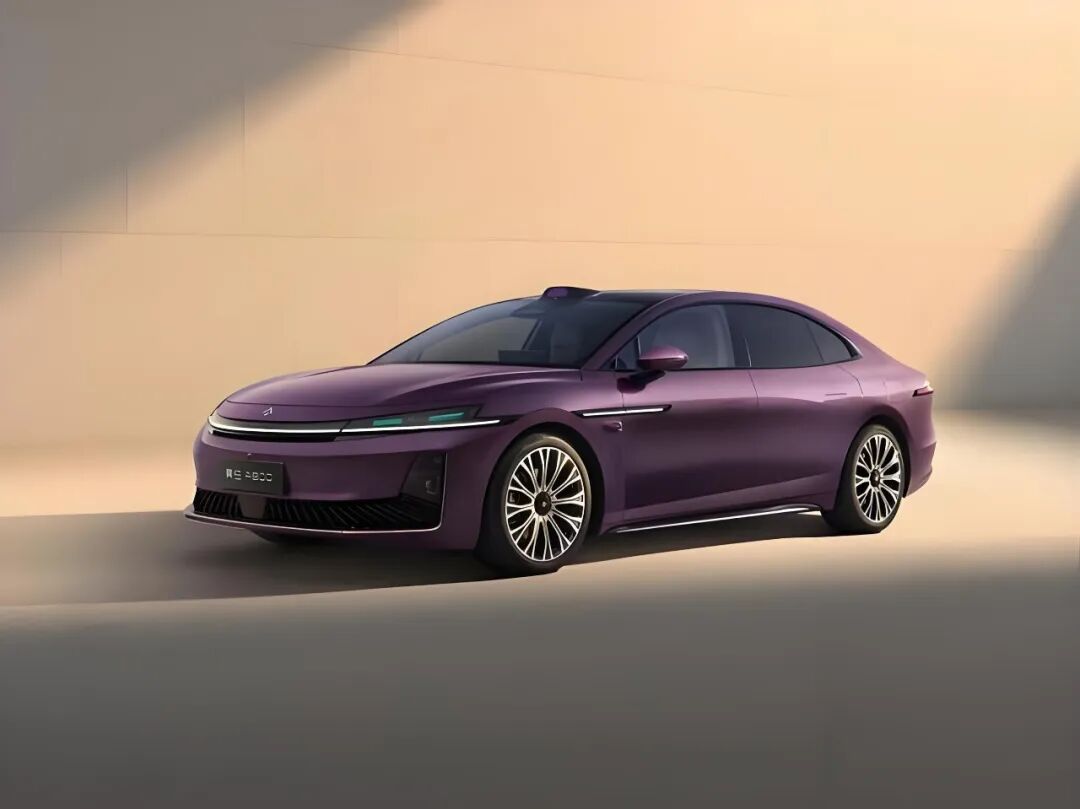
At 5130mm long with a 3020mm wheelbase, it's a standard '532' large sedan. Most intriguing is Hyper's adoption of Huawei's Qiankun Intelligent Driving and HarmonyOS Cockpit, along with four LiDAR sensors. This was unthinkable before—a traditional state-owned enterprise's premium brand fully embracing tech firms. It shows everyone understands: on the intelligence track, past strengths like chassis tuning and leather interiors can no longer justify luxury premiums.
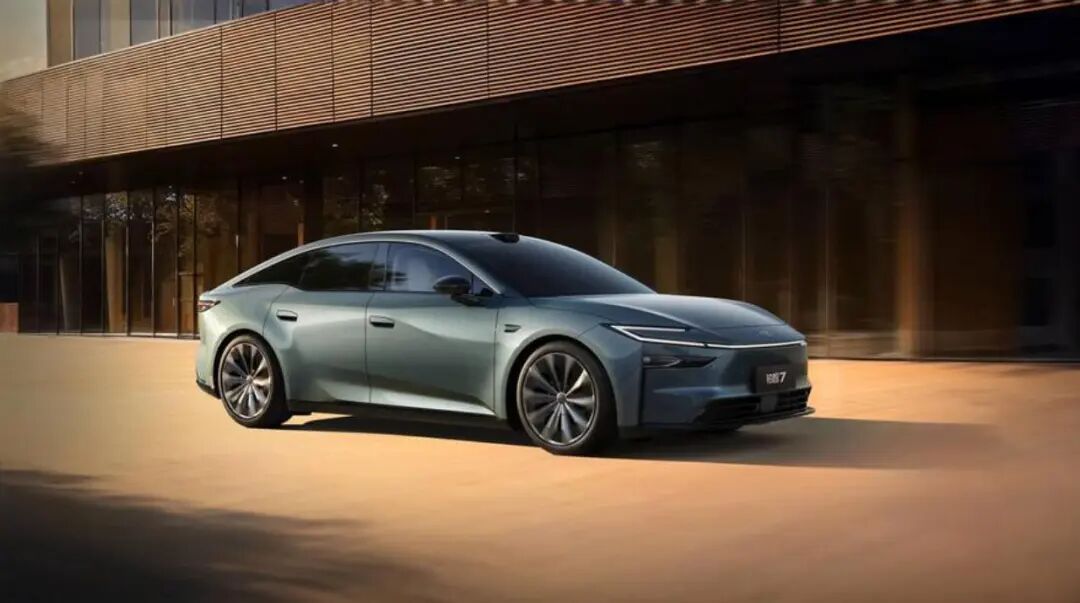
Similar dramas are unfolding among joint-venture brands. GAC Toyota's bZ7 plans to open pre-sales on March 5, flaunting a 'full-spec HarmonyOS Cockpit' and 'Momenta R6 Intelligent Driving.' Akio Toyoda once said, 'A car is more than just transportation'—now, China's team is redefining that in the most down-to-earth way. The bZ7 even uses Huawei-supplied drive motors with 207kW max power. Who would've believed such deep localization five years ago? But reality is harsh: embrace change or embrace decline.
Joint-Venture Brands' Pivots: No Small Stir
Among this wave of new models, the joint-venture camp warrants closer inspection. March used to be their 'prime season,' where minor refreshes could reap orders. Not anymore—they need to bring real firepower.
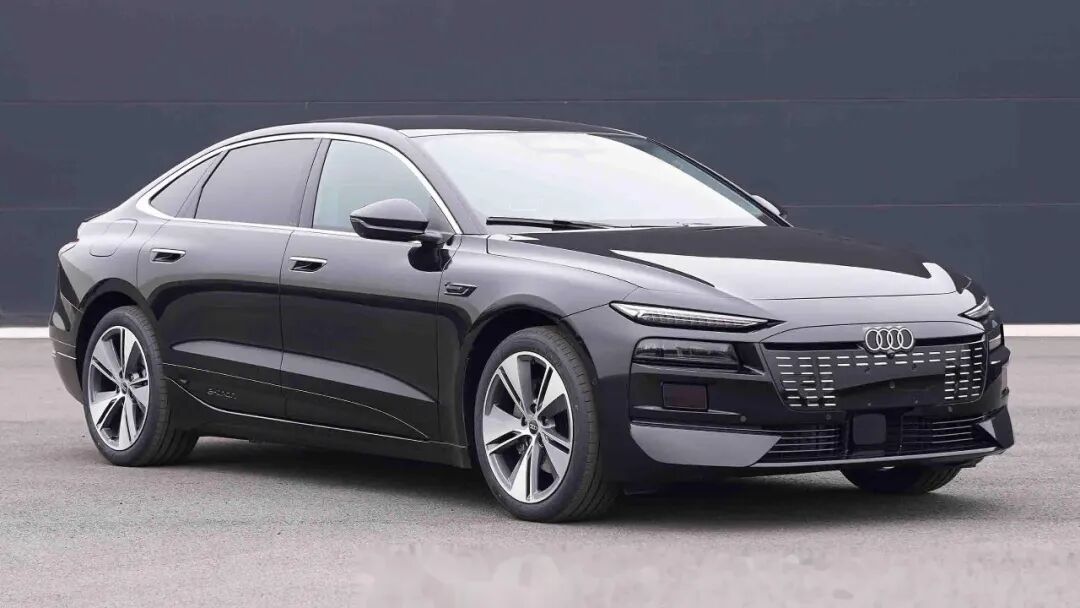
Audi's move is a masterclass in 'dual-track strategy.' The all-new Audi A6L, expected in March, is a major player in the internal combustion engine vehicle (ICEV) market this year. According to 4S store sales, it may adopt a fixed-price model, with the base model around 330,000 yuan. The current model starts at over 400,000 yuan—this price cut means Audi is dropping its pretenses, prioritizing volume over inflated pricing. At this juncture, safeguarding market share matters more than maintaining artificial pricing power.
Even more noteworthy is the Audi A6L e-tron, launching in the first half. Built on the PPE pure electric platform with a 107kWh battery, it offers 770km CLTC range. This is true 'oil-electric parity in intelligence.' Audi knows executive-seat passengers may not fully embrace new forces' approaches yet but crave electric quietness and tech appeal. Using the A6L's shell to stabilize the base and e-tron's tech to explore new territory is a calculated move.
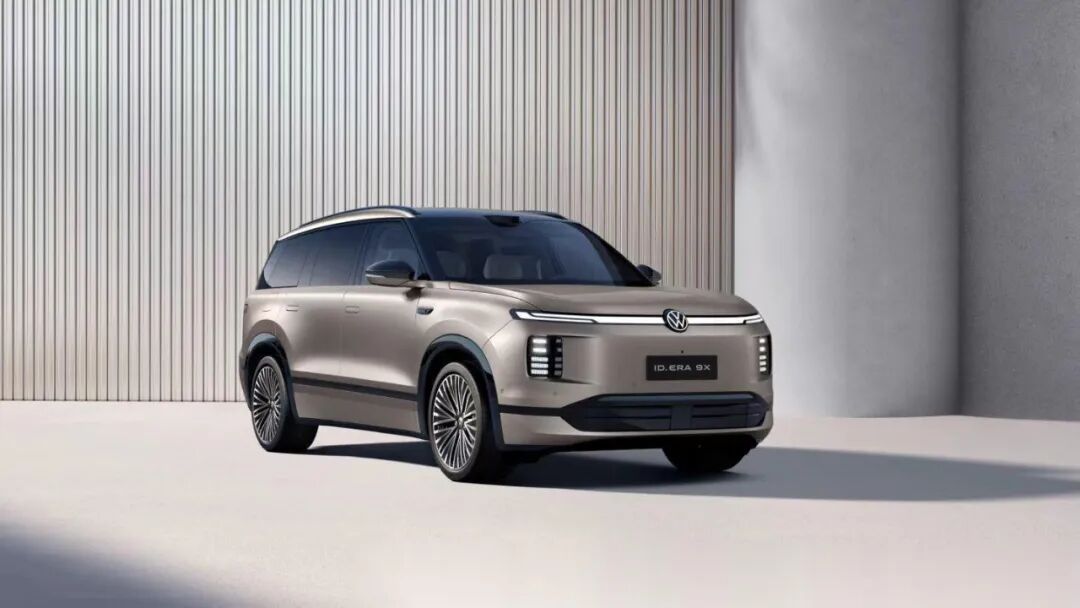
SAIC Volkswagen's ID.ERA 9X is no pushover either. A large extended-range SUV over 5.2 meters long with six seats, it offers around 340km of pure electric range. Volkswagen finally gets it: in China's NEV market, extended-range tech is unavoidable. What was once seen as outdated now effectively addresses range anxiety. The ID.ERA 9X signals Volkswagen's shift to meet real Chinese consumer needs rather than trying to educate the market.
FAW-Volkswagen's all-new Sagitar S, though light on details, is likely a last-ditch effort to defend the A+ sedan segment. With BYD Qin L and Wuling Starlight PHEVs encroaching, Sagitar must offer sincerity in either configurations or pricing to stay in the game.
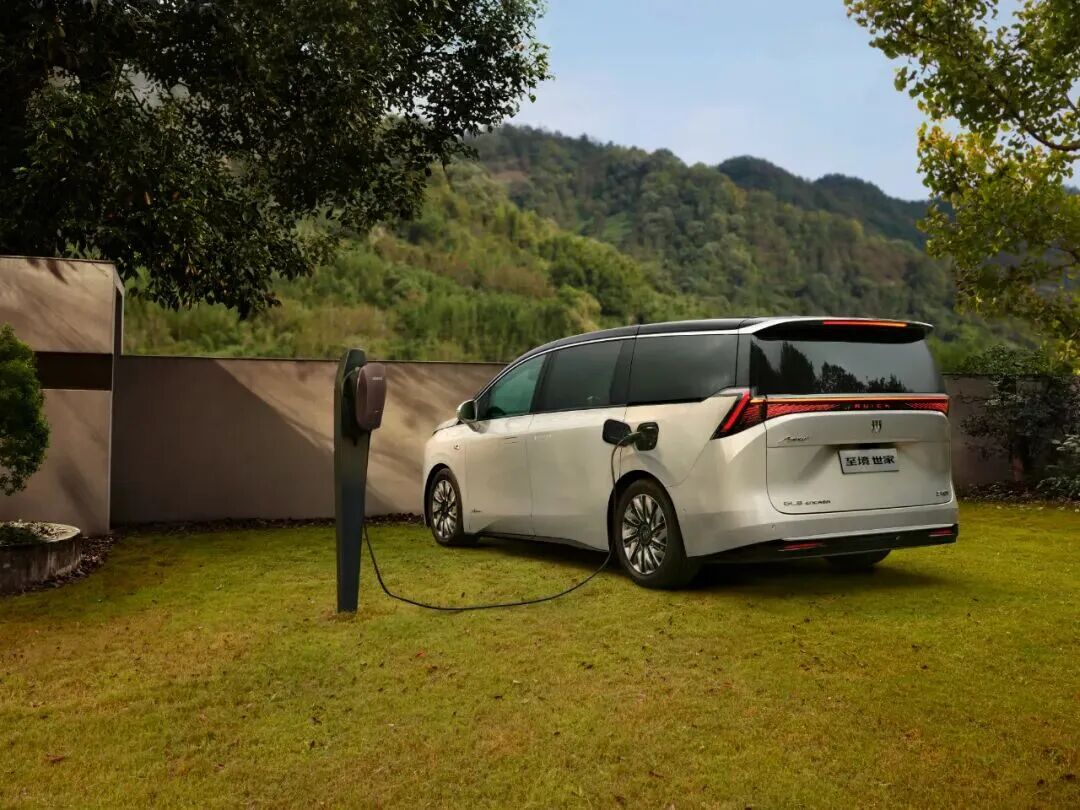
Buick's Enclave Electra, as the name suggests, reinterprets American luxury in an EV. Frankly, Buick's Velite series didn't fare well, but this 'Electra' line aims to redefine the brand's luxury DNA in electric terms. Success hinges on whether consumers still value that American heft.
User Demand Accelerates Market Fragmentation
Looking at March's new models, a clear trend emerges: simply stacking specs and batteries is outdated. Competition has entered the 'heart-winning' phase—vying for consumer decision-making mindshare.
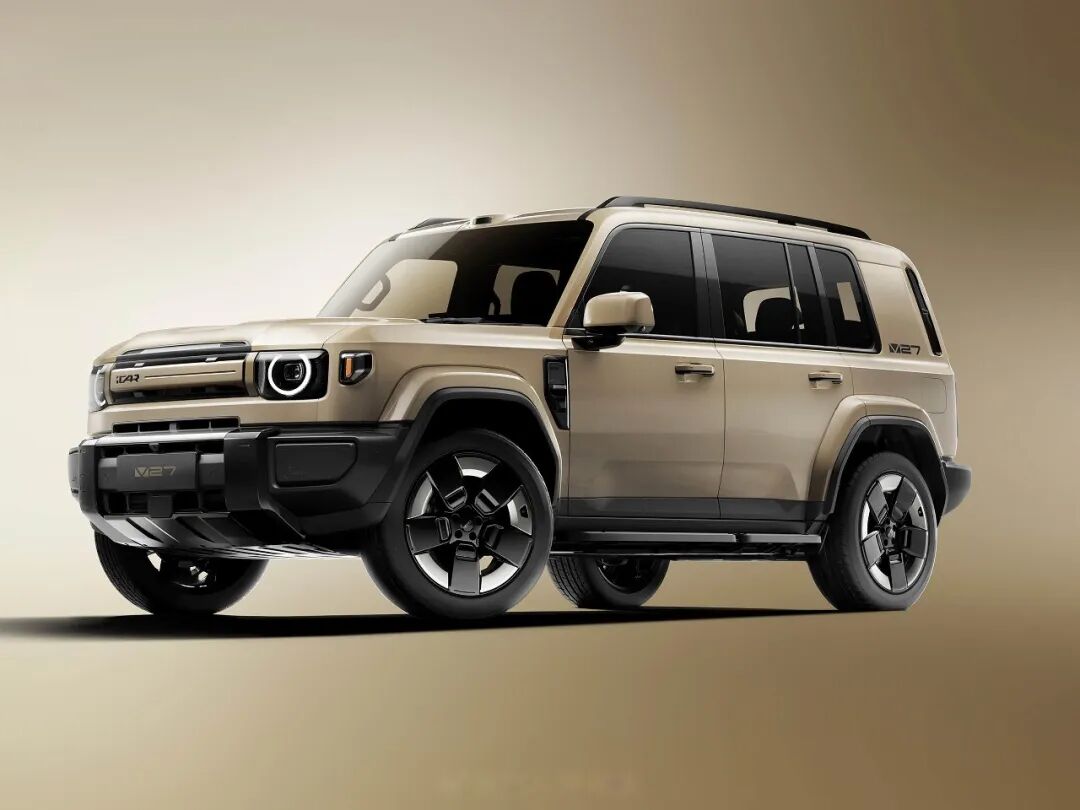
Take the iCAR V27, positioned as a rugged 'boxy' SUV with retro design, external spare tire, and over 1000km combined extended-range. It targets not families but young people seeking individuality and light off-roading. Such niche segmentation was rare in traditional automakers' plans—too 'un-mass-market.' But now, niches mean high loyalty, and high loyalty means sales without deep discounts.
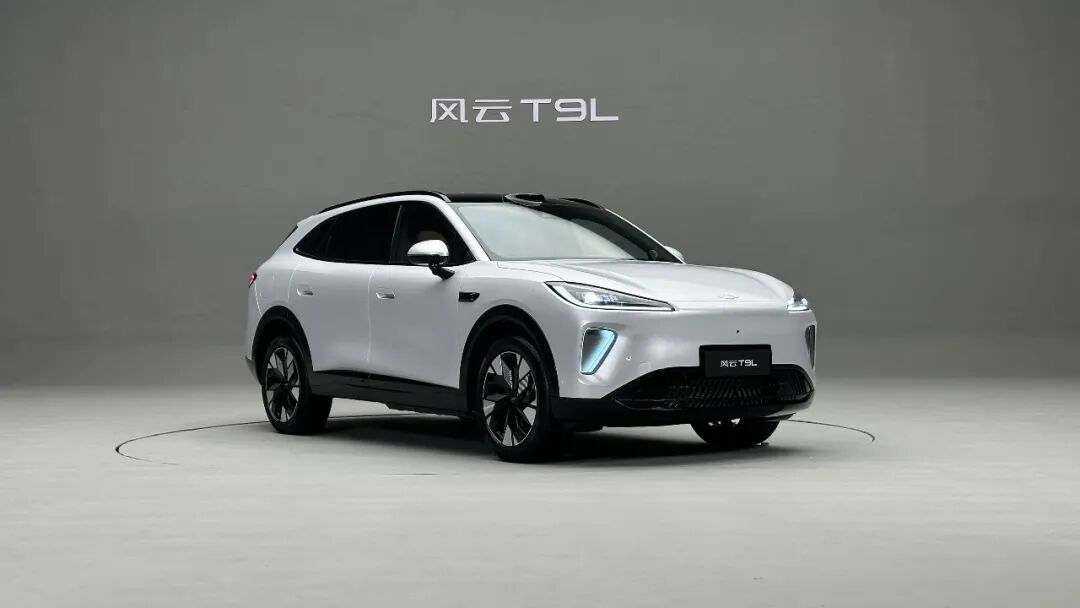
Chery's Fengyun T9L takes a different route, attacking the family essentials market with over-specced offerings. Blind booking started on January 17, racking up 6,000+ orders in 24 hours—a sign of heat. Expected to launch in March at 140,000–150,000 yuan, this price band was once joint-venture SUV territory. But the T9L barges in with a 2920mm wheelbase and a host of 'over-spec' features.
ARCFOX's new Alpha S5, launching in mid-to-late March, pitches itself as an 'AI high-performance wide-body coupe.' ARCFOX has been lukewarm so far, but the S5 spares no expense: 256-color panoramic ambient lighting, 19 speakers, zero-gravity sport seats, and even an extended-range version with 175km pure electric range. What does this say? Even sporty coupes can't afford range anxiety. Speed must come with peace of mind.
Models like the Hyper A800 and bZ7 focus on 'luxury feel.' They ditch mere leather and wood trim, instead defining luxury through 23-speaker panoramic sound, 7.3.4 surround sound, and intelligent predictive dual-chamber air suspension—experiential configs. It's a fascinating shift: luxury isn't seen but heard and felt.
The Audi A6L and Volkswagen ID.ERA 9X represent another path—winning hearts through brand heritage and tech trust. For new forces, the selling point is novelty; for traditional giants, it's 'I won't let you down.' Especially in premium segments, such trust remains scarce. If Audi's rumored 330,000 yuan entry price materializes, it's leveraging price to cash in on that trust.
Thus, March's clustered launches aren't just a new model feast—they're a concentrated display of survival tactics. New forces prove they're more than storytellers; traditional giants show they can keep pace; and brands in between scramble to find their cracks, however narrow, to bask in the sunlight.
Ultimately, this year's market trajectory is already hidden in this wave of new models. Price wars won't stop, but they'll morph—no longer simple official cuts of tens of thousands, but through spec devolution, tech democratization, and ecosystem bundling to make consumers feel 'it's worth it.'
-
![]()
Can Chinese Automakers Pose Such Fierce Competition? Mercedes-Benz Cancels Year-End Bonuses for 90,000 Staff, Volkswagen to Lay Off 100,000 Employees...
-
![]()
Anhui and Zhejiang Vie for the Crown in New Energy Vehicle Dominance: Who Will Prevail?
-
![]()
Tmall 618 Rankings Unveil Trends Transforming the Home Appliance Industry
-
![]()
This Week in Home Appliances: Overseas Boom! Midea, TCL, Dreame Break Through; Casarte, Fotile, Gree, Hisense, Ronshen Lay Foundations
-
![]()
Aiming to Be the Alphard of the Electric Era! After D99's Launch, Leapmotor Will Release All-New Technologies to Pave the Way for a High-End Brand | Mirrormedia Pro
-
![]()
Over 5,200 Orders Placed on First Day: Can the Qijing GT7, Priced from 209,900 Yuan, Compete with the Z7 and SU7? | Mingjing Pro
-
![]()
AI Predicting the World Cup? It’s Time to Stop Insulting AI
-
![]()
iPhone 18 Pro Memory Costs Soar Threefold! Apple Seeks Trump Administration Approval for CXMT Memory Chips