Fuel Vehicles' Counterattack in 2026: Securing Mid-Tier Models at Budget-Friendly Prices
 02/28 2026
 655
655
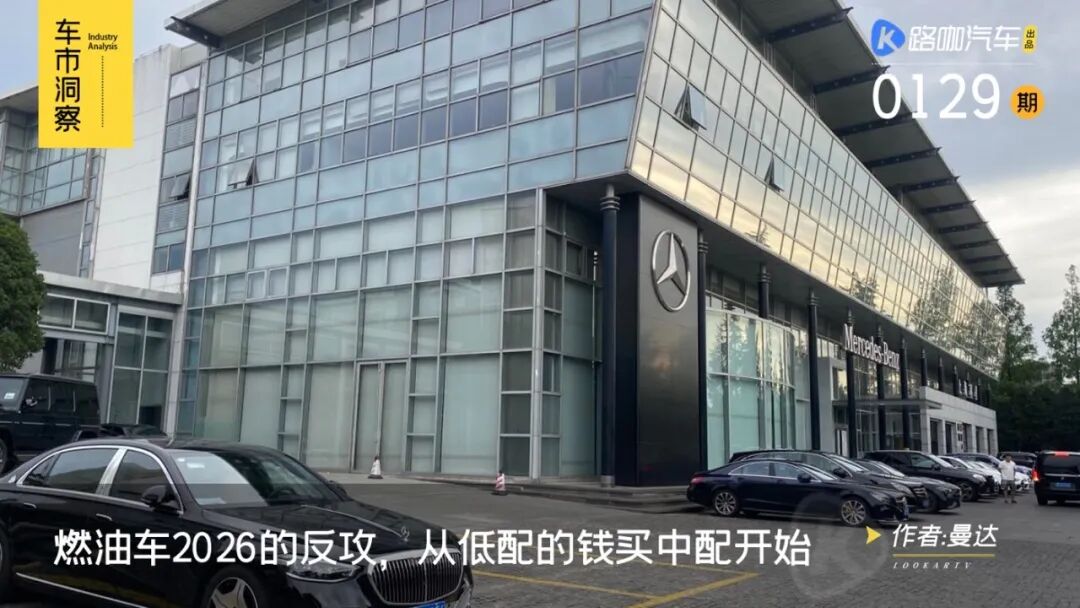
Over the past year, the market penetration of new energy vehicles has surged from 47.6% to approximately 54%, exerting pressure on the overall market share of fuel vehicles. However, fuel vehicles are far from surrendering. This resilience is evident in their sales performance: fuel vehicles continue to dominate sales across various price segments, with the family sedan market's resurgence being particularly noteworthy.
Joint-venture family and mid-sized fuel sedans are fiercely defending their market positions through a blend of efficient generational updates and substantial configuration enhancements. While luxury fuel vehicles face significant challenges, they are also actively recalibrating their strategies, seeking a new equilibrium under the adage that "every car can sell, given the right price."
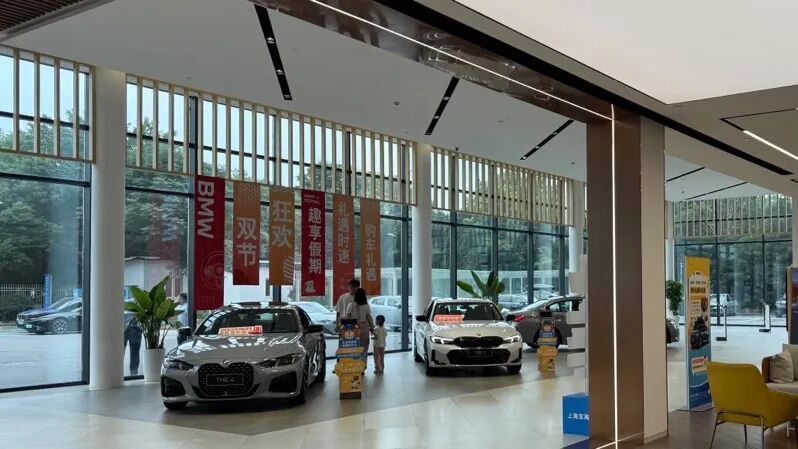
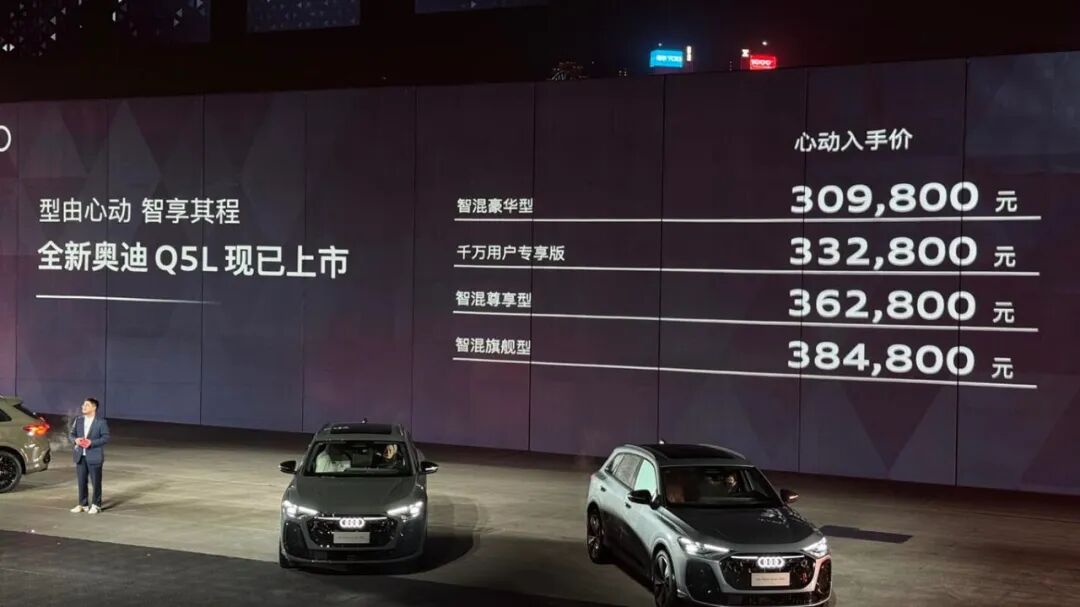
As we step into 2026, pricing strategies have emerged as the linchpin for breaking the market deadlock. The traditional approach of "high manufacturer's suggested retail price (MSRP) + heavy discounts" is crumbling, replaced by a more appealing combination of "official price cuts + configuration upgrades + incentives." Audi's new Q5L, for instance, has slashed its starting price to 309,800 yuan. BMW has announced structural price reductions, introduced model year updates, and rolled out special editions with enhanced features. Mercedes-Benz, too, has reduced prices on several key models. The actions of these luxury brands (BBA) signal the starting point for fuel vehicles to redefine market order in 2026.
There are no unsellable cars, only unsellable prices.
The fuel vehicle market in 2025 exhibited structural differentiation amidst a backdrop of rising new energy penetration, which climbed from 47.6% in 2024 to around 54% in 2025. Despite this, the overall market share of fuel vehicles continued to be eroded. Nevertheless, joint-venture family and mid-sized fuel sedans managed to hold their ground through official price reductions, generational shifts, and configuration upgrades.
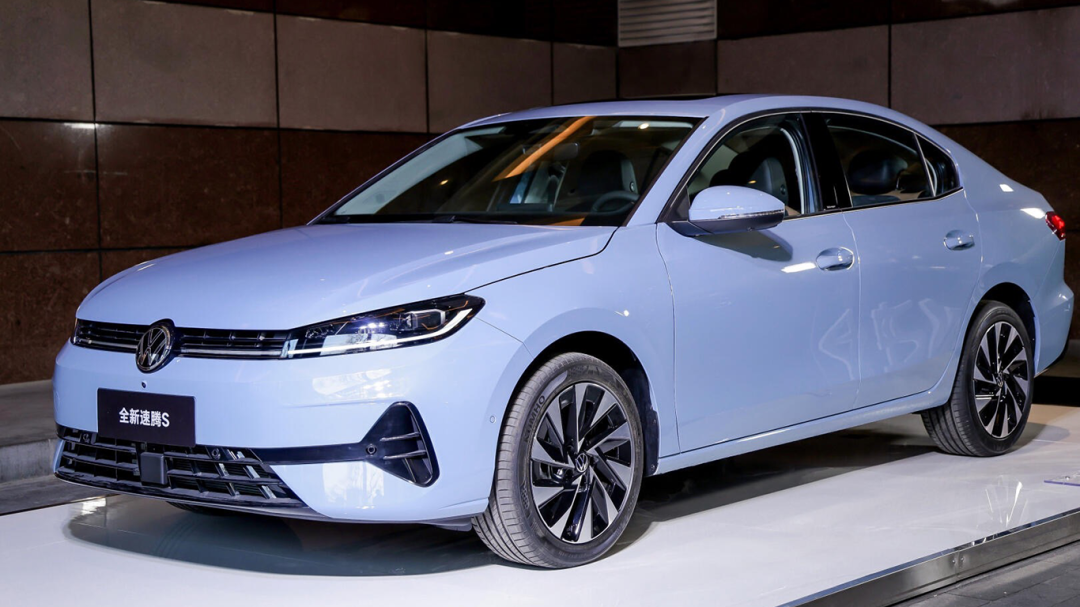
The resurgence of the family sedan market is most evident. FAW-Volkswagen's Sagitar, for example, sold 256,000 units in 2025, up slightly from 241,100 units in 2024. It maintained its top position in the 100,000-200,000 yuan price range, underscoring the enduring strength of the fuel vehicle base. This growth is primarily attributed to the release of consumer demand spurred by lower terminal prices and trade-in incentives.
Among mid-sized sedans, GAC Toyota's Camry sold 208,700 units in 2025, a substantial increase from 158,000 units in 2024, reflecting a notable recovery in market share. The key drivers behind this surge are the price reductions of the updated hybrid model and strengthened channel promotions.
The luxury fuel vehicle segment, however, is under considerable strain. Audi A6L sold 170,800 units in 2025, down slightly from 177,000 units in 2024. The same brand's Q5L and A4L sold only 133,600 and 79,960 units, respectively, experiencing larger declines. This indirectly highlights the pressure luxury fuel vehicles face from high-end new energy models, as well as the challenges traditional luxury products encounter during generational shifts and as their pricing systems become more rational.
Overall, while the market share of fuel vehicles continues to decline, the adage holds true: there are no unsellable cars, only unsellable prices. Relatively affordable joint-venture family fuel vehicles have demonstrated robust vitality in 2025. In the mainstream 100,000-200,000 yuan price band, joint-venture fuel vehicles have maintained their scale through official price reductions and configuration upgrades.
This trend is also apparent in the new fuel vehicle models launched in 2026. The all-new Audi Q5L, released at the beginning of the year, boasts an official starting price of 309,800 yuan, significantly lower than the current model's starting price of 349,800 yuan. It has entered the main sales range of domestic high-end brands like Li Auto and NIO.
It is evident that Audi Q5L aims to solidify its position in the luxury fuel mid-sized SUV segment through a combination of "official price cuts for entry-level models + configuration upgrades."
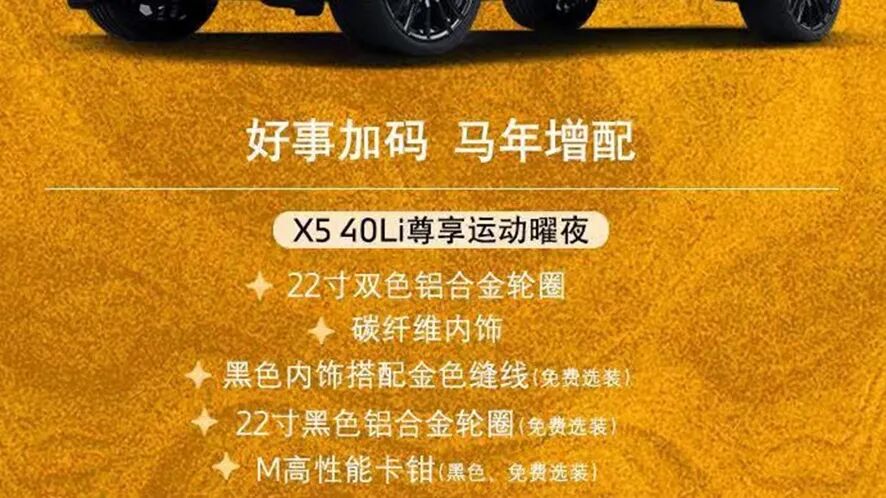
BMW, which initiated official price reductions at the start of 2026, initially excluded its core volume models such as the 3 Series, 5 Series, and X3. However, ahead of the Spring Festival, BMW announced the launch of 2026 model year updates for several key models, featuring enhanced configurations. Simultaneously, it will introduce a "Year of the Horse" edition in the Chinese Year of the Horse, offering configuration upgrades on several main models.
Configuration upgrades become the norm, enabling consumers to buy mid-tier models at budget-friendly prices.
The traditional pricing model of "high MSRP + heavy terminal discounts" commonly employed by fuel vehicles is gradually fading away. The official price reductions by luxury brands like BMW at the beginning of the year are a clear indicator of this shift—manufacturers are actively adjusting their official MSRPs to align them more closely with the actual transaction prices. In 2026, it is anticipated that more fuel vehicle companies will adopt similar strategies.
Public reports indicate that on February 1st, Mercedes-Benz adjusted the manufacturer's suggested retail prices for some models, including the C-Class, GLB, GLC, and GLC Coupe series, with reductions ranging from 33,700 to 69,000 yuan, covering the two core segments of sedans and SUVs.
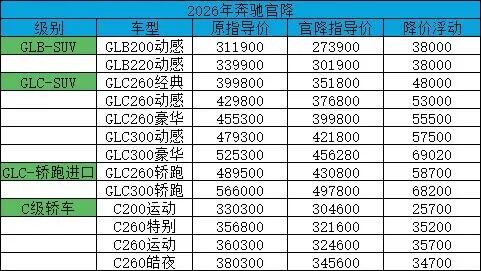
It is noteworthy that Mercedes-Benz has clearly specified the price reduction amplitude for each model without altering the configurations, meaning there is no "reducing configurations to lower prices" maneuver.
In addition to high-end fuel vehicles like BMW and Mercedes-Benz, data compiled by the China Passenger Car Association reveals that fuel vehicle prices remained relatively stable in 2025.
The average price of passenger vehicles in 2025 was 170,000 yuan, down 14,000 yuan from the average price in 2024. The average price of fuel vehicles decreased to 182,000 yuan in 2025, but in December alone, it rose to 192,000 yuan.
In contrast, the average price of new energy vehicles has declined more markedly. From an average price of 184,000 yuan in 2023, it decreased to 180,000 yuan in 2024 and further to 161,000 yuan in 2025. Meanwhile, the industry's profit margins remain at historically low levels, further eroding the space for automakers to "exchange volume for price."
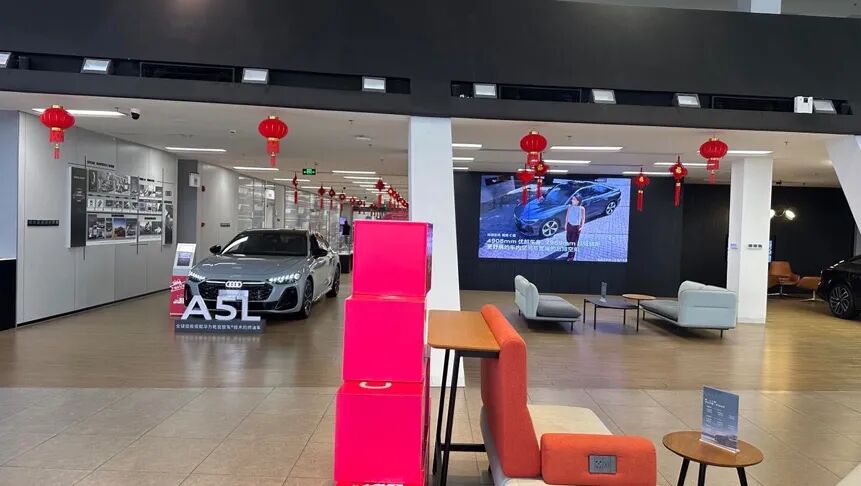
"Official price reductions" are precisely a corrective measure to this market turmoil. It has been observed that after BMW announced its official price reductions, foot traffic at 4S stores increased significantly. Even among these consumers, many ultimately purchased models that were not subject to price reductions. This indicates that clear and transparent official prices can reduce consumer decision-making costs, driving traffic and conversions, thereby stabilizing the position of fuel vehicles.
Professional channel sources point out that BMW and Mercedes-Benz's adjustments to their MSRPs have minimal impact on the actual vehicle prices, effectively "bringing the terminal prices to the forefront." However, the current "official price reductions" primarily target older or current models. For new models to be launched in 2026, configuration upgrades are the key to fuel vehicles' counterattack. From the heavyweight new models set to debut in 2026, such as the Audi A6L, Mercedes-Benz GLC, BMW 5 Series/X3, and Sagitar S, it is highly probable that they will adhere to this strategy.
This is not only a proactive response to the pricing pressure exerted by new energy vehicles' "transparent direct-sales model" but also a crucial measure for traditional automakers to enhance their resilience and sustainable development capabilities amidst fierce competition. Although terminal prices will not experience a drastic decline, consumers will be able to purchase fuel vehicles with richer configurations and higher cost-performance at more transparent prices closer to the MSRP, which is undoubtedly a positive signal for the structural stability of the fuel vehicle market.
-
![]()
Can Chinese Automakers Pose Such Fierce Competition? Mercedes-Benz Cancels Year-End Bonuses for 90,000 Staff, Volkswagen to Lay Off 100,000 Employees...
-
![]()
Anhui and Zhejiang Vie for the Crown in New Energy Vehicle Dominance: Who Will Prevail?
-
![]()
Tmall 618 Rankings Unveil Trends Transforming the Home Appliance Industry
-
![]()
This Week in Home Appliances: Overseas Boom! Midea, TCL, Dreame Break Through; Casarte, Fotile, Gree, Hisense, Ronshen Lay Foundations
-
![]()
Aiming to Be the Alphard of the Electric Era! After D99's Launch, Leapmotor Will Release All-New Technologies to Pave the Way for a High-End Brand | Mirrormedia Pro
-
![]()
Over 5,200 Orders Placed on First Day: Can the Qijing GT7, Priced from 209,900 Yuan, Compete with the Z7 and SU7? | Mingjing Pro
-
![]()
AI Predicting the World Cup? It’s Time to Stop Insulting AI
-
![]()
iPhone 18 Pro Memory Costs Soar Threefold! Apple Seeks Trump Administration Approval for CXMT Memory Chips