German Car Brands Slash Prices, Japanese Brands Withdraw: Chinese Automakers Secure Spots in Global Top 10 Sales Rankings
 02/28 2026
 590
590
Today, WeChat Moments are inundated with trending automotive headlines. 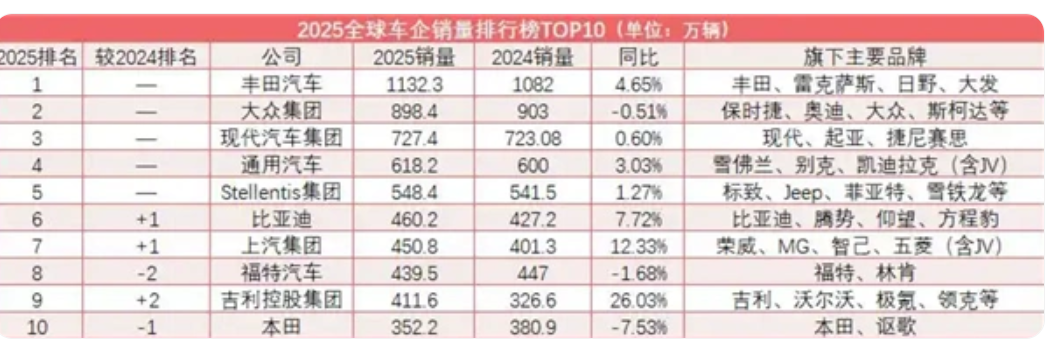
The global top 10 automotive sales rankings have been released, with Mercedes-Benz, BMW, and Audi collectively reducing prices and Japanese brands experiencing a significant decline in the Chinese market... These topics have dominated the charts, evoking strong emotions among owners of fuel-powered vehicles (internal combustion engine vehicles).
The automotive industry in 2026 began with a major shakeup: German luxury brands slashed prices by over 100,000 RMB, the Japanese automotive myth in China was shattered, and for the first time, three Chinese companies firmly secured spots in the global top 10 sales rankings.
Much like the domestic smartphone market a decade ago—when Huawei, OPPO, and Vivo quietly replaced Apple and Samsung—this is not merely a price war but a complete shift in market influence.
01 German Brands Bow, Japanese Brands Retreat: Overseas Players Lose Ground
Let's start with German brands.
The BMW 7 Series is now offering discounts of up to 270,000 RMB, with the 530Li Prestige model dropping from 525,000 RMB to the 350,000 RMB range. Mercedes-Benz E-Class prices have fallen by over 100,000 RMB, with the GLB starting below 150,000 RMB. The Audi A3 has entered the 100,000 RMB price zone, with prices as low as 99,000 RMB.
Sales staff now pose the question, 'Are you considering an NEV?'—a query that once implied affordability but now challenges the relevance of traditional fuel-powered vehicles (internal combustion engine vehicles).
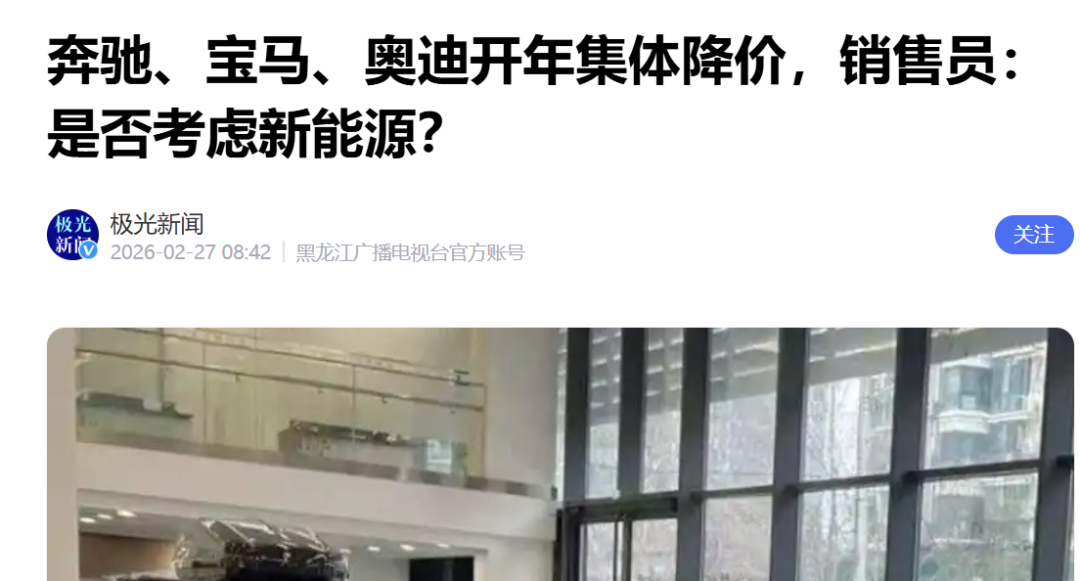
The numbers speak for themselves. In 2025, Mercedes-Benz sold 551,900 vehicles in China, a 19% year-over-year decline. BMW sold approximately 625,000 vehicles, a 12.5% decrease, and Audi sold around 617,000 vehicles, a 5% drop. Combined, they lost over 250,000 units in a year, reverting their market size to a decade ago.
Japanese brands fared even worse.
Honda's sales in China have declined for five consecutive years, shrinking by nearly 1 million units. Nissan's sales have dropped for seven years, causing it to fall out of the global top 10. Once-premium models like the CR-V and Accord now struggle with discounts. GAC Honda celebrated the Accord's 50th anniversary with a loyalty program: existing customers could purchase the Accord e:PHEV Prestige Edition for 138,800 RMB, a 100,000 RMB discount from its 238,800 RMB MSRP.
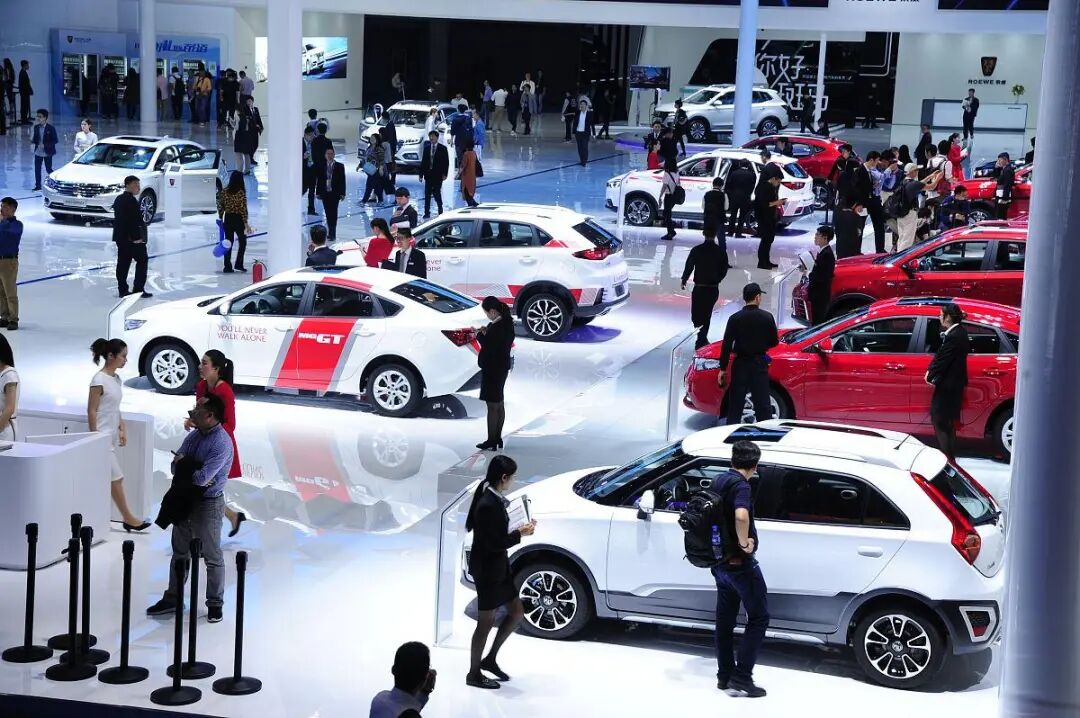
What does this scene resemble?
Once symbols of 'resale value' in China, Japanese brands now rely on 'fire-sale' pricing to clear inventory.
The truth is straightforward: NEV penetration has exceeded 50%, and domestic brands dominate the 300,000–1 million RMB segment, leaving BBA struggling. Consumer choices have forced German and Japanese brands to capitulate.
02 Chinese Brands Shine: Global Top 10 Sales Feature Chinese Names for the First Time
On February 26, Stellantis' earnings report finalized the 2025 global automaker sales rankings.
Toyota and Volkswagen retained their top spots, but the real excitement came from BYD (6th), SAIC Group (7th), and Geely Holding (8th). Three Chinese automakers joined the global top 10, all improving their rankings.
This is no fluke in the domestic market. 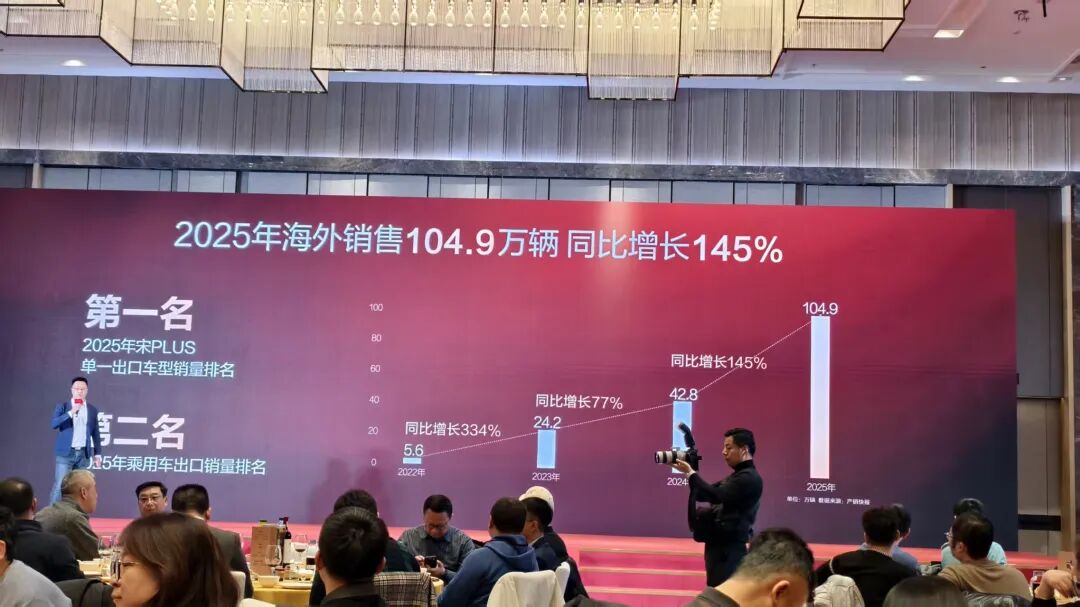
BYD sold 4.602 million vehicles globally in 2025, a 7.7% year-over-year increase, achieving China's highest-ever automaker ranking. Its BEV sales hit 2.257 million, surpassing Tesla to claim the global BEV crown. Overseas sales exceeded 1 million units (1.05 million, a 145% year-over-year increase).
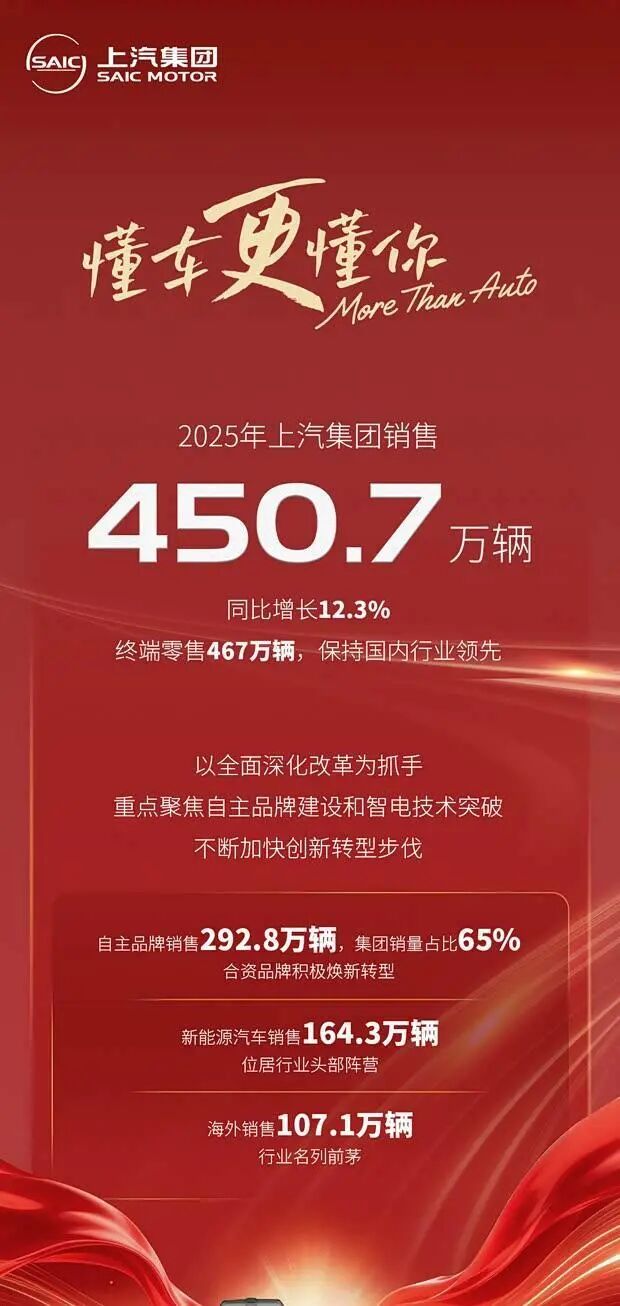
SAIC Group led Chinese automaker exports with 1.071 million overseas sales in 2025.
Geely Holding's global sales reached 4.116 million units, a 26% year-over-year increase, exceeding 4 million for the first time. NEV sales hit 2.293 million, accounting for 56% of total volume. 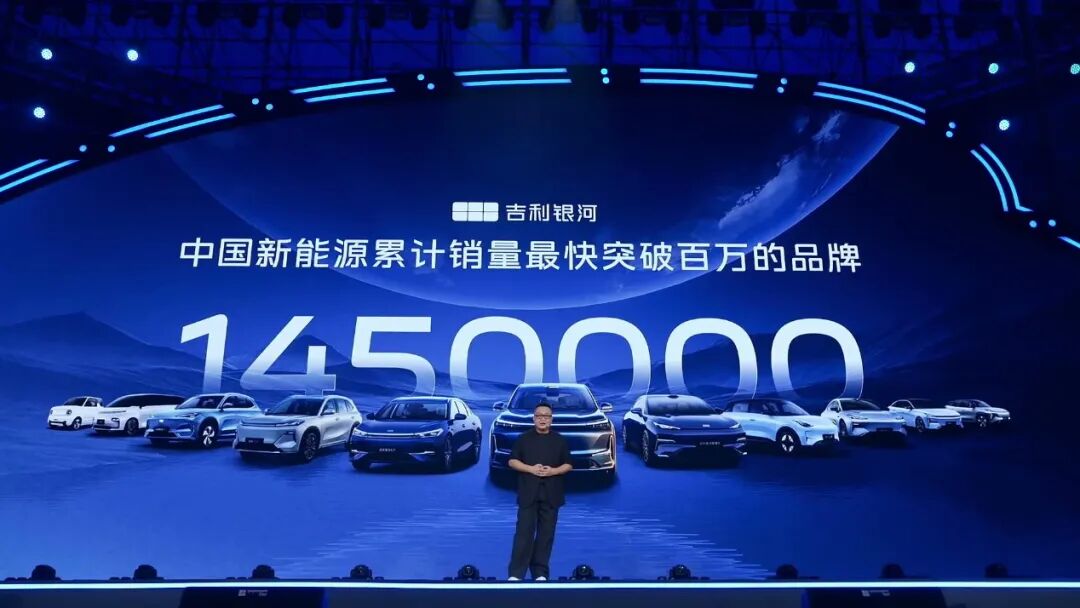
Once admirers from afar of Volkswagen and Toyota, Chinese models like the BYD Han and Geely Galaxy now dominate German streets and outcompete Japanese brands in Southeast Asia.
This success stems from technological prowess. Geely Galaxy achieved 1 million annual sales in just 29 months, setting a 'Chinese Speed' record in global automotive history. BYD's Blade Battery and DM-i Super Hybrid transformed it from a 'technology follower' to a 'standard setter.'
03 German Chancellor Visits Hangzhou—Not to Meet BMW or Mercedes, But Chinese Players
The most telling detail emerged on February 25.
German Chancellor Mertz visited Hangzhou, posing with 10 Chinese companies—including Geely and Leapmotor. Volkswagen CEO Oliver Blume stated publicly:
'For Volkswagen, Germany, and Europe's industrial sector, China is not just a sales market but an innovation hub and technology partner. In electric mobility, software, AI, and battery tech, China leads globally in shaping industry standards.' 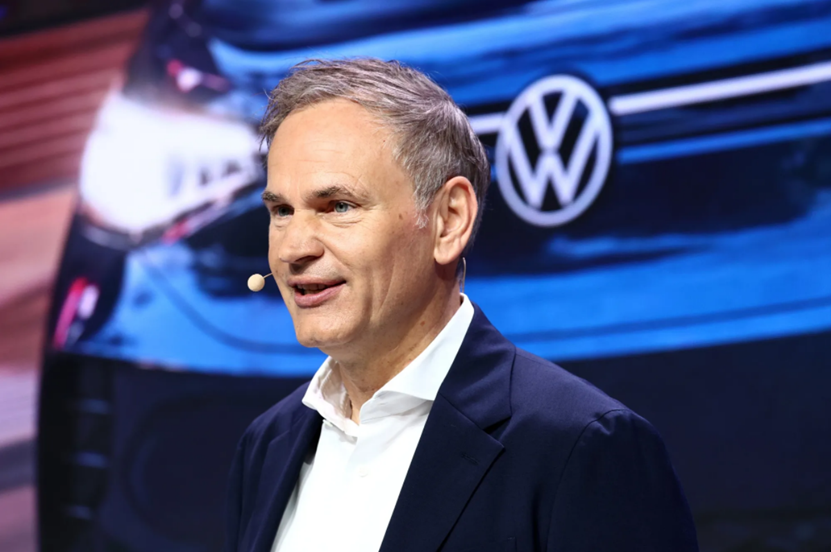
The significance is clear to industry insiders.
Germans understand that the automotive industry's future lies in China. In 2025, Audi equipped its PPC-based A5L with Huawei's ADS 3.0 system. Its joint EV brand with SAIC, AUDI, gained attention for its local BEV tech and ultra-fast charging. Volkswagen partnered with XPENG for smart electric tech, while Stellantis invested in Leapmotor to share its BEV platform.
From 'market-for-technology' to 'technology export,' China's automotive industry achieved in 40 years what others took a century to accomplish.
Inventory data adds context. CPCA data shows national passenger vehicle inventory hit 3.57 million units in late January, a 580,000-unit increase year-over-year. At current sales rates, this could sustain 70 days of sales—nearly a month longer than January 2025's 48 days.
When inventory cycles exceed 60 days, dealerships face severe pressure. Domestic brands' inventory coefficient reached 1.56 (well above the warning line), while NEV inventory stood at 720,000 units. Though seemingly manageable, rapid NEV iteration (product updates) renders models obsolete in three months. The implication? Price wars are inevitable—the question is how fierce and prolonged they will be.
04 The Wheel of Time Crushes More Than Nostalgia
From a consumer perspective, the question is straightforward: Buy now or wait?
Industry experts suggest late February to mid-March 2026 as the best purchasing window for the first half of the year, citing three factors: residual policy benefits, Q1 sales pressure for manufacturers, and pre-new-model inventory clearance.
But beyond purchases, this era demands deeper reflection. 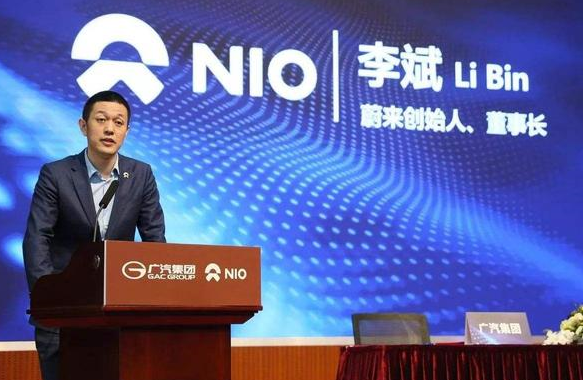
NIO founder William Li holds a cautious view of the 2026 auto market. He notes that Q1 2026 will pressure all automakers, with policy shifts like reduced purchase tax incentives potentially triggering early demand. Analysts expect annual domestic sales to stabilize around 30 million units from 2026–2030, with growth driven by exports. 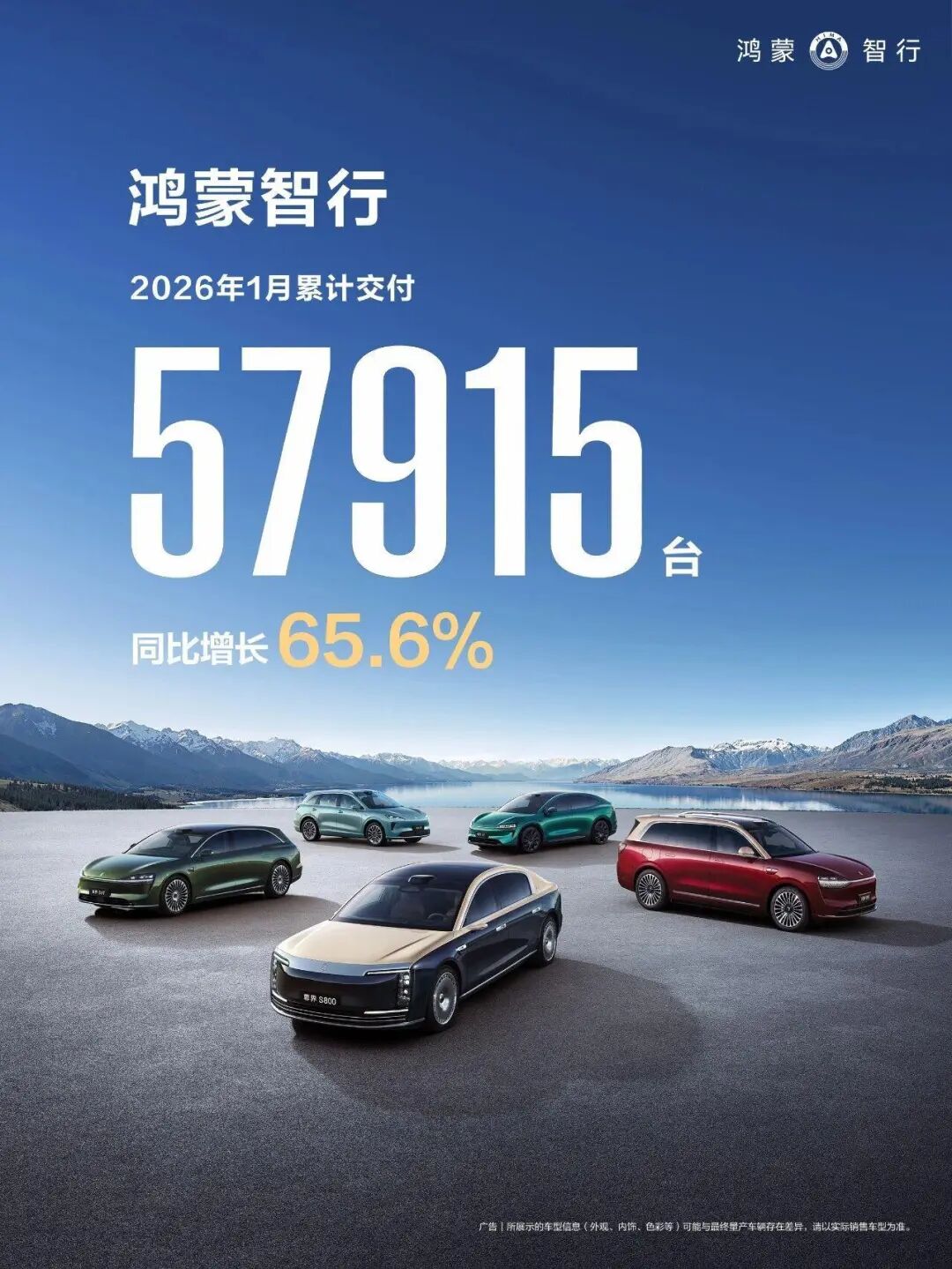
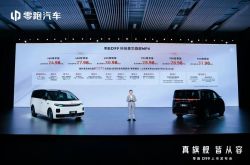
January sales data supports Li's outlook: HarmonyOS Intelligent Mobility topped new-force rankings with 57,900 units (40,000 from AITO), while Smart, Enjoyment, and other 'Four Realms' models accounted for fewer than 18,000 units. Huawei Executive Director Richard Yu revealed plans to complete HarmonyOS's 'Five Realms' lineup in 2026, including an AITO M6, a premium Smart MPV, and an ultra-luxury Enjoyment sedan. His words: 
'Every AITO model must earn market recognition and user love—each launch must be a hit.'
Xiaomi Auto followed closely, delivering over 39,000 units in January to claim second place among new forces. Former 'Weixiaoli' (NIO, XPENG, Li Auto) leaders now face pressure: Li Auto delivered 27,600 units, NIO 27,100, and XPENG just over 20,000. The impact of reduced tax incentives is clear, but the competitive landscape has shifted—no longer a 'Weixiaoli' trifecta but a 'New New Forces' table led by Huawei, Xiaomi, and Leapmotor.
Trending topics fade, but structural shifts endure: No amount of German price cuts can revive the era of premium surcharges, and Japanese brands' revival efforts won't restore past loyalty.
If you still drive a fuel-powered vehicle (internal combustion engine vehicle), cherish the nostalgia. If you've switched to NEV, you've stepped on the accelerator of the future.
Will your next car be a joint venture model?
Share your thoughts in the comments. (Data sources: Kuaitech, Huaxia Times, Jiupaicaijing, Cailian Press, CRI Online, etc.)
-
![]()
Can Chinese Automakers Pose Such Fierce Competition? Mercedes-Benz Cancels Year-End Bonuses for 90,000 Staff, Volkswagen to Lay Off 100,000 Employees...
-
![]()
Anhui and Zhejiang Vie for the Crown in New Energy Vehicle Dominance: Who Will Prevail?
-
![]()
Tmall 618 Rankings Unveil Trends Transforming the Home Appliance Industry
-
![]()
This Week in Home Appliances: Overseas Boom! Midea, TCL, Dreame Break Through; Casarte, Fotile, Gree, Hisense, Ronshen Lay Foundations
-
![]()
Aiming to Be the Alphard of the Electric Era! After D99's Launch, Leapmotor Will Release All-New Technologies to Pave the Way for a High-End Brand | Mirrormedia Pro
-
![]()
Over 5,200 Orders Placed on First Day: Can the Qijing GT7, Priced from 209,900 Yuan, Compete with the Z7 and SU7? | Mingjing Pro
-
![]()
AI Predicting the World Cup? It’s Time to Stop Insulting AI
-
![]()
iPhone 18 Pro Memory Costs Soar Threefold! Apple Seeks Trump Administration Approval for CXMT Memory Chips